Camping Shelters
Mountain Smith Lyan Peak Bivvy Tent Review: Space, Weatherproofing, and Real Trade-Offs
A long-term field review of the Mountain Smith Lyan Peak Bivvy Tent, covering its weather protection, interior space, condensation behaviour, packed weight, and who it actually suits.
Introduction
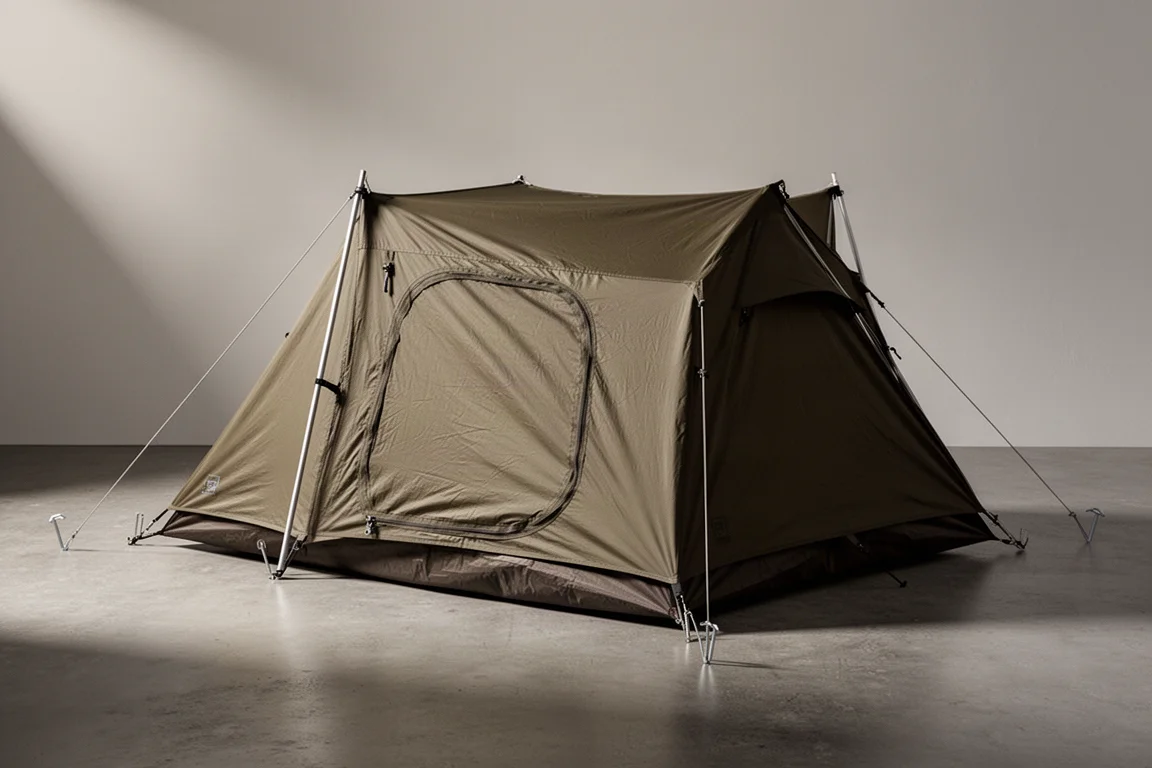
The Mountain Smith Lyan Peak Bivvy Tent is a one-person, three-season bivvy style shelter built for low-profile camping. It is a non-freestanding design, which means it has to be staked out before it will stand, and it combines a single large door, a bathtub floor, and a fly that buckles directly onto the inner tent. The overall result sits closer to a compact tent than to a traditional bivvy sack, with enough room at the front to sit upright and change clothes.
This shelter has been in regular field use since September 2023, covering the end of summer, the full autumn season, occasional mild winter nights, and a further stretch through spring. That long window makes it easier to separate the design decisions that work from the ones that get in the way, particularly around airflow and interior layout.
Pricing has moved around since launch. It was available for around $90, sells for roughly $112 currently, and is listed at about $180 by the manufacturer. A lifetime warranty and an included ground sheet are part of the package, which matters when you weigh the overall value.
Who This Bivvy Tent Is For
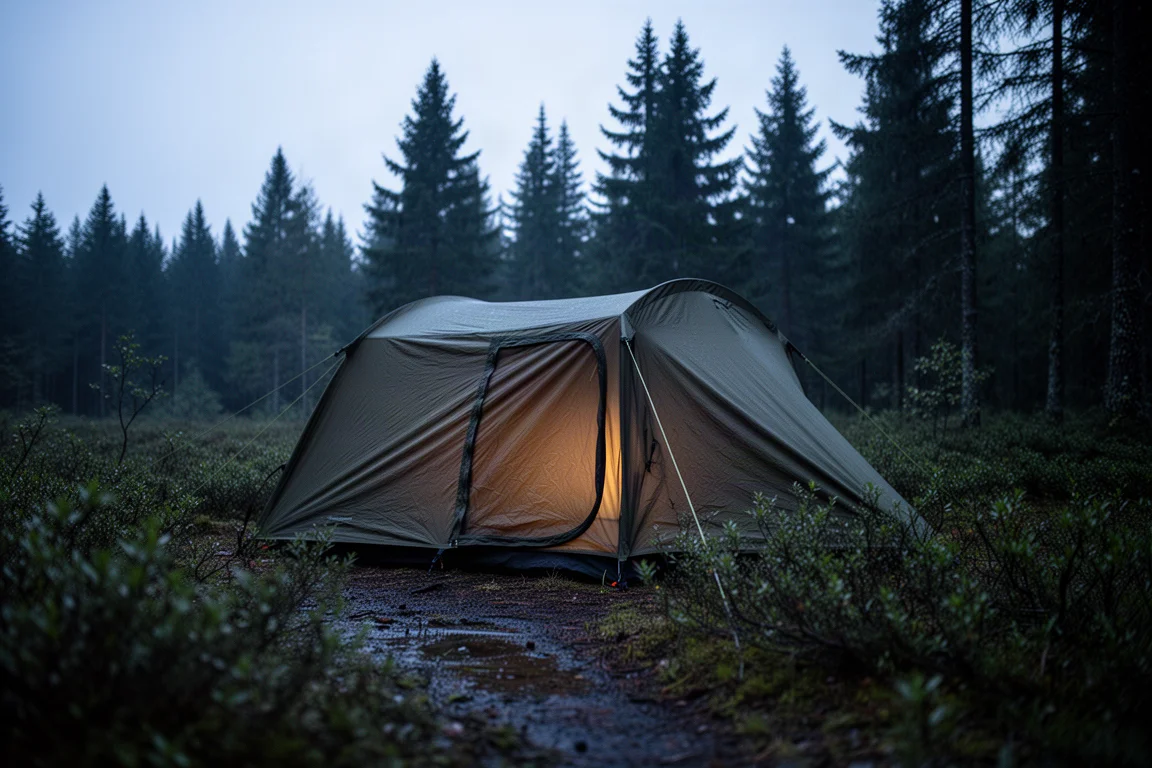
This shelter makes the most sense for campers who want a discreet, low-profile footprint without giving up living space. It is a three-season tent, so it is aimed at spring, summer, and autumn trips rather than snow loads and hard winter conditions. The brownish-green colourway helps it blend into woodland and scrub, which is exactly what stealth camping calls for.
It is also a good fit for solo campers who dislike the cramped feeling of a classic bivvy sack. There is enough interior volume to keep a pack and other gear inside with you, and enough headroom at the front to sit up, change clothes, or heat a small amount of water on a stove with care.
It is a less natural choice for anyone counting grams or covering long distances on foot. At over 4 lb, this is a heavy one-person shelter, and the generous packed size adds bulk to a pack. Campers who prioritise light loads will find better matches elsewhere, while those who value interior comfort and weather confidence will find more to like here.
Main Strengths: Weather Protection and Build Quality
Weather performance is the standout quality. The fly is 185T polyester with a 2,000 mm hydrostatic head rating, the floor combines 68D and 190T polyester with a 5,000 mm hydrostatic head rating, and the mesh inner is 185T polyester. In practice, the shelter has stayed completely dry through ice, heavy rain, thunderstorms, and very strong winds. Few bivvy style shelters inspire this level of confidence once the weather turns.
Build quality is equally solid for the money. The seam work is clean, the seam tape is properly applied, and there are no weak points to report after repeated use. Trip after trip and storm after storm, the shelter has held up with no signs of wear beyond ordinary dirt. The stakes are 7075 aluminium, and the structure uses two aluminium poles.
Stability is another strength. It takes a fair number of stakes to pitch properly, but once it is up, the shelter does not move, even in strong wind. Setup itself is straightforward: stake it out, raise the poles, clip everything together, buckle on the fly, and you are done. The fly buckles directly into the inner tent, which keeps the process simple, though those buckles and thick straps do add weight.
Interior Space and Living Comfort
The interior is the surprise here. From the outside the shelter looks compact, but inside there is more usable room than expected. The foot box area is generous enough for a wide sleeping pad, and the front section has space for a backpack and other gear. Because there is no vestibule, everything you bring has to live inside with you, and the interior volume is what makes that workable rather than cramped.
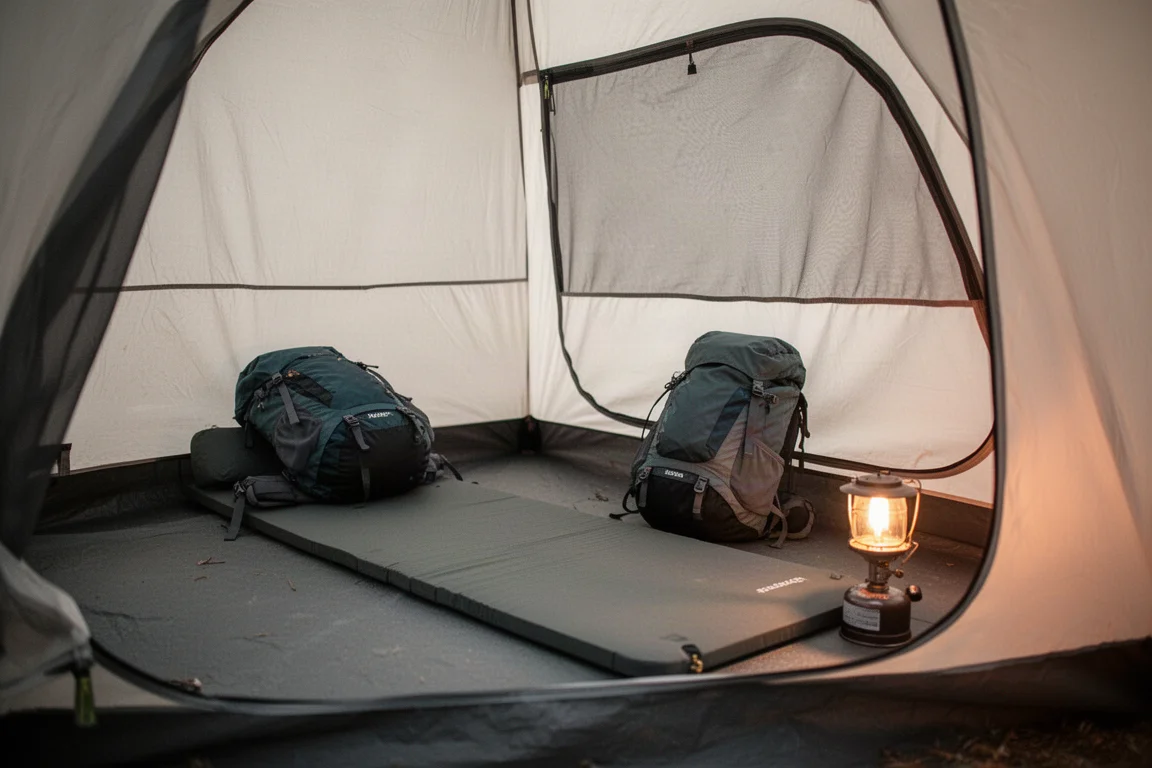
Headroom at the front is the other practical benefit. Being able to sit up, change clothes, or put on a jacket without lying flat is a meaningful upgrade over a conventional bivvy, and it makes long evenings in poor weather far more tolerable. The single door is large and easy to move through, and the zippers on both the door and the fly run smoothly without catching.
Things to Consider Before Buying
The strengths are real, but so are the compromises, and most of them trace back to the same handful of design decisions. Before committing, it is worth being honest about how you camp and what conditions you expect to meet.
Ventilation and Condensation
Airflow is the biggest weakness. The fly runs almost straight down to the ground alongside the body, so there is very little separation between the two layers and almost no path for air to move underneath. In cool, still, or damp conditions, condensation builds up heavily on the inside, and the shelter is a repeat offender in this respect.
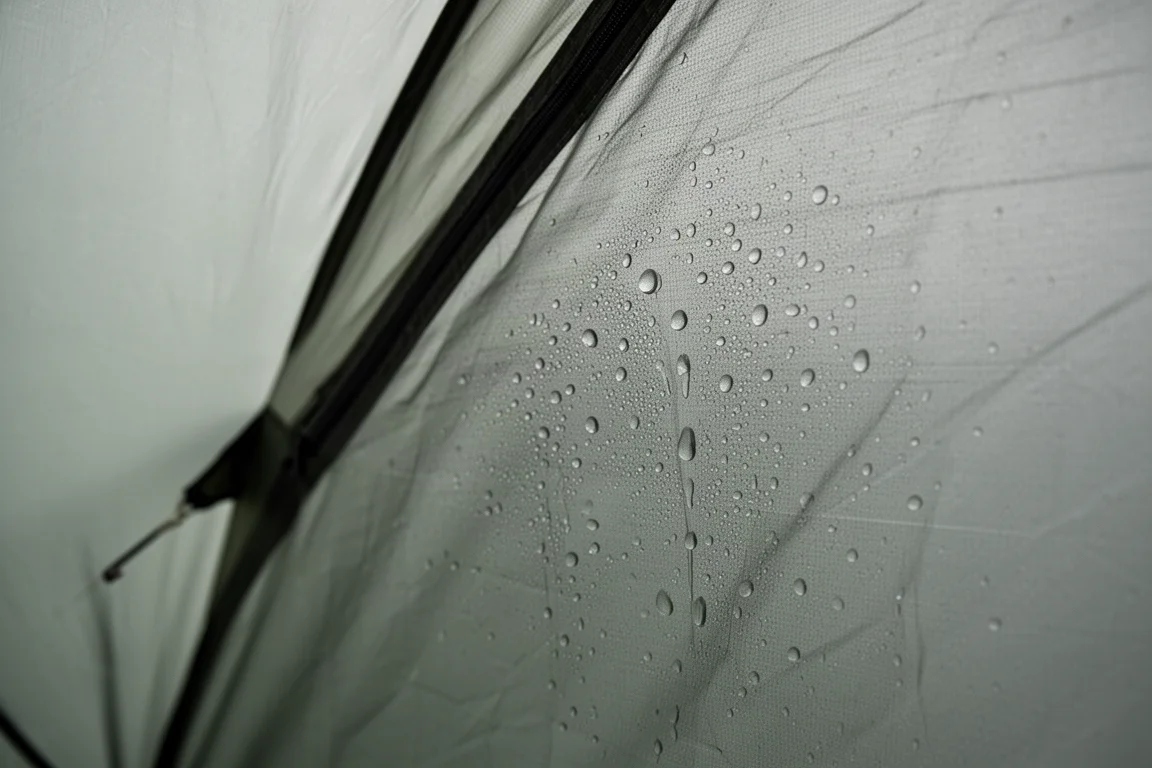
The saving grace is interior volume. Because there is so much space inside, moisture that forms on the walls generally will not reach you or your sleeping bag unless the wind is strong enough to push the inner fabric around. Still, the shelter is at its best on fair-weather trips where the fly can be rolled back and cooler air moves through the mesh at the door. In genuinely wet conditions it will keep you dry, but it will not keep you comfortable.
A second heat-related issue comes from the inner construction. The inner uses a mix of mesh panels and fabric panels, and the fabric holds warmth while restricting airflow. In warmer months the shelter runs hot, which is the opposite of what a three-season tent should do. A version with the fabric panels removed would be a much stronger product, even at a higher price.
Weight and Packed Size
At 4 lb 6.2 oz, this is a heavy one-person shelter. Part of that comes from the choice of very durable waterproof polyester materials, and part of it comes from the buckles and thick straps used throughout. The included ground sheet is useful, but it adds noticeable weight, so anyone watching pack weight should consider swapping it for a lighter alternative.
The packed size is also larger than you might expect from a one-person bivvy style tent, and the included stuff sack is big. If pack volume is tight, that is worth factoring in before you buy.
Shape and Storage
The geometry is unusual. There are sharp angles, small bends, and a set of stake-out points that do not follow any conventional layout, and the front of the shelter is noticeably more complex than the foot box. The shape does not appear to benefit the user. Cutting off one side simply removes usable space, which makes the odd angles harder to justify.
Storage is the other practical constraint. With no vestibule, wet boots, packs, and cooking gear all end up inside the sleeping area. The interior is roomy enough to absorb that, but it does mean the shelter gets dirtier and more crowded than a design with an external porch.
Buying Advice
The Mountain Smith Lyan Peak Bivvy Tent is a well-made shelter with excellent weather protection, a stable pitch, and interior space that is genuinely unusual for this category. The lifetime warranty and the included ground sheet strengthen the value case, and the simple setup makes it easy to live with.
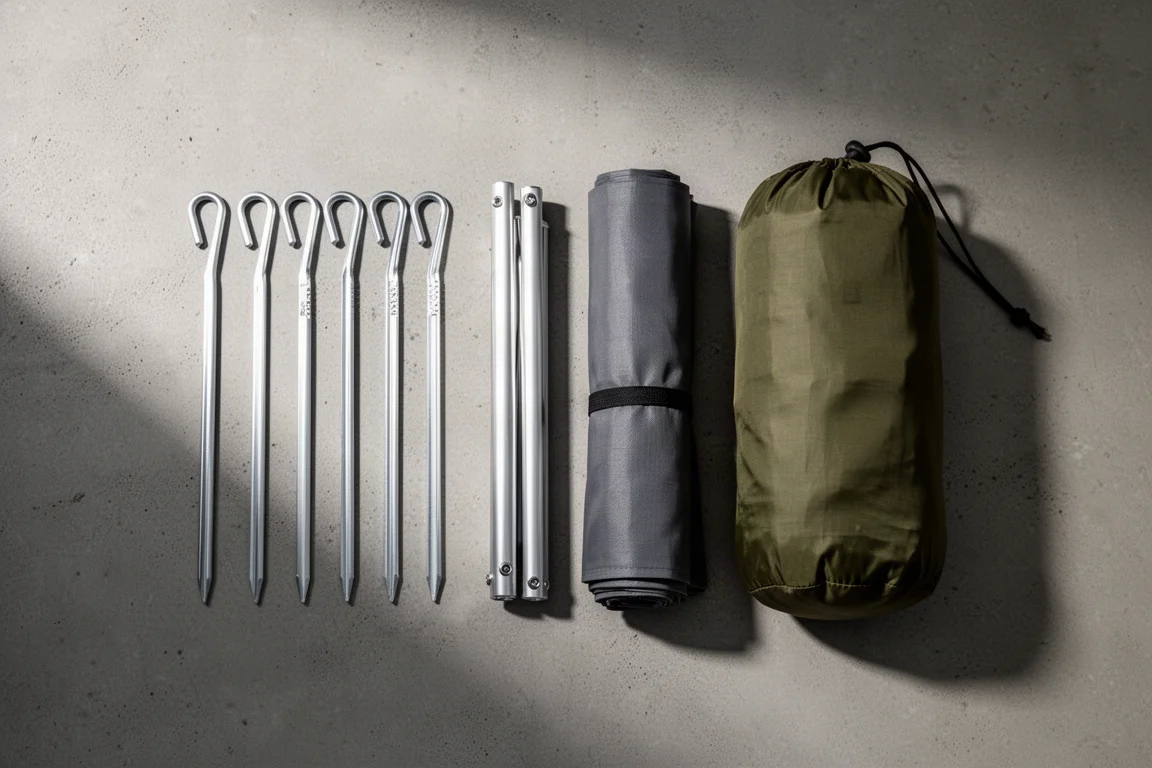
The trade-offs are specific and predictable. Expect condensation on cool or damp nights, expect the interior to run warm in the middle of summer, expect to carry over 4 lb, and expect to keep all your gear inside. If those points do not bother you, this is a capable and dependable three-season shelter at a reasonable price. If you regularly camp in humid conditions, backpack long distances, or want a shelter that breathes well in heat, look carefully at alternatives before deciding.
Conclusion
This is a shelter held back by a few company decisions rather than by poor construction. The build quality, waterproofing, stability, and interior space are all strong, and the low-profile colourway suits stealth camping well. The ventilation design, the fabric-heavy inner, the weight, and the unconventional shape are what keep it from being an easy recommendation for everyone.
Buy it if you want a roomy, weather-tough bivvy style shelter for fair-weather and mixed three-season trips, and if you are willing to manage condensation and pack weight. Skip it if you need a light, fast-packing shelter or a tent that performs at its best in warm, humid conditions.
Product link
View more details for Mountain Smith Lyan Peak Bivvy Tent
This product is mentioned in the review. Check the specifications, options, and compatibility before buying.
View more details for Mountain Smith Lyan Peak Bivvy TentFurther reading
Related Reviews
Camping Shelters
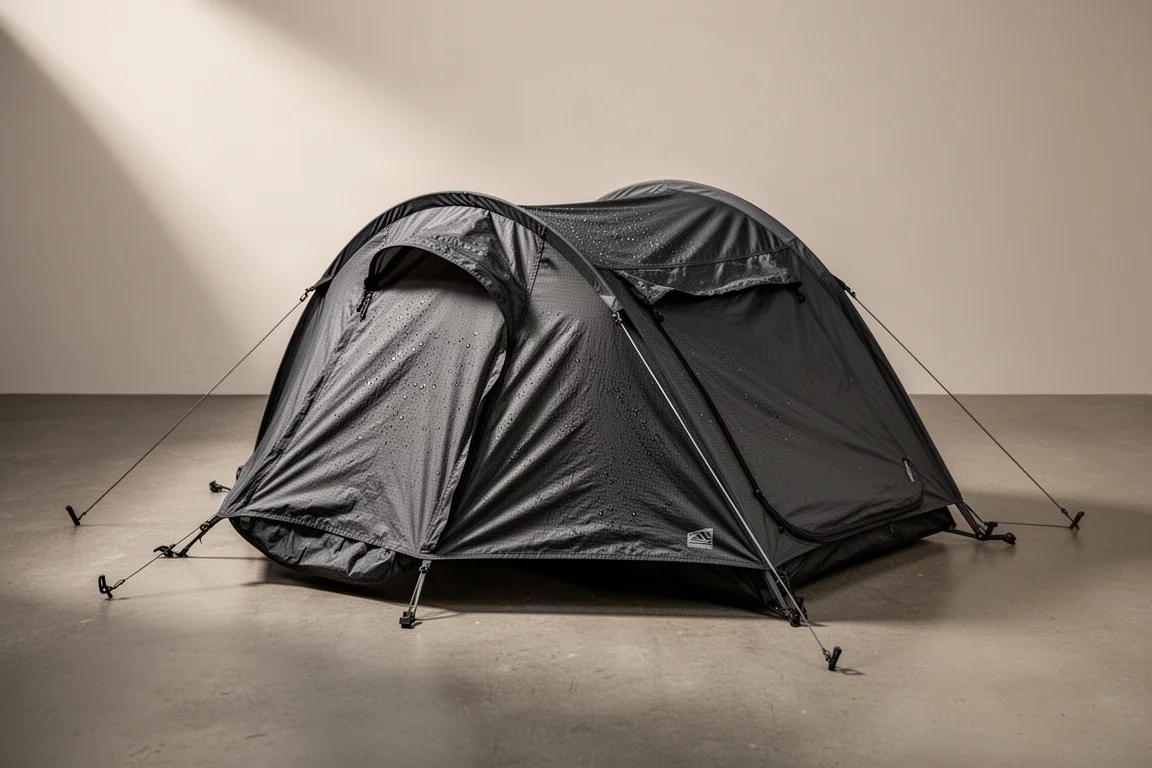
Alps Mountaineering Stealth 1 Bivy Review: A Waterproof Claim That Does Not Hold Up
The Alps Mountaineering Stealth 1 Bivy carries a 2,000 mm hydrostatic head rating and a waterproof claim, but sustained rain exposure and build quality concerns make it difficult to recommend.
Camping Shelters
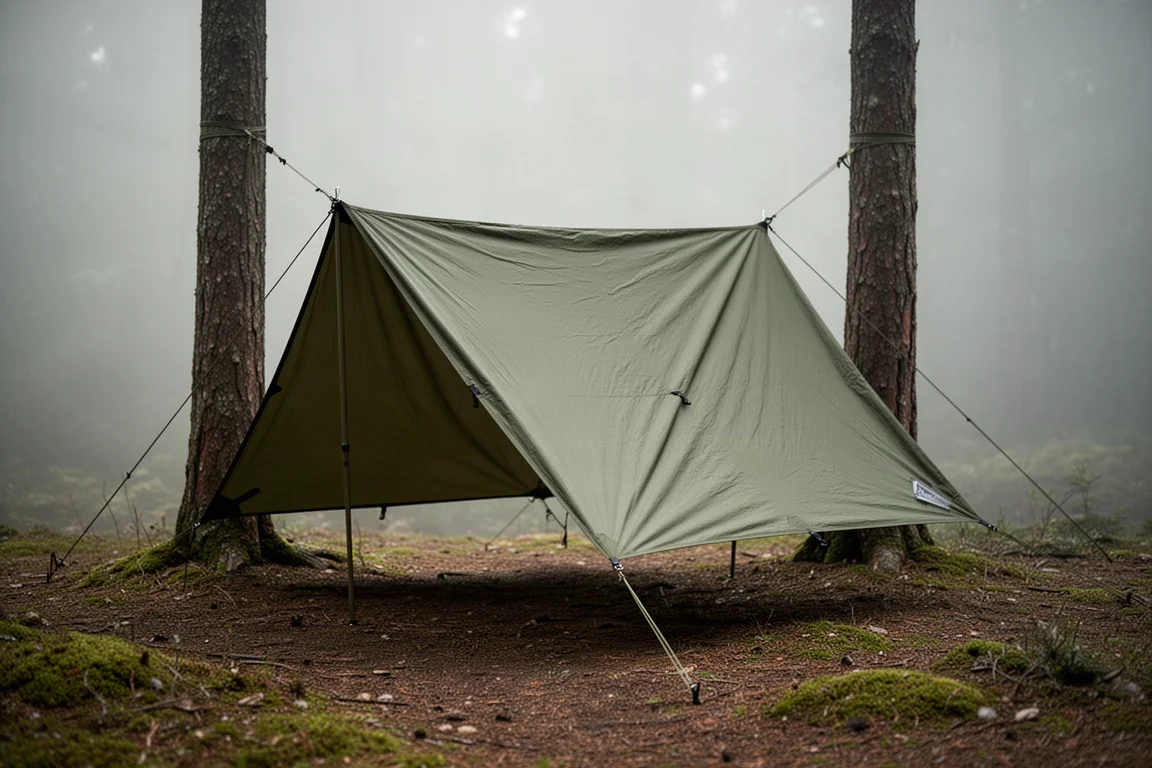
AquaQuest Safari Hybrid 20 ft x 13 ft Tarp Review: Two Years Under a Very Large Roof
A long-term look at the AquaQuest Safari Hybrid 20 x 13 tarp, covering build quality, weather protection, setup realities, and who should buy one.
Camping Shelters
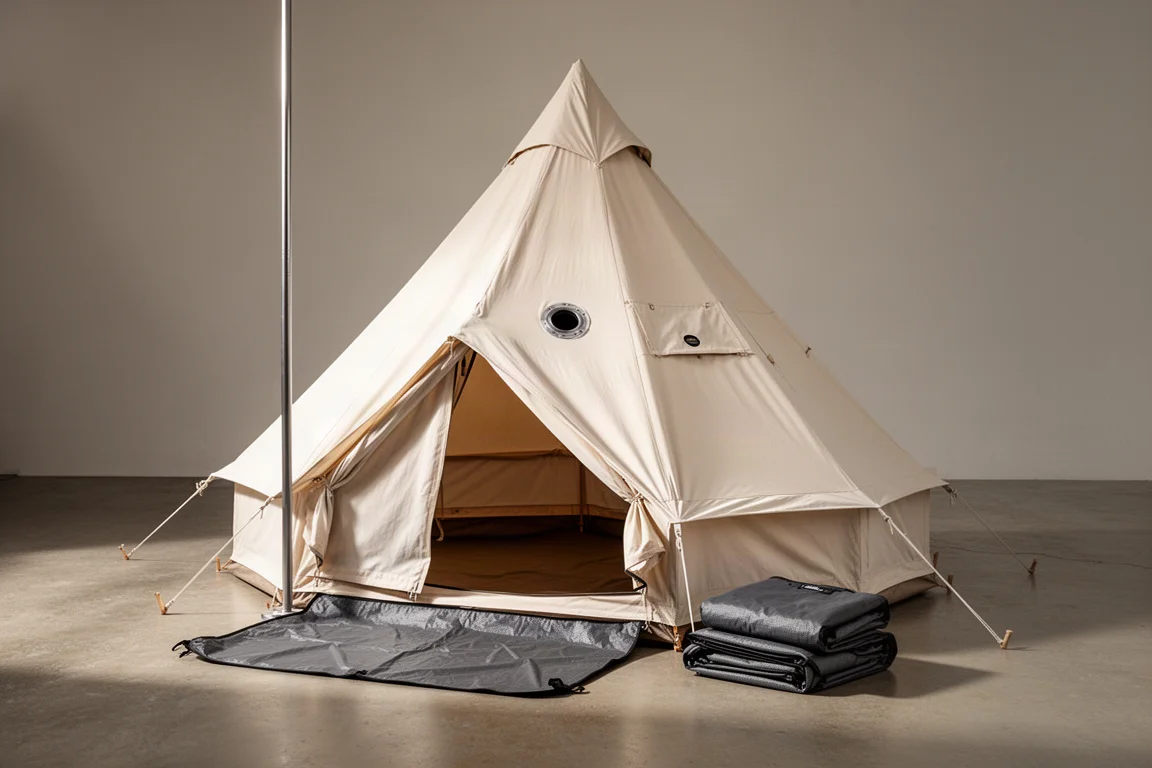
Backcountry Light Mesa 3 Hot Tent and Floor SL Tarp Review
A practical look at the Backcountry Light Mesa 3 four-season hot tent and its optional Floor SL Tarp, covering materials, stove jack design, packed weight, pricing, and the trade-offs to weigh before buying.