Mountain Biking
Mountain Bike Tech Roundup: 10 Upgrades Worth a Closer Look
Ten mountain bike upgrades worth a closer look, from a short-travel trail frame with a distinctive suspension link to a wireless dropper that undercuts the established options.
Introduction
Ten pieces of mountain bike technology stand out for very different reasons. There is a short-travel trail frame with a suspension link that behaves nothing like its travel figure suggests, a coil shock that borrows an air spring’s best trait, three wireless dropper posts at three very different price points, and a German cockpit that weighs less in total than many single handlebars.
Not every rider needs all of it. Some of these parts make sense for anyone chasing better suspension performance, while others are aimed squarely at riders who count grams. What they share is a clear engineering idea behind the price tag.
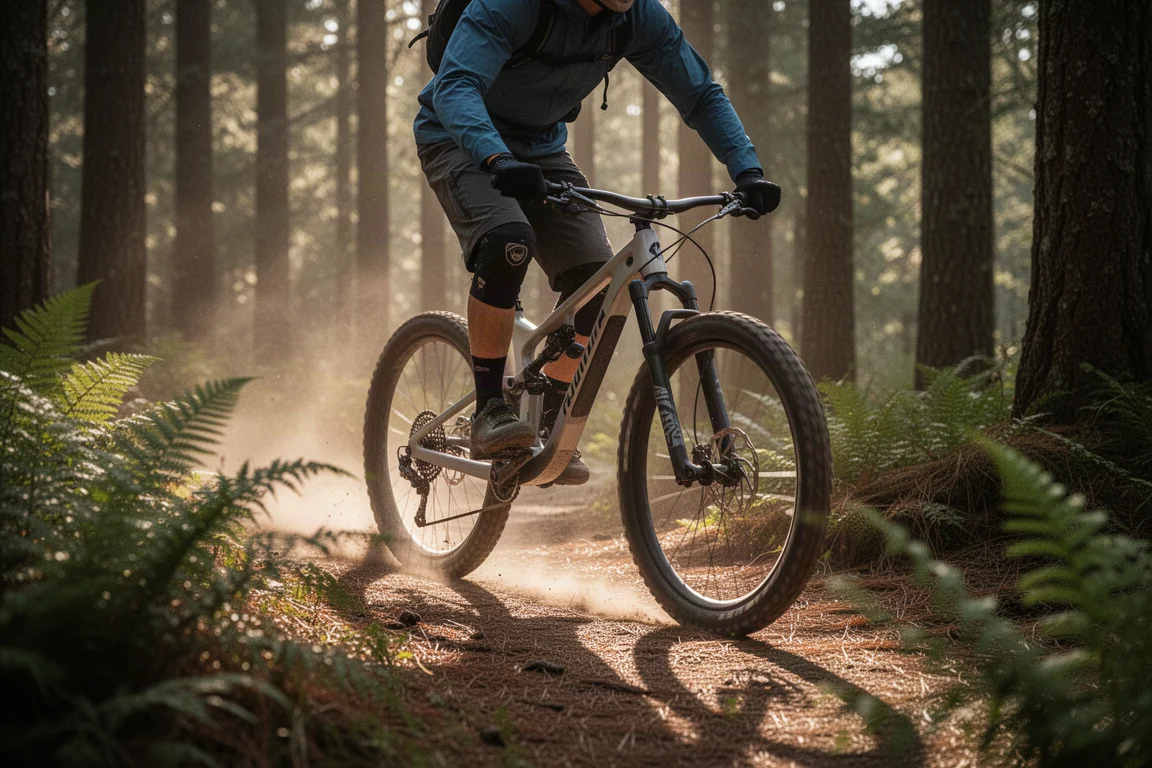
Below is a breakdown of what each part does, who it suits, and where the trade-offs sit.
What We Looked For
Two things matter most in a roundup like this: whether a part solves a real problem, and whether it does so without introducing a new one. A shock that adds adjustment range is only useful if a rider can reach that range with normal tools. A lightweight component is only useful if it holds up under the rider’s weight.
Cost against benefit matters too. Some of the parts here are expensive by any measure, and they are not for everyone. Where a cheaper option delivers most of the benefit, that is worth saying plainly.
Serviceability and long-term ownership round out the picture. Parts that need specialist tools or unusual consumables are harder to live with, however good they feel on the first ride.
Yeti SB120: A Short-Travel Trail Bike With a Difference
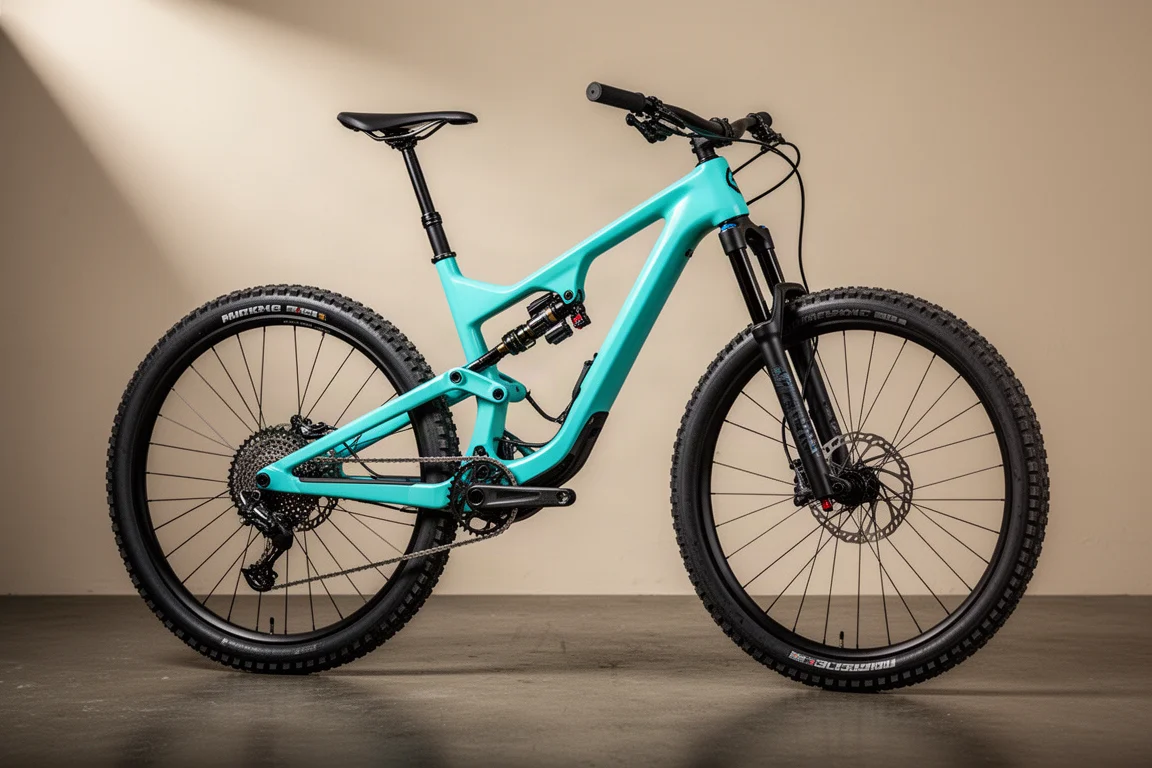
The Yeti SB120 is a short-travel trail bike built around 120 mm of rear wheel travel and the brand’s Switch Infinity link. Instead of a conventional lower link, the main pivot sits on a shuttle that slides up and down two Kashima-coated stanchions. That arrangement reproduces the effect of a lower link in a traditional twin-link suspension design while giving Yeti more freedom to tune the kinematics to suit the bike.
The payoff on the trail is a bike that pedals well and still carries the bottomless feel that well-sorted short-travel bikes are known for. The SB120 has a reputation for feeling like considerably more travel than the number on the spec sheet, which is exactly why it appeals to riders who want a lively trail bike without giving up composure when the trail points down.
Builds of this frame tend to sit at the stouter end of the scale. Alloy wheels with sticky tyres, four-piston brakes with floating rotors and carbon brake levers, carbon cranks with a scuff-proof protective plate, a transmission-compatible chainring and a wireless dropper post all point to a bike intended for fast, technical riding and alpine trips rather than gentle cross-country loops.
Manitou Mattoc Pro: A Fork Worth Building Around
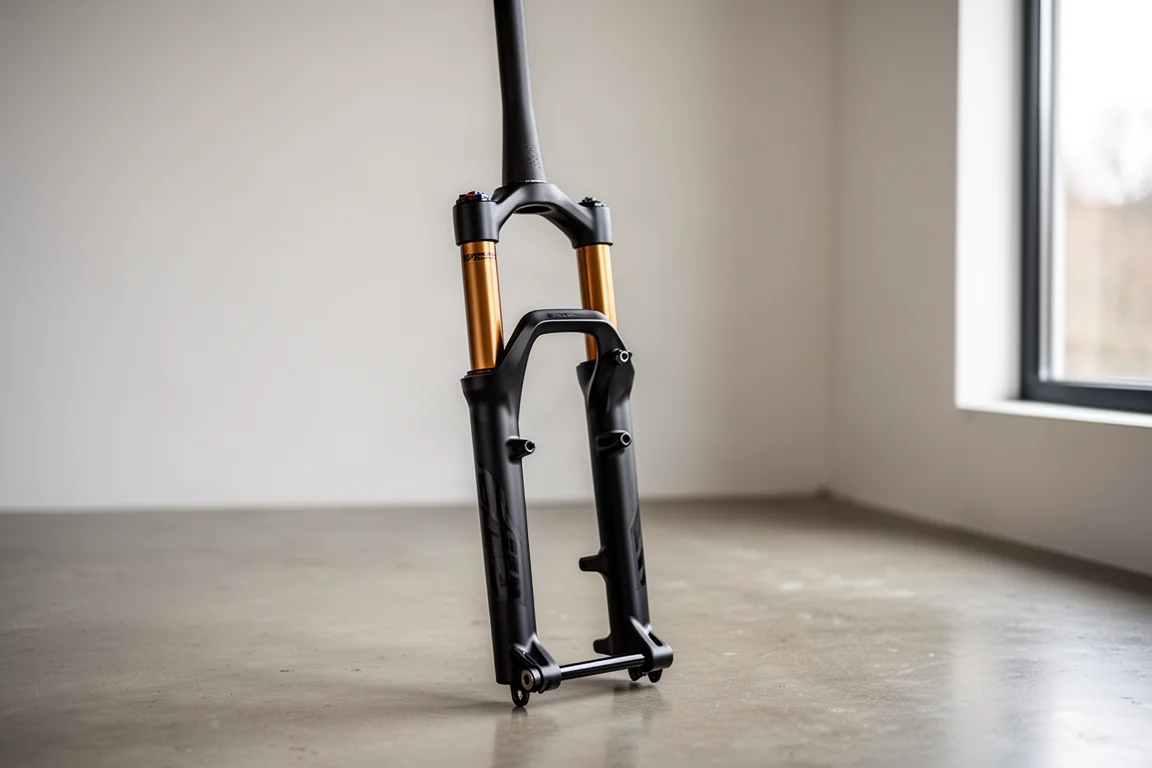
The Manitou Mattoc Pro is a trail fork that has earned enough of a following to become the starting point for a whole build rather than an afterthought. Riders rarely plan a bike around a fork unless the damping and the ride quality justify that decision, which is what makes the Mattoc Pro an interesting option for anyone specifying a bike from the frame up.
For riders who already know the travel and geometry they want, choosing the fork first is a practical way to build a bike around the component with the biggest influence on how the front end feels.
Cane Creek Tigon: Coil Feel With Air-Like Progression
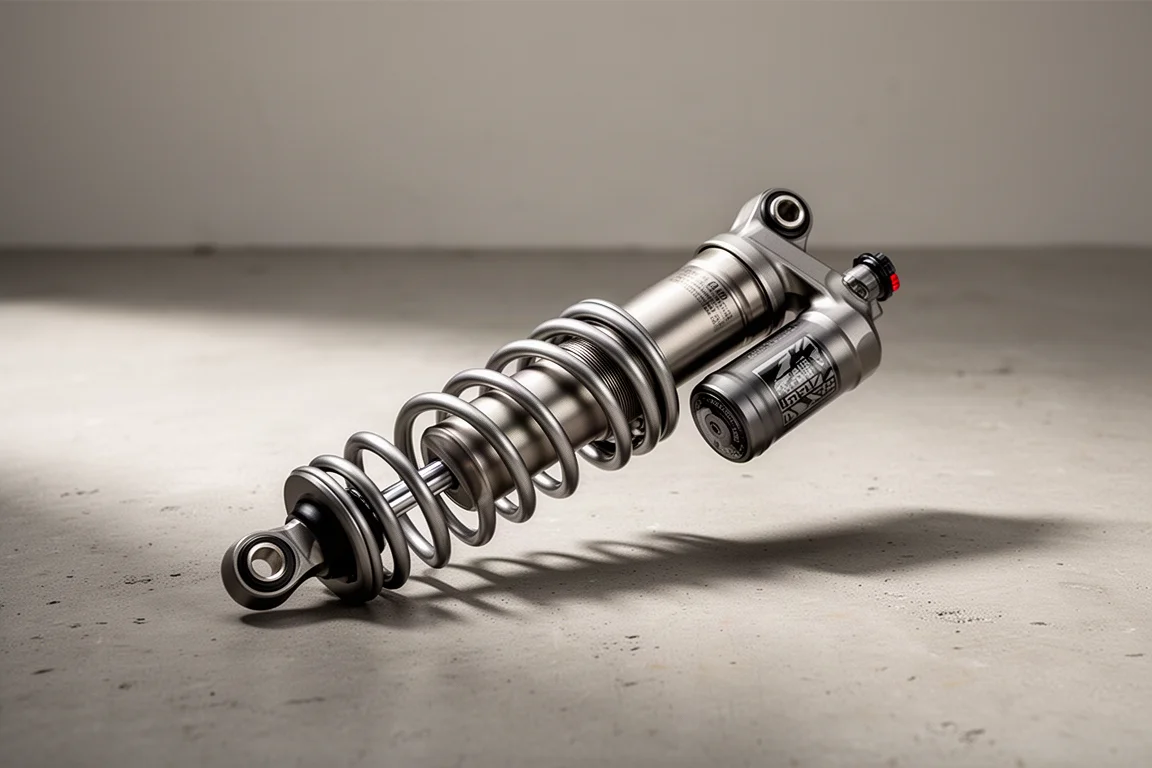
The Cane Creek Tigon sets out to settle the coil versus air question by using both ideas in a single unit. A main coil spring delivers the supple, fluttery feel that coil shocks are prized for, while a patent-pending ramp tube adds the progression and bottom-out resistance normally associated with an air spring.
Setup still follows the coil playbook. Riders need the correct spring for their body weight and riding style, so the Tigon is not as easily adjusted as a full air shock. The difference is the ramp tube: inflating it to as much as 30 psi adds roughly 20 to 35 percent more progression than a linear coil spring would give, and it can be adjusted with an ordinary shock pump rather than a specialist tool.
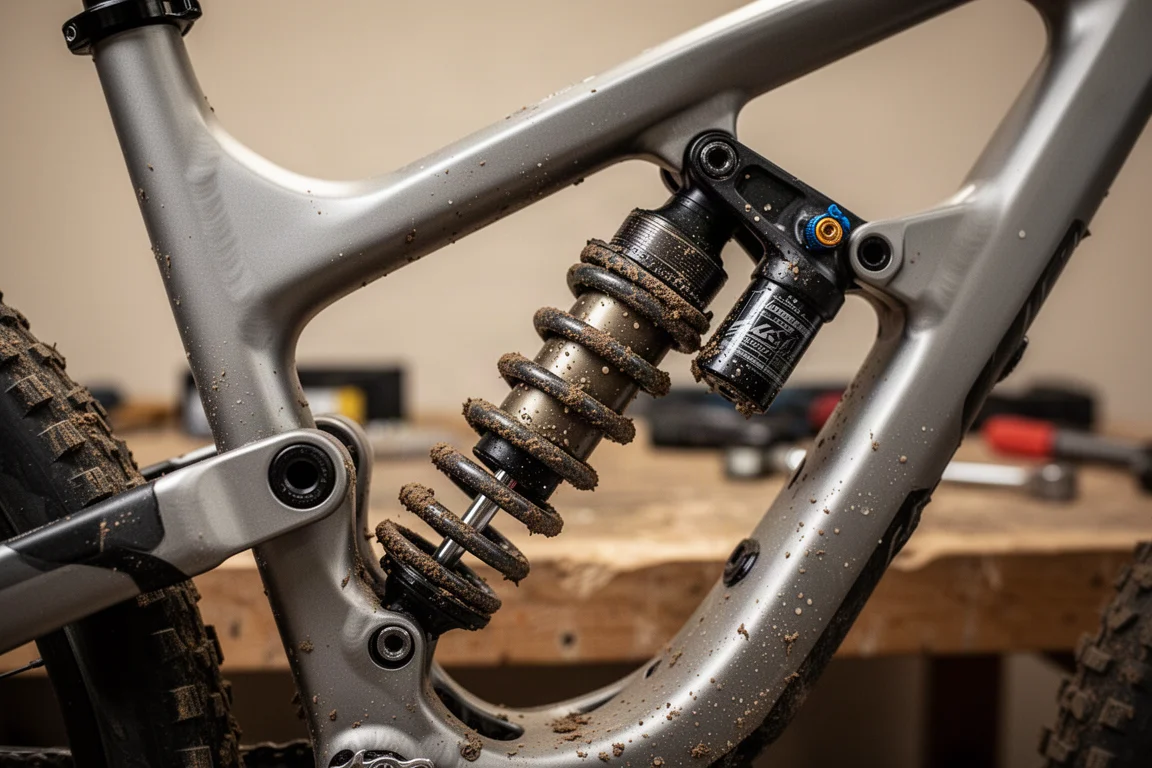
Damping comes from Cane Creek’s long-established double-barrel twin-tube design, with independently adjustable high- and low-speed compression, low-speed rebound and a two-position climb switch. Adjustable high-speed rebound damping, found on some other double-barrel air and coil shocks, is not part of the package, so riders who want the absolute maximum in damping adjustment may prefer those. Weight is the other trade-off: 794 g in the 205 x 62.5 mm size, which is heavier than an air shock. For riders who want coil performance on a frame that is not naturally suited to a linear spring, that is the price of admission.
RockShox Reverb AXS: The Wireless Benchmark
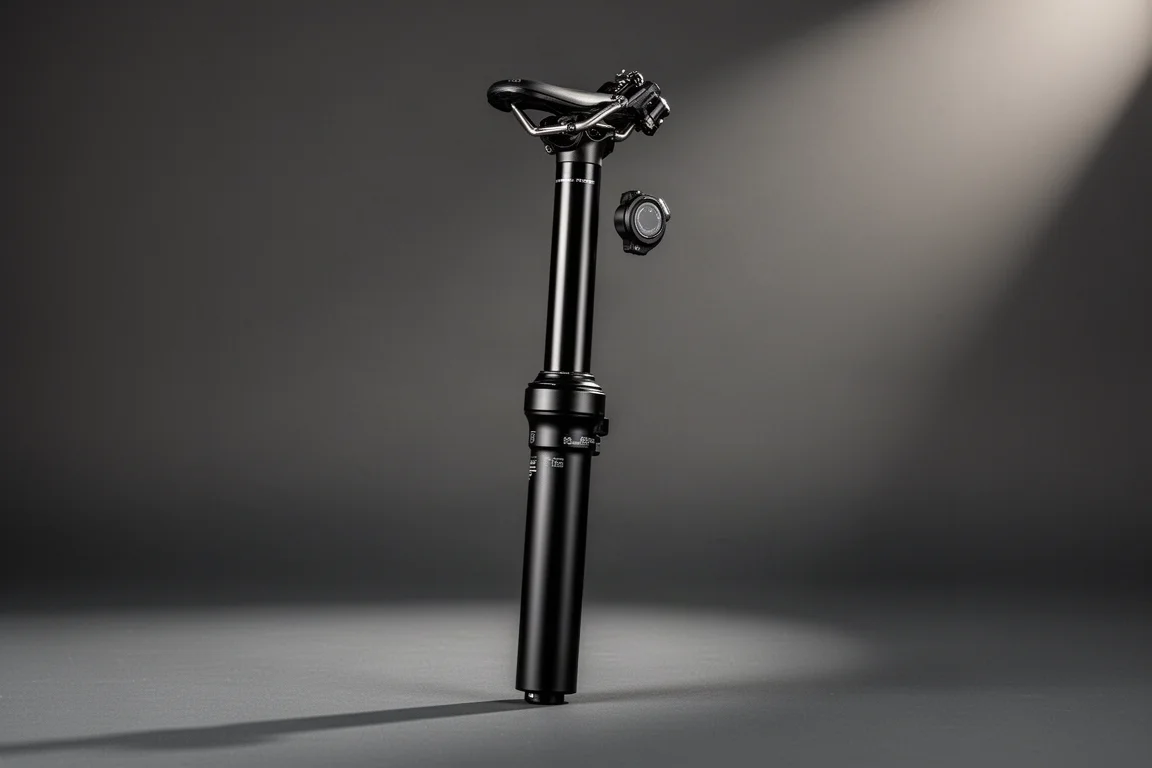
The RockShox Reverb AXS brought wireless dropper posts into the mainstream and remains the reference point that rivals are measured against. Performance is excellent, and the system removes the cable maintenance that mechanical droppers demand.
Two things hold it back. It is very expensive, and its maximum drop is 170 mm. Posts offering 200 mm or more are available for considerably less money, which makes the Reverb AXS a difficult recommendation on value alone even though it performs very well.
Magura Vyron: A Wireless Option With Limits
The Magura Vyron arrived as the main alternative for riders who wanted a wireless dropper. It shares the same fundamental appeal, and it also shares the same core limitation: the amount of drop on offer is restricted, and the post has not been without its drawbacks.
For riders who value a clean cockpit above everything else and can work within a shorter drop, it stays part of the conversation. For most riders shopping today, the more interesting question is whether a newer option can offer more drop for less money.
TranzX EDP: More Drop for Less Money
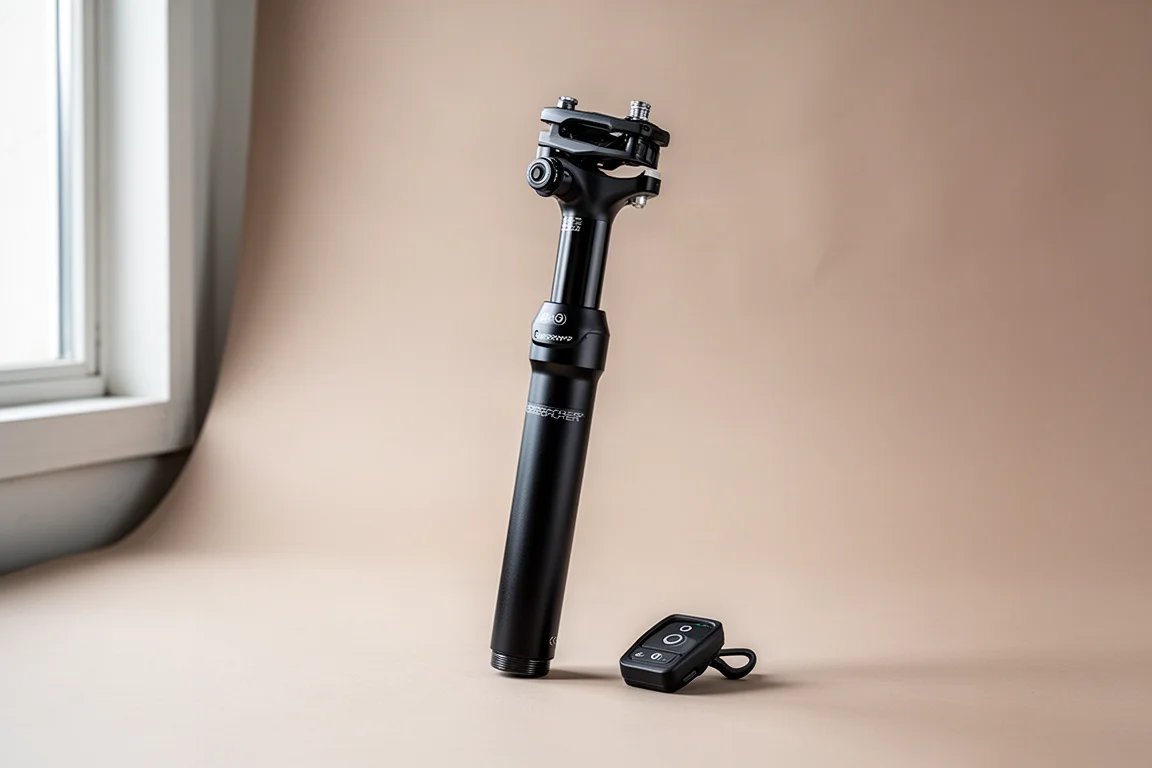
The TranzX EDP is a wireless dropper that addresses both of the usual complaints at once. It costs $499 and can be bought with as much as 200 mm of drop, which beats the established benchmark on price and on travel at the same time.
Construction follows a familiar pattern. The battery clips into the back of the seat post head, and the wireless remote mounts to the bar either with a 22.2 mm clamp or on a SRAM MMX-compatible brake lever. The remote runs on the same 2032 watch battery as the equivalent RockShox remote and uses a textured paddle to improve grip.
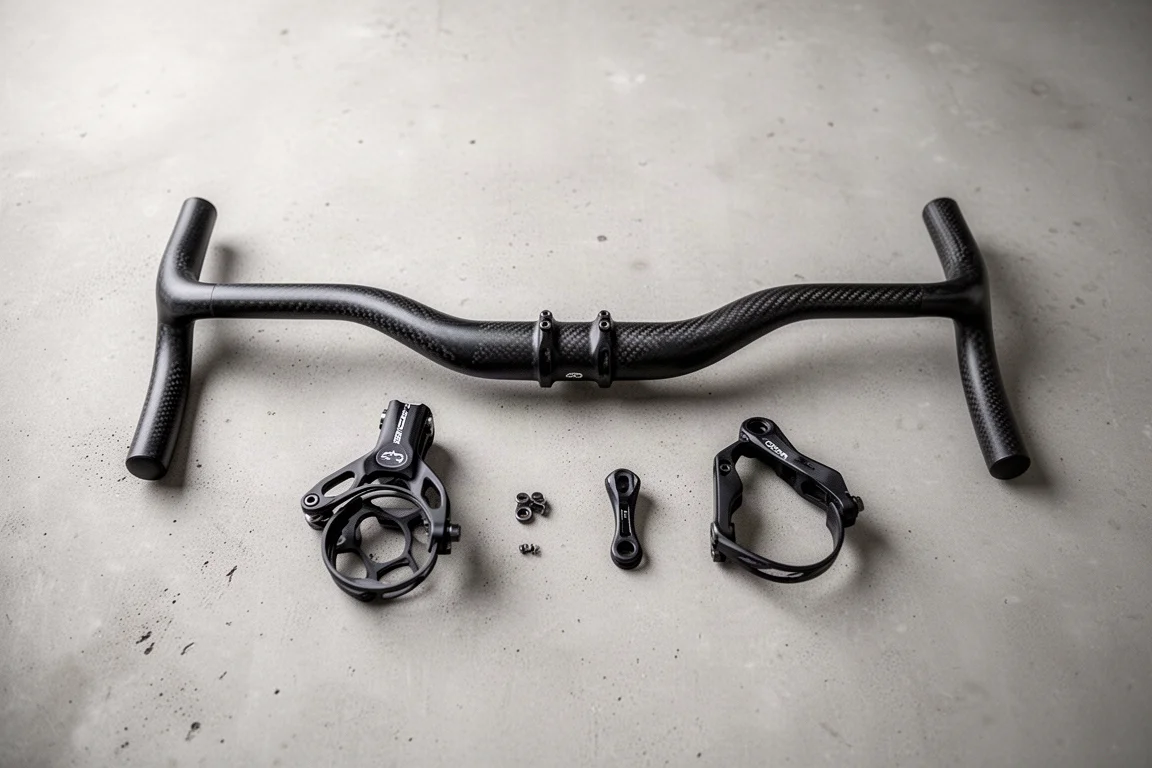
The post and remote are well finished, and while they are not quite as nice as a Reverb, the difference is easy to accept at this price. An adjustable air spring lets riders alter the return speed, and the return is good if not quite as rapid as the RockShox. The battery also comes with a small charging case and charges over USB-C, which is a genuinely useful detail.
Schmolke TLO Flat Bar: 99 Grams of Handlebar
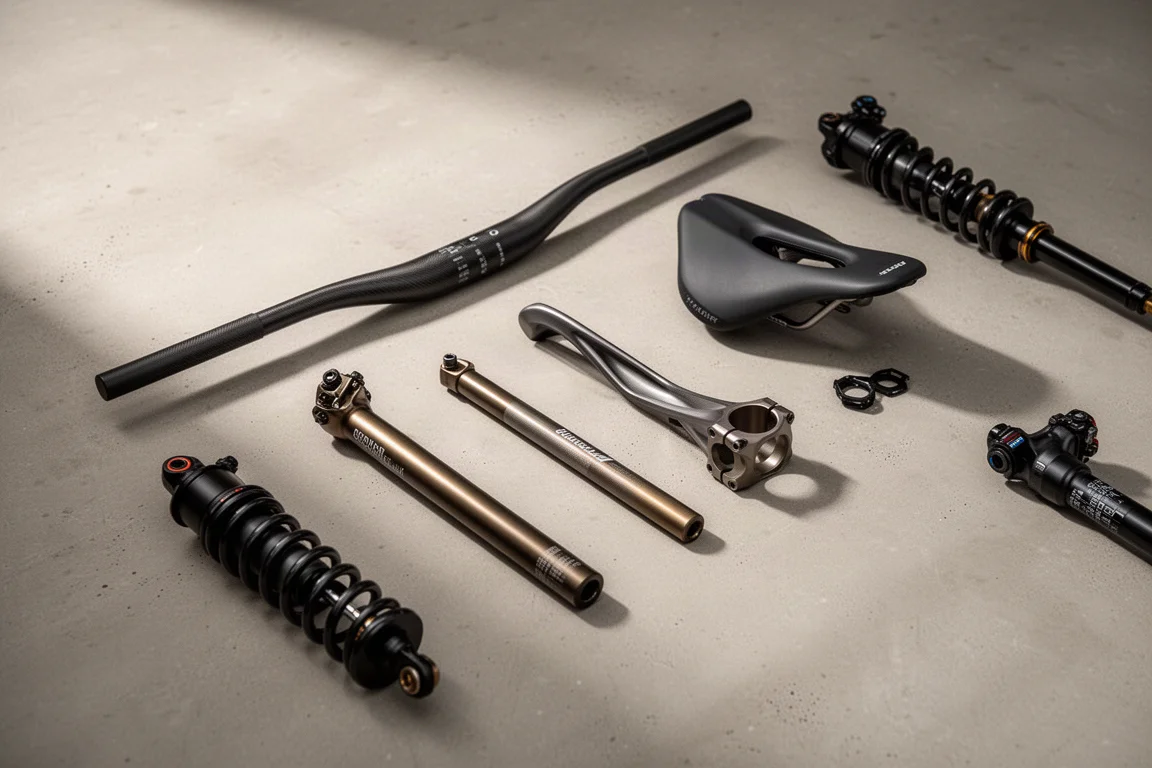
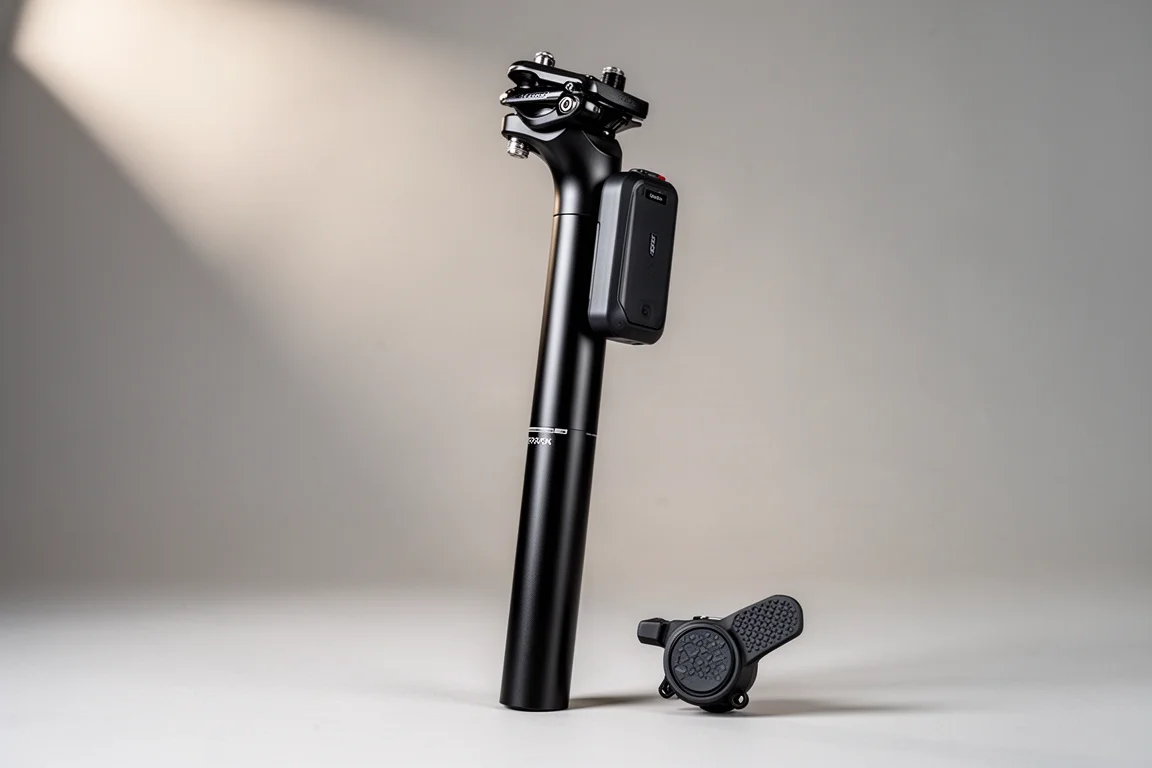
Schmolke has spent three decades making some of the most exotic lightweight components available, and the brand’s founder, Stefan Schmolke, was the first to make road bike handlebars from carbon fibre. The TLO flat bar continues that tradition: 740 mm wide and just 99 g.
Low weight does not mean fragility here. The bar is built to stand up to mountain bike abuse, and Schmolke offers different rider weight limits, so lighter riders can run a lighter specification while heavier riders can request an increased limit of up to 110 kg, with a weight penalty attached. Buyers can also choose between a 1K woven carbon finish and a unidirectional UD weave, along with three logo colours.
Schmolke TLO Seat Post: 113 Grams of Support
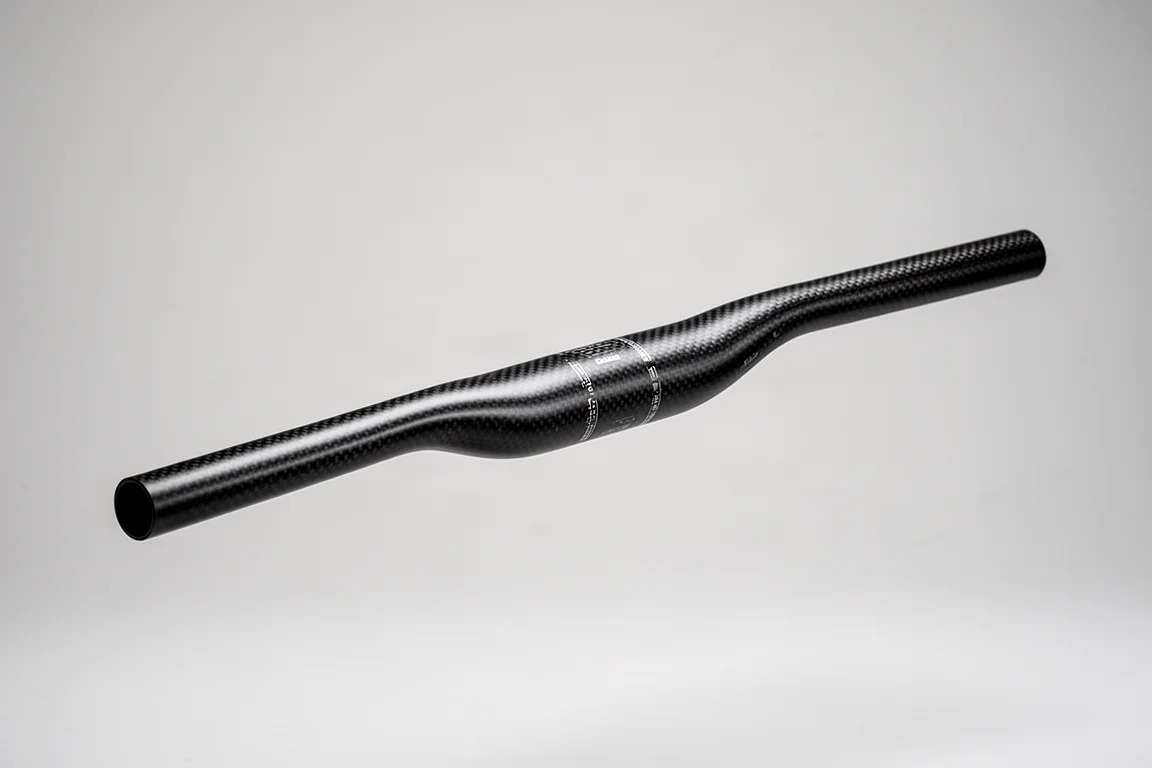
The matching TLO seat post weighs 113 g in a 27.2 mm diameter, a striking figure for a component that carries a rider’s full weight over rough ground. Like the bar, it is offered with different rider weight limits and the same choice of 1K or UD carbon finishes and logo colours.
For riders building a lightweight trail or cross-country bike, the post is the second piece of a cockpit that, together with the bar, the saddle and the stem, adds up to just 365 g in total. To put that in perspective, a single budget alloy handlebar can weigh around 400 g on its own.
Schmolke SL 79 Saddle: 88 Grams Underneath You
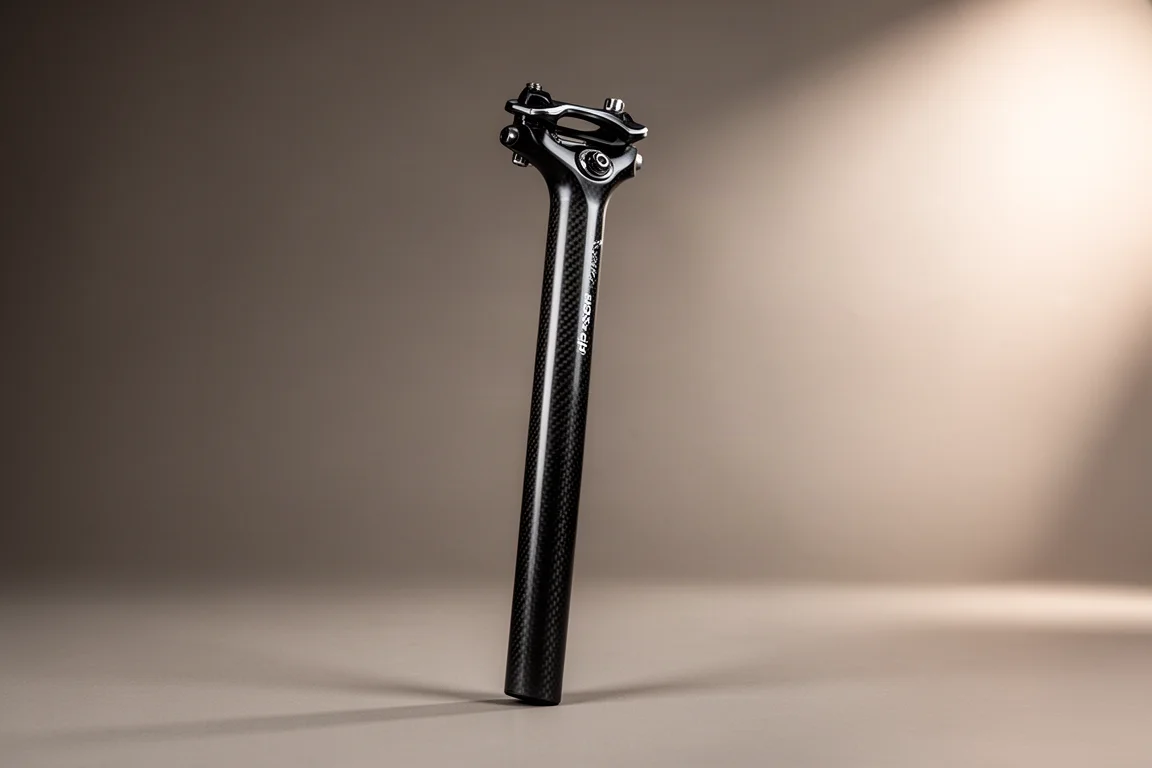
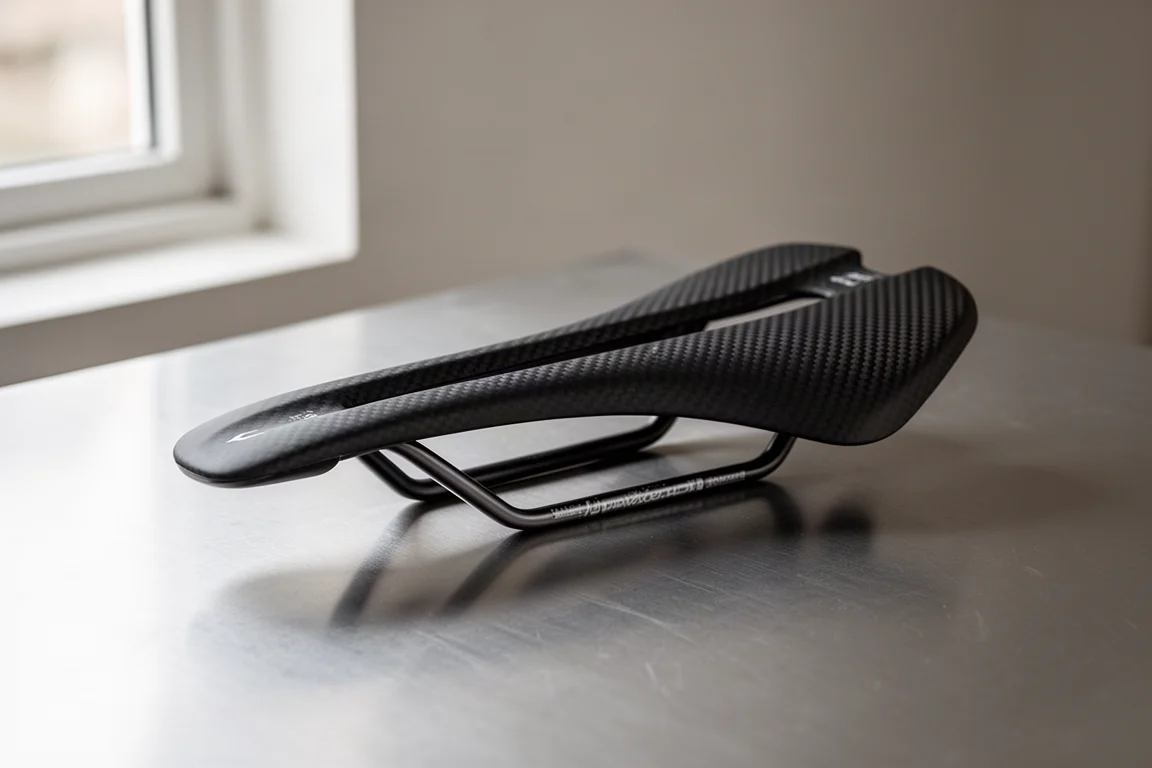
At 88 g, the SL 79 saddle is the lightest piece in this cockpit and the one most riders will notice first when they lift the bike. It is available in 3K or UD carbon finishes.
Saddles are personal, and a lightweight model only makes sense if the shape suits the rider. What the SL 79 shows is how far carbon construction can be pushed in a part that still has to support a rider during seated efforts.
Extralite Hyper Stem: 65 Grams of Machined Aluminium
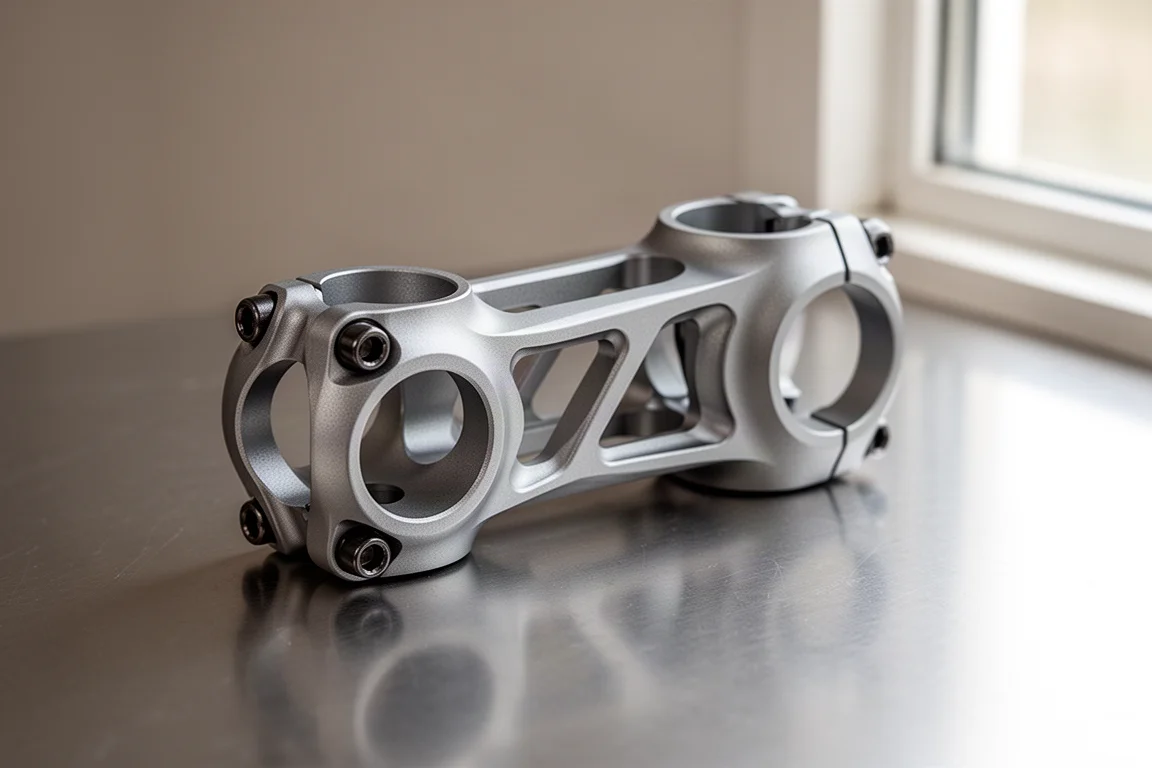
The 70 mm stem in this cockpit weighs 65 g, and it is the one component here that is not carbon. It is aluminium, sold by Ashima but actually manufactured by Extralite, and machined hard to save weight, with material even shaved off the bolt heads.
That approach explains both the weight and the price. It also makes the stem a sensible pairing with carbon bars and posts, since it does not rely on a carbon layup to hit its numbers.
Buying Advice: Matching the Upgrade to the Ride
Start with suspension. If the goal is a bike that climbs well and still feels composed on descents, the Yeti SB120’s Switch Infinity link is the headline idea, and the Cane Creek Tigon is the most interesting shock for riders who want coil feel with air-like progression. Both reward careful setup.
Wireless droppers are a simpler decision. The RockShox Reverb AXS remains the performance reference but is expensive and limited to 170 mm of drop. The Magura Vyron offers a wireless cockpit with a shorter drop. The TranzX EDP undercuts both at $499 with up to 200 mm of drop, which makes it the value pick for riders who want the clean look without the premium price.
Weight-focused parts are a different proposition. The Schmolke cockpit is remarkable, and the prices are equally remarkable: the bar ranges from 350 to 425 euros depending on specification, the seat post from 425 to 575 euros, the saddle from 275 to 300 euros, and the Extralite stem is 199 euros. Weight saving has never been cheap, and these parts are best treated as a long-term project rather than an impulse purchase.
If a single purchase has to carry the most weight, suspension is usually where the money goes furthest, because it changes how the bike behaves on every ride. Cockpit weight is a reward for riders who already have the rest of the bike where they want it.
Conclusion
Ten parts, three clear directions. Suspension upgrades such as the Yeti SB120 platform and the Cane Creek Tigon are about ride quality and control. Wireless droppers are about a clean cockpit and easy ownership, and the TranzX EDP makes that case most convincingly on price. The Schmolke and Extralite components are for riders who already know exactly what they want and are prepared to pay for it.
Whichever direction appeals, the common thread is knowing what problem you are solving. Buy for the riding you actually do, and these parts will feel like money well spent.
Further reading
Related Reviews
Mountain Biking
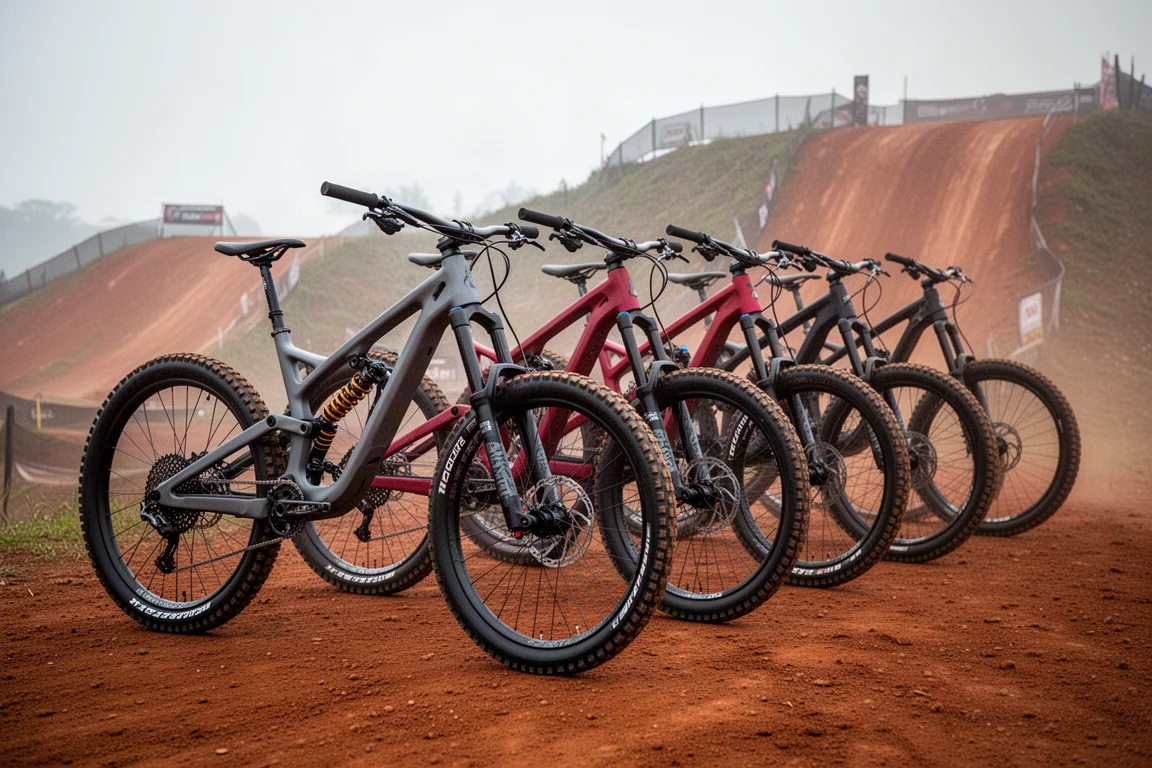
Best Downhill Bikes From Hardline Tasmania 2024: Six Pro Race Setups
Six downhill and freeride bikes from Hardline Tasmania 2024, from the race winning Mondraker Summum to the carbon and titanium Atherton AM200, with the build details that matter.
Mountain Biking
Cross-Country Bike Upgrades: When Extra Weight Makes You Faster
A field test of lightweight versus more capable cross-country builds reveals which component changes make the biggest difference on descents without giving up too much climbing speed.
Mountain Biking
Cross Country Race Upgrades: Does Added Capability Beat Lower Weight?
A timed comparison of a sub 8 kg cross country build against a slightly heavier, more capable setup, plus the tires and fork that made the difference.