Mountain Biking
Cross Country Race Upgrades: Does Added Capability Beat Lower Weight?
A timed comparison of a sub 8 kg cross country build against a slightly heavier, more capable setup, plus the tires and fork that made the difference.
Introduction
Cross country racing has long been a battle against weight, but modern courses are becoming more technical, and that raises an awkward question: is a lighter bike really faster than a slightly heavier one that can handle the descents?
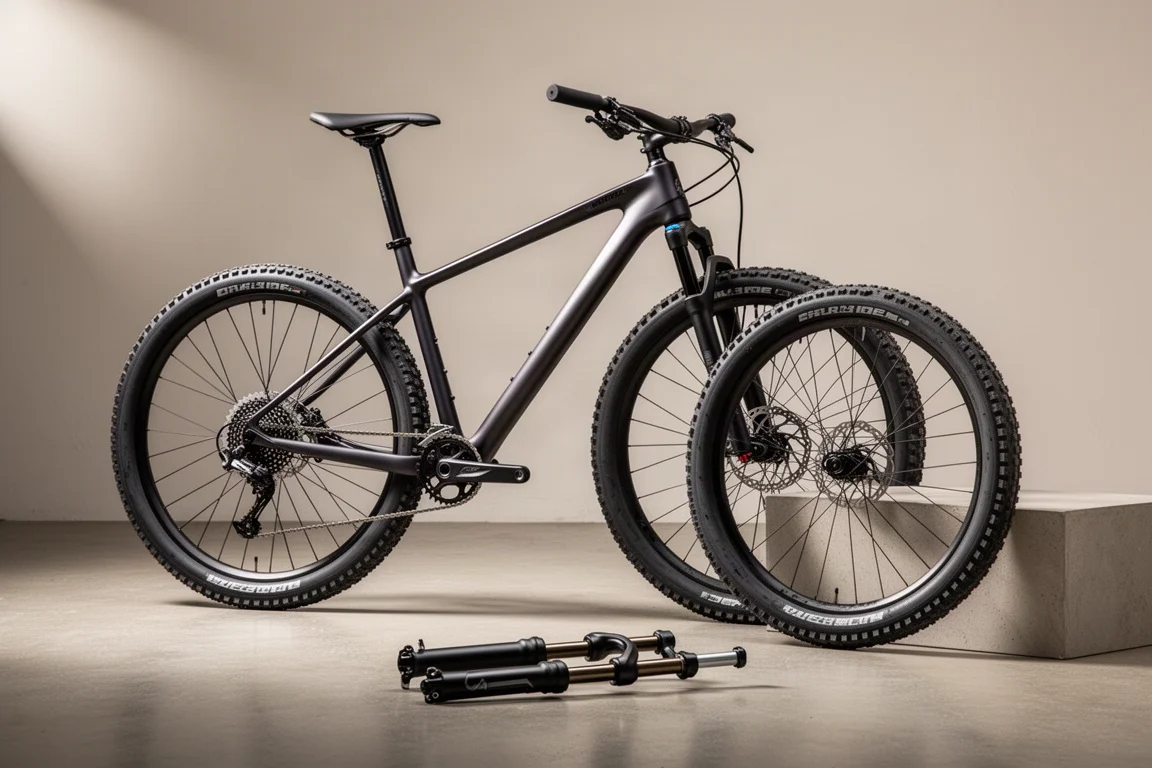
To answer it, a sub 8 kg cross country build was timed over two courses, then rebuilt with more capable parts and timed again. The changes added roughly 800 g, and the finished bike still weighed 9.3 kg, which is light by any standard.
What Modern Cross Country Racing Rewards
The comparison used two separate courses. The climb combined smooth singletrack, switchbacks and a steep technical section littered with loose rocks and roots. The descent mixed flowy singletrack, jumps and rock gardens to mirror a modern cross country race lap. Splitting the lap into a climb and a descent makes it easier to see exactly where time is gained or lost.
Effort on the climbs was kept as consistent as possible using a pair of power meter pedals, so the difference came from the bike rather than from how hard it was pedalled. Conditions were not identical, because the two builds were ridden on separate days, but trail conditions were kept as close as the weather allowed.

Read the numbers as a practical comparison rather than a laboratory measurement. The goal was simply to find out whether extra capability earns back the weight it adds.
BMC TwoStroke: The Lightweight Starting Point
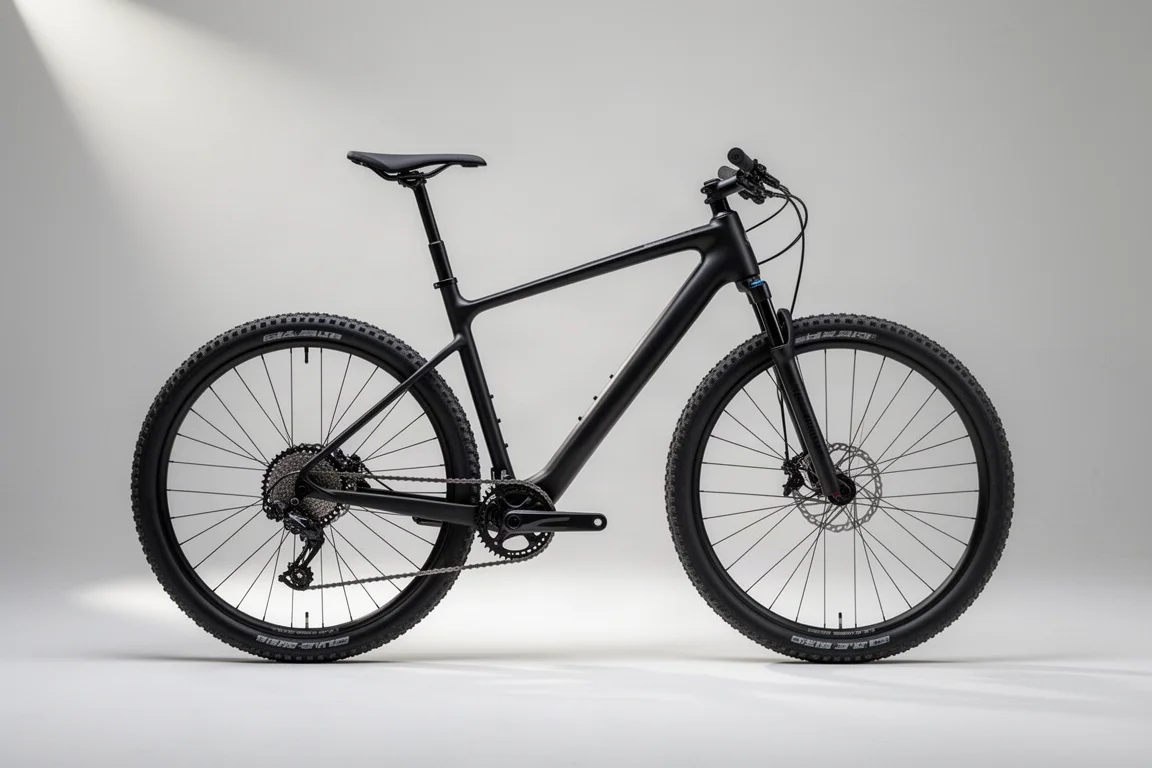
The baseline was a BMC TwoStroke built down to a sub 8 kg weight, the kind of build that chases every gram. It climbs ferociously quickly and feels like a rocket ship on smooth, flowing terrain, which is exactly what a weight-focused race bike should deliver.
The trade-off appears as soon as the trail turns rough. The narrow, very light tires offer almost no cushioning, so the bike skips and bounces over rocks, and the fixed seatpost keeps the saddle high and in the way on steep descents. The fork also flexes noticeably under hard riding, which makes it harder to hold the intended line.
Maxxis Rekon Race: More Volume, More Grip
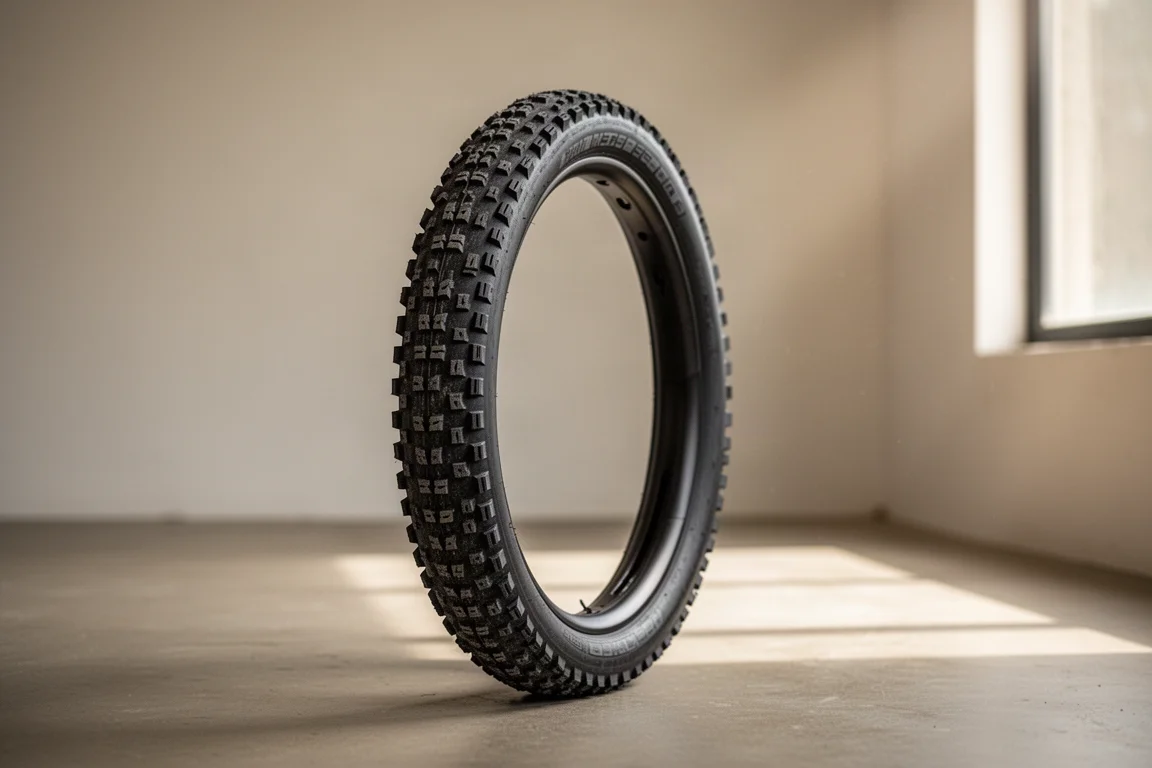
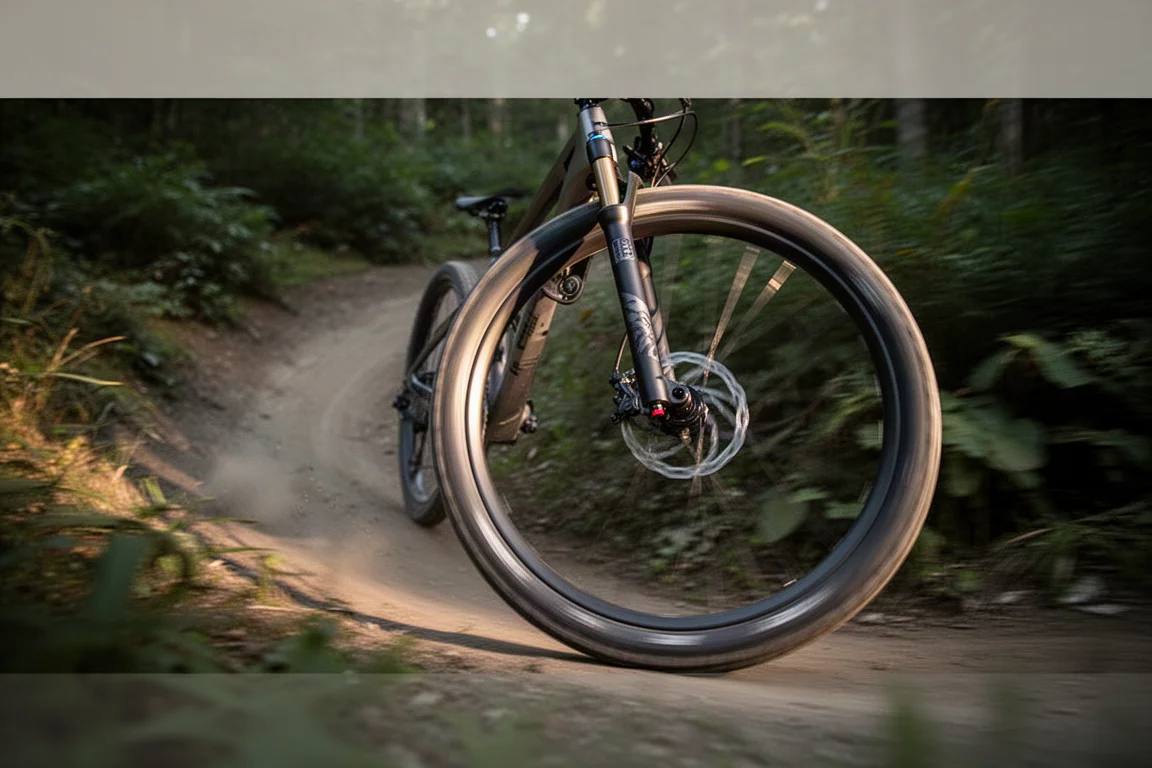
The first change was a pair of Maxxis Rekon Race tires in a 2.4 in width. At 825 g each they are around 250 g heavier per tire than the very light tires they replaced, but the extra volume transforms how the bike behaves on rough ground.
The tread is an intermediate, fast-rolling pattern with modest height, yet the larger casing means the bike is bounced around far less over rocks and roots. Grip and traction improve noticeably, obstacles roll over more easily, and the bigger volume also brings better protection against pinch flats. It is easy to see why 2.3 to 2.4 in widths have become a common choice for cross country racing.
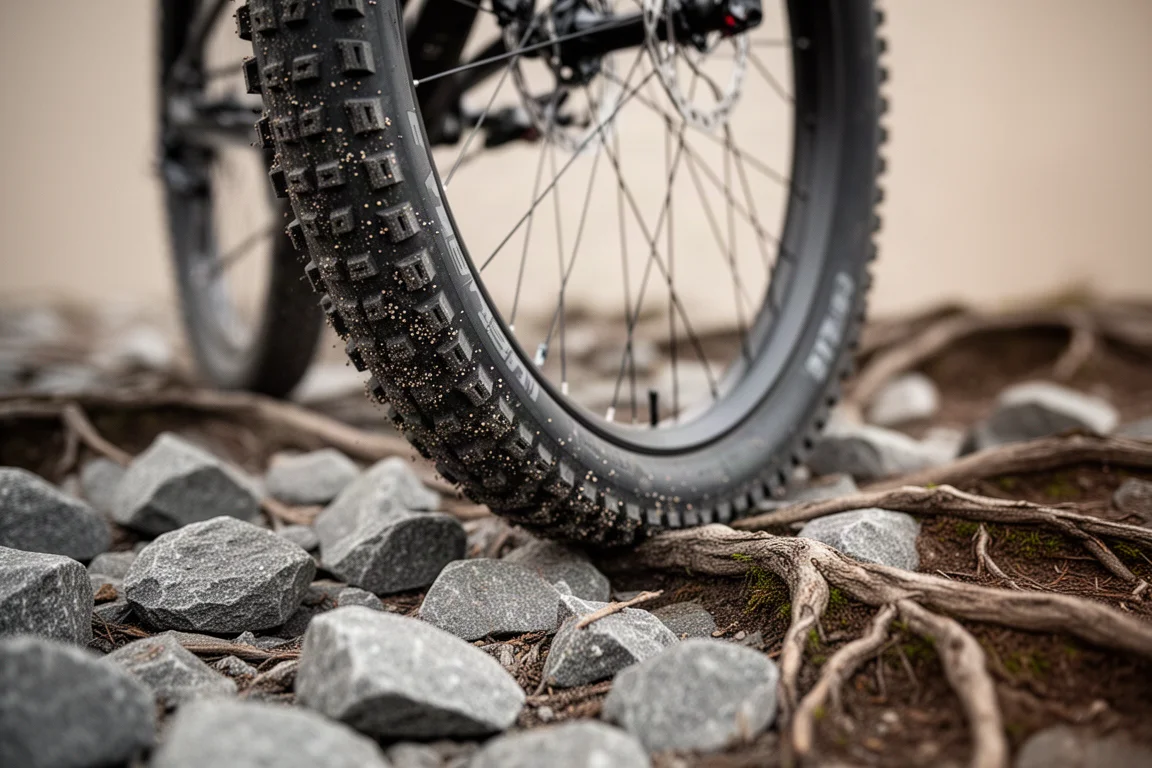
On the climbs, the wider tires were the change that made the biggest difference to how well the bike put power down over loose, rocky ground.
RockShox SID Ultimate: Stiffer and Slightly Lighter
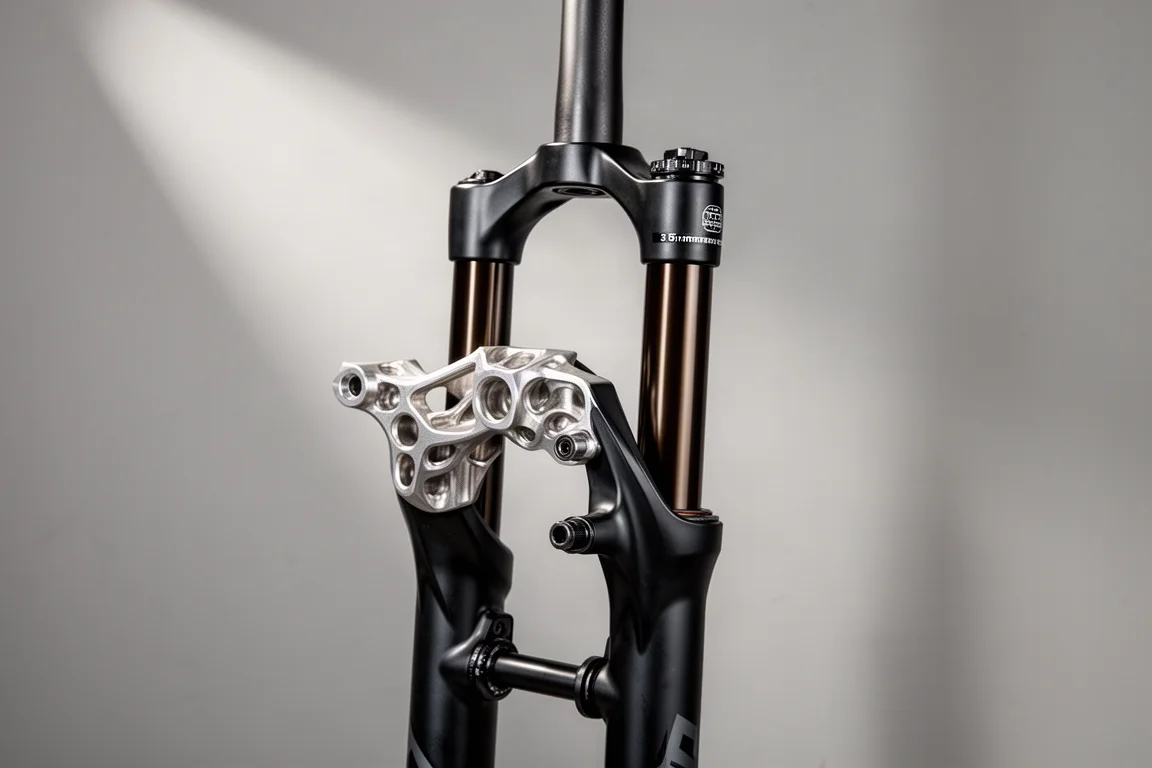
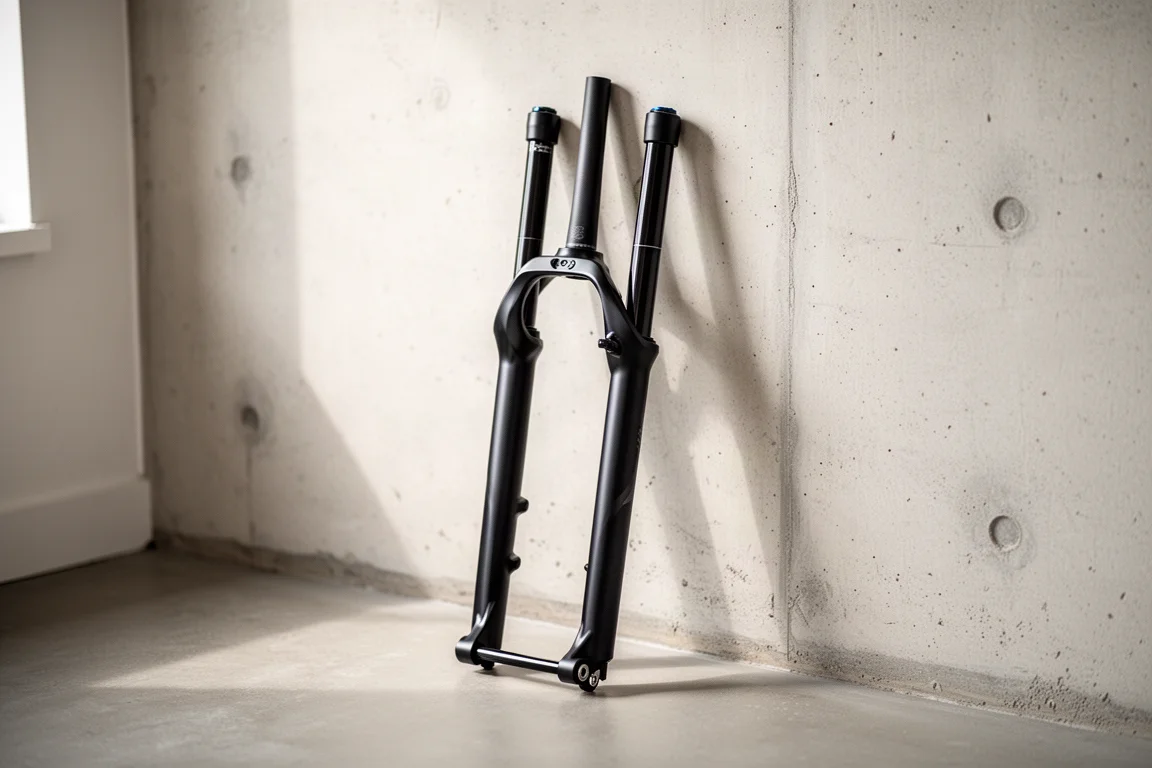
Up front, the lightweight fork was replaced by a RockShox SID Ultimate. It brings a little more travel, and more importantly it uses stiffer 35 mm stanchions, which makes the front end more accurate and lets the bike hold a line instead of being pushed off it.
The surprise is the weight. The SID Ultimate is listed at 1,529 g, which is marginally lighter than the SID SL Select it replaced, so the extra stiffness and travel arrived without a weight penalty.
A short-travel dropper post went on at the same time. It adds 403 g including the remote and cable, roughly 290 g more than the fixed post it replaced, and it makes a clear difference to how freely the bike can be moved around on steep, technical ground.
RockShox SID SL Select: The Lighter Front End
For riders chasing the lowest possible build weight, the RockShox SID SL Select remains a relevant option. It is the fork that came off the lightweight build, and it keeps the front end light enough for a sub 8 kg setup.
The trade-off is stiffness. On rough, rocky descents the SL Select flexes more under load, so the front end wanders and the rider has to work harder to keep the bike online. On smoother courses and long climbs that is a reasonable exchange for the lower weight, but on technical descents a stiffer fork is easier to live with.
Where the SL Select makes most sense is on courses that reward climbing speed and smooth lines, or as a lighter alternative for riders who already run a stiff frame and wheels.
Overall Buying Advice
The timed comparison came down clearly on the side of the more capable build. It gave away a small amount of time on the climbs, then more than made that back on the descents, and it did so on a day when conditions were slightly slippier.
Three changes did most of the work. The dropper post let the bike be moved around freely and saved energy on the descents, energy that could then go back into the climbs. The wider 2.4 in tires carried more speed through rough sections instead of being bounced offline. The stiffer fork made the front end more predictable and easier to place.
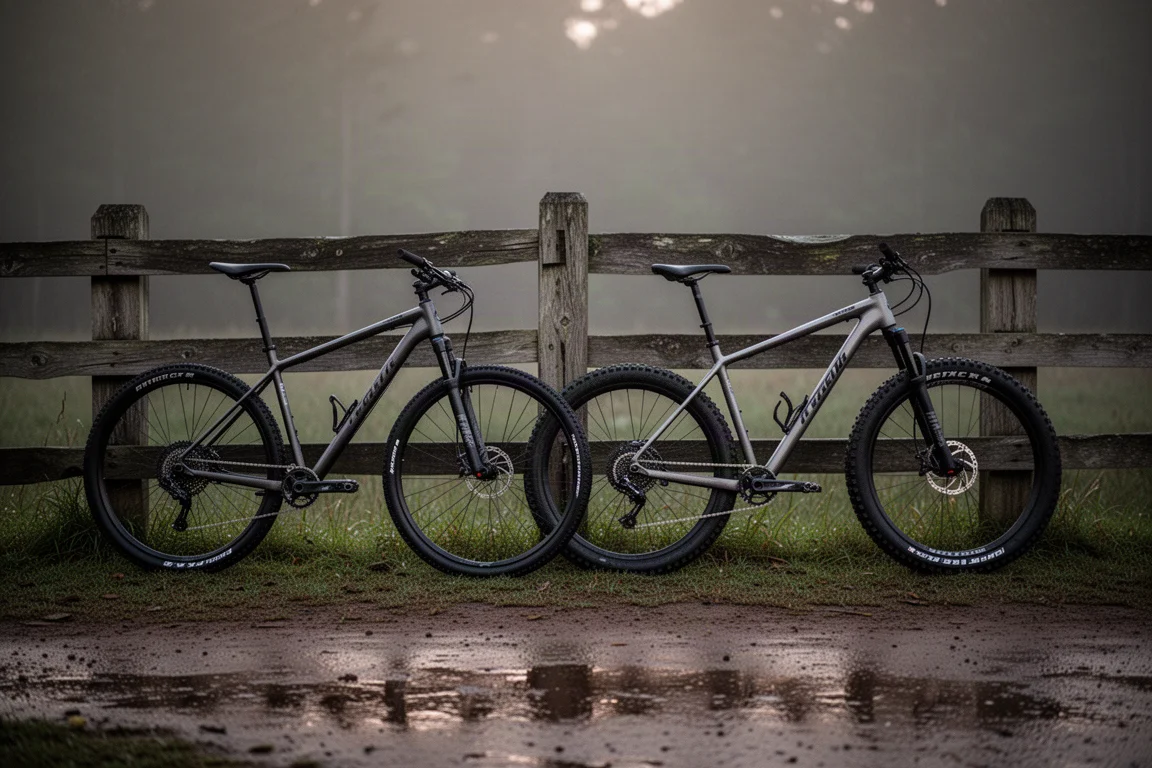
If the racing is technical, the extra 800 g or so is a trade worth considering, because capability tends to save more time than a few hundred grams of weight. If the local courses are smooth, fast and climb-heavy, a lighter build still makes a great deal of sense.
Conclusion
Weight still matters in cross country racing, but it is no longer the whole story. Modern race bikes are more capable than ever, and the timed test showed that a slightly heavier build can be the faster one once the descents are added to the lap. For riders deciding where to spend weight, wider tires and a dropper post look like the highest-value additions, with a stiffer fork close behind.
Further reading
Related Reviews
Mountain Biking
Best Downhill Bikes From Hardline Tasmania 2024: Six Pro Race Setups
Six downhill and freeride bikes from Hardline Tasmania 2024, from the race winning Mondraker Summum to the carbon and titanium Atherton AM200, with the build details that matter.
Mountain Biking
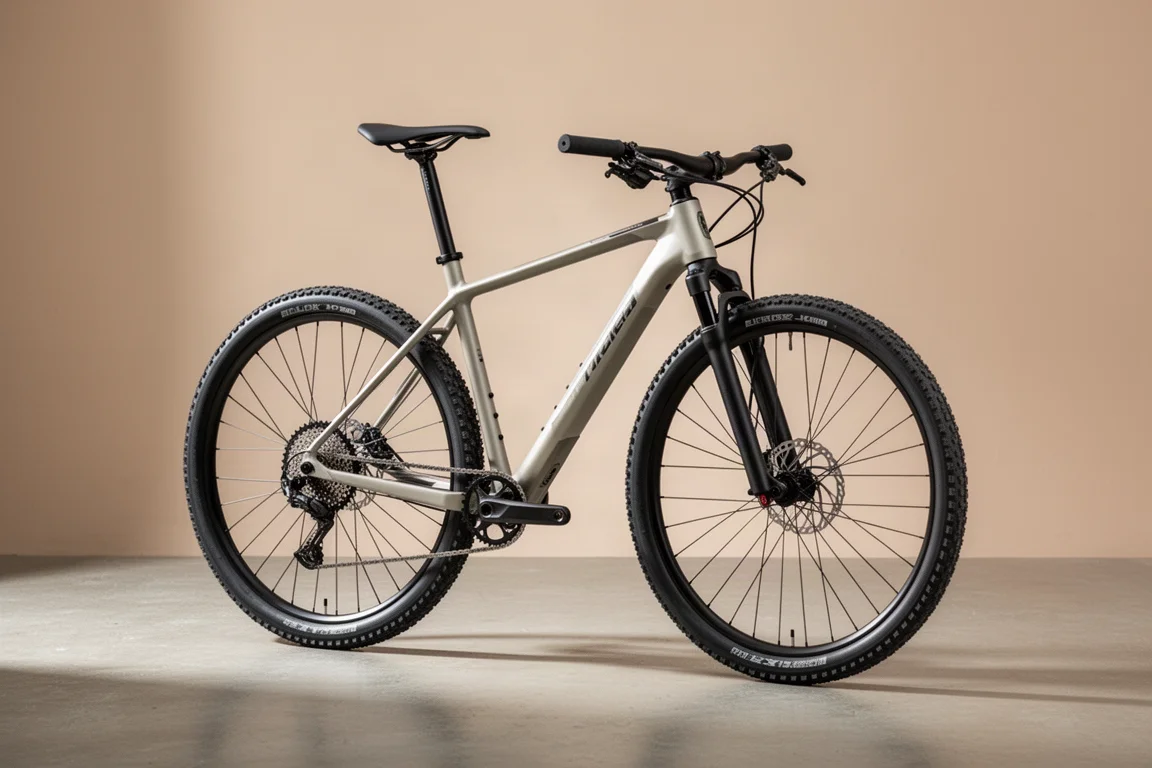
Cross-Country Bike Upgrades: When Extra Weight Makes You Faster
A field test of lightweight versus more capable cross-country builds reveals which component changes make the biggest difference on descents without giving up too much climbing speed.
Mountain Biking
Five Most Iconic Downhill Bikes: GT Fury, Giant Glory, Trek Session, Specialized Demo and Santa Cruz V10
Five downhill bikes with the richest racing history, from the GT Fury and Giant Glory to the Trek Session, Specialized Demo and Santa Cruz V10.