Mountain Biking
Cross-Country Bike Upgrades: When Extra Weight Makes You Faster
A field test of lightweight versus more capable cross-country builds reveals which component changes make the biggest difference on descents without giving up too much climbing speed.
Introduction
Cross-country racing has traditionally been a weight-saving exercise. Modern courses, however, are becoming more technical, which raises a practical question: is a lighter bike always faster, or can a slightly heavier but more capable build save time overall? A recent field test set out to answer that by comparing a sub-8 kg cross-country build against the same bike after adding around 800 grams of component changes. The test split the course into a timed climb and a timed descent, then combined the results. The goal was to see whether extra capability on the descents could outweigh the cost on the climbs.
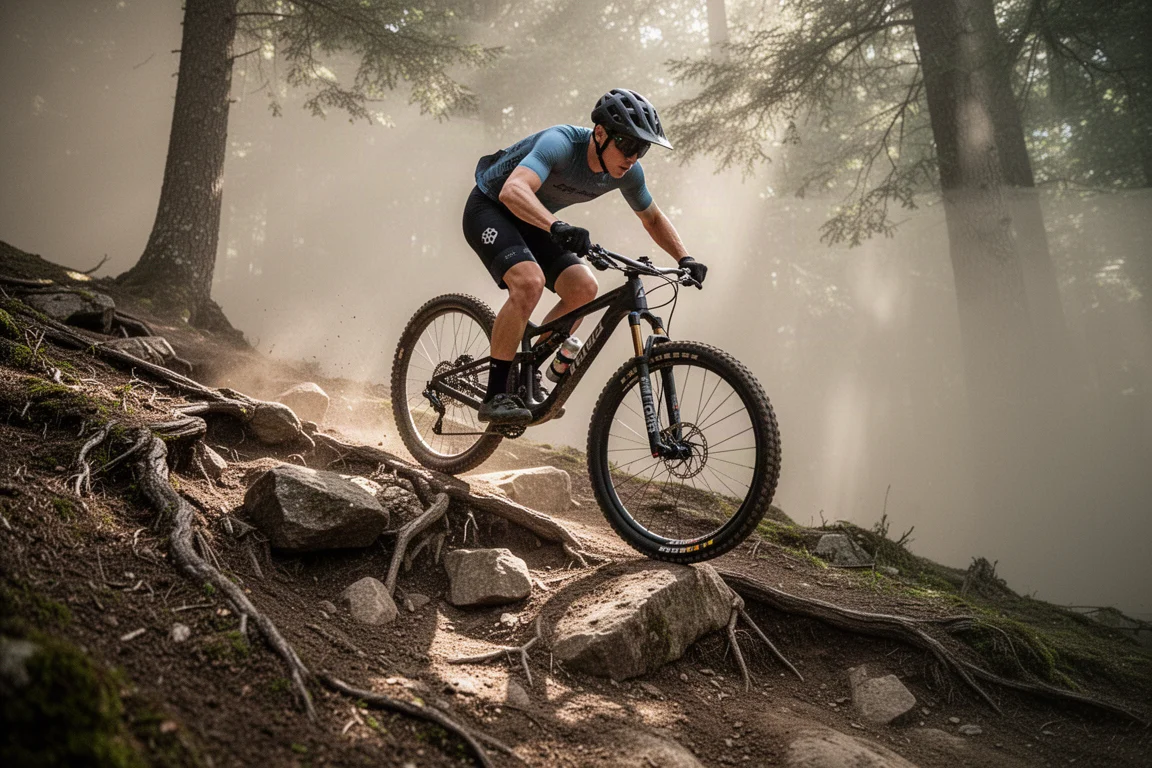
To keep the comparison as fair as possible, average power output was monitored on the climbs. The descent was designed to replicate a varied cross-country course with flowy singletrack, jumps, and rocky sections. Both builds were ridden on the same courses, and the times were added together for an overall result.
The Lightweight Build: BMC TwoStroke
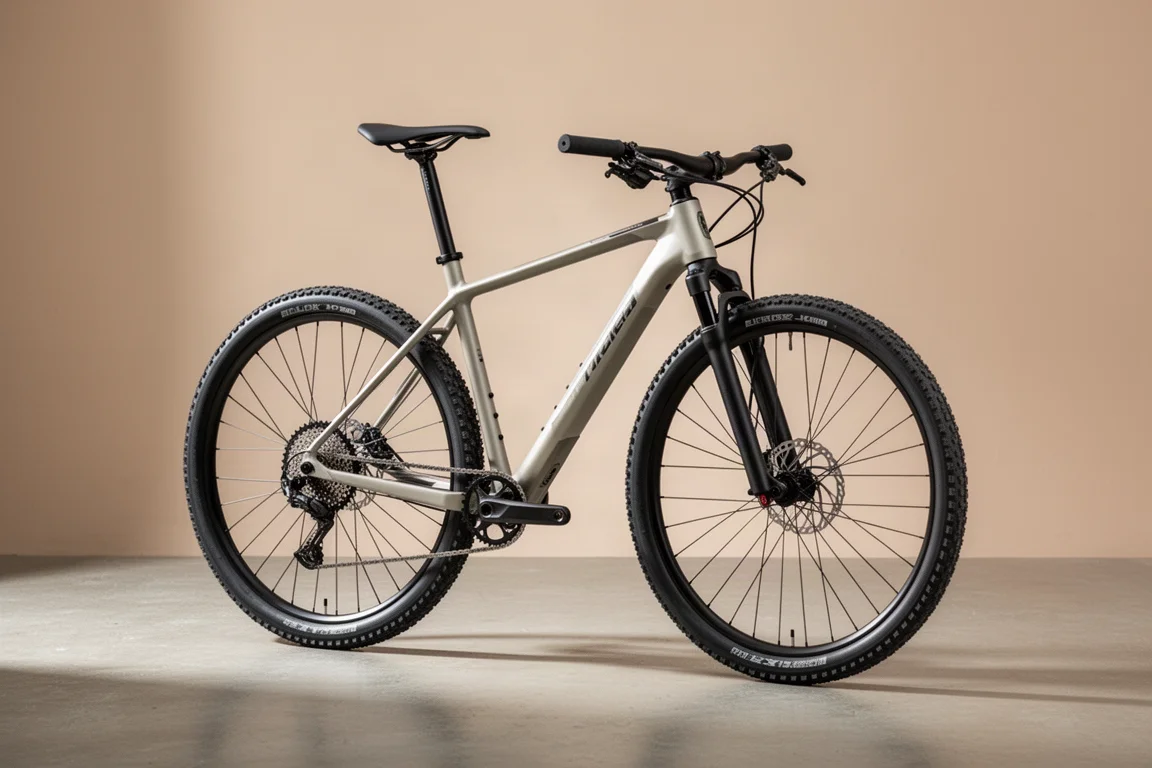
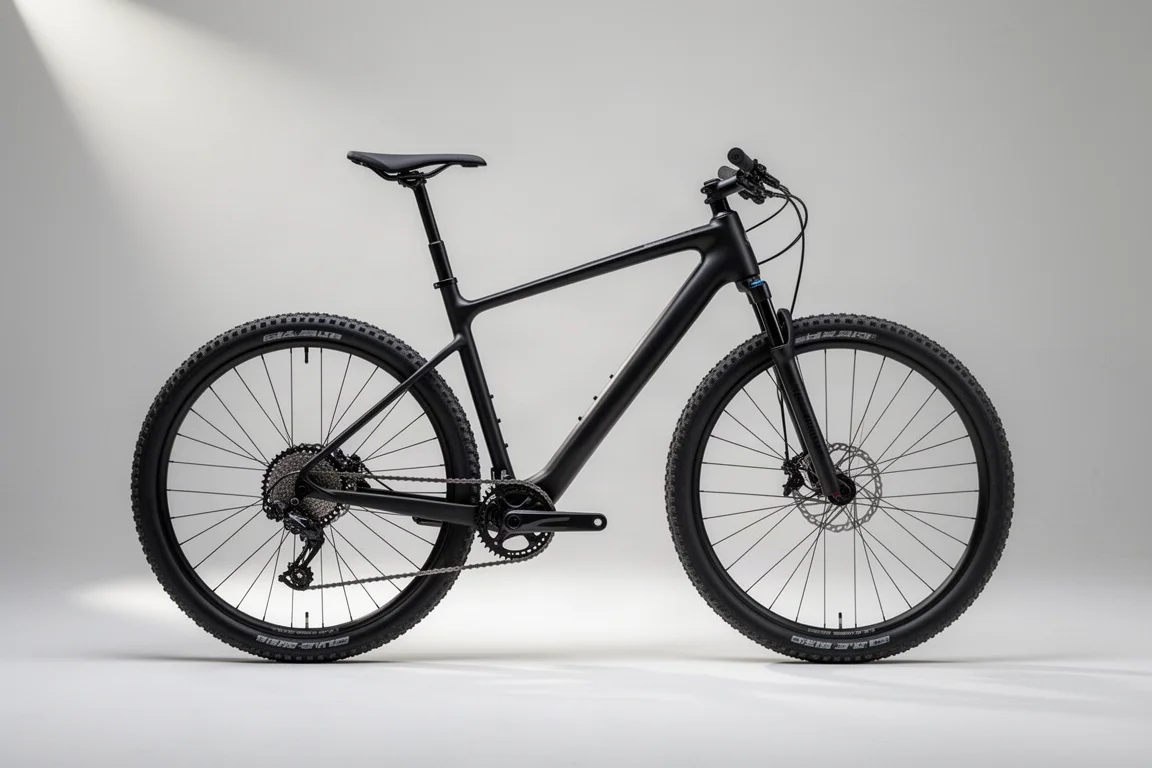
At the heart of the lightweight build was a BMC TwoStroke, a cross-country race bike built to be as light as possible. The complete bike weighed under 8 kg, and on smooth climbs it felt ferociously quick. It accelerated easily and carried speed well on less technical terrain. On rougher descents, however, the bike felt less settled. The narrow tires offered limited cushioning, and the fixed seatpost kept the saddle high, which made it harder to move around. The front end also flexed noticeably, making it difficult to hold a line through rocky sections.
The Upgrade Strategy: Adding Around 800 Grams
The more capable build kept the same frame but changed three key components: a dropper post, wider tires, and a stiffer fork with slightly more travel. Together these changes added roughly 800 grams. The resulting bike weighed 9.3 kg, which is still light for a cross-country race bike. The aim was not to turn it into a trail bike, but to see whether a small weight penalty could unlock enough descending speed to improve the overall lap time.
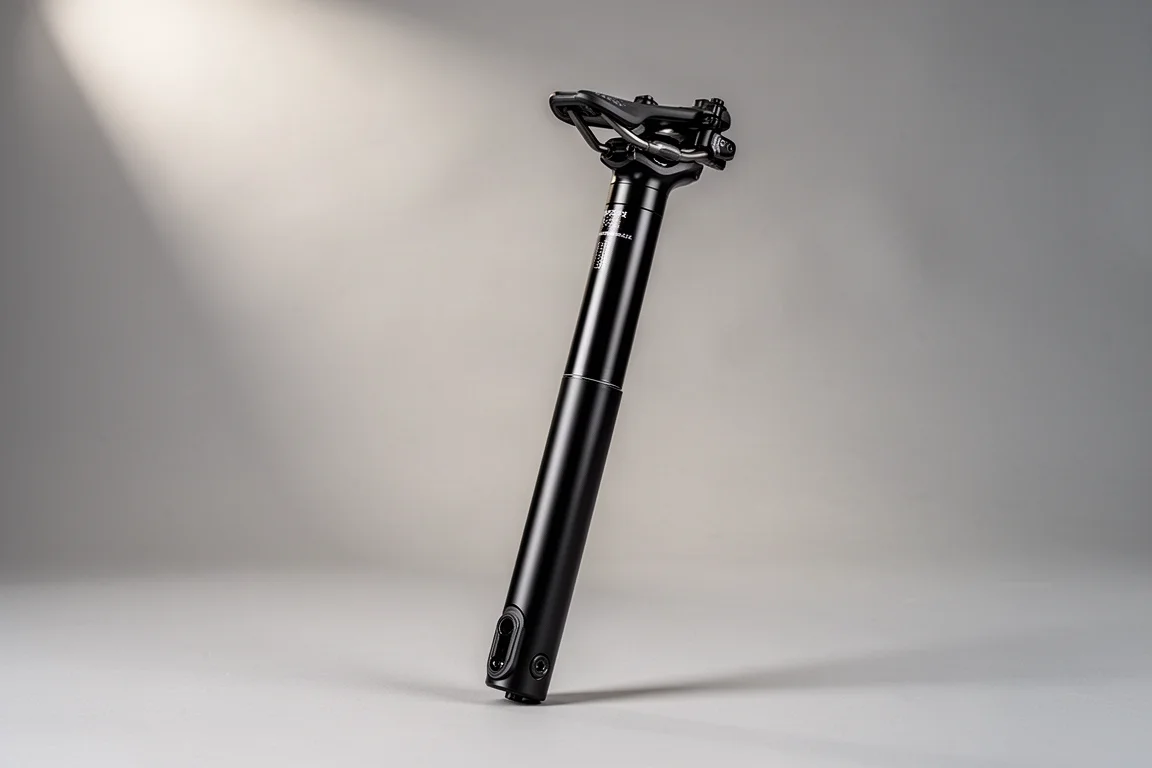
OneUp V3 Dropper Post: The Biggest Descending Gain
The single change that made the biggest difference was the OneUp V3 dropper post. The 27.2 mm post weighs 403 grams including the remote and cable, which is 290 grams heavier than the fixed post it replaced. That is a significant weight penalty on a lightweight build, but the benefit is immediate: the saddle can be dropped out of the way for descents. This allows the rider to move around the bike more freely, lower their center of gravity, and relax on technical sections. In testing, the dropper post was repeatedly described as the component that saved the most energy and confidence on the descents.
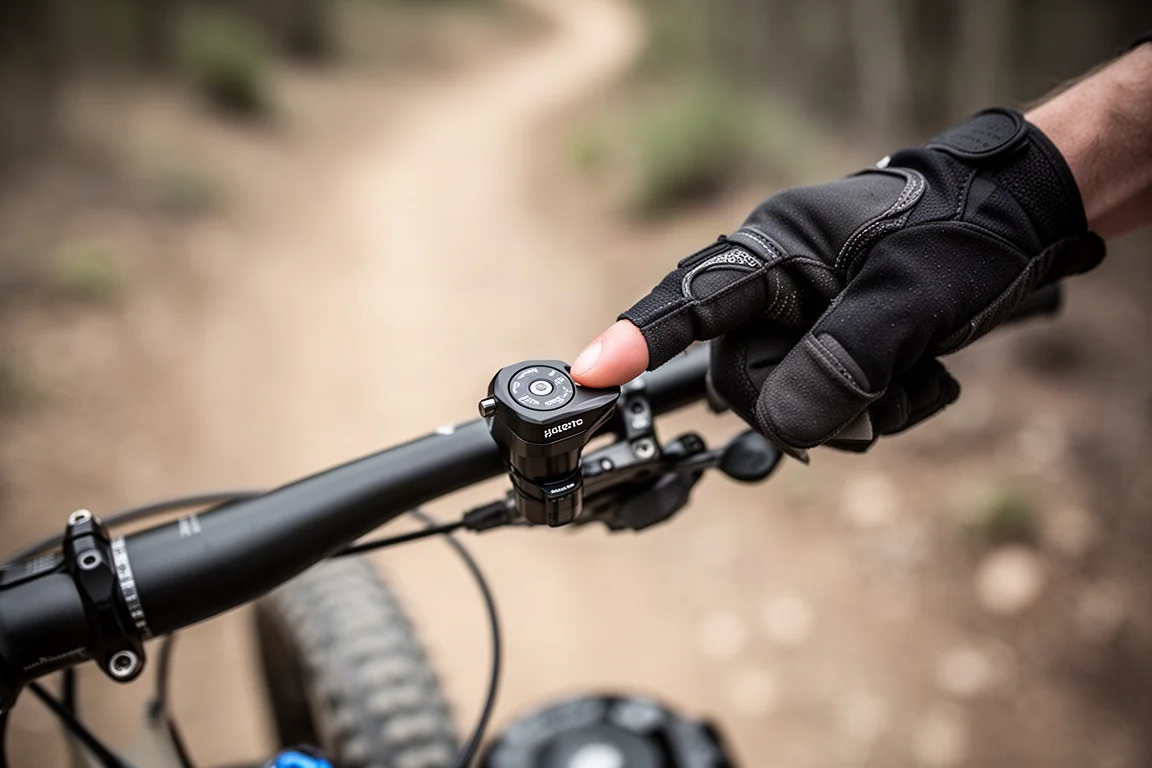
On longer rides, that saved energy can then be put back into the climbs. The ability to shift weight rearward and absorb impacts with the legs also reduces fatigue. For cross-country racers who face technical descents, a dropper post is often the first upgrade to consider, even though it adds weight.
Maxxis Rekon Race: More Volume, More Grip
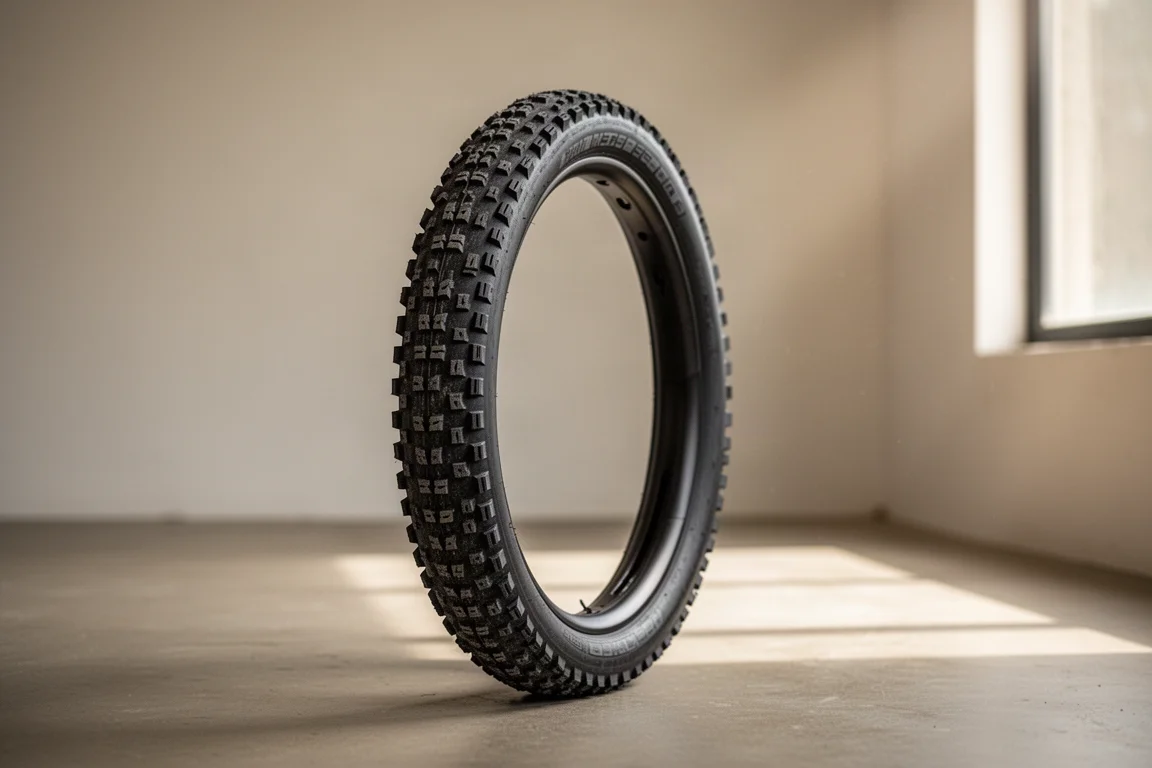
Tires were the second major change. The lightweight build used very thin, low-volume tires that were fast rolling but offered little cushioning. The more capable build switched to Maxxis Rekon Race tires in a 2.4-inch width. Each tire weighs 825 grams, which is 250 grams heavier per tire than the lighter option. The extra volume makes a noticeable difference on rough terrain. The larger air chamber absorbs bumps, improves traction, and provides better puncture protection. The tread is still relatively fast rolling, so the tires remain suitable for cross-country racing.
RockShox SID Ultimate: Stiffer Front End
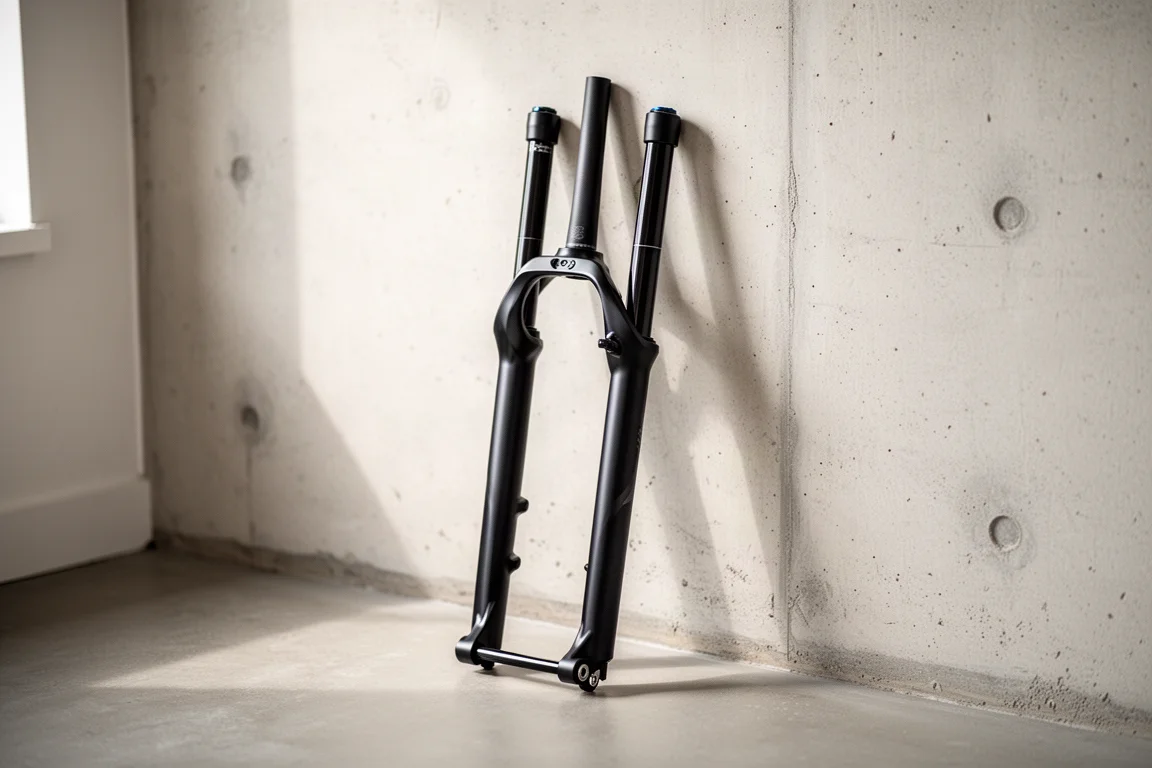
Up front, the lightweight build used a RockShox SID SL Select fork. The more capable build switched to a RockShox SID Ultimate. The SID Ultimate has 35 mm stanchions, which makes it stiffer and more accurate, and it offers a little more travel. Interestingly, it also weighed slightly less than the SID SL Select: 1,529 grams versus 1,536 grams. The stiffer chassis helped hold lines through rocky sections and reduced the flex that made the lighter fork feel vague. This was especially noticeable on steep, technical descents.
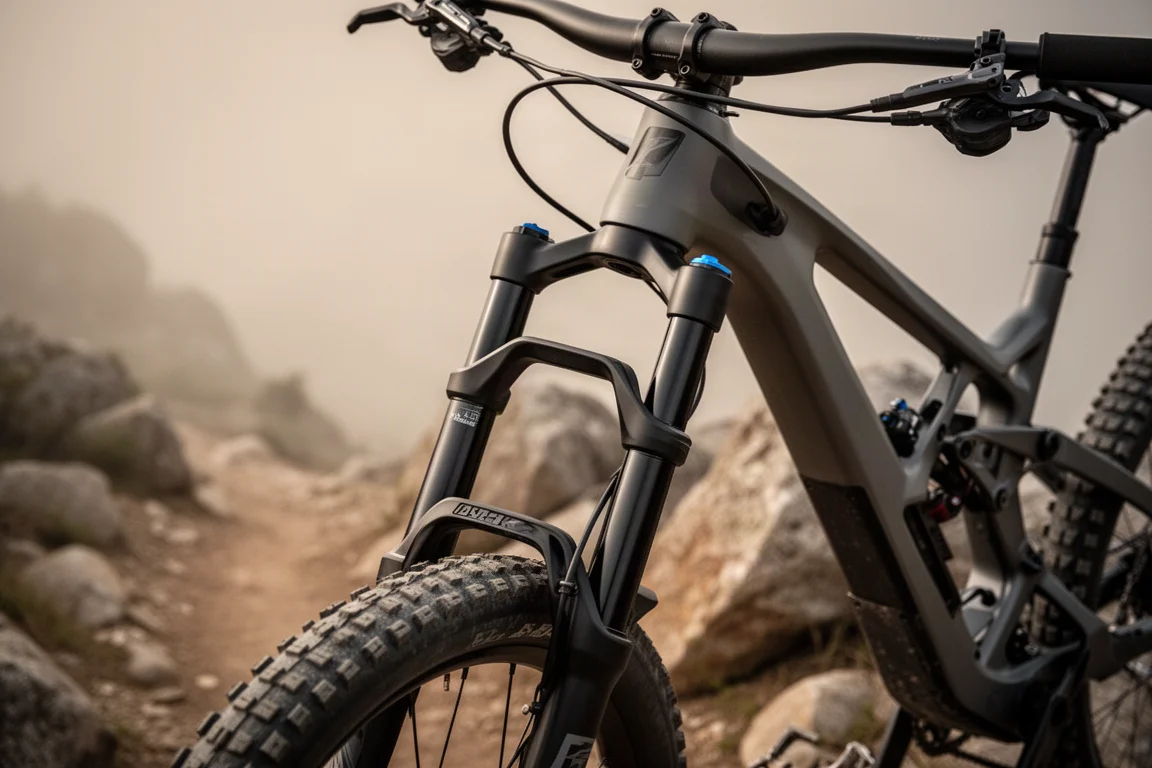
The extra travel and stiffness do not turn the bike into a downhill machine, but they make the front end more predictable. For cross-country racers, that predictability can translate into more speed because the rider spends less energy correcting the bike.
RockShox SID SL Select: The Lightweight Baseline
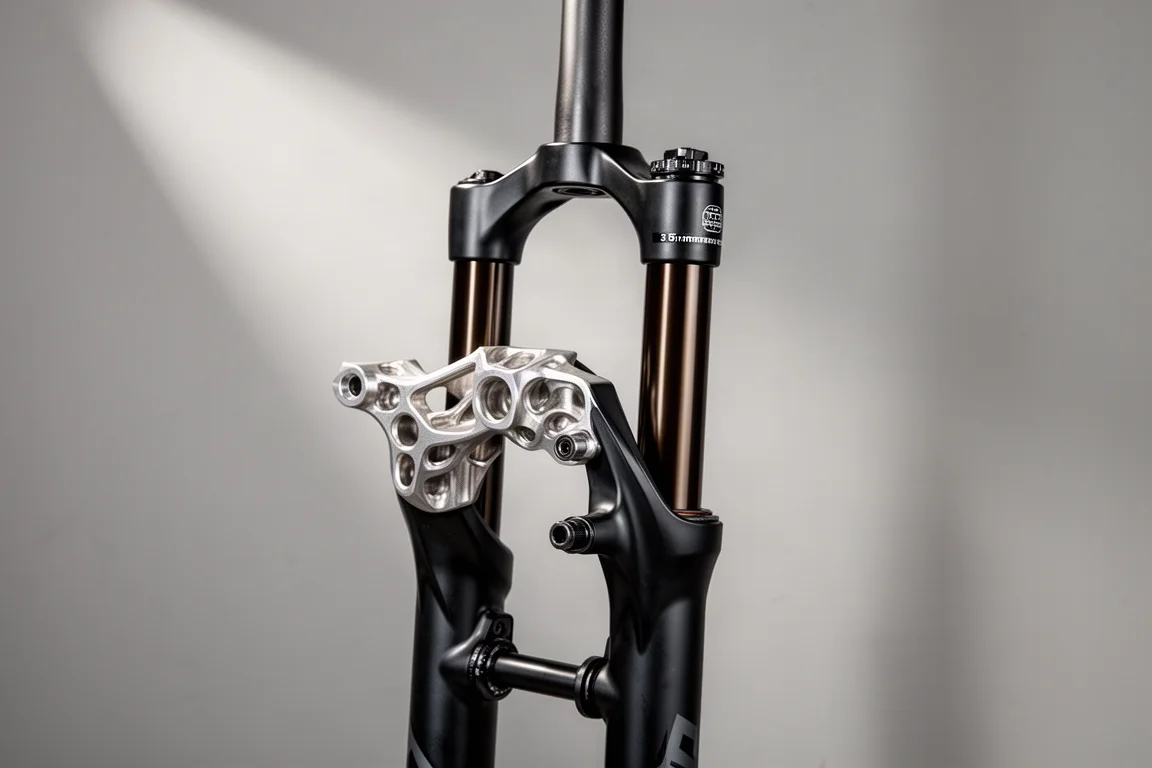
The RockShox SID SL Select was the fork on the original lightweight build. It is a cross-country fork designed with weight in mind, and it helped keep the complete bike under 8 kg. On smooth climbs it performed well, but on rougher descents it flexed more than the SID Ultimate. Riders who prioritize climbing speed and ride less technical courses may still find the SID SL Select a good match. Those who want more control on descents should consider the stiffer option.
Overall Buying Advice
The field test produced a clear result: the more capable build was faster overall. It lost a little time on the climbs, but it made up more on the descents. The dropper post was the biggest contributor, followed by the wider tires and the stiffer fork. Weight saving is still important in cross-country racing, but it is not the only factor. Modern courses reward capability, and a bike that feels secure on descents can be ridden faster with less effort. For riders looking to improve their race times, the priority should be a dropper post, then wider tires, then a stiffer fork if the budget allows. A sub-8 kg bike is impressive, but a 9.3 kg bike that descends with confidence may well be quicker on a technical cross-country course.
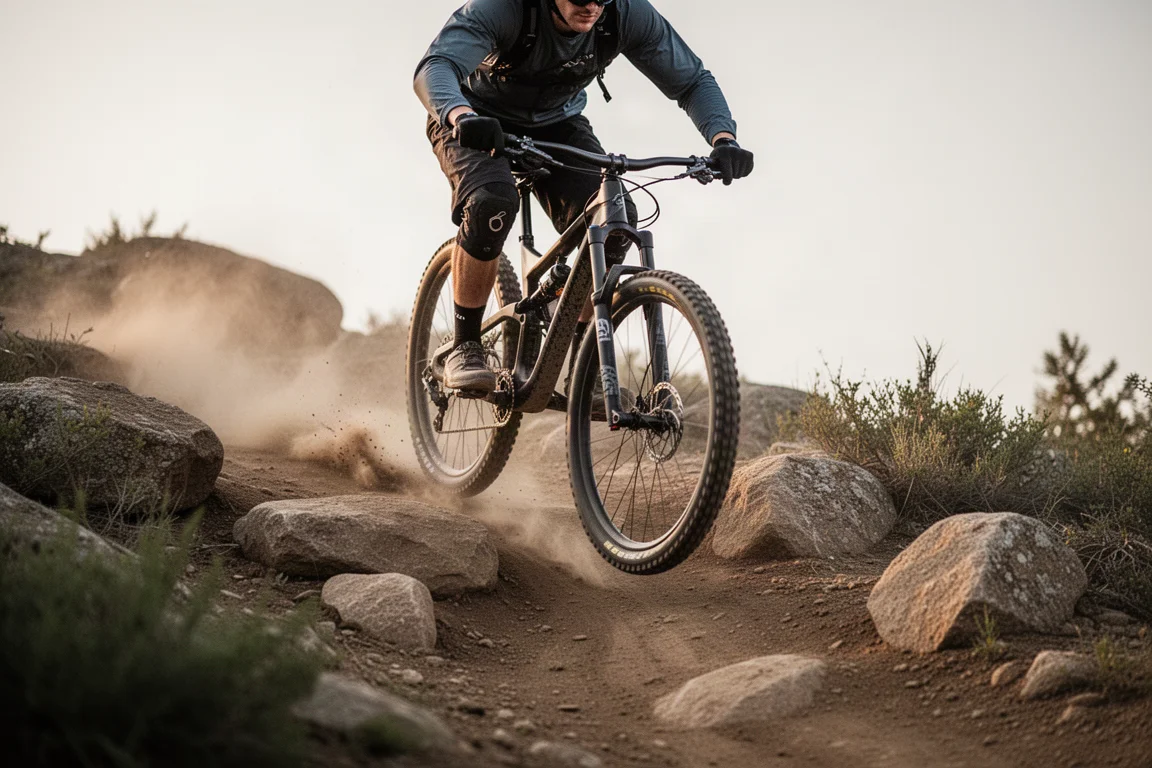
Component choices should always match the terrain and the rider’s strengths. If the course is smooth and climbing-heavy, a lighter build may still be the best choice. On modern, technical cross-country tracks, the extra capability is often worth the weight.
Conclusion
The test showed that adding around 800 grams to a lightweight cross-country bike can make it faster overall when the course includes technical descents. The OneUp V3 dropper post, Maxxis Rekon Race tires, and RockShox SID Ultimate fork each contributed to a more confident and controlled ride. Weight weenism is not the be-all and end-all. For many riders, a slightly heavier but more capable bike will deliver better results and more enjoyment on the trail.
Further reading
Related Reviews
Mountain Biking
Best Downhill Bikes From Hardline Tasmania 2024: Six Pro Race Setups
Six downhill and freeride bikes from Hardline Tasmania 2024, from the race winning Mondraker Summum to the carbon and titanium Atherton AM200, with the build details that matter.
Mountain Biking
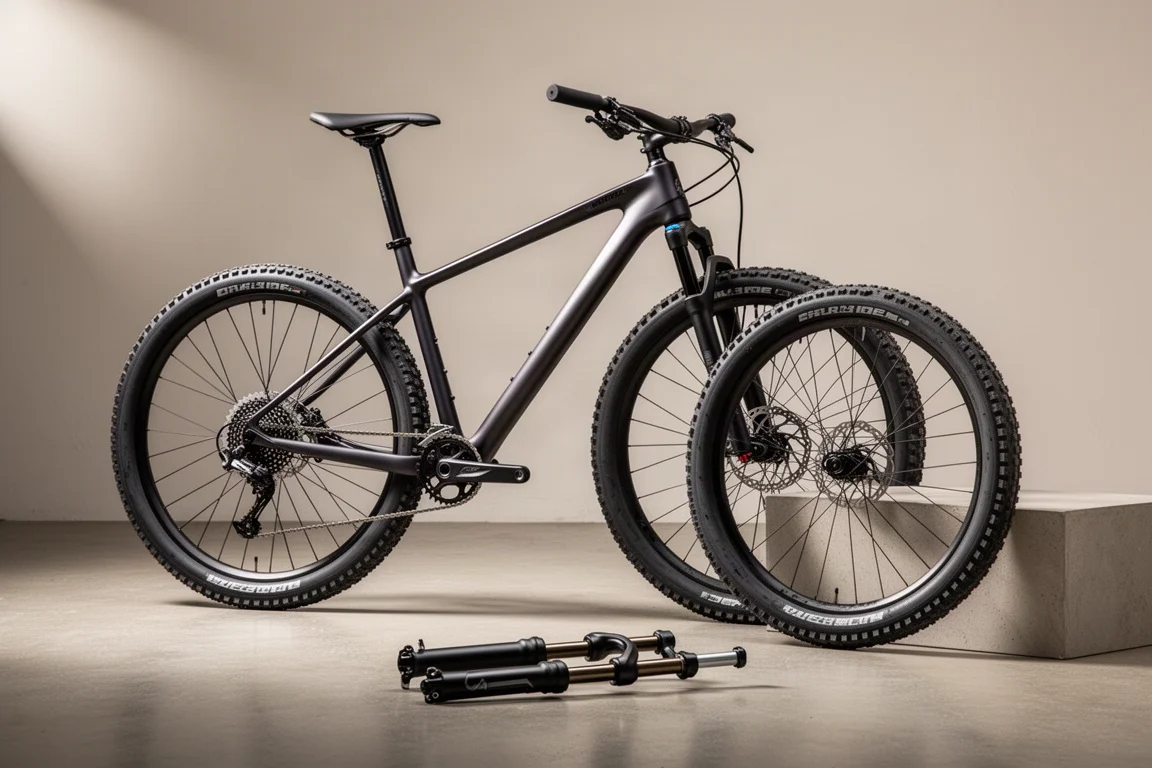
Cross Country Race Upgrades: Does Added Capability Beat Lower Weight?
A timed comparison of a sub 8 kg cross country build against a slightly heavier, more capable setup, plus the tires and fork that made the difference.

Mountain Biking
Five Most Iconic Downhill Bikes: GT Fury, Giant Glory, Trek Session, Specialized Demo and Santa Cruz V10
Five downhill bikes with the richest racing history, from the GT Fury and Giant Glory to the Trek Session, Specialized Demo and Santa Cruz V10.