Ultralight Backpacking
Mount Laurel Designs Pro Rain Poncho Tarp and Super Light Solo Bivvy Review
A field-tested look at the Mount Laurel Designs Pro Rain Poncho Tarp paired with the Super Light Solo Bivvy, covering weight, weather performance, and who this ultralight setup suits.
Introduction
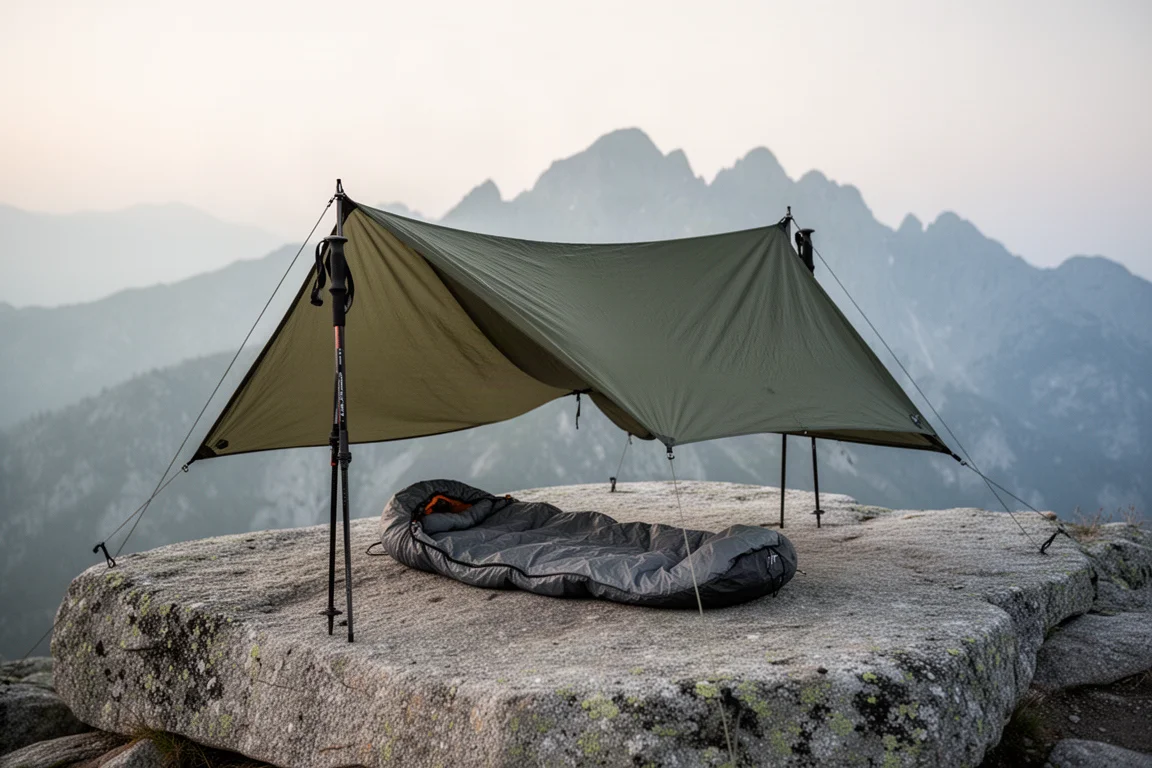
A poncho tarp asks one piece of gear to do two jobs: keep the rain off while hiking and become the roof over your head at night. On a multi-day backpacking trip in the Tetons, the Mount Laurel Designs Pro Rain Poncho Tarp was paired with the Mount Laurel Designs Super Light Solo Bivvy, and the combination turned out to be a genuinely capable ultralight shelter system. It also demanded more skill than a tent. Here is what the setup weighed, how it handled rain and hail, and where it makes the most sense.
What This Setup Includes and How It Was Tested
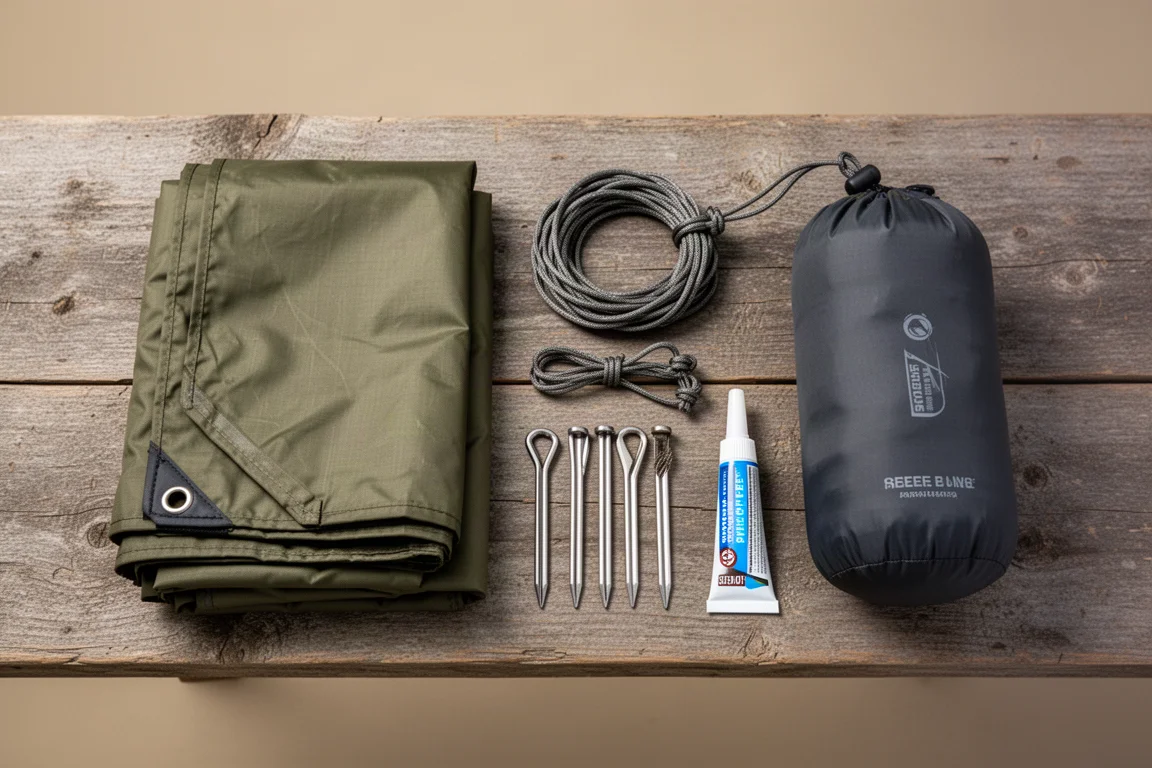
The system is two pieces. The Pro Rain Poncho Tarp serves as both rain gear and shelter, and the Super Light Solo Bivvy adds a protective layer underneath it. Both are made by Mount Laurel Designs. The bivvy arrived with a tube of seam sealer, which means the stitched seams have to be sealed before the shelter is weather-ready. That task is worth taking seriously: brush the sealer over the stitched areas, work in short sections, keep the material stretched, and let each section dry before moving on.
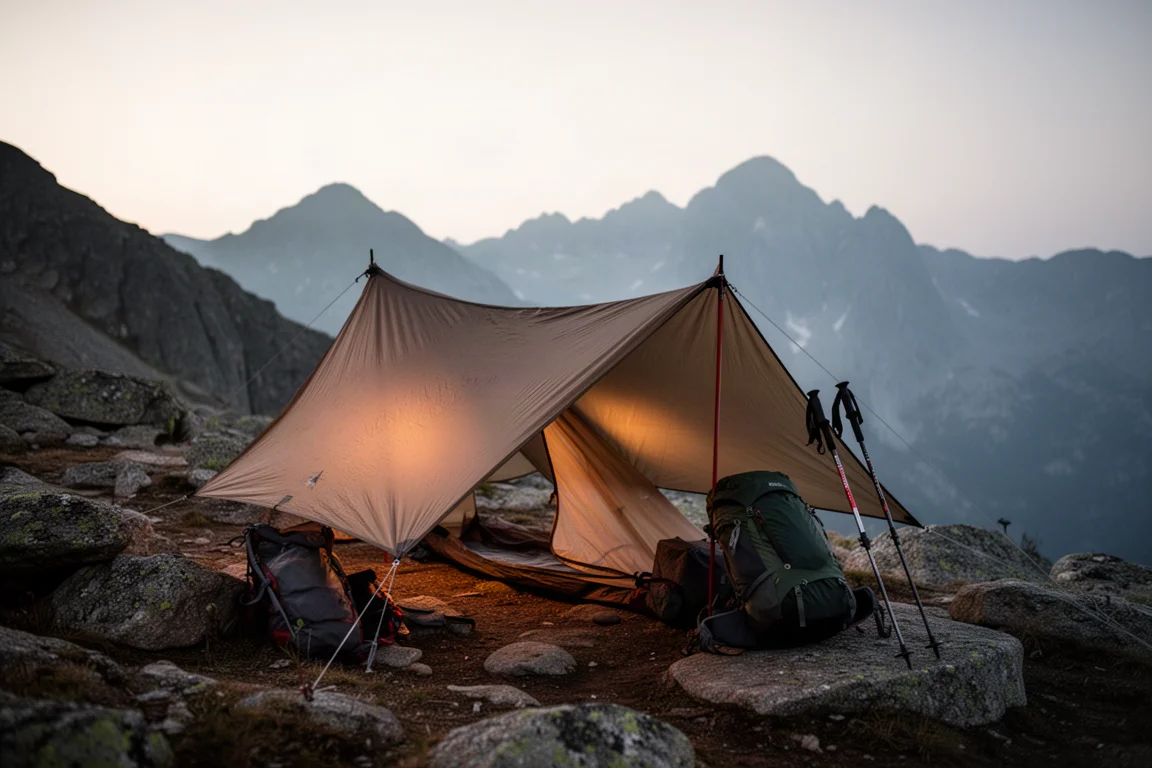
Together, the tarp, its cord, and the bivvy came to 22.2 ounces. The total cost of the setup as tested was $434. That figure reads high next to a tent of similar weight until you account for the fact that this is shelter and rain gear in a single purchase. It is also worth noting that a DCF version of the poncho tarp was previously offered and is no longer listed for sale on the brand’s website, so specific fabric options may change over time. The concept itself still applies to other poncho tarp designs.
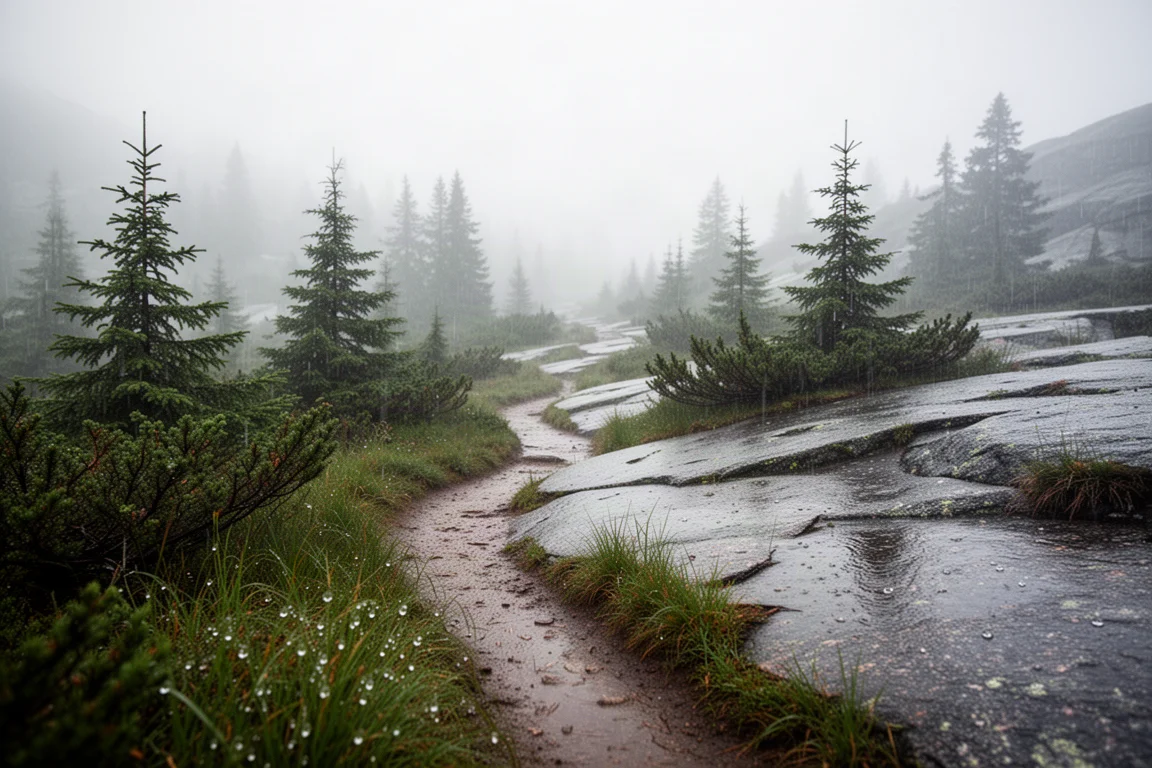
The testing conditions were useful ones. The trip ran through the Tetons with temperatures around the mid-40s Fahrenheit, and the weather delivered steady rain along with a hail storm, which is exactly the kind of weather a shelter like this needs to survive.
Mount Laurel Designs Pro Rain Poncho Tarp as a Shelter
The defining trait of the poncho tarp is versatility, and it is also the thing that takes the longest to get comfortable with. There is no single correct pitch. It can be set up between trees, raised on trekking poles, pitched low to the ground for storm protection, or lifted high for something closer to cowboy camping with a roof overhead.
That freedom is rewarding for some backpackers and frustrating for others, especially anyone coming from a tent where the setup sequence is fixed. In practice, the higher pitches were more comfortable. A very low pitch made the space feel cramped, and most nights the tarp stayed higher than that first low setup. The tarp also works best as a shelter when it is treated as part of a system rather than a standalone roof.
Mount Laurel Designs Super Light Solo Bivvy for Warmth and Bug Protection
The bivvy solves several problems at once. It adds splash protection from the ground, cuts the wind on breezy nights for anyone who sleeps cold, and keeps insects away. It is the piece that makes the poncho tarp realistic in wet weather rather than merely possible.
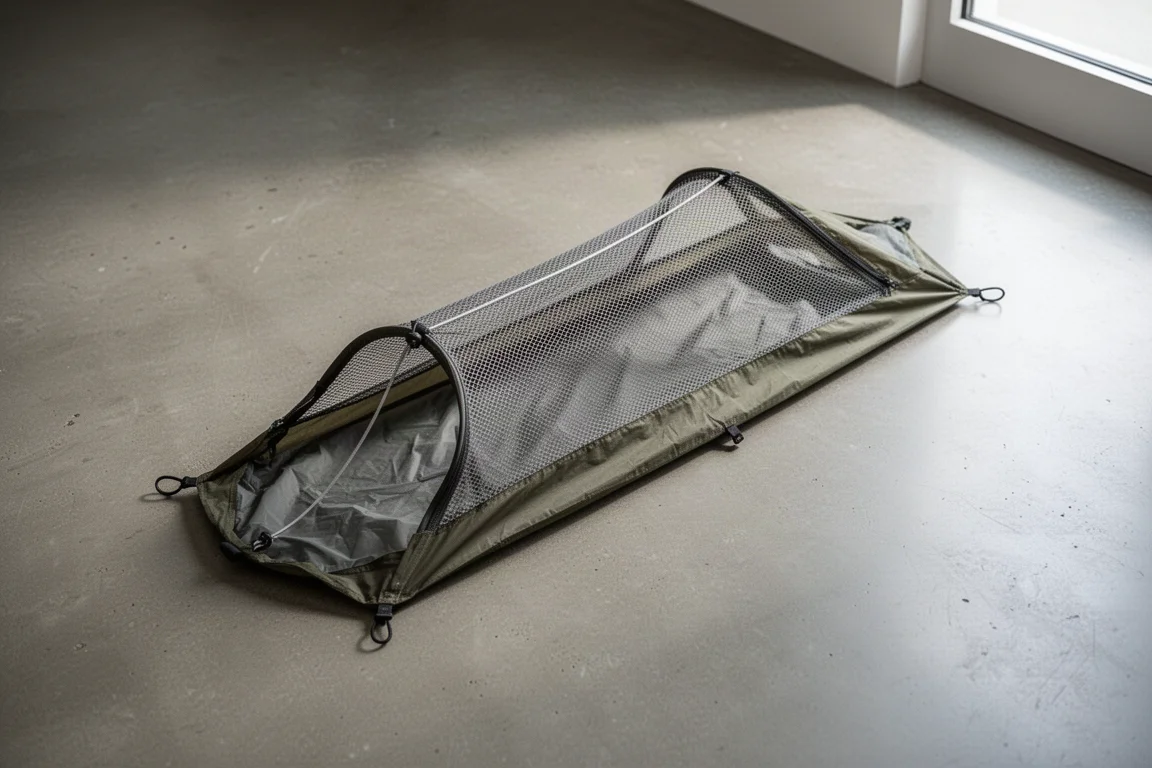
Two design details stand out. A cord at the face opening hooks to the underside of the tarp, which pulls the mesh up and away from the face and removes most of the closed-in feeling. The bivvy also has loops at each corner so all four corners can be staked out, which opens up interior space. There is enough room inside for a water bottle, a phone, and any items that need waterproof redundancy, which means fewer trips outside in the middle of the night.
Netting is a choice at order time: a full mesh upper or a half-moon design that blocks more wind and holds a little more warmth while still venting. Full mesh was the pick here for maximum ventilation, but the half-moon would likely be the better call for a cold sleeper who wants the breeze off their face.
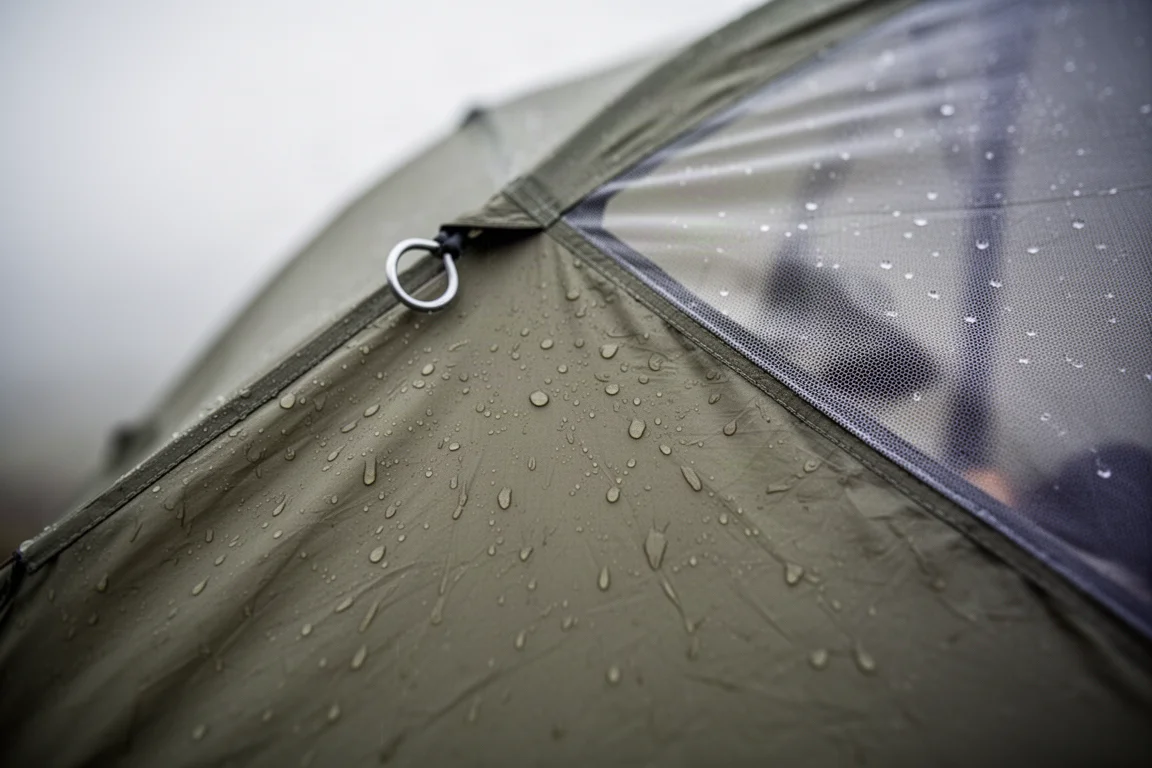
In use, the bivvy performed well beyond expectations. During a storm, legs slid out from under the tarp edge and were exposed to hail and rain, and a puddle formed on top of the bivvy. The sleeping bag underneath still stayed dry. Condensation was a non-issue despite steady rain, and the inside of the bivvy and the bag stayed dry to the touch even while it was actively raining outside. That is a strong result for a bivy, though it was measured in a drier mountain climate rather than a humid one.
Pitching the Poncho Tarp and Living in Camp
Camp life under a poncho tarp is a smaller experience than camp life in a tent, and that is the trade-off that matters most. After a wet day of hiking, a tent lets you spread gear out, reorganize, and reassess in a defined space. Under a tarp, the usable area is tighter and the ground is closer to everything you own.
Grit is part of the equation. When the ground is wet, dirt and debris stick to gear laid out under the tarp. A large ziplock bag, a few stuff sacks, or a groundsheet-style layer for gear makes a meaningful difference, and keeping items off the ground directly is worth the small effort.
Stake count is another practical detail that is easy to underestimate. Running short on stakes during a storm meant borrowing two from the foot of the bivvy to reinforce the tarp, which worked but is not a plan worth repeating. Site selection helps as well: camping under trees catches some of the rain while pitching or packing up in the morning.
What the setup gives back is openness. Waking up means opening the bivvy and being immediately in the landscape rather than inside a bubble, which is a real pleasure in a place like the Tetons.
Wearing the Poncho as Rain Gear
As rain gear, the poncho is more ventilated than a rain jacket and rain pants and less protective. Even with the sides snapped up, there are substantial openings, and leggings ended up damp rather than soaked. For hiking in moderate rain and dropping temperatures, it did the job and added warmth. For cold, sustained rain where warmth retention matters more than breathability, a jacket and pants remain the safer choice.
One advantage is redundancy: the poncho can go over a pack to keep contents dry, though it was worn under the pack here. Another is privacy in the backcountry, since the poncho covers enough to make a bathroom stop simple.
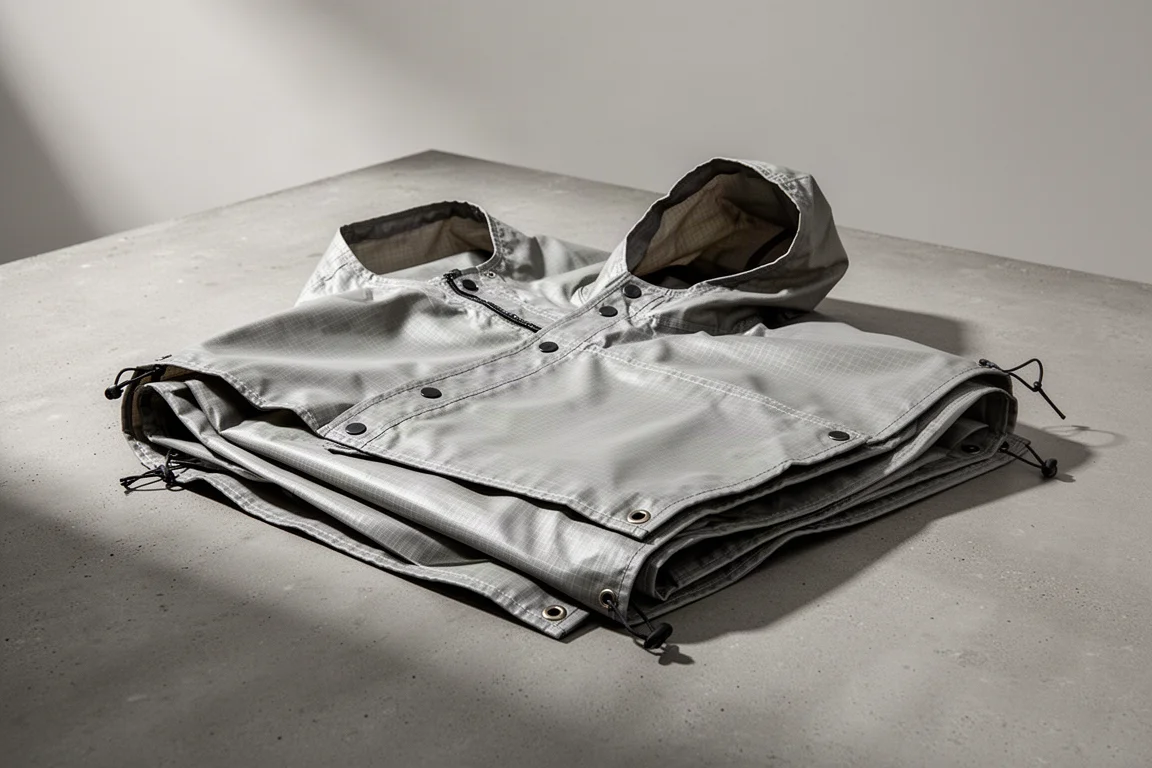
The transition between rain gear and shelter is simpler than it sounds. Unsnap the snaps on either side, roll up the hood section and snap it closed, then pitch it like any tarp. When packing up in the rain, the practical order is to pack everything that must stay dry while still under the tarp, then move the pack out into the rain. Clothing worn during the transition can get damp, and it will get damp while hiking anyway.
A small refinement makes the switch faster: attaching the guy line to a small clip so the cord can be removed while the poncho is worn and reattached quickly at camp. It is not essential for anyone quick with knots, but it removes a fiddly step.
The one genuine annoyance is a nighttime bathroom trip in the rain. Warm, dry sleeping clothes are on, the wet hiking clothes are outside, and the choice comes down to putting wet layers back on or risking damp sleepwear.
Things to Consider Before Buying
Several factors are worth weighing honestly before committing to this kind of setup.
- Pitching skill. A poncho tarp has no fixed setup, and the learning curve is real. Expect the first few pitches to be slow and imperfect.
- Cold weather. A tent traps more warmth and offers a micro-climate that a tarp does not. In the mid-40s the setup stayed comfortable, but colder and wetter conditions would be far less pleasant, and the margin for error shrinks.
- Climate. Condensation performance was excellent in a drier mountain environment. Humid regions are a different test, and that is worth keeping in mind on the East Coast and in similar areas.
- Gear organization. There is less room to spread out, and wet ground means grit on your gear. Plan for a layer to keep items off the ground.
- Stake count. Bring enough stakes for every edge of the tarp and for the bivvy corners.
- Fabric availability. The DCF version of the poncho tarp is no longer listed on the brand’s website, so that specific fabric option may not be available.
Who This Ultralight Shelter Setup Suits
This system suits backpackers who cover long miles, spend less time in camp, and count every ounce. Combining rain gear and shelter into a single carried weight is the whole point, and at 22.2 ounces for the tarp, cord, and bivvy, the math works for weight-focused trips. It fits warm and moderate weather trips best, where the poncho doubles as functional rain protection and the tarp is comfortable to sleep under.
It also suits backpackers who enjoy learning a skill and are willing to practice pitches before relying on them in bad weather. It is less suited to anyone who values the private space and warmth of a tent, or who plans to spend cold, wet nights above treeline where a more enclosed shelter is a genuine safety consideration. A bivvy is not optional in this equation: pairing the poncho tarp with the Super Light Solo Bivvy is what made the system hold up through rain and hail with a dry sleeping bag.
Conclusion
The Mount Laurel Designs Pro Rain Poncho Tarp and Super Light Solo Bivvy combination delivers what an ultralight poncho tarp promises: one carried item for rain and shelter, real weight savings, and a night under the open sky. It asks for pitching skill and a tolerance for smaller, grittier camps in return. For mileage-focused backpackers in moderate conditions, that is a fair trade. For cold, wet, or comfort-first trips, a tent remains the easier answer.
Further reading
Related Reviews
Ultralight Backpacking
Ultralight Backpacking Gear List: Building an Eight-Pound Base Weight
A practical ultralight backpacking gear list covering pack, shelter, sleep, cook, and safety choices, with notes on what each item does well and where it makes trade-offs.
Ultralight Backpacking
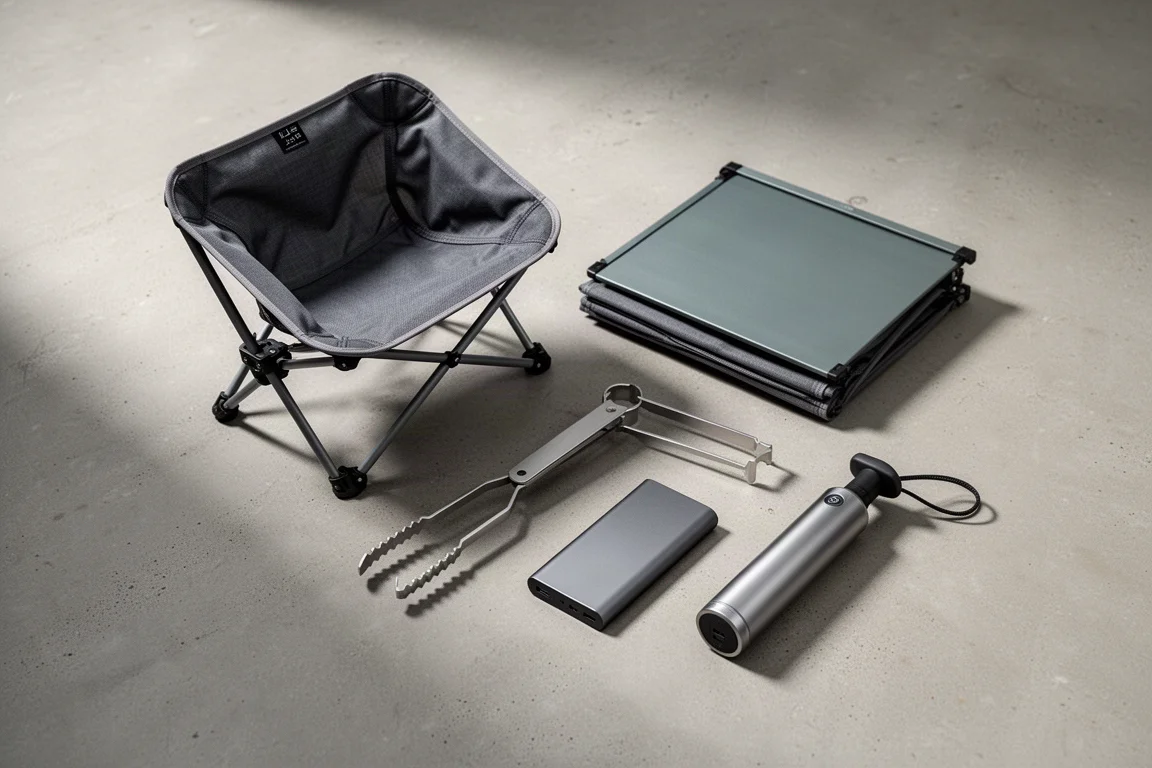
Best Ultralight Backpacking Gadgets 2026: Six Lightweight Upgrades Worth Knowing
Six ultralight backpacking gadgets, from a 488 g camp chair to a 4.5 g pot grabber, with practical notes on weight, usability, and price.
Ultralight Backpacking
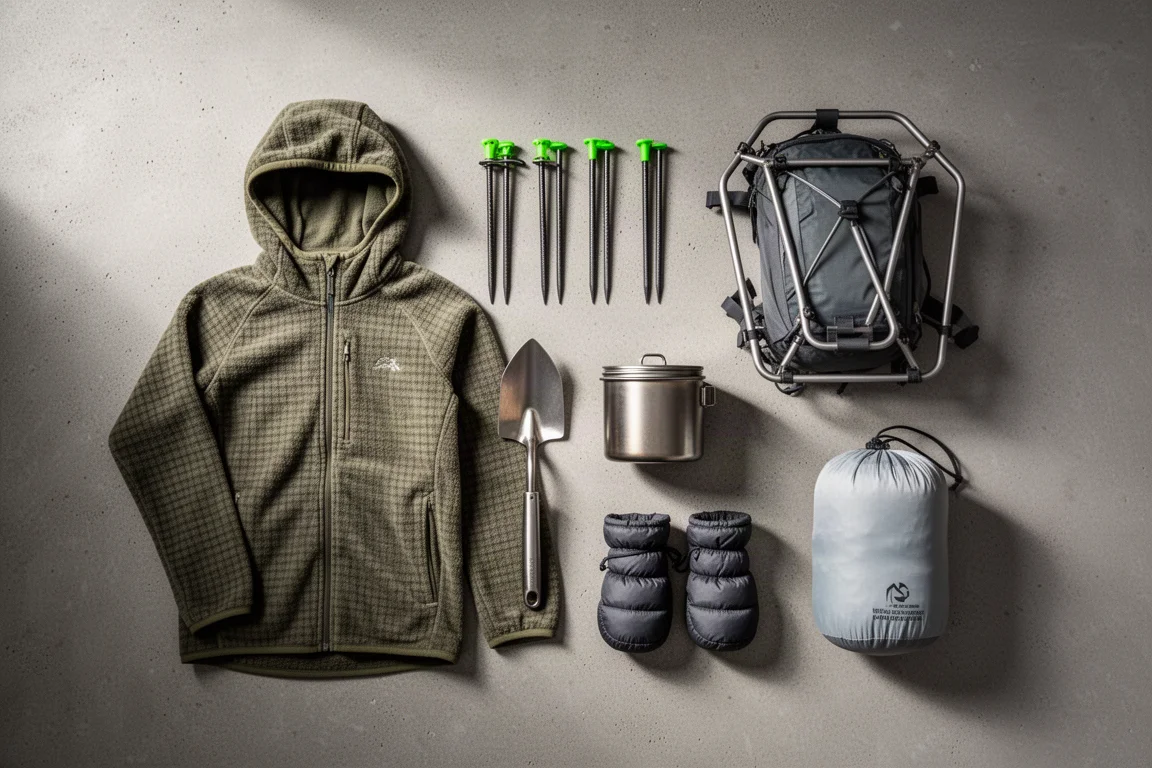
Five Small Ultralight Brands and the Gear Worth Packing
A closer look at five cottage ultralight brands and seven pieces worth considering, from a 4 oz fleece layer to carbon fiber tent stakes you can barely feel.