Gourmet Food
Three Gourmet Ingredients That Ask: Pricey or Pretentious?
The world's most expensive chili pepper, an algae-based cooking oil, and a gold-leaf licorice truffle put to the taste test by home cooks.
Introduction
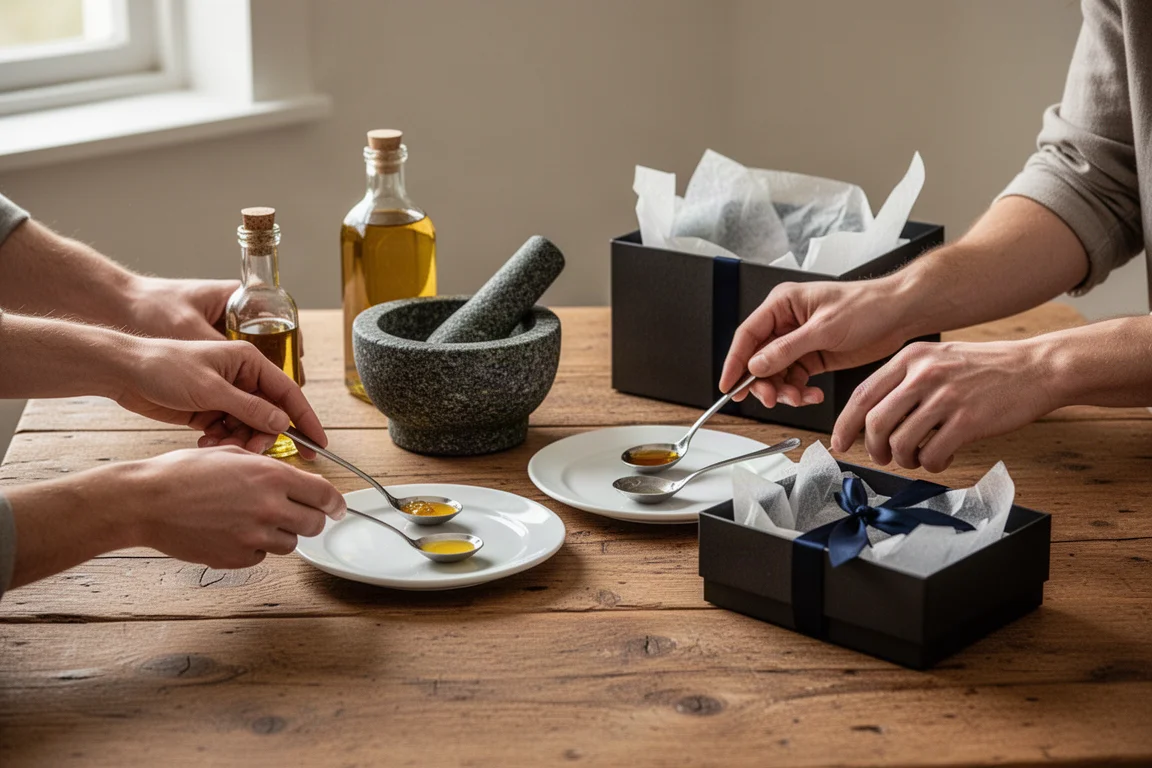
Some ingredients earn their price through rarity and flavor. Others earn it through story, branding, and a generous amount of gold leaf. To find out which is which, three famously expensive products were put in front of ordinary home cooks to taste, cook with, and judge on one simple question: expensive, or pretentious?
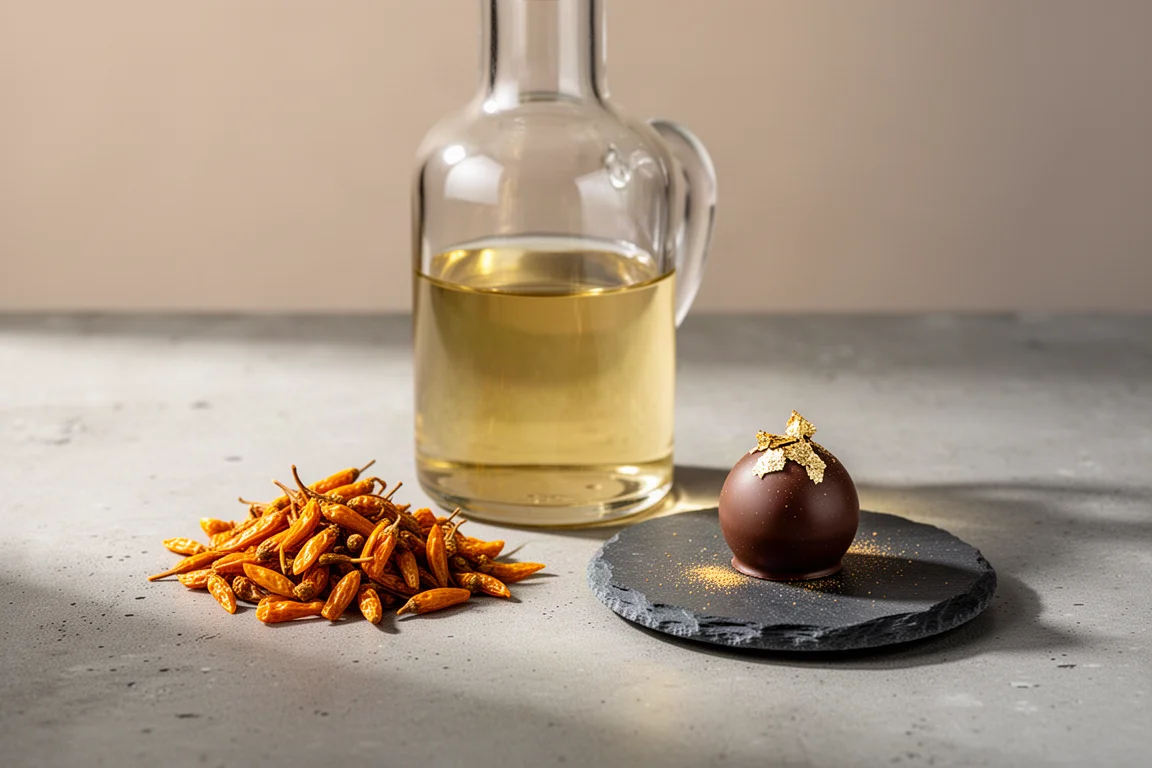
The lineup covers an ancient Peruvian chili, an algae-derived cooking oil with striking environmental numbers, and a licorice truffle containing caviar and 24 carat gold leaf. The results turned out to be genuinely split.
Aji Charapita: The World’s Most Expensive Pepper
These tiny, sun-dried peppers are widely considered the most expensive chili in the world. They originated in Peru and Bolivia in the Amazonian rainforest over 4,000 years ago, are extremely rare, and are genuinely difficult to cultivate. Despite the tiny size, the taste experience is anything but small: a fruity start, then a dry heat that builds at the back of the tongue, followed by floral, honey, and molasses notes with almost no bitterness. Tasters described it as a journey, and noted a numbing effect similar to Szechuan pepper.
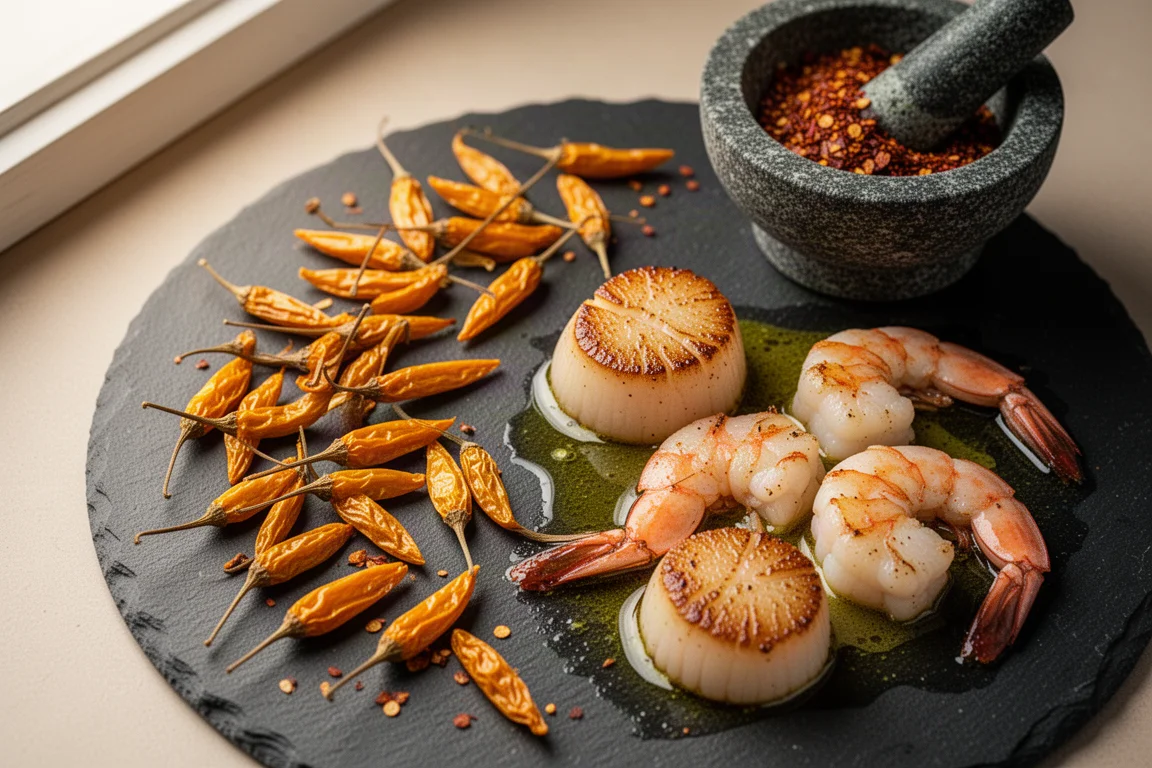
Where it really shines is in cooking. Aji Charapita pairs phenomenally well with chicken and seafood. Crushed or ground in a pestle and mortar and sprinkled over scallops and cooked prawns in olive oil, the intensity softens against fatty meat and lets the fruitiness come through rather than pure heat.
Pricing is the sticking point. An eight gram pack sourced from Peru cost 44 pounds 50, roughly 55 US dollars. Notably, prices inside Peru are lower than export prices, which is the opposite of what has happened with crops like quinoa. The verdict: expensive but not pretentious, because the price reflects genuine rarity rather than branding. You taste it and understand why it costs what it costs.
Thrive Reserve Algae Oil: High-Tech Cooking Oil
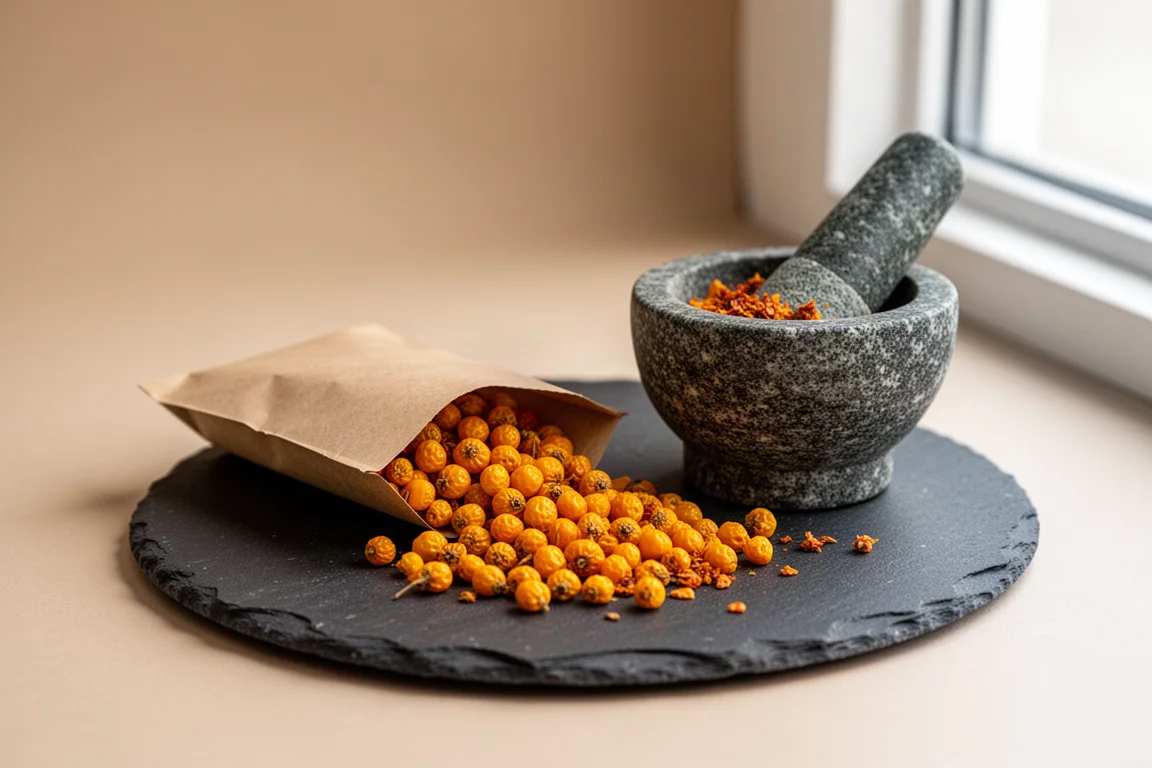
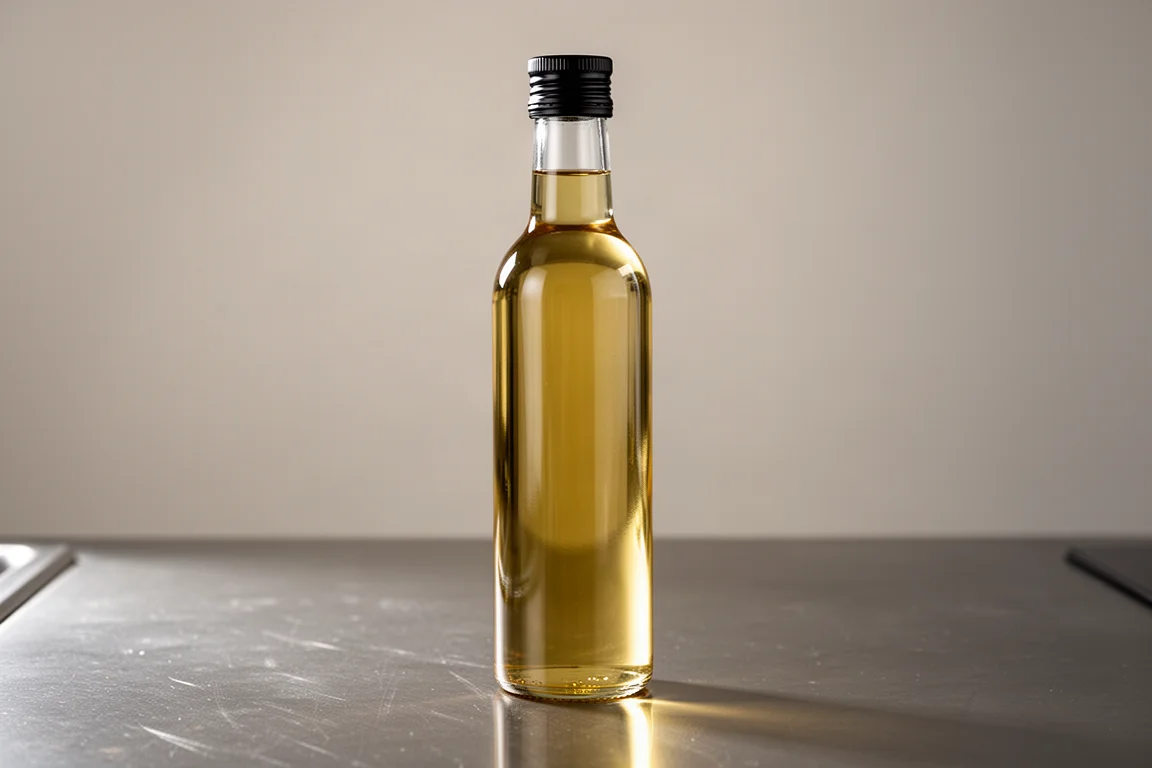
On paper, this oil is impressive. It is a single-source oil extracted from microalgae grown in fermentation tanks, fed sugar and converted into oil in a process similar to pressing olive oil. It contains 75 percent less saturated fat than olive oil and avocado oil, uses 200 times less water, 14 times less land, and 50 percent less CO2 than olive oil production. It is flavourless in use and has a 260 degree Celsius smoke point, well above peanut oil’s 230 degrees.
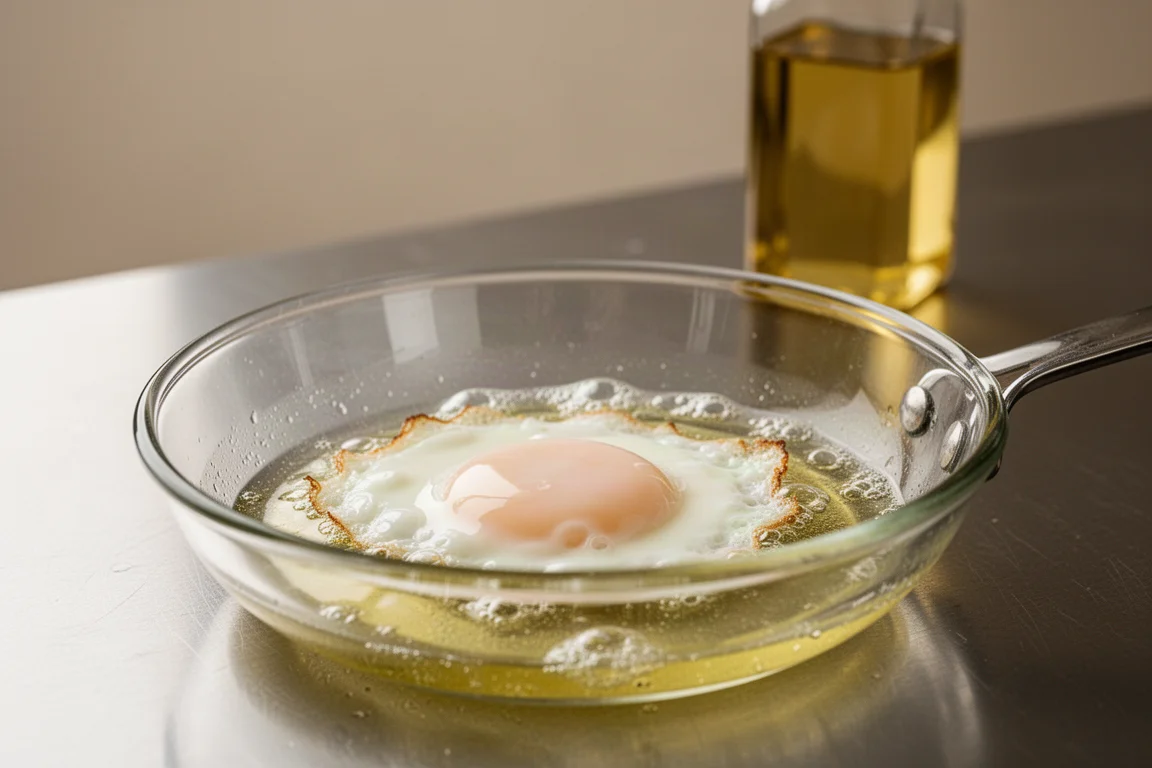
In practice, the test confirmed the flavour claim: an egg fried in it tasted purely of egg, with nothing imparted by the oil. That makes it a smart alternative for high-heat cooking where nut oils would overpower the food. The criticism came at the branding: the bottle leans hard on heart-health marketing, described as “the best oil for your heart,” from a company that calls itself a nutrition science company rather than a food company.
The real problem is price. A bottle cost 47 pounds, when a good olive oil of the same size costs around 15 pounds. The tasters’ verdict: for roughly 50 pounds a bottle, you get an oil that tastes of nothing. The underlying algae technology is genuinely exciting, but the product itself was judged pretentious and very hard to justify.
Haupt Lakrits Go For Gold: The Ultimate Statement Truffle
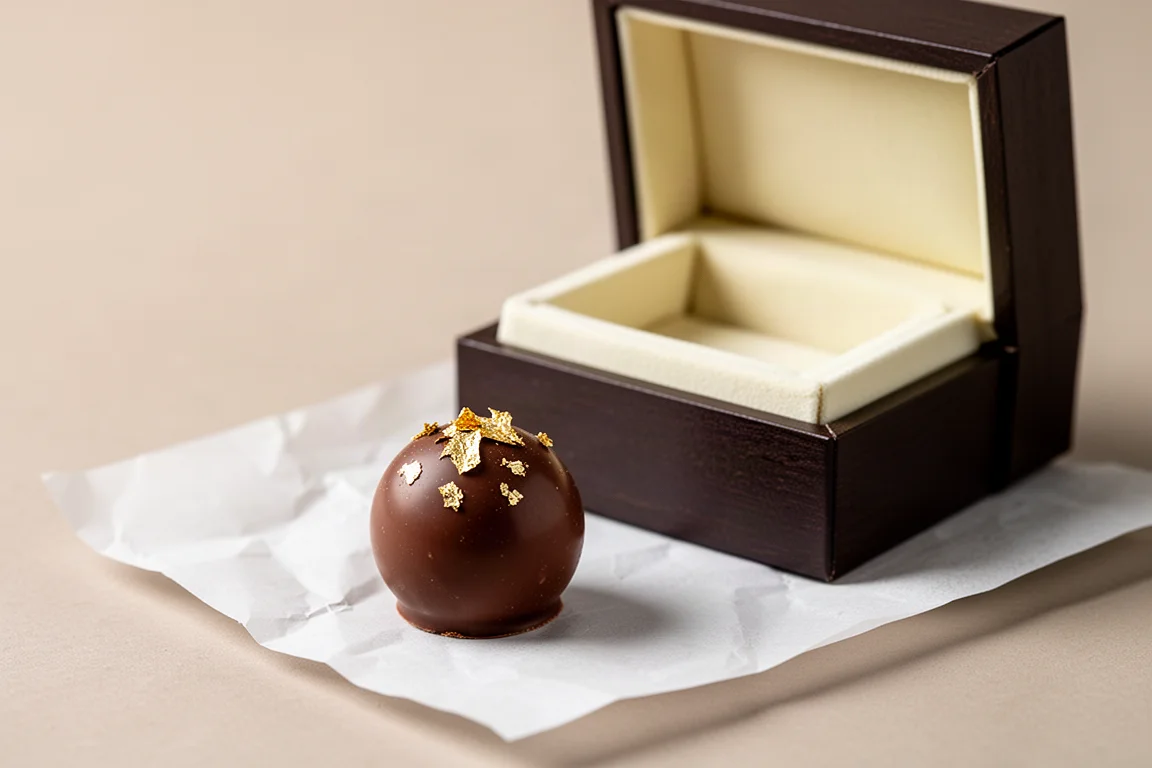
The final ingredient arrived in an elaborate box with tissue paper and contained something covered in gold. Haupt Lakrits Go For Gold is described as the world’s most expensive licorice: a 10 gram milk chocolate truffle filled with sturgeon caviar, licorice caramel flavoured with 100-year-old balsamic vinegar, gianduja of Piedmontese hazelnut flavoured with white Alba truffle, black Perigord truffle, Japanese snow salt, and 24 carat gold leaf.
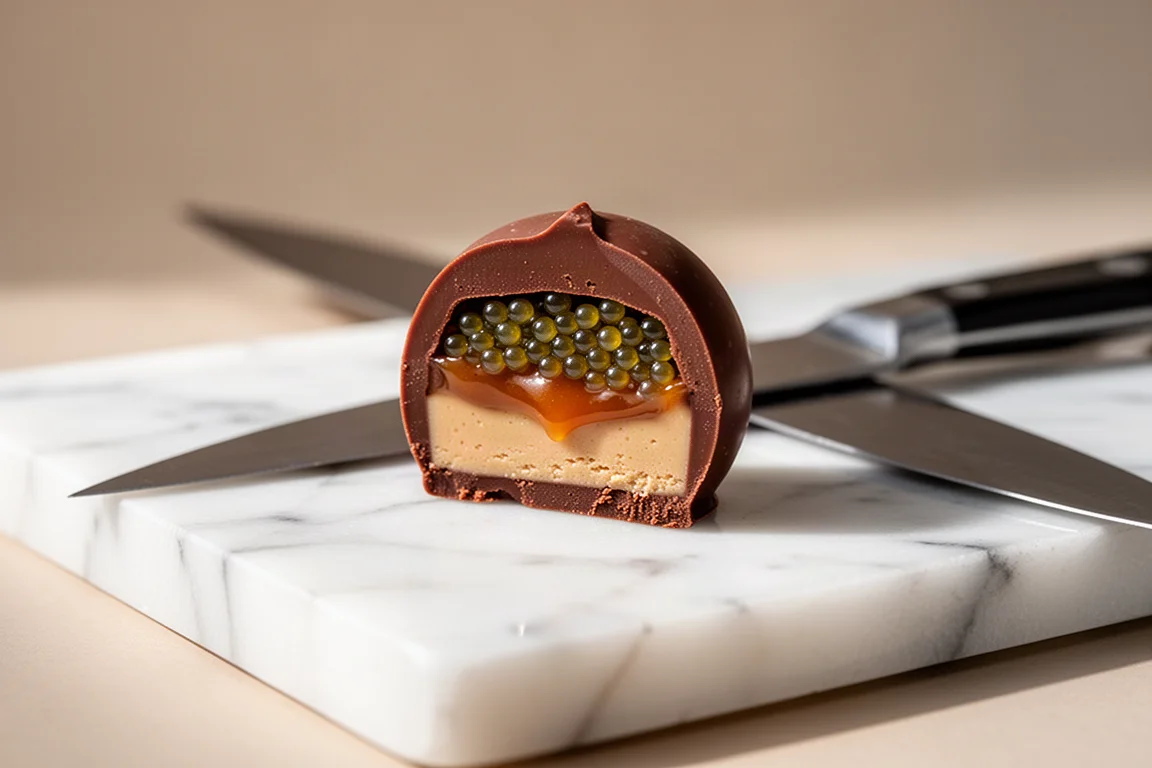
The tasting told a different story from the ingredient list. Expecting the fishiness of caviar to hit after a few seconds, the tasters instead found chocolate, hazelnut, a little salt, and a lingering mushroomy truffle note. One described it as being like a nicer Nutella; another compared it to Ferrero Rocher. After such a dramatic unboxing, the verdict was blunt: terribly disappointing, especially given what it costs.
And it costs an extraordinary amount. These truffles are sold individually, weigh roughly 12 grams, and sell for 290 pounds 62 pence, about 356 US dollars, with all profits going to charity. The tasters awarded it the title of most pretentious ingredient encountered, arguing that unless you can explain yourself, no ingredient list justifies that price for what is essentially a very good chocolate truffle.
Buying Advice: Which of These Is Worth Your Money
The through-line from testing these three is that price alone does not make something pretentious. A product earns its cost when rarity, flavor, and sourcing add up to something you can taste. Aji Charapita passes that test comfortably: a small amount transforms ordinary food, and a single pack goes a long way in seafood and chicken dishes.
Algae oil is the interesting middle case. The environmental numbers and smoke point are real, and if the technology matures and prices fall, it could become a genuine kitchen staple. At current pricing, though, it is difficult to recommend over a well-chosen olive oil unless the health profile is your priority. The gold-leaf truffle is the easiest call of all: as a novelty gift for someone who has everything it makes a memorable statement, but nobody should buy it expecting a transcendent flavor experience.
Conclusion
Of the three, only the Aji Charapita came through as expensive but justified, with tasters agreeing that once you taste it, the price makes sense. The algae oil was split between exciting technology and an unjustifiable price tag, while the gold-leaf licorice truffle took the crown as the most pretentious ingredient tested, despite its charitable mission. The lesson for any gourmet shopping list: taste first, story second.
Further reading
Related Reviews
Gourmet Food
Four Goat Cheeses Worth Bringing Home: From Fresh to Wine-Soaked
Fresh and lemony, ash-ripened, bloomy-rinded, or soaked in red wine: four goat cheeses that show just how wide the category really is.
Gourmet Food
Four Don Reinaldo Tinned Seafood Specialties Worth Discovering
From imitation baby eels in garlic sauce to premium sea urchin roe, four Spanish tins that show how surprising tinned seafood can be.
Gourmet Food
Three Fancy Ingredients Put to the Test: Vegan Caviar, Rare Japanese Tea and a Designer Chocolate Spread
From seaweed-based caviar to a rare shaded-grown Gyokuro tea and a limited-run chocolate spread, three high-end ingredients judged purely on whether they earn their place.