Gourmet Food
Four Goat Cheeses Worth Bringing Home: From Fresh to Wine-Soaked
Fresh and lemony, ash-ripened, bloomy-rinded, or soaked in red wine: four goat cheeses that show just how wide the category really is.
Introduction
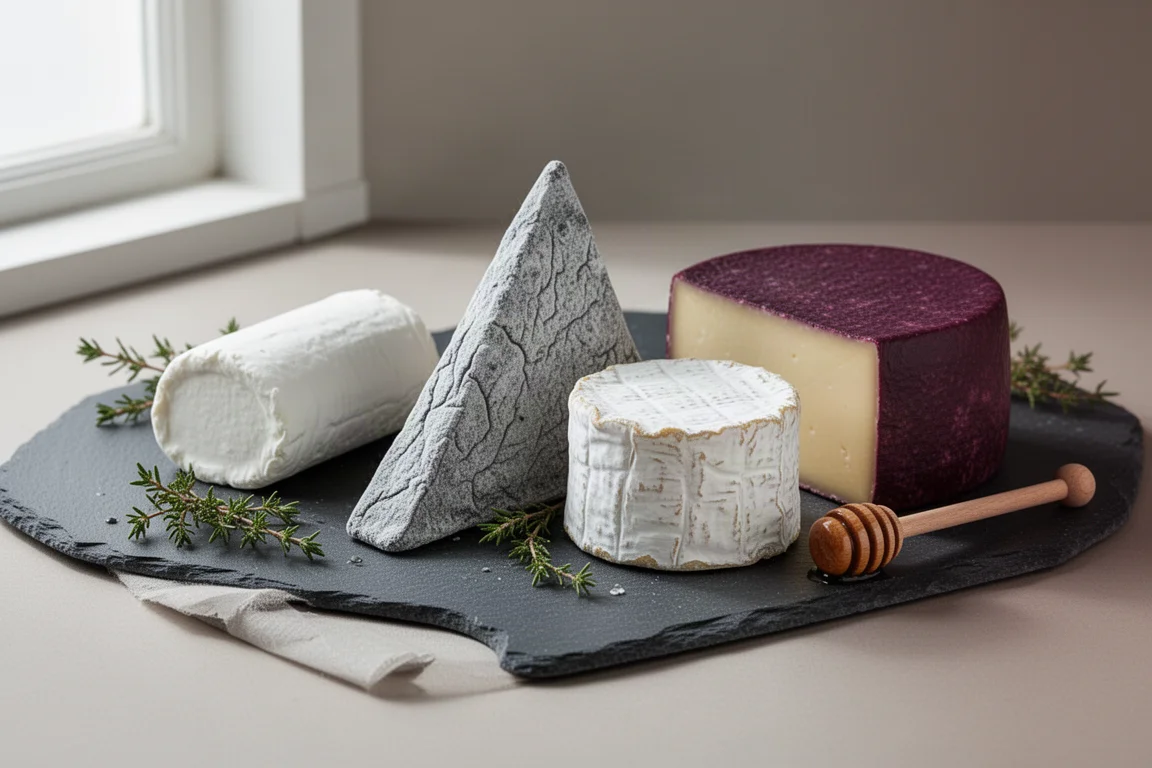
Goat cheese has come a long way from being an upscale-restaurant cliché. What most people picture as a soft white log is only one corner of a wide and genuinely varied category. Fresh chèvre, ash-ripened pyramids, bloomy-rinded cylinders, and wine-washed wheels all count as goat cheese, and each brings something different to the table.
Here are four cheeses that show that range, from a bright American fresh chèvre to a Spanish wheel aged close to two months and dunked in red wine.
Laura Chenel Fresh Goat Cheese: The Bright and Creamy Starter
Laura Chenel is probably the most famous of the American goat cheese makers, and the fresh goat cheese shows why. It is bright, lemony, and delicate, with a texture that sits between crumbly and creamy. Tasters describe it as smooth, salty, and just a little tangy, which makes it an easy entry point for anyone new to goat cheese.
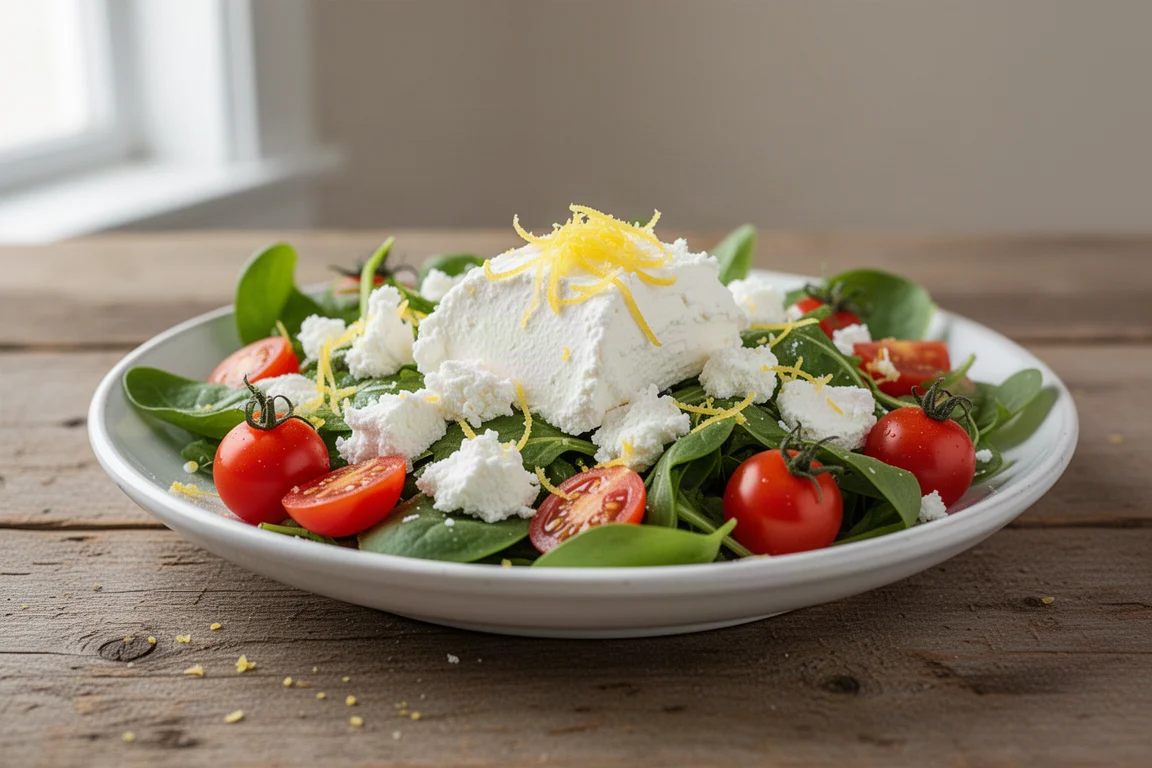
This is the style most people already know, and it is a good one to keep on hand. Fresh goat cheese like this can also be aged, and as it ages it develops more nuanced, caramel-y and nutty notes.
Valencay: The Ash-Ripened French Classic
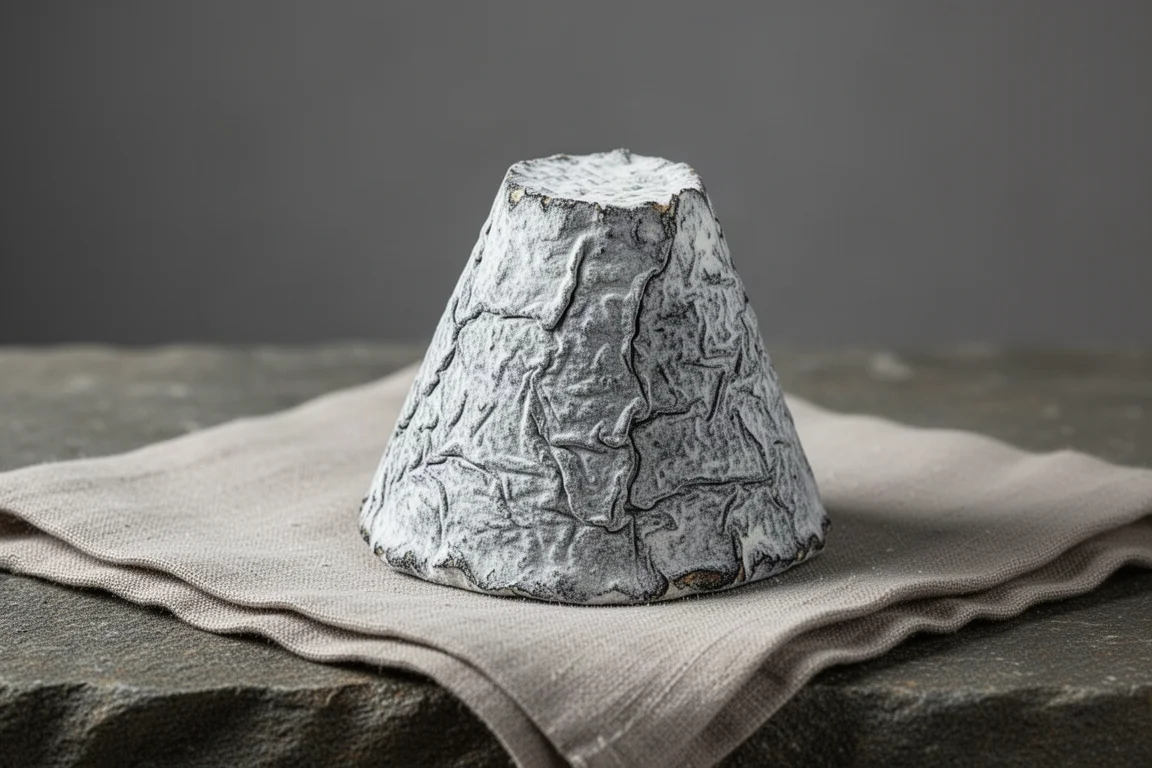
Valencay comes from France and is instantly recognizable thanks to its coating of vegetable ash. The ash is not there for flavor, which is mild at most. Instead, it helps dry out the exterior of the cheese, allowing a relatively young cheese to hold its shape. Ash can also run through the middle of a cheese, creating a contrasting texture where the paste closest to the ash line is a little drier than the parts further away.
The shape is part of the story too. The legend goes that this was once a full pyramid, and that the top was removed because of Napoleon’s losses in Egypt, so he would not be reminded of Egypt every time he saw the cheese.
Flavor-wise it still carries some salty notes along with a lovely lemony character, but it is clearly a different experience from a fresh chèvre.
Bucheron: Two Cheeses in One
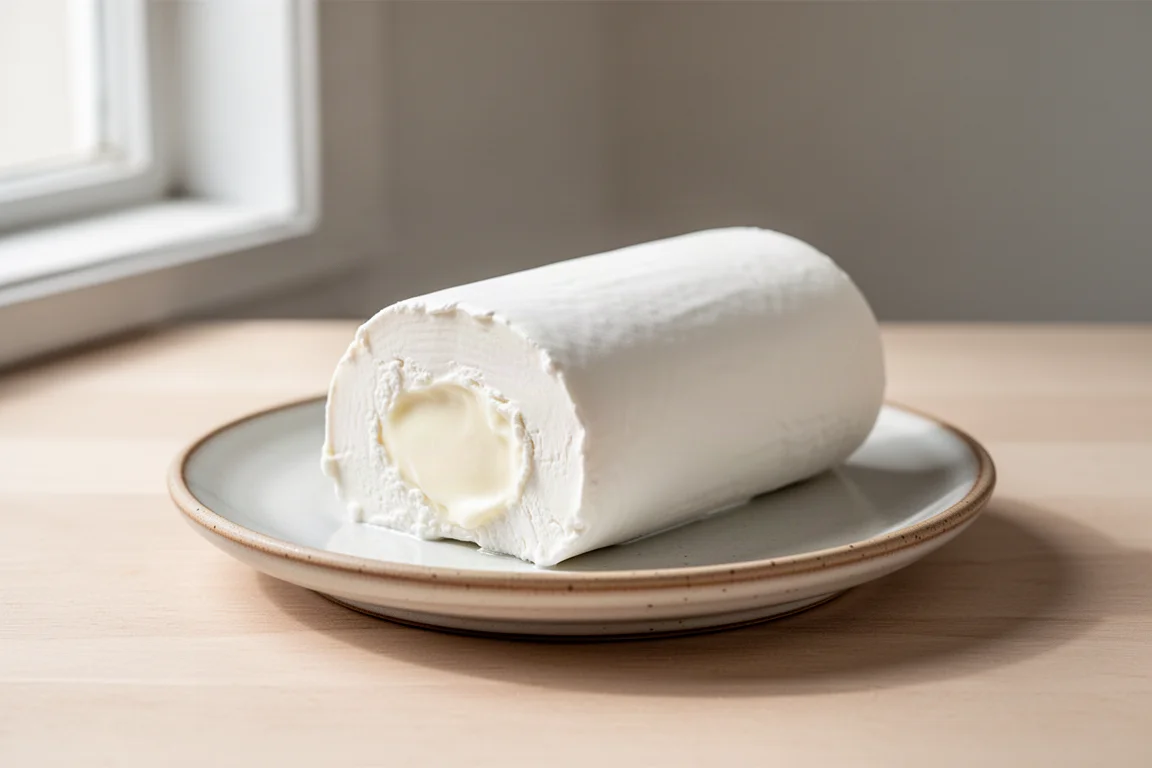
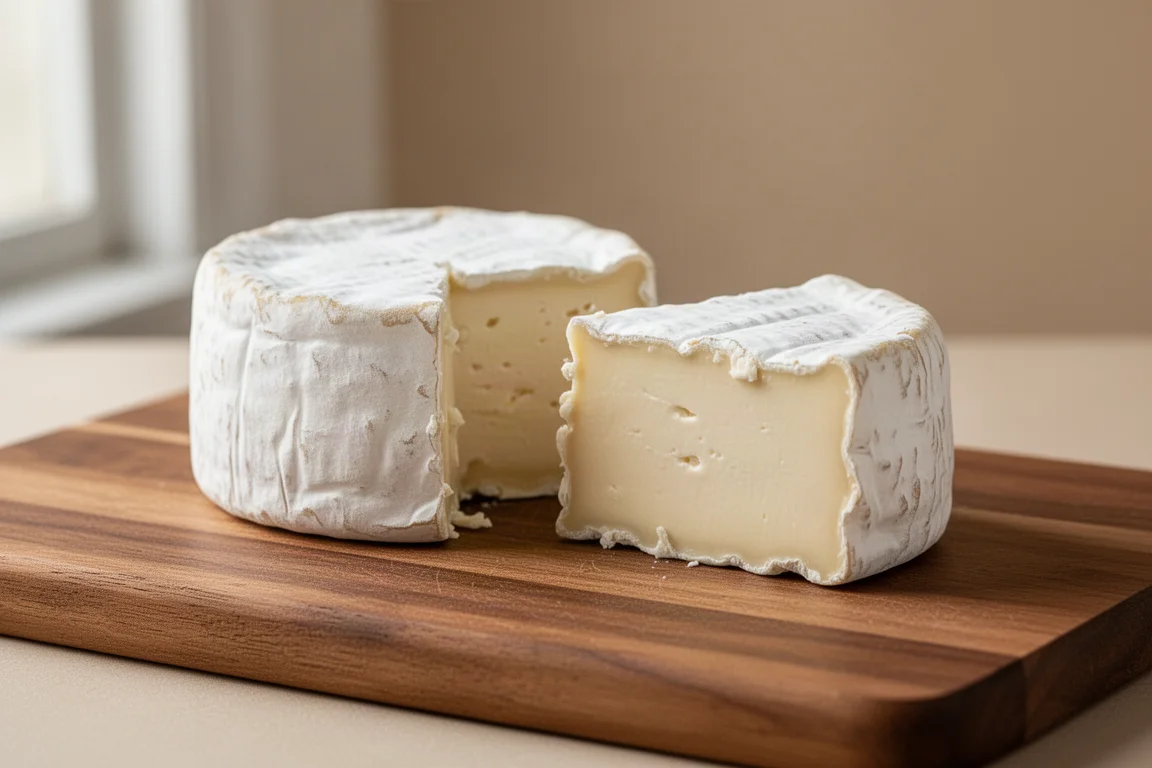
Also from France, Bucheron has a bloomy rind like a Camembert or a Brie, and that rind changes everything. It is best thought of as two cheeses in one: a soft, almost sauce-like creamy layer under the rind and a slightly crumbly center. You get something like the best of Brie combined with the character of goat cheese.
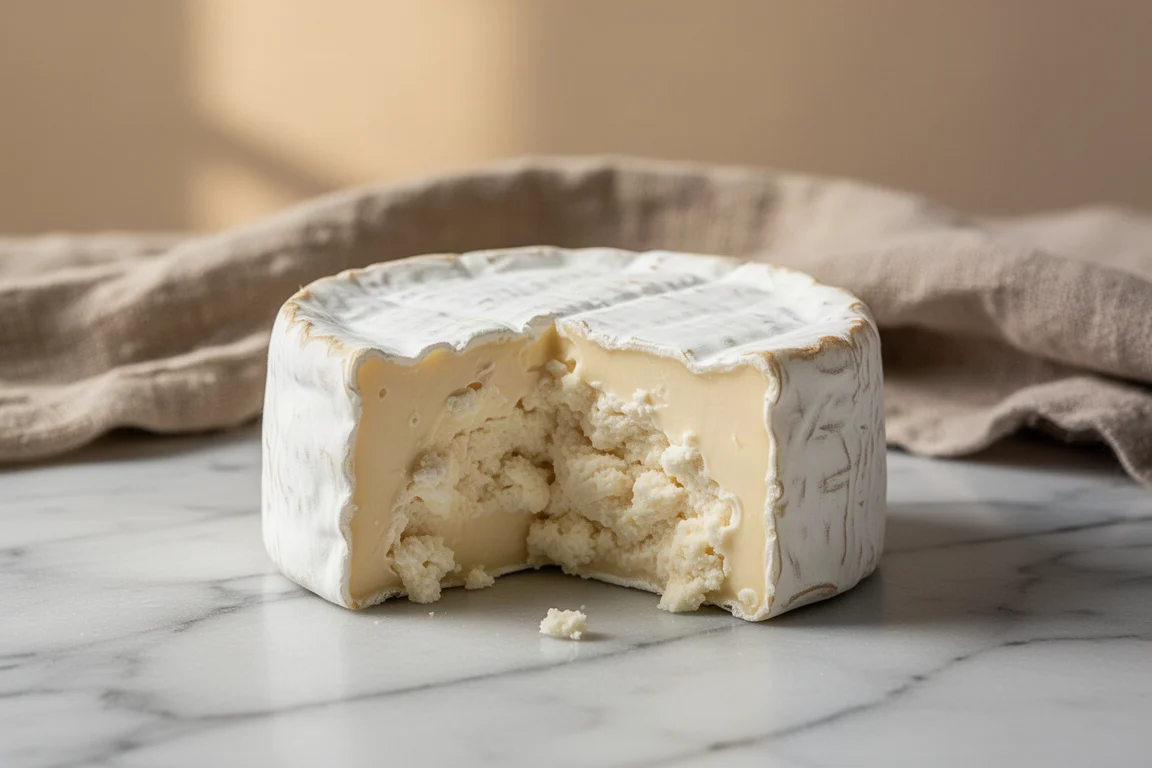
Tasting notes lean buttery and tangy, with a texture contrast that keeps every bite interesting. It is a glorious combination and a frequent favorite, offering creaminess, a little crumbly center, and a beautiful rind all at once.
Drunken Goat: The Spanish Aged Option
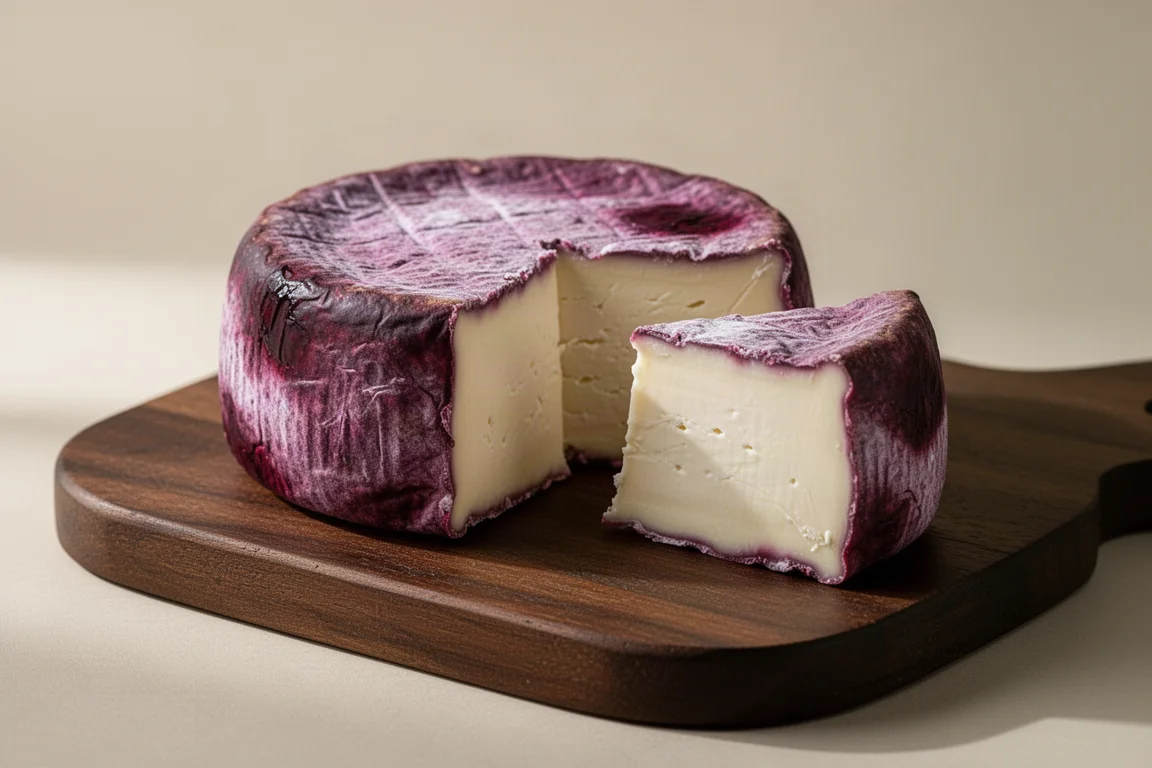
The Drunken Goat comes from southern Spain and takes a completely different approach. It is aged close to two months, giving it a much firmer texture, firm enough to slice. The distinctive rind comes from the cheese being dunked into red wine, which gives it a unique color. The wine does not add a lot of flavor, but the look is quite distinctive and it makes for a striking cheese board addition.
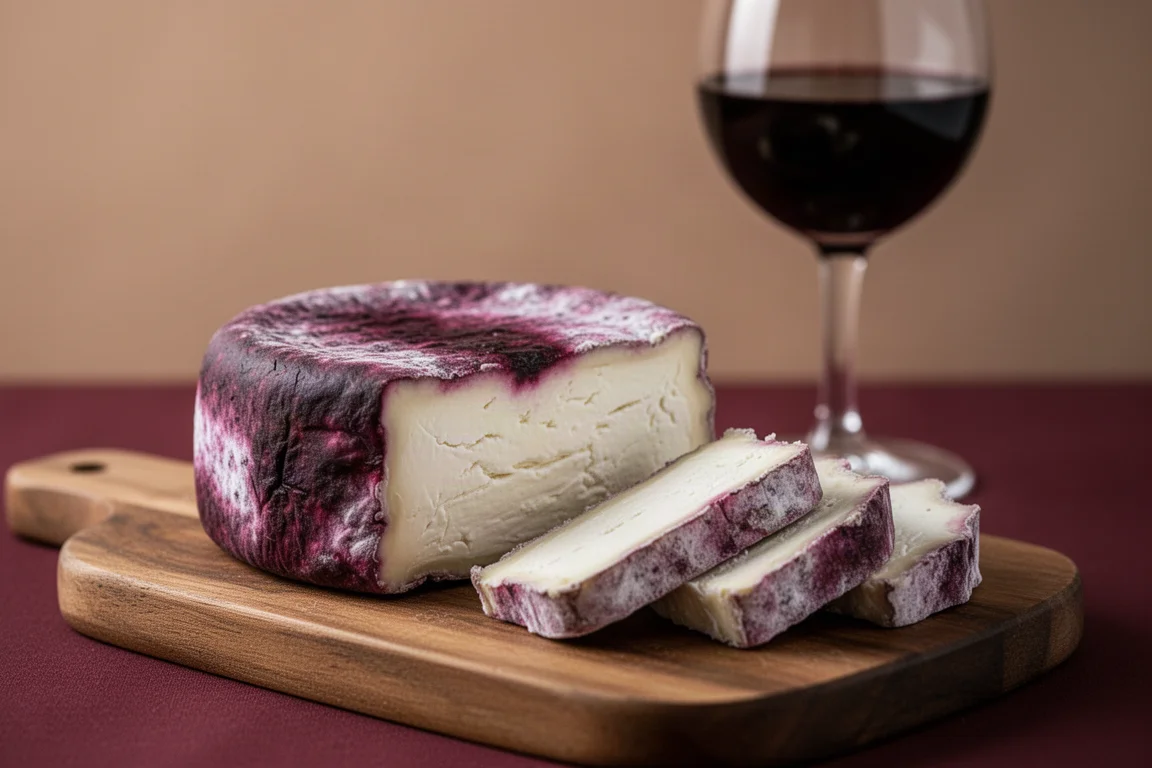
If the other cheeses here are about softness and freshness, this one is about structure and age, and it rounds out the category nicely.
Which One Should You Buy?
If you want a familiar, versatile cheese for salads, toasts, and everyday cooking, start with the Laura Chenel Fresh Goat Cheese. If you want something with visual drama and a story to tell at the table, Valencay is hard to beat. If texture contrast is what you are after, Bucheron delivers creamy and crumbly in a single bite, and it is the pick many tasters reach for first. For a firmer, sliceable cheese with real age on it, the Drunken Goat is the outlier worth trying.
Conclusion
Goat cheese is far more than one soft white log. A lemony American fresh chèvre, an ash-ripened French pyramid, a bloomy-rinded double-texture Bucheron, and a wine-rind Spanish wheel each show a different side of the category. Pick based on texture and mood, and you really cannot go wrong.
Further reading
Related Reviews
Food
Athos Crumbled Feta Review: A Shortcut That Actually Passes
Why buying authentic Greek block feta beats most supermarket crumbles, and when Athos crumbled feta is an acceptable compromise.
Food
Best American Artisan Cheddars: Four Wheels Worth Your Cheese Board
Four standout American cheddars, from clothbound Vermont wheels to a sweet Wisconsin alpine-style wedge, with tasting notes and buying tips.
Food & Grocery
Best Mozzarella for Cooking and Salads: Two BelGioioso Cheeses Worth Buying
Fresh mozzarella vs whole milk block mozzarella: how moisture content changes melting, flavor, and which one belongs in your cart.