Gourmet Food
Three Fancy Ingredients Put to the Test: Vegan Caviar, Rare Japanese Tea and a Designer Chocolate Spread
From seaweed-based caviar to a rare shaded-grown Gyokuro tea and a limited-run chocolate spread, three high-end ingredients judged purely on whether they earn their place.
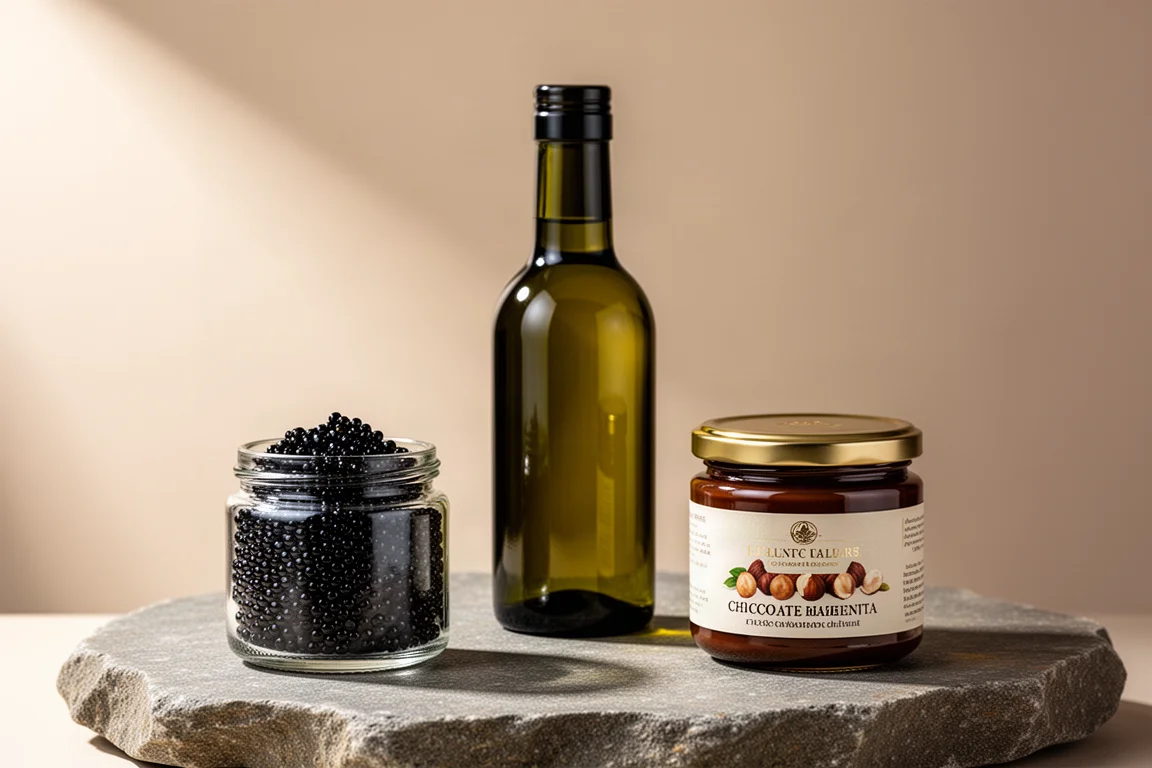
Introduction
Some ingredients carry a reputation before you even open the jar. Caviar, rare tea and anything made by a fashion house all tend to invite the same question: is this genuinely good, or is it just expensive packaging? We put three high-end ingredients to a blind-ish tasting, guessing prices before the reveal and judging each one on flavour, use case and whether the price tag makes sense. The results were more surprising than expected.
Cavi-Art Vegan Caviar: A Flavourful Surprise in a Small Glass Pot
Cavi-art’s vegan caviar is made entirely from seaweed, specifically kelp that is dried, turned into a powder, then mixed with salt water, spices and citric acid to form those distinctive little black pearls. The result looks convincingly like caviar, clumps like a blackberry when plated, and delivers exactly what good caviar should: a salty pop in the mouth with a savoury, mushroomy depth rather than fishiness.
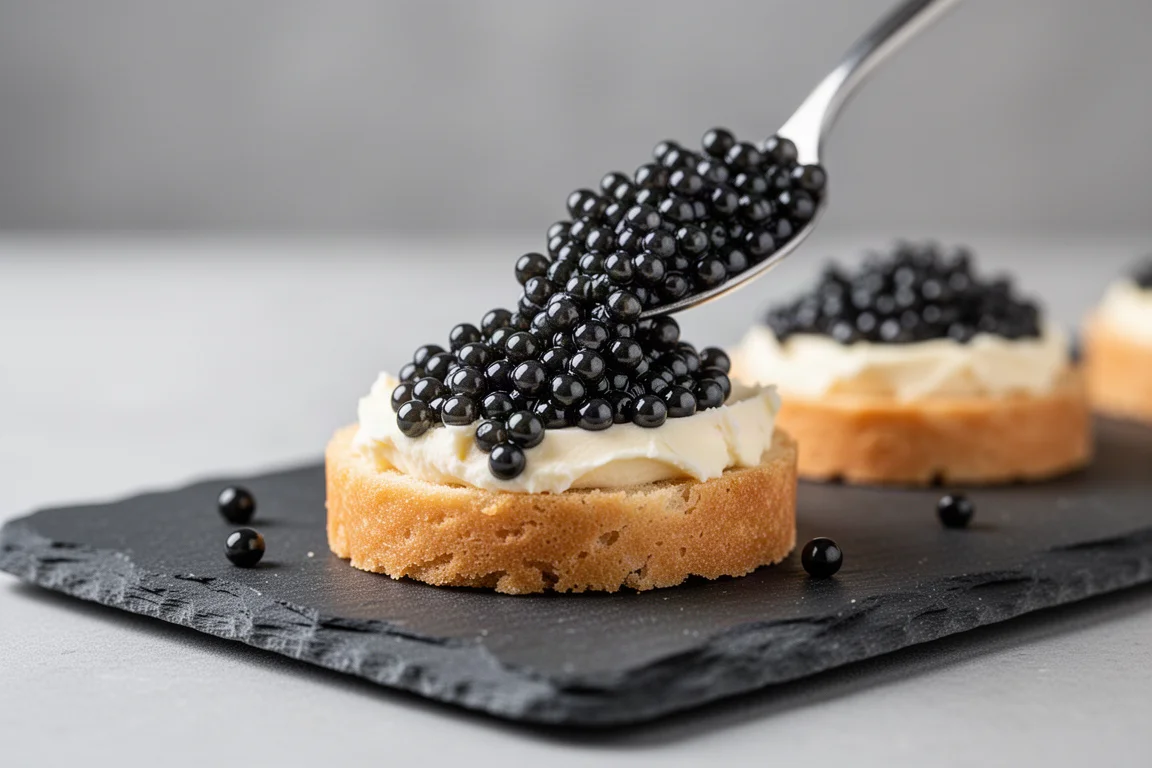
On a cream cheese canape it does the classic job, adding that saline lift without putting off guests who find real caviar divisive. It also has a genuine practical advantage over the real thing: an ambient shelf life of three months after opening, so you can spoon out what you need and put the jar back on the shelf. The trade-off is honest, though. With xanthan gum, potassium sorbate and sodium benzoate among the ingredients, it is an ultra-processed product rather than a whole food.
The price reveal was the real shock. Despite looking and tasting the part, the 100g jar came in at just £3.99. It is more expensive than other seaweed products per gram, but dramatically cheaper than traditional caviar, and it opens the door for more people to add a caviar-style flourish at home without breaking the bank. A firm verdict of not pretentious.
Kaho Gyokuro Tea: Rare Japanese Tea Served Like Fine Wine
Kaho Gyokuro tea arrives in a wine bottle, and that is intentional. Gyokuro, or “jade dew” tea, is a Japanese green tea grown in the shade under reed or straw screens for around 20 days before new leaf shoots begin to grow. The producer recommends serving it chilled in a wine glass so you can swill and sniff it, and so you can taste the flavour change as it warms in the glass.
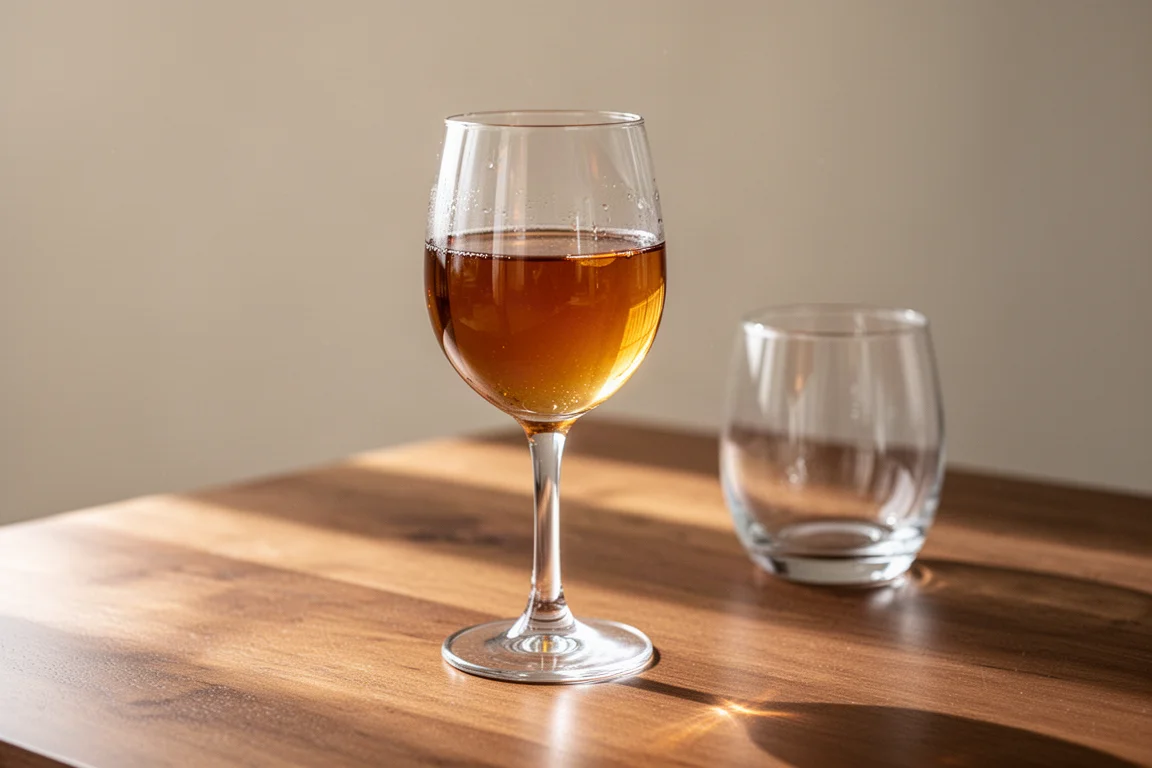
The flavour profile is layered: fruity, caramely, almost molasses notes on top of a dry tannic base, with a vegetal edge underneath. On the nose it is biscuity, almost like digestive biscuits, and the overall experience is delicate enough that it is a genuine sipper rather than a quick drink. It is crafted by Shinya Yamaguchi, a tea master born and raised in Hoshino Village where the tea is produced, winner of the 57th and 58th Japanese national tea appraisal competitions, the first person ever to win twice in a row, and the youngest ever to reach the 10th and highest rank of Chashi.
All that rarity and expertise comes at a cost. Limited harvest, a very specific growing region and selective bottling mean supply and demand drive the price hard. The bottle tested cost £114, which is genuinely difficult to justify for tea even when it tastes this good. Delicious? Absolutely. But this one crosses into pretentious territory purely because of who can afford it.
Fish Maw: A Prestige Ingredient You Have to Plan Ahead For
Fish maw is the swim bladder of a fish, most commonly from sturgeon or croaker, and it counts as one of China’s four culinary treasures alongside abalone, sea cucumber and shark fin. Dried and rock hard as sold, it needs 18 to 24 hours of soaking before use, and the flavour is described as mild to flavourless. It is prized for texture, perceived health benefits and traditional prestige rather than taste.
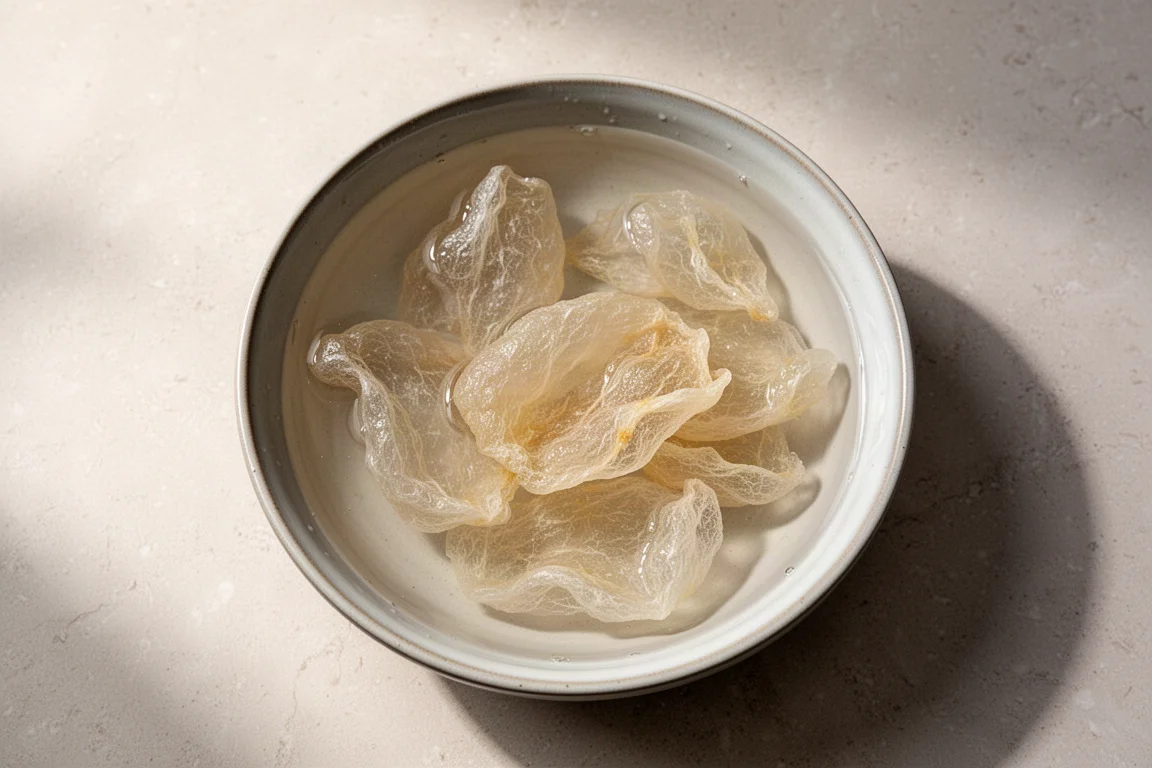
In a properly prepared soup with egg and crab, though, it transforms. Cooked, it softens to an almost gelatinous texture and becomes part of a beautifully seasoned, delicate dish that even self-declared non-fish-fans found stunning. A 200g quantity goes further than you might expect, and the prestige comes from its history and ceremonial use in celebrations rather than from scarcity of volume.
The catch is the price. The 200g purchase came to £56.99, and opinions split firmly on whether that is worth it. Some found the delicate balance beautiful and worth savouring; others felt it does not add enough flavour to justify the spend. The consensus verdict: prized and pricey, but not pretentious.
Louis Vuitton Chocolate Hazelnut Vanilla Spread: A Fashion House in a Jar
Yes, a chocolate, hazelnut and vanilla spread made by Louis Vuitton, created in collaboration with pastry chef Maxime Frédéric, chef pâtissier of the Cheval Blanc Paris. It is made from French hazelnuts and blue vanilla from Réunion Island, considered among the best vanilla in the world, aged for two years so the pod fully absorbs its aromas, allowing the entire pod to be used.
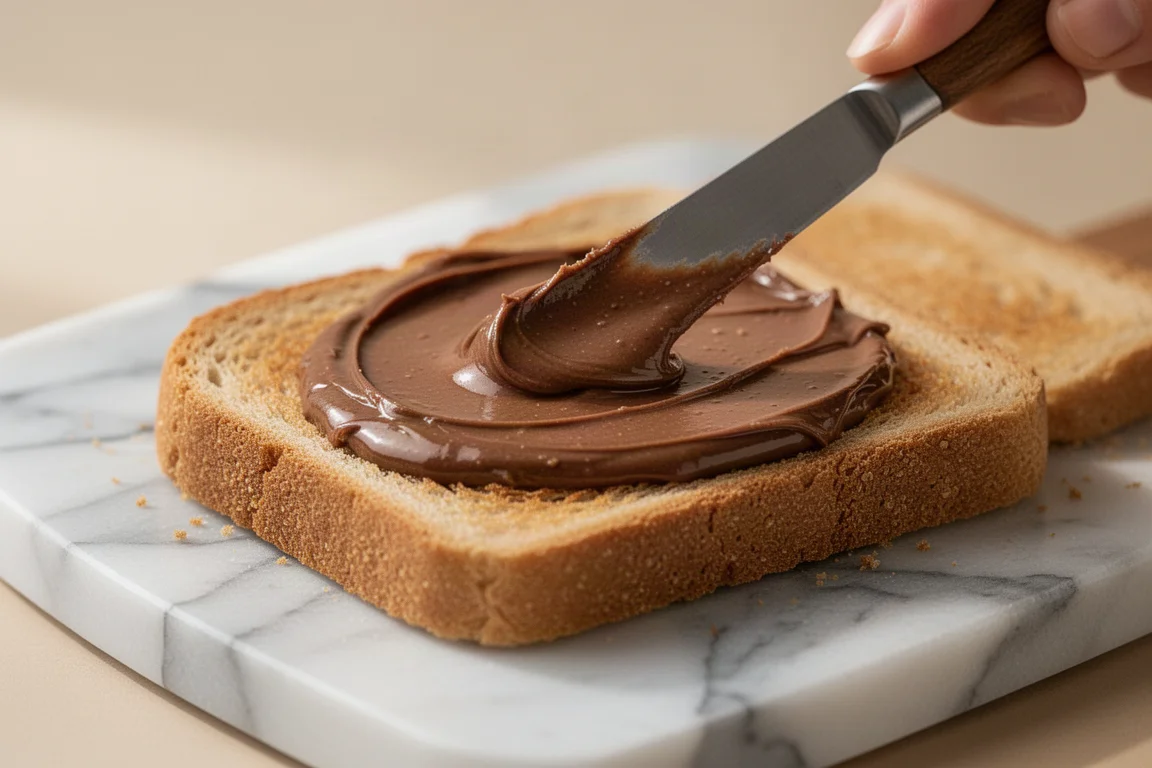
The texture is closer to ganache than spread, with a milk-chocolate character rather than anything too dark. The vanilla goes deeper than a simple vanilla note, carrying those barrel-aged nuances people describe in whiskey and wine. It genuinely lives up to the hype as a level above mainstream chocolate spreads, and the aroma alone is enough to keep you coming back to the jar.
Here is the reality check: the recommended retail price in the Paris store was 30 euros, roughly £25, and jars are only sold in two locations, in Singapore and Paris, in a short, limited run. Resellers have listed jars for as much as £350. Verdict: absolutely delicious, but any food product collaborating with a fashion brand is default pretentious, and the resale frenzy around a spread with a shelf life cements it.
The Verdict: Pretentious or Worth It?
Ranking these three taught us that price and pretension are not the same thing. The £3.99 vegan caviar delivers a genuine luxury flourish for pocket change and is the easiest recommendation for most home cooks. The £114 Gyokuro tea is objectively excellent and expertly made, but only makes sense for committed tea drinkers with a matching budget. The Louis Vuitton spread is surprisingly good, yet its scarcity game and fashion pedigree make it the hardest to buy with a straight face.
If you want to elevate a dinner party without a shock at the till, start with the caviar alternative. If you want a genuinely special drink experience and can accept the cost, the Gyokuro is the connoisseur’s pick. The designer spread? Best admired, and enjoyed secondhand.
Conclusion
Three luxury ingredients, three very different verdicts. Cavi-art proves that a convincing caviar experience does not need to cost a fortune, Gyokuro shows what true craft can command when supply is limited, and the Louis Vuitton spread proves that even a genuinely tasty product can be undone by the brand on the jar. Judge with your taste buds, not the label.
Product link
View more details for Cavi-Art Vegan Caviar
This product is mentioned in the review. Check the specifications, options, and compatibility before buying.
View more details for Cavi-Art Vegan CaviarFurther reading
Related Reviews
Gourmet Food
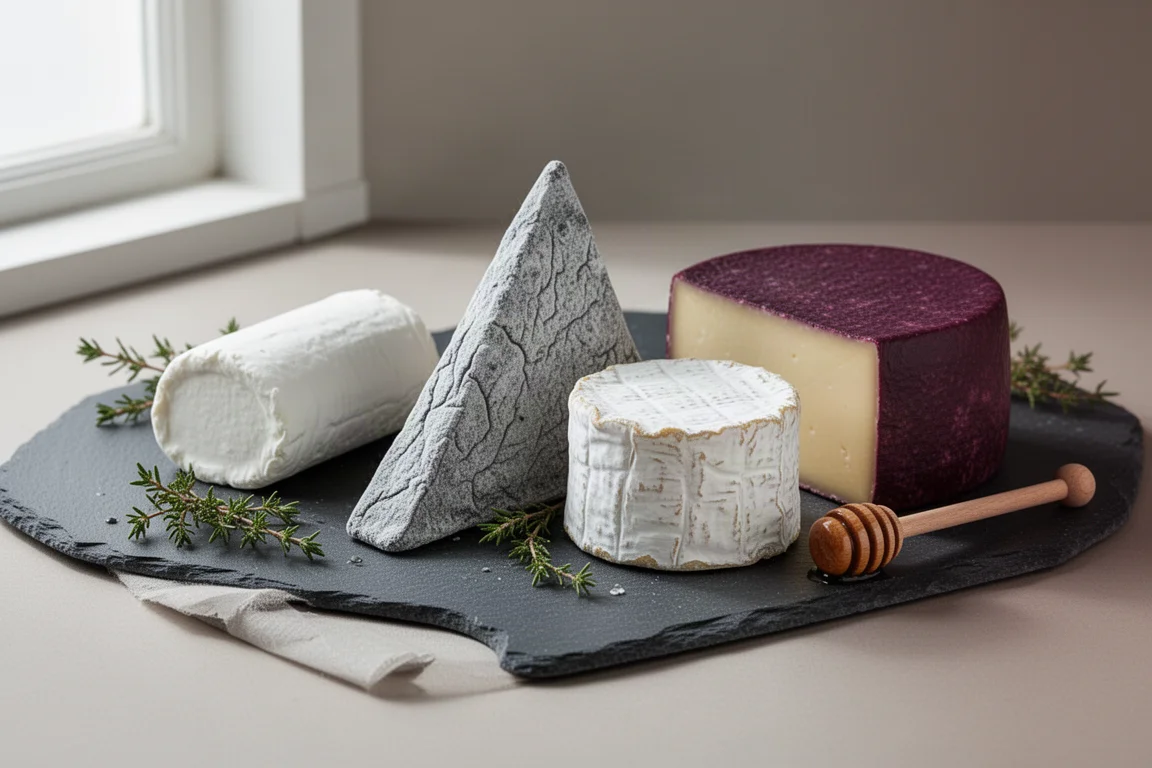
Four Goat Cheeses Worth Bringing Home: From Fresh to Wine-Soaked
Fresh and lemony, ash-ripened, bloomy-rinded, or soaked in red wine: four goat cheeses that show just how wide the category really is.
Gourmet Food
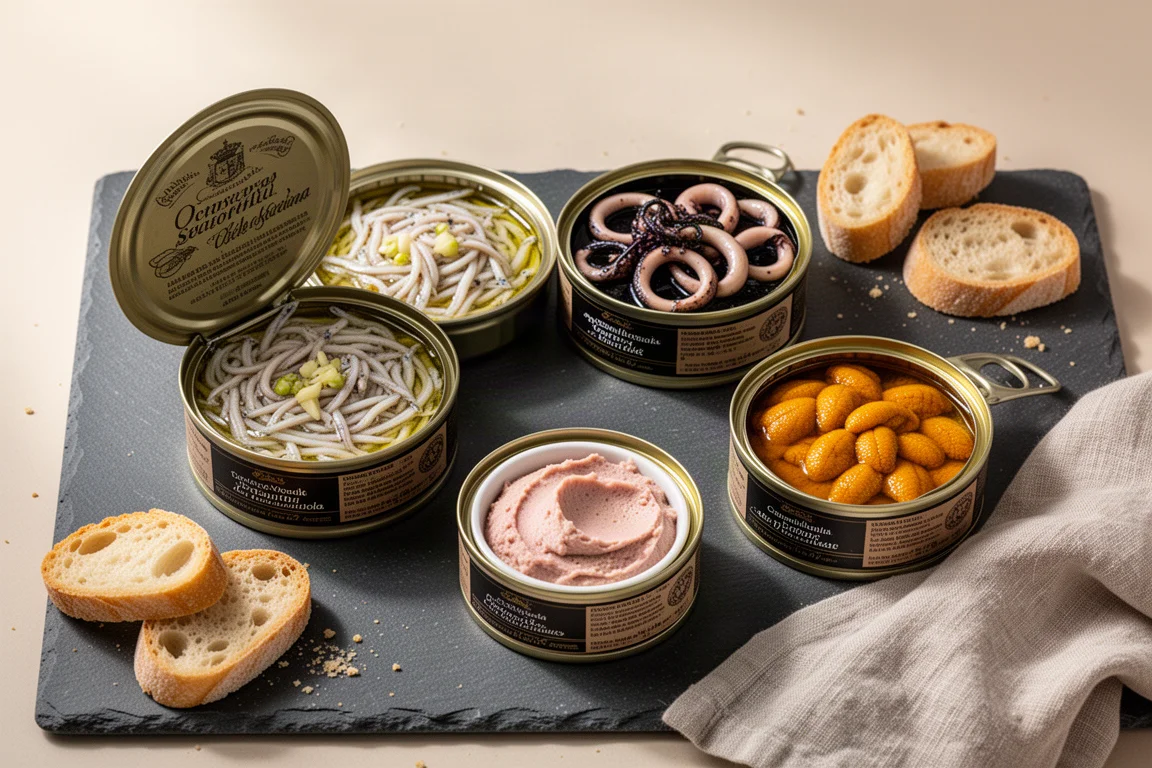
Four Don Reinaldo Tinned Seafood Specialties Worth Discovering
From imitation baby eels in garlic sauce to premium sea urchin roe, four Spanish tins that show how surprising tinned seafood can be.
Gourmet Food
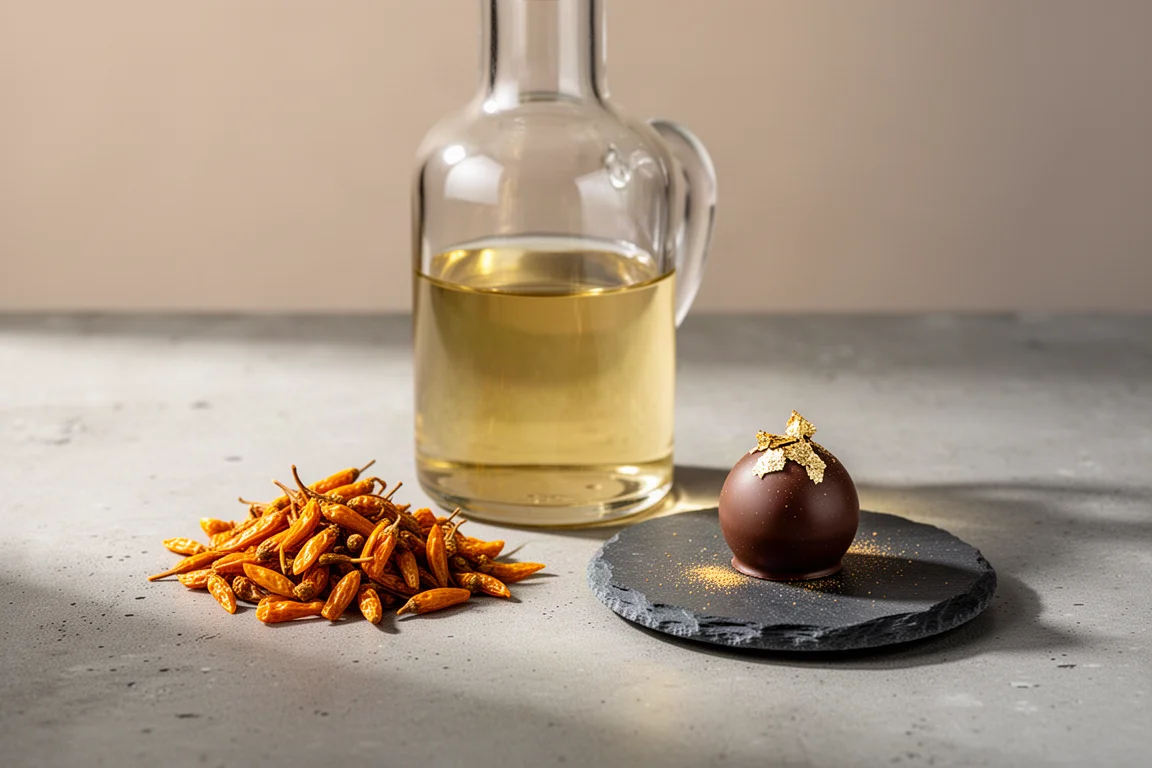
Three Gourmet Ingredients That Ask: Pricey or Pretentious?
The world's most expensive chili pepper, an algae-based cooking oil, and a gold-leaf licorice truffle put to the taste test by home cooks.