Cycling
Most Iconic Tour de France Race Bikes of the Past 25 Years
Six race bikes that shaped the modern peloton, from the first carbon Tour de France winner to the aerodynamic all-rounders of the 2010s.
Introduction
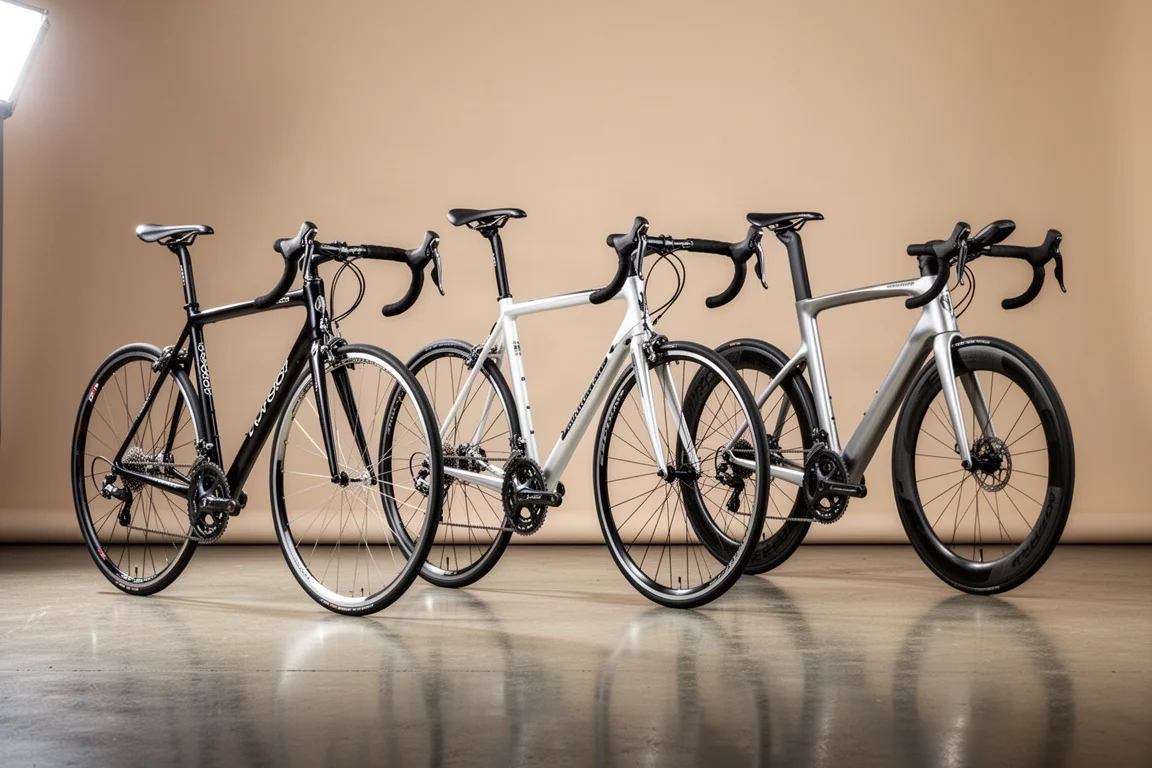
Some race bikes are remembered for the victories they delivered. Others are remembered for what they changed. The six models below did both, and between them they trace a quarter century of road racing technology, from the first carbon frame to take a Tour de France win to the aerodynamic all-rounders that still shape what riders buy today.
Race wins continue to sell bikes, and the machines that carried riders to the sport’s biggest prize have a way of setting the direction of the whole industry. What follows is a look at the models that mattered most, and what each one tells you about the bike you might buy now.
How Race Bikes Changed Over 25 Years
The past 25 years have transformed the racing bicycle more than any comparable period. In the early 2000s, frames moved from aluminium and magnesium to carbon fibre. Shimano Di2 arrived in 2009, and mechanical shifting was gradually phased out in favour of electronic and, later, wireless systems. Aerodynamics became a central design concern through the 2010s and changed the way race bikes look. Carbon fibre wheels became the norm rather than an upgrade.
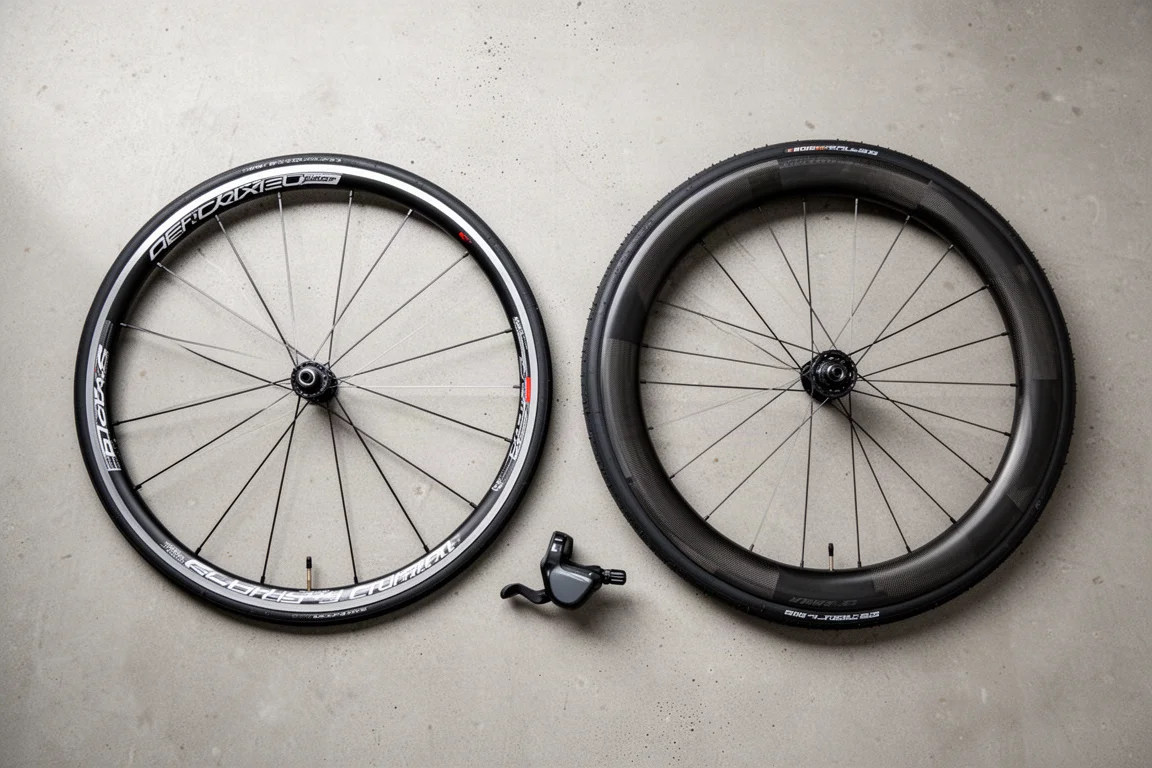
Cockpits changed too. Round-profile two-piece handlebars gave way to integrated aerodynamic designs, and bars became narrower even as tyres grew wider, from 21 to 23 mm a quarter of a century ago to 28 to 30 mm and beyond, now commonly run tubeless with sealant rather than glued tubulars. Disc brakes arrived and proved to be the most debated development of the period. One thing has not changed much, and that is weight: despite a UCI minimum of 6.8 kg, today’s bikes are not meaningfully lighter than they were 25 years ago.
Trek 5500: The First Carbon Tour de France Winner
Go back exactly 25 years and you find the Trek 5500, the precursor to the Madone and the first carbon fibre bike to win the Tour de France. It was built in the United States using Trek’s own OCLV carbon fibre layup, a genuine manufacturing leap at the time. The process allowed carbon layers to be compacted tightly with minimal resin, increasing strength while reducing weight. The frame weighed around 1,250 g, which is heavy by modern standards but was revolutionary then.
The build was equally telling: Shimano Dura-Ace 7700, a nine-speed groupset, traditional round handlebars and aluminium wheels. Aerodynamics was not part of the conversation yet, and that shift would only arrive much later, after the Madone was introduced in 2003.
Specialized Tarmac SL2: Stiffness Before Aerodynamics
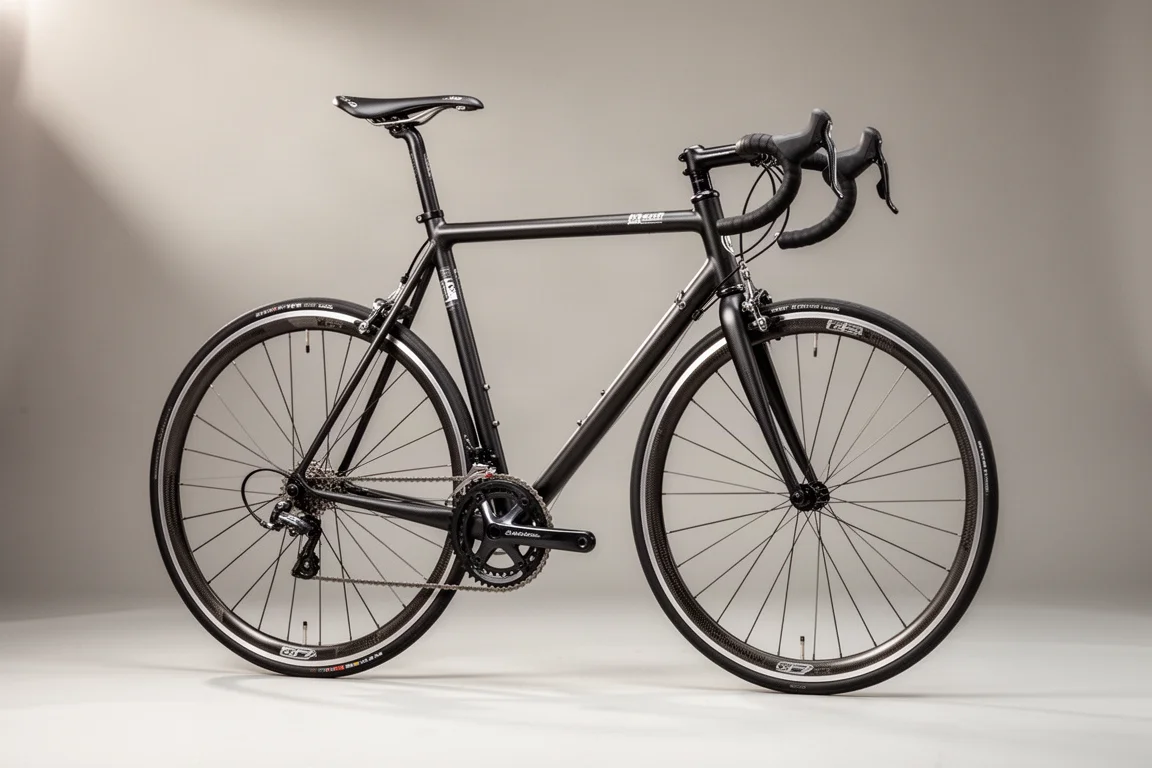
Launched in 2008, the Tarmac SL2 was Specialized’s first genuinely competitive race bike after a long period of finding its feet in the category. It was raced with distinction by prominent riders of the era and ranked among the stiffest bikes of its time. It was also, by most accounts, a handsome machine that still looks sharp today.
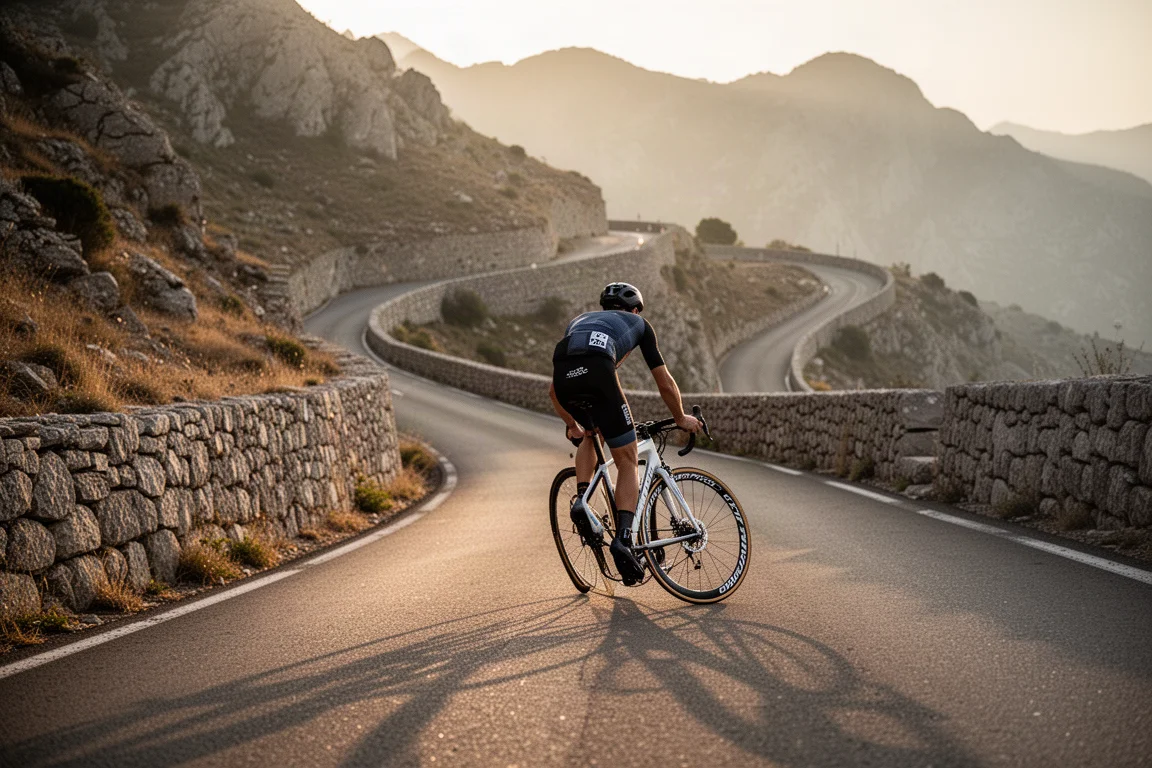
The SL2 was never about aerodynamics. It was about weight and stiffness, and it delivered a sharp, aggressive ride. A complete bike could be built at just over 6 kg for around $5,000 at the time, a figure that underlines how much prices have moved since. The SL series evolved through the SL3, SL4 and SL5 before the SL6 brought a more aerodynamic profile, and the Tarmac’s first Tour de France victory arrived in 2010, with another following in 2014.
Pinarello Dogma FPX: Magnesium Meets Carbon
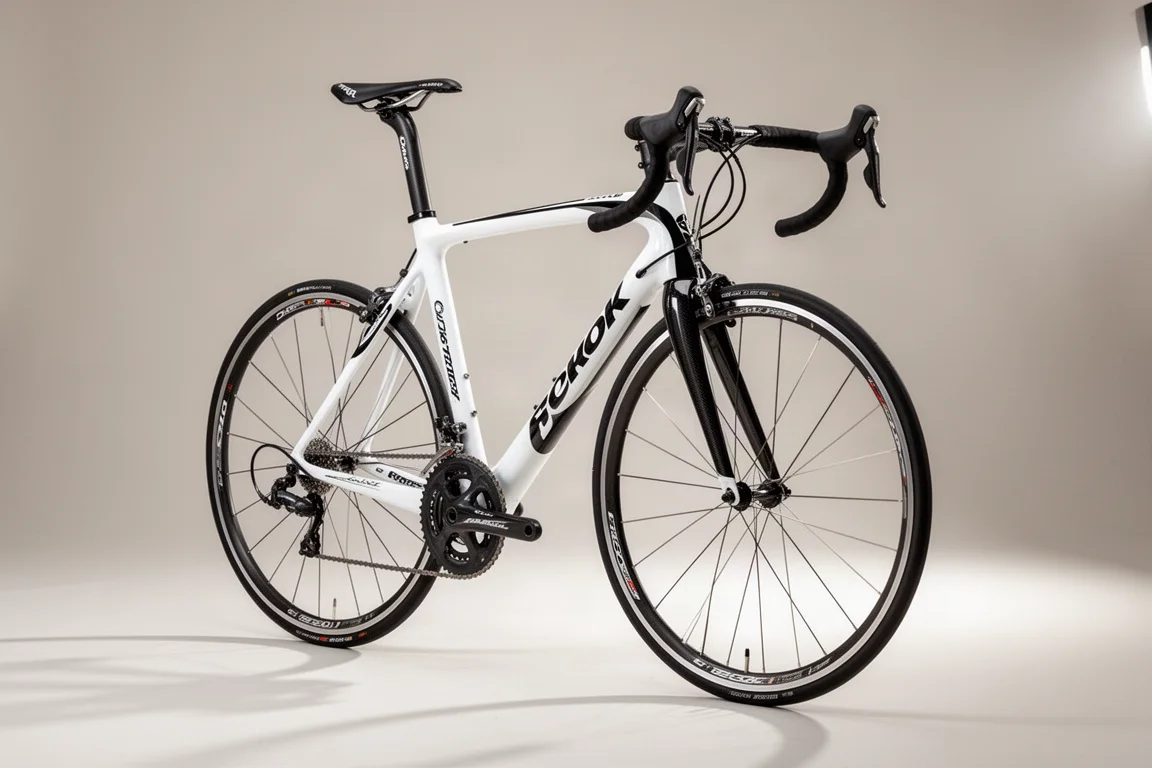
No model has won more Tour de France editions than the Pinarello Dogma, largely thanks to the dominance of Team Sky and later Ineos Grenadiers. The story starts earlier than most people expect. In 2006, the Dogma FPX blended magnesium and carbon fibre in the same frame, an unusual combination that reflected how open the material question still was at the time.
The FPX is the point in the lineage where the Dogma’s identity began to form, and it set up the platform that would go on to define an era of Grand Tour racing.
Pinarello Dogma F8: The Modern All-Rounder Template
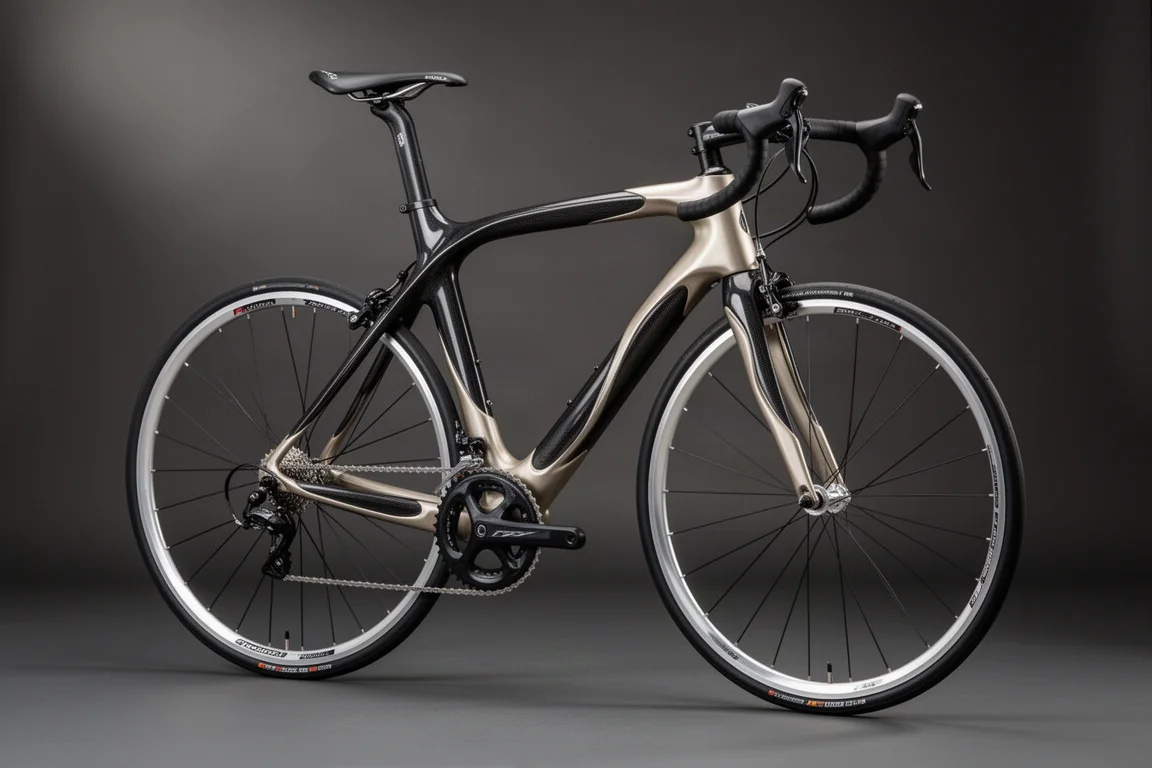
The Dogma F8, developed in partnership with Jaguar, marked the biggest single leap forward for the platform. It combined aerodynamic shaping with low weight in a genuine all-rounder, years before other brands merged their climbing and aero models into a single platform. It looked distinctive, aggressive and ahead of its time.
The F8 introduced an asymmetric frame designed to balance the forces passing through the bike when a rider is stamping on the pedals, and it brought aerodynamic features without compromising ride quality. That combination set a new benchmark for the all-round race bike. The fundamental design ethos is still visible in the current Dogma F: refined and improved, but unmistakably a Dogma.
Cervélo R3 SL: The Sub-Kilogram Climber
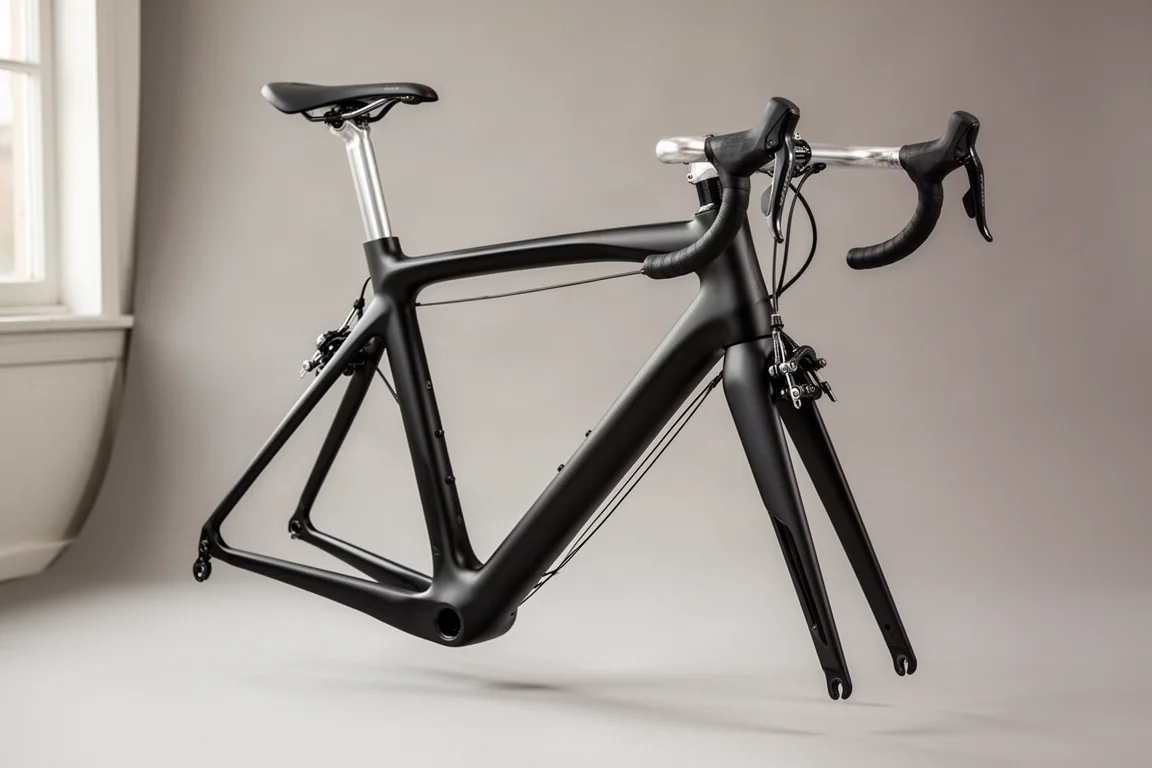
Cervélo’s first Tour de France victory came in 2008, when Carlos Sastre won aboard the R3 SL. The bike pushed carbon technology to its limit with a frame weighing under a kilogram at a time when most rivals were considerably heavier. Its stiffness-to-weight ratio made it a favourite among climbers and classics riders alike.
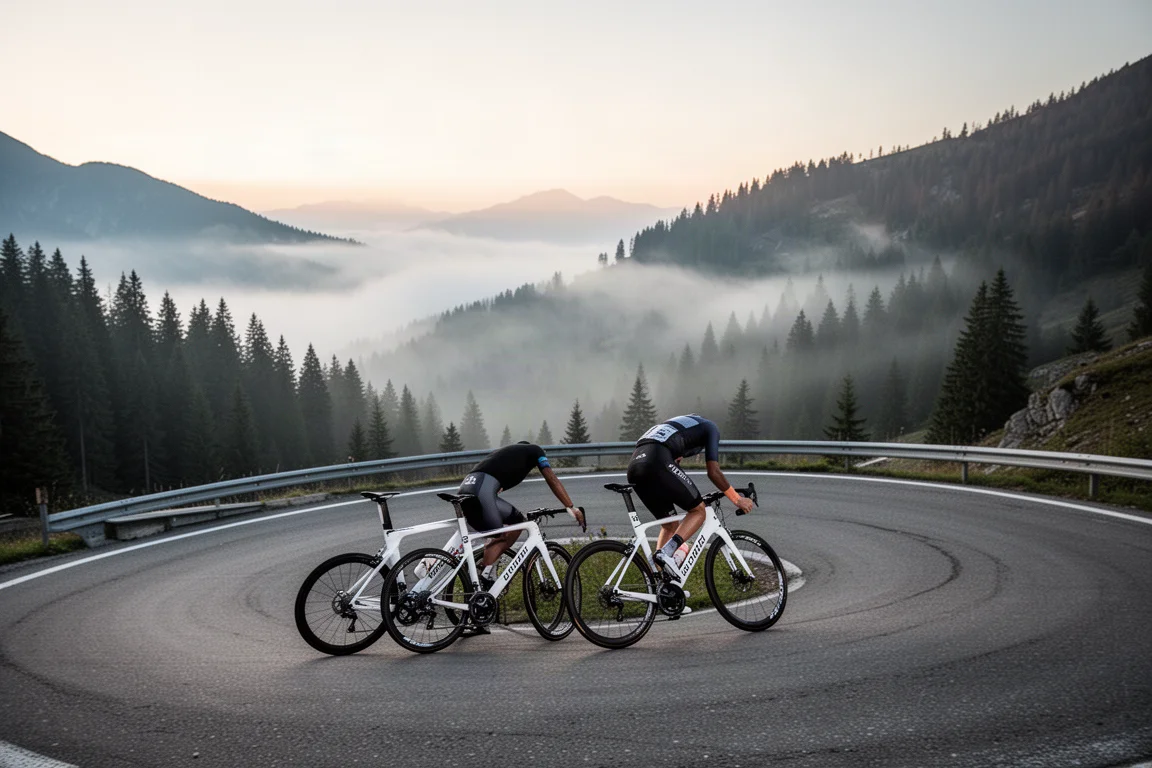
The R3 SL was instantly recognisable thanks to its squoval down tube and pencil-thin rear stays, and for a few seasons a white R3 was simply the bike to have. The Tour win helped cement Cervélo in the WorldTour, a presence that has continued through the CSC team, Cervélo TestTeam and today’s Visma-Lease a Bike. The original founders are no longer involved and the brand is no longer really Canadian, but it remains a strong and innovative name. For many riders, the R3’s place in history was sealed by two Paris-Roubaix victories aboard the same model.
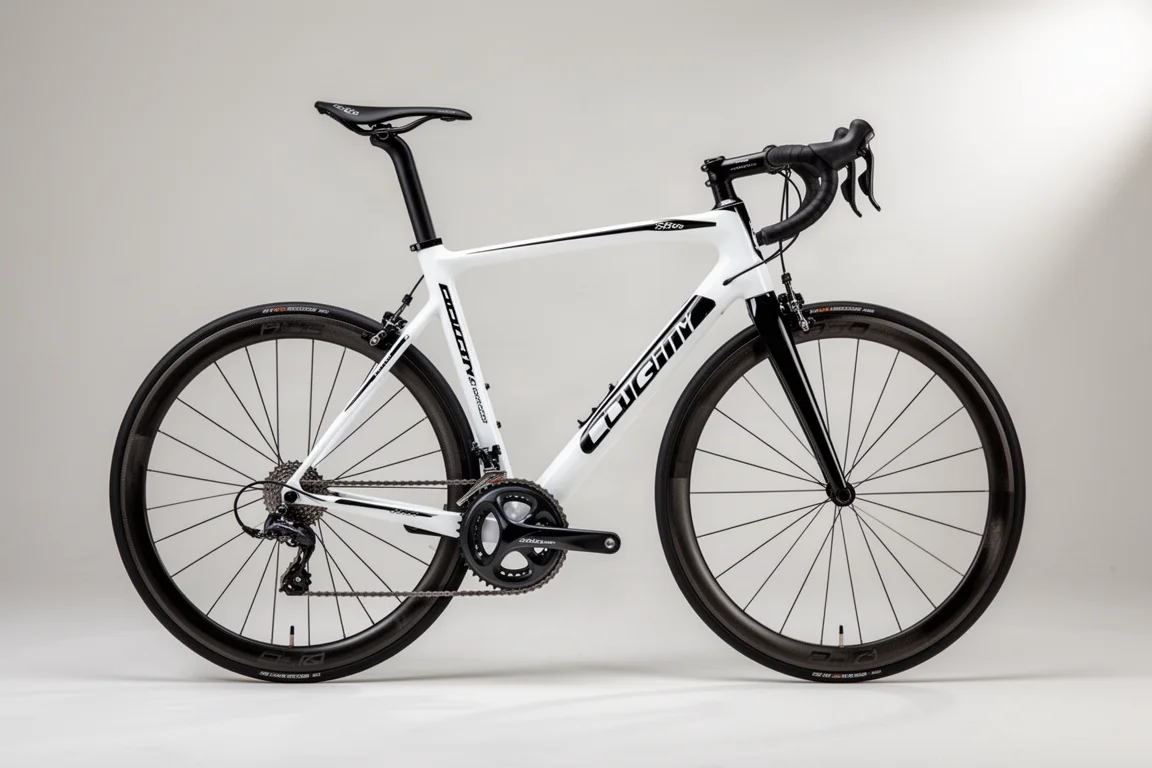
Cannondale SuperSix Evo Hi-Mod: A Cult Classic
Cannondale came to carbon late. While Trek was pioneering carbon frames 25 years ago, Cannondale was still producing high-end aluminium race bikes, and its first carbon efforts were cautious: an early model paired carbon main tubes with an aluminium rear triangle before the first full carbon frame arrived with the SuperSix in 2007.
The SuperSix Evo, launched in 2012, was the real breakthrough, both for the brand and for carbon race bikes generally. It remains one of the lightest frames ever made, far lighter than today’s disc brake equipped bikes, with phenomenal stiffness-to-weight, sharp and intuitive handling and remarkable comfort for a race bike. The Hi-Mod version used high-modulus carbon in key areas of the frame to reach a weight of 695 g including paint, and less still with the paint stripped. It never won the Tour de France, yet it earned a devoted following and still has an intangible quality that later, technically superior versions have not quite matched.
Buying Advice: What These Bikes Mean for Today’s Riders
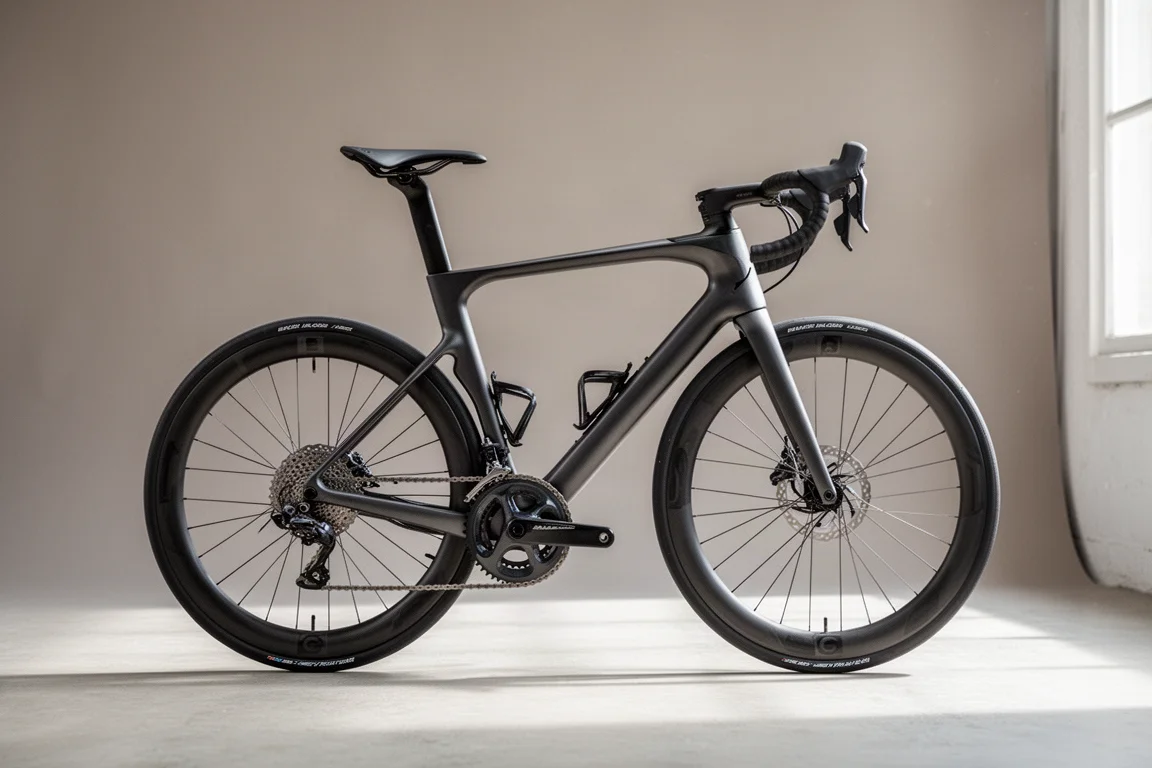
These six bikes are not a shopping list in the conventional sense. They are a way of understanding what you are actually paying for on a modern race bike. Aerodynamic shaping, electronic shifting, wide tubeless tyres and disc brakes all arrived because the demands of racing pushed them into the peloton, and each of these models played a part in that process.
If you are buying today, the useful lesson is that the headline number is not weight. The UCI’s 6.8 kg minimum means modern bikes are not meaningfully lighter than the machines of 25 years ago, so the differences that matter tend to sit in aerodynamics, tyre volume, braking and integration. Bikes from the era covered here also make compelling secondhand purchases for riders who value simplicity, since mechanical shifting, rim brakes and standard components are easier to live with and often far cheaper to own. Whichever direction you take, knowing the history helps you judge which features are genuinely worth paying for.
Conclusion
From the Trek 5500’s OCLV frame to the Cannondale SuperSix Evo Hi-Mod’s 695 g chassis, each of these bikes earned its place not simply through race wins but through the technology it brought to the peloton. Together they explain how the racing bicycle reached its current form, and they remain some of the most interesting machines ever built.
Further reading
Related Reviews
Cycling
2026 Bike of the Year and the Cycling Gear Worth Watching
A drop bar roundup for 2026 covering the Ridley Kanzo Fast 2.0, Shimano Dura-Ace Di2 R9300, Trek Checkpoint ALR Gen 3, Specialized Tarmac SL9, Garmin Fenix 9 and Insta360 X6.
Cycling
Best All-Road Bikes 2026: Six Versatile Endurance Road Bikes Worth Considering
A practical look at six all-road and endurance road bikes, from lightweight carbon speed machines to steel all-rounders and comfort-focused mile eaters.
Cycling
Best All-Road Bikes 2026: 8 Endurance Bikes for Road and Light Gravel
Eight all-road bikes that blur the line between endurance road and light gravel, compared on tire clearance, ride character, practicality, and value.