Camping Sleeping Pads
Most Comfortable Sleeping Pads for Camping and Backpacking: Three Contenders Compared
The Sea to Summit Ether Light XT, Nemo Tensor Insulated, and Big Agnes Q-Core Deluxe compared across warmth, thickness, surface material, and baffle design.
Introduction
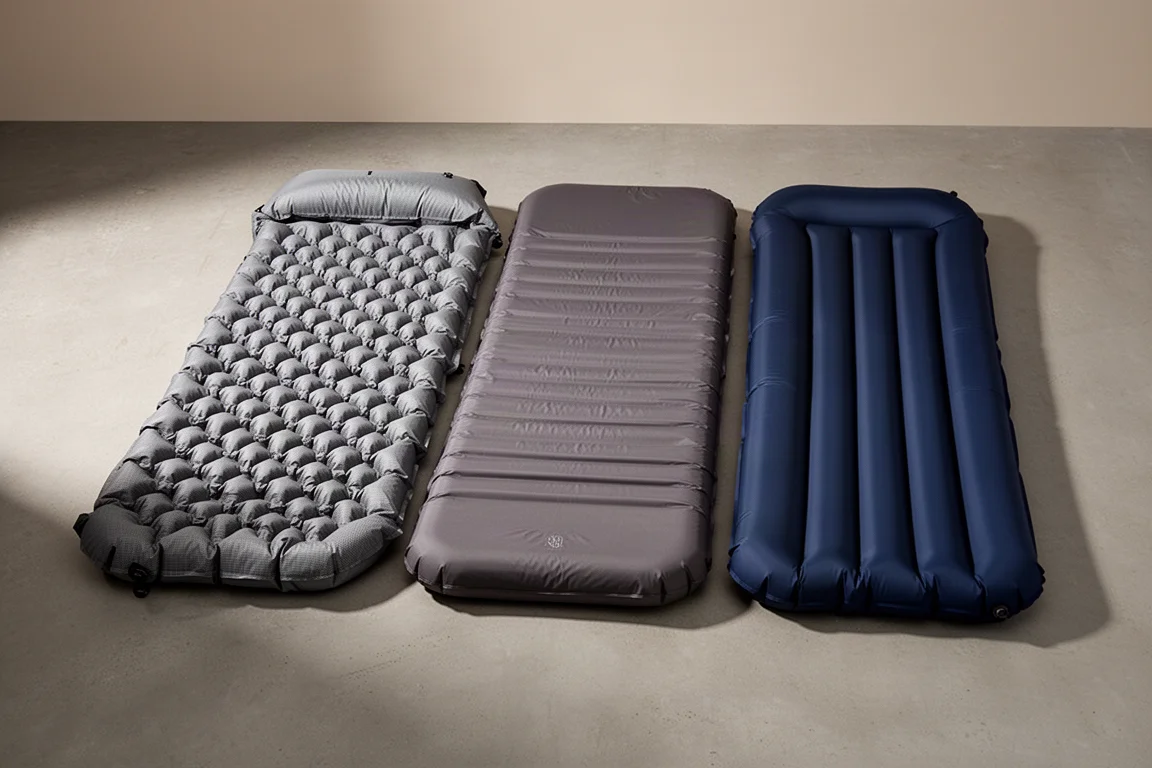
A comfortable sleeping pad decides whether a night in the backcountry leaves you rested or leaves you shifting position until first light. Three inflatable pads stand out in this category for camping and backpacking: the Sea to Summit Ether Light XT, the Nemo Tensor Insulated, and the Big Agnes Q-Core Deluxe. All three are genuinely comfortable. They simply deliver that comfort in different ways, and the differences matter once you know what to look for.
Four design decisions shape how a pad feels across a full night: warmth, thickness, surface material, and baffle design. Weighing those four factors against each other is the quickest route to working out which of these three belongs in your pack.
How We Evaluated These Sleeping Pads
Each pad was assessed against the same four criteria. Warmth covers both the published R-value and the insulation technology underneath it. Thickness and support covers how much material sits between you and the ground. Surface material covers how the fabric feels against skin and how well it resists wear. Baffle design covers the internal structure that creates the pad’s sleeping surface and determines where pressure is relieved.
On paper, the R-values look decisive. All three have been measured under the ASTM standard, and the Big Agnes Q-Core Deluxe leads at 4.3, followed by the Nemo Tensor Insulated at 4.2 and the Sea to Summit Ether Light XT at 3.2. In real conditions that ordering does not hold, because insulation construction turns out to matter just as much as the number printed on the pad.
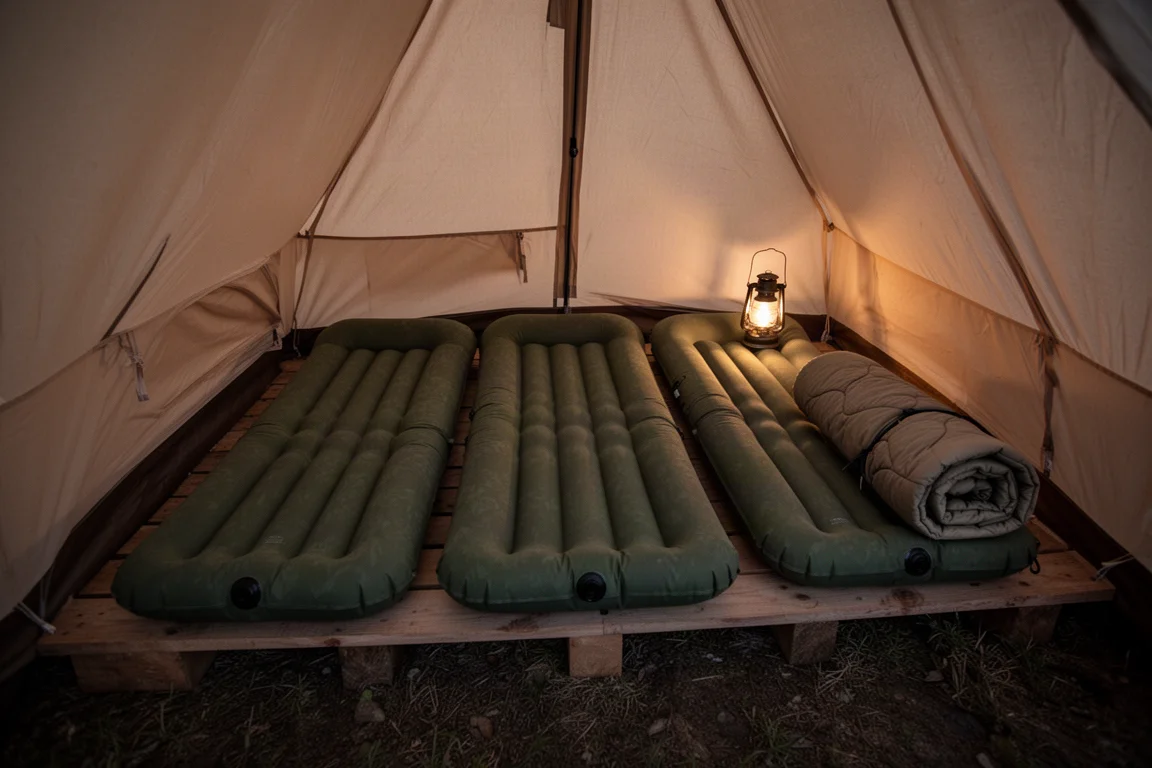
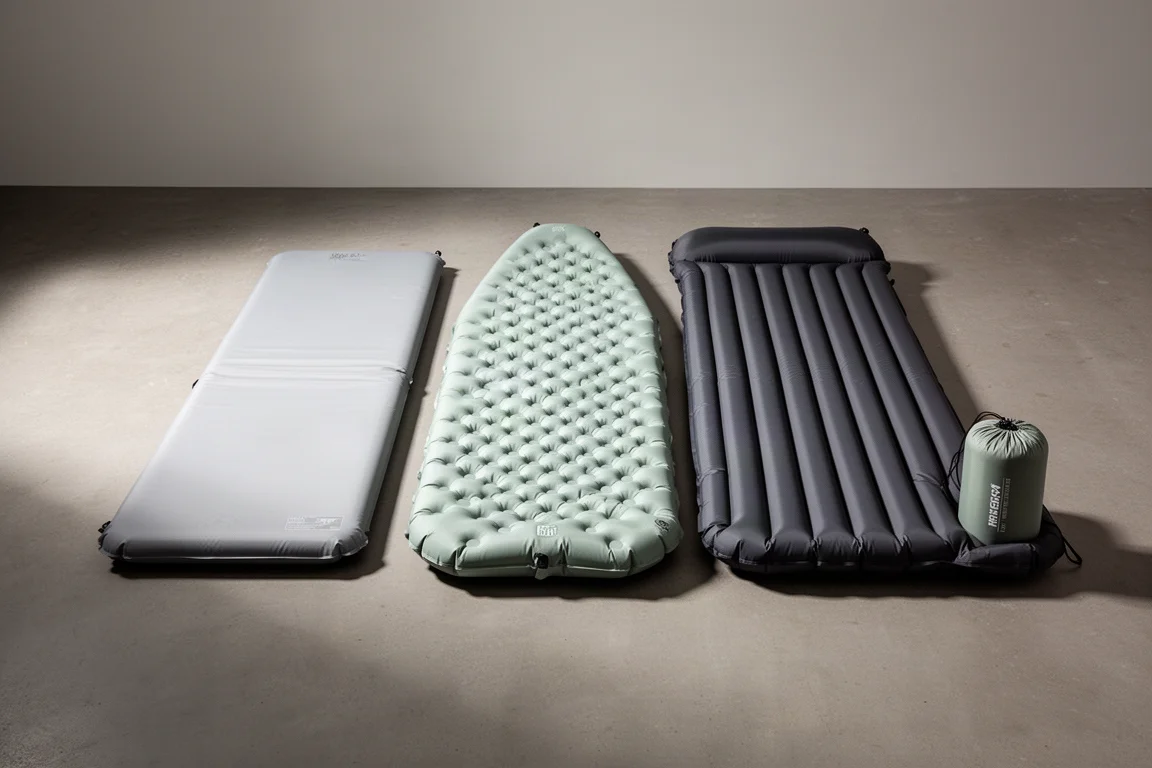
The three pads also share a few traits that set a high floor for comfort. All are 25 inches wide, which avoids the cramped feel of narrow 20 inch pads. All measure more than 3 inches thick. And all three use baffle systems built around raised areas and dimples rather than flat channels, which is what separates them from more basic pads.
Warmth and Insulation: Where R-Value Stops Telling the Story
The Big Agnes Q-Core Deluxe and the Sea to Summit Ether Light XT both rely on synthetic insulation to hold warmth. The Nemo Tensor Insulated takes a different approach entirely, using a reflective film suspended throughout the pad. Synthetic fills tend to look strong in controlled lab testing, but once real-world variables come into play and you start moving around during the night, the suspended reflective film holds warmth noticeably better.
That gap shows up clearly in use. The Nemo Tensor Insulated has stayed comfortable on frozen ground down to minus 6 degrees Celsius. The other two begin to feel cold once temperatures approach freezing, even though the Q-Core Deluxe carries the higher R-value of the pair.
There is a cold-weather option worth knowing about in the Sea to Summit range. The Ether Light XT Extreme has stayed warm on snow down to minus 20 degrees Celsius, but it is considerably heavier and bulkier than the standard version, which makes it a different proposition for backpacking.
Thickness and Support
Thickness matters enormously to some sleepers and not at all to others. For a side sleeper, the goal is simple: enough depth that a shoulder or hip never bottoms out against the ground. Anything above 3 inches generally clears that bar. The Nemo Tensor Insulated sits right at 3 inches and just makes the cut. The Sea to Summit Ether Light XT is the thickest of the group at 4 inches. The Big Agnes Q-Core Deluxe is an interesting hybrid, measuring 3 inches through the centre with side baffles that stand 4.25 inches tall.
Those raised side baffles initially look like a gimmick, and they should not be the deciding factor on their own. In practice they do help keep you centred on the pad and add to overall comfort, so they can serve as a useful tiebreaker if you are weighing the Q-Core Deluxe against a close alternative.
Materials and Baffle Design
Surface material is an underappreciated part of sleeping pad comfort, and all three pads use something different. The Sea to Summit Ether Light XT is built from a 30 by 40 denier ripstop nylon. It feels slightly rubbery and is the least pleasant of the three against bare skin, but that is the trade-off for durability: it is by far the toughest material here. The Nemo Tensor Insulated uses a 20 denier polyester that is exceptionally soft to lie on and noticeably less durable. The Big Agnes Q-Core Deluxe sits between them with a nylon spandex blend that has a good amount of stretch and give, softer than the Ether Light XT but not quite as plush as the Tensor.
For most campers who sleep in a bag, fabric feel barely registers. For anyone using a quilt, especially when sleeping directly on the pad in warmer weather, the softer surfaces of the Nemo Tensor Insulated and the Big Agnes Q-Core Deluxe make a real difference.
Baffling is where these three pads separate themselves from the wider market. Every manufacturer gives its system a name: Air Sprung on the Sea to Summit Ether Light XT, Space Frame on the Nemo Tensor Insulated, and I-beam construction on the Big Agnes Q-Core Deluxe. What matters is the result. The raised areas and dimples these systems create relieve pressure at the shoulder and hip, which pads with only straight horizontal or vertical baffles cannot match.
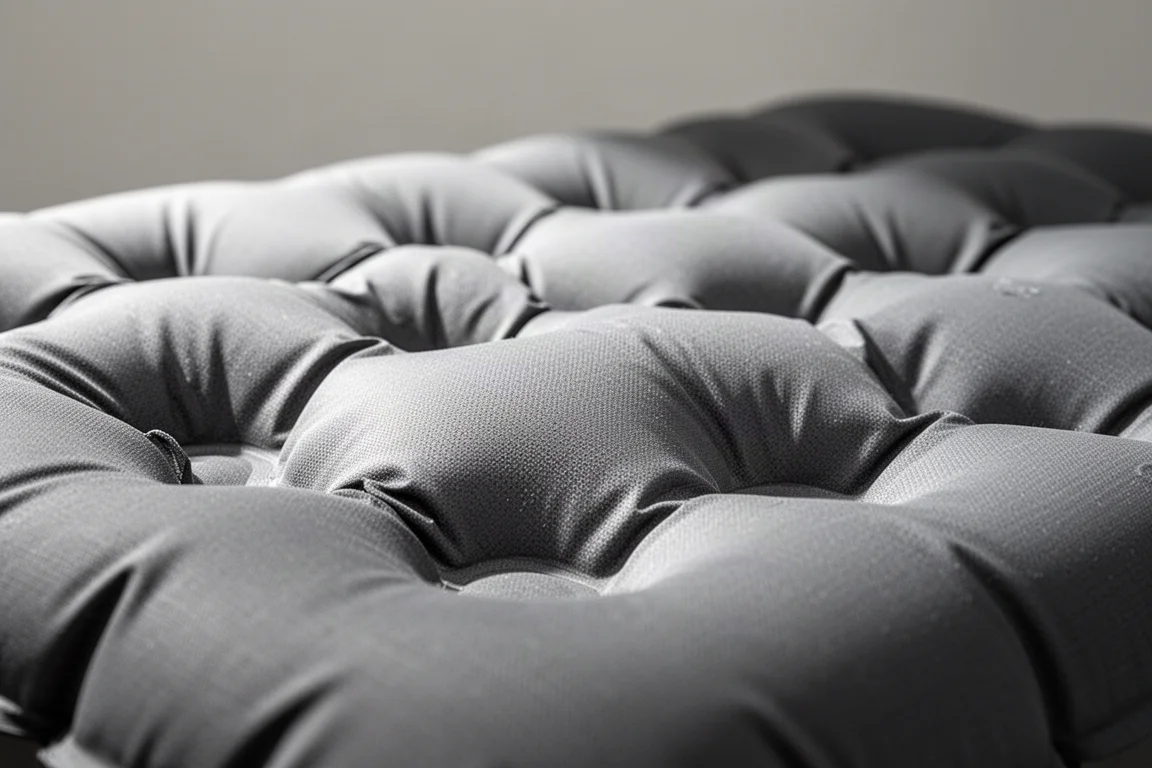
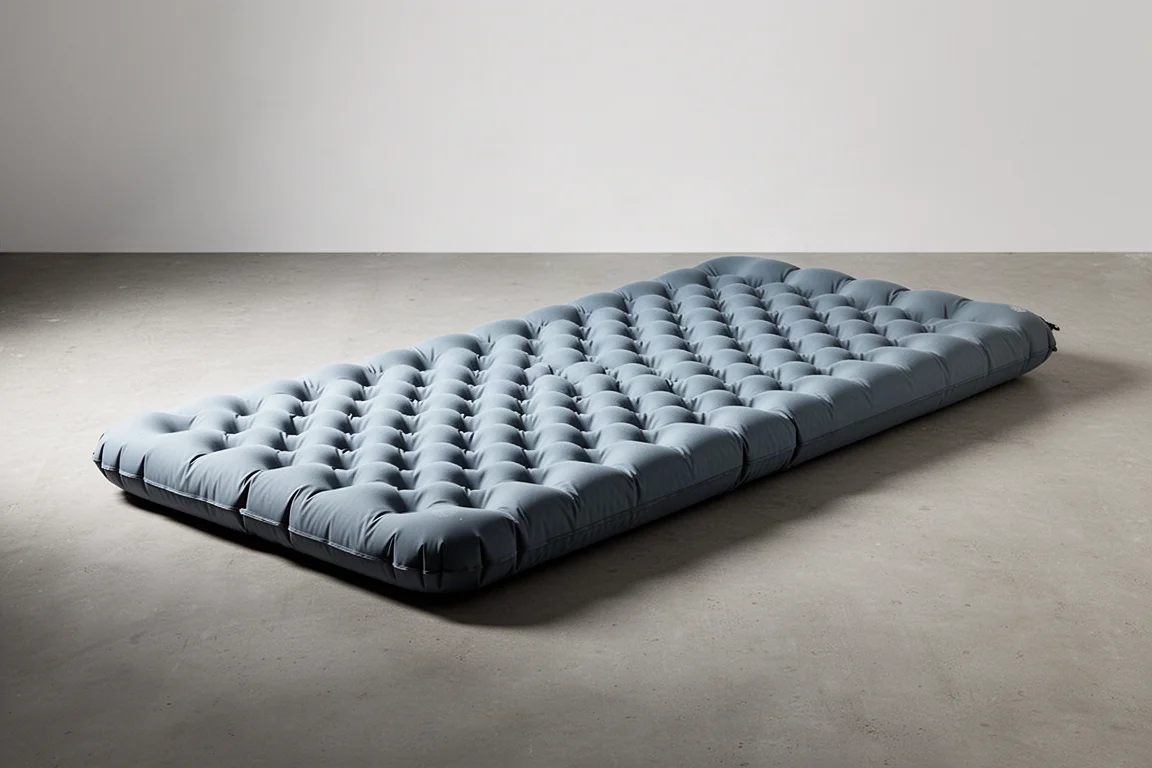
The differences between the three come down to how pronounced those dimples are. The Nemo Tensor Insulated has the least pronounced dimples and keeps a horizontal pattern across its surface, which makes it the least comfortable of the group in this respect. The Big Agnes Q-Core Deluxe has more defined dimples and a vertical pattern, and vertical baffles tend to feel slightly better than horizontal ones. The Sea to Summit Ether Light XT commits to neither direction, instead using very distinct and pronounced dimples that relieve pressure points extremely well. It also has the best edge support of the three, which effectively widens the usable sleeping area.
Sea to Summit Ether Light XT
The Ether Light XT is the warm-weather specialist of this group. At 4 inches it is the thickest pad here, and its pronounced dimpled baffling combined with strong edge support makes it feel larger than its 25 inch width suggests. It has the lowest R-value of the three at 3.2, so it is not the pad to take out when temperatures head towards freezing, but in milder conditions it is the most comfortable of the three to sleep on. It is also the only pad in this comparison that has consistently allowed a full night of uninterrupted sleep without waking up repeatedly.
Two trade-offs are worth accepting knowingly. The ripstop nylon surface feels a little rubbery against bare skin, and the lower R-value limits its cold-weather range. In exchange you get the most durable fabric of the three and the most supportive baffle structure.
Nemo Tensor Insulated
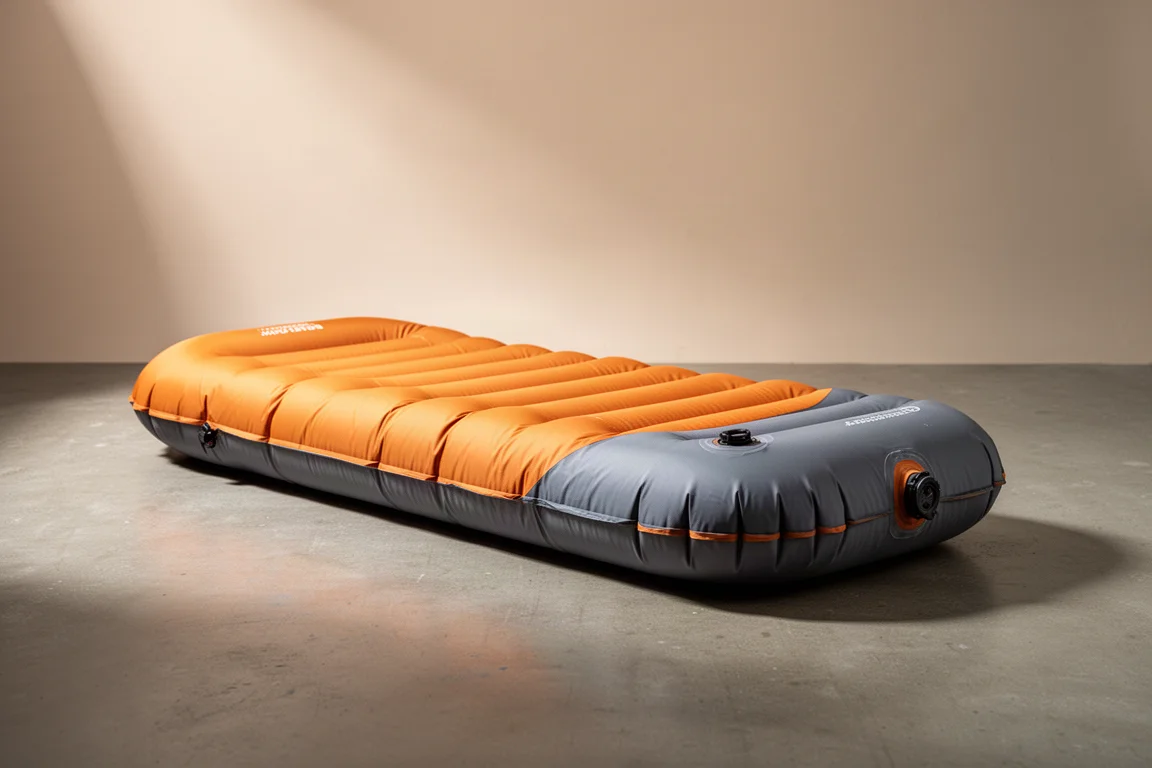
The Nemo Tensor Insulated is the cold-weather pick, and it earns that position through insulation rather than a number. Its suspended reflective film has kept sleepers warm on frozen ground down to minus 6 degrees Celsius, a level of real-world performance that neither of the other two pads matches despite the Big Agnes Q-Core Deluxe carrying a slightly higher R-value.
Its soft 20 denier polyester surface is the most comfortable of the three against bare skin, which matters if you sleep directly on the pad under a quilt. The compromises are durability and baffling. That same polyester is the least hard-wearing material here, and the pad’s dimples are the least pronounced of the group, with a horizontal pattern that reduces the pressure relief you get from the other two designs. At 3 inches it is also the thinnest pad in this comparison, though it still clears the threshold most side sleepers need.
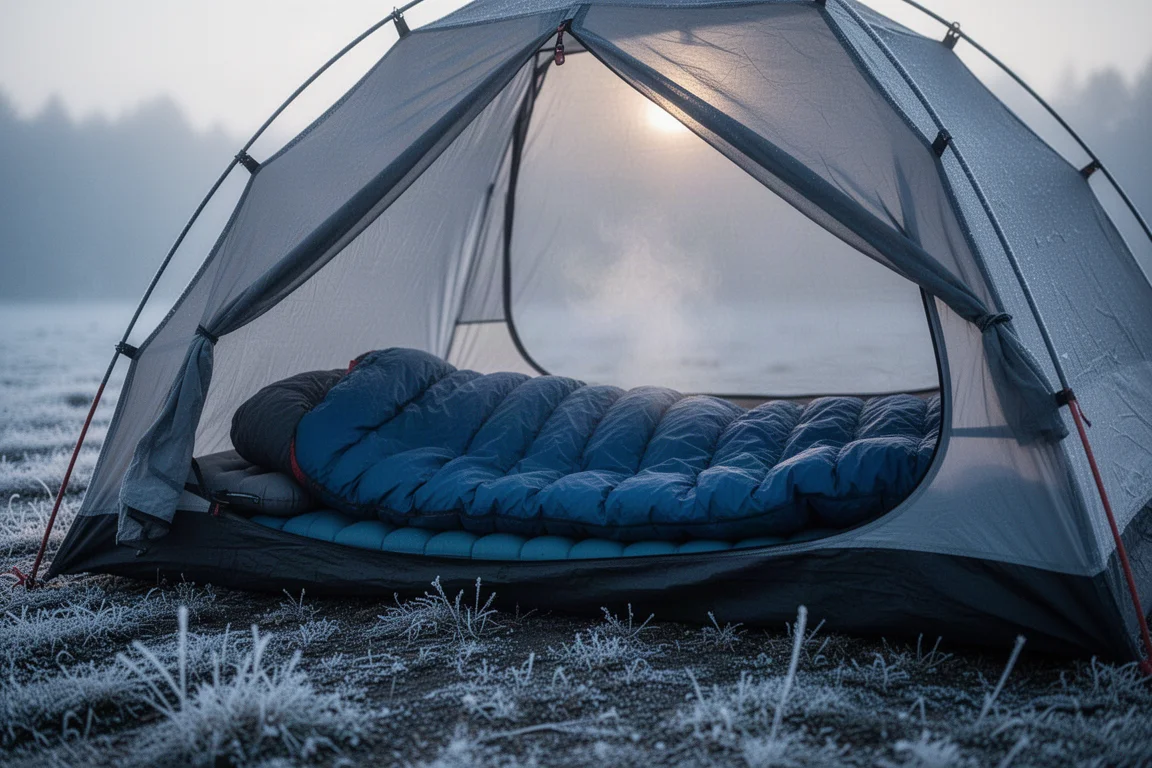
If your trips regularly run from cool evenings into sub-zero mornings, that warmth advantage outweighs the softer baffle profile and the thinner build.
Big Agnes Q-Core Deluxe
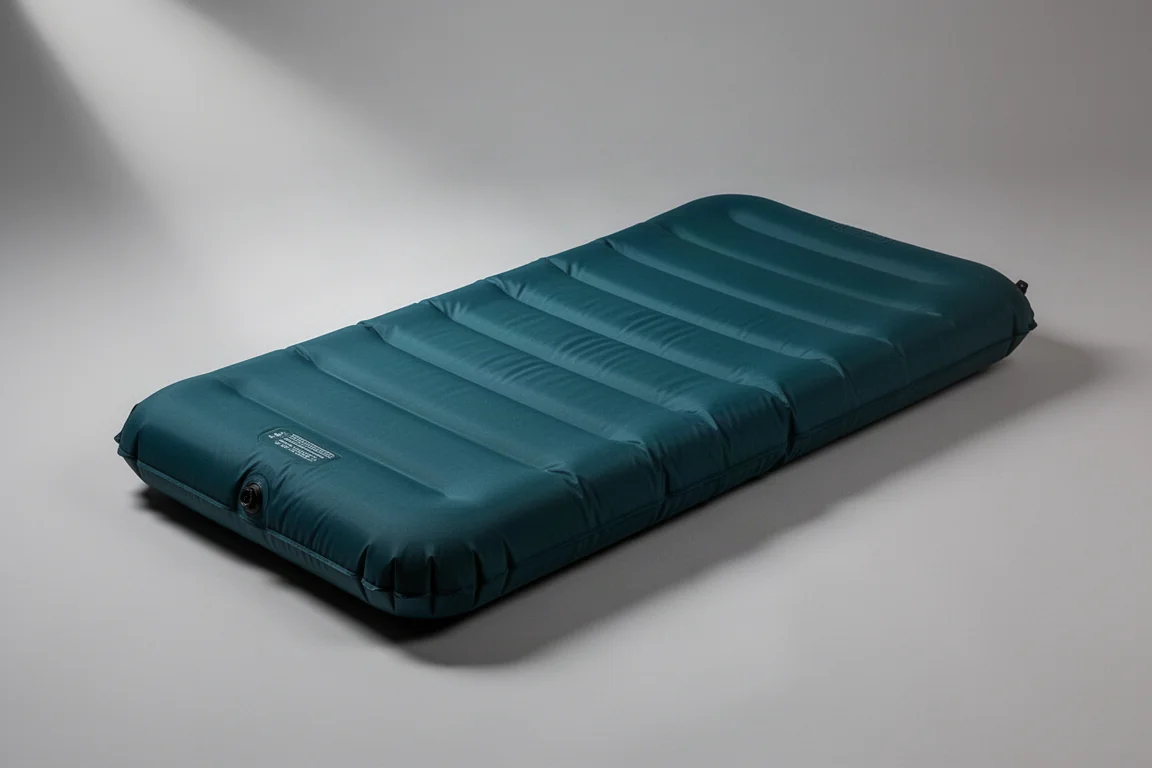
The Q-Core Deluxe posts the highest R-value of the three at 4.3 and pairs it with the most distinctive structure. Its 3 inch centre is flanked by side baffles standing 4.25 inches tall, which help keep you centred through the night rather than drifting towards the edge. The I-beam baffling produces more pronounced dimples than the Nemo Tensor Insulated and arranges them in a vertical pattern, a configuration that generally feels a little more comfortable than horizontal baffling.
The nylon spandex blend surface stretches nicely and lands between the other two on feel, softer than the ripstop nylon of the Ether Light XT but a step behind the polyester of the Tensor. The main caveat is warmth in practice. Because it uses synthetic insulation, its strong lab R-value does not translate into the same real-world warmth as the reflective film in the Nemo Tensor Insulated, and it starts to feel cold as temperatures approach freezing.
Which Sleeping Pad Is Right for You?
The decision is mostly about temperature. If you camp and backpack in mild to warm conditions, the Sea to Summit Ether Light XT is the strongest choice: it is the thickest pad here, it has the best edge support, and its durable ripstop nylon will outlast the softer fabrics on the other two.
If your trips regularly approach or drop below freezing, the Nemo Tensor Insulated is the pad to take. Its reflective film insulation delivers warmth that the higher R-value of the Q-Core Deluxe does not match in the field, and its soft surface is the nicest of the three to sleep directly on.
The Big Agnes Q-Core Deluxe is the middle path. It offers the highest R-value, pronounced vertical dimples, a stretchy fabric, and side baffles that keep you centred, making it a sensible pick if you want a balanced feel and tend to move around in your sleep. Just do not expect its lab rating to keep you warm on genuinely cold ground.
One last consideration: if you use a sleeping bag, surface softness is largely irrelevant and you can weigh warmth, thickness, and baffling alone. If you sleep under a quilt and often lie directly on the pad, the fabric on the Nemo Tensor Insulated and the Big Agnes Q-Core Deluxe is worth paying attention to.
Conclusion
All three of these sleeping pads are comfortable enough to recommend, and each is the best answer to a slightly different question. The Sea to Summit Ether Light XT wins on thickness, edge support, and durability for warm-weather trips. The Nemo Tensor Insulated wins on real-world warmth when the mercury drops. The Big Agnes Q-Core Deluxe splits the difference with the highest R-value, pronounced dimples, and a stretchy, centred feel. Match the pad to the conditions you actually camp in, and any of the three will outperform the pad you are replacing.
Further reading
Related Reviews
Camping Sleeping Pads
Best Sleeping Pads 2026: Comfort Awards and Top Picks
A comfort-focused roundup of ten sleeping pads, from budget dimpled designs to thick stretch-top models, with gold, silver, and bronze comfort awards.
Camping Sleeping Pads
Best Ultralight Sleeping Pads 2026: Seven Lightweight Pads Compared
Seven sub-600 g sleeping pads compared on weight, comfort, warmth, and price, with clear picks for cold sleepers, comfort seekers, and budget buyers.
Camping Sleeping Pads
DOD Outdoors Soto Air Mattress Review: Comfort First, at a Price
A thick foam-and-air camping mattress with an 8.3 R-value and a clever inflation system, weighed against a premium price and a tight storage bag.