Headphones
Moondrop Venus vs HiFiMan Edition XS vs Sundara vs Meze 109 Pro: Which Headphone Fits Your Budget
A four-way comparison of the Moondrop Venus, HiFiMan Edition XS, HiFiMan Sundara, and Meze 109 Pro, covering build quality, comfort, tonality, soundstage, and amplifier needs.
Introduction
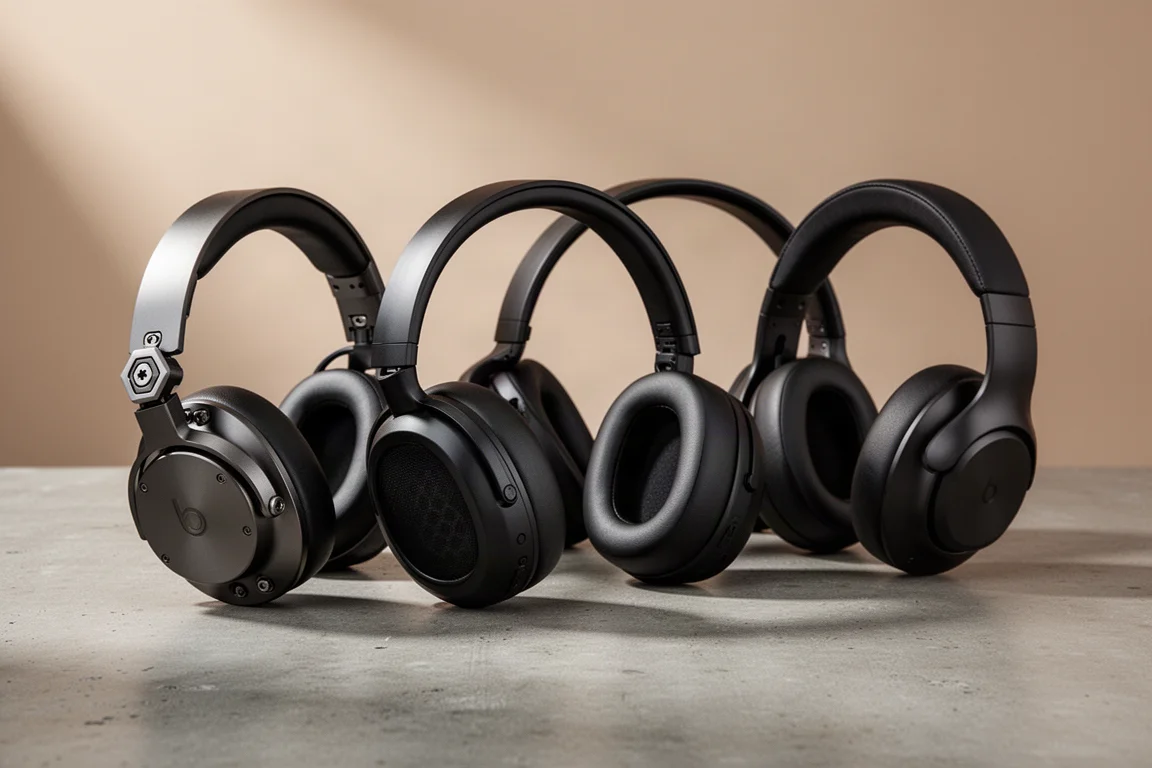
Four headphones, four price points, and one practical question: how much do you actually need to spend before a pair of open-back headphones stops feeling like a compromise? This comparison covers the Moondrop Venus at around $600, the HiFiMan Edition XS at around $500, the HiFiMan Sundara at roughly $350 with street pricing drifting closer to $300, and the Meze 109 Pro at $800.
Three of these are planar magnetic designs, the Moondrop Venus and both HiFiMan models, while the Meze 109 Pro uses a dynamic driver. That difference shapes a lot of what follows, particularly around tonality, efficiency, and how much amplifier headroom each headphone asks for.
The Moondrop Venus is the newest name in this group and the main subject here. It is Moondrop’s second full-size headphone, following a long run of in-ear monitors. The other three work as reference points: one direct rival within $100, one cheaper alternative, and one more expensive option to test whether spending more actually buys more.
How These Four Headphones Compare
Each headphone was listened to on its own first, over a full day of casual listening without note taking, then compared directly against the others in back-to-back switching. The material used for the comparison included Metallica’s “The Unforgiven” from the remastered Black Album, “Leper Messiah” from Master of Puppets, and a selection of Mumford and Sons tracks. The Unforgiven is useful because the first 15 seconds are mostly acoustic guitars before a low bass hit and a snare entrance, which makes it easy to hear how a headphone handles transients, bass weight, and upper-midrange energy.
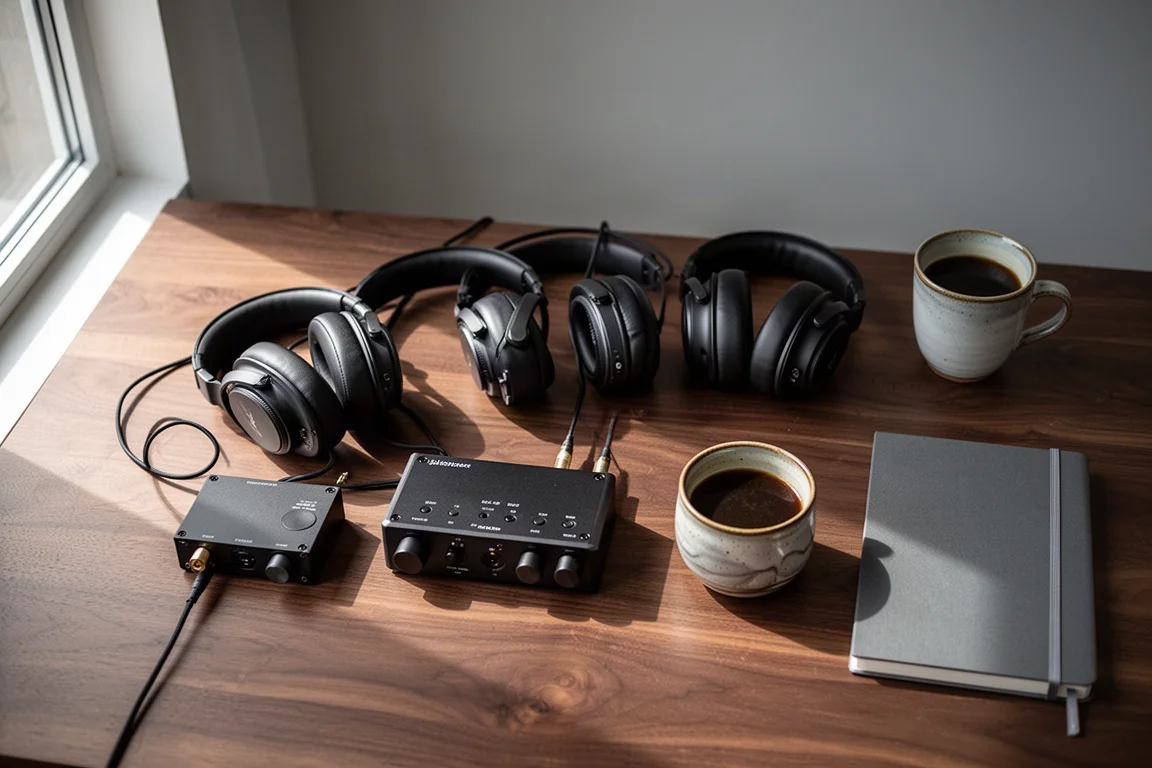
The chain stayed the same throughout: a desktop DAC feeding a single-ended amplifier with roughly two watts of output. Build quality, comfort, sound signature, soundstage and imaging, and efficiency were the four things that separated these headphones most clearly.
Moondrop Venus: All-Metal Build, Spicy Upper Mids
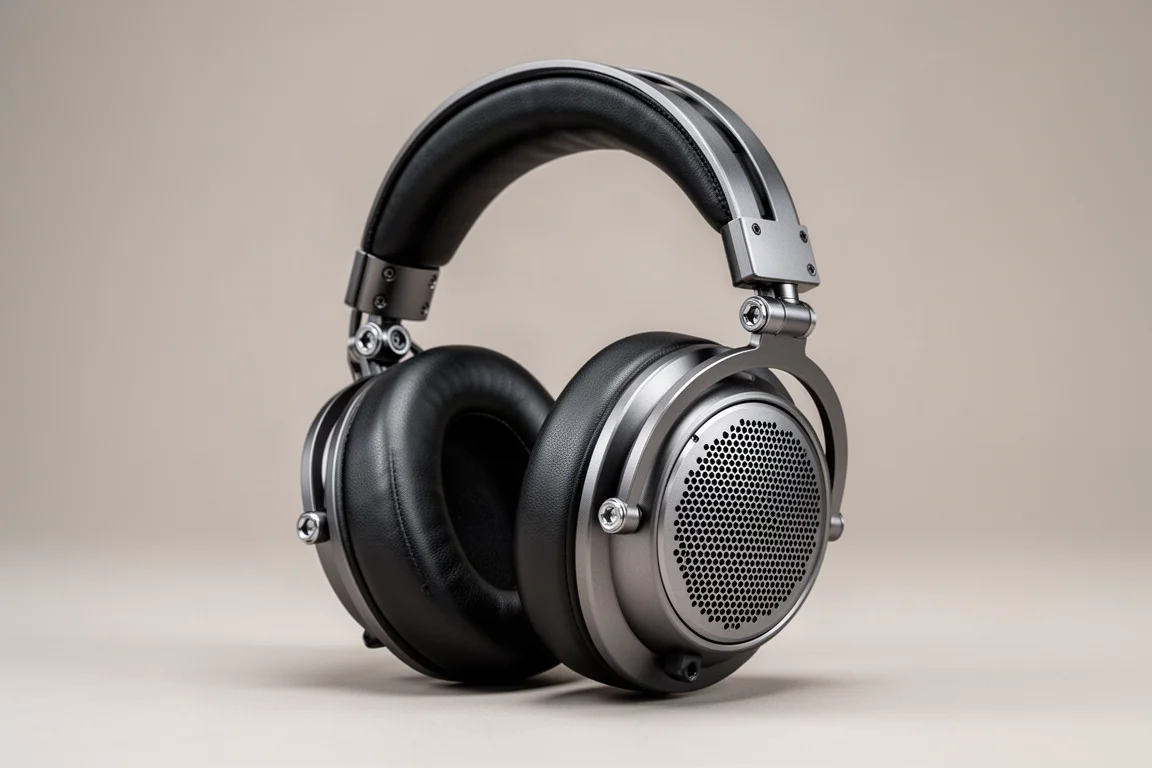
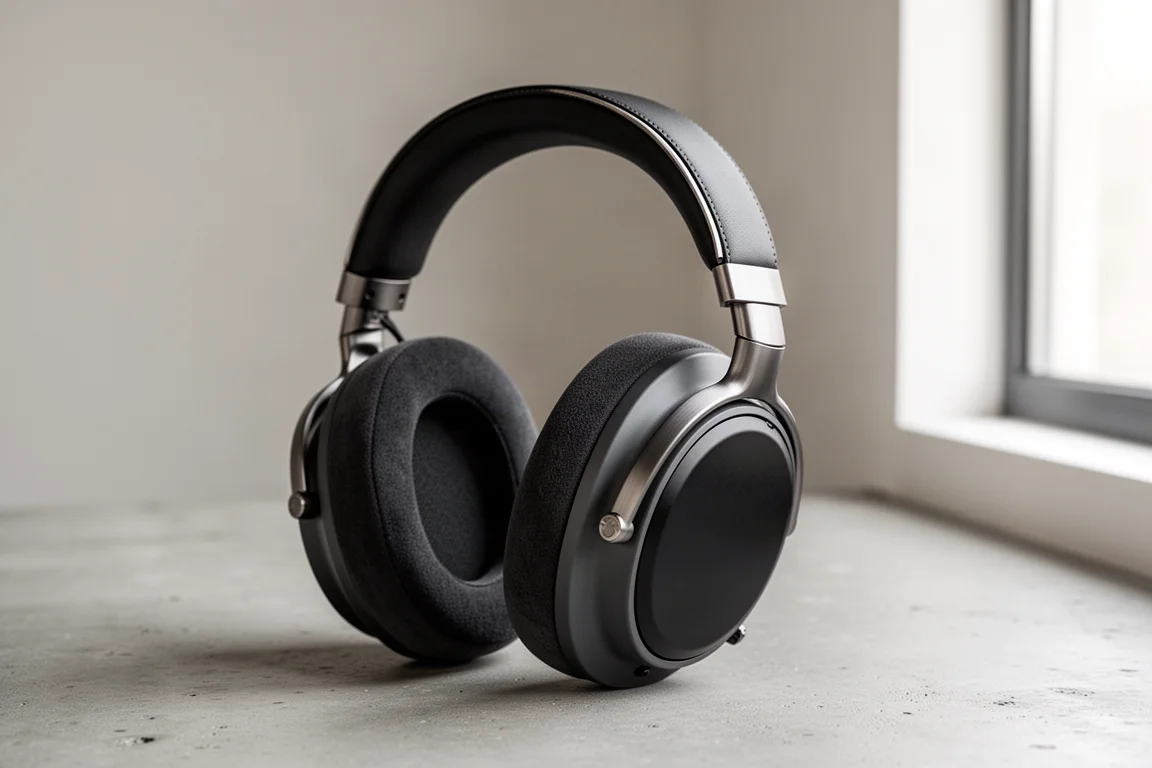
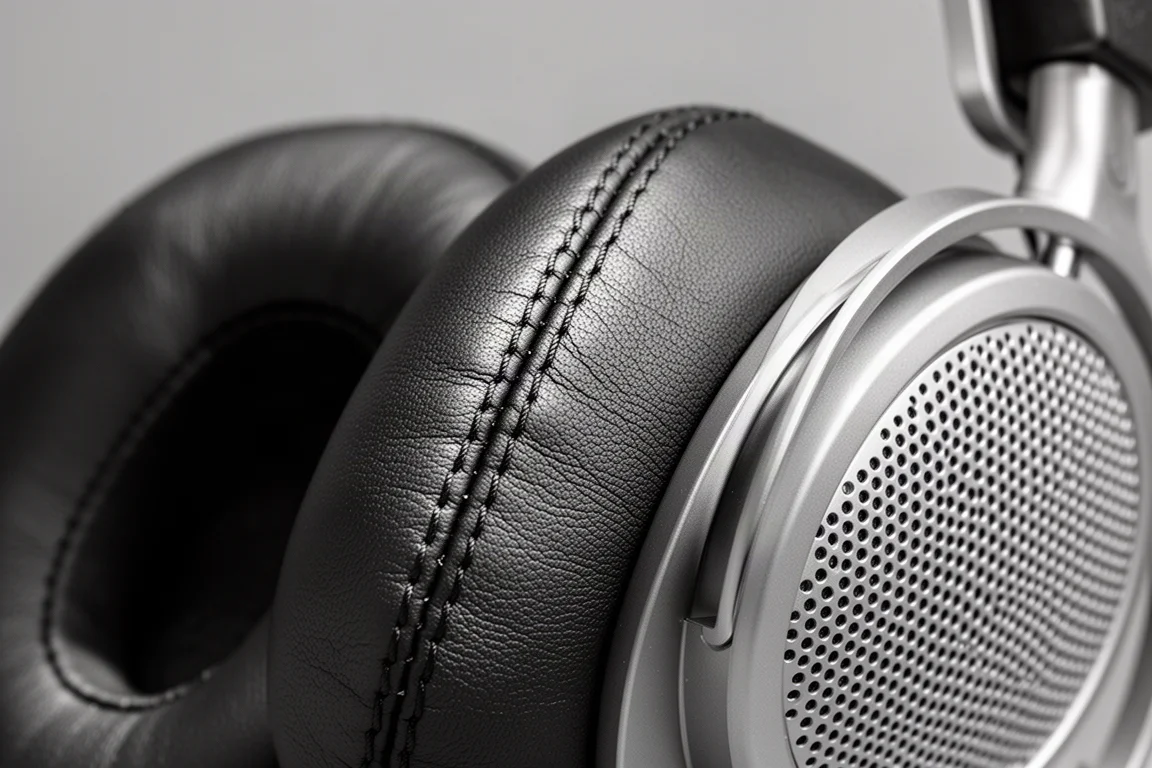
The Venus is built like a tank. Outside of the head strap, there is essentially no plastic anywhere on the headphone. The driver housing and headband are metal, the pivot point uses six exposed screws with no badging at all, and the ear cups look like two sandwiched pieces that could be taken apart. Stretch the band and the ear cup assembly drops out, which makes the whole design look serviceable and rebuildable rather than sealed and disposable. The ear pads are leather and pop off, and there is foam over the driver that Moondrop uses for tuning.
It is on the heavy side, though the thick headband spreads the load reasonably well. One small annoyance: the left and right markings are tiny and hard to read in low light. The driver itself is a 100mm unit.
On The Unforgiven, the snare was very pronounced and the bass was clean, but there was audible sibilance through that section. There also appears to be a lift around the lower mids and upper bass, plus a fairly large boost somewhere in the 4 to 6 kHz region, which is the range where sibilance lives. On material that wants that energy it can work well, and acoustic-driven tracks such as Mumford and Sons sounded great. On that particular song, though, it was distracting.
Efficiency is the other thing to plan for. At 18 ohms, the Venus wants a watt or more, so it will not show what it can do from a phone or a weak dongle. The included cable is fabric-sleeved and comes with both a 3.5mm single-ended and a 4.4mm balanced connection, with no microphonics transferring into the earcups. At $600 it feels a little expensive, and while the foam and pads can be swapped for tuning, that is a project rather than a plug-and-play fix.
HiFiMan Edition XS: The Soundstage Value Pick
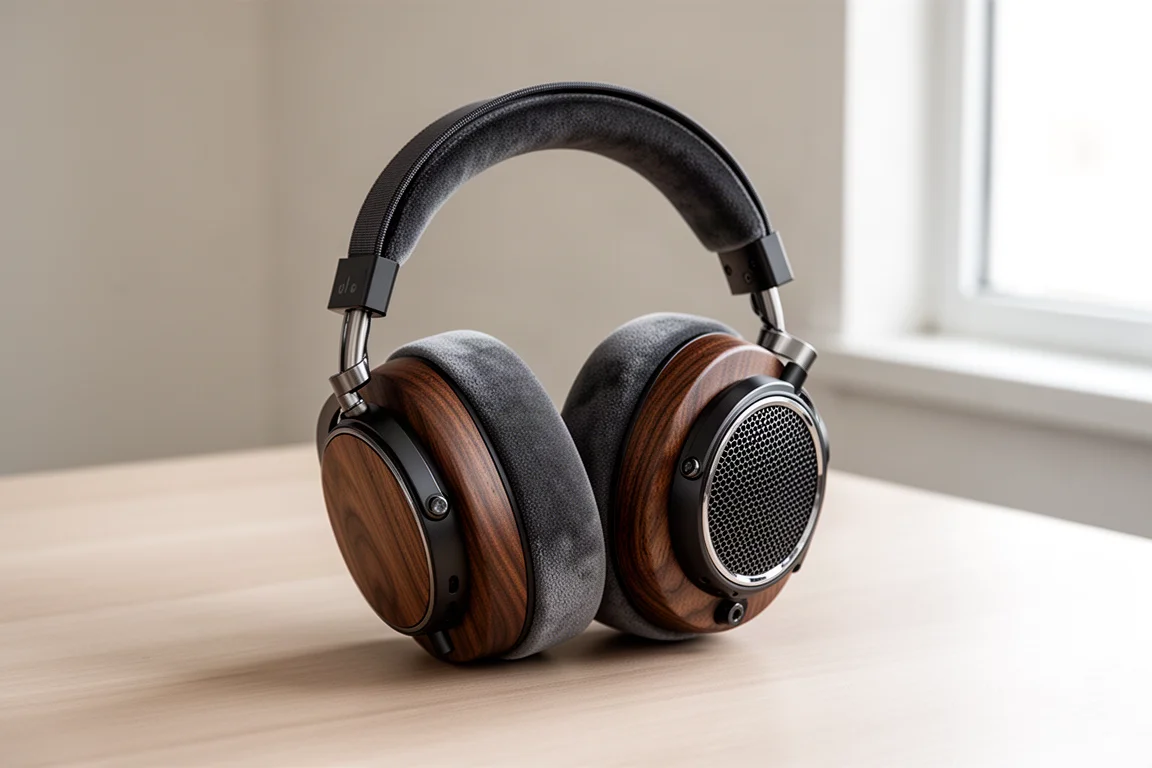
At around $500, the Edition XS gives up ground on materials. The build is largely plastic and nowhere near as sturdy as the metal Venus or the Meze. What it does well is fit: the curvature of the band engages a lot of surface area on the head, so it feels comfortable even without a suspension strap, although a hot spot can still develop over a long session.
On sound, it controlled the sibilance far better than the Venus and the snare sounded more natural. Soundstage and imaging were clearly a step ahead as well. The spoken intro on Leper Messiah sounded like it was coming from another room, which is a good illustration of how much wider the presentation is. It is also far more efficient and noticeably louder on the same output.
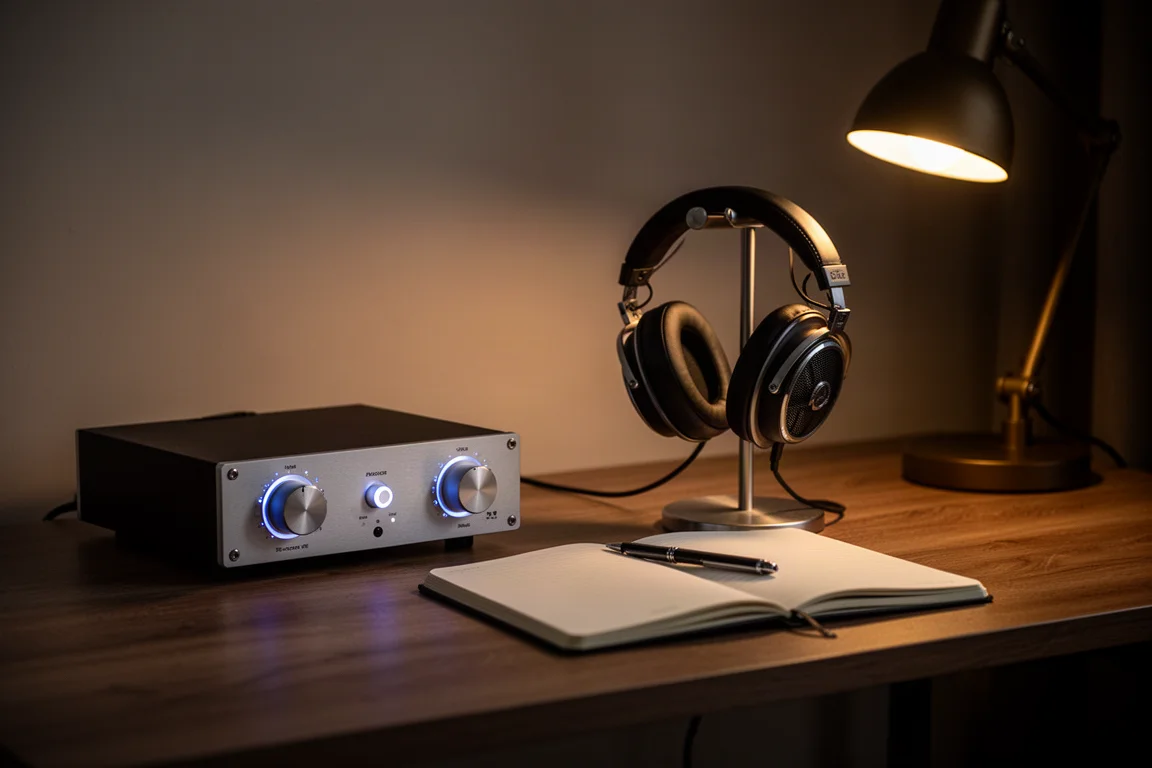
For listeners who care about staging and imaging above all else, this is the strongest performer in the group. The trade-off is durability, since the plastic construction does not inspire the same long-term confidence as the other two premium-feeling options here.

HiFiMan Sundara: The Affordable Planar Option
The Sundara sits at roughly $350, with street pricing closer to $300. In direct comparison it sounded veiled through the midrange, which was genuinely surprising given how it usually comes across. It remains a good headphone and a strong value at its price, but it does not hang with the Edition XS, the Venus, or the Meze 109 Pro in this company.
Meze 109 Pro: Dynamic Driver Tonality at a Higher Price
The 109 Pro costs $800 and, along with the Venus, is the best built of the four. Its sound signature is a different animal from the planar designs. It layers more vertically, sounds a touch more natural, and is a smidge less revealing through the midrange, but the tonality is very balanced, richer, and arguably more accurate. It is also easier to drive than the Venus.
If your priority is tonality and long-session listening rather than raw detail, this is the one worth hearing first. It is also the most expensive option here, so the real question is whether the extra spend translates into more enjoyment for your music and your ears.
Power, Cables, and Amping
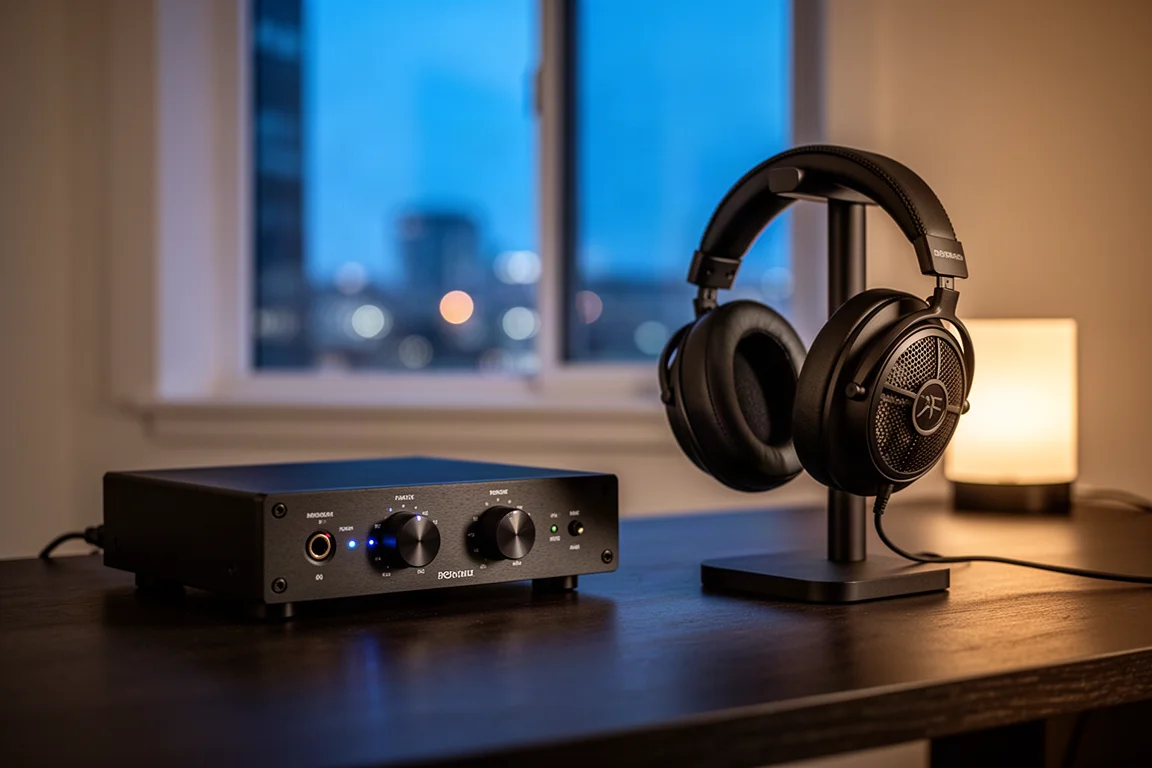
Efficiency matters as much as tuning. The Venus is the hardest to drive of the four at 18 ohms, and it benefits from an amplifier delivering roughly a watt or more. The Edition XS and the Sundara were noticeably louder on the same output, and the Meze 109 Pro is easier to drive than the Venus as well. If your source is a laptop headphone jack or a small dongle, budget for a desktop amplifier before you budget for the headphone itself.
Cables are worth a mention too. The Venus ships with a fabric-sleeved cable and both a 3.5mm single-ended and a 4.4mm balanced connection, with no microphonic noise transferring into the earcups. That is a useful inclusion at this price, since a balanced cable is one less thing to buy separately.
Buying Advice
Match the headphone to the way you actually listen. If you want the best soundstage and imaging for the money and you do not mind a plastic build, the HiFiMan Edition XS is the most compelling value here. If you want something that feels engineered to be repaired and kept, and you have the amplification to drive it, the Moondrop Venus delivers on build in a way the others do not, though its upper-midrange energy will not suit every listener or every recording.
If your budget is tighter, the HiFiMan Sundara is still a good headphone at its price, just not a match for the three above it. And if you want the most balanced, natural tonality of the group and the budget allows it, the Meze 109 Pro is the most refined listen, with the $800 price tag being the main trade-off.
Conclusion
None of these four is a bad headphone, and the differences come down to priorities rather than outright winners. The Moondrop Venus brings exceptional metal build quality and a lively upper midrange at $600. The HiFiMan Edition XS offers the widest stage and the best imaging for $500. The HiFiMan Sundara stays a solid value near $300 to $350. The Meze 109 Pro delivers the most balanced tonality at $800. Pick the one that matches your amplifier, your music, and your tolerance for a little extra treble energy, and you will be well served.
Further reading
Related Reviews
Headphones
Apos Audio Caspian Review: Warm Bass, Solid Build, and a Detail Trade-Off
The Apos Audio Caspian is an easy-to-drive open-back headphone with standout bass and a warm, relaxed tuning, though mid-range and treble detail trail the competition.
Headphones
Audeze LCD-X vs LCD-XC vs LCD-3: Which High-End Headphone Fits Your Setup
A practical comparison of three Audeze planar magnetic headphones under $2,000, covering the open-back LCD-X, the closed-back LCD-XC, and the wood-ringed LCD-3.
Headphones
Audeze LCD-X vs HiFiMan Edition XS: Two Open-Back Headphones Compared
A practical comparison of the Audeze LCD-X and the HiFiMan Edition XS, covering build quality, comfort, sound signature, and which listener each one suits.