Headphones
Moondrop Para Review: A 100 mm Planar Magnetic Headphone Built for Detail
A close look at the Moondrop Para, a $299.99 planar magnetic headphone with magnetic earpads, a light suspension headband, and a detail-first sound that competes near $300.
Introduction
Every speaker system is only as good as the room it sits in. Standing waves, reflective surfaces, and seating position shape the sound as much as the drivers do, and most listeners cannot rebuild a room around a pair of speakers. Headphones remove that variable entirely, which is why they remain the most direct route to high-fidelity listening for anyone working within a budget.
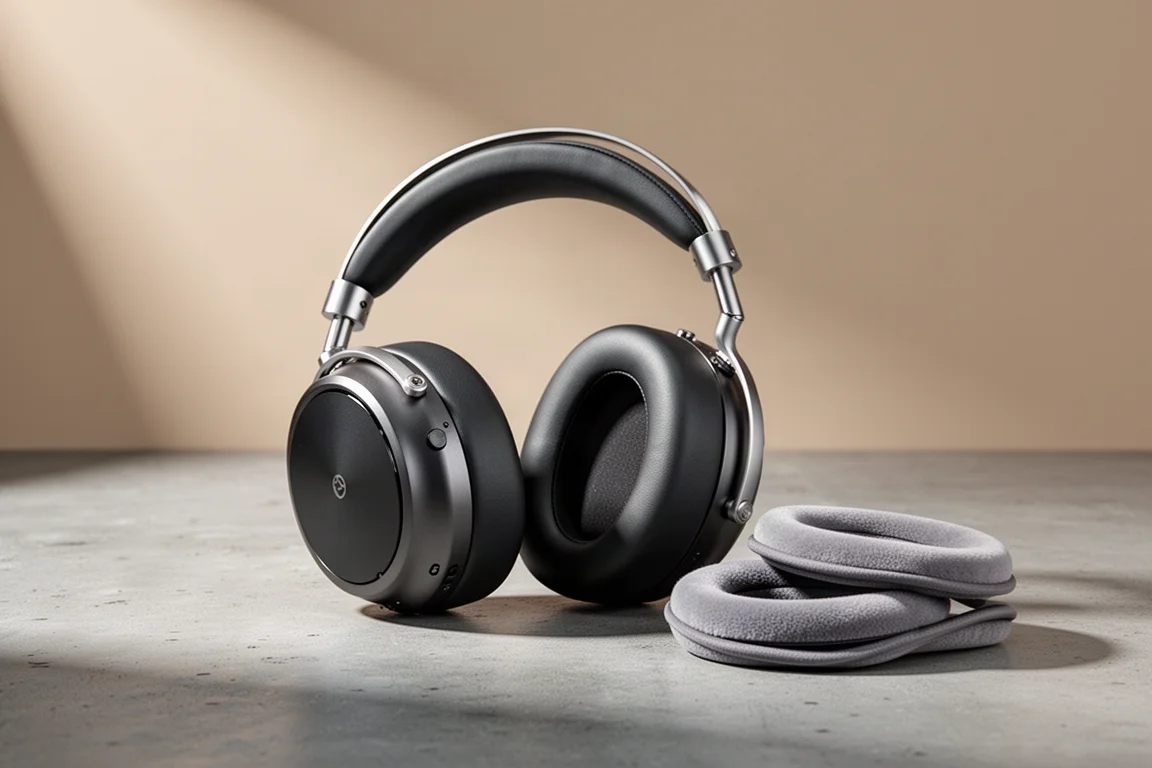
The Moondrop Para makes that case in a single product. It is a 100 mm planar magnetic headphone priced at $299.99, offered as a pre-order at the time of writing. Around it, Moondrop has built a magnetic earpad system, a suspension headband, and a tuning that leans on clarity and separation rather than low-end weight. The result is a headphone that asks to be judged on how much musical information it can pull apart and hand back.
Who the Moondrop Para Is For
The Para rewards listeners who care about the individual parts of a recording. Harmonies that normally blur together stay distinct, and individual voices and instruments are placed where they belong rather than stacked into a single plane. If the appeal of high-fidelity audio is hearing what is actually on the recording, that quality matters more than almost anything else, and it is where the Para does its best work.
It is also a desktop headphone in the practical sense. The earcups are large, the frame is built for long sessions at a desk, and nothing about the design suggests a run or a gym session. Buyers who want something for commuting or exercise should look elsewhere.
The Para also suits listeners who have been reluctant to spend four figures on a headphone. At $299.99 it delivers the instrument separation and clarity that make planar magnetic designs appealing, without the price tag that usually accompanies them.
Design, Build, and Comfort
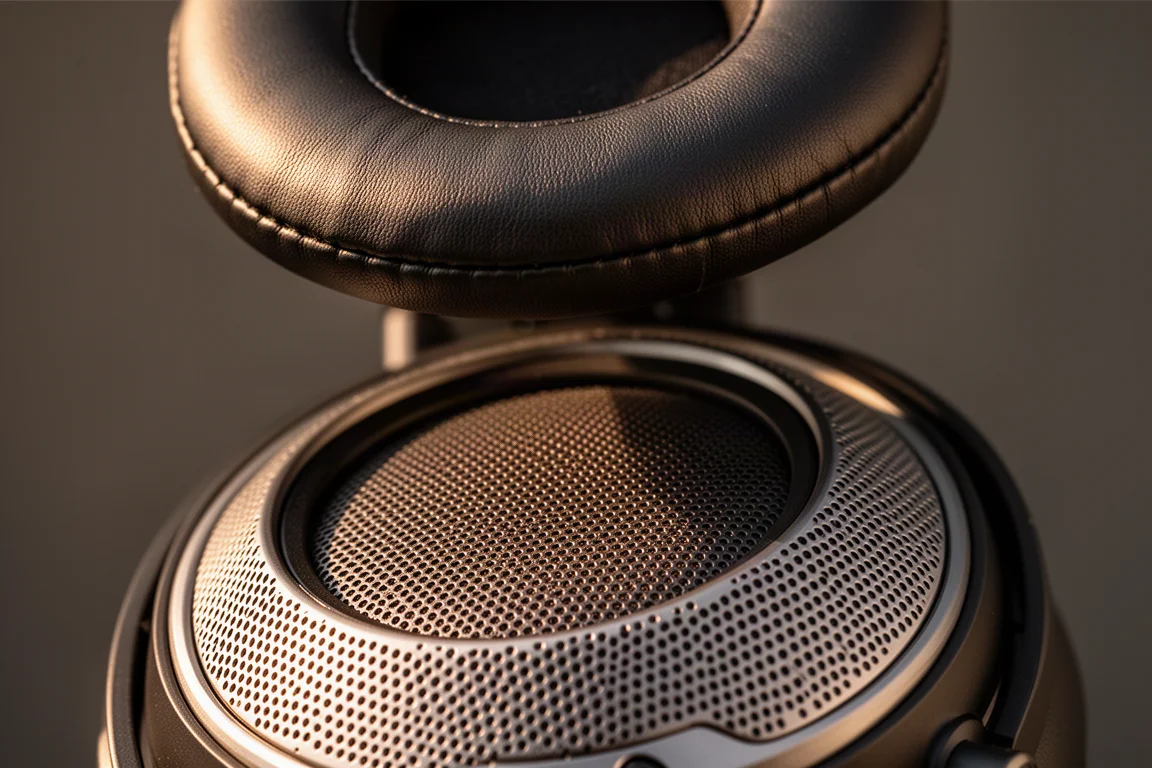
The Para uses a 100 mm planar magnetic driver in each cup, and Moondrop has made the pads unusually easy to live with. They attach magnetically, so they lift straight off the cup without any prying or stretching. Two sets are included: a hybrid pad with a soft inner material ringed by vegan leather, and a second perforated vegan leather set. Listeners who value leather for long-term durability may want to factor that in, since both stock options are vegan leather.
The frame is metal, with an outer band and a separate suspension band that carries no padding. It does not need any, because the suspension band conforms to the shape of the head rather than pressing on it. The interior band adjusts up and down, and the earcups rotate slightly back and forth. Across long listening sessions the Para stays comfortable, and it is noticeably lighter than the large, heavy planar models it will inevitably be compared against.
Details are handled well. Each cup terminates in a molded transparent 3.5 mm input, and the left and right markings sit alongside the Para logo. The outer frame looks like metal but feels like plastic in the hand, which is the one place where the finish does not quite match the impression the rest of the build creates.
How the Moondrop Para Sounds
Moondrop publishes a frequency response graph on the back of the packaging, and it lines up with what the headphone actually does. The response stays flat up to about 1 kHz, rises gently after that, peaks near 3 kHz, and then comes back down. That shape gives the Para its sense of openness without tipping into harshness. Even at volumes louder than a normal listening level, it never became fatiguing.
The mid-range leans slightly cool, and the detail on offer is exceptional. Harmonies separate cleanly, and the Para does a convincing job of placing individual voices and instruments in their own space. That sense of placement is the core of the experience: the headphone does not smear a mix into a single mass.
Low end is where expectations need adjusting. There is not a great deal of bass here, and there is no slam to speak of. Extension is a different story: on a test track with a deep low note, the note arrived all the way down. What is missing is weight and punch rather than reach.
Amplification and Power Needs
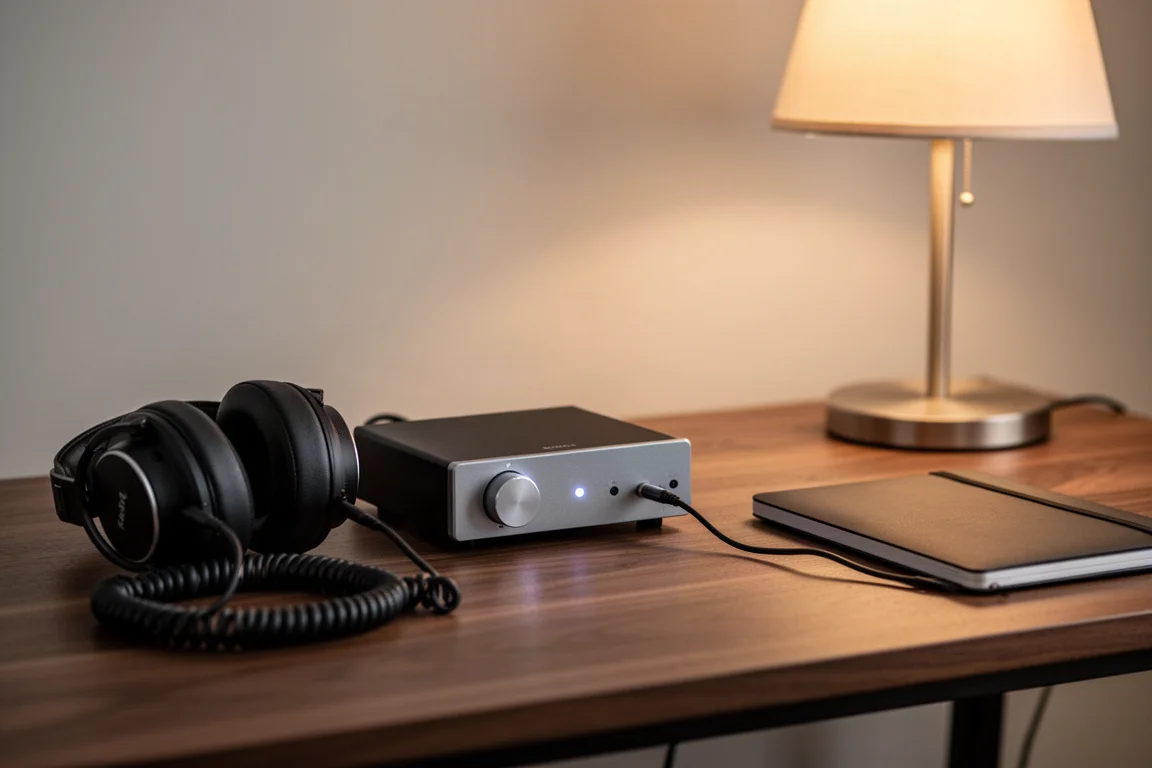
With an 18 ohm impedance, the Para is easy to drive in terms of voltage but still wants real current. A desktop amplifier delivering roughly 1.5 to 2 watts handled it comfortably, with the volume dial sitting around the three o’clock position for listening louder than usual. That is a useful reference point rather than a requirement, and most headphone amplifiers will drive the Para without trouble. A little tone control on the amplifier side is worth having, though, because it is the simplest way to add the low-end weight the stock tuning holds back.
Things to Consider Before Buying
The most important consideration is bass. Listeners who want punch and slam without touching an equalizer will find the Para thin at the bottom, and a warmer alternative such as the HiFiMan Edition XS, which sits around $500, may suit that preference better. The Para is at its best with a small bass shelf applied through tone controls or EQ, and it responds well to that kind of adjustment.
Availability is worth checking as well. At the time of writing the Para is sold as a pre-order rather than as an in-stock item, so buyers should confirm the shipping timeline before ordering.
Finally, headphones cannot replicate what a good speaker system does with space. The Para will not lay a performance out in front of a listener, and it will not produce the same sense of immersion that a well-set-up pair of speakers can. What it removes instead is the room, and for many listeners that trade is the whole point.
EQ and Tone Shaping
The Para does not need dramatic correction. A small boost at the bottom end is enough to bring the sound signature to a preferred balance, and nothing about the mid-range or the treble asks for attention. Listeners who enjoy tuning their system will find plenty of room to experiment here, and listeners who prefer to leave things alone still get a clean, detailed presentation straight out of the box.
Buying Advice
At $299.99, the Para lands in the price bracket that has been defined for years by the HiFiMan Sundara. On instrument separation, build, comfort, and sealing, the Para makes a strong case for itself, and its magnetic pad system is quicker to work with than the usual mounting arrangement. Which of the two a listener prefers will come down to taste, but the Para is no longer an obvious second choice.
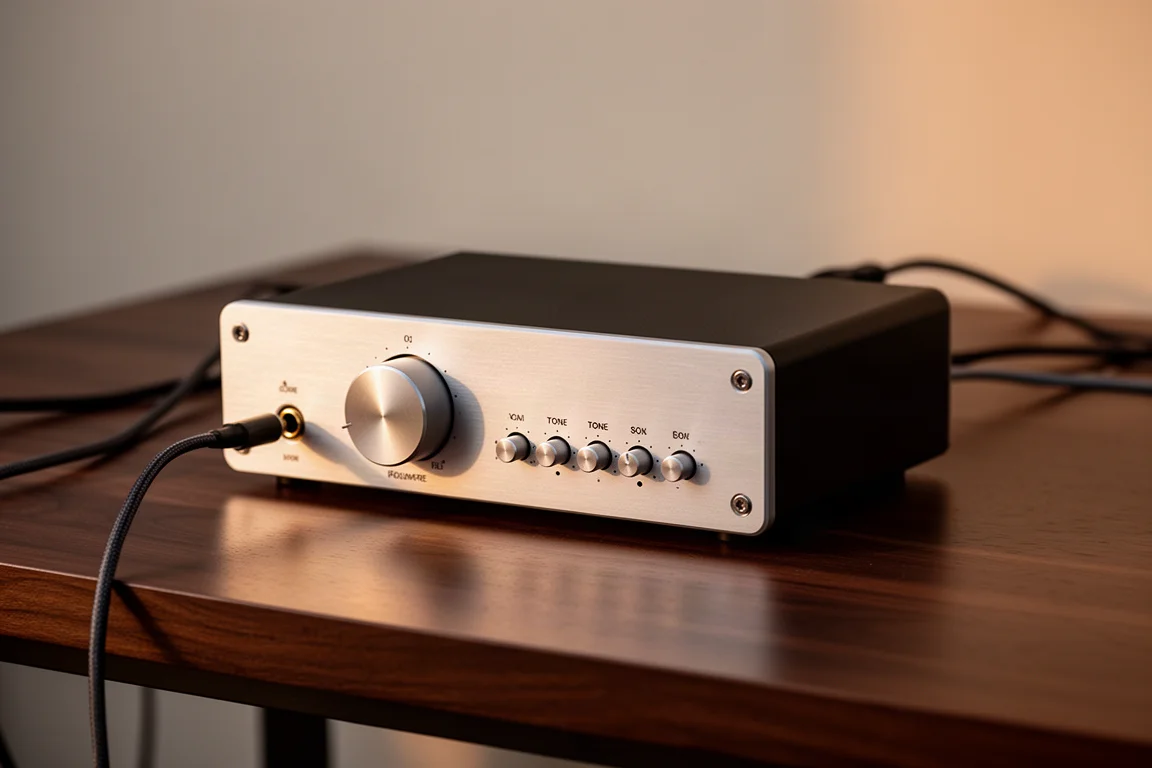
Driving it is not a barrier either. Most headphone amplifiers will manage the Para without difficulty, which means the total cost of ownership stays close to the price of the headphone itself. For anyone building a first serious headphone setup, that combination of price, comfort, and detail is difficult to argue with.
Conclusion
The Moondrop Para is a detail-first headphone at a price that makes high-fidelity listening genuinely accessible. Its magnetic earpads, light suspension frame, and 100 mm planar magnetic drivers are supported by a tuning that separates a mix cleanly without becoming tiring over long sessions. The low end is restrained out of the box, and buyers who want more weight will need a small bass boost or a warmer headphone. For everyone else, the Para is an easy recommendation and a serious option in the $300 bracket.
Product link
View more details for Moondrop Para
This product is mentioned in the review. Check the specifications, options, and compatibility before buying.
View more details for Moondrop ParaFurther reading
Related Reviews
Headphones
Apos Audio Caspian Review: Warm Bass, Solid Build, and a Detail Trade-Off
The Apos Audio Caspian is an easy-to-drive open-back headphone with standout bass and a warm, relaxed tuning, though mid-range and treble detail trail the competition.
Headphones
Audeze LCD-X vs LCD-XC vs LCD-3: Which High-End Headphone Fits Your Setup
A practical comparison of three Audeze planar magnetic headphones under $2,000, covering the open-back LCD-X, the closed-back LCD-XC, and the wood-ringed LCD-3.
Headphones
Audeze LCD-X vs HiFiMan Edition XS: Two Open-Back Headphones Compared
A practical comparison of the Audeze LCD-X and the HiFiMan Edition XS, covering build quality, comfort, sound signature, and which listener each one suits.