Speakers
Moondrop M4P Review: A Compact Nearfield Monitor With Real Mid-Bass Punch
The Moondrop M4P is a compact two-way monitor speaker with a wide horizontal stage, useful in-room bass reach, and clearly defined output limits worth understanding before you buy.
Introduction
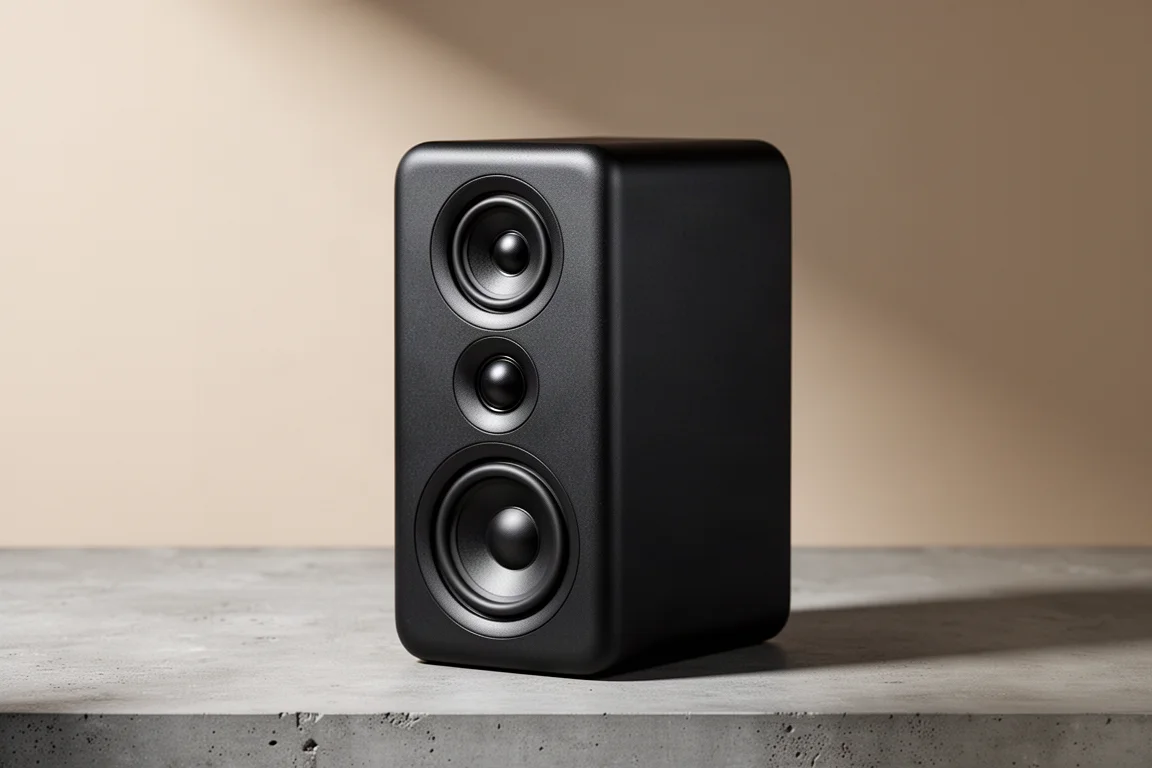
The Moondrop M4P is a two-way monitor-style speaker sold as a pair for around $920. Each cabinet houses two 4-inch carbon cone woofers arranged above and below a 1-inch aluminium-magnesium dome tweeter, with the crossover set at 1800 Hz. Rated power input is 75 watts with a 150 watt maximum, sensitivity is specified at 85 dB, and the nominal impedance is listed at 4 ohms. Each speaker weighs roughly 6.2 kg, about 13 to 14 lbs, and the range is offered in matte white or matte black.
These are monitor-style speakers, which means they are built to stand upright. Laying them on their side is not how they are meant to be used, and the vertical driver arrangement is a large part of the reason why.
Who the Moondrop M4P Is For
The M4P is designed around nearfield listening. With two small 4-inch woofers per cabinet, the speaker stays compact enough to sit close to a desk or a working position, and a listening distance of around one meter is a sensible target. At that distance the output of both woofers and the tweeter arrives as a coherent whole, and the speaker plays to its strengths.
Listening from further back is entirely possible. From roughly 10 feet, or about 3 meters, the overall tonal balance still came across well and the character of the speaker remained recognisable. The trade-off is that the further you sit, the more level you need, and that is where the limits of this design begin to show.
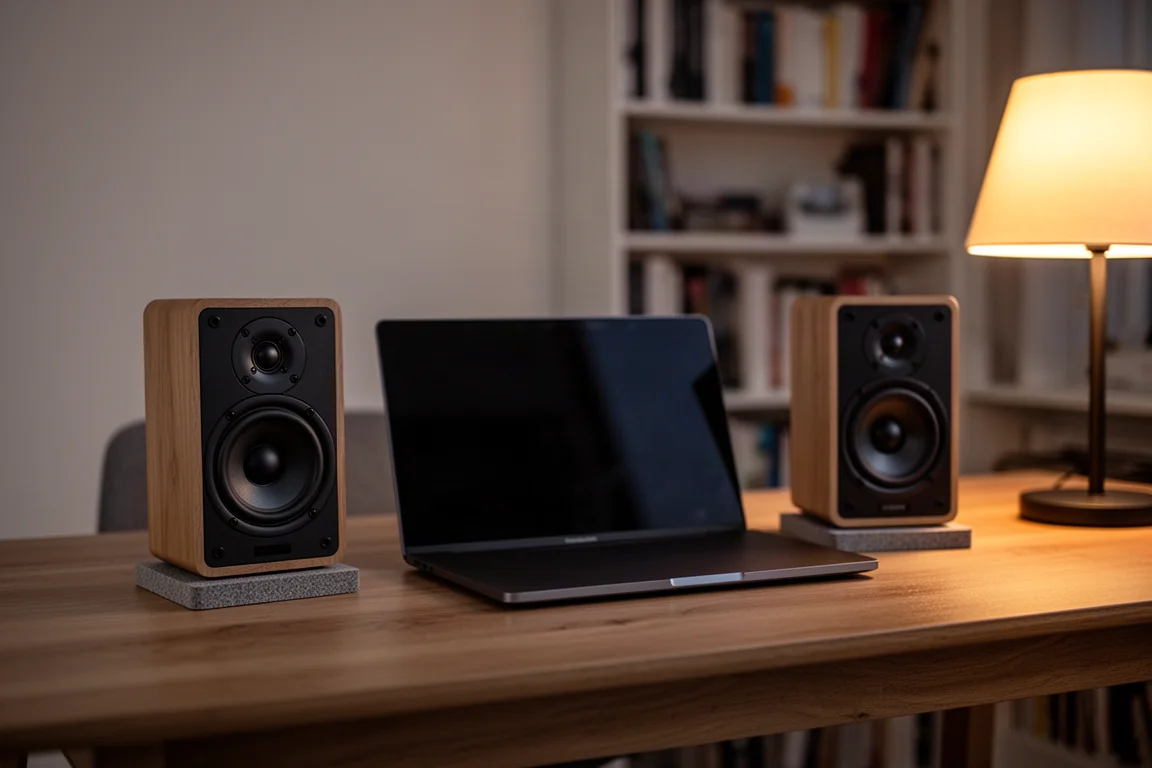
Vertical placement matters more here than on many speakers. The useful window is about plus or minus 20 degrees off the tweeter axis, and sitting directly on that axis is the safest choice. In the nearfield, a small change in seat height or speaker height is enough to move you outside that window, which softens the upper midrange and reduces attack and the clarity of voices.
In a farfield setup that same angle is easier to satisfy, because sitting well above or below the tweeter line is harder to do at 10 feet. Even so, the M4P rewards a little care with alignment, and the payoff is a more consistent, more articulate midrange.
Main Strengths: Balanced Tonality and a Wide Soundstage
Tonality is the strongest argument for this speaker. Across extended listening there was very little to object to in the overall balance, with only a couple of small deviations standing out rather than any broad tonal problem. That is a good place for a compact monitor to land.
The second clear strength is mid-bass impact. There is a noticeable lift in the roughly 100 to 160 Hz region, and it gives the speaker a sense of deeper bass than the cabinet size suggests. This is not true low-frequency extension so much as heightened mid-bass, where the harmonics of a kick drum typically live, and it produces a fuller, more energetic sound. Compared with a larger reference speaker, the M4P carries a little more of this thump. It is not strictly accurate, but it is genuinely enjoyable and many listeners will count it as a feature rather than a flaw.
Horizontal dispersion is the third strength. The speaker radiates widely to the sides, and the result is a broad, enveloping soundstage on material mixed for a wide stereo presentation. A wide pattern also brings the room into the presentation, adding a sense of ambience, without going so wide that the image turns diffuse and loses focus.
Bass Extension, Dynamics, and Output Limits
In-room, the M4P reaches down to roughly 50 to 60 Hz. Measured response is about 3 dB down near 70 Hz and about 10 dB down near 46 Hz, which is respectable for a cabinet this size. The important caveat is that it will not deliver that extension at high volume, and this is the real limitation of the pair.
Push the level up and compression becomes the dominant issue. Through the crossover region the compression is comparatively high, and long-term multi-tone testing at 70, 78, 88 and 96 dB steps shows progressively more compression and more distortion as the level rises. Instantaneous compression measured around 1.5 dB, alongside roughly 3 dB of added distortion, which is where dynamic range is being lost. The clearest practical example came from hand claps on a dense pop recording, which sounded thin once the volume climbed.
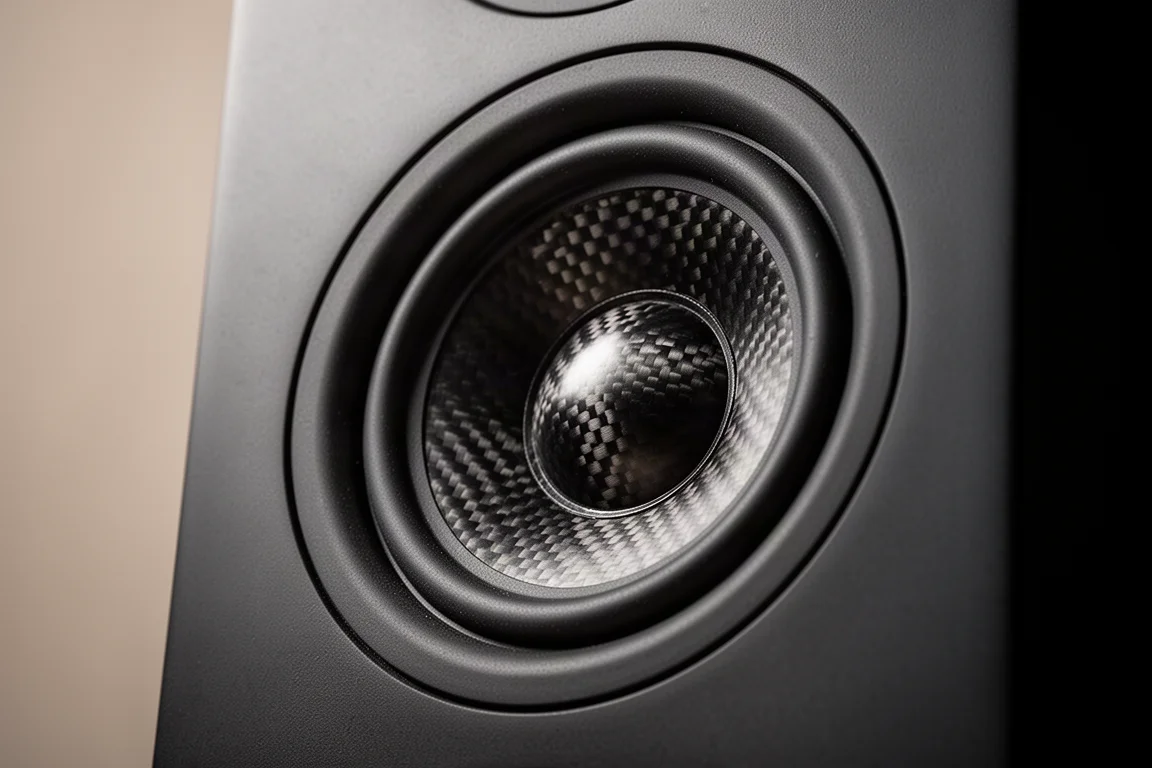
Harmonic distortion is well controlled at moderate levels, around 86 dB, and only becomes prominent at 96 dB. It is also predominantly second-order in character, which makes it less troublesome to the ear than the raw figure suggests. Adding a subwoofer does not meaningfully change the distortion picture, since the limitation sits higher in the range than a subwoofer would cover.
The practical summary is straightforward: this is an output-limited speaker rather than a tonal problem speaker. Used at sensible levels, especially up close, it holds together well. Driven hard in a large room, it runs out of headroom before it runs out of composure.
Things to Consider Before Buying
There is a touch of sibilance from time to time, tied to a bump in the roughly 4 to 8 kHz region. It is not persistent, but on bright recordings it can draw attention to itself.
The top end also rolls off. Even pointed directly at the listening position, the treble sits around 2 to 3 dB below a linear response, and that is before comparing it with speakers that add 2 to 5 dB of lift above about 4 kHz. If you equate that kind of treble lift with detail and resolution, this speaker will not deliver it. Listeners who find boosted treble fatiguing will likely prefer what the M4P does instead.
There is a mild upper midrange dip as well, which can read as recessed or warm depending on the recording and the room. The mid-bass lift described earlier is the counterpart to that dip, and which of the two you notice first will depend on your room and your taste.
Finally, the vertical window is genuinely narrow, as covered above. That is a real constraint in a desktop setup, where a few centimetres of height can change what you hear.
Directivity, Placement, and Room Interaction
Horizontally, the speaker holds a wide pattern of about plus or minus 60 degrees through the midrange, narrowing only modestly to roughly plus or minus 50 degrees at the tweeter. That consistency is what produces the broad stage. There are, however, a couple of narrower features in the directivity: a resonance in the upper range and a dip through the 3 to 4 kHz region, along with some nonlinearity around 1 kHz.
The vertical behaviour is explained by the driver layout. With two midwoofers sitting above and below the tweeter, those woofers begin to cancel each other as they reproduce the same frequencies, creating a notch through the midrange. The tweeter then takes over around the crossover point, where those cancellations no longer apply. The consequence is that as you move above or below the tweeter axis, you hear progressively less upper midrange.
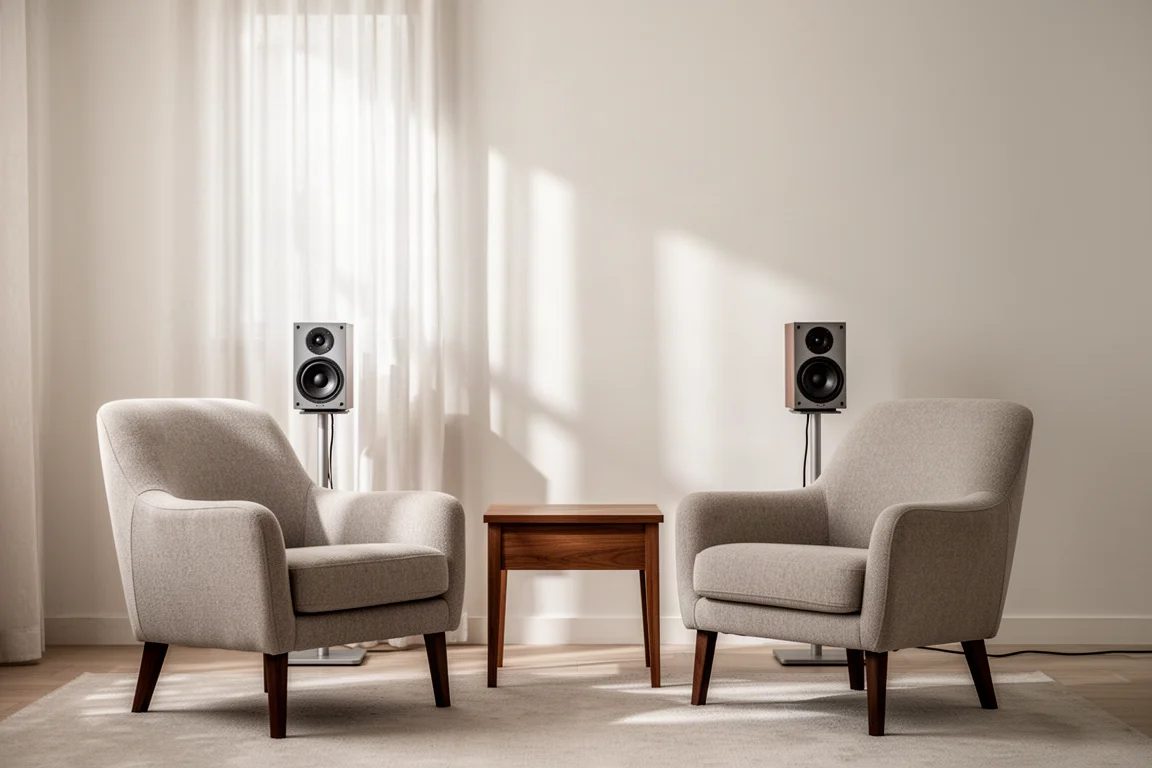
One useful upside is consistency. The tonal balance on axis and at roughly 30 degrees of toe-out are closely matched, so if you need to spread the speakers outward into the room or move between seats, the character of the sound stays largely the same rather than shifting noticeably from position to position.
There is also a small amount of stored energy visible high up in the decay behaviour, most likely from the tweeter. It is a minor characteristic rather than a defining one.
Amplification and Setup Notes
Impedance behaviour deserves a mention. Minimum impedance measures around 3.7 ohms and minimum EPDR around 1.7 ohms, which means the speaker presents a genuinely demanding load at some frequencies. For long listening sessions, pairing it with a class AB amplifier calls for a little more care around heat capacity, while class D designs are typically more thermally efficient and tend to leave more room in reserve.
Setup is mostly about the tweeter axis. Aim the speakers so your ears sit level with the tweeter, keep the nearfield distance around a meter where possible, and accept a modest toe-out if you want a slightly wider presentation. The tonal balance holds up either way.
Power ratings are 75 watts rated and 150 watts maximum, so there is no need for an unusually powerful amplifier. What matters more is sensible level expectations rather than raw wattage.
Buying Advice
Buy the Moondrop M4P if you listen up close. On a desk, at a mixing position, or in a small room at moderate levels, it delivers a balanced tonal signature, a satisfying mid-bass lift, and a wide, enveloping stage that makes well-mixed stereo recordings genuinely enjoyable. That combination is hard to find at this size.
Look elsewhere if your priority is high-volume farfield playback or a bright, forward treble. The M4P is output limited, and its treble rolls off rather than lifts. Neither trait is a defect, but both are choices you should make knowingly.
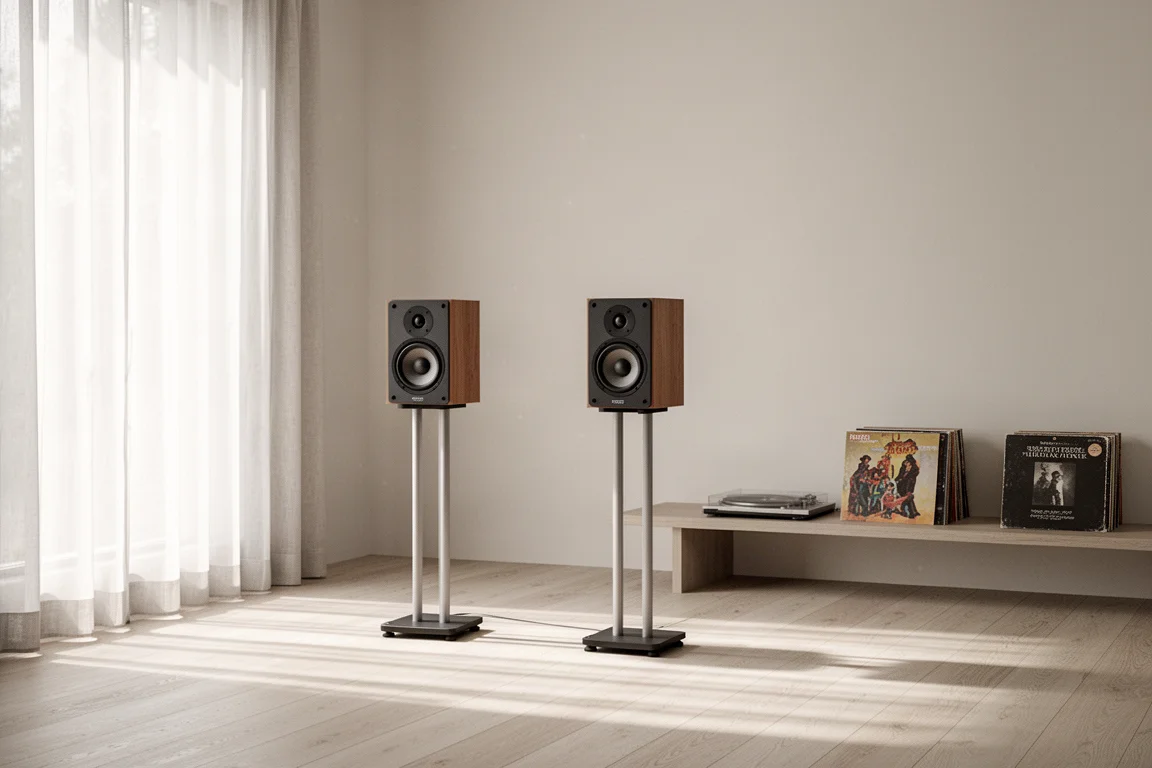
At around $920 for the pair, in either matte white or matte black, the M4P sits in a considered price bracket for a compact monitor. If your listening happens within about a meter and you value tonality and mid-bass impact over maximum output, it is a confident choice.
Conclusion
The Moondrop M4P is a good speaker with one clear boundary. Its tonality is well judged, its mid-bass gives music real punch, and its horizontal dispersion produces a wide and engaging stage. Its limitation is dynamic range at higher volumes, along with a narrow vertical window and a gently rolled-off top end.
Used as intended, in the nearfield at reasonable levels, it sounds very good indeed. Used as a high-output farfield speaker, it becomes a gamble. Match it to the way you actually listen and it will reward you.
Product link
View more details for Moondrop M4P
This product is mentioned in the review. Check the specifications, options, and compatibility before buying.
View more details for Moondrop M4PFurther reading
Related Reviews
Speakers
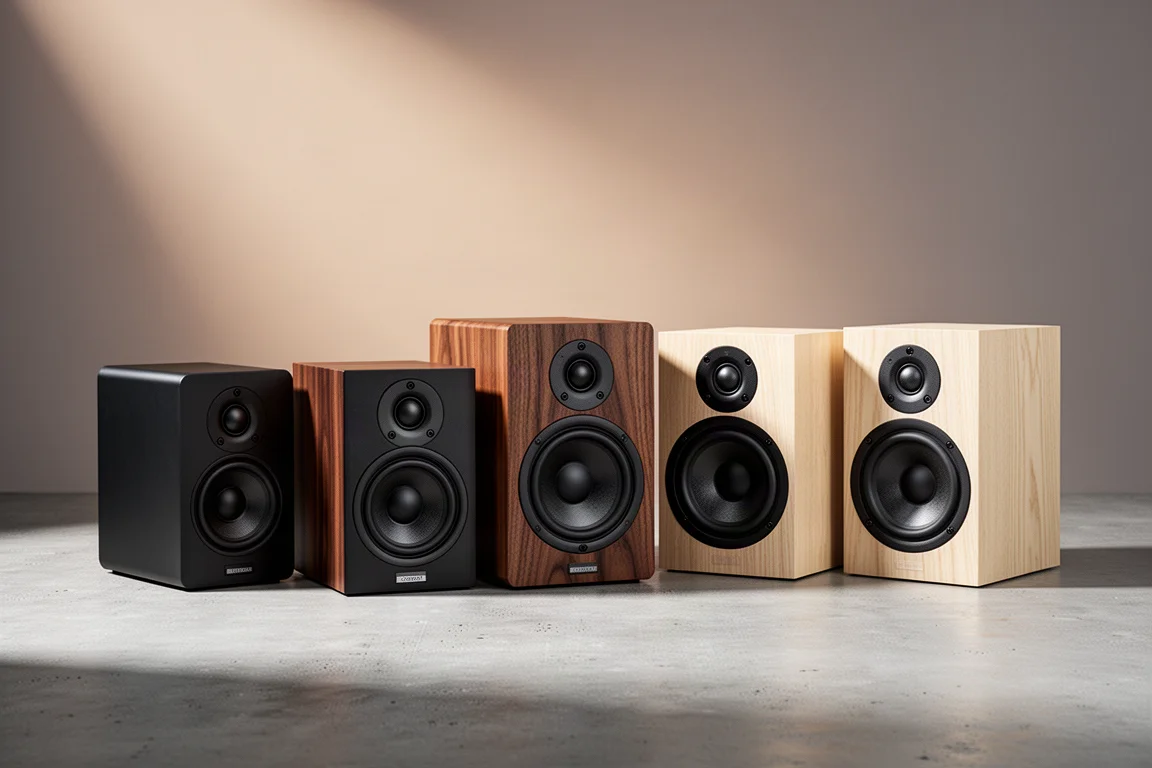
13 Under-the-Radar Speakers Still Worth Buying
Thirteen speakers that quietly stayed in production while newer models took the spotlight, from budget bookshelf pairs to a full-size tower.
Speakers
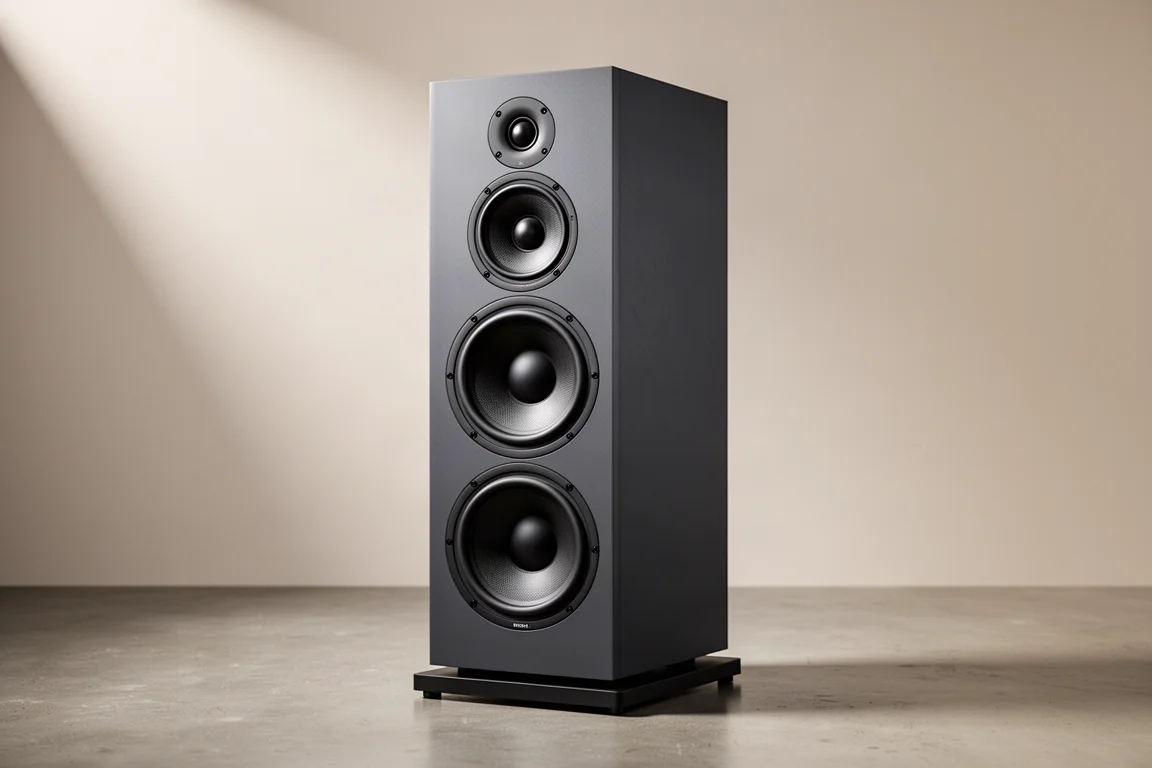
Arendal 1528 Monitor 8 Review: A Three-Way Standmount With Serious Dynamic Headroom
A three-way standmount speaker with extremely low distortion, high output capability, and deep bass for its size, plus the setup details worth knowing before buying.
Speakers
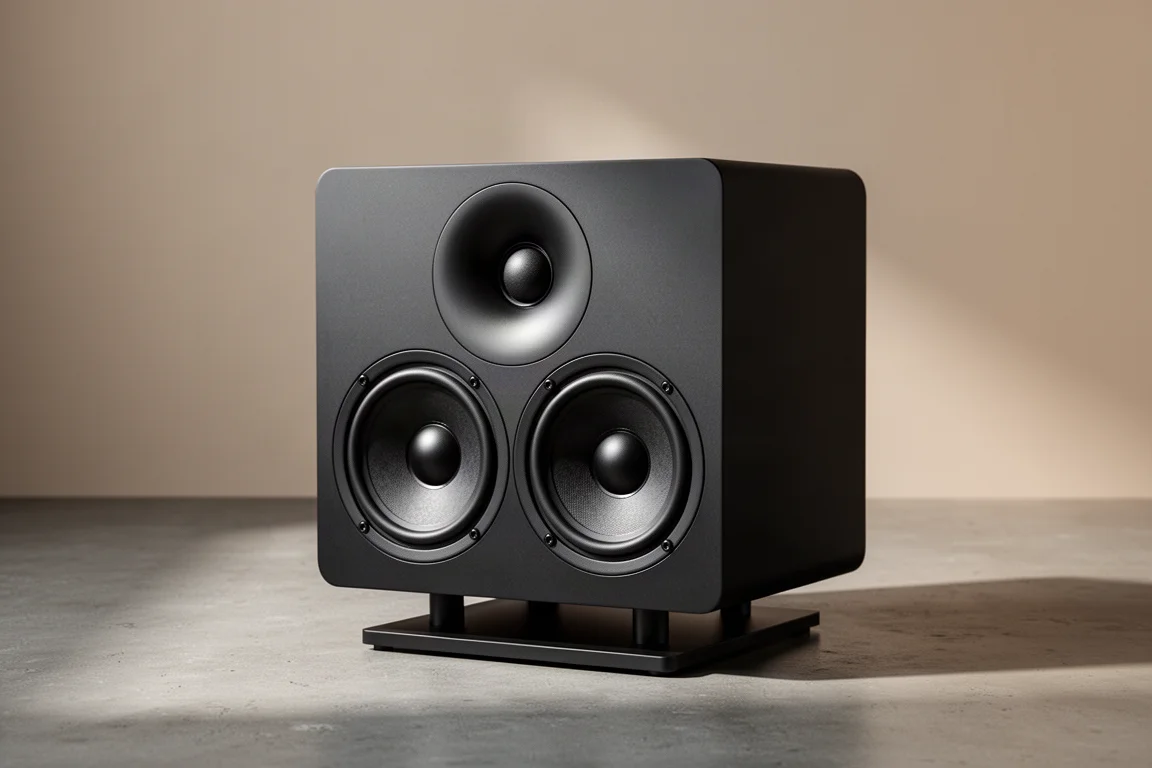
Arendal 1723 Monitor S Review: A Compact Monitor With Serious Ambition
A close look at the Arendal 1723 Monitor S, a compact MTM monitor with a waveguide-loaded tweeter, an HDF cabinet, and flexible ported or sealed operation for music and home theater.