Tower Speakers
Monitor Audio Silver 500 7G Review: A Lively, Classy Tower Speaker
A true three-way tower with a gold dome tweeter, dual 8-inch woofers, and a finish that earns its place in the living room.
Introduction
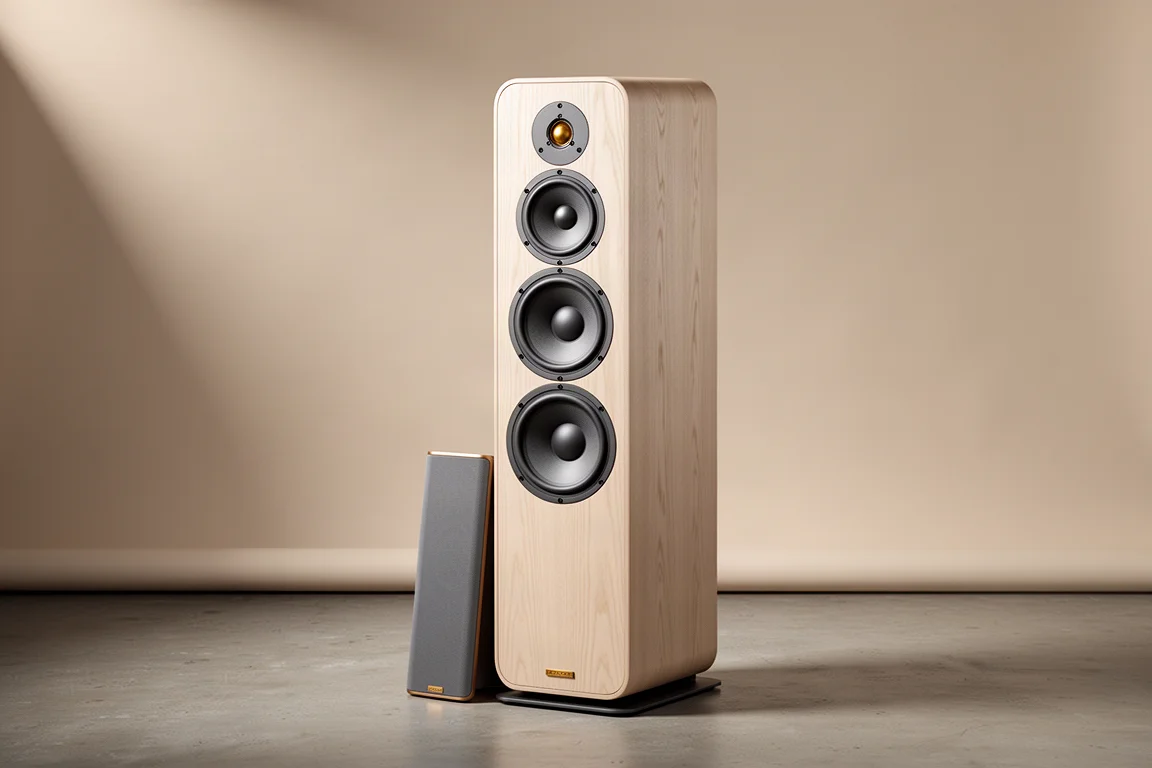
The Silver 500 7G is the largest tower in Monitor Audio’s Silver series, and it is built as a true three-way design. A one-inch gold dome tweeter handles the top end, a three-inch driver covers the mid-range, and two eight-inch woofers take care of the bass. Two rear-facing ports complete the low-frequency picture.
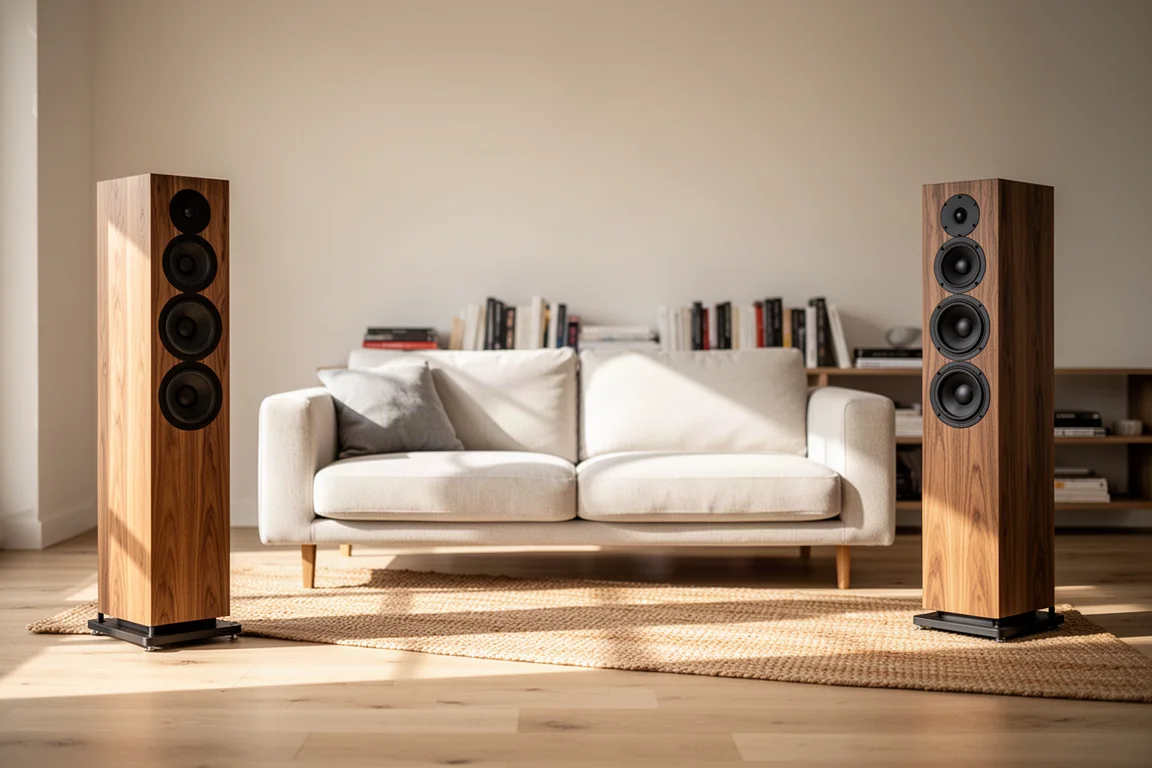
The reported specifications are generous for a speaker of this size: a frequency response of 27 Hz to 35 kHz, a stated sensitivity of 90.5 dB, and a nominal impedance of 8 ohms that can dip to 4 ohms. That impedance dip is the detail worth remembering, because it sets a floor for the kind of amplifier the speaker wants.
What follows is a look at where the 500 7G genuinely earns its place, where it asks for a little patience, and who should consider it over the many other towers competing for the same space.
Who This Product Is For
The 500 7G suits listeners who want a tower that sounds lively and immediate rather than strictly neutral. Monitor Audio’s house sound leans dynamic, with strong bass impact and a mildly more pronounced top end, and this model continues that character rather than softening it.
It also suits buyers who care about how a speaker looks in a room. The cabinet is available in several finishes, and the ash veneer in particular reads as both modern and classic at once. For anyone who does not plan to hide their speakers behind an acoustically transparent screen, that matters more than a specification sheet suggests.
Finally, it is a sensible fit for mixed music and movie use. The speaker is easy enough to drive that a wide range of integrated amplifiers and even AV receivers can make it sing, as long as they are comfortable with a 4-ohm load.
Design and Build Quality
The ash finish is the standout. The veneer grain is paired with grey-toned woofers and the gold dome tweeter, and the combination is subtle rather than showy. The magnetic grilles follow the curved cabinet shape closely, and the overall silhouette is slimmer and less imposing than some rivals, which makes it easier to place in a normal room.
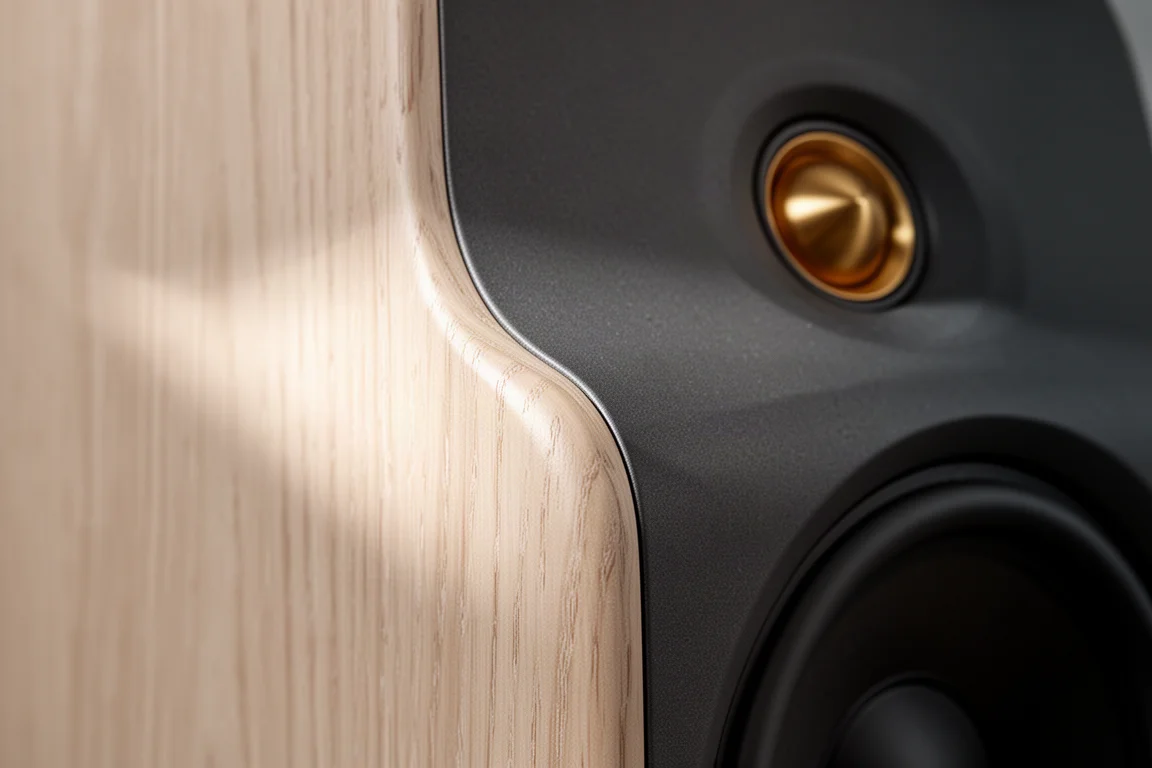
Build quality is a clear step above the brand’s entry-level Bronze series. In direct comparison the finish and materials sit in a different league, and the wood veneer reads as the real thing rather than a printed wrap.
The one weak point is the feet. They add stability, but they look like an afterthought, and in testing they made no audible difference either way, so they are easy to leave in the box.
Sound Quality: Bass, Midrange, and Treble
Bass performance depends heavily on the material. At first the dual eight-inch woofers can seem a touch light for their size, with excellent snap at the point of attack but less apparent weight. Feed them a genuinely deep, rolling low-frequency line and the picture changes: the speaker digs well down into the basement, stays taut, and does not strain or distort. There are minor cabinet resonances around the woofer area, but they did not colour the deepest notes.
Across the rest of the range, the 500 7G favours agility over brute force. That gives it a more immediate presence than a strictly neutral speaker would have.
The mid-range is clear and highly intelligible, though not perfectly neutral. There is a slight rise in energy as you approach the tweeter, which leaves the presentation feeling a touch cool or lean rather than rich. Listeners who enjoy a livelier, more dynamic tone tend to like this. Those who want the darkest, most relaxed mid-range will notice it.
The gold dome tweeter is energetic, extended, and detailed without tipping into harshness. Brass instruments keep their sheen, and the tweeter stays composed with little grain even at high volume, although it does become more directional as levels rise.
Soundstaging is good rather than exceptional. Width and depth are both solid, but the centre image is broad rather than laser focused, and it drifts when you move off axis. Toe-in helps. In a multichannel setup with a dedicated centre channel, that limitation largely disappears.
Setup, Placement, and Amplifier Matching
Because the 500 7G is rear ported, it needs some space behind it. Push it too close to the front wall and the bass can become overpowering and potentially boomy. Pull it too far out and the sound can turn lean, forward, or a little bright. In practice, roughly a foot of clearance from the front wall was enough to find the best balance, which is a modest demand for a tower of this size.
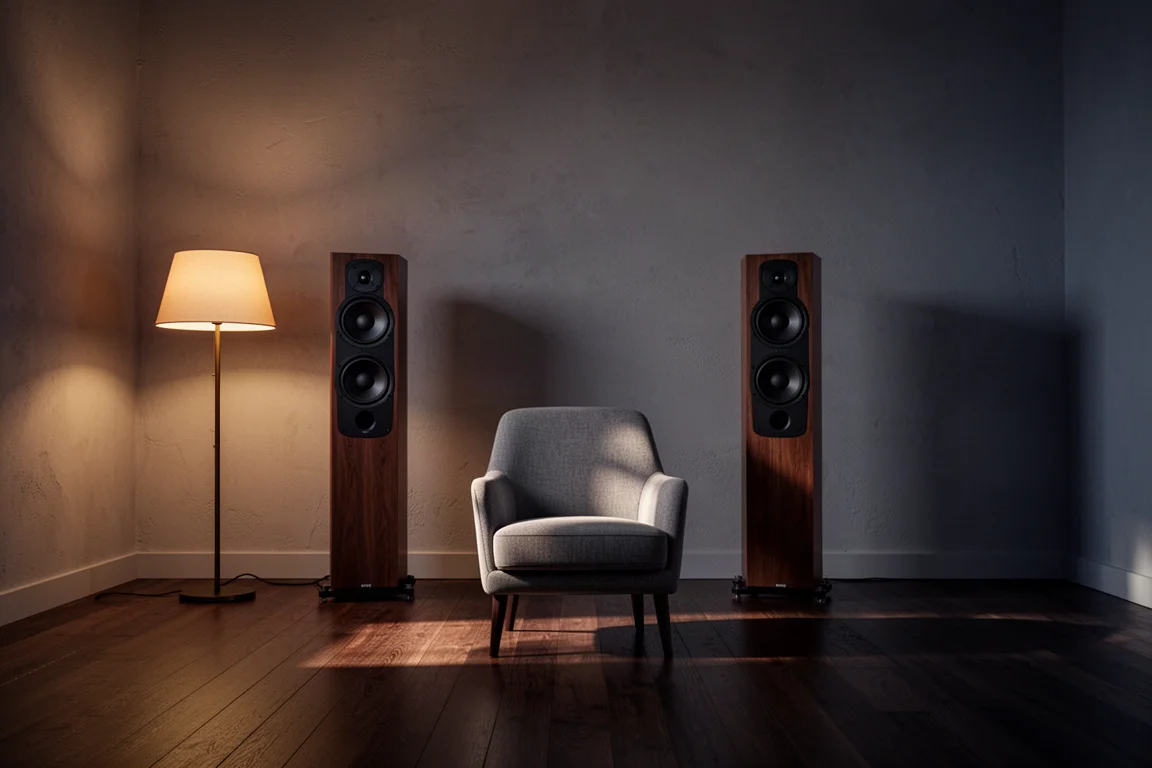
Monitor Audio recommends some toe-in, and it is worth experimenting with the angle to taste.
Power requirements are forgiving. The speaker is not difficult to drive, so it pairs well with a wide range of integrated amplifiers and AV receivers, provided the amplifier is happy driving a 4-ohm load. It performed well with several different amplifiers during testing, including a McIntosh 7200, an Audiolab 6000A Play, an Audiolab Omnia, a Pioneer Elite 305, and an Onkyo RZ50. The McIntosh and the 6000A Play delivered the strongest results, while the RZ50 handled most of the listening and remained enjoyable with and without room correction applied.
Things to Consider Before Buying
Tone is the first thing to weigh. The Silver 500 7G is lively and engaging rather than neutral, and that character never fully recedes into the background. Even at low volumes it tends to draw attention to itself, which is a virtue for some listeners and a distraction for others.
Deep bass is material dependent. If you want maximum low-frequency weight at all times, a subwoofer may still be necessary.
The centre image is broad rather than tightly focused when the towers run on their own, so buyers who want a precisely etched three-dimensional centre should factor that in. The matching centre channel in the Silver series has a smaller driver complement than the towers, which makes it a strong partner for the step-down models but a slightly modest one for the 500 7G in a home theatre build.
Finally, the feet are best treated as optional.
How It Compares to Other Tower Speakers
Against the Focal Aria and Aria K2, the 500 7G holds its own while costing less than some of those alternatives, and it makes fewer demands of the amplifier. The Focal K2 has the edge on sound, but the Monitor Audio is the easier and more attractive ownership proposition.
Against the PSB Synchrony T600, the 500 7G is the friendlier speaker. It plays nicely with a wider range of electronics, where the PSB tends to need more investment upstream to reach its potential.
Against the Klipsch 8000F, the two share a similar lively, dynamic character, and both suit a broad range of music and film material. The Monitor Audio is finished to a higher standard and takes up less floor space. On sound quality alone either could satisfy; on looks, the 500 7G wins clearly.
The Focal Chora 826 is a closer match. The Chora has the better soundstage definition and focus, while the 500 7G has the better fit and finish. On overall sound, it is close to a coin toss.
The Magnat Transpuls costs far less and is not built to the same standard, but it offers a more neutral presentation and represents strong value. Buyers who prioritise neutrality and budget will find it compelling.
Against the KEF towers, the KEF pair is physically smaller and slightly more affordable, and its finish is a vinyl wrap rather than a real wood veneer. Sonically the KEF is more neutral and more subdued, with a better-locked centre image, while the Monitor Audio is the more dynamic and fun listen.
The older Concept 500 is the more neutral speaker by a wide margin, with almost no coloration. The Silver 500 7G counters with size, looks, and the upper mid-range and treble energy that many listeners find more engaging.
Compared with Monitor Audio’s own Bronze series, the sonic gap is not night and day, but the build quality gap is enormous. The Silver series looks and feels like a premium product in a way the Bronze does not.
Buying Advice
The Silver 500 7G makes the most sense for buyers who want a tower that is dynamic, easy to drive, and genuinely handsome in a living space. It rewards a wide range of amplifiers, works for both music and film, and asks only for about a foot of clearance behind it.
The trade-offs are clear rather than hidden. If absolute neutrality is the goal, other speakers in this comparison deliver it more completely. If a tightly focused centre image is essential, plan on adding the matching centre channel, or look at a design with a more locked-in presentation.
For everyone else, the case is straightforward. This is a well-rounded, enjoyable speaker with a finish that makes it easy to keep on display, and a speaker that stays on display is a speaker that gets used.
Conclusion
The Monitor Audio Silver 500 7G is a refinement rather than a reinvention. It keeps the lively, dynamic character the brand is known for, adds a genuinely premium finish, and stays forgiving about the electronics behind it. Its bass can surprise you when the material calls for it, its mid-range and treble favour energy over neutrality, and its centre image is broad rather than surgical. Buyers who value design, driveability, and an engaging listen will find a great deal to like here.
Product link
View more details for Monitor Audio Silver 500 7G
This product is mentioned in the review. Check the specifications, options, and compatibility before buying.
View more details for Monitor Audio Silver 500 7GFurther reading
Related Reviews
Tower Speakers
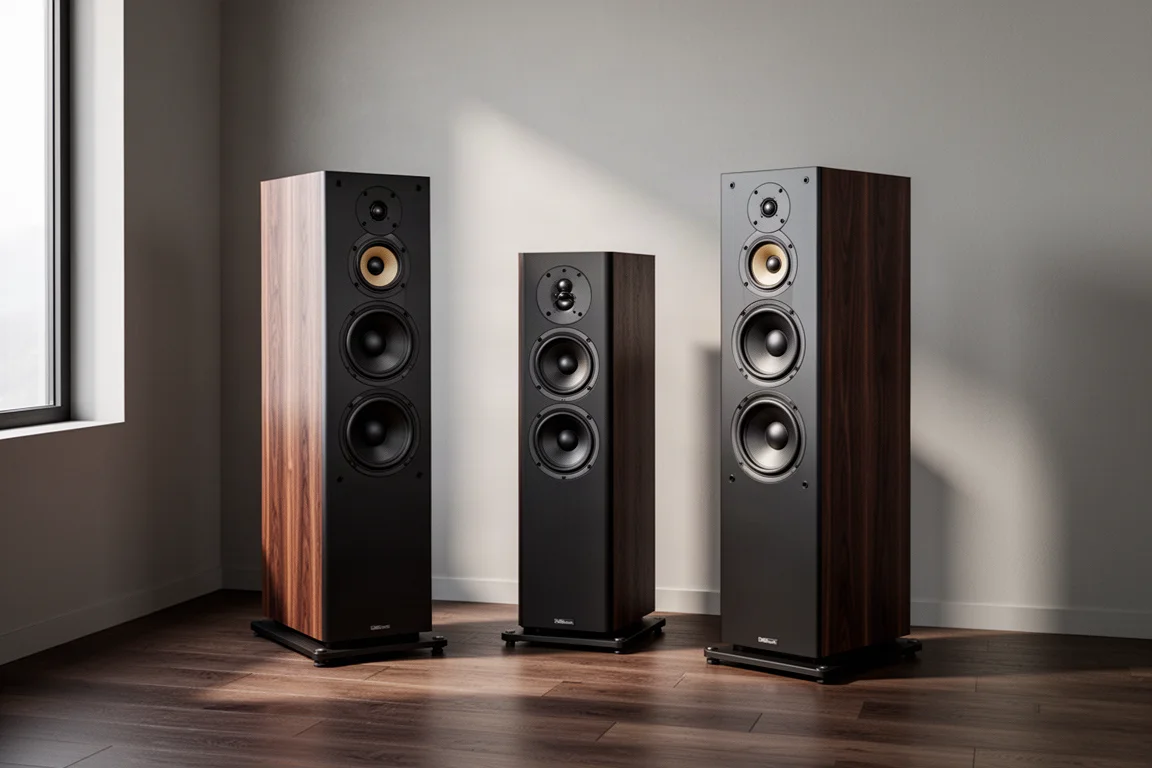
Arendal 1610 Tower 8 vs MoFi SourcePoint 888 vs MoFi V10: Three Tower Speakers Compared
A close look at three large tower speakers in a similar price bracket, from the punchy, heavy-built Arendal 1610 Tower 8 to the coaxial MoFi SourcePoint 888 and the high-output MoFi V10.
Tower Speakers
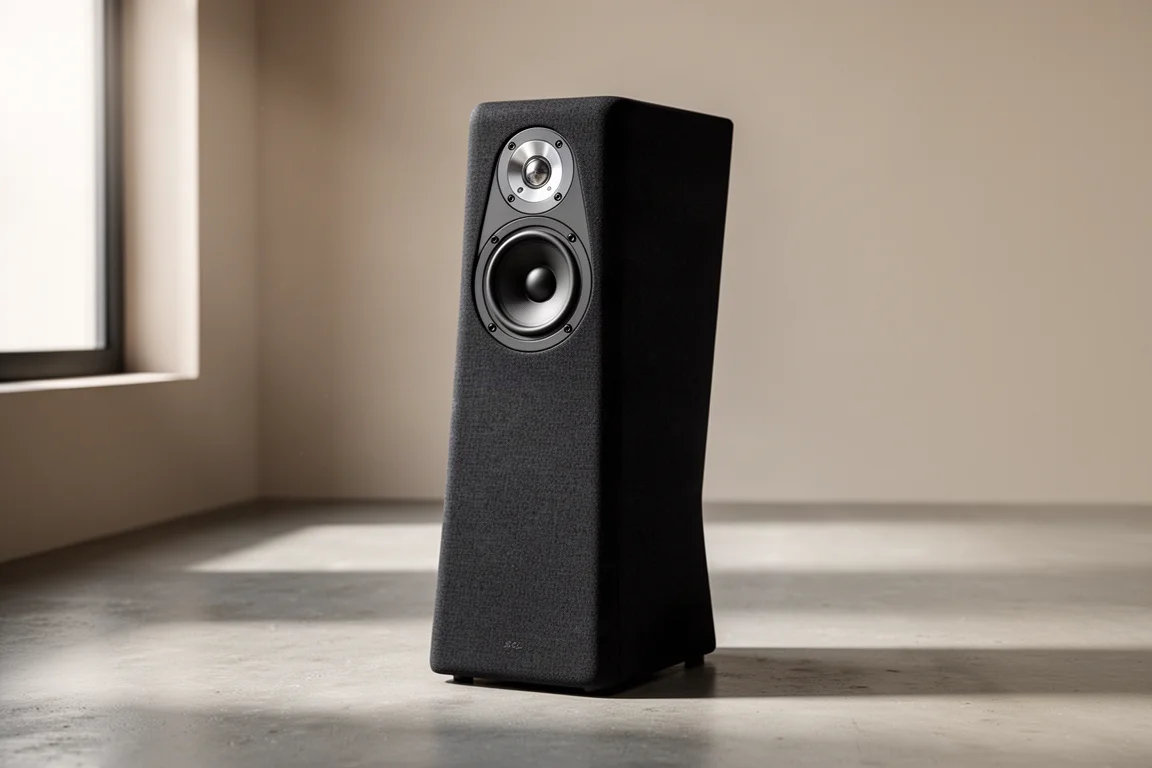
Definitive Technology BP9020 Review: A Powered Tower With Real Bass and a Few Quirks
A slim tower speaker that hides a powered 8-inch subwoofer inside the cabinet, delivering deep bass and a wide stage alongside some clearly defined trade-offs.
Tower Speakers
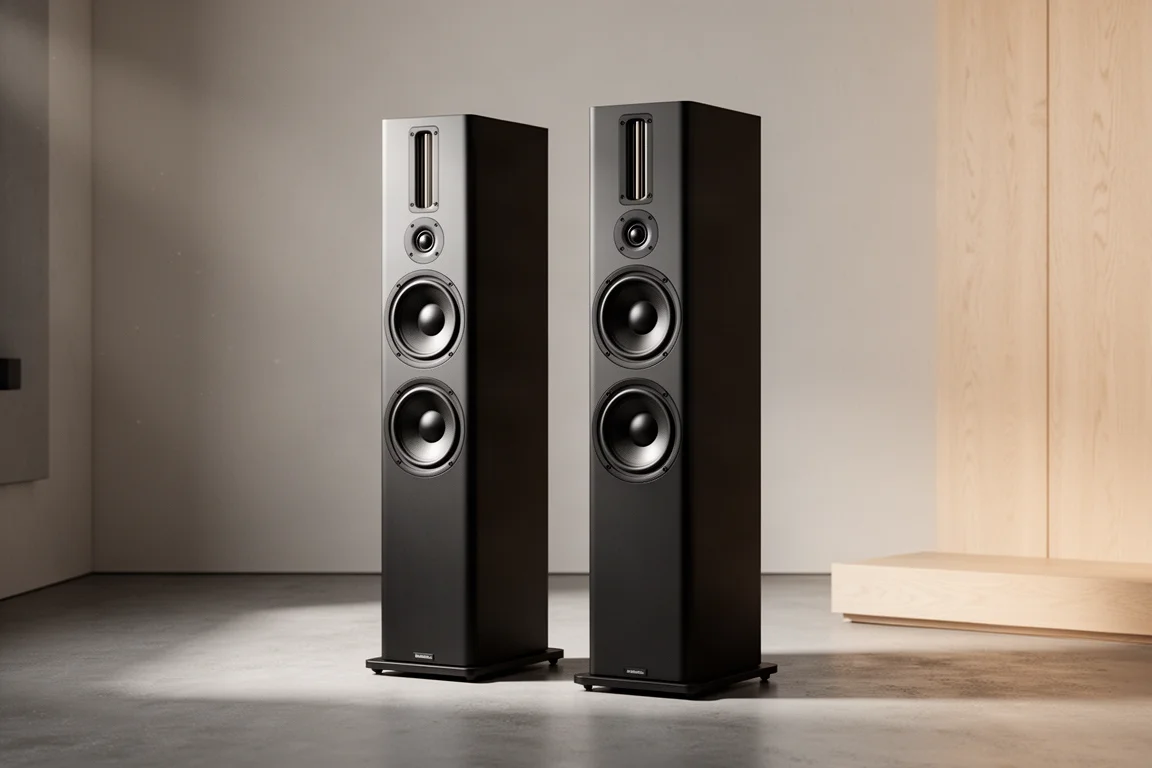
Emotiva XT1 Tower Speakers Review: Serious Clarity Under $1,000
The Emotiva XT1 brings three woofers, a dedicated midrange and an AMT tweeter to the sub-$1,000 tower market. Here is where it delivers and what to weigh first.