Headphones
Mojawa HaptiFit Terra Review: Ambitious Swim-Run Headphones That Try to Do Too Much
Bone conduction headphones with haptic controls, MP3 storage, heart rate tracking and AI coaching, but some key features fall short of the premium price.
Introduction
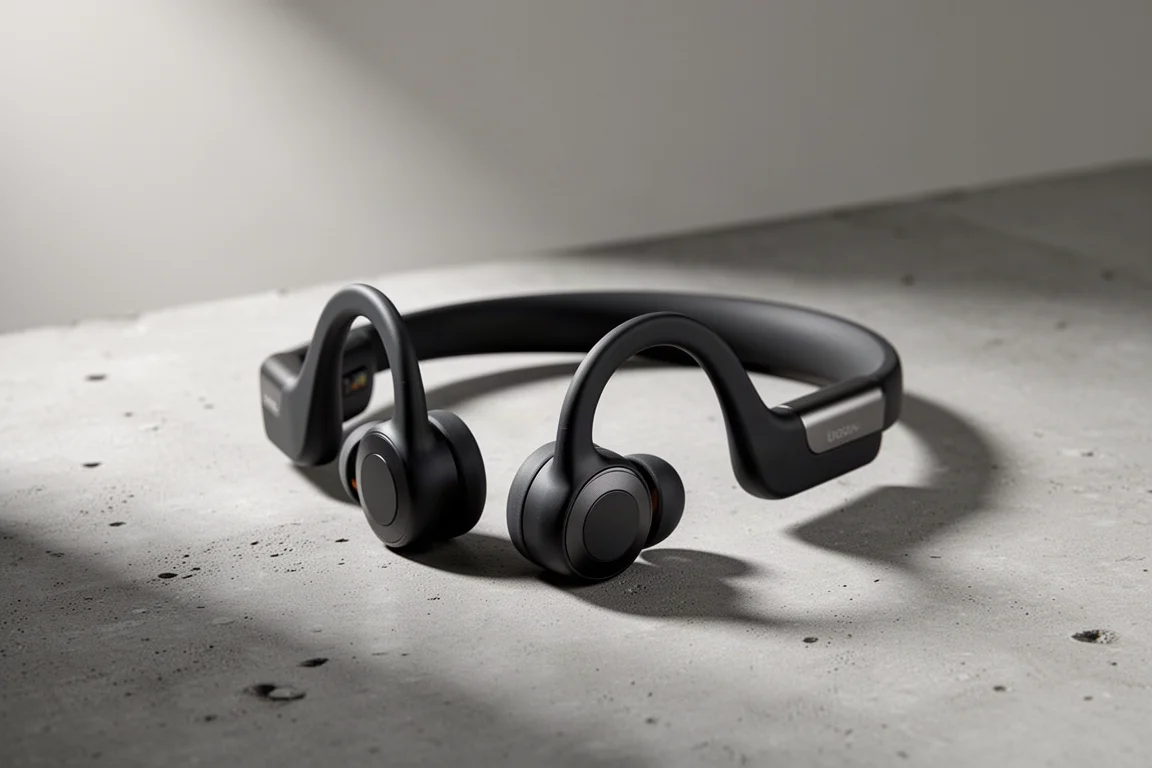
The Mojawa HaptiFit Terra aims to be far more than a pair of running headphones. It packs haptic controls, Bluetooth and MP3 playback with 32 GB of built-in storage, optical heart rate monitoring and AI coaching in the companion app into one bone conduction package. Part headphones, part fitness tracker, part smart coach, it carries a premium £279 price tag. After time on the road, in the pool and in the gym, the picture is mixed: some clever ideas, but a few important features do not work well enough to justify the cost.
Who the HaptiFit Terra Is For
On paper, this is aimed at runners and swimmers who want a single device that tracks, coaches and entertains. Newer runners drawn to that all-in-one promise are the most obvious audience. If you already own a Garmin, Polar, COROS or Apple Watch and use their training tools, the Terra has a harder case to make.

Design and Comfort
The Terra follows the familiar bone conduction blueprint: transducer pads hook over your ears and sit on your cheekbones, leaving your ears open for full situational awareness. The pads connect via a flexible titanium alloy neckband, keeping weight relatively light at 35 g, though that is chunkier and heavier than the 27 g Shokz OpenSwim Pro.
Build quality is solid, with an IP68 rating offering full dust and waterproofing and survival in up to 2 meters of water for up to two hours. That is good news for pool swimming, though not open water. Battery life is listed at 8 hours.
Comfort held up well during extended workouts of up to two hours, with good security from the ear hooks. As with all bone conductors, there is some bounce during dynamic gym work like box jumps, and the neckband can catch on the back of a bench during strength training.
Controls and Connectivity
The controls are less convincing. There are two sets: 3D pressure-sensitive haptic controls on the left pad and tap controls on the side of the neckband. The mix of firm presses, light presses and holds takes real learning, and the volume adjustments are genuinely fiddly. The tap controls for switching between MP3 and Bluetooth modes are hit and miss, and there is no app option to toggle between playback modes either.
Connectivity uses Bluetooth 5.2 with support for two simultaneous pairings, which makes switching between phone and laptop easy. In Bluetooth mode, though, the connection occasionally dropped mid-run. It always came back, but often enough to be a little frustrating.
Sound Quality
You do not buy bone conduction headphones for the best sound quality, and out of the water the Terra delivers standard audio for the category: a bit thin, a bit lightweight, lacking bass and the top volume of regular earbuds. Overall it is not quite as good as the Shokz OpenSwim Pro.
There are four sound modes (Balanced, Swim, Vocal and Enhanced), with little to choose between them out of the water except that Enhanced mode boosts volume noticeably. In noisy situations like running by a busy road, music was easily drowned out, and maximum volume caused more cheekbone vibration than the OpenSwim Pro.
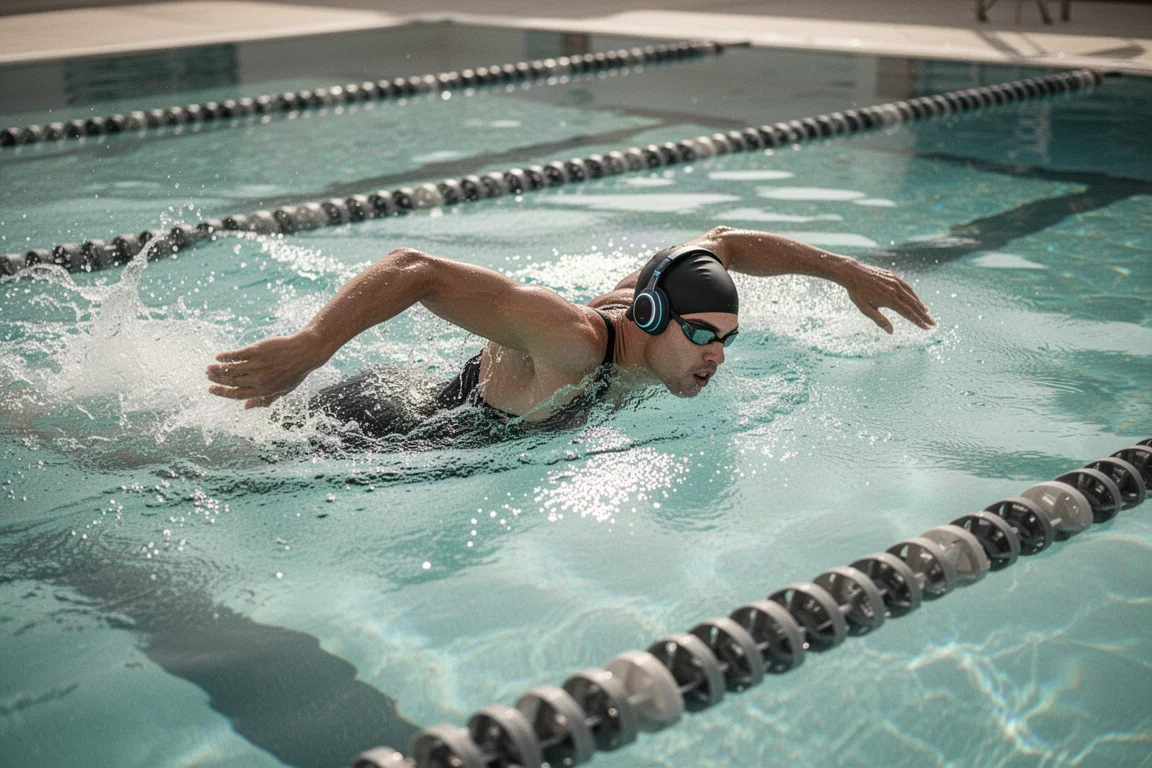
In the pool, the real problems appeared. In MP3 mode, audio kept cutting out every time I pushed off with my head in the water, almost as though the water was triggering the haptic controls, which it should not do in that mode. I did not get a single lap of a 25 meter pool with uninterrupted audio. When sound did come through, it was passable, and if it worked consistently it would provide reasonable in-water entertainment. It simply failed too often.
Music Storage and Playback
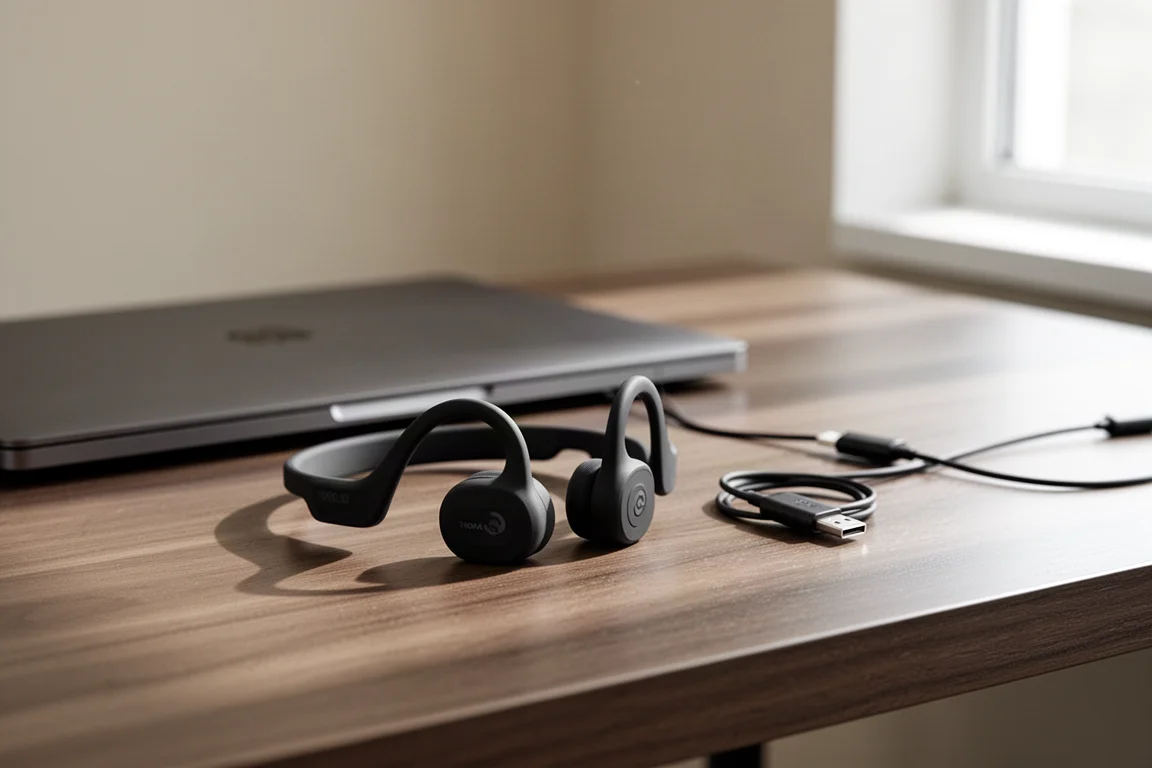
The 32 GB of storage holds around 8,000 songs. Getting music onto the headphones is drag and drop, but you need to own music files and connect the headphones to a laptop, so there is no way to add or manage music from your phone. Helpfully, unlike the Shokz, the cable here is Mac compatible.
The built-in player also lacks playlist management, so you are essentially dumping all your tracks into one big list. There is shuffle and loop mode, which is one step ahead of the OpenSwim Pro, but that is a low bar.
Heart Rate Tracking and AI Coaching
This is where the Terra tries to justify its price, and where it disappoints most. The optical heart rate sensor in the right pad is not the first of its kind in headphones, but in my tests the accuracy was poor. On a one-hour run at an average of 7 minutes per kilometer, the headphones registered an average heart rate of 65 beats per minute, when a Polar H10 chest strap showed close to 116 BPM. The sensor locked at implausibly low values for long stretches, such as 53 BPM for extended periods and an 80 BPM session average on an interval workout that was far more demanding in practice.
Even if the heart rate data were reliable, the Terra does not broadcast heart rate, so you cannot use it as a chest strap replacement for your watch.
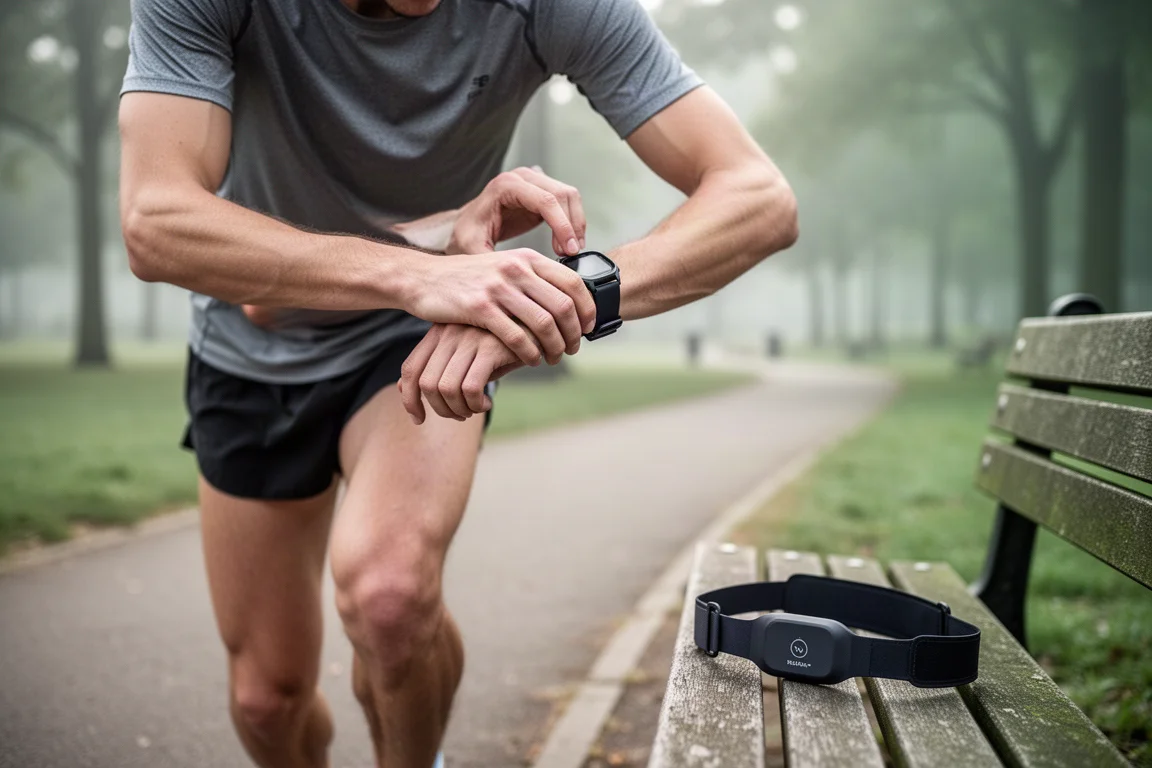
The companion app serves up automatically generated, AI-powered exercise plans after an initial 15-minute benchmark run test. In my case, despite completing multiple runs, the app kept insisting there was no valid running data to set baselines, likely because the low heart rate readings failed to register effort. So I was unable to unlock the plans at all. Even if they worked, runners already invested in watch platforms are unlikely to switch, especially since the app does not currently connect to any third-party services, so you cannot share training data to platforms like Strava.
One genuinely useful feature: the instant audio and vibrating haptic feedback can help you target pace, cadence and heart rate during runs. That could appeal to runners specifically working on those metrics.
Battery Life
The claim is 8 hours at 75% volume, though it is not broken down by Bluetooth versus MP3 mode. Rapid charging delivers an hour and a half of playback from 5 minutes plugged in, and auto on/off does a good job of sparing battery when you take the headphones off.
In real use, a one-hour Bluetooth run at 100% volume burned about 20% of the battery, and a one-hour swim at the same volume in MP3 mode also burned around 20%. That suggests real-world life comes up just short of the listed figure at high volume, though lowering the volume will extend it.
Alternatives Worth Considering
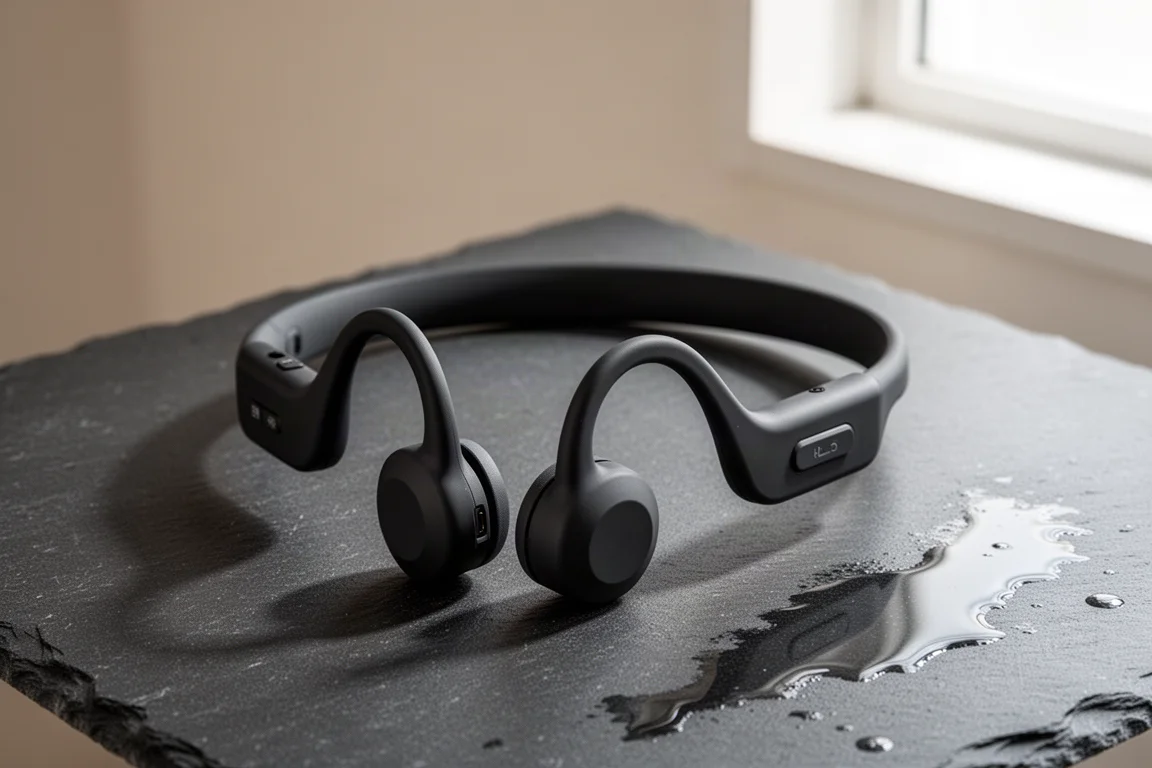
Shokz OpenSwim Pro
Take away the unreliable heart rate sensor and the temperamental AI coach, and you have a set of fitness swim-run headphones that are generally sound. If that is what you are after, the Shokz OpenSwim Pro offers all of that at £69, which is much cheaper, with better overall sound quality and more dependable in-pool playback.
Mojawa Run Plus
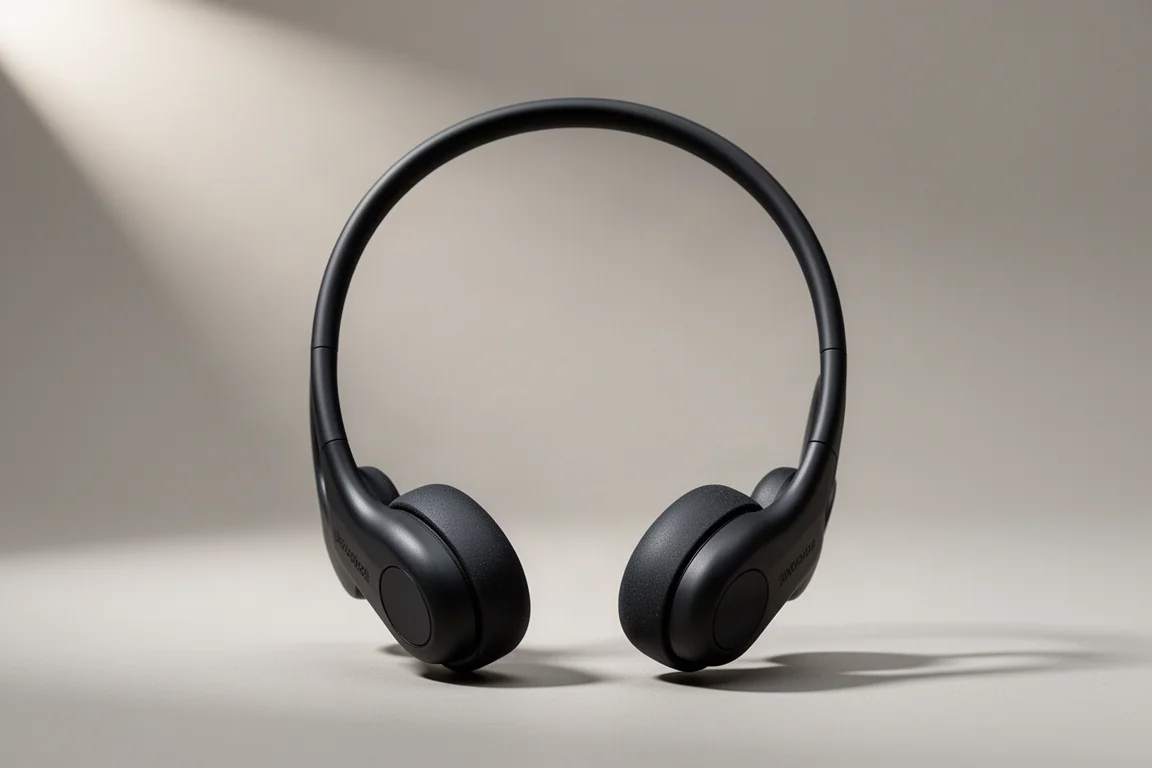
If you like the Mojawa approach but not the price, the Mojawa Run Plus offers the same MP3 and Bluetooth swim-run capability for just shy of £160, and is well worth a look as an alternative.
Buying Advice
The HaptiFit Terra is a classic case of an ambitious product trying to do too much and missing the mark on several fronts. The tracking and coaching features look exciting on paper, but they do not work well enough to be genuinely useful, the MP3 sound struggled in the pool, and the haptic controls are overcomplicated. Unless heart rate tracking in your headphones is a must-have you cannot get elsewhere, the cheaper alternatives make more sense for most swim-run users.
Conclusion
Strip away the heart rate monitor and the AI coach and the HaptiFit Terra is a competent but unremarkable set of swim-run bone conduction headphones at a pumped-up price. The Shokz OpenSwim Pro and Mojawa Run Plus both deliver the core headphone experience for considerably less money, and both are the smarter buys for most people.
Further reading
Related Reviews
Headphones
Apos Audio Caspian Review: Warm Bass, Solid Build, and a Detail Trade-Off
The Apos Audio Caspian is an easy-to-drive open-back headphone with standout bass and a warm, relaxed tuning, though mid-range and treble detail trail the competition.
Headphones
Audeze LCD-X vs LCD-XC vs LCD-3: Which High-End Headphone Fits Your Setup
A practical comparison of three Audeze planar magnetic headphones under $2,000, covering the open-back LCD-X, the closed-back LCD-XC, and the wood-ringed LCD-3.
Headphones
Audeze LCD-X vs HiFiMan Edition XS: Two Open-Back Headphones Compared
A practical comparison of the Audeze LCD-X and the HiFiMan Edition XS, covering build quality, comfort, sound signature, and which listener each one suits.