Floorstanding Speakers
MoFi SourcePoint Triple 8 Review: Andrew Jones's First Floorstanding Tower
A three-way MoFi tower with a concentric midrange and tweeter, deep bass, and a neutral voicing that rewards careful setup. Here is what to weigh before buying.
Introduction
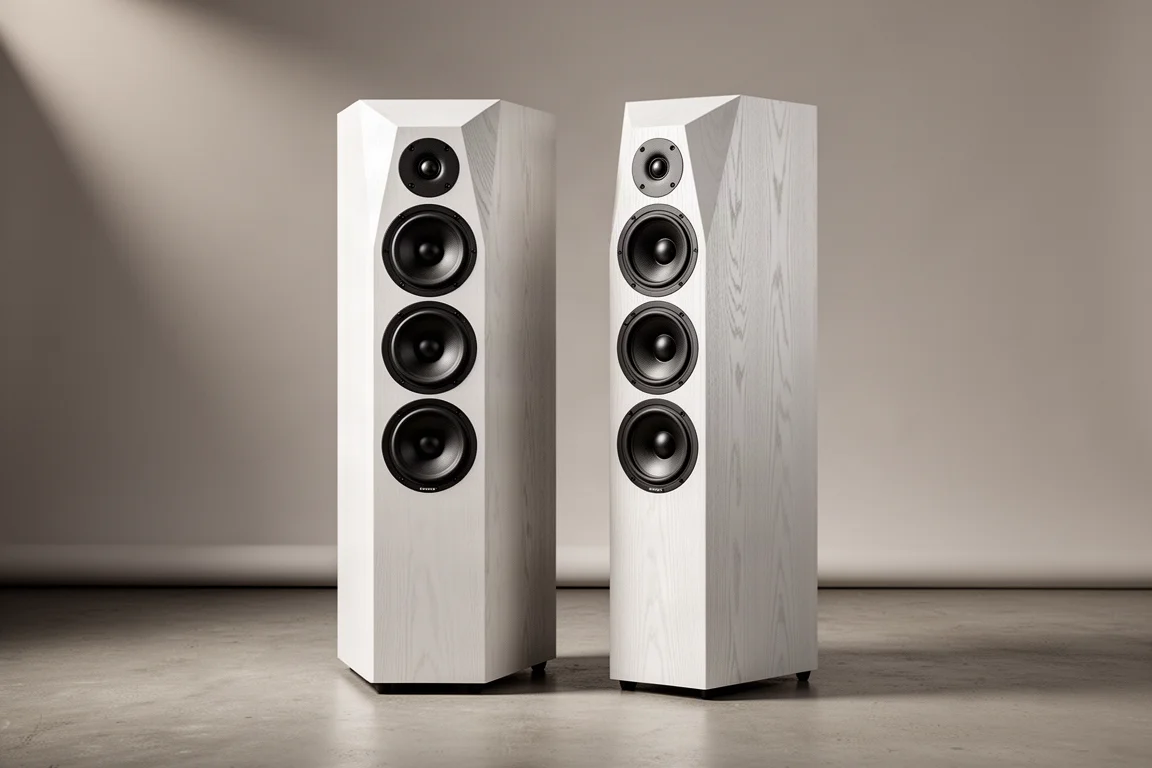
The MoFi SourcePoint Triple 8 is the third loudspeaker to emerge from the MoFi and Andrew Jones collaboration, and the first floorstanding model from that team. It arrives after the SourcePoint 10 and SourcePoint 8, both two-way stand-mounted designs, and it carries the same design language forward with a multifaceted front baffle and magnetic grilles.
It is a big speaker. Each tower weighs just under 100 lb, and at $5,000 per pair it lands in one of the most competitive stretches of the tower speaker market. The pitch is straightforward: a three-way ported tower that stays balanced and natural rather than chasing drama.
This guide covers what the Triple 8 does well, where it asks something of you, and how it stacks up against the towers you are most likely to be weighing against it.
Who the MoFi SourcePoint Triple 8 Is For
Three types of buyers get the most from this speaker.
First, listeners who value neutrality. The Triple 8 is built around a smooth, uncolored presentation that holds up across long sessions, and it is forgiving of recordings that are less than pristine.
Second, buyers who would rather not add a subwoofer. The tower reaches deep enough in a normal room to cover most music on its own, and it still blends easily with a sub if you decide to add one later.
Third, anyone building a system around a quality integrated amplifier. The speaker is not unusually difficult to drive, but it does benefit from an amplifier that is comfortable with low impedances. Home theater buyers should confirm that their AVR is rated for 4 ohms before committing.
Design and Build
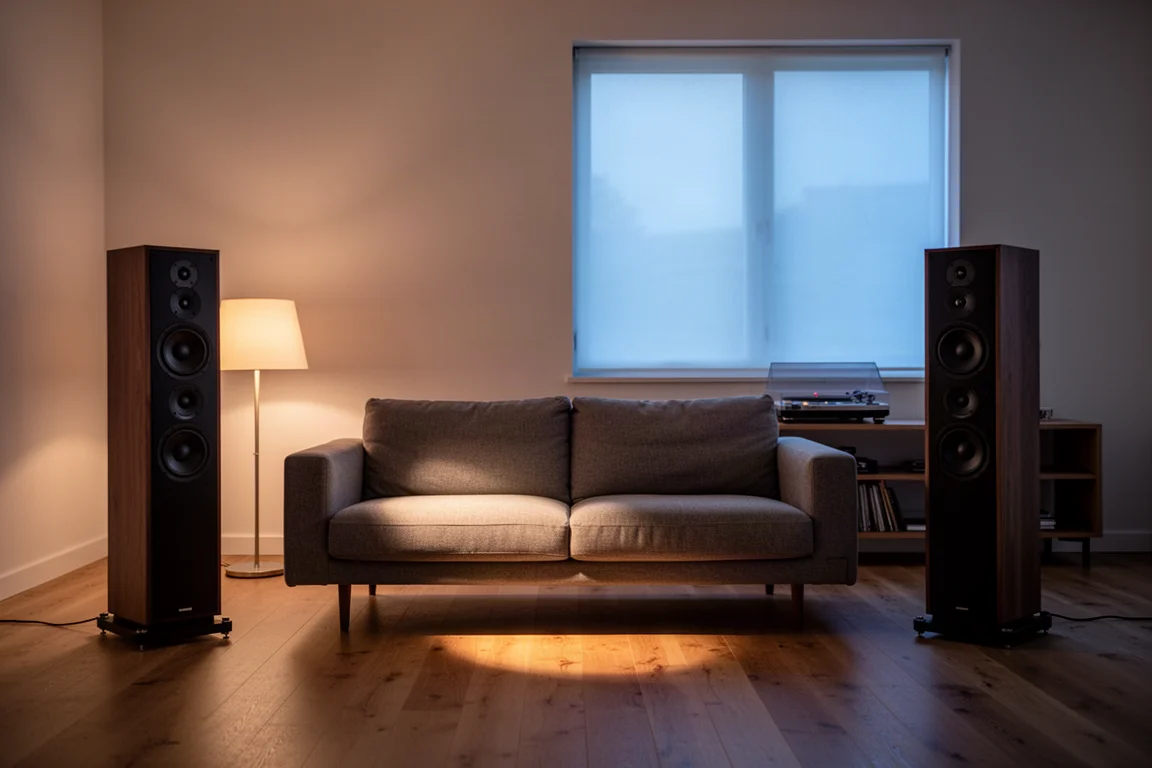
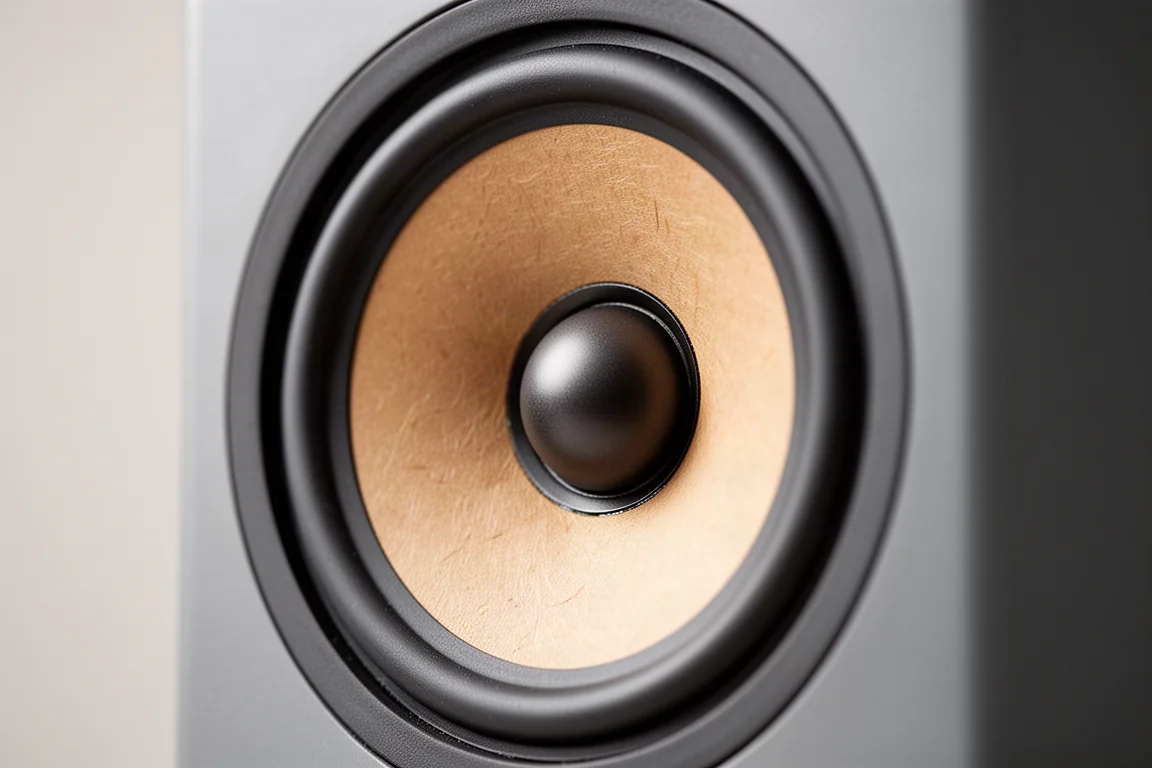
The Triple 8 is a three-way ported design. It uses two 8-inch paper cone woofers, a single 8-inch paper midrange driver, and a 1.25-inch soft dome tweeter mounted concentrically inside the midrange. That is four drivers per cabinet, with rear-facing ports.
MoFi reports a frequency response of 32 Hz to 30 kHz, a nominal impedance of 6 ohms that can dip to 4.5 ohms, and sensitivity of 87 dB.
The cabinet feels inert and carefully assembled, which matters for a speaker of this size. A satin white ash finish is exclusive to the Triple 8, and the multifaceted baffle gives the tower a distinctive look that stays consistent with the rest of the SourcePoint family.
Sound Quality: Balanced, Natural, and Easy to Live With
In-room measurements from a properly set up pair were strong and remarkably consistent across the full width of a 9-foot sofa, helped along by some room boundary compensation. The towers reached below 30 Hz in room, rolling off in the mid-20s region, which is effectively full range for music. The overall response slopes gently downward from bass through the midrange and into the treble. On axis and slightly off axis, the tone and the response barely change.
Bass is deep enough that the first reaction is to check whether a subwoofer is still connected. The two 8-inch woofers deliver a real sense of pressurization on bass-heavy tracks, and the balance of detail and speed shifts a little depending on the amplifier used. Adding a subwoofer is optional rather than necessary, and the speakers carry enough headroom to blend with one and tune the pair to the room.
The midrange is the standout. Voices and instruments sound grounded, with natural weight and depth, and the presentation stays rich and clear as volume climbs. Intelligibility is very good, and listeners who struggle with dialogue can improve things further with additional toe-in.
Treble is easy on the ears. It does not call attention to itself in either direction, and it avoids the fatigue that brighter speakers can cause over time. Dispersion is a touch limited, but the treble balance can be adjusted up or down through toe-in, which makes placement a useful tuning tool rather than a fixed constraint.
Soundstage and dynamics round out the picture. Pointed straight ahead, the stage is broad with a center image stretched wider than natural, and the speakers become easy to locate when you sit off axis. Angling them inward locks the image into sharper focus and produces a large stage with a more live, acoustic feel. Seated far to one side, the center image still drifts slightly toward that side. Dynamics are good, though not the most explosive. Some sharp transients, such as cymbal crashes or breaking glass, carry less impact than they do on some alternatives.
Setup Notes: Placement, Toe-In, and Amplifier Matching
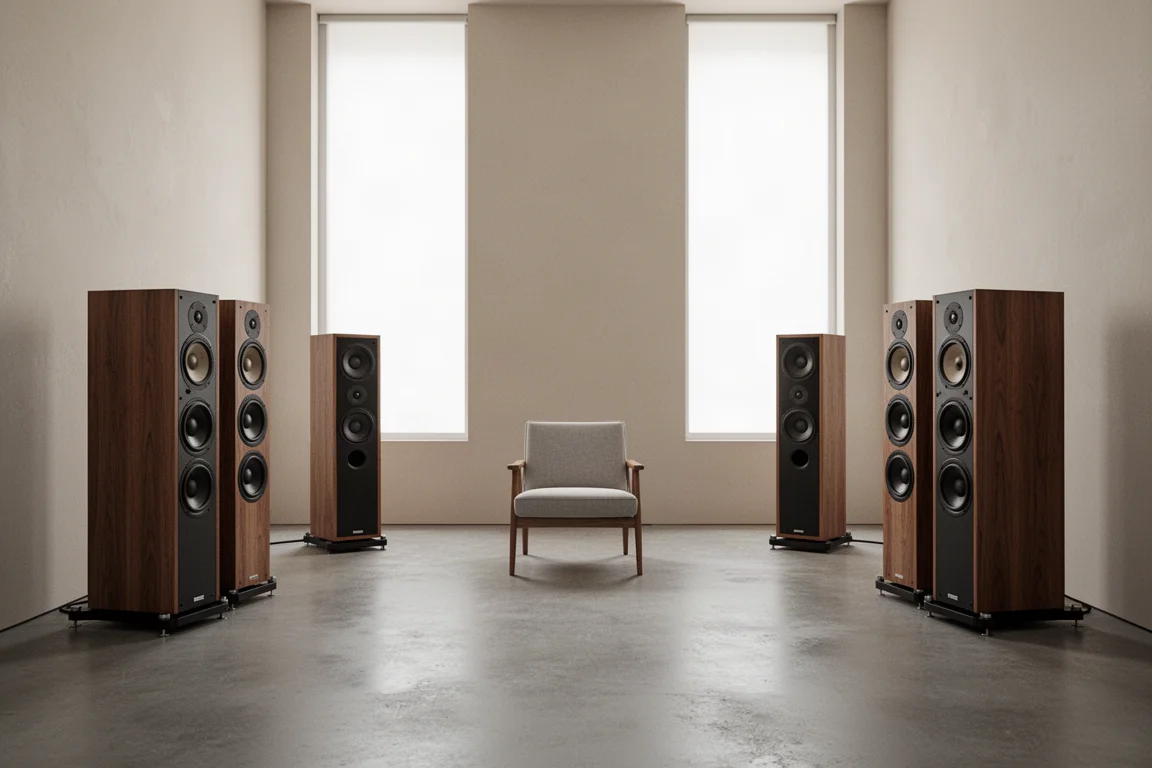
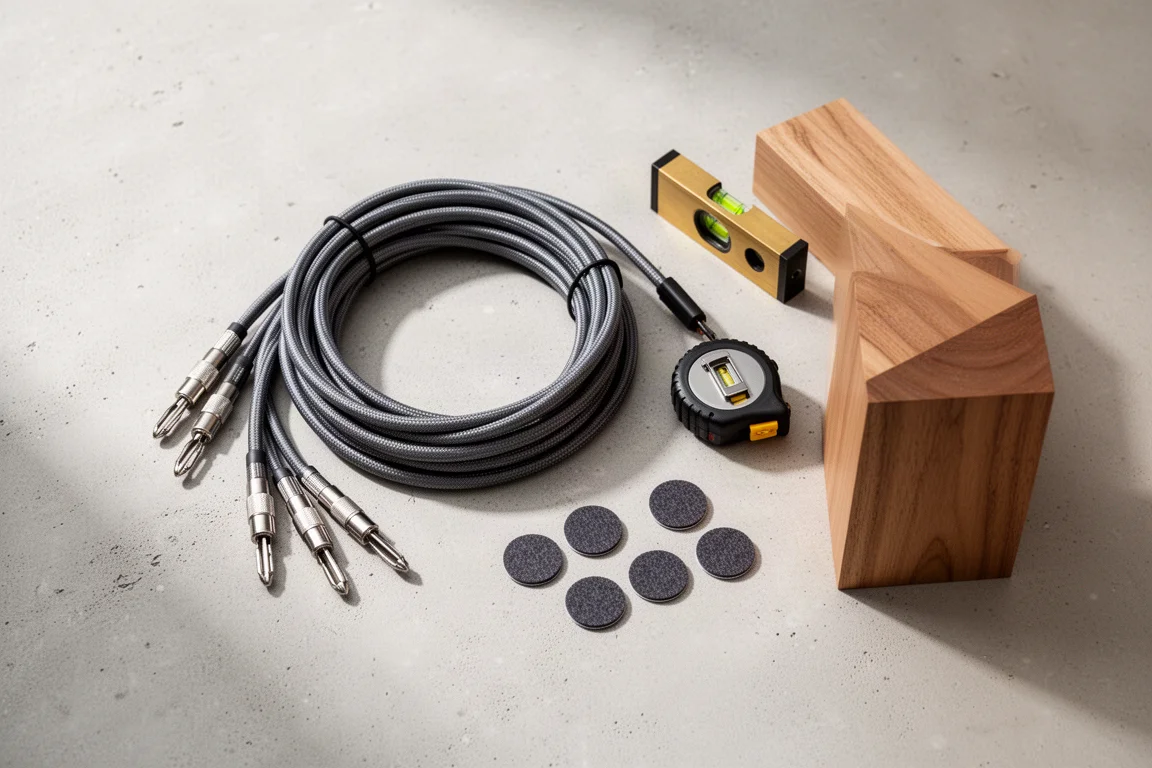
The manual recommends an equilateral triangle between the speakers and the listening position. A setup with roughly 10 ft (a little over 3 m) of listening distance, the speakers 10 ft apart, about 4 ft from the sidewalls and 2 ft from the front wall worked very well. The manual also advises angling the speakers slightly inward, toward the main listening area, rather than firing straight ahead. That inward angle produced a clearer sound and a more precise image.
Amplification matters. MoFi recommends a high-quality amplifier that can confidently handle impedances down to 4 ohms. The Triple 8 performed well with integrated amplifiers from Marantz, Yamaha, and HiFi Rose, and an AVR was also tried briefly with good results. If you are building a home theater system around these towers, confirm that your receiver is rated for 4-ohm loads.
How It Compares to Other Towers at This Price
At $5,000 per pair, the Triple 8 meets serious competition.
The KEF R Series Meta is the closest reference point. The R11 Meta costs more than the Triple 8, while the smaller R7 Meta is priced right in line with it. The Triple 8 produces lower frequencies with more authority and impact than both, which makes it the more appealing choice for listeners who want a fuller sound that is slightly less neutral. The KEF towers are excellent, but they lean analytical, and the Triple 8 trades a little of that quality for bass presence.
Against the Bowers & Wilkins 703 S3, the Triple 8 sounds more neutral and more laidback, with less treble and bass energy and less overall contrast. Some listeners may read that as less detail or intelligibility, when what they are hearing is neutrality. The Bowers & Wilkins voicing can feel more exciting and can work better at lower volumes, and the 700 Series is more demanding of amplifier power, so the added cost belongs in the budget.
The Klipsch Forte IV costs the same, and the similarities largely stop there. The Forte IV has a presence and tone that few speakers match, and it is solid in the low end. If technical accuracy is the priority, the Triple 8 is the more accurate of the two, and its association with Andrew Jones gives it immediate credibility with listeners who shop by design pedigree. Listeners who prefer the Klipsch sound should know that its top end can be a lot of a good thing.
Against the SVS Titans, the comparison is close. The Triple 8 is by far the better constructed speaker. Tonally, it offers a more traditional neutral sound, which makes it the easier choice for purists. The Titans play just as low, but with more nuance and detail across the bass, midrange, and treble, sharper dynamics, and more stable imaging across a long sofa, though their tonality shifted a little as the listening position changed.
Things to Consider Before Buying
- Amplifier matching. With 87 dB sensitivity and an impedance that dips to 4.5 ohms, the Triple 8 wants a capable amplifier, and home theater setups need a 4-ohm-rated receiver.
- Neutral voicing. The presentation is balanced and relaxed rather than dramatic. Listeners who want maximum contrast and bite may find other towers more exciting.
- Dispersion. Treble dispersion is slightly limited, and the soundstage benefits noticeably from careful toe-in. This speaker rewards a setup that follows the manual.
- Off-center seating. The center image drifts slightly toward whichever side you are sitting on, even with an appropriate amount of toe-in.
- Size and weight. At just under 100 lb each, these are not speakers you will want to reposition often.
Buying Advice
The Triple 8 makes the most sense for a listener who wants a full-range tower that stays neutral, natural, and easy to listen to for long stretches, and who is willing to give it a proper setup. Budget for an amplifier that handles 4-ohm loads, plan on an equilateral triangle with a modest inward angle, and use toe-in to fine-tune the treble balance to your room.
If you already know you prefer a more forward, contrasty presentation, or you want the most detailed low end at this price, compare the alternatives above before deciding. The Triple 8 is the most refined model in the SourcePoint line, and it is a strong value within its own design goals.
Hearing it in your own room is worthwhile if you can arrange it, since placement has a clear effect on imaging and treble balance. And the only opinion that ultimately matters is your own.
Conclusion
The MoFi SourcePoint Triple 8 is the first floorstanding speaker from the MoFi and Andrew Jones collaboration, and it arrives fully formed: a three-way tower with a concentric midrange and tweeter, deep bass, a near-textbook midrange, and a treble presentation that never wears you down. Its in-room behavior holds up across a wide listening area, and its cabinet is built to a high standard.
The trade-offs are equally clear. Dynamics are good rather than spectacular, dispersion is slightly limited, and the neutral voicing will not suit every taste. At $5,000 per pair the competition is fierce, and the right answer depends on whether you want neutrality or excitement. For listeners who want neutrality, the Triple 8 is an easy recommendation.
Product link
View more details for MoFi SourcePoint Triple 8
This product is mentioned in the review. Check the specifications, options, and compatibility before buying.
View more details for MoFi SourcePoint Triple 8Further reading
Related Reviews
Floorstanding Speakers
Acoustic Energy AE109 Mark II Review: A Refined Floorstander at £699
The Acoustic Energy AE109 Mark II is a slim, warm sounding floorstander that delivers clarity, midrange body and strong imaging in small to medium rooms.
Floorstanding Speakers
Acoustic Energy AE509 Review: A Slim Floorstander With Deep, Defined Bass
A practical look at the Acoustic Energy AE509, a slim floorstanding speaker with carbon fibre drivers, deep and well-defined bass, and an easy-going character that rewards careful system matching.
Floorstanding Speakers
Arendal 1528 Tower 8 Review: Reference Neutrality With Real Demands
A close look at the Arendal 1528 Tower 8, a nearly five-foot, 200-pound floorstander that rewards generous space, serious power, and high listening levels with reference-grade neutrality.