Cycling
Modern Gravel Bike vs Vintage Mountain Bike: Canyon Grail CFR and GT Zaskar LE Compared
Two bikes from opposite ends of off-road cycling, the latest Canyon Grail CFR and a 1990s GT Zaskar LE, compared on speed, comfort, capability and what each one is actually good at.
Introduction
Gravel bikes and vintage mountain bikes have spent years being compared to one another, often unkindly. The earliest gravel bikes were dismissed as rebadged old mountain bikes, a marketing exercise rather than a genuinely new kind of bicycle. A decade on, that argument has largely faded, and the two categories have drifted far enough apart that they now behave like different sports that happen to share a handful of traits.
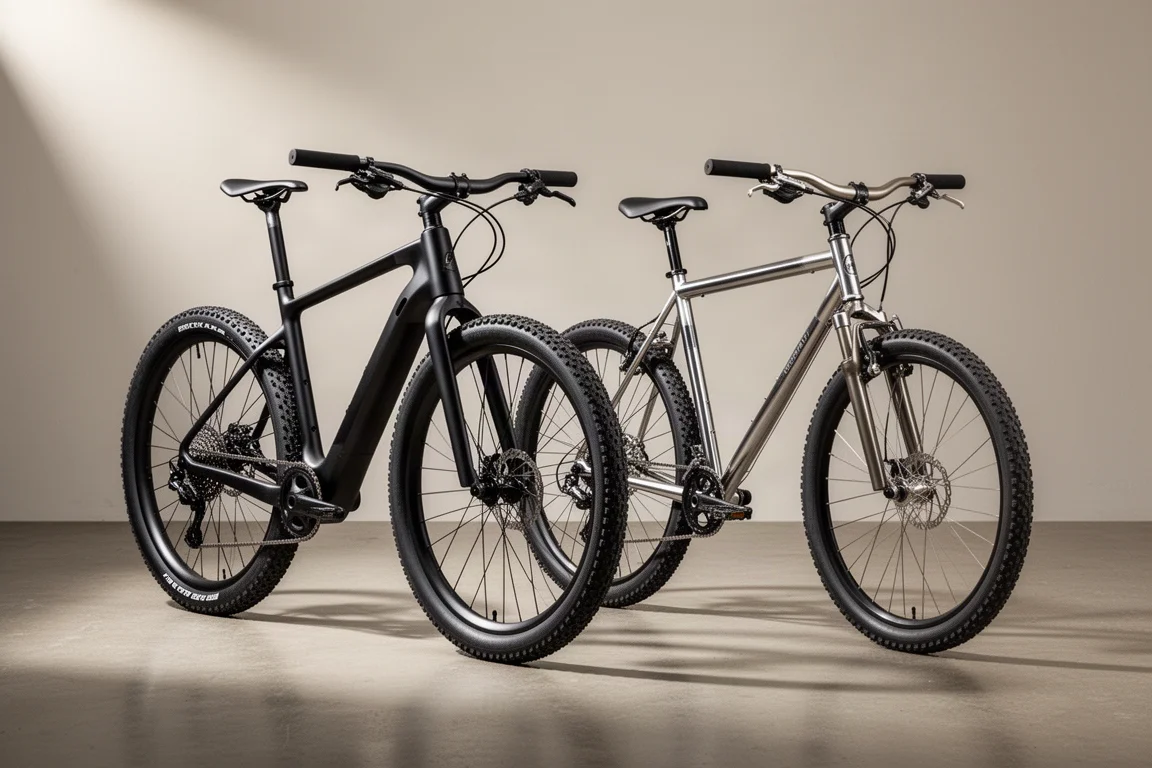
To see how far apart they have actually moved, it helps to put a modern gravel bike next to a genuine 1990s mountain bike. On one side is the Canyon Grail CFR, the lightest range-topping model in Canyon’s Grail line and the clearest expression of where gravel has arrived. On the other is a GT Zaskar LE, a machine with a 1994 frame, 1996 components, and a finish that defined an era.
Riding them back to back over road, open gravel, forest gravel and woodland singletrack says more about the state of both categories than any specification table.
What Separates Modern Gravel From Vintage Mountain Bikes
The comparison starts with shared history, because there genuinely is some. Old mountain bikes were built for riding, exploring and adventuring before mountain biking narrowed into riding down hills as fast as possible. They were light, fast and simple, and they made ordinary trails fun. Gravel bikes inherited that outlook: they take riders off road, they keep simple trails entertaining, and they prioritise speed and efficiency over outright descending capability.
But the two were never twins. Gravel bikes carried technology that was roughly twenty years younger, including hydraulic disc brakes, electronic gearing and carbon frames throughout, all of which made them more refined on road and on gravel. Vintage mountain bikes countered with wider tires and around two inches of suspension travel, which made a real difference once the terrain turned rough or technical.
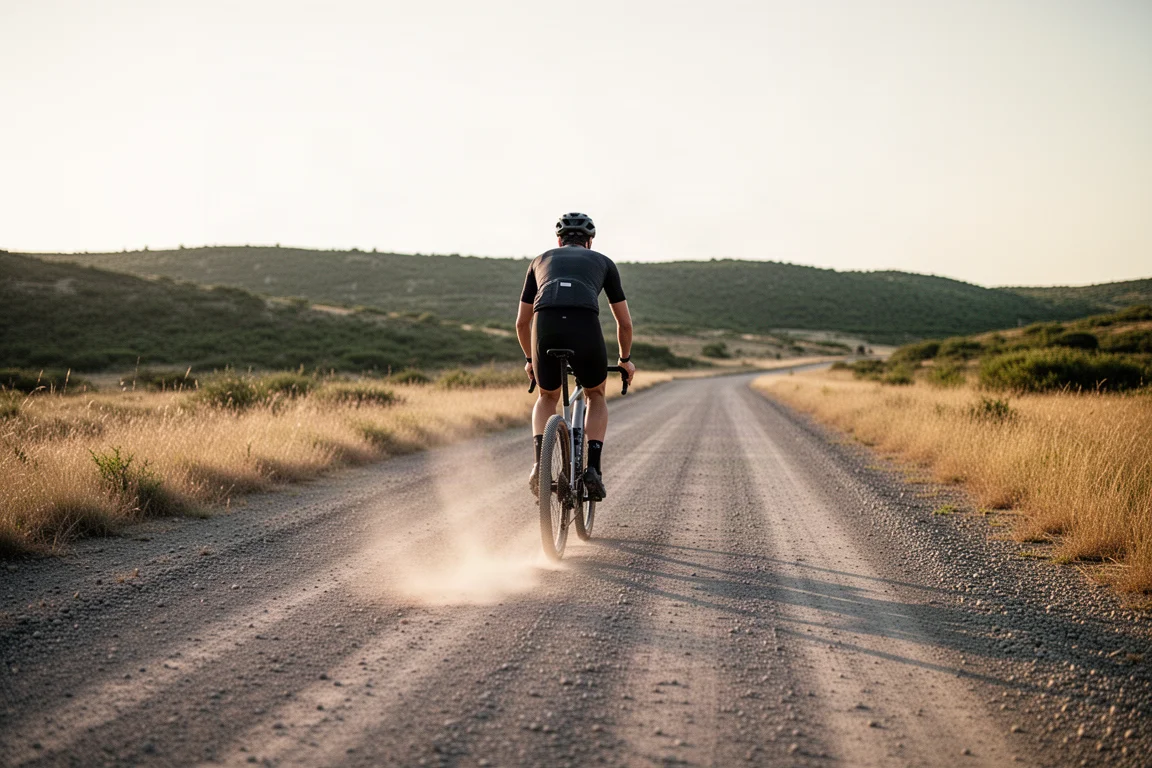
That gap has since widened rather than closed. Gravel riding has matured into a category of its own, with its own events, its own geometry and its own priorities, and the bikes have kept evolving along with it. The latest Canyon Grail is a useful marker of how far that evolution has travelled, and how little of the original mountain bike blueprint remains underneath.
The most visible changes are tire clearance and aerodynamics, but the deeper shift is in how the bikes are meant to be used. A vintage mountain bike is a general-purpose tool for going out and having fun. A modern gravel bike is built to cover long distances quickly, which changes almost everything about how it is designed and how it feels underneath a rider.
Canyon Grail CFR: The Modern Gravel Benchmark
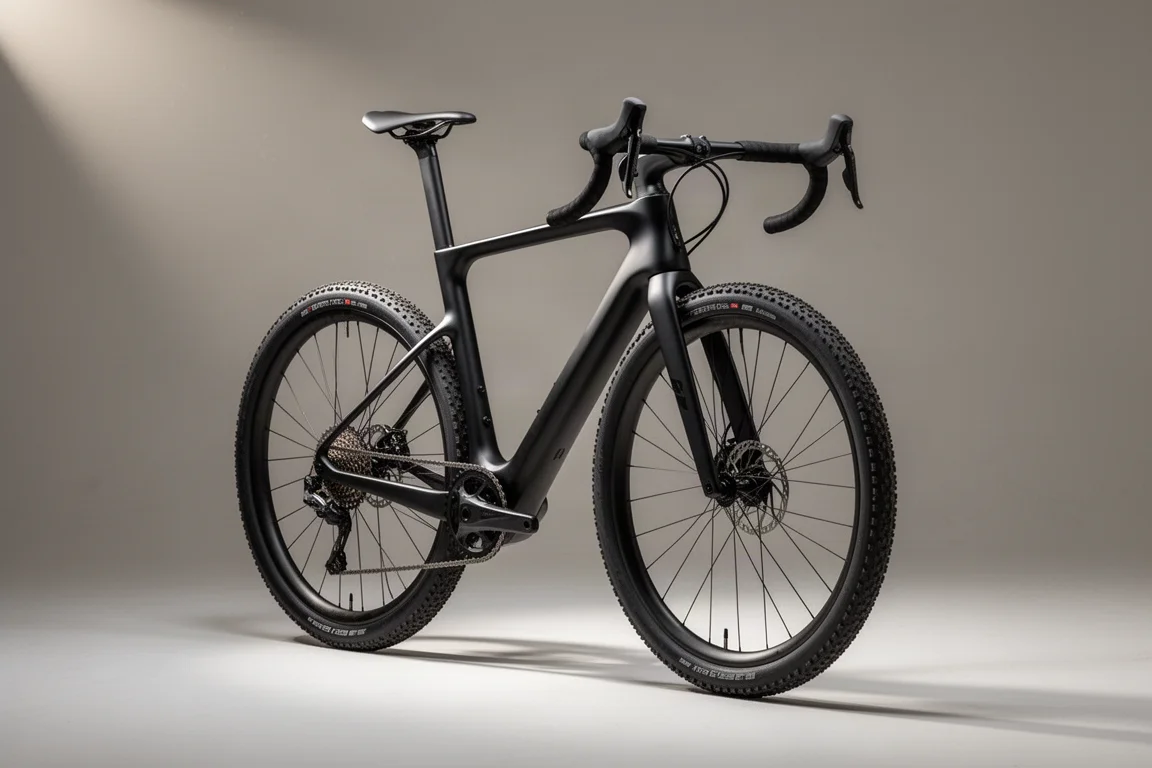
The Grail CFR is the lightest, range-topping model in the Grail range, and it is the bike that best illustrates where gravel engineering currently sits. Canyon describes this as the third generation of the Grail, while also framing it as the second real evolutionary step for the gravel bike as a category: more speed, more comfort, more capability.
Tire clearance is the headline number. This generation accepts tires up to 57 mm, a significant jump from the 42 mm of the previous model, and it answers a long-standing request from riders who wanted more volume without moving to a mountain bike platform.
Ride quality has moved in the same direction. The bike feels nimble while staying stable, and compliance has improved partly through the new Aero VCLS seat post. Internal frame storage has been refined as well, and aerodynamics have improved so substantially that this generation, even on its wider tires, still tests faster than the previous model at 35 km/h. Canyon reports a seven watt improvement at that speed, the result of roughly three years of development work.
GT Zaskar LE: A 1990s Mountain Bike Icon
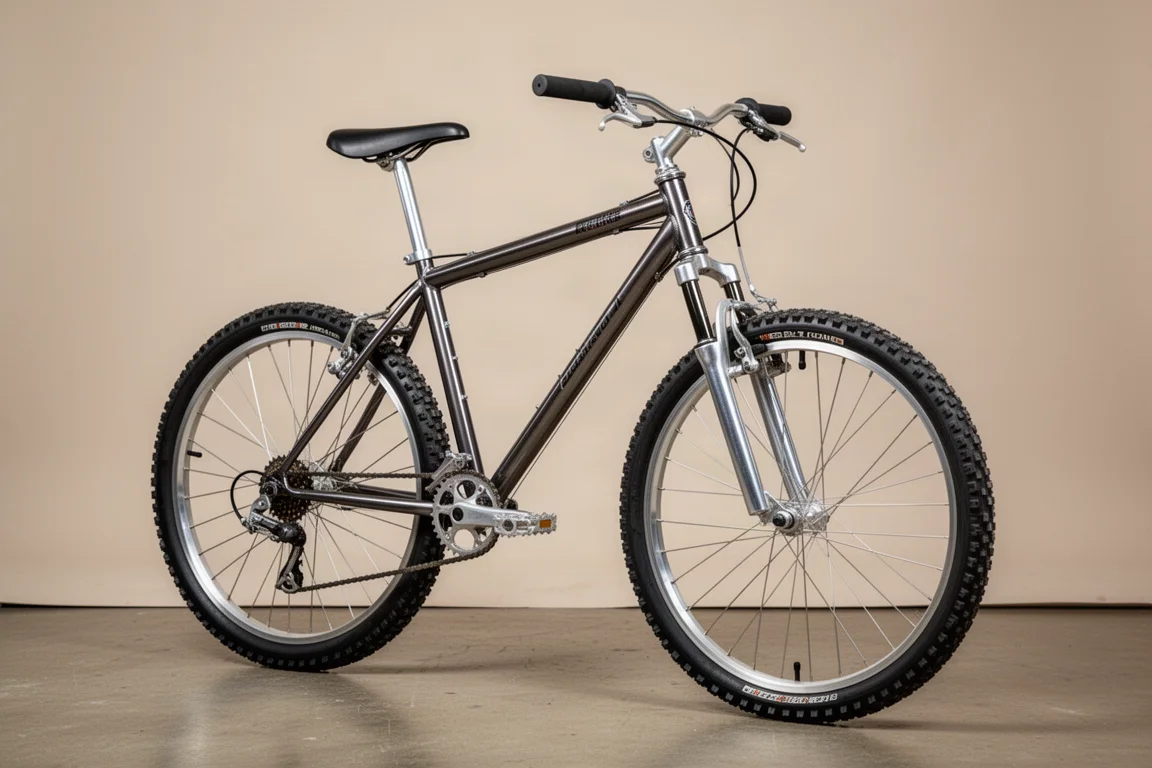
The GT Zaskar LE is the other end of the timeline, and it remains a striking machine. The frame dates from 1994, with the rest of the build from 1996, finished in the gunmetal grey that was widely admired at the time and trimmed with a mix of polished and anodized aluminium details.
Its components read like a survey of what mattered most in mid-1990s mountain biking. RockShox Judy suspension forks sit up front, a Shimano XTR groupset handles the drivetrain, and V-brakes provide stopping power that was considered a genuine step forward when they arrived. Ceramic coated Mavic rims were specified for both longevity and improved braking performance.
The tires carry the same era’s fingerprints: Panaracer Smoke and Dart tires, 52 mm wide, or 2.1 inches in the imperial sizing that mountain bikes of the period used. Viewed next to a modern gravel bike, it looks like an artefact from another century, because it is one.
Ride Character on Road, Gravel and Singletrack
A route that mixes road, open gravel, forest gravel and woodland singletrack is the fairest test of both bikes, because it exposes where each was designed to excel.
On the road, the difference was immediate. The modern gravel bike pulled away on the flats and gained time on descents, to the point where chasing it at a steady pace was genuinely difficult. On wide open gravel descents the gap grew again, with the vintage bike requiring far more effort to hold a line at the same sort of speed.
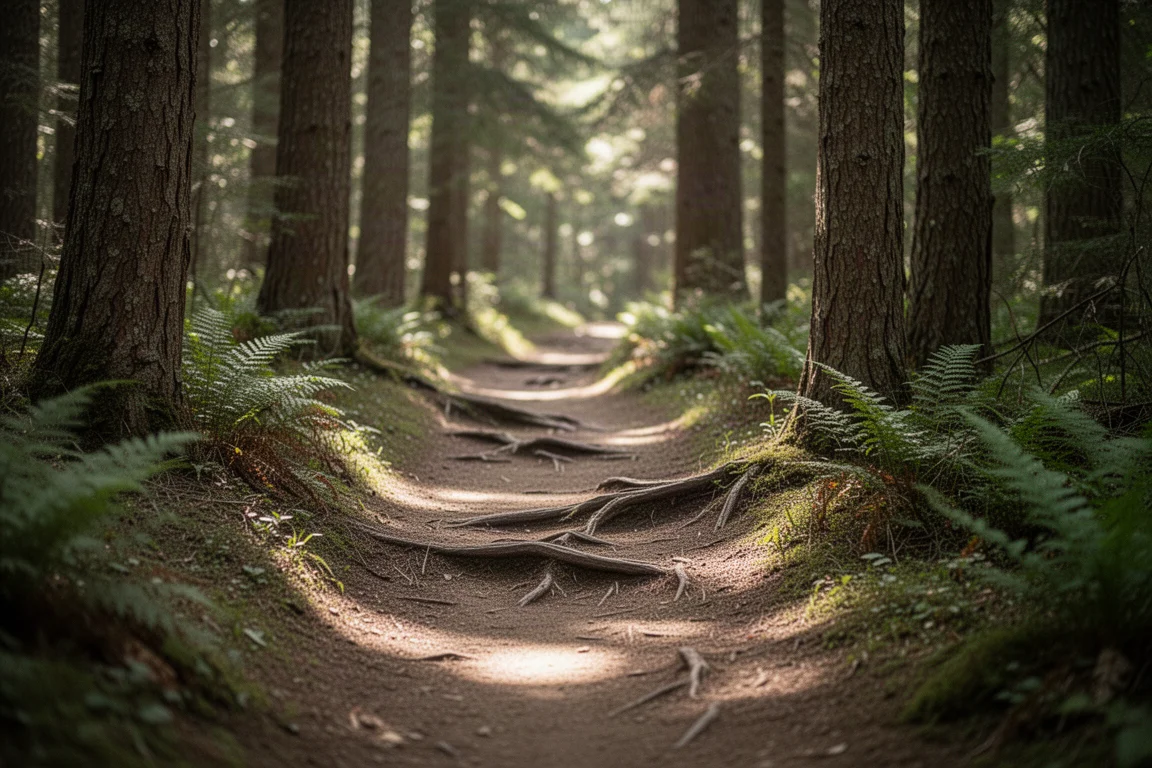
Where the old GT came into its own was the woodland singletrack, particularly pointing downhill. That was where it felt most at home, and where the ride was at its most enjoyable. Elsewhere it demanded attention: the steering felt twitchy and responsive in a way that meant constant small corrections, a character that takes some reacclimatising if a rider is used to modern geometry.
The honest summary is that both bikes are enjoyable, just not in the same conditions, and not at the same pace. On smoother surfaces and longer distances the modern bike is in a different league. On short, loose, technical downhill sections the older machine still has something to offer that a gravel bike cannot replicate.
How Gravel Racing Has Changed the Picture
Gravel racing has grown into a serious discipline with thousands of participants, and its demands explain a great deal about how the bikes have developed. A short gravel race runs around three hours, a long one can run nine hours or more, and there are ultras beyond that.
By comparison, the 1996 men’s cross country world championships covered 58 km at an average of roughly 20 km/h, finishing in around two hours and thirty-eight minutes. A modern gravel race of 333 km has been won at an average of around 36 km/h in under nine and a half hours.
Those numbers show why wider tires, better aerodynamics and greater efficiency matter so much in gravel events. Over that kind of distance, small gains in speed and comfort compound into a meaningful advantage, and that pressure is exactly what has pushed bikes like the Grail CFR forward.
Tire Clearance, Aerodynamics and Comfort in Practice
The practical differences come down to a handful of design decisions. The Grail CFR offers 57 mm of tire clearance, up from 42 mm a generation earlier, which lets riders run substantially more volume without sacrificing the frame’s aerodynamic profile. The Aero VCLS seat post contributes compliance at the rear, useful over long days on rough surfaces. Internal frame storage keeps tools and spares out of pockets.
What makes the aerodynamics worth noting is that the new bike is faster than its predecessor even with the wider tires fitted, tested at 35 km/h. Wider tires and better airflow are usually in tension, so achieving both in one frame is a genuine piece of engineering rather than a marketing line.
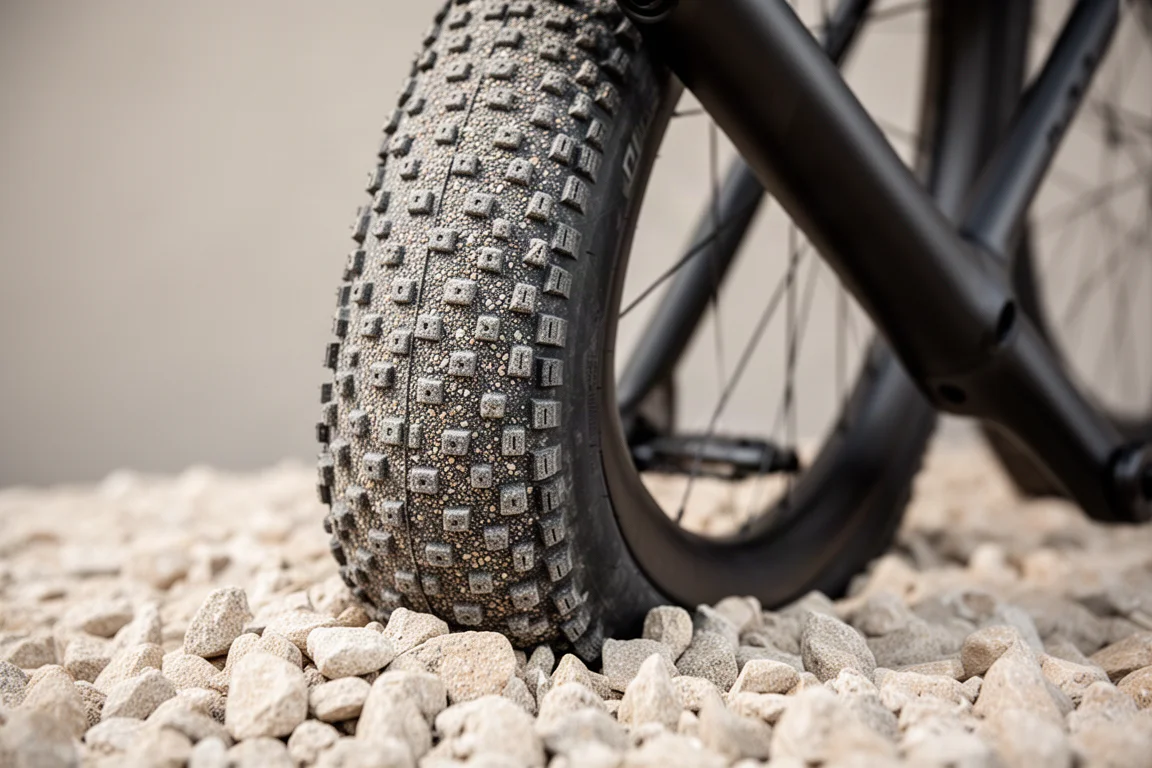
The GT Zaskar LE approaches capability from the opposite direction. Its 2.1 inch Panaracer tires are close to 52 mm, which is not far off modern gravel rubber in width, but the similarities end there. Roughly two inches of suspension travel and V-brakes define its limits, and its frame geometry was never drawn around long-distance comfort or aerodynamic efficiency.
Buying Advice
The right choice depends almost entirely on what a rider wants to do, because these two bikes are no longer competing for the same job.
A modern gravel bike like the Canyon Grail CFR suits riders who want to cover ground quickly, whether that means racing, long events, fast commuting on mixed surfaces, or simply riding further than they could on a road bike. The 57 mm clearance, refined internal storage, improved compliance and aerodynamic gains all point in the same direction: efficiency over distance.
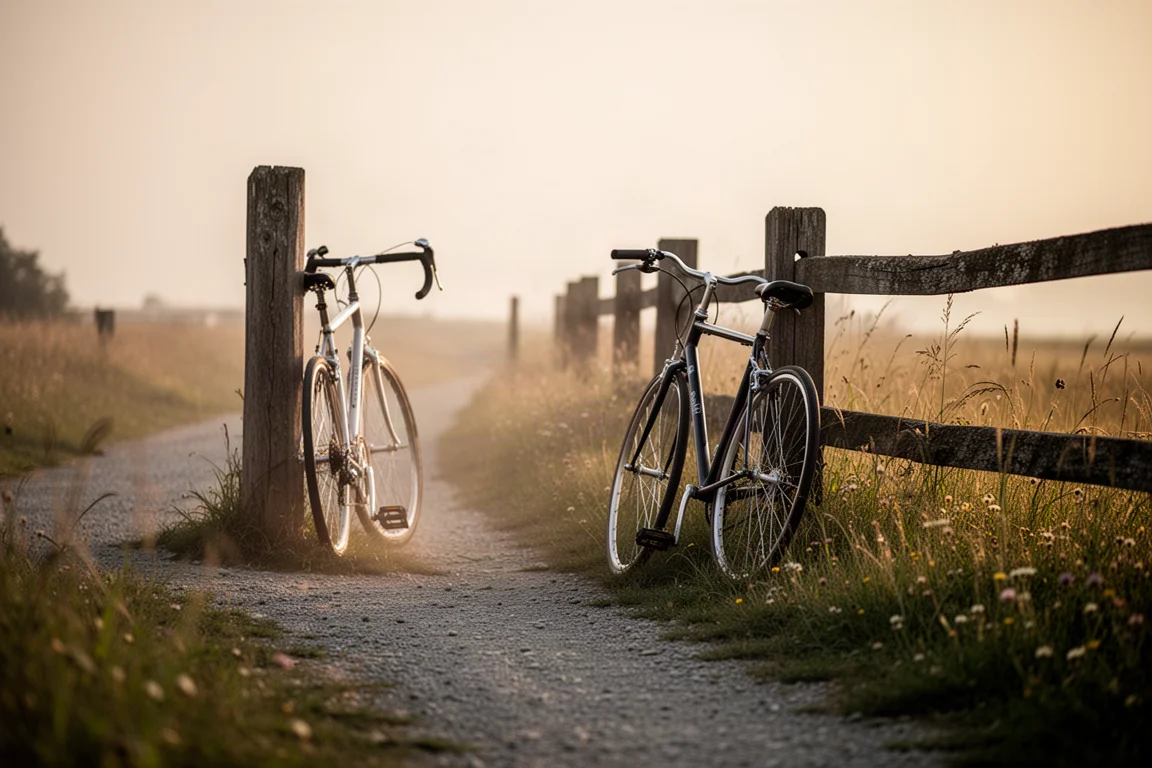
A vintage mountain bike like the GT Zaskar LE suits a different set of priorities. It is a wonderful machine for relaxed woodland riding, for anyone drawn to 1990s design, and for shorter, looser descents where its direct handling is a pleasure rather than a liability. Buyers should go in expecting to maintain older components, and to accept that it is slower everywhere except when the trail points downhill and gets technical.
If the goal is speed, distance and efficiency, the modern gravel platform is the clear answer. If the goal is nostalgia, character and fun on short technical trails, the vintage hardtail still earns its place.
Conclusion
A decade after gravel bikes stopped being dismissed as old mountain bikes in new paint, the two categories have diverged far enough that they can reasonably be called different disciplines. The Canyon Grail CFR represents the modern end of that split, with 57 mm clearance, a seven watt aerodynamic improvement at 35 km/h, improved compliance and a clear bias toward covering long distances quickly.
The GT Zaskar LE represents where the other branch came from: a 1994 frame, period-correct Shimano XTR, RockShox Judy forks, ceramic coated Mavic rims and 2.1 inch Panaracer tires that still work beautifully on woodland singletrack. Both remain fun, both still handle mud, and both belong under the same broad umbrella of cycling. What has changed is that they now do very different things very well.
Further reading
Related Reviews
Cycling
2026 Bike of the Year and the Cycling Gear Worth Watching
A drop bar roundup for 2026 covering the Ridley Kanzo Fast 2.0, Shimano Dura-Ace Di2 R9300, Trek Checkpoint ALR Gen 3, Specialized Tarmac SL9, Garmin Fenix 9 and Insta360 X6.
Cycling
Best All-Road Bikes 2026: Six Versatile Endurance Road Bikes Worth Considering
A practical look at six all-road and endurance road bikes, from lightweight carbon speed machines to steel all-rounders and comfort-focused mile eaters.
Cycling
Best All-Road Bikes 2026: 8 Endurance Bikes for Road and Light Gravel
Eight all-road bikes that blur the line between endurance road and light gravel, compared on tire clearance, ride character, practicality, and value.