Cycling
Modern Aero Bikes vs Classic Steel: What Actually Makes You Faster
A practical look at nine road, triathlon and gravel bikes, from classic steel and retro time trial machines to modern aero superbikes, and what genuinely separates them in real world speed.
Introduction
Aerodynamics is difficult to see and hard to feel directly, which is why it can be such a confusing subject for anyone shopping for a fast bike. The industry has spent decades learning how air moves around a rider and a frame, and the results now show up in tubes that are no longer round, in handlebars that are narrower than they used to be, and in frames that weigh barely more than a kilogram.
This roundup looks at nine bikes that sit at different points on that timeline. Several are modern aero road bikes developed with computer modelling and wind tunnel work. One is a specialist machine built for triathlon with almost no regard for racing regulations. Two are gravel bikes that show how much of the modern playbook carries across to mixed surfaces. Two are classic steel machines that remind us where all of this started.
It is a practical guide rather than a ranking. Each section covers what the bike is, who it suits and the trade-offs worth understanding before you commit.
What Separates a Modern Aero Bike From a Classic One
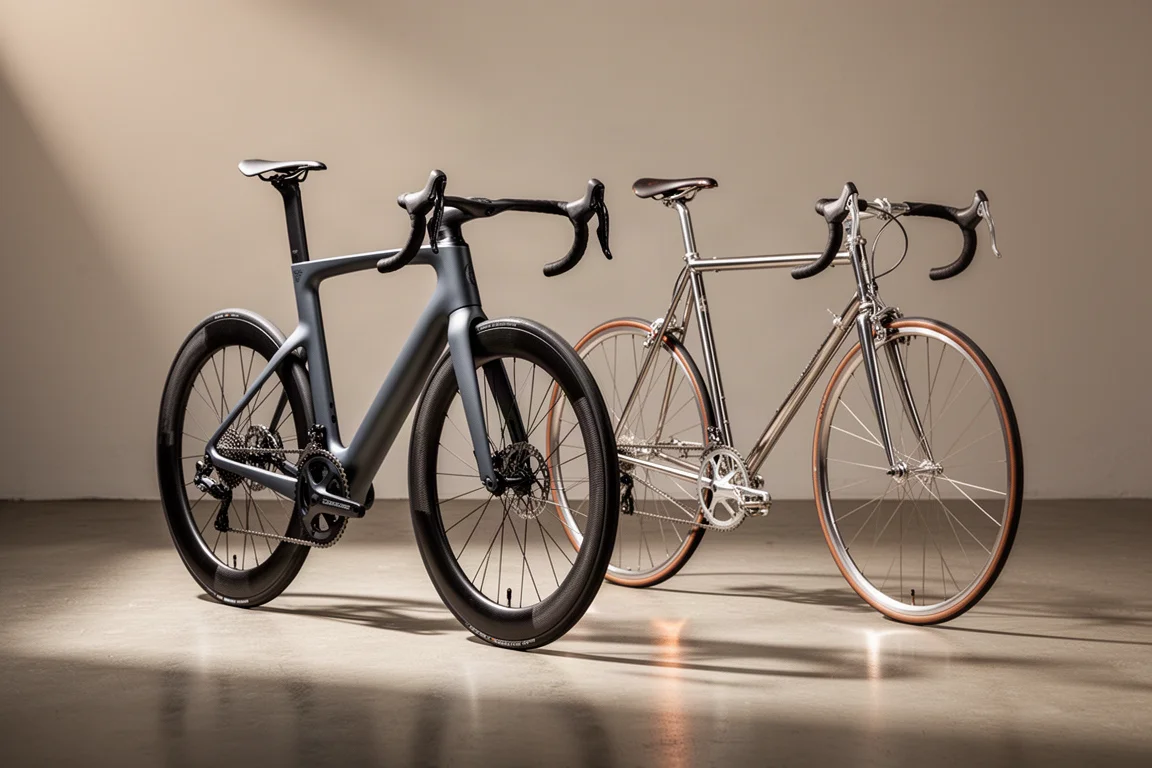
The clearest difference is frame shape. Round tubes are excellent structurally, which is why steel frames relied on them for so long, but they are aerodynamically poor. A modern aero frame replaces those tubes with sculpted profiles and then considers how they behave together, treating the front wheel, fork, head tube and down tube as a single system. Even the bottle can be shaped and positioned so it adds less drag than it otherwise would.
Position matters just as much, and the thinking has shifted. Older designs pushed the rider as low as possible, while current practice recognises that being narrow matters too. Handlebars are where that shows up most obviously: widths that once looked extreme are now normal on fast bikes, and going narrower is one of the cheapest meaningful changes a rider can make.
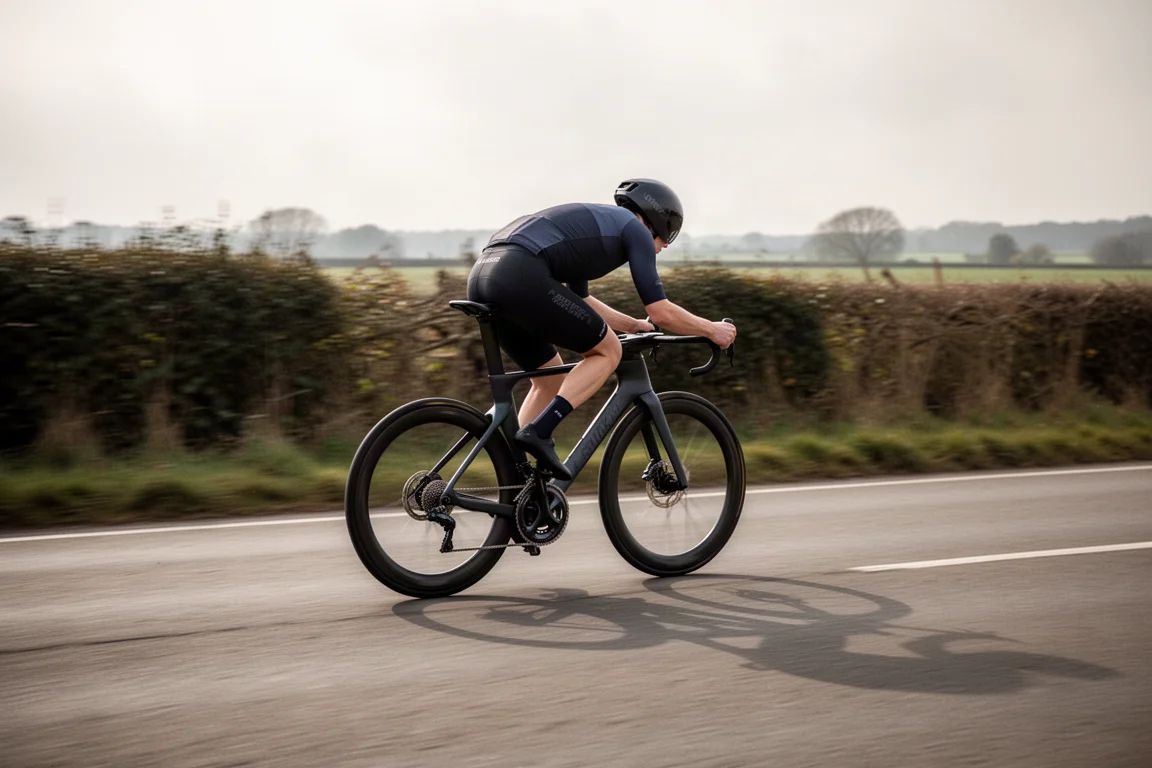
Materials complete the picture. Aerodynamic shapes are difficult and heavy to produce in metal, and the modern combination of low weight and complex tube profiles depends on carbon fibre. A well made steel frame can still be a joy to ride and is far more capable than its age suggests, it simply gives away time whenever speed is the objective.
Ribble Ultra SLR
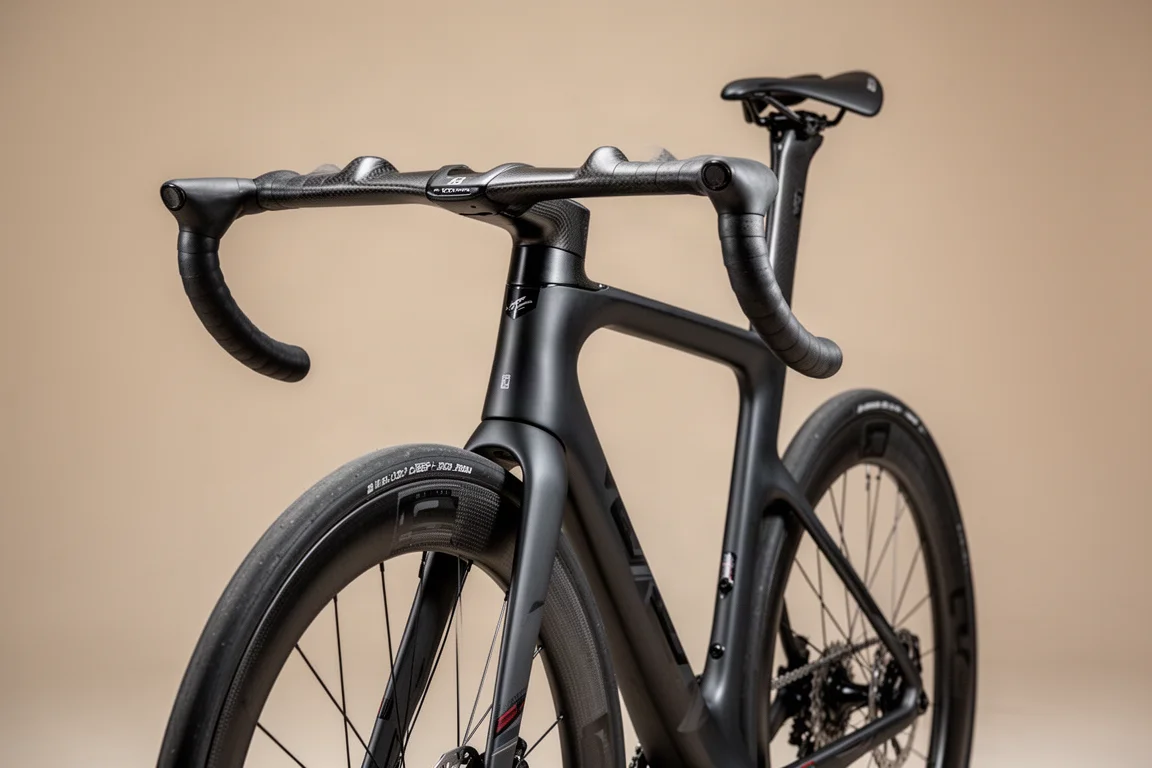
The Ultra SLR is a road bike built around the idea that the rider and the machine should be treated as one aerodynamic package. There is not a round tube anywhere on the frame, and the handlebars are unusually narrow at 36 cm centre to centre at the hoods, with a 33 cm option that flares out to 37 cm at the drops.
Ribble took the concept further than most. Rather than making the front end as slippery as possible in isolation, the handlebars are deliberately tuned to create a little extra drag so the rider sits inside an area of reduced drag. Ribble calculates the result as roughly a 2% improvement for bike and rider combined, which works out at around 20 to 23 seconds over a 40 km time trial ridden at about 35 km/h. The frame weighs just over 1,000 g and a complete bike comes in at around 8.5 kg, which is light for an aero platform.
Canyon Aeroad
The Aeroad is one of the quickest aero road bikes on the market and has been raced at the very top of the sport. The build described here runs 38 cm handlebars, deep-section Shimano C60 wheels and an electronic groupset. Nothing on the bike is decorative: the narrow bar width is a meaningful part of the aerodynamic package, particularly once the rider tucks their head in behind the bars.
Canyon Aeroad CFR
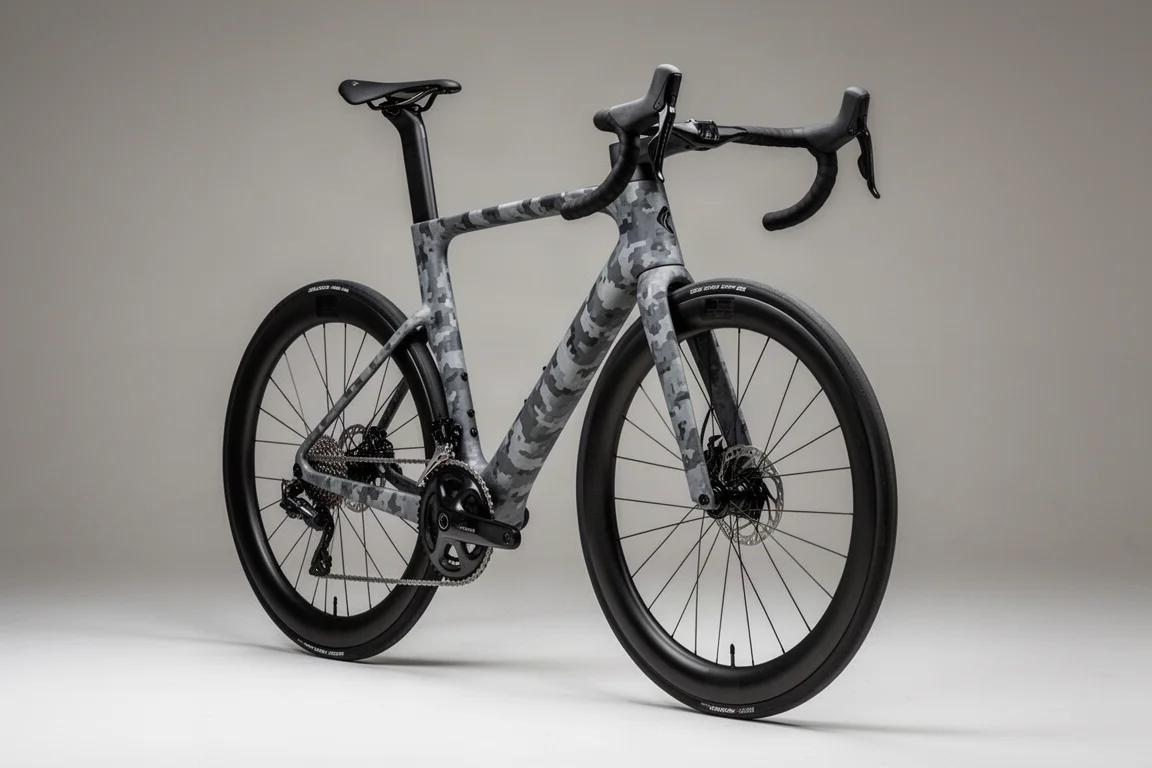
The CFR sits at the top of the Aeroad range and is the version most riders will aspire to rather than need. The most useful practical difference is that it comes with a power meter as standard, so training and pacing data are available without an additional purchase or a trip to a workshop.
Ventum One
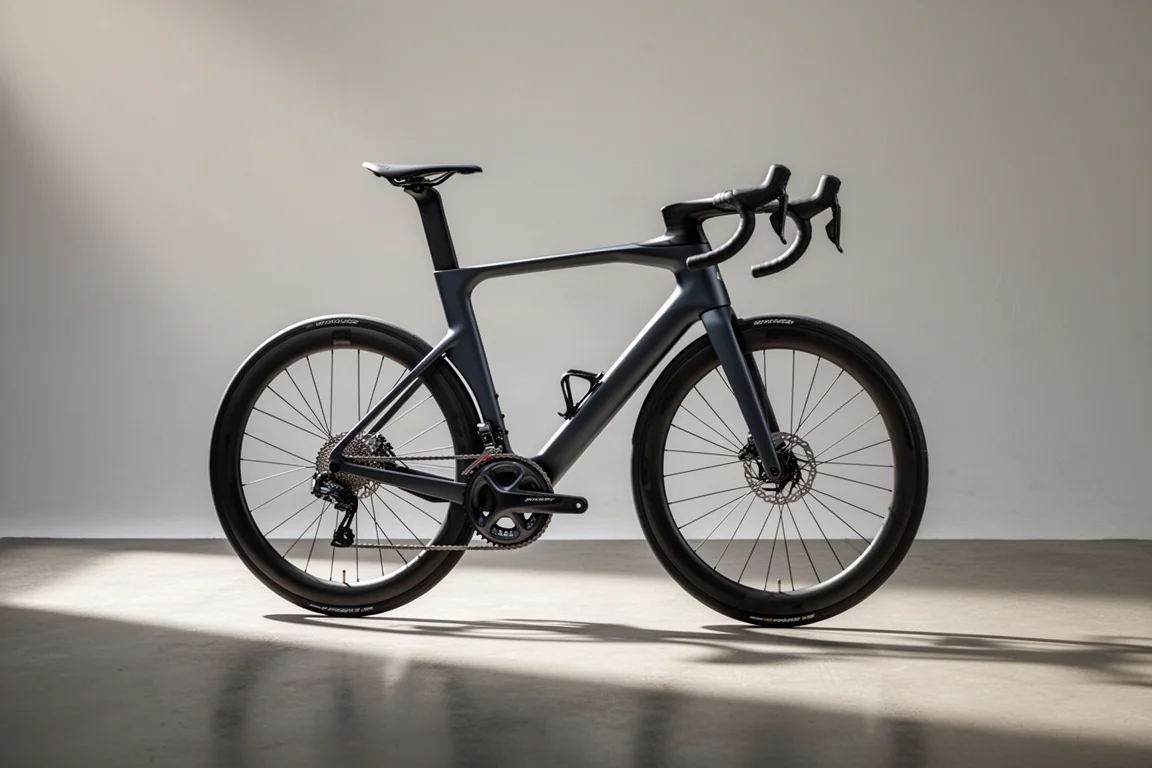
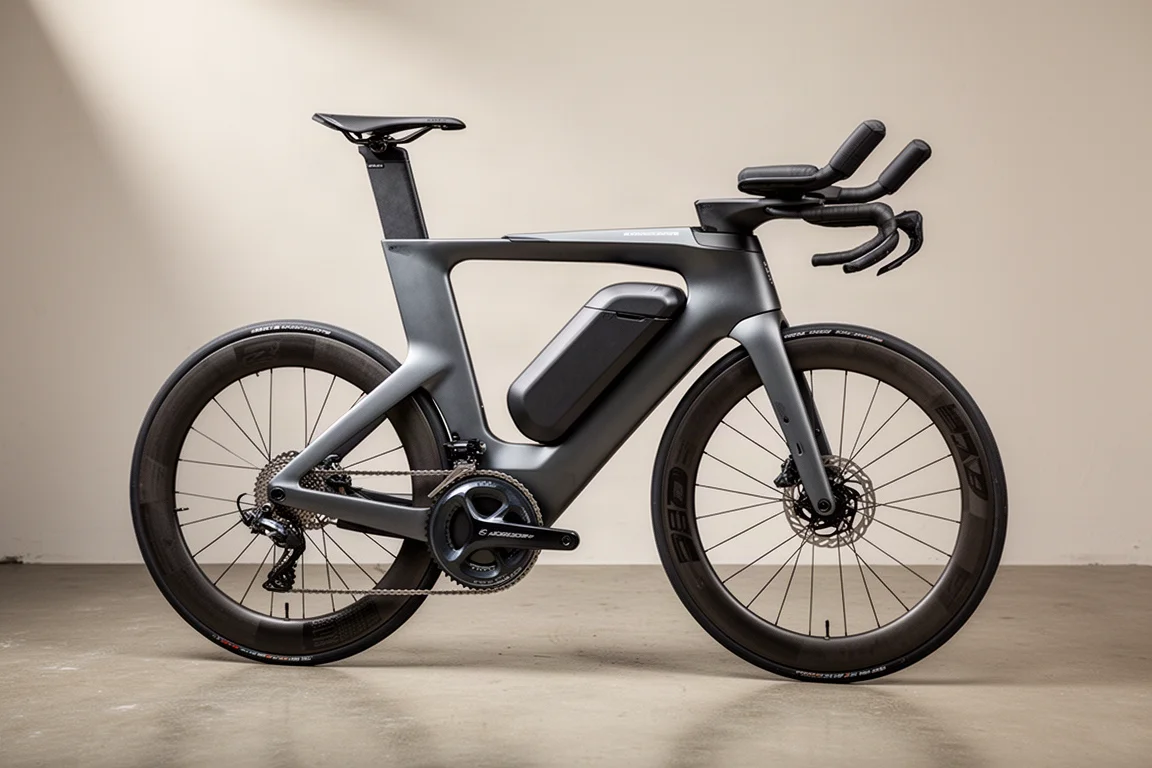
The One is a hyperbike in the truest sense, in that it ignores the design rules that govern road racing. Launched in 2016, it was reputed to be 24% faster in the wind tunnel than its closest competition. There are no seat stays and no down tube, an oversized top tube takes over the structural work, brake fairings hide the rim brakes away from the airflow, and onboard storage is built in for triathlon use.
It is also heavier than a conventional road frame, which is the price of that exotic aerodynamic design. In a head-to-head comparison it was around 9 seconds quicker over a short flat effort than the road bike it was measured against, a meaningful margin over only a few kilometres. Extrapolated over a long non-drafting effort, that gap would grow considerably.
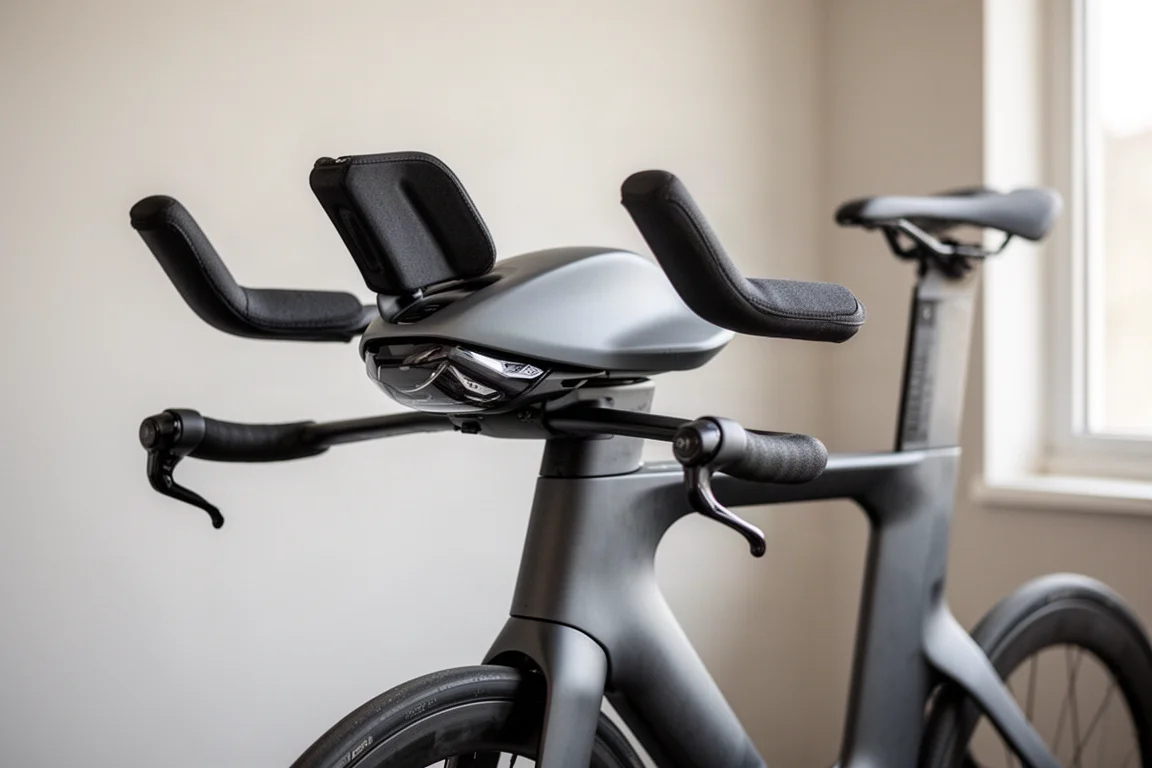
Because the geometry is built around a triathlon position, the One is best understood as a specialist tool. It will not be welcome in road races, and it will not climb or handle like an all-round road bike. What it does extremely well is carry a rider fast in a straight line with very little aerodynamic penalty.
Ventum NS1
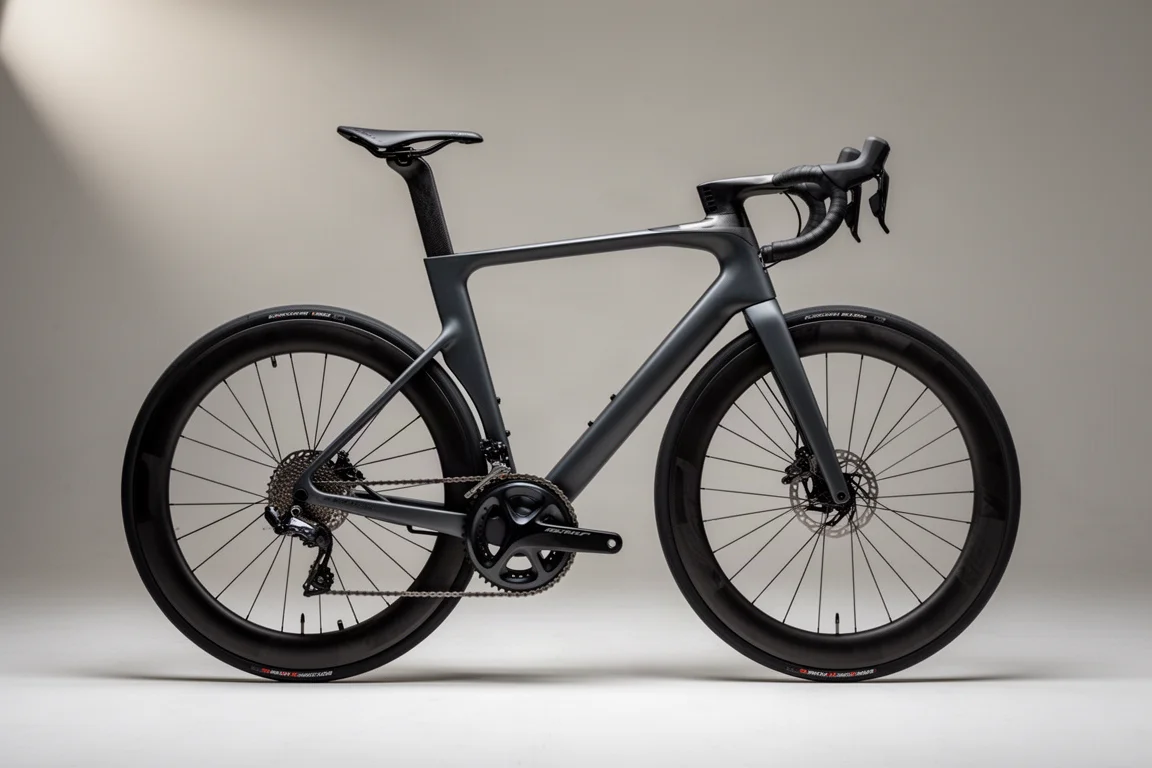
The NS1 is what happens when a brand known for breaking the rules turns its attention to a UCI legal road bike. It targets aerodynamics, low weight and versatility at the same time. The aerodynamic disc frame weighs a little over 800 g, and graphene is added to the resin that bonds the carbon fibres together, allowing less material to be used for the same strength and stiffness.
Braking is disc only, which improves performance in poor conditions, and there is clearance for tires up to 30 mm. That is not a gravel bike, but it is enough to run lower pressures for comfort and grip, or to leave the tarmac for a while. Ventum reports 500 hours of design work in computer modelling and a further 40 hours in the wind tunnel, with the cables completely hidden inside the frame. It is roughly 1.3 kg lighter than the One, and in comparison testing it was 17 seconds quicker up a climb.
Wilier Filante
The Filante is an Italian aero superbike with a long competition pedigree behind it. The frame weighs 870 g, a complete bike sits at around 7 kg, and Wilier quotes a 12.5% increase in stiffness to weight ratio. The aerodynamic profiles use a rounded trailing edge so they perform better at the yaw angles created by real crosswinds, rather than only in the controlled conditions of a wind tunnel.
That combination showed up clearly when the Filante was ridden back to back against a steel classic. It was faster on a 4 km climb and faster again over an 8 km flat effort, which is exactly what you would expect from a bike that is both lighter and more aerodynamic than its counterpart.
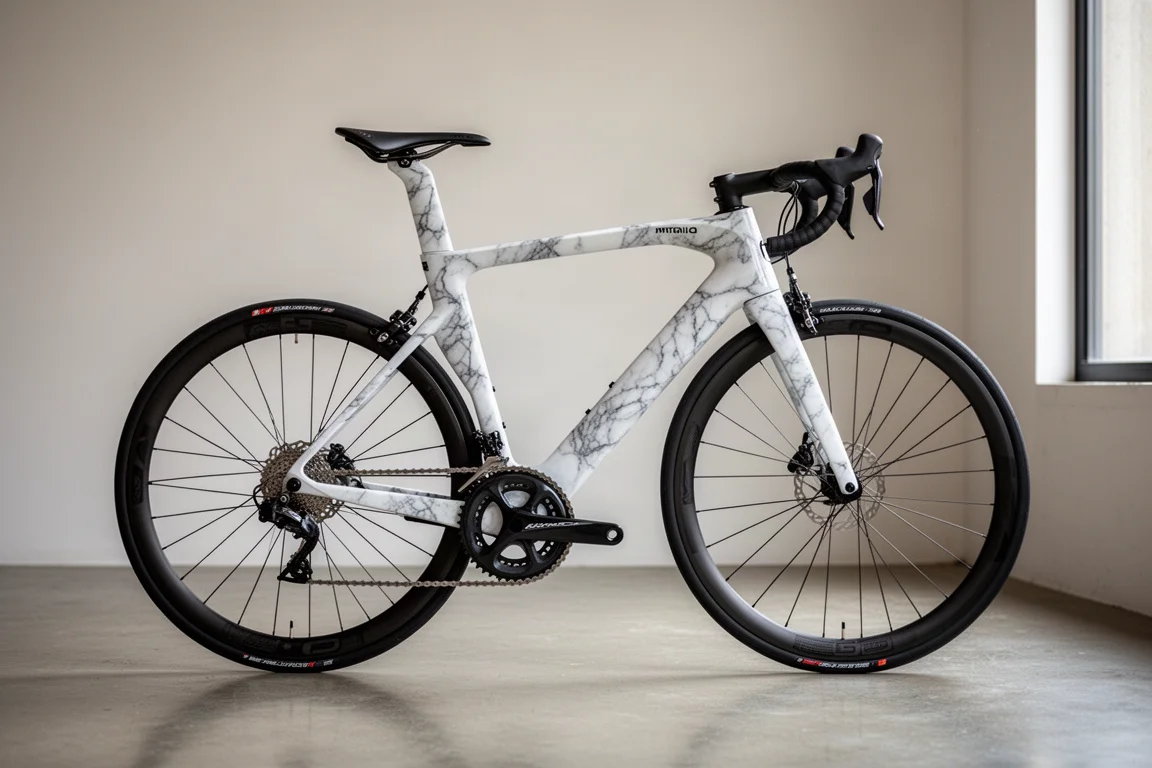
Wilier Superleggera
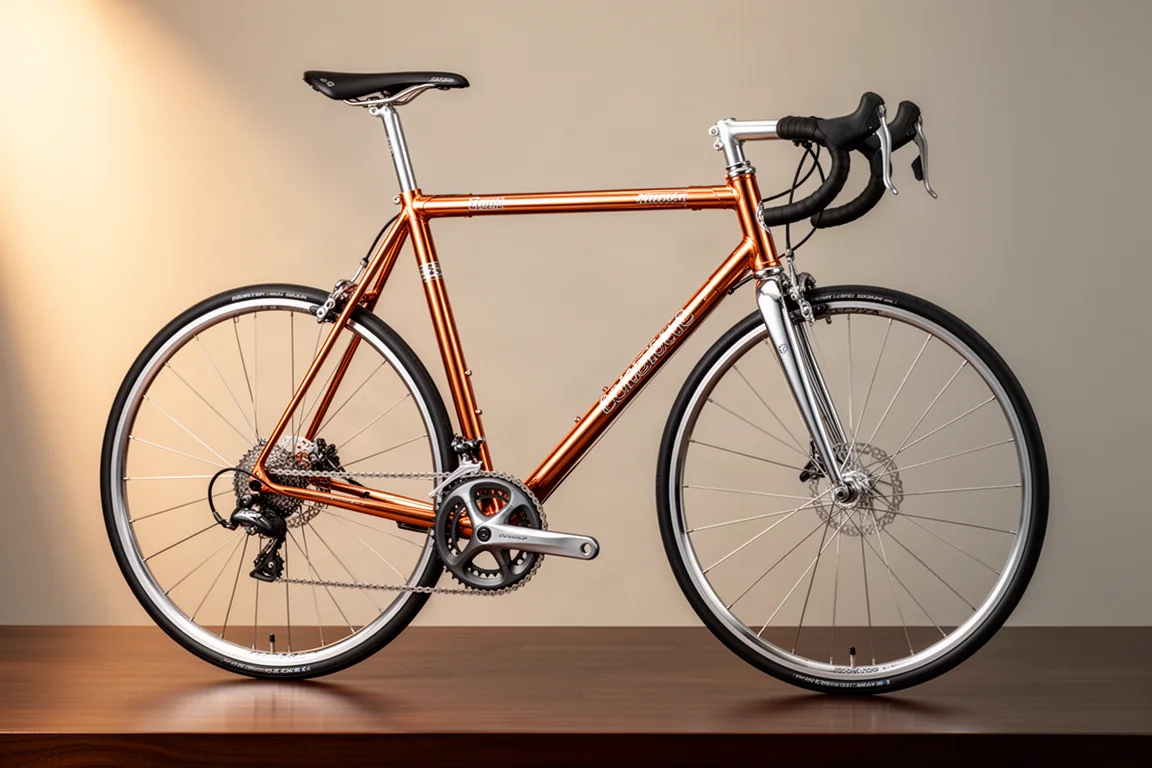
The Superleggera is handmade in Italy from Columbus steel with a lugged construction, and the fork is built using the same tooling as the original era. What makes it genuinely usable rather than merely nostalgic is the modern finishing kit, including a current 12-speed Campagnolo groupset, so reliability is not sacrificed for the look.
The finish is the polished, copper-plated scheme that echoes a classic Wilier paint job, and it is a striking thing to stand next to. Against the Filante it gives away roughly 2 kg, and on the road that shows up as a slower, less eager response under acceleration, although the more relaxed geometry is comfortable and undemanding over long distances.
Canyon Grail 6
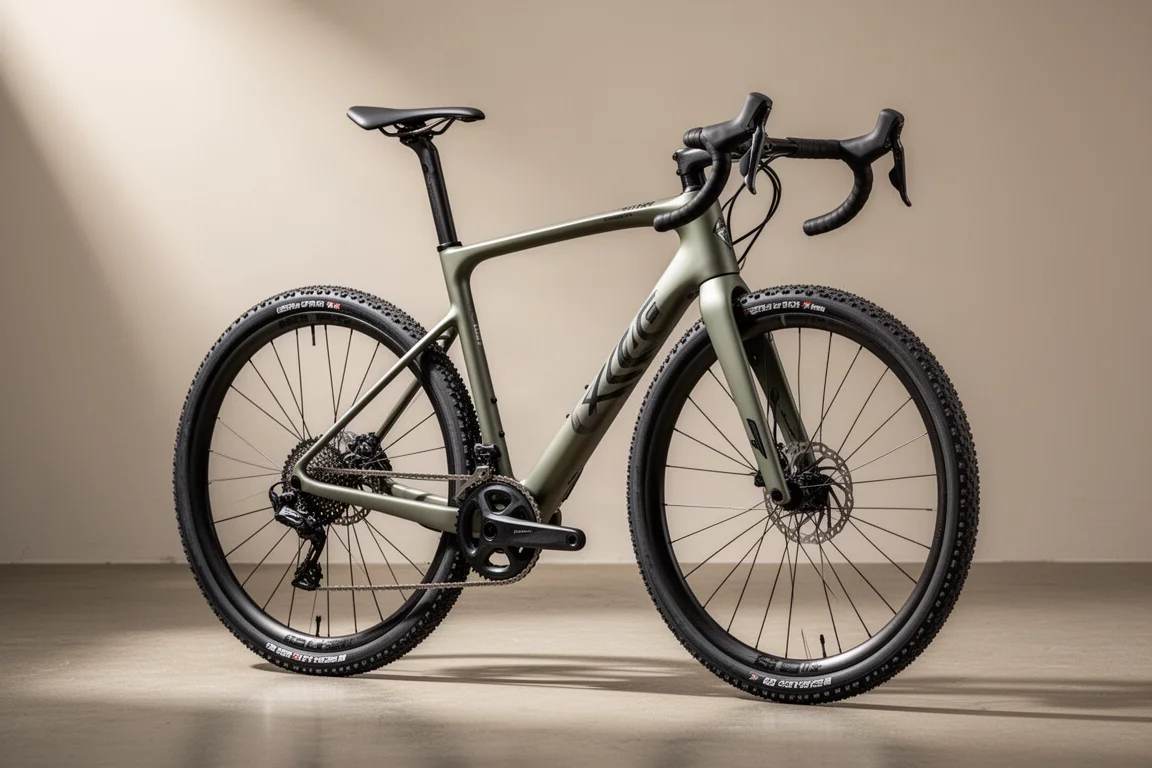
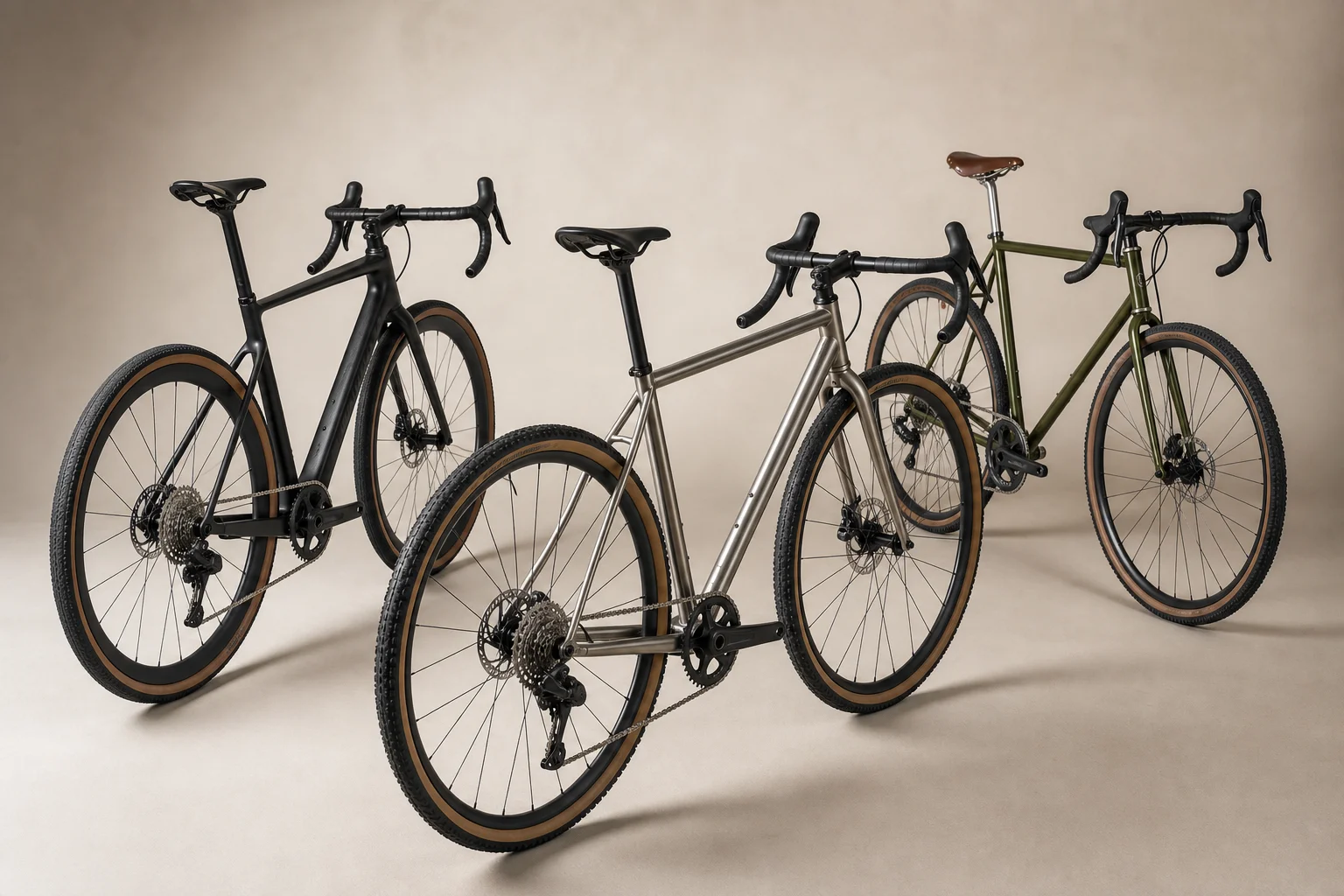
The Grail 6 is the aluminium option in the Grail range, with a frame that weighs 1,540 g. It uses Shimano’s gravel specific GRX 400 mechanical groupset with hydraulic disc brakes, an 11-speed wide-range cassette, two chainrings up front and a clutch rear derailleur that keeps the chain under control on rough ground.
Canyon notes that aluminium is slightly more robust than carbon, which matters if the bike will be locked up in town, loaded for trips or generally treated as a working machine rather than a fair weather toy. The 40 mm tires run at around 34 psi smooth out most gravel surfaces, and the frame feels a little less forgiving than its carbon sibling rather than fundamentally different in character.
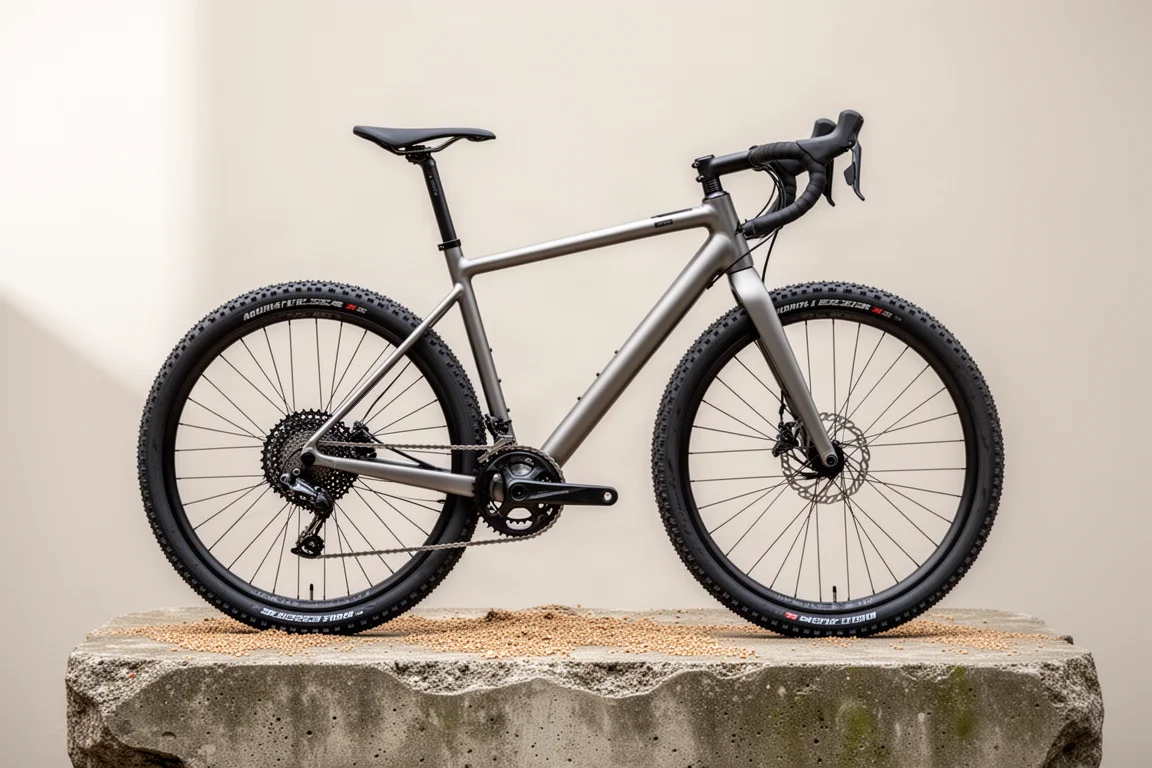
Canyon Grail CF SLX 8 Di2
The carbon Grail uses an 830 g frame and Shimano’s GRX 810 Di2 electronic groupset. Shifting is quicker, takes less effort and stays consistent when dust and mud would otherwise work their way into cables, and removing the mechanical internals allows a smaller lever body that many riders find more comfortable and more confidence inspiring on technical terrain.
The carbon layup can be engineered to be stiff where power transfer matters and compliant where comfort matters, and the difference is noticeable both on rough ground and on imperfect tarmac. The bike is around 1.2 kg lighter than the aluminium Grail and comes with aero wheels, though it costs considerably more and is the sort of machine you would think twice about leaving unattended.
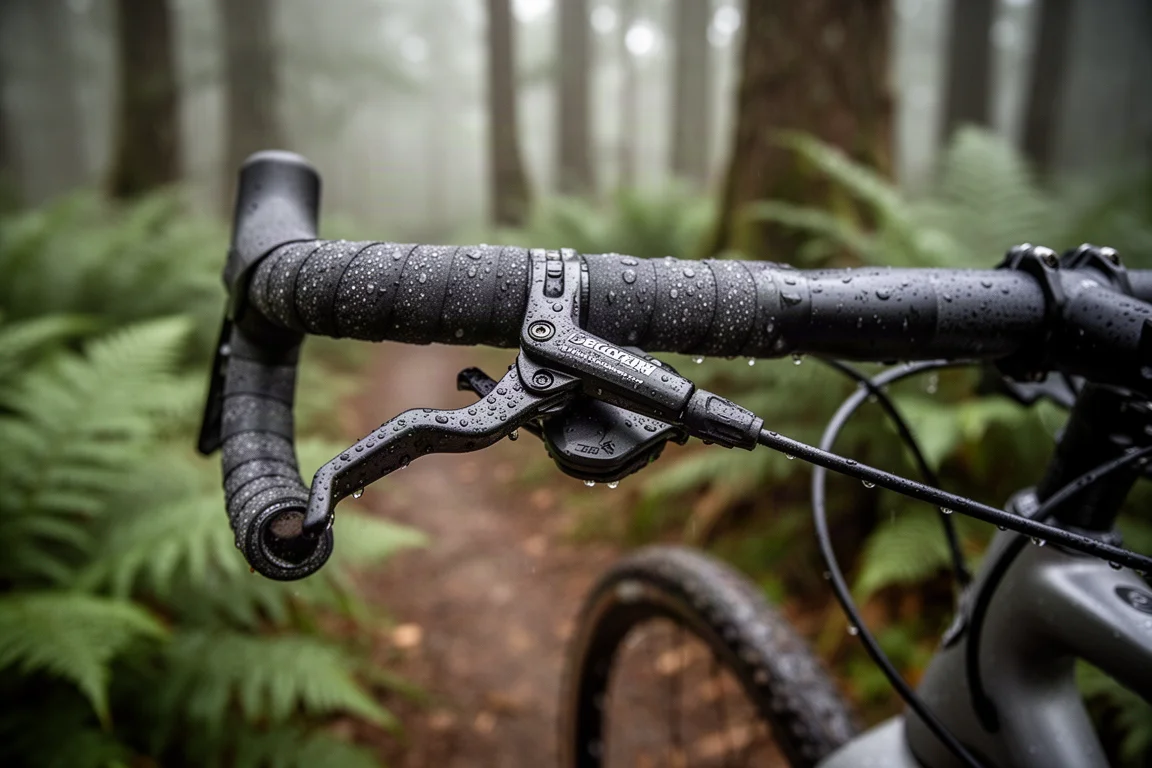
For all the measurable gains, the largest difference between the two Grails on technical trails was rider skill rather than frame material. Both are quick and both are enjoyable; the carbon bike simply delivers a steady stream of small rewards that make it feel more responsive whenever you press on the pedals.
Buying Advice
The pattern across these bikes is consistent. Weight dominates on steep climbs, aerodynamics dominates on flat and rolling terrain once speed rises above roughly 20 km/h, and braking performance shapes confidence more than most riders expect. In a controlled braking comparison, hydraulic disc brakes on a modern bike stopped in roughly half the distance of basic caliper brakes, and that is the kind of difference that matters on real roads.
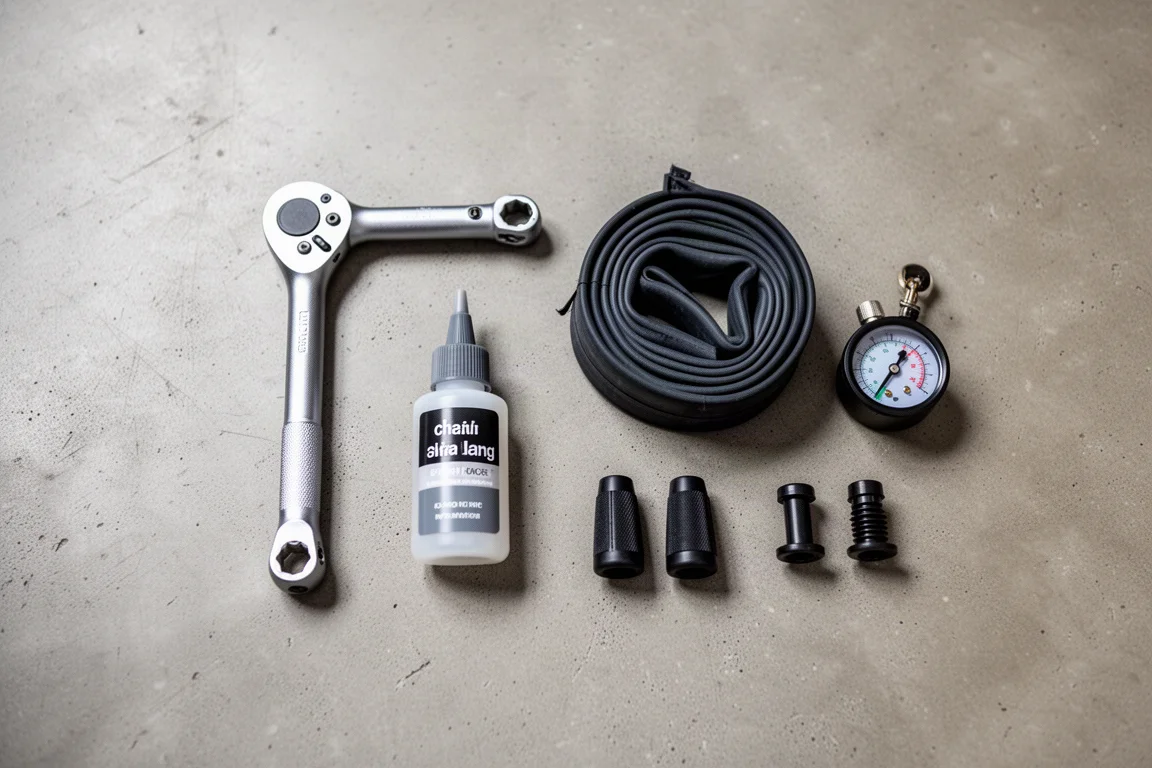
The encouraging news is that the most effective upgrades are often the cheapest. Narrower handlebars, a better body position, faster tires and properly set up brakes all deliver real gains without a new frame. If you race in a bunch, tactics and strong legs reduce the penalty of an unaerodynamic bike considerably, so it is worth being honest about where you ride and what you actually need.
On gravel, the gap between a mid-range and a top-tier bike is smaller than it is on the road. Both Grails here are fast and both handle the same terrain; the carbon model is lighter, more compliant and shifts electronically, which is pleasant rather than transformative. If budget is tight, a well chosen aluminium gravel bike will take you almost anywhere the expensive one goes.
Pick the bike that matches the riding you do most often. A specialist machine is superb at its one job and compromised everywhere else, while an all-round road or gravel bike stays useful across far more of your riding.
Conclusion
Aerodynamics and weight both matter, but they matter in different places, and these bikes illustrate that better than any single number. The Ribble Ultra SLR and the Canyon Aeroad show how much a modern aero road bike can extract from tube shapes, narrow bars and rider position. The Ventum One shows the cost of chasing drag reduction without regard for the rulebook. The Ventum NS1 and the Wilier Filante show that an all-round bike can be light, aerodynamic and versatile at the same time.
The classic machines tell the other half of the story. The Wilier Superleggera is a beautiful object and a genuinely enjoyable ride, and older steel race bikes remain far more capable than their age suggests. They are simply not as fast when the clock is running.
Choose by the riding you do, the terrain you cover and the budget you have. All nine bikes are good at something; the trick is matching that something to the way you actually ride.
Further reading
Related Reviews
Cycling
2026 Bike of the Year and the Cycling Gear Worth Watching
A drop bar roundup for 2026 covering the Ridley Kanzo Fast 2.0, Shimano Dura-Ace Di2 R9300, Trek Checkpoint ALR Gen 3, Specialized Tarmac SL9, Garmin Fenix 9 and Insta360 X6.
Cycling
Best All-Road Bikes 2026: Six Versatile Endurance Road Bikes Worth Considering
A practical look at six all-road and endurance road bikes, from lightweight carbon speed machines to steel all-rounders and comfort-focused mile eaters.
Cycling
Best All-Road Bikes 2026: 8 Endurance Bikes for Road and Light Gravel
Eight all-road bikes that blur the line between endurance road and light gravel, compared on tire clearance, ride character, practicality, and value.