Electric Bikes
Miu Ebike Review: What the Cheapest Amazon Electric Bike Actually Delivers
A practical look at the Miu ebike, a budget Amazon electric bicycle with a 250W hub motor, a 450Wh battery, and a few compromises worth knowing before you buy.
Introduction
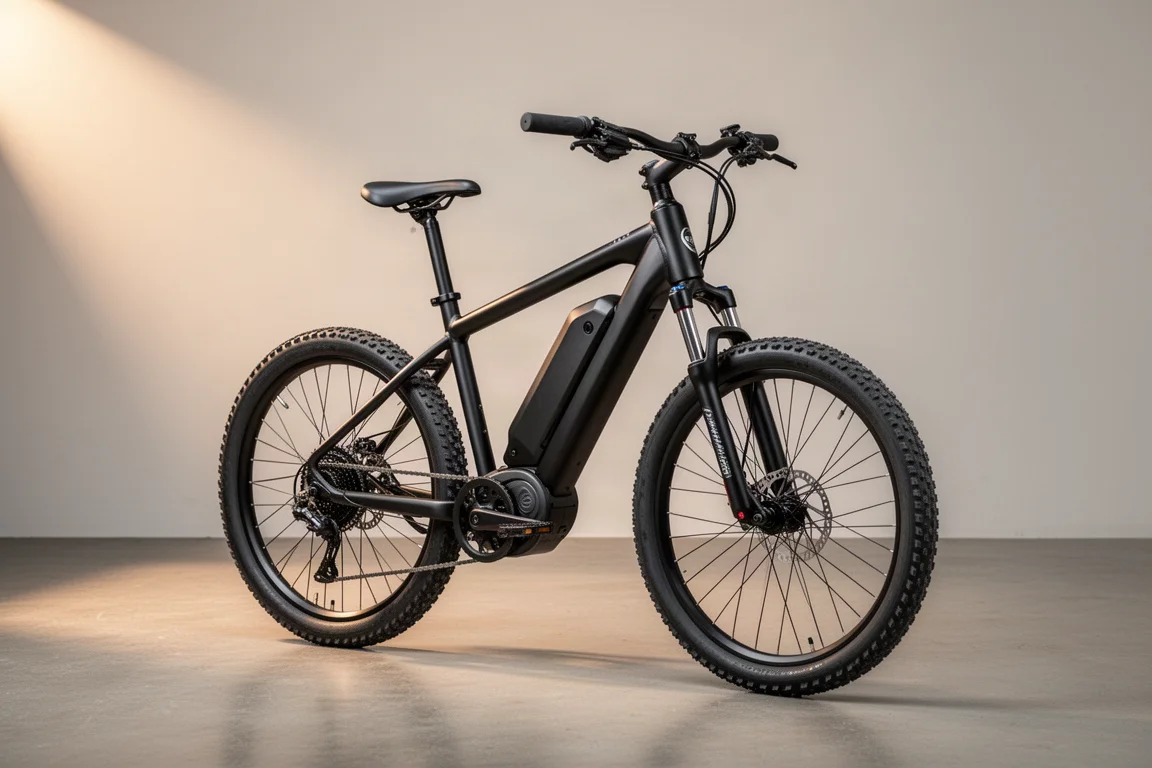
Electric bikes have moved from niche curiosity to mainstream transport, and the numbers tell the story: more than a quarter of all bicycles sold last year were electric, on a market worth over 50 billion dollars. That scale has done something useful. It has pushed prices in both directions, which means there is now a genuinely cheap end of the market where there used to be none at all.
The Miu ebike sits at that cheap end. It is an Amazon electric bicycle built to a price, and plenty of buyers have clearly taken the plunge and enjoyed the result. The interesting question is not whether it matches a premium machine. It is whether the money saved costs you anything that actually matters day to day.
Short answer: it depends heavily on how you intend to use it, and there are two or three specific things worth understanding before you order one.
Who This Bike Is For
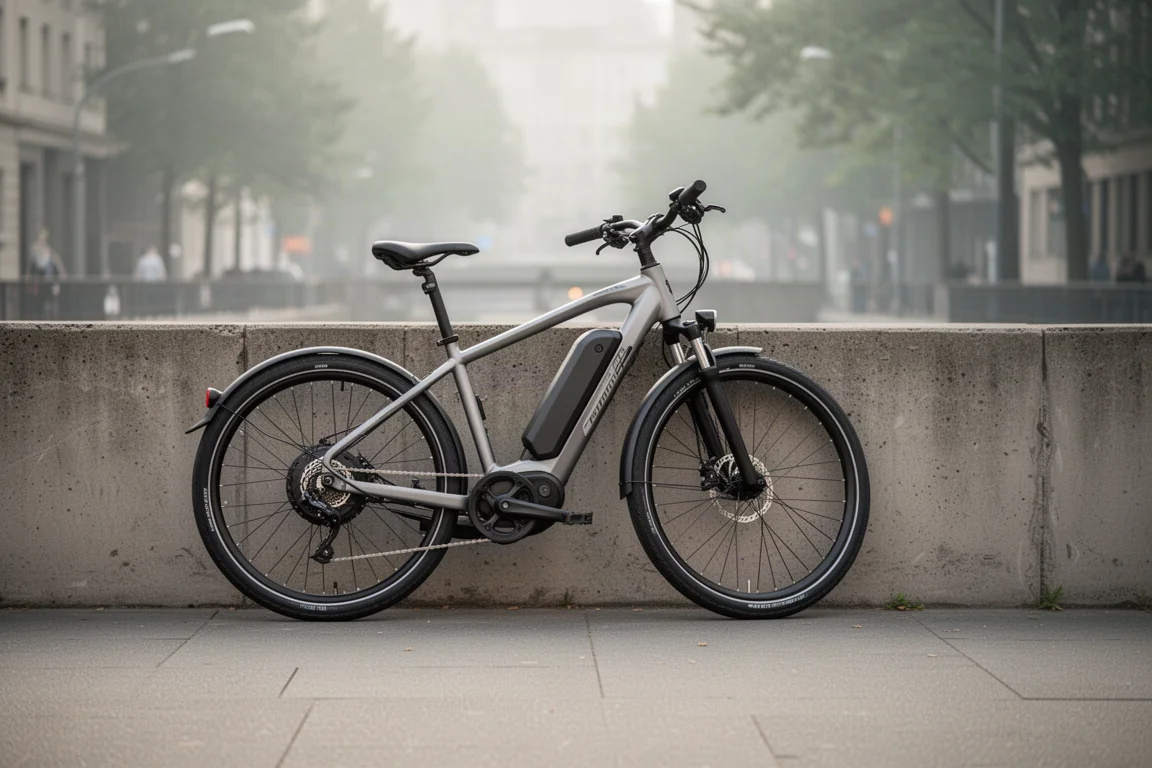
This is a bike for someone who wants to get out of a car, add a bit of daily movement, and have some fun doing it without spending a large sum. If your journey is a few miles of reasonably surfaced road, or you simply want assistance on the days when your legs are not cooperating, the basic value proposition makes sense.
It also suits riders who are curious about electric assistance in general and want a low-risk way to find out whether they will actually use it. There is a reasonable argument that cheaper ebikes help more people access the technology, which in turn means fewer car trips, less congestion, and a bit more fitness. That is a genuine benefit, and it is worth saying clearly.
It is not a bike for someone who wants a refined, quiet, predictable motor response, a dashboard, or confidence on rough ground. Those riders will be happier spending more elsewhere.
Main Strengths
The headline strength is straightforward: the motor works. Power goes to the back wheel, and on flat roads the bike bowls along comfortably. There is a real, usable amount of assistance here, and it arrives without drama once you are moving.
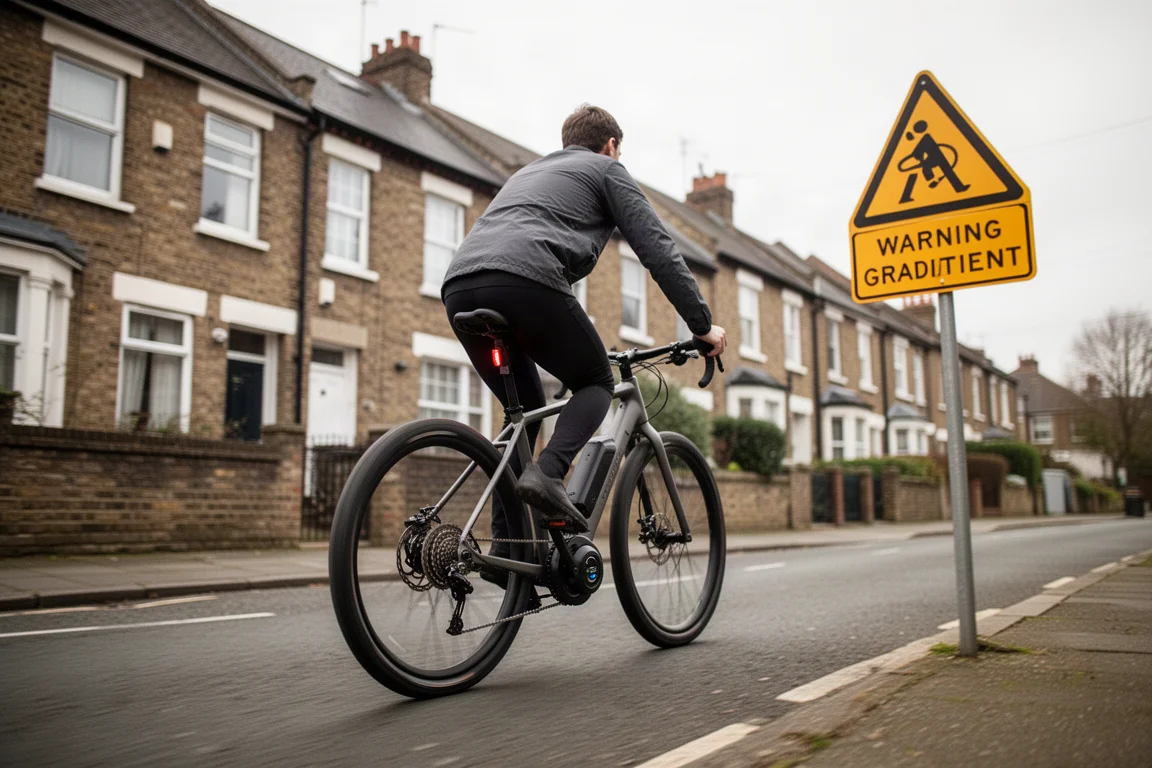
On climbs, that assistance is more convincing than you might expect from a budget machine. On a genuinely severe one-in-six gradient, the Miu kept moving and made a difficult hill feel manageable. That is the core promise of an ebike, and on that specific test it delivered.
The second strength is the spec list for the money. A 250W hub motor, a 450Wh battery, three assist levels, 21 claimed Shimano gears, cable-actuated disc brakes, a suspension fork, and tyres described as suitable for almost all terrains. Hub motors appear on expensive bikes too, so their presence here is not automatically a weakness; on a cheap bike they are simply the practical option.
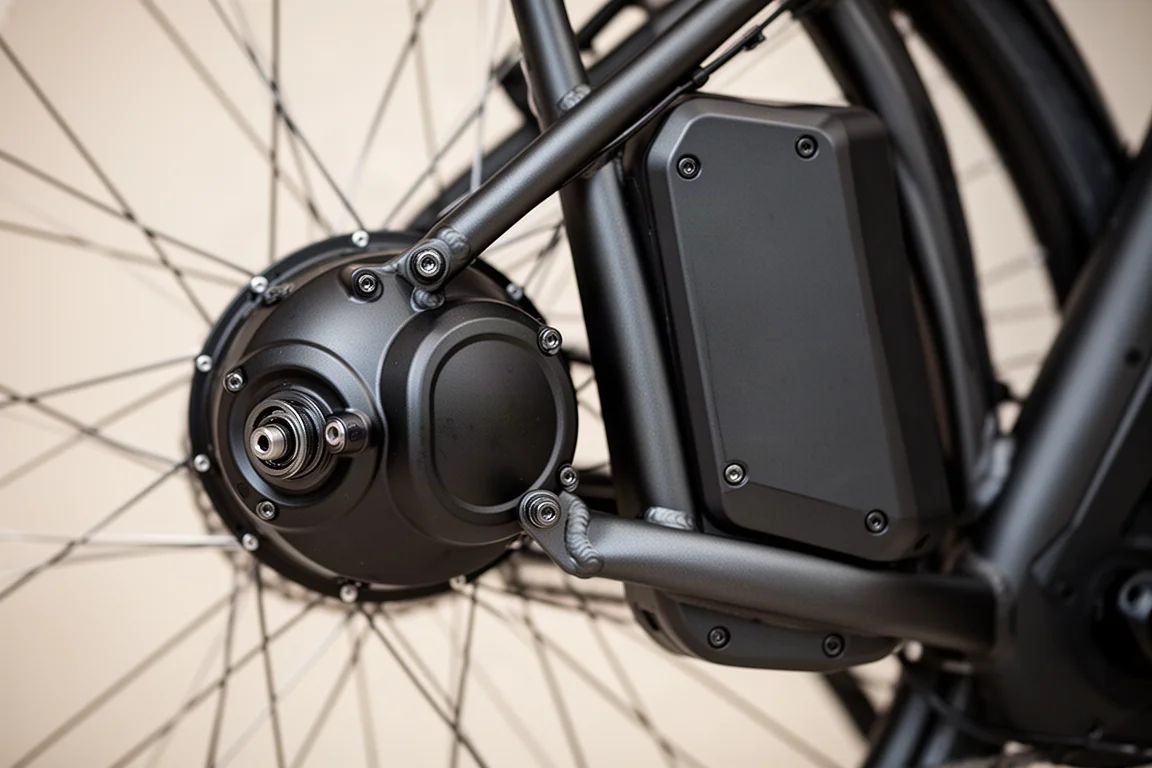
The battery capacity is the most interesting figure. At around 450 watt-hours, full-power riding should give close to two hours of assistance in theory, and in practice the bike was still going after more than an hour of continuous riding. For short commutes and errand runs, that is a workable range.
Things to Consider Before Buying
The first thing to know is that this bike is heavy. At 27 kilograms it is not something you will want to carry up stairs or lift onto a rack, and riding it with the assistance switched off is genuinely unpleasant. Treat the motor as essential rather than optional, and make sure you have somewhere at ground level to store it.
The second is the motor’s behaviour. On this bike the assistance does not cut out cleanly the moment you stop pedalling. There is a noticeable delay of a couple of seconds where power keeps arriving, and the motor is also slow to engage when you start. Combined with the absence of any display or speedometer, that makes the assistance feel less predictable than the smoother systems found on more expensive bikes. You adapt to it, but you notice it.
The third is the suspension. On cobbled surfaces the fork was the least effective of its type, and the sensation was of a component fitted for appearance rather than performance. The bike survived the rough stuff, but it did not do so comfortably, and “almost all terrains” is a marketing phrase rather than a description of capability.
The fourth, and most important, is the battery. During testing the battery indicator moved in a way that did not track reality, recovering a bar it had already lost. That inconsistency matters less as an annoyance and more as a signal: you want to feel confident that the battery management system knows what it is doing. A poor battery management system is what typically sits behind the overcharging and over-discharging faults that cause battery fires, and fires are a real, well-publicised risk in this category, even if the overall rate is estimated at a fraction of one percent.
This bike does carry a European safety standard mark, which is reassuring as far as it goes. It is worth understanding that the mark is self-declared rather than independently verified by a testing body, so it indicates claimed compliance rather than guaranteed compliance.
Buying Advice
If you decide to buy, buy it with clear eyes and treat a few habits as non-negotiable. Charge the battery while you are in the room and awake, unplug the charger when charging finishes, and avoid leaving it on charge overnight. Those three habits remove most of the realistic risk, because the overwhelming majority of incidents happen during charging rather than while riding.
Give the brakes time to bed in. Cable-actuated disc brakes are not known for enormous stopping power, and on a 27-kilogram bike with a rider aboard, the front brake in particular felt less effective than you would want on a steep descent. Set your expectations on stopping distance accordingly and keep your speed in check on long downhills.
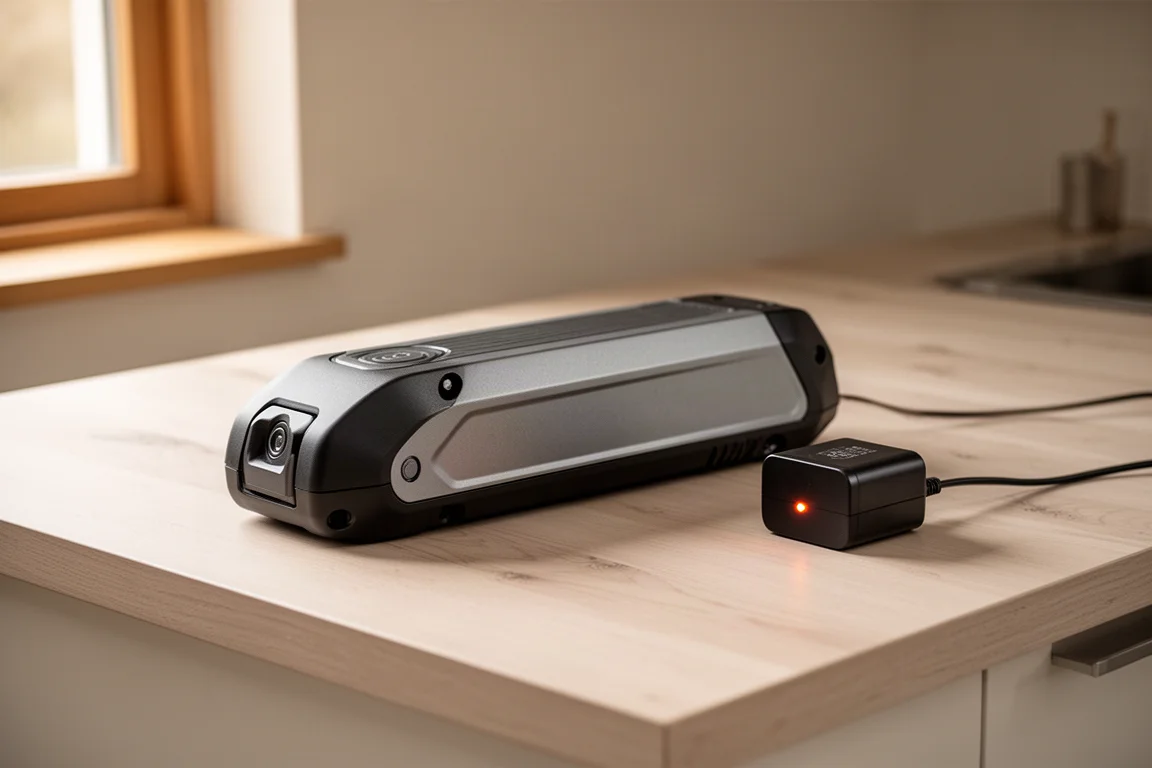
Also plan around the missing display. Without a speedometer you have no readout to tell you when the motor is about to reach its assistance limit, so you learn the bike’s behaviour by feel instead. On flat roads with steady pedalling that is fine. On technical or steep terrain it is one more thing demanding your attention.
Finally, accept the finish. The paintwork and overall presentation are not the reason to own this bike, and the rear derailleur on the test bike was marked as a six-speed unit despite seven sprockets being fitted. The gears work, but the bike is functional rather than tidy.
Conclusion
The Miu ebike is a compromised machine, and anyone who has spent time on well-built electric bikes will notice that immediately. The suspension is weak, the motor response is imprecise, the battery gauge is erratic, and the whole thing weighs about as much as a small piece of furniture.
None of that erases what it does well. It assists. It climbs hills that would otherwise be miserable. It runs for well over an hour on a charge. And it does all of that at a price that makes electric assistance accessible to people who could not otherwise afford it.
If you are shopping at the very bottom of the ebike market, this is one of the more sensible options in it, provided you ride it within its limits and treat the battery with respect. Buy it as a cheap way into electric riding, not as a cheap version of a good one, and it will do the job you bought it for.
Product link
View more details for Miu Ebike Electric Bicycle
This product is mentioned in the review. Check the specifications, options, and compatibility before buying.
View more details for Miu Ebike Electric BicycleFurther reading
Related Reviews
Electric Bikes
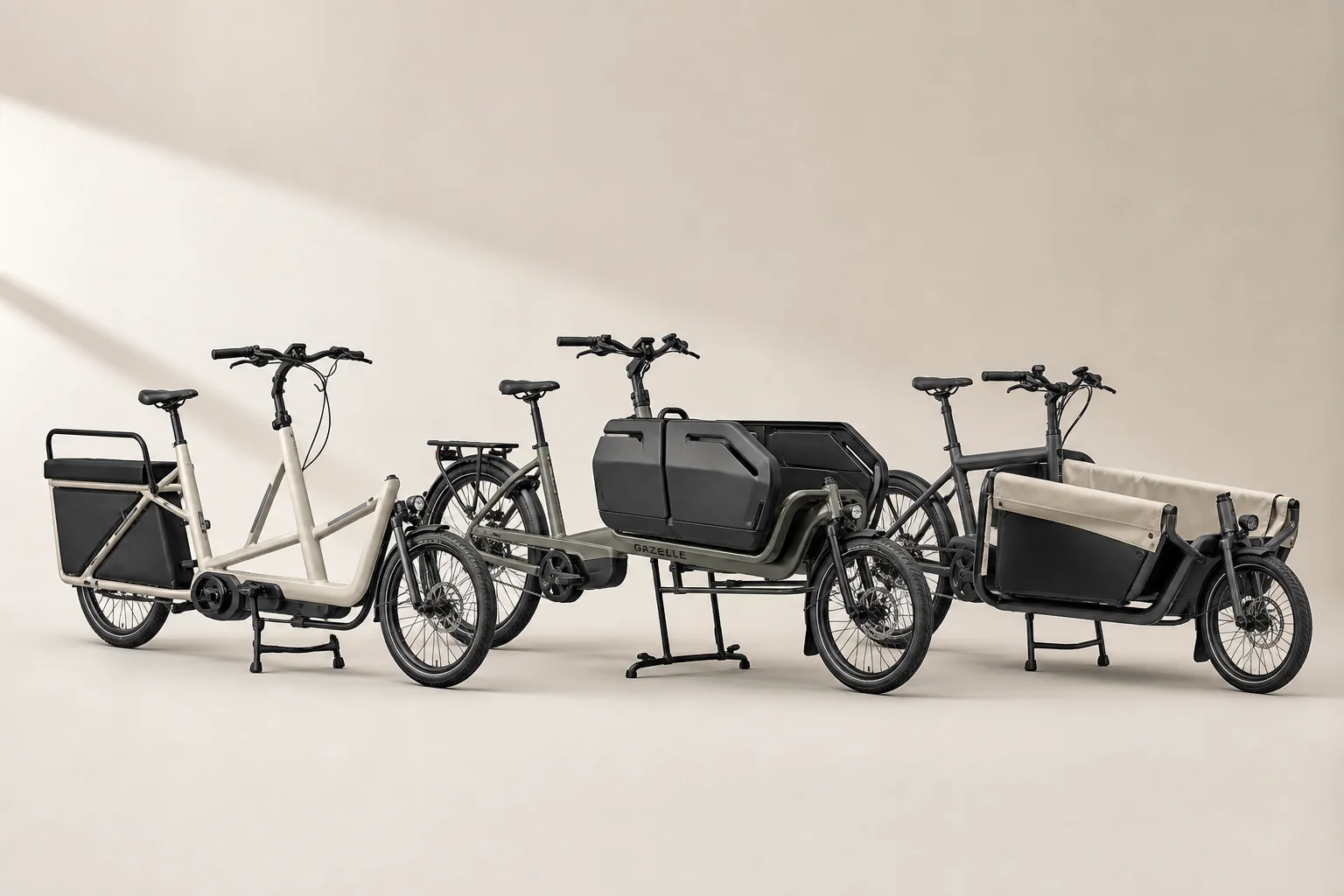
Best Cargo E-Bikes for Family Use: Three Practical Options for Car-Free Living
Three electric cargo bikes designed for families and everyday transportation, each with distinct strengths for replacing car trips and building community.

Electric Bikes
Best Electric Bikes 2026: The Most Exciting Launches From CES
From lightweight e-motos to compact city commuters, these are the most interesting electric bikes unveiled at CES 2026.
Electric Bikes
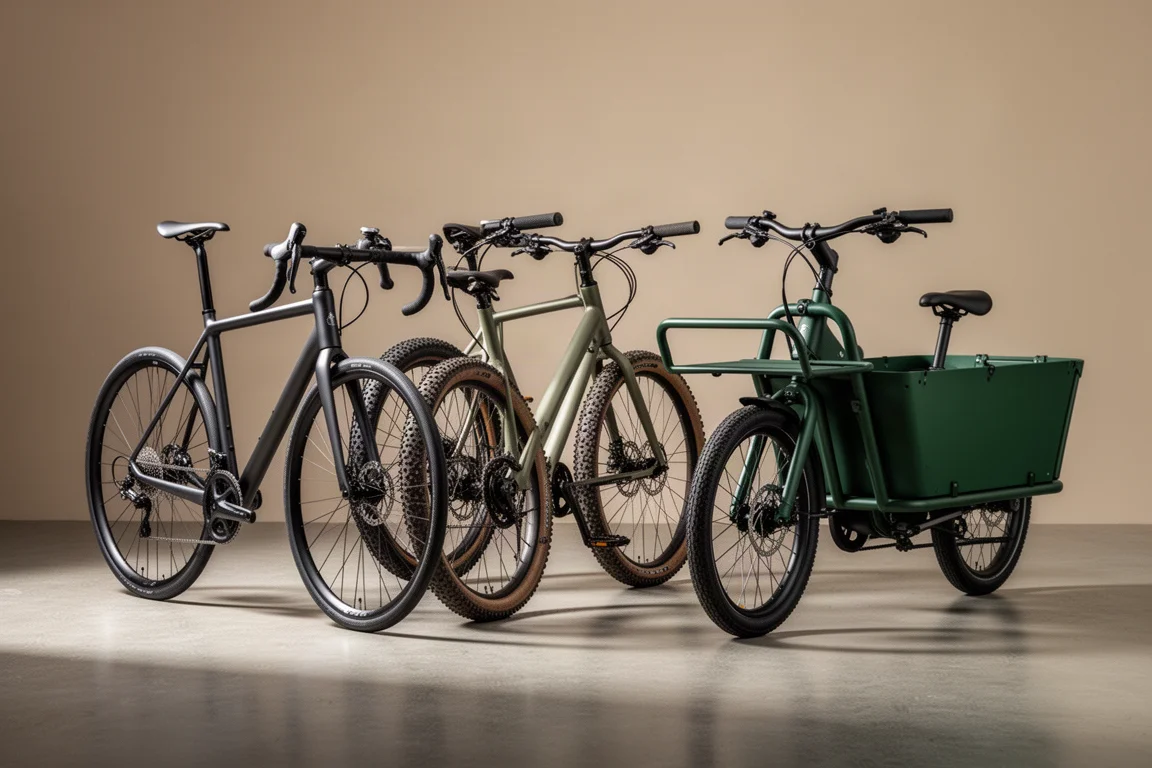
Best Electric Bikes 2026: Seven E-Bikes Worth a Closer Look
A practical look at seven electric bikes spanning endurance road, gravel, cargo and experimental designs, with the real strengths and trade-offs of each.