Tower Speakers
Mission LX6 Mark II Review: A Budget-Friendly Three-Way Tower That Is Easy to Live With
The Mission LX6 Mark II is a compact three-way tower with 91 dB sensitivity, deep bass, and a relaxed treble character. Here is what it does well and what to check first.
Introduction
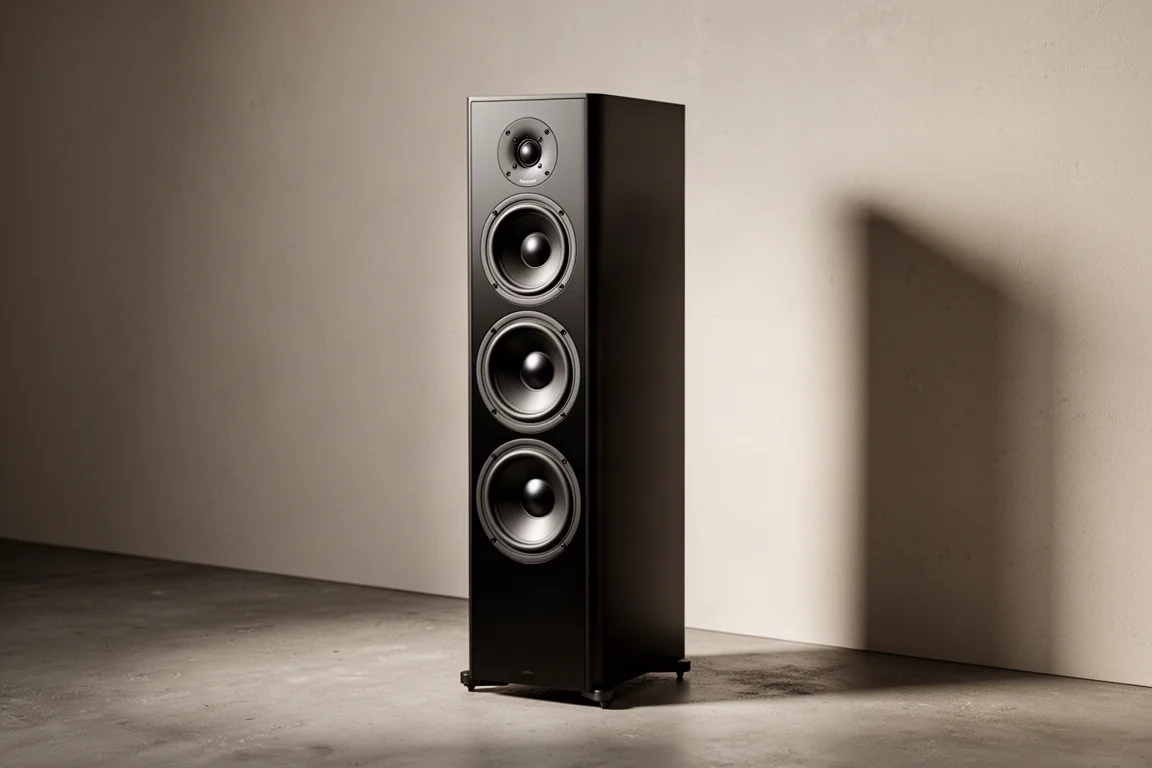
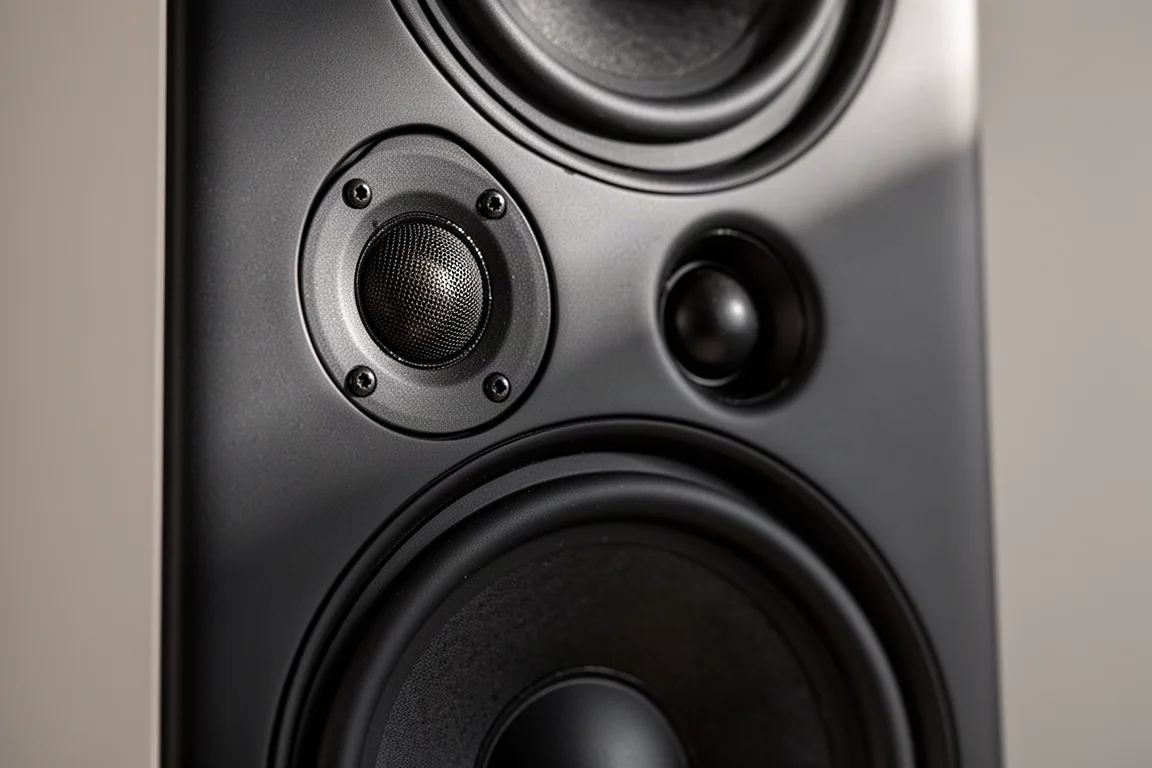
Mission’s LX range has moved into its second generation, and the LX6 Mark II sits at the top of it as the largest three-way tower in the line. The driver complement pairs a one-inch fabric dome tweeter with a five-inch mid-range driver and two six-and-a-half-inch woofers, supported by two rear-facing ports. Mission rates the speaker from 35 Hz to 20 kHz, with an eight-ohm nominal impedance that can dip to around three ohms and a sensitivity figure of 91 dB.
That combination is the headline. This is a three-way floorstander that most budget integrated amplifiers and receivers can drive without drama, which makes it relevant to a much wider group of buyers than its size might suggest.
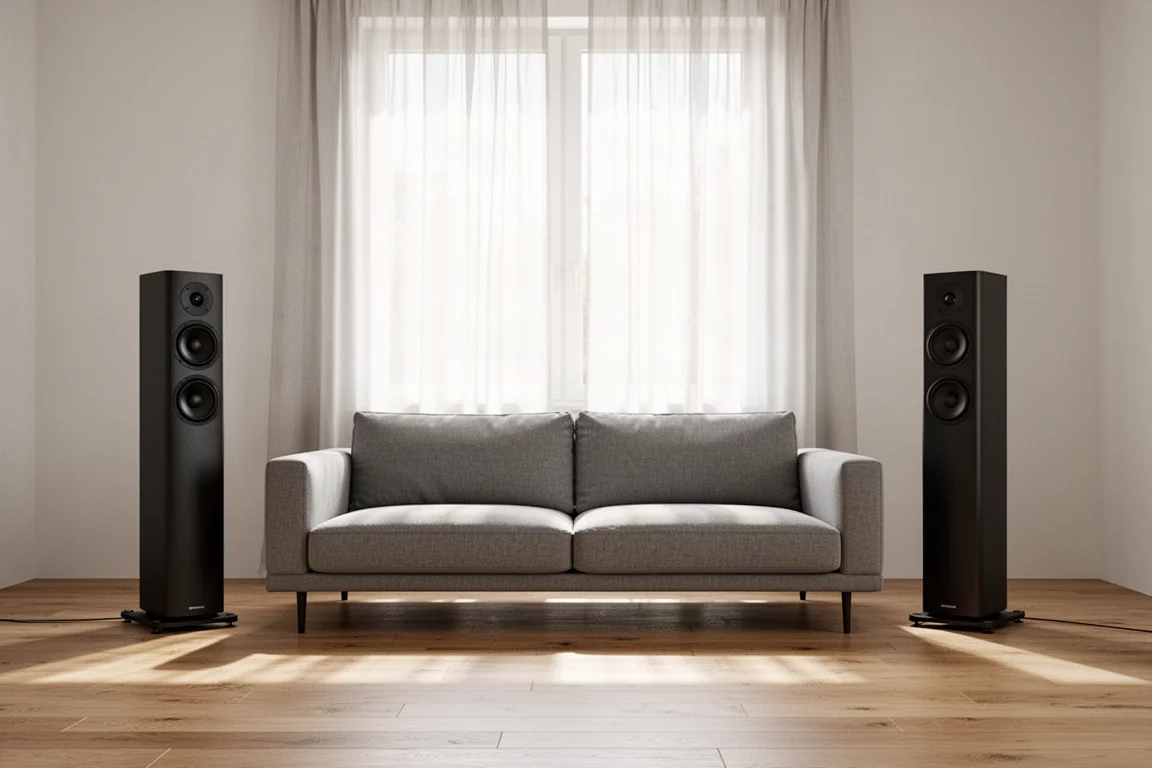
The short version is that the LX6 Mark II is a supremely listenable speaker rather than an analytical one. It is not perfect, and it does not pretend to be. What it does is get out of its own way and deliver hours of fatigue-free listening across music and film material alike.
Who the Mission LX6 Mark II Is For
This speaker makes the most sense for two kinds of buyers. The first is a stereo listener putting together an affordable two-channel system, particularly one who values a rich, grounded low end and a relaxed top end over a bright, forward presentation. The second is a home theater owner with a compact room who wants towers that do not dominate the space but can still carry a soundtrack.
It is also a reasonable choice for listeners who are sensitive to high frequencies. The treble rolls off as it approaches the upper limits of the audible range, so the LX6 Mark II rarely draws attention to itself with harshness.
Where it is less of a fit is with listeners who want maximum bite and snap. If your library leans toward hard rock or metal, or you want a speaker that pushes detail forward at every volume, this is not the most obvious match.
Design, Build, and Placement
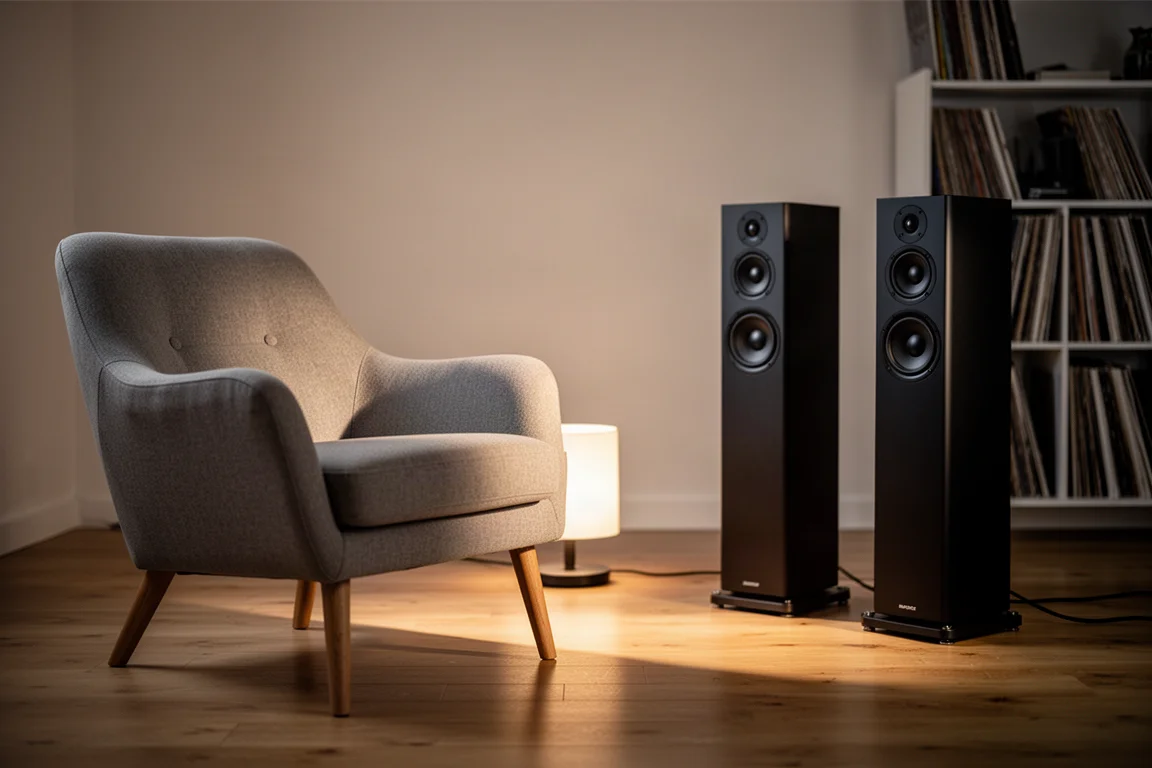
For a budget speaker, the LX6 Mark II is surprisingly well crafted. The cabinet is matte black, with a soft-touch satin black finish on the front baffle. Depending on where you live, finishes such as walnut or white may also be available. The speaker ships with basic magnetic grilles that do a decent job of protecting the drivers from children and pets, though the fit is not especially tight and stronger magnets would be a welcome improvement.
The tower is compact for a three-way design, roughly in line with other slim floorstanders in its class, which helps it disappear into a room rather than dominate it. Because it is rear ported, it is sensitive to placement. Pushed too close to the wall, the bass can gain more than 3 dB and turn chesty or boomy. In practice, the speaker performed best pulled out roughly 24 inches from the wall, which brought the low end into better alignment with the rest of the response.
Measurements show a speaker that is quite good from about 40 Hz up to 10 kHz. A bass boost is present regardless of placement, and even 24 inches out from the wall there was still more than 5 dB of lift in places below 200 Hz. That lift gives the LX6 Mark II a rich, grounded, bass-leaning tone rather than a neutral one, and it responds well to EQ or room correction if you want to flatten it.
Main Strengths
The mid-range and treble are where this speaker earns its keep. Male and female vocals, along with mid-range instruments such as acoustic guitars, sound very good. The mid-range is not forward or live sounding; cabinet coloration adds a touch of old-school warmth that flatters less-than-audiophile recordings. The tweeter offers good detail and extension, and only rolls off as it nears the ultra-high frequencies, which is why it plays nicely with a wide range of material.
Dispersion is excellent. Instruments and performers sit behind the front baffles but extend with solid separation and contrast well beyond the outer edges of the cabinets, with a surprising amount of height. The center image is one of the stronger ones available at this price point, and the presentation holds together whether the speakers are aimed straight ahead or toed in. Pointing them directly at the listening position is one way to extract a little more high-frequency detail.
Bass is another strength in subjective terms. Without a subwoofer, the low end comes across as deeper than the measurements suggest, and it may well be enough that you do not miss a subwoofer for music. The trade-off is texture: the low end is a little vague or soft around the edges compared with more expensive towers, and kick drums can sound boomier than some listeners prefer.
Amplifier Pairing and Home Theater Use
With 91 dB of sensitivity, the LX6 Mark II is not difficult to power, which is exactly why it suits budget integrated amplifiers and receivers. It has been driven successfully by more than one affordable integrated amplifier, including Mission’s own 778x. That integrated retails at just under nine hundred dollars and delivers 65 watts into four ohms, along with analog and digital inputs, a built-in phono preamp, an ESS reference DAC with high-res audio capability, Bluetooth with app support and AAC, and a headphone amp. Combined with the LX6 Mark II, it makes for a capable two-channel system for around two thousand dollars all in.
For home theater duty, the towers work well with a modern receiver and a wireless subwoofer, and Mission offers two center speakers in the LX line, the C1 and C2. The larger C2 is a good fit, though a phantom center configuration can be just as satisfying here. As left and right mains, the compact size makes the LX6 Mark II an easy recommendation for smaller spaces, and it can still fill a larger room. Dialogue clarity is excellent even without a center channel, and speech tracks with the action on screen even when you are sitting off axis.
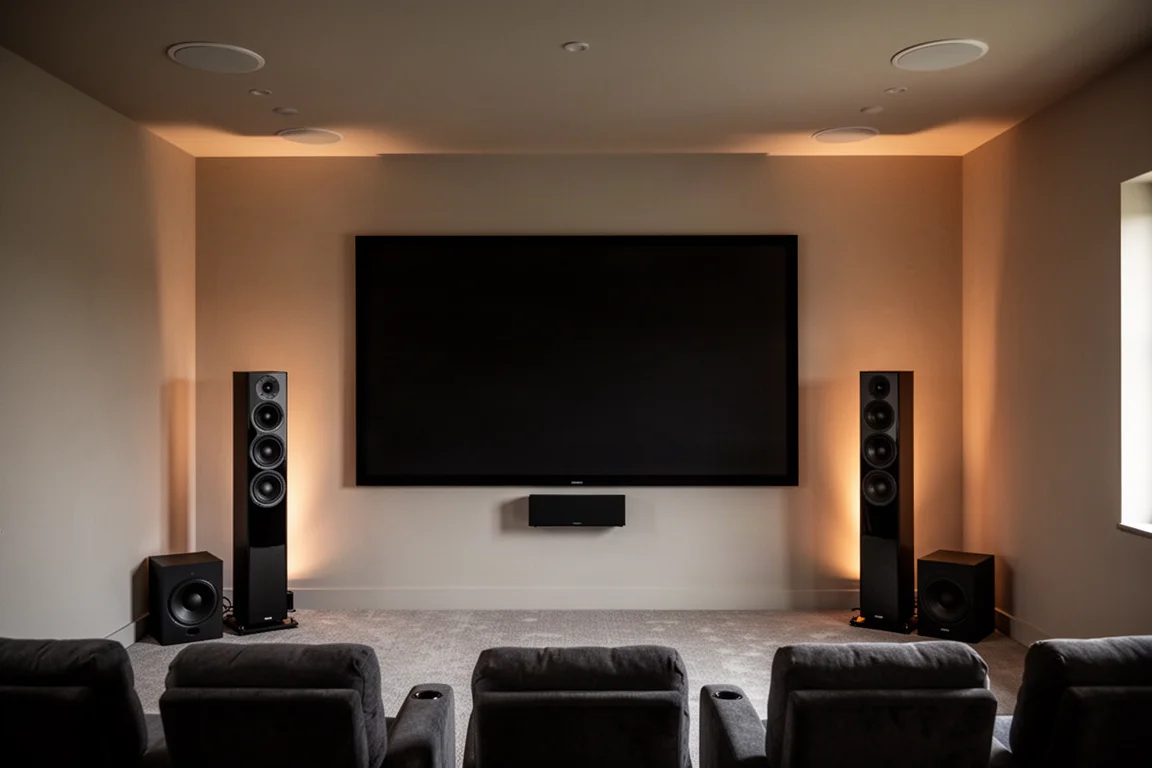
The one caveat in a theater setup is dynamics. These are not the snappiest speakers, and you will need to turn things up to bring them to life. The good news is that doing so is inexpensive, since an entry-level receiver is more than capable of driving them. A subwoofer is still required for true full-range playback, and the bass performance pays off with action films.
Things to Consider Before Buying
The bass lift below 200 Hz is the detail most worth planning around. It is always present to some degree, it makes the speaker sound fuller than its measurements suggest, and it is the main reason placement matters so much. If your room forces the towers close to a wall, expect a boomier result unless you can apply EQ or room correction.
That also means a subwoofer is part of the long-term plan for full-range playback, even though the speaker is enjoyable without one for music. The low end lacks the last bit of texture and detail that pricier towers provide, and kick drums are not as tight as they could be.
Dynamically, the LX6 Mark II is better suited to acoustic and jazz material than to aggressive, high-energy genres. Listeners who want maximum liveliness should weigh that against the alternatives. Finally, the grille fit is only adequate, and the treble roll-off means anyone who prefers a bright, forward top end may find this speaker a touch subdued.
Buying Advice
At an MSRP of around $1,200 for the pair, the LX6 Mark II competes with well-known towers such as the Yamaha S809 and C97 Mark II, the JBL Stage A190, the Focal Chora 826, and Klipsch’s Reference 800F and Reference Premiere 5000F Mark II. Several of those alternatives are more dynamically interesting and livelier, and the JBL A190 in particular is notably larger, more dynamic, and hard to pass up at around $600 for the pair. Focal’s Chora, at closeout pricing, is also a strong budget option while supplies last.
What the Mission brings to that comparison is construction quality closer to more expensive models, a relaxed treble that avoids fatigue, and a mid-range and treble character that is genuinely easy to live with. If your priority is long listening sessions without harshness, it is the more comfortable choice.
Value matters here too. When the LX6 Mark II is discounted below roughly eight or nine hundred dollars for the pair, the case becomes very straightforward, and the savings outweigh the gains offered by the step-up Mission 700, which sits closer to $2,200. The 700 is the better speaker on multiple levels and an equally listenable one, but it is also more sensitive to amplifier pairing. If a two-thousand-dollar outlay is a bridge too far, the LX6 Mark II delivers some of that same mid-range character and high-frequency ease for considerably less.
Conclusion
The Mission LX6 Mark II is a well-mannered tower from top to bottom, and it is a little richer and fuller than its price suggests. It asks for careful placement, a willingness to apply EQ or add a subwoofer for full-range playback, and a preference for easy listening over maximum excitement. Meet those conditions and it is a speaker you can sit with for hours without fatigue, which is exactly what most buyers in this bracket are looking for.
Product link
View more details for Mission LX6 Mark II
This product is mentioned in the review. Check the specifications, options, and compatibility before buying.
View more details for Mission LX6 Mark IIFurther reading
Related Reviews
Tower Speakers
Arendal 1610 Tower 8 vs MoFi SourcePoint 888 vs MoFi V10: Three Tower Speakers Compared
A close look at three large tower speakers in a similar price bracket, from the punchy, heavy-built Arendal 1610 Tower 8 to the coaxial MoFi SourcePoint 888 and the high-output MoFi V10.
Tower Speakers
Definitive Technology BP9020 Review: A Powered Tower With Real Bass and a Few Quirks
A slim tower speaker that hides a powered 8-inch subwoofer inside the cabinet, delivering deep bass and a wide stage alongside some clearly defined trade-offs.
Tower Speakers
Emotiva XT1 Tower Speakers Review: Serious Clarity Under $1,000
The Emotiva XT1 brings three woofers, a dedicated midrange and an AMT tweeter to the sub-$1,000 tower market. Here is where it delivers and what to weigh first.