Power Tool Batteries
Milwaukee M18 Forge vs M18 XC: Voltage Drop Testing on a Demanding Cutsaw
We pushed Milwaukee's new M18 Forge battery and the XC lineup hard on a sawzall-style saw to see which holds voltage best under load and stays cool.
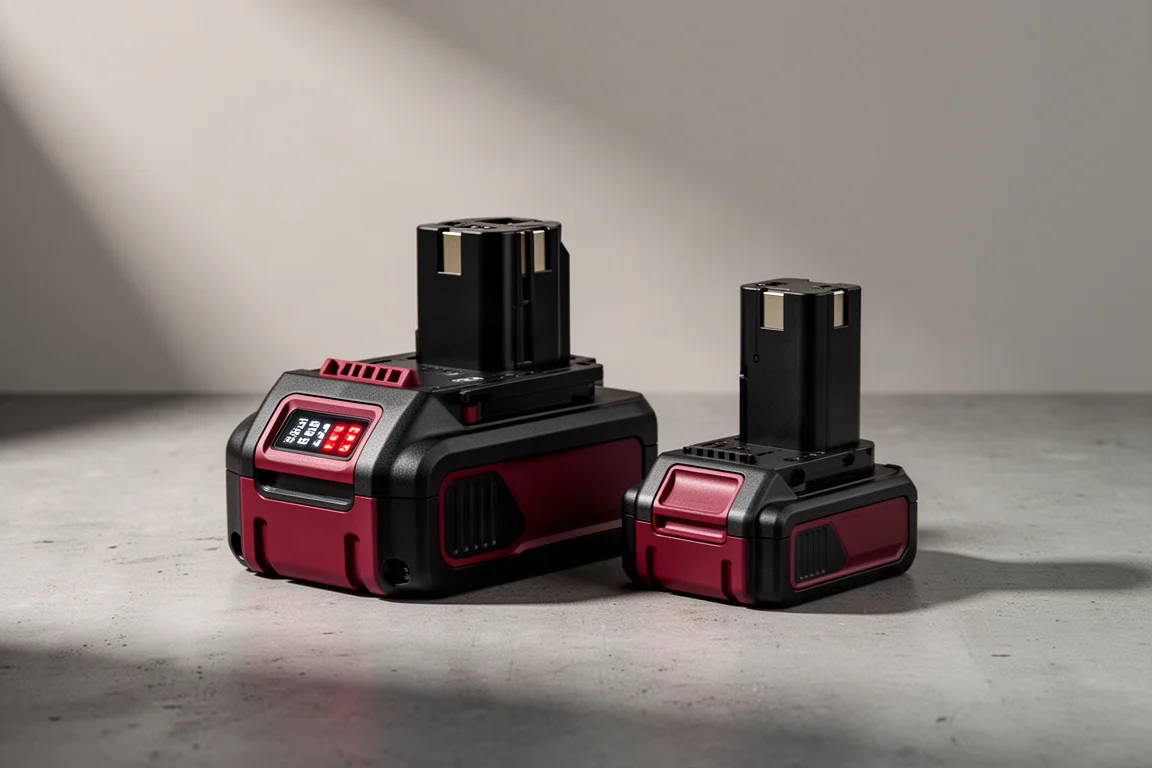
Introduction
Milwaukee positions the M18 Forge as the longest-lasting, most powerful, and fastest-charging battery in its lineup. That is a bold claim, so the sensible question is simple: does it actually hold up under load better than the XC batteries most people already own?
To find out, we pushed both the Forge and several XC packs through demanding cuts on a heavy-duty saw, watching voltage sag and recovery in real time. The results were more one-sided than expected.
How We Tested
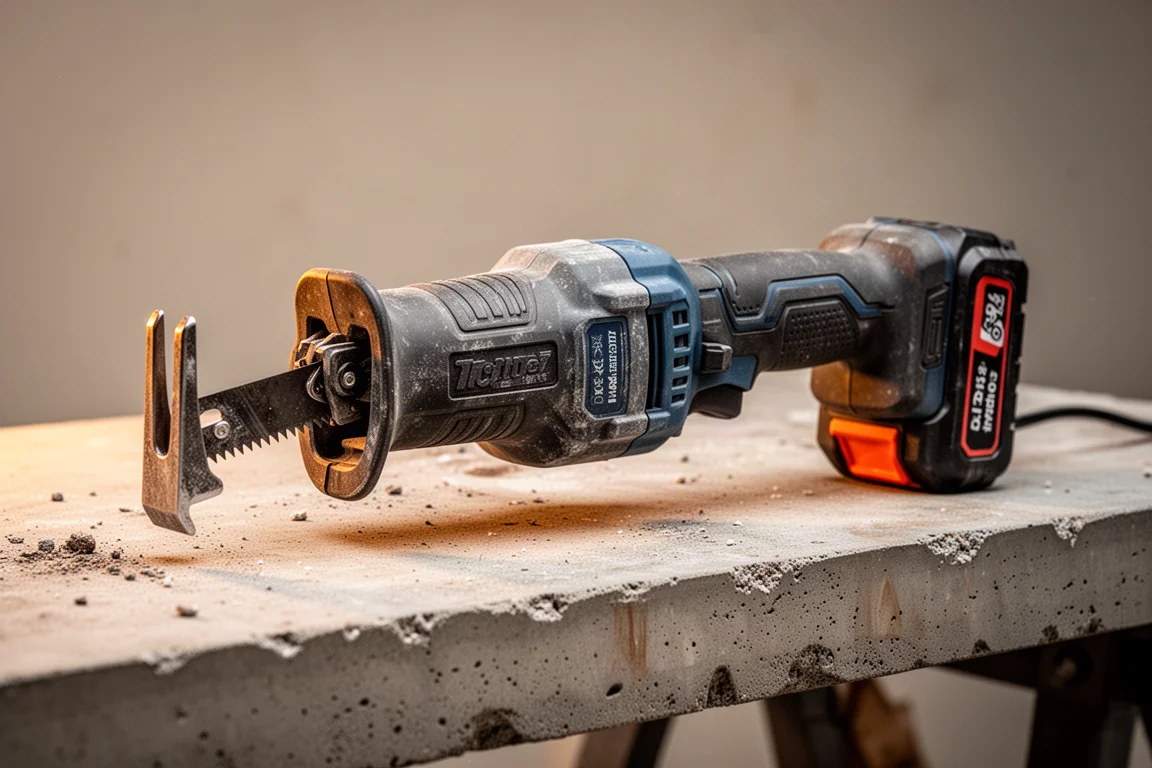
Voltage under load tells you a lot about how a battery will feel in a demanding tool. Higher voltage under pressure generally means more RPM and more usable power, and how quickly the pack recovers after a hard cut is just as telling. We used a sawzall-style saw for this test specifically because it is easy to bog down under hand pressure, which forces each battery to show its worst behavior.
Each pack started at a full charge, then made repeated cuts: a normal cut, followed by aggressive cuts with heavy pressure at the end of the stroke to force the tool to stall out as much as possible.
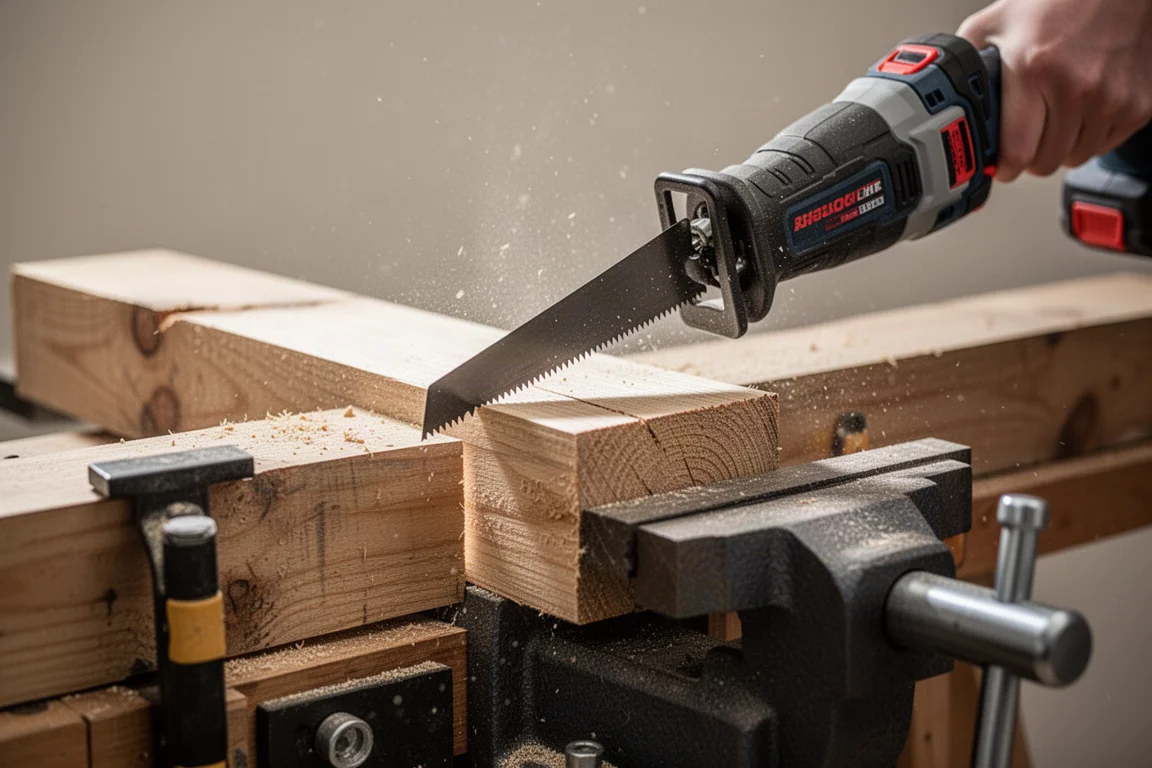
Baseline: The M18 XC 5.0 Ah
The 5.0 Ah XC pack measured 20.59 volts at full charge. Hitting the trigger dropped it slightly, and under hard cuts it sagged into the 16 to 18 volt range, averaging around 18 volts with a low of about 16.9 during aggressive cutting. Pushed to the edge, it briefly dipped into the 15s.
That is respectable for a standard pack, but it sets the bar the Forge has to beat.
The M18 Forge XC 6.0 Ah
The Forge XC 6.0 Ah measured 20.8 volts at full charge and immediately showed a different character. During a hard push at the end of a cut, it never dropped below 18 volts. Even when we deliberately tried to stall the tool out, the lowest we saw was in the high 17s to 18.5 range, and after each hard hit it recovered quickly, climbing back to around 20.4 volts.
Repeated heavy cuts confirmed the pattern: consistent voltage in the 18s under abuse, with fast recovery between cuts.
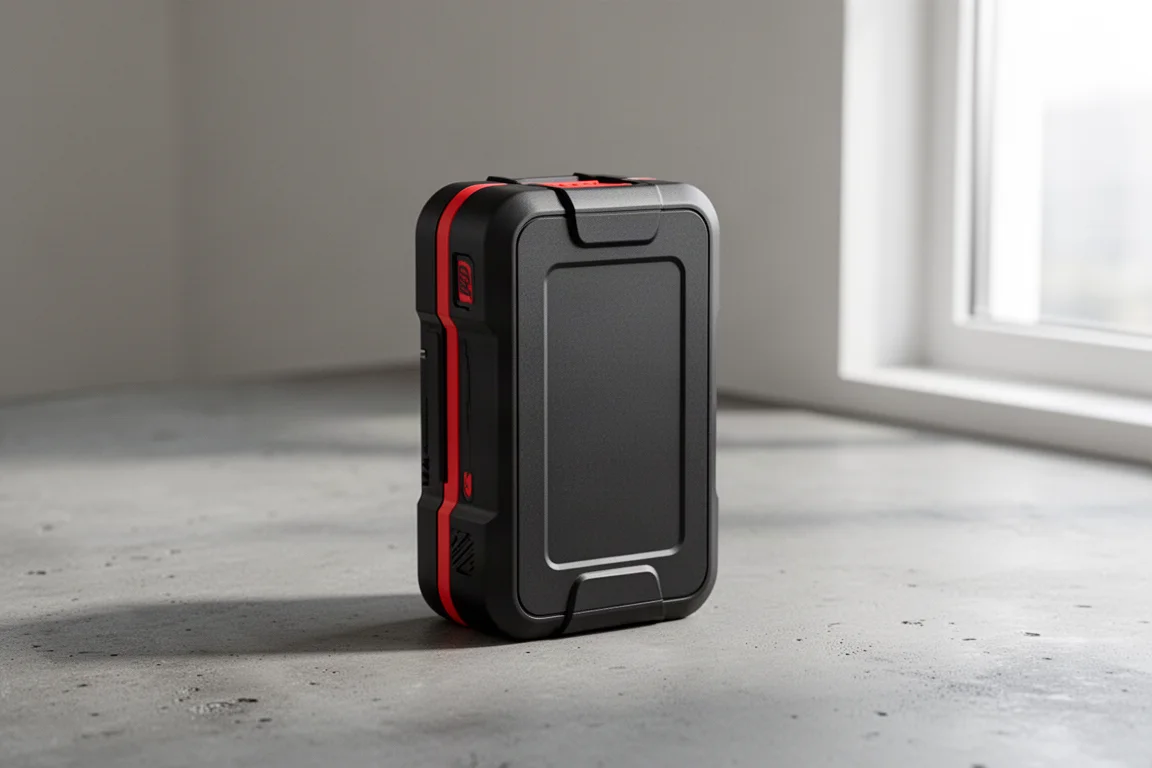
Comparison: The 8.0 Ah High Output XC
The 8.0 Ah High Output XC measured 20.52 volts fully charged, and the size difference between it and the Forge is significant. Under similar hard cuts, the 8.0 Ah dropped into the 16s, with a couple of brief dips into the 15s on the most aggressive pushes.
On normal cuts it behaved similarly to the Forge, maybe a touch lower. The real gap showed up when demand peaked: that is where the Forge kept delivering while the 8.0 Ah sagged. It also recovered noticeably more slowly than the Forge after hard hits.
Comparison: The 12.0 Ah XC
The 12.0 Ah pack measured 20.16 volts, possibly a touch low because it may have been topped up from a partially charged state rather than a full cycle. It is a heavy-duty pack but not a high-output design, and that showed. Early hard pushes briefly read into the 13s, though a loose connection may have contributed. Repeated hard hits afterward settled in the 16s, with 16.2 as the lowest confirmed reading.
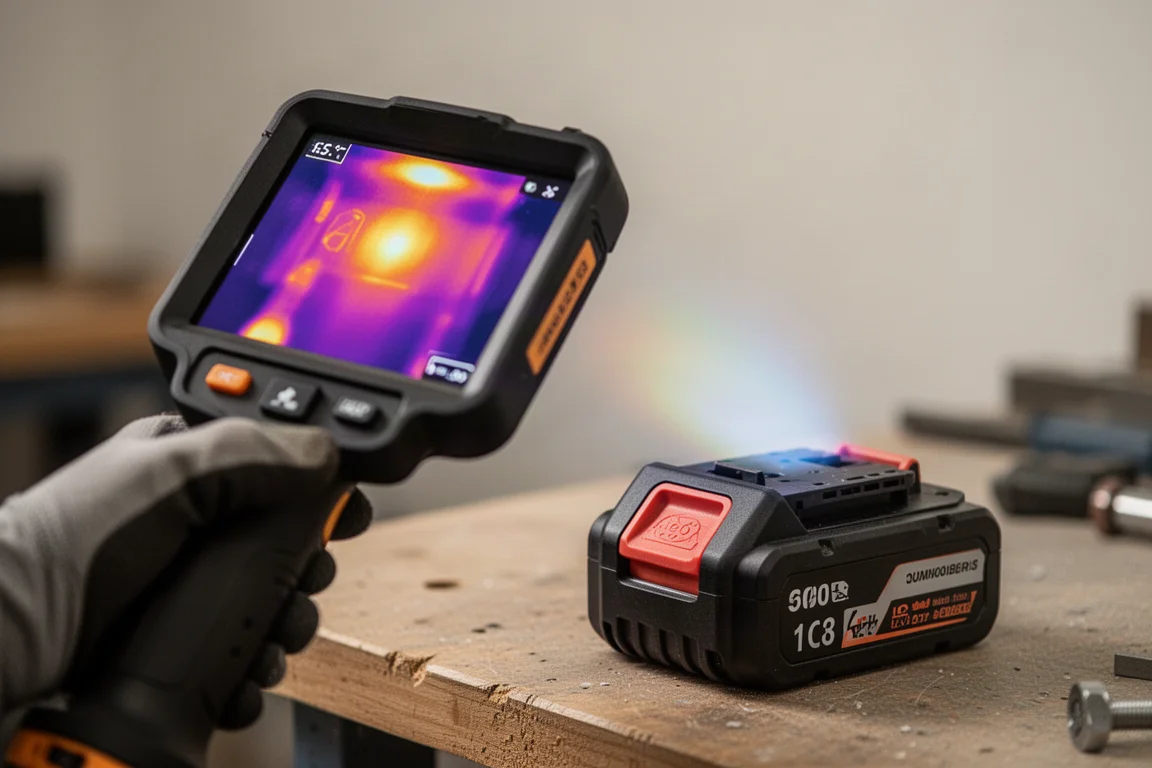
Heat Management: The Forge’s Hidden Advantage
After multiple heavy cuts, we took temperature readings on the tool and both battery packs. The tool itself ran very hot, reaching a reading of 143 degrees at its hottest point, with the handle warmer than expected from hand contact. The Forge battery pack, by contrast, stayed remarkably cool, with only a modest warm spot at its base while the rest of the pack remained low.
For comparison, pushing the other batteries this hard would put them closer to the 100-degree range. The Forge being this much cooler under the same abuse is arguably its most practical advantage: less heat stress should mean better long-term pack life, and it makes the Forge especially interesting for heavy-duty tools.
Size and Handling
Physical size matters more than spec sheets suggest. The Forge 6.0 Ah is close in size to the 5.0 Ah XC, but compared to a conventional 6.0 Ah pack the difference is fairly significant, mostly in width with some added length.
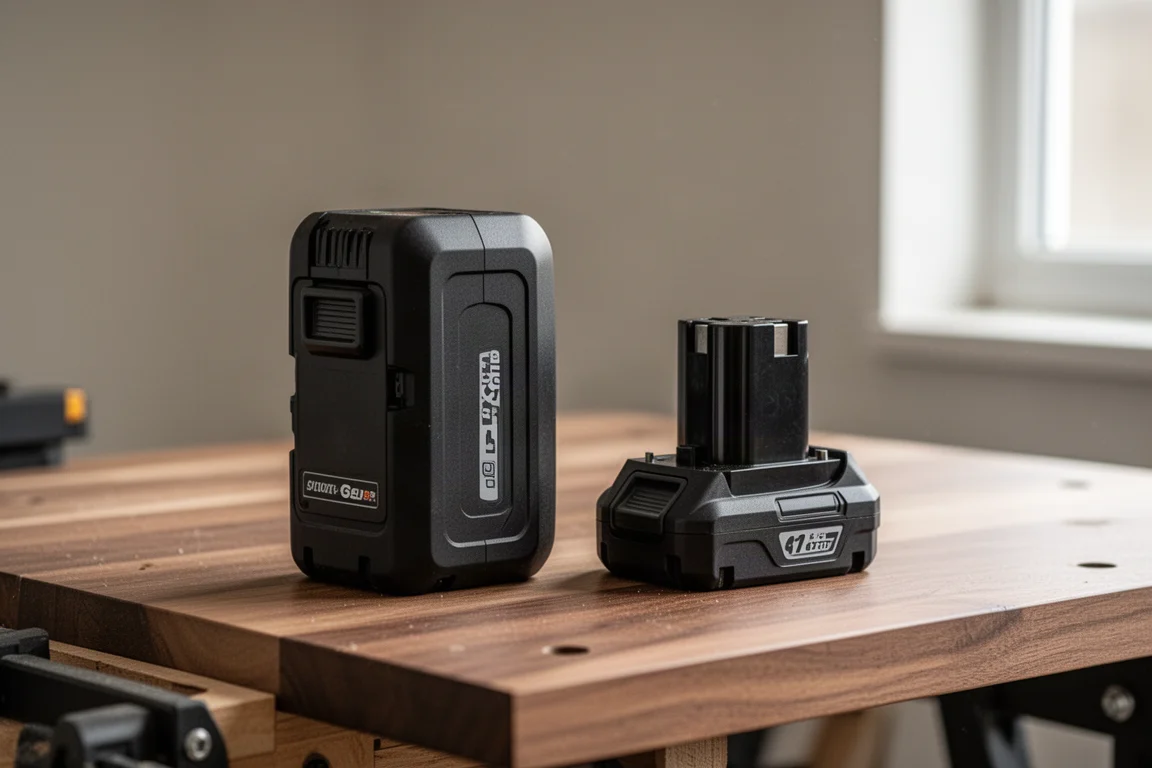
For overhead work or long handling sessions, you may not need the extra power delivery, so the standard XC packs still have a place. But if you can tolerate the slightly larger housing, the Forge gives you substantially more under load.
Where the XC 8.0 Ah Fits
If you do not want to spend Forge money, the 8.0 Ah High Output XC held up considerably better than the 5.0 Ah, sagging to the 16s under hard cuts rather than the 14s to 15s. Is the difference between the 6.0 Ah Forge and the 8.0 Ah XC huge? Not enormous, roughly a volt and a half to two volts under peak demand, but on high-demand tools that gap translates into noticeably more sustained power.
Buying Advice
The verdict from this round of testing is clear: the Forge kept voltage in the 18s under pushes that dragged the XC packs down to the 14s and 16s, and it did so while staying dramatically cooler than everything else on the bench. For high-demand tools, that combination of sustained voltage and low heat is exactly what you want.
This is early testing on one tool, and long-term durability across other tools still needs to be proven. But if the Forge continues performing like this, it looks well worth the money for anyone running demanding M18 tools.
Conclusion
The M18 Forge is the standout battery of this comparison, holding higher voltage under extreme load and running far cooler than the XC alternatives. The 8.0 Ah High Output XC is a sensible fallback at a lower commitment, while the smaller and larger standard XC packs remain fine for lighter work. For demanding cutting and heavy-duty applications, the Forge is paving the way for the next generation of M18 batteries.
Further reading
Related Reviews
Power Tool Batteries
9Ah M12 Batteries Tested: Which Aftermarket Pack Is Actually Worth Buying?
We measured real capacity, voltage sag, and tool performance from four aftermarket 9Ah M12 batteries against Milwaukee's XC 5.0 High Output pack. One budget option stands out.
Power Tool Batteries
DeWalt DCBP520 5Ah PowerStack Battery Review: Big Power in a Pouch-Cell Pack
The largest PowerStack battery yet promises pouch-cell output with 5Ah of capacity. We break down its size, weight, voltage sag, and real tool performance.
Power Tool Batteries
DeWalt PowerStack 5Ah vs XR 5Ah: What a Heat Gun Runtime Test Revealed
Two DeWalt 5Ah batteries ran a DeWalt heat gun back to back. Same capacity, very different power delivery, heat, and voltage behavior.