Power Tool Batteries
Milwaukee M18 Forge 6.0 Battery Review: Is the Hype Justified?
We put the M18 Forge 6.0 up against the 6.0 High Output, HD 12.0, and DeWalt's 5.0 PowerStack across grinders, saws, drills, and high torque impact wrenches.
Introduction
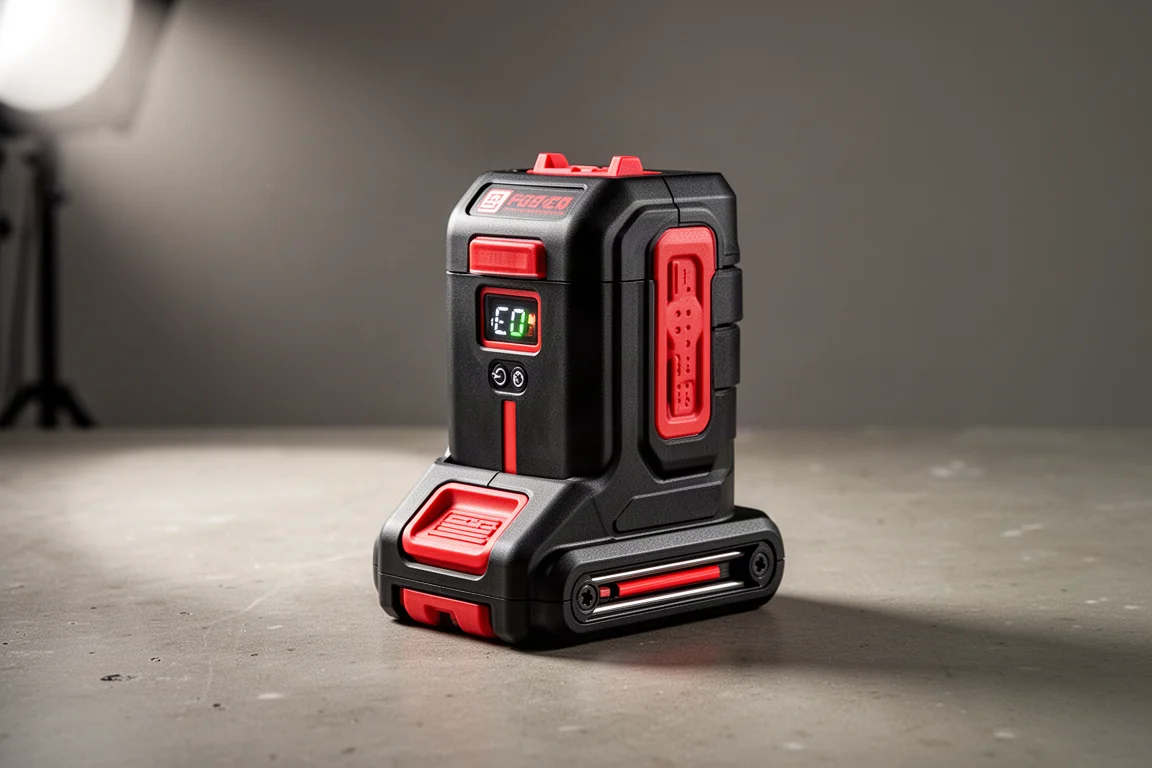
New tool batteries arrive constantly, and most of the time you really do not need to rush out and buy the latest pack. So when Milwaukee launched the M18 Forge 6.0 with big claims about matching its HD 12.0 High Output in power while being smaller and lighter, the reasonable question was whether any of that holds up under real load.
This is a 6 amp hour pack built from high-discharge pouch-style cells, positioned at the top of Milwaukee’s new power ranking system, with the brand claiming performance on par with the 12 amp hour HD 12.0 that was previously its flagship M18 battery. Milwaukee is even rating tools differently with this battery attached: on the Gen 3 high torque impact wrench, the Forge unlocks roughly 100 extra foot-pounds compared to a standard 5 amp hour pack.
Retail is about $200, roughly $20 above the 6 amp hour High Output and well under the $250 HD 12.0. We tested it across a grinder, a circular saw, a hammer drill, and both half inch and one inch drive impact wrenches, alongside the 6.0 High Output, HD 12.0, and DeWalt’s 5.0 PowerStack for context.
How It Performs on a Grinder
On Milwaukee’s larger 6 inch grinder (the 2981), the 6.0 High Output produced 7,965 RPM under load and the HD 12.0 managed 8,080 RPM. The Forge hit 8,230 RPM, a solid sign that the smaller pack punches above its size.
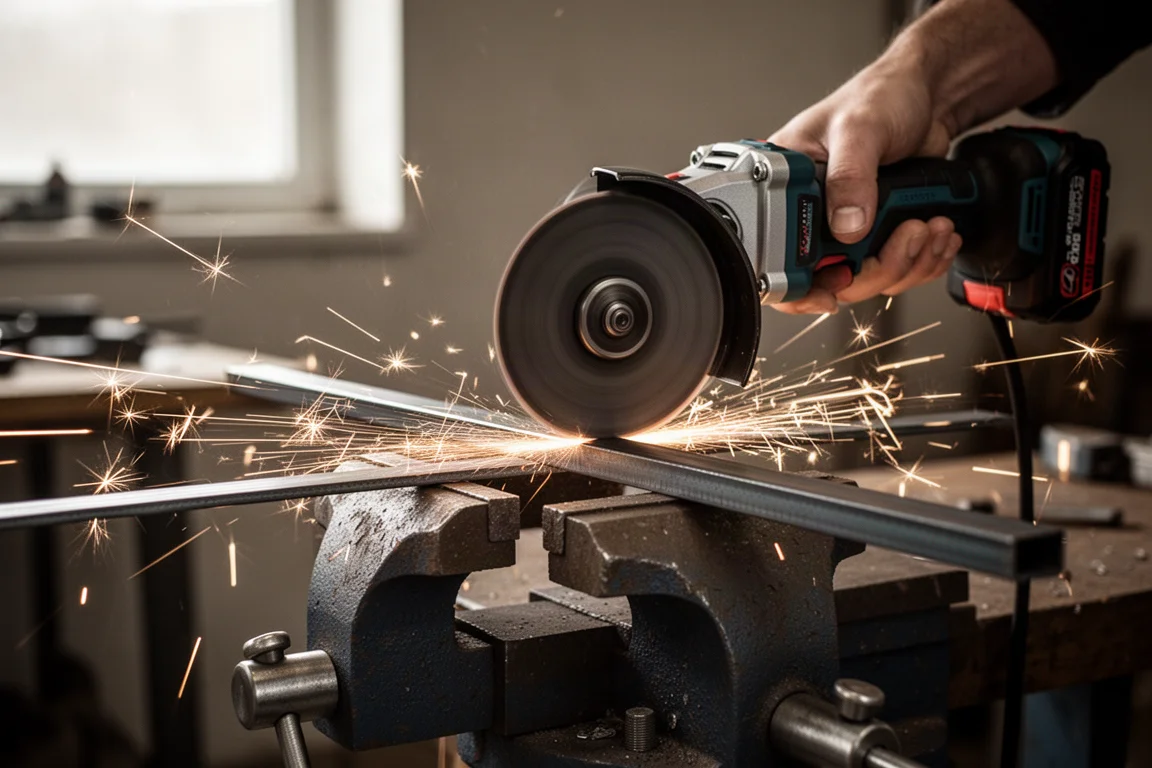
Where it got dramatic was peak wattage. The 6.0 High Output peaked at 960 watts and the HD 12.0 at 970 watts, but the Forge pushed the same setup to 1,160 watts, the highest we had measured from a grinder at the time. If the claim is that it matches an HD 12.0 in power output, the numbers so far support more than that.
Cold Weather Behavior
One honest weakness surfaced in freezing conditions. We froze all three batteries overnight and tested them straight from the freezer at around 18 to 22 degrees Fahrenheit.
The 6.0 High Output dropped from 960 watts to 520. The HD 12.0, with more cells sharing the load, held up better at 740 watts. The Forge produced 560 watts, beating the smaller High Output but suffering the largest proportional fall of the three, delivering only about 48 percent of its room-temperature output. If you regularly work in serious cold, that is worth knowing before you buy.
Build Quality and Durability Improvements
Open the pack and the differences become clear. For the first time we saw ribbon cables feeding per-cell information into the battery management system for balancing, a more robust PCB, and a shell made from PA66 nylon with 25 percent glass fiber reinforcement and a flame-resistant formulation, replacing the usual polycarbonate and ABS blend.
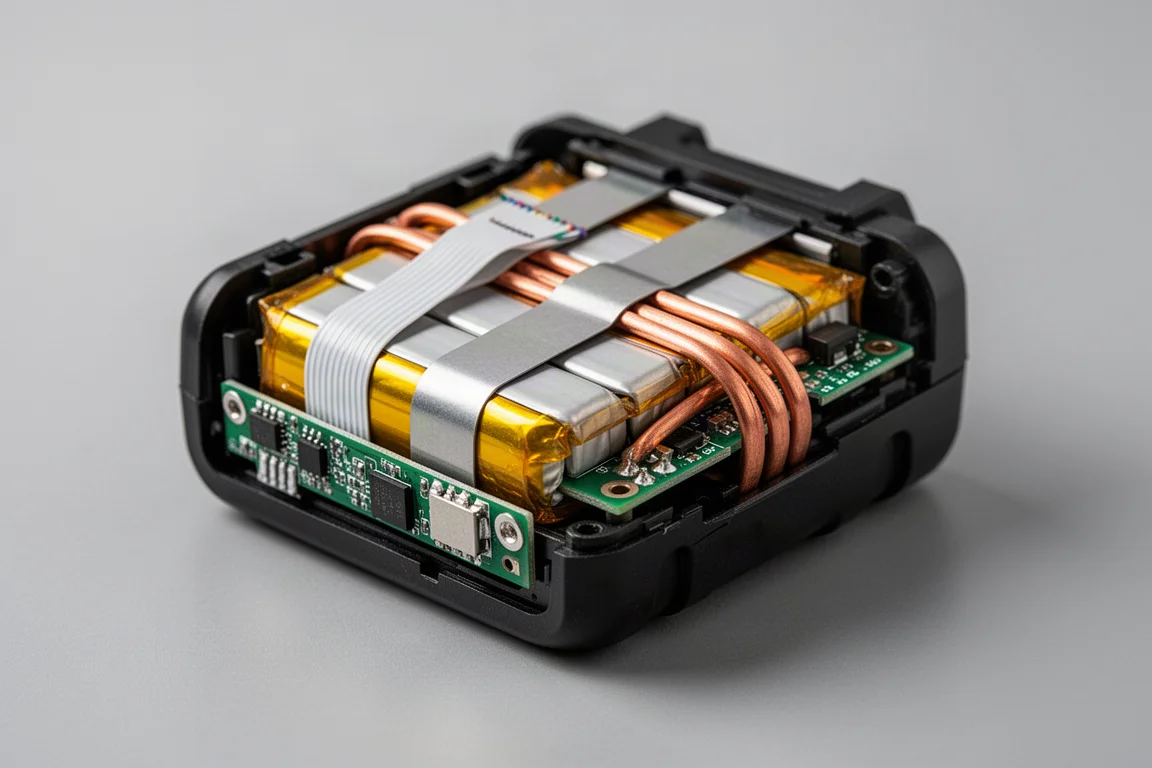
That matters because M18 packs have a history of splitting apart partway through their rated life, and the brand claims a significant increase in charge cycles for the Forge era. Lengthened threaded bosses on one end and a board screwed into the shell help the whole pack hold together better. Even the fuel gauge button is now a chemical-resistant design that feels sturdier. Given that the price gap between a chemical-resistant and standard housing elsewhere in the lineup is similar to the gap between the 6.0 High Output and this pack, the new body alone makes the price defensible, with the extra power as a bonus.
Voltage Drop: The Best of Any M18 Battery
Under a sustained 700 watt load, the 6.0 High Output dropped to around 18.5 to 18.7 volts and the HD 12.0 held 19 to 19.3 volts. The Forge barely flinched, sitting between 19.3 and 19.6 volts after 10 seconds, beating even the HD 12.0 with its 15 cells.
That combination of high amp delivery and minimal voltage sag means the Forge drops less voltage than any other M18 battery we have measured to date, though whether a given tool converts that into extra power depends on how the tool draws.
Circular Saw and Drill Performance
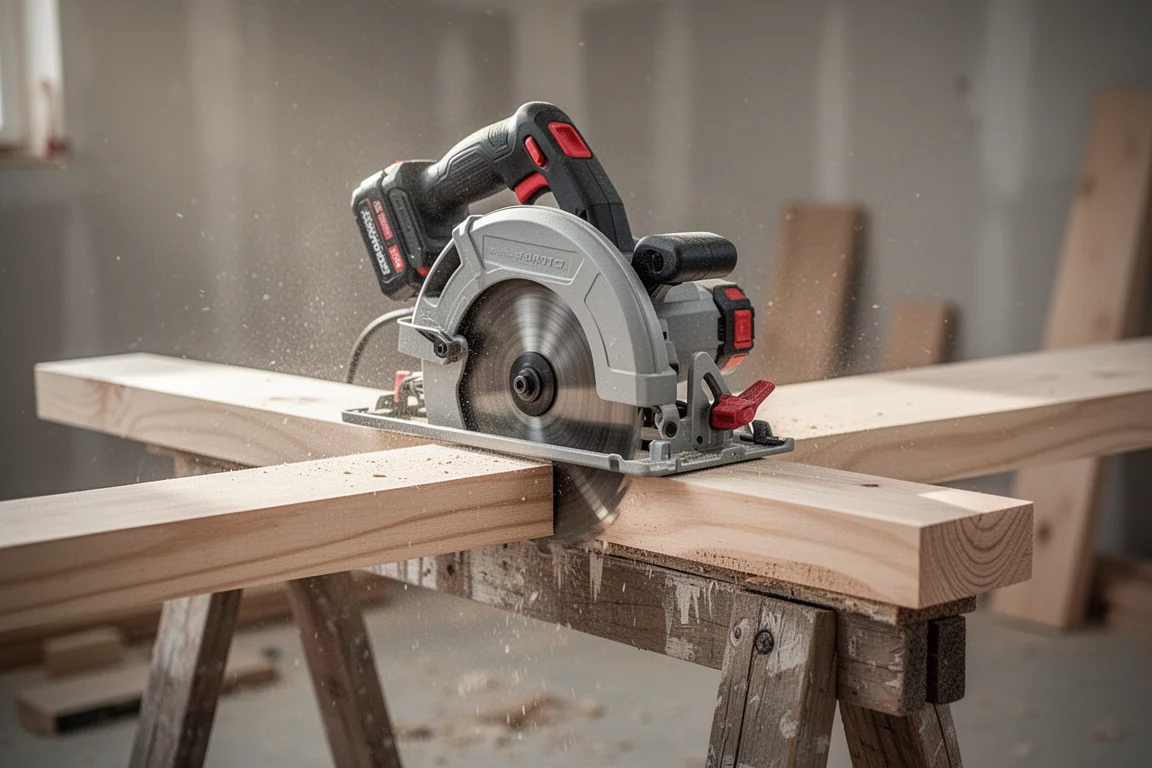
On the M18 Fuel 7-1/4 inch circular saw (2732-20), the HD 12.0 produced up to 1,200 watts, while the Forge reached 1,210 watts at peak tuning, and held around 1,160 watts over a sustained cut versus the HD 12.0’s 1,200. For a pack that is smaller and lighter than the HD, that is effectively parity, and it means you may be able to run this big saw on two lighter 6 amp hour packs in rotation instead of one heavy 12.
On the Gen 4 hammer drill, the picture is less exciting. Going from a 6.0 to the HD 12.0 only lifted output from 960 to 970 watts, and the Forge managed 980 watts. If your plans are mainly drills, you can probably skip the Forge and keep your existing 6.0 High Output.
Impact Wrench Results: Where Big Motors Benefit
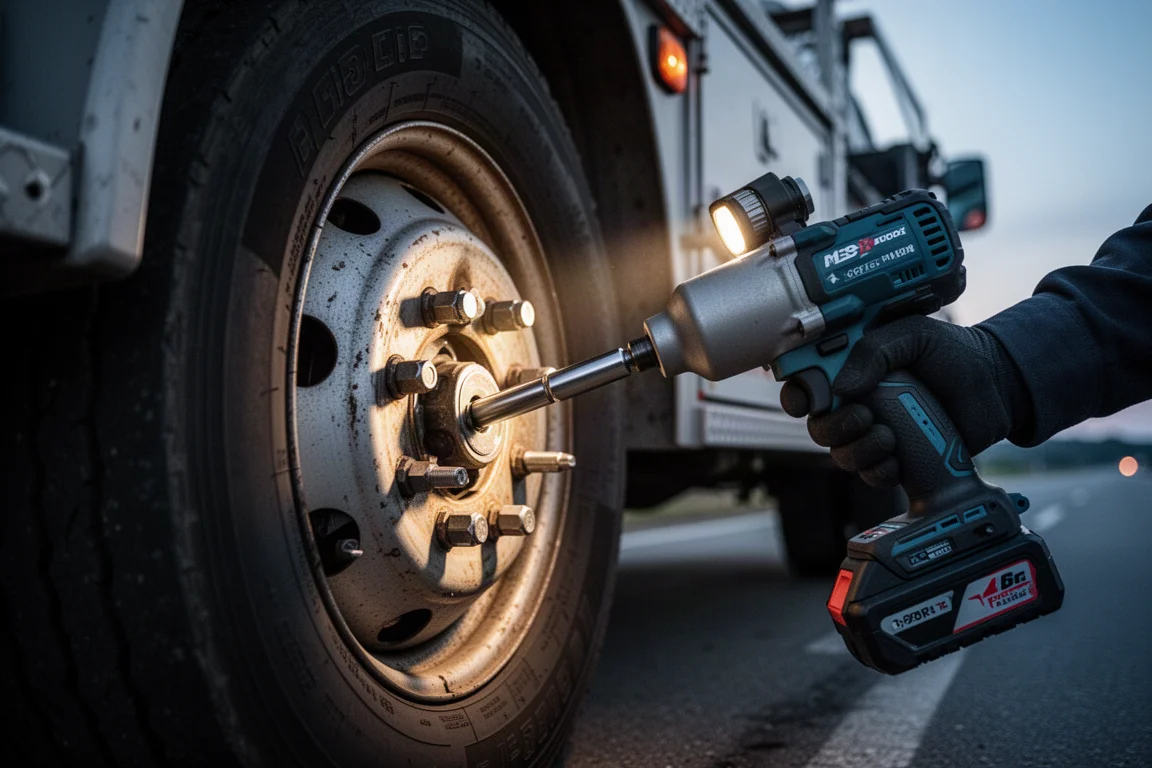
On the M18 2767 half inch high torque impact wrench, going from an XC5 to an HD 12.0 previously raised output from 778 to 801 foot-pounds. The Forge pushed it to 813 foot-pounds, the highest we have recorded from that tool in stock form.
The real showcase was the one inch M18 2868 impact wrench, a 24.3 pound tool usually kitted with the heavy HD 12.0. With the Forge it produced 1,534 foot-pounds versus 1,403 with the HD 12.0, a new record that also lifted the tool’s overall ranking. Half the runtime is the trade-off, so someone doing roadside semi-truck repair may want two packs, but the Forge can charge to 80 percent in 15 minutes on Milwaukee’s newest chargers, which softens that considerably. On smaller impacts and impact drivers, expect little to no difference in max torque, so keep what you have there.
Capacity, Charging, and the DeWalt Comparison
Verified capacity came in at a true 6 amp hours, within about 0.1 amp hour of the 6.0 High Output when discharged at 5 amps. Charging to 80 percent in 15 minutes on the newest chargers makes even a single pack workable on high-draw tools.
Compared to DeWalt’s 5.0 PowerStack, this release is stronger in our opinion. The 5 amp hour PowerStack is actually noticeably smaller than the Forge, but DeWalt never framed it as a replacement for a big pack, and in practice it performs closer to a 6 amp hour XR or slightly above. Milwaukee’s Forge 6.0, by contrast, compares to their 12 amp hour flagship, gives you something you can actually use across existing tools, and still leaves room in the lineup for a larger Forge coming later.
Buying Advice
At roughly $200 retail, the Forge 6.0 is $20 above the 6.0 High Output and $50 under the HD 12.0. For users of big grinders, circular saws, and especially high torque and one inch impact wrenches, it is arguably the best battery Milwaukee has ever made, provided the cells stay balanced over the long term, something the brand has historically struggled with on its 3P packs. If you mostly run drills and drivers, your current 6 amp hour High Output is probably enough.
Conclusion
The Forge 6.0 mostly lives up to the claims: HD 12.0-level power in a smaller, lighter, better-built pack, with record-setting voltage stability and a genuinely improved housing. Its main caveat is a steeper performance drop in deep cold. For anyone running Milwaukee’s heavier-hitting M18 tools, it is one of the most compelling battery releases in years, and if it ever ships in multi-packs, converting a red toolbox over to these looks like an easy call.
Product link
View more details for Milwaukee M18 Forge 6.0 Battery
This product is mentioned in the review. Check the specifications, options, and compatibility before buying.
View more details for Milwaukee M18 Forge 6.0 BatteryFurther reading
Related Reviews
Power Tool Batteries
9Ah M12 Batteries Tested: Which Aftermarket Pack Is Actually Worth Buying?
We measured real capacity, voltage sag, and tool performance from four aftermarket 9Ah M12 batteries against Milwaukee's XC 5.0 High Output pack. One budget option stands out.
Power Tool Batteries
DeWalt DCBP520 5Ah PowerStack Battery Review: Big Power in a Pouch-Cell Pack
The largest PowerStack battery yet promises pouch-cell output with 5Ah of capacity. We break down its size, weight, voltage sag, and real tool performance.
Power Tool Batteries
DeWalt PowerStack 5Ah vs XR 5Ah: What a Heat Gun Runtime Test Revealed
Two DeWalt 5Ah batteries ran a DeWalt heat gun back to back. Same capacity, very different power delivery, heat, and voltage behavior.