Power Tool Batteries
Milwaukee M18 Batteries Compared: Forge vs High Output 6Ah vs High Output 12Ah
A hands-on comparison of three Milwaukee M18 batteries across an impact wrench, plunge saw, and grinder, with clear advice on which one deserves your money.
Introduction
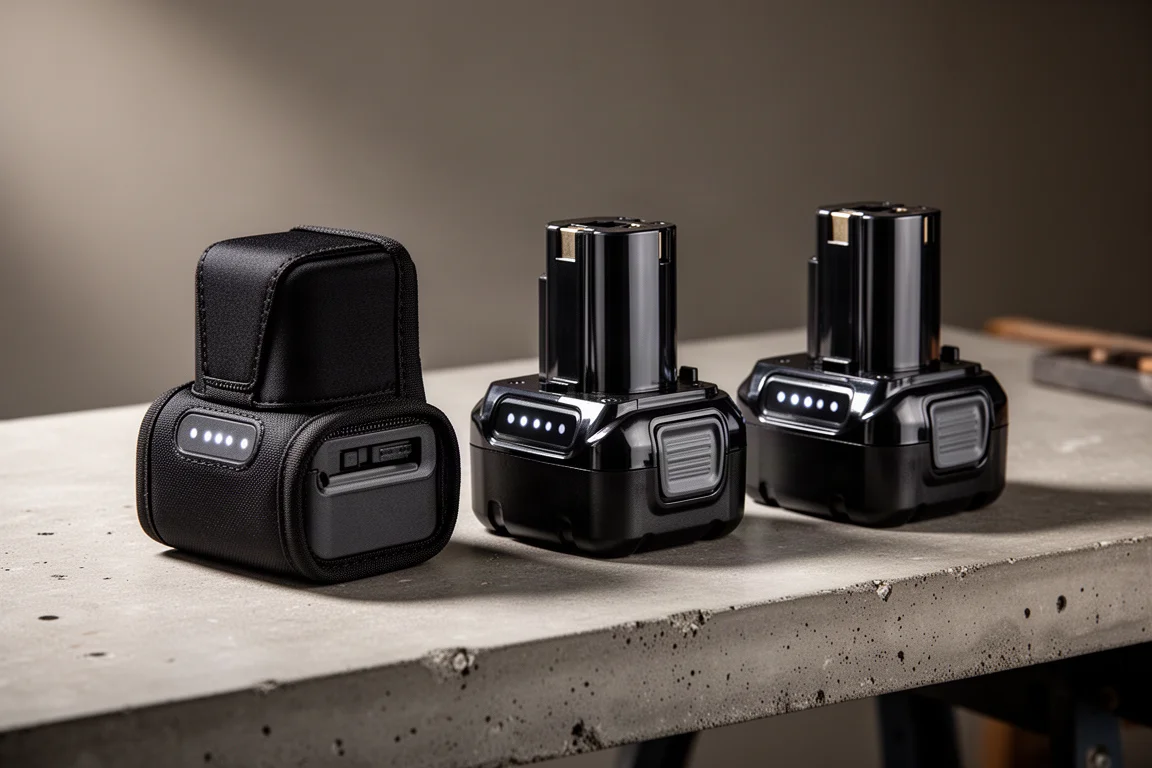
Milwaukee’s M18 battery line-up has a new headline act: the Forge battery. It uses pouch cells instead of the cylindrical cells found in the High Output range, gets a tougher PA66 nylon housing instead of polycarbonate, and carries brighter fuel gauge lights. But the big question is simple: does it actually make your tools faster or more powerful?
To find out, the Forge was put head to head against two established favourites, the M18 High Output 6Ah and the M18 High Output 12Ah, across a high torque half-inch impact wrench, a plunge saw, and a grinder. The results are more nuanced than the marketing suggests.
How They Were Tested
The first test involved a high torque half-inch impact wrench driving long structural screws straight into treated pine, with no pre-drilled holes. Each battery ran the same task in sequence, timed against the others. Long screws are a good way to show how small speed differences compound over a long run of fixings.
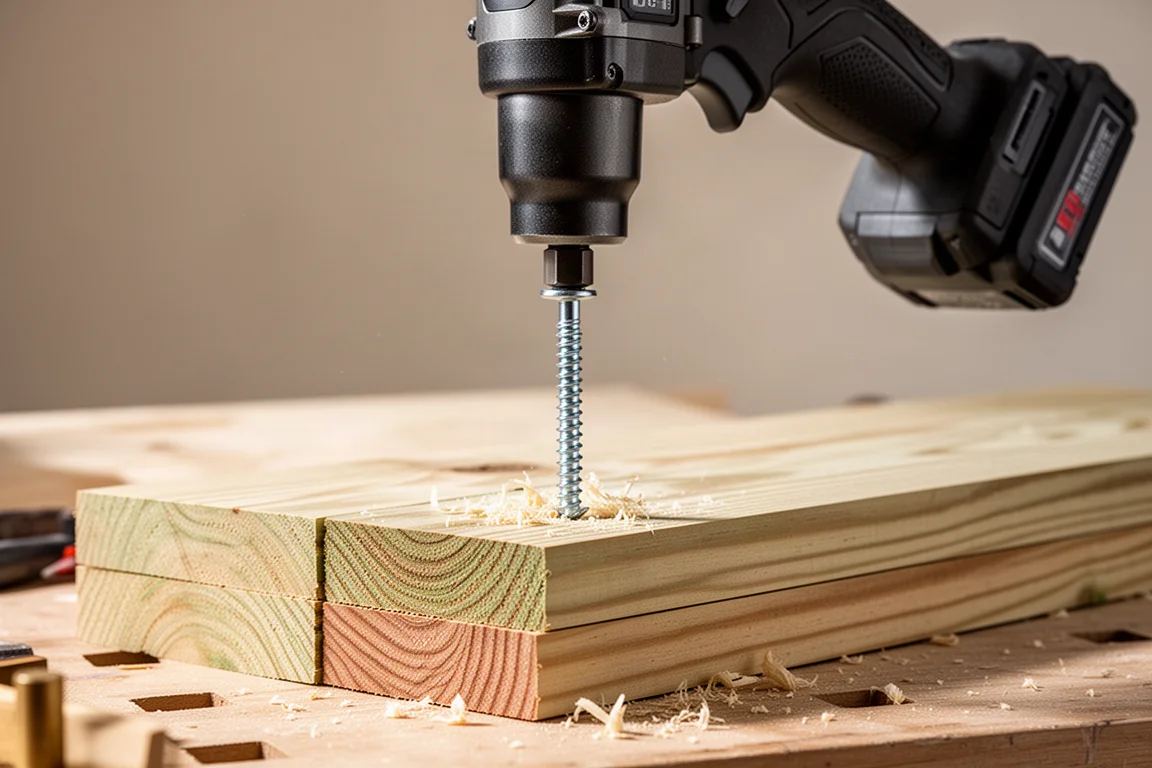
On the long screw test, the impression was that the 6Ah High Output felt marginally quicker, with the Forge and the 12Ah High Output feeling roughly the same to the hand. It was a subtle difference, not a night-and-day one.
Torque Test: Big Coach Screws
The second impact wrench test used a 20mm coach screw with a 30mm (3/4 inch) socket, again with no pre-drilling, to see how much grunt each battery could deliver under real load.
The Forge struggled noticeably on this one. The 6Ah High Output performed similarly, close enough that it was hard to physically tell them apart. The 12Ah High Output was the standout: it drove the screw with such force that it split the entire test board, and the second board behind it. Even on a second, gentler attempt in a less split-prone spot, it completed the drive with ease.
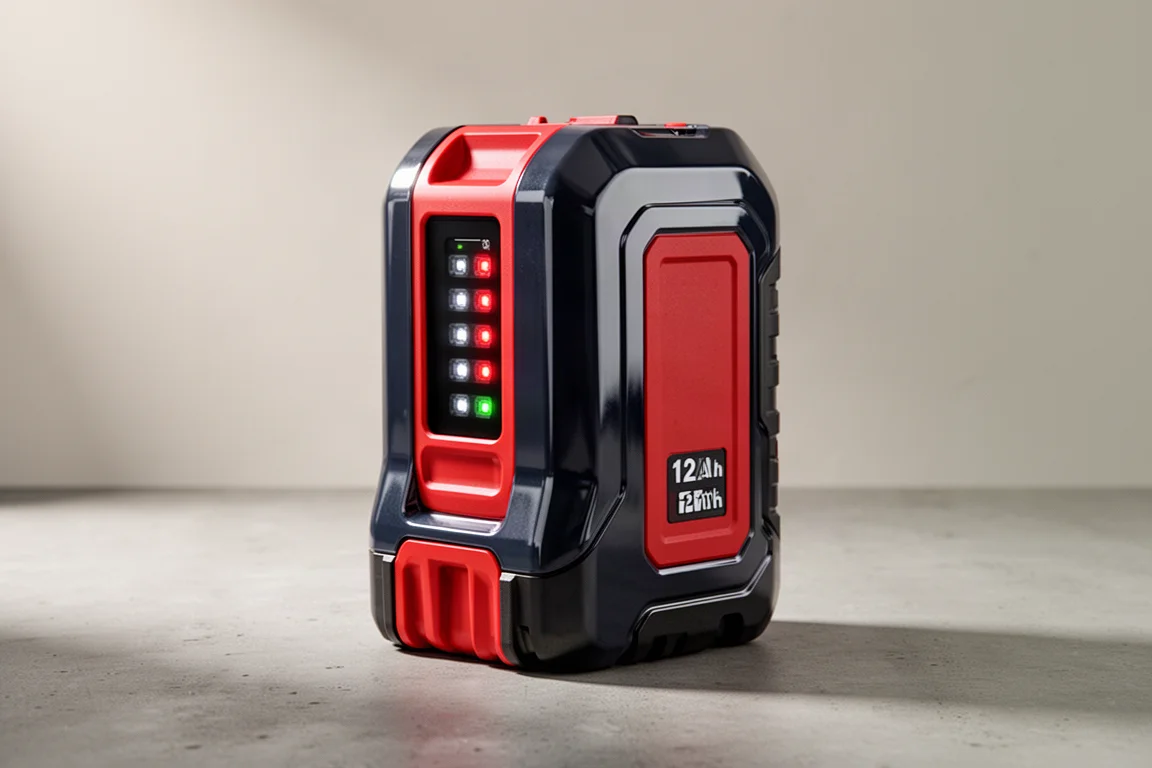
If raw torque under heavy load is your priority, the 12Ah High Output clearly has the deepest reserves here.
Heat and Temperature
After the coach screw runs, temperatures were checked across the tool and the batteries. The impact wrench itself was running hot, with the front of the tool around 40 to 41 degrees Celsius, the rear vents at 54, and the coils at the top exceeding 60 degrees, roughly 105 to 110 degrees Celsius at the hottest point.
The batteries told a more interesting story. The Forge sat at a comfortable 26 degrees, only 4 degrees above the 22-degree room temperature. The 12Ah High Output barely registered at all, reading around 31 degrees. The 6Ah High Output was considerably warmer than both of the others.
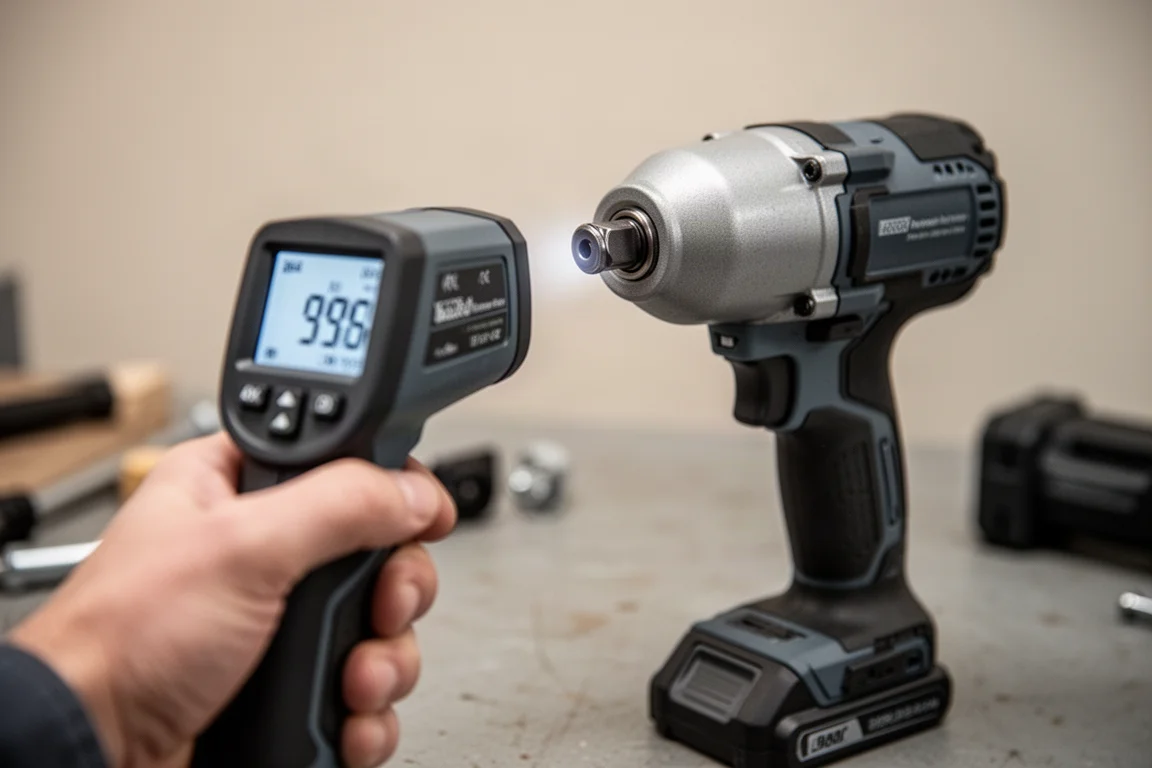
This supports one of Milwaukee’s key claims: the Forge’s pouch cells run cooler than the 21700 cylindrical cells in the High Output packs. For sustained heavy work, that cooler running is a genuine, measurable advantage.
Plunge Saw Cuts
Next came a plunge saw test set to full depth, about 54mm, cutting through two stacked pieces of 2-inch dressed timber, which measures roughly 45mm thick. The saw was pushed at a consistent speed along the track, with no dust extraction fitted so any change in dust ejection would be visible.
The 6Ah High Output, the 12Ah High Output, and the Forge all performed similarly, with the Forge feeling slightly better in the cut but without a huge difference. The real story came from the smaller batteries. A standard 5Ah pack struggled badly, dropping to one bar immediately and showing back-and-forth flashing overload lights. A standard 6Ah pack fared even worse: it overheated completely, flashing from fully charged to effectively flat, and was still in overload and very hot several minutes later, hovering around 50 degrees on the outside of the plastic.
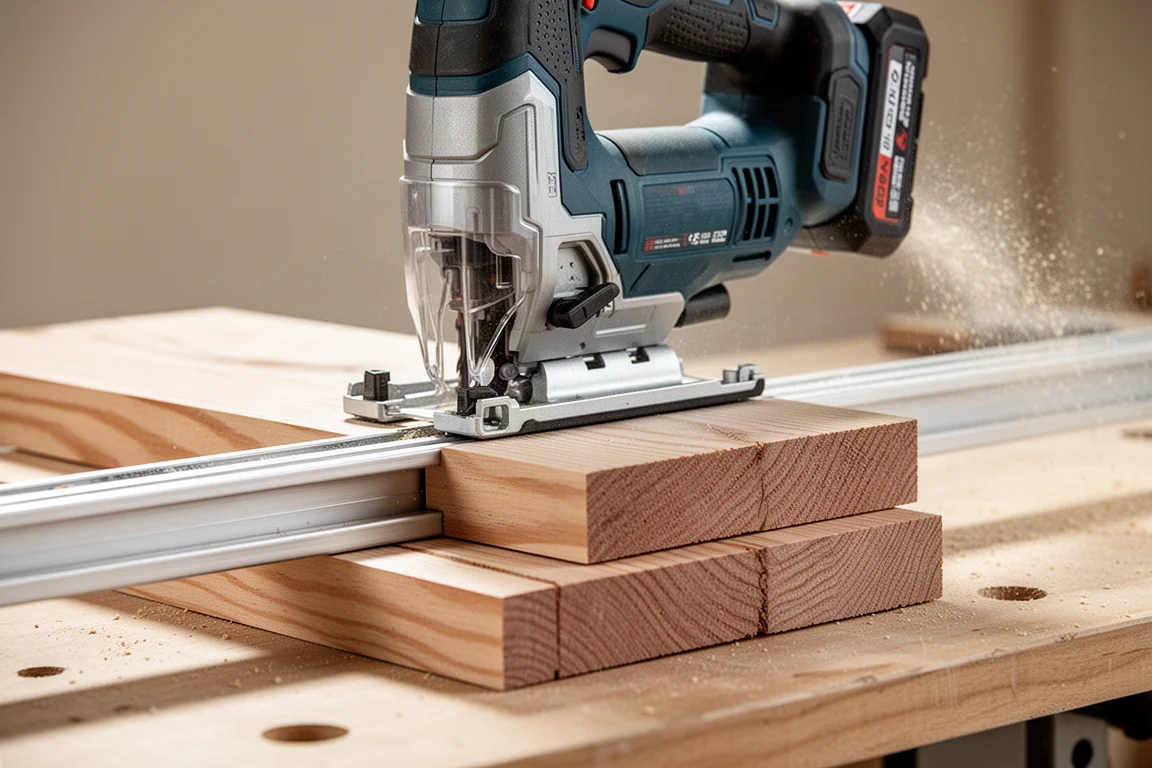
That is the clearest takeaway of the whole comparison. Older, non-High-Output standard batteries simply cannot sustain this kind of work. If you are still running the older packs, upgrading to either the Forge or a High Output battery is a massively different experience.
Grinder Performance
The grinder test used two versions of an 18V grinder to check for sound and stall-resistance differences between the packs.
On the smaller grinder, the standard, High Output, and Forge batteries sounded roughly similar, with the Forge having a bit more oomph, though the 6Ah High Output may have been on par or slightly better. On the larger grinder with the side handle, things got more interesting: the Forge felt harder to stall, but the 6Ah High Output was, to the tester’s surprise, even harder to stall, requiring significantly more pressure to bog down. By contrast, an older 6Ah pack cut out easily under light, gradually applied pressure.
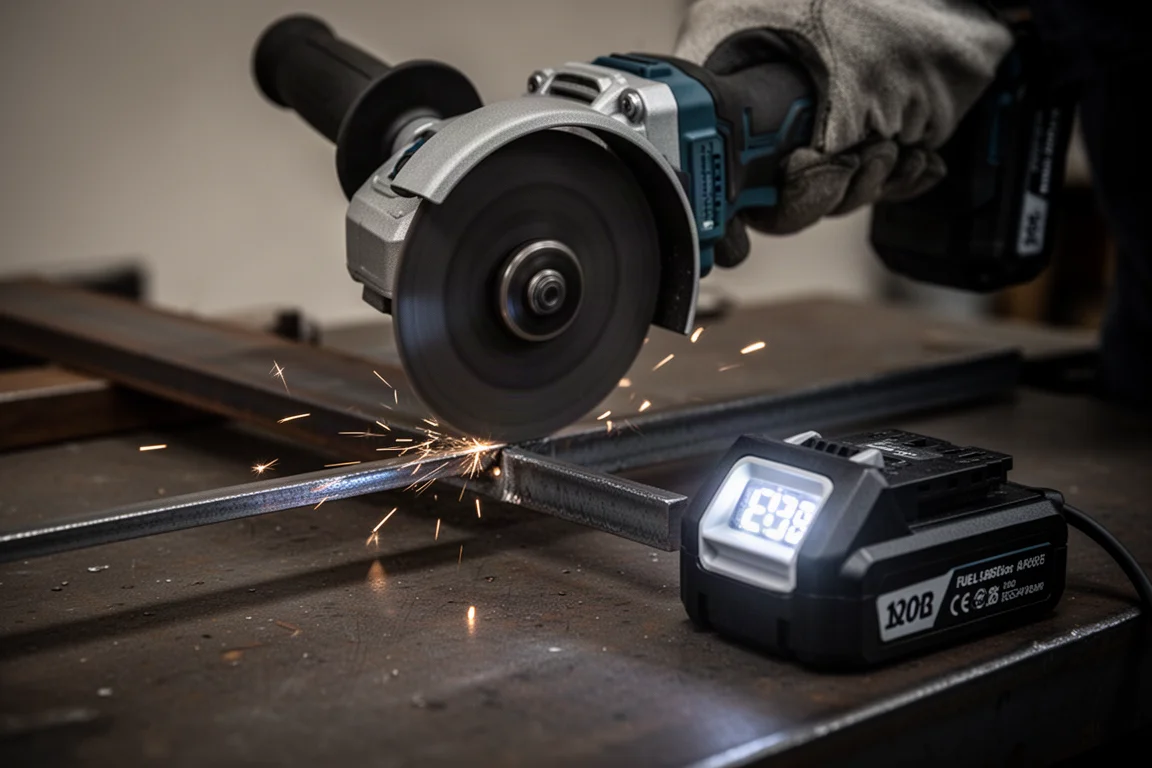
So on the grinder, the verdict favours the High Output packs for stall resistance, even if only by a narrow margin over the Forge.
Which Battery Should You Buy?
The honest summary: the Forge is a great battery, but if you already own High Output batteries, it is not a massive leap in power. Some tools feel better with it, others do not. The Forge and the 6Ah High Output would likely see even everyday use, with neither clearly dominating.
Where the Forge genuinely earns its place is in the details. It is lighter than the 12Ah High Output and slightly smaller in form. Its housing is PA66 nylon rather than polycarbonate, chosen for its abrasion resistance, with a matte finish instead of a glossy one. And the fuel gauge lights are dramatically easier to see outdoors and on camera than the dim lights on older packs, with a held-button diagnostic flash mode on newer packs.
There is one durability caveat worth knowing: the rubber over-moulding around the Forge’s edge is moulded into the battery itself, so if it tears, it cannot be replaced, unlike the sticker-style trim on older packs. The Forge also carries Milwaukee’s claim of a longer overall battery life, meaning more charge cycles over its lifetime. That claim needs real-world time to prove, and a proper verdict will only come after a year or more of use.
Also on the horizon: larger Forge batteries, reportedly an 8Ah and a 12Ah, which are said to move away from pouch cells to tabless cylindrical cells.
Conclusion
The Forge battery is the right upgrade for anyone still running older standard M18 packs, where the difference is dramatic. It runs noticeably cooler than the High Output range thanks to its pouch cells, looks and feels more premium, and has far more visible fuel lights. But against the High Output batteries themselves, the picture is split: the 12Ah High Output delivered the most torque, the 6Ah High Output was often as quick or quicker, and the Forge’s advantages are cooler running, lighter weight, and better build materials. If you already own High Output packs, there is no urgent reason to switch, and only time will tell whether the Forge’s longer-life claim makes it the smarter long-term buy.
Further reading
Related Reviews
Power Tool Batteries
9Ah M12 Batteries Tested: Which Aftermarket Pack Is Actually Worth Buying?
We measured real capacity, voltage sag, and tool performance from four aftermarket 9Ah M12 batteries against Milwaukee's XC 5.0 High Output pack. One budget option stands out.
Power Tool Batteries
DeWalt DCBP520 5Ah PowerStack Battery Review: Big Power in a Pouch-Cell Pack
The largest PowerStack battery yet promises pouch-cell output with 5Ah of capacity. We break down its size, weight, voltage sag, and real tool performance.
Power Tool Batteries
DeWalt PowerStack 5Ah vs XR 5Ah: What a Heat Gun Runtime Test Revealed
Two DeWalt 5Ah batteries ran a DeWalt heat gun back to back. Same capacity, very different power delivery, heat, and voltage behavior.