Power Tool Batteries
Milwaukee M12 High Output XC 5.0 vs XC 6.0 Battery: Which One Makes Sense?
Milwaukee's first High Output M12 battery goes head to head with the XC 6.0 in power output, cell technology, and long-term durability.
Introduction
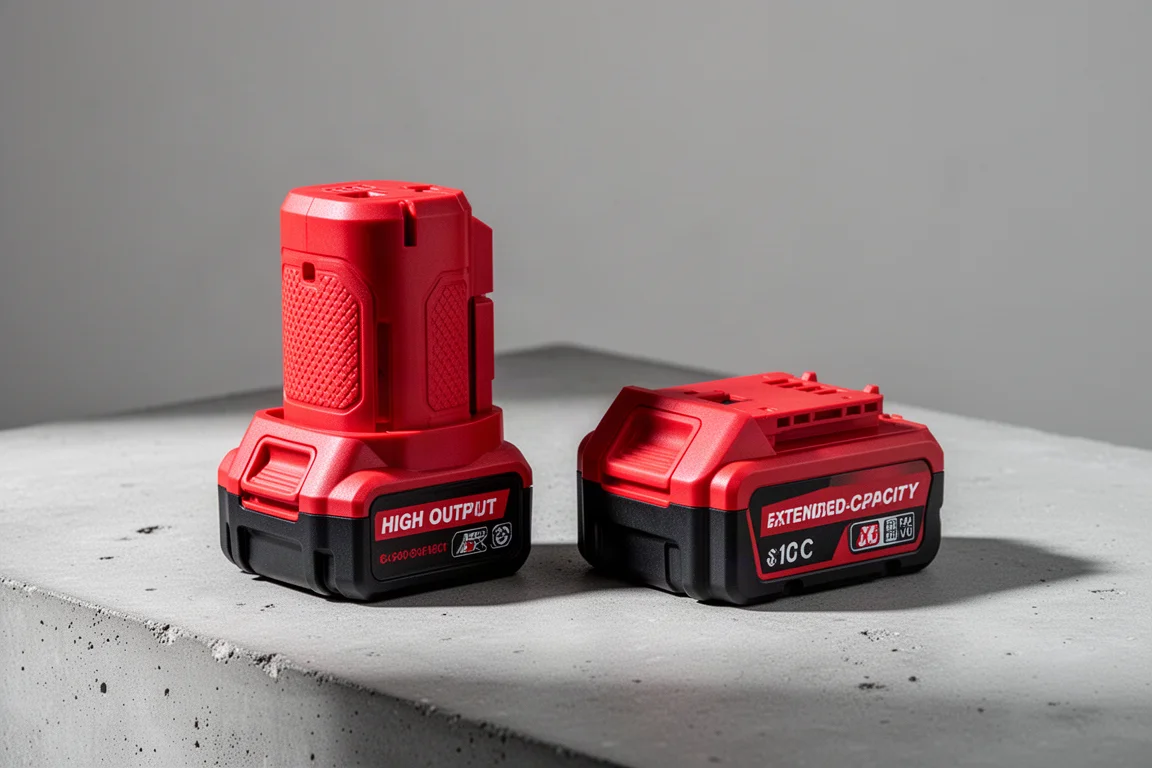
For years, Milwaukee’s High Output branding was reserved for the M18 line. With the new M12 High Output XC 5.0, the company finally brings that badge to its 12-volt platform, and it goes directly against the existing XC 6.0. Both packs fit the same tools, but they use different cell technology and different housing materials, and those differences matter more than the spec sheet suggests.
The big question is simple: does the High Output deliver noticeably more power in real M12 tools, and is the extra cost justified? The short answer, based on measured output tests, is nuanced. The power gains are modest on most M12 tools, but the durability improvements are real and could be the most compelling reason to buy.
What Makes the High Output Different
Many expected the High Output line to use 21700 cells, the larger format popularized for its high peak discharge rates. The problem is physical: three 21-millimeter cells simply will not fit in the triangle arrangement inside M12 tool handles. Instead, the High Output XC 5.0 uses conventional 18650 cells, 2,500mAh each, for a total of 5 amp hours.
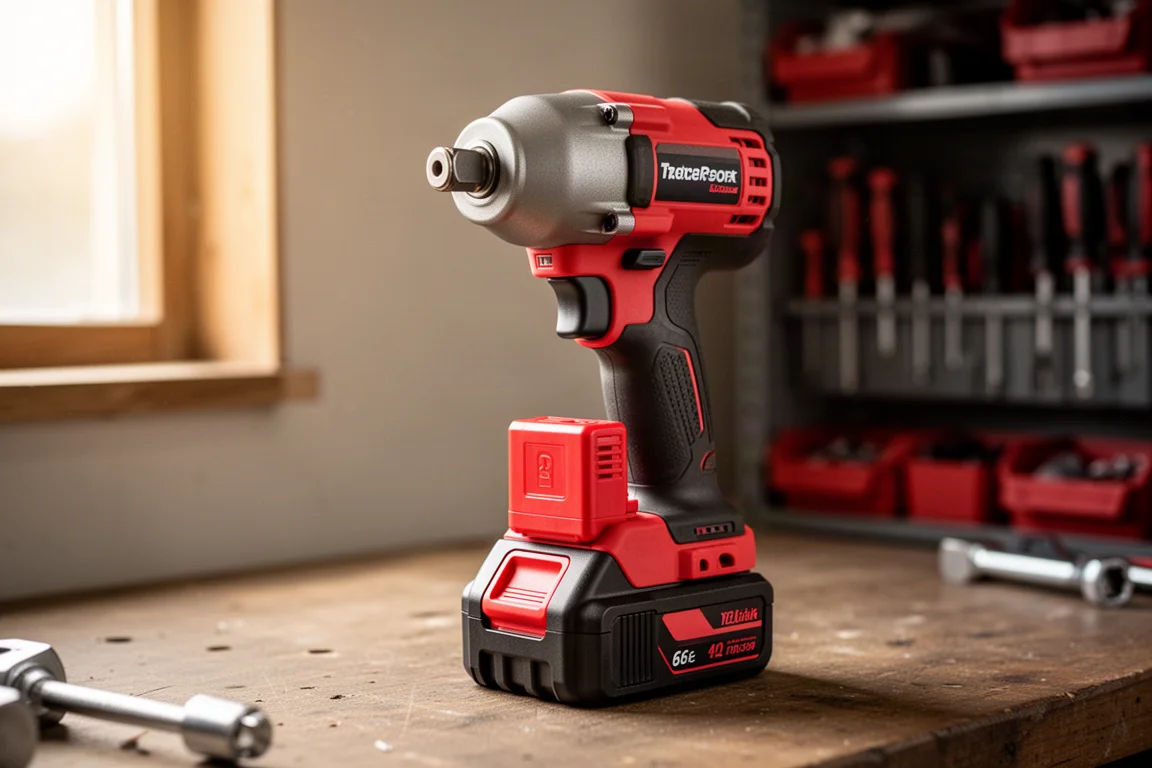
The saving grace is the cell choice itself: Samsung 25S cells, capable of around 25 amps of discharge in this type of application. By comparison, the XC 6.0 uses Samsung 30Q cells rated at a lower 15 amps, with 3,000mAh each and 6 amp hours total. Milwaukee also claims 25 percent more power for the High Output, though measured results tell a more careful story.
Power Testing: High Output vs XC 6.0
In a five-second working torque test on an M12 impact wrench, both packs produced identical peak figures of 137 foot-pounds, and the torque curves looked largely the same. In a best-case sustained output test, the High Output averaged 191 foot-pounds per second versus 187 for the XC 6.0, a small edge, though the XC 6.0 actually posted the higher peak at the end of the run.
The takeaway is that M12 tools tend to be on the smaller side, and most of them are not requesting more current than an XC 6.0 already delivers. The 25S cells are objectively better at supplying sudden spikes of current, but the tools may simply not ask for it. Tools with more direct-driven output shafts, such as an M12 circular saw, could potentially show a bigger difference.
The Unexpected DIY Challenger
Alongside the two official packs, testing included a custom 4 amp hour pack built with Samsung 40T 21700 cells, shoehorned into a single-cell layout up top with two cells in the base, thick nickel plating, and a pulse spot welder. It posted the biggest number of the day: 152 foot-pounds in the torque test and 263 in the sustained test, though with a shaky, inconsistent curve.
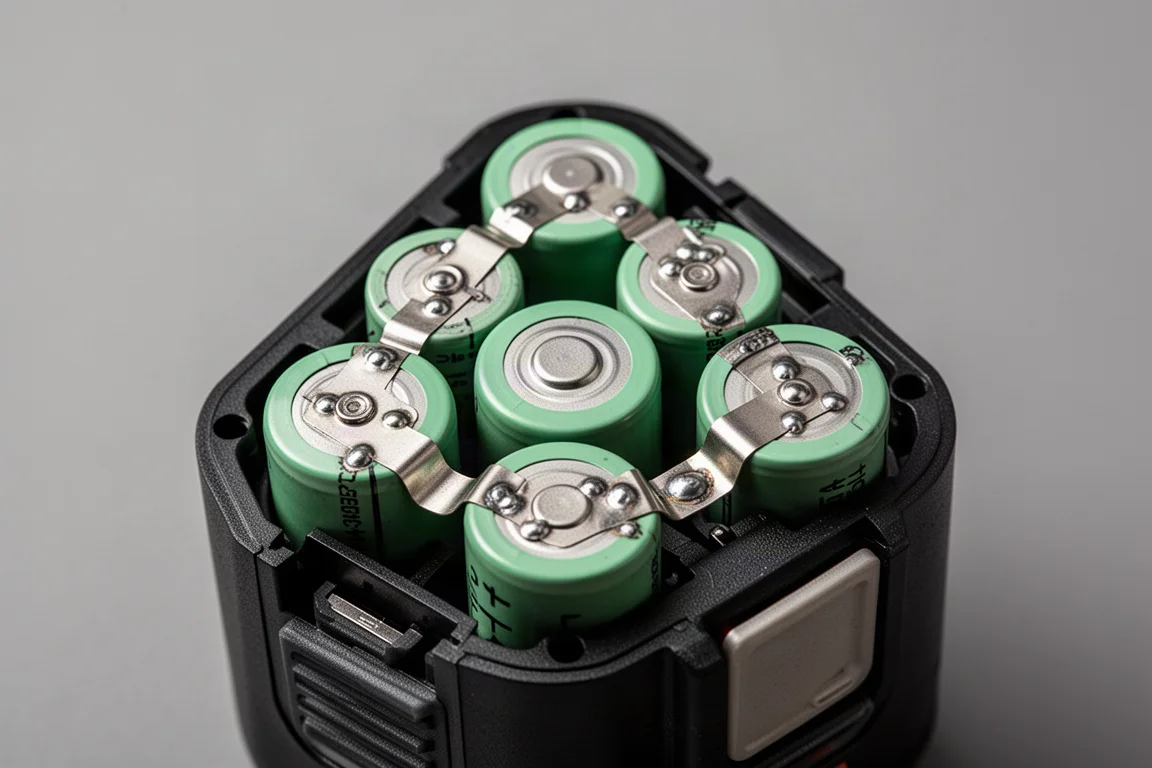
There is a catch worth understanding. That build started with an imitation battery housing, whose circuit board is less strict about regulating and protecting the cells. Without the throttling and current regulation an OEM pack performs, you get dramatic numbers but erratic consistency, plus the potential long-term wear risks that come with pushing tools beyond their intended regulation. It is a fun experiment, not a recommendation.
A Real Fix for Battery Lock Tabs
The most practical improvement may not be power at all. The XC 6.0 housing uses PC plus ABS FR, a polycarbonate and ABS blend. ABS is cheaper to produce but not tailored for harsh chemicals and oils. The High Output instead uses PC plus GF20FR, a glass fiber reinforced polycarbonate with no ABS and a flame retardant classification, bringing better impact protection, chemical resistance, and heat protection.
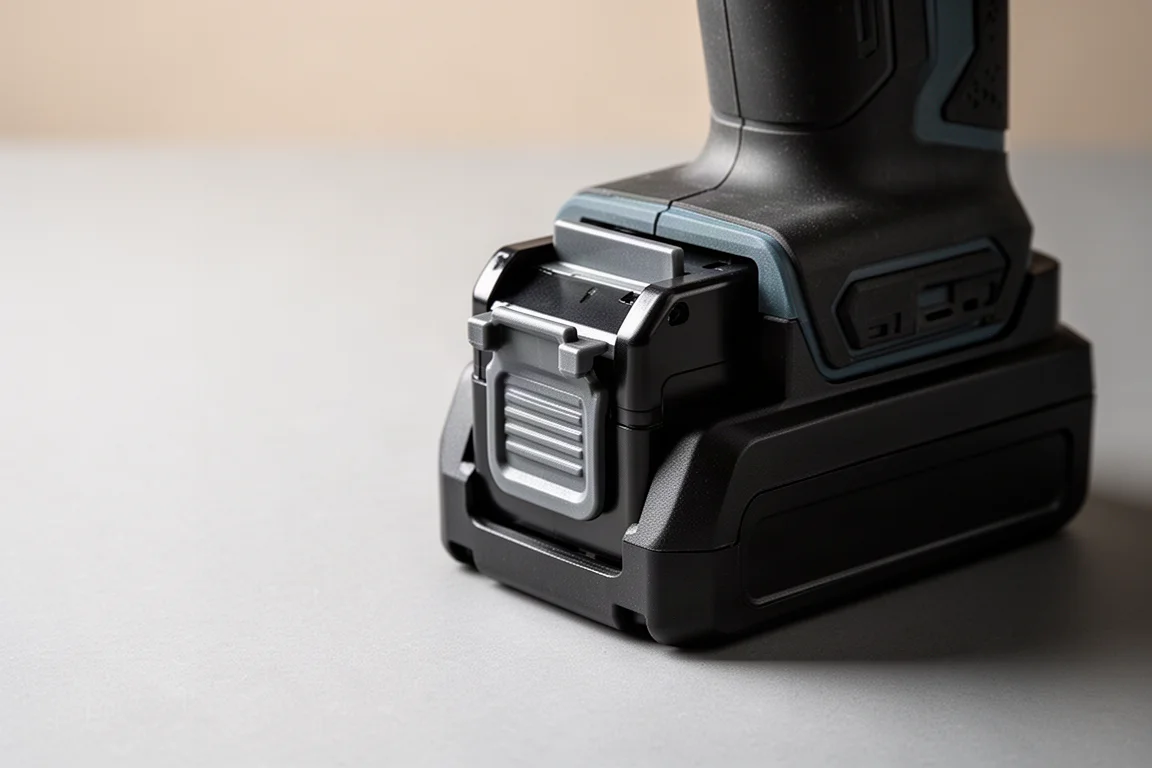
That stiffer composite also feels less compliant, which raises an interesting question about the well-known M12 issue of batteries loosening and dropping out of tools over time. For anyone frustrated by wobbly packs, this material change is aimed squarely at that complaint.
Durability Testing: 100 Cycles Later
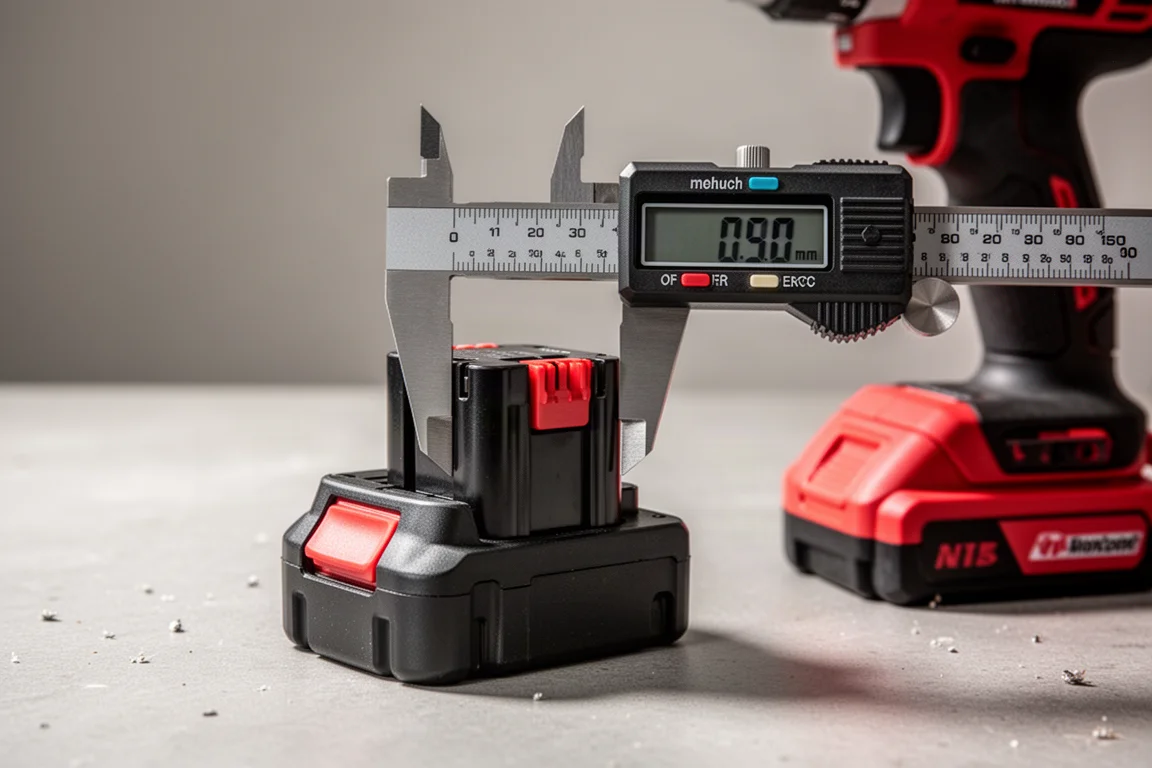
To find out whether the stiffer housing keeps its grip, the lock tab width of both packs was measured before and after 100 cycles of insertion and removal from M12 tools. The XC 6.0 started at 46.47 millimeters at the tabs and wore down to 46.17, a loss of 0.3 millimeters.
The High Output went from 46.9 to 46.8, losing only 0.1 millimeters, one third as much wear, and finishing wider than the XC 6.0 even started. That is likely a result of the stiffer glass fiber composite, and if it holds over time, it means the tabs are less likely to break off and the pack should stay clicky on your tools considerably longer.
Buying Advice
For most M12 tool users, the XC 6.0 remains a sensible pick: more capacity, proven cells, and performance that matches the High Output on the tools tested. The High Output XC 5.0 makes the stronger case for anyone dealing with oily or chemically harsh job sites, or for anyone tired of batteries wearing loose, since its housing resists chemicals better and its lock tabs showed dramatically less wear. As a pure power upgrade on small M12 tools, though, the difference is marginal. Larger, more direct-driven M12 tools may eventually reveal more of the High Output’s headroom.
Conclusion
The M12 High Output XC 5.0 is less of a power revolution and more of a durability upgrade. Its Samsung 25S cells can deliver more current on demand, but most M12 tools tested did not exploit that. Where it genuinely earns its price is in the glass fiber reinforced housing: better chemical and oil resistance, and lock tabs that wear three times less over 100 cycles. If battery fit and longevity have been your frustration, the High Output is the pack to get. If you just want maximum runtime, the XC 6.0 still holds its own.
Product link
View more details for Milwaukee M12 High Output XC 5.0 Battery
This product is mentioned in the review. Check the specifications, options, and compatibility before buying.
View more details for Milwaukee M12 High Output XC 5.0 BatteryFurther reading
Related Reviews
Power Tool Batteries
9Ah M12 Batteries Tested: Which Aftermarket Pack Is Actually Worth Buying?
We measured real capacity, voltage sag, and tool performance from four aftermarket 9Ah M12 batteries against Milwaukee's XC 5.0 High Output pack. One budget option stands out.
Power Tool Batteries
DeWalt DCBP520 5Ah PowerStack Battery Review: Big Power in a Pouch-Cell Pack
The largest PowerStack battery yet promises pouch-cell output with 5Ah of capacity. We break down its size, weight, voltage sag, and real tool performance.
Power Tool Batteries
DeWalt PowerStack 5Ah vs XR 5Ah: What a Heat Gun Runtime Test Revealed
Two DeWalt 5Ah batteries ran a DeWalt heat gun back to back. Same capacity, very different power delivery, heat, and voltage behavior.