Landscaping Tools
Milwaukee Hand Pruners: The 1-Inch and 3/4-Inch Models Compared
Milwaukee's first two hand pruners differ mainly in blade size and handle length. Here is how they cut, lock, and feel in the hand, and which one suits your pruning style.
Introduction
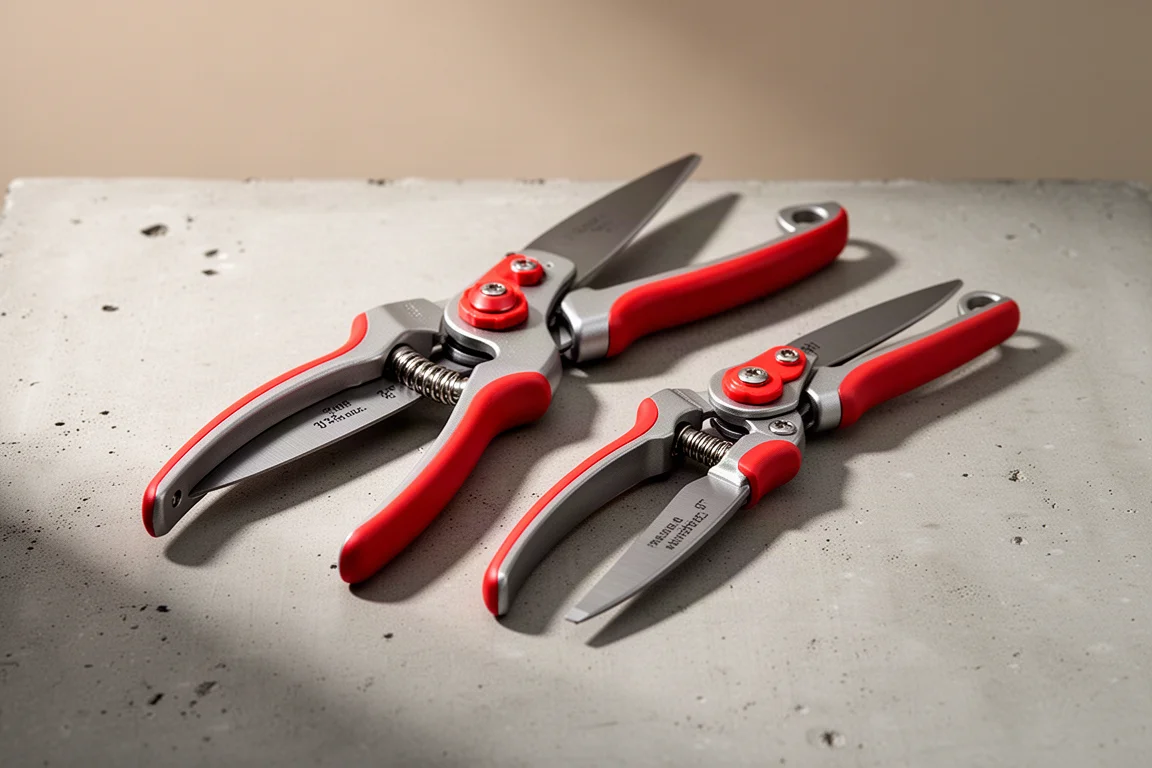
Milwaukee has been pushing deeper into the landscaping space for a while now, with outdoor power equipment ranging from lawn mowers and string trimmers to chainsaws and the M12 pruner. Its newest move is into hand pruners, and the company arrives with two entries: a 1-inch model and a 3/4-inch model. They are largely the same tool, differing mainly in blade size and a little bit of handle length.
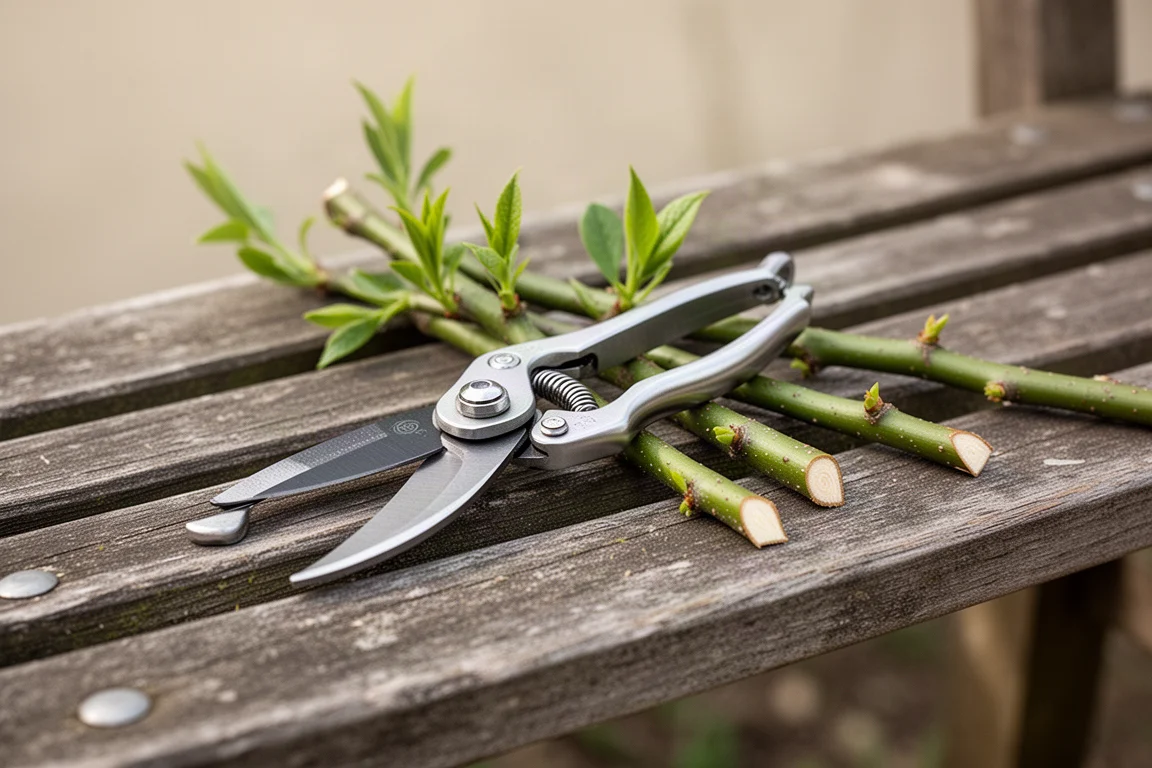
Both are interesting additions to a category full of long-established designs. After spending real pruning time with each, the picture is clear: solid cutting ability and a genuinely useful sheath, with a couple of design choices that leave room for improvement.
Meet the Two Models
The larger of the two is the 1-inch pruner, part number 48-22-9365, which sells for around $50 at Home Depot. The smaller 3/4-inch model carries part number 48-22-9363 and runs about $45. The two tools are exactly the same width at the handles, so they fit the hand nearly identically.
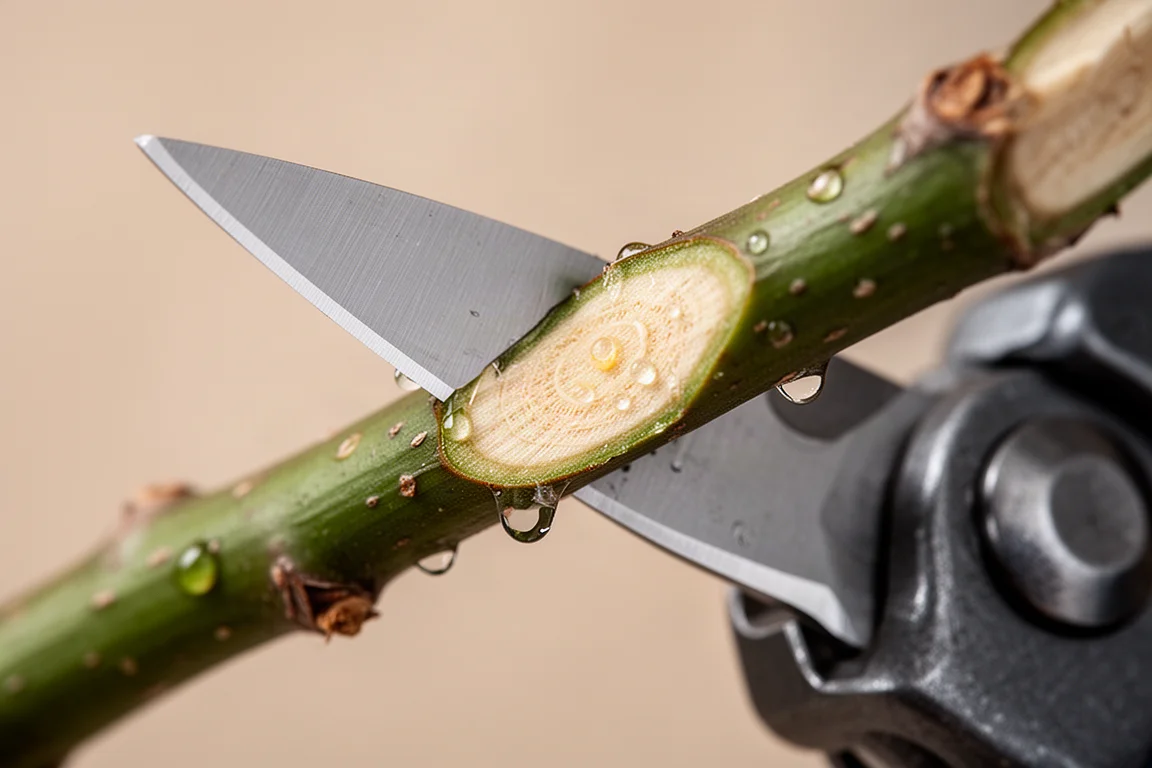
The 3/4-inch model earns its rating honestly. Measured with a caliper, a branch it cuts through came out at roughly 0.72 to 0.78 inches depending on rotation, right on spec. The 1-inch version opens wider and handles larger stock, though very dense, wedged-in branches near its maximum can take some effort.
Cutting Performance and the Lock Feature
The most distinctive feature is the manual lock and unlock system. Rather than an auto-release that pops open when you squeeze the handle, these pruners use a latch with two stops: one that holds the blade fully open, and a second, partial stop that keeps it open just a bit for smaller cuts so you can work faster without the blade springing all the way out.
That two-stop limiter feels borrowed from Milwaukee’s electric pruners, which offer a similar mode for smaller cuts that keeps the blade from opening fully. It is a clever idea. On the 1-inch model it works fairly well. On the smaller 3/4-inch version, the latch tends to slide forward and pop off after a bit of use, which undermines the convenience.
Handle Design: The Missed Opportunity
This is where the review has to get honest. The handles are symmetrical, presumably to suit both right- and left-handed users. The problem is that a symmetrical handle lets your hand slide up during a cut, and you lose leverage right where you need it. Compared against an asymmetrical ergonomic pruner with a pronounced palm bump and contour that keeps the hand planted and lets you use the full palm, the Milwaukee cuts about the same, which is not the compliment it sounds like.
In practice, both Milwaukee pruners cut similarly to that ergonomic benchmark, but with more hand fatigue because of the grip. If you already own a pruner with a shaped handle that locks into your palm, you may notice the difference immediately.
The Sheath: Worth the Extra $20
Milwaukee also sells a dedicated sheath, part number 48-22-9364, for about $20. It is genuinely good. The tool wedges in securely and stays put while you carry it around the garden, which is more than can be said for some aftermarket sheaths where the pruner simply falls out, a real safety concern.
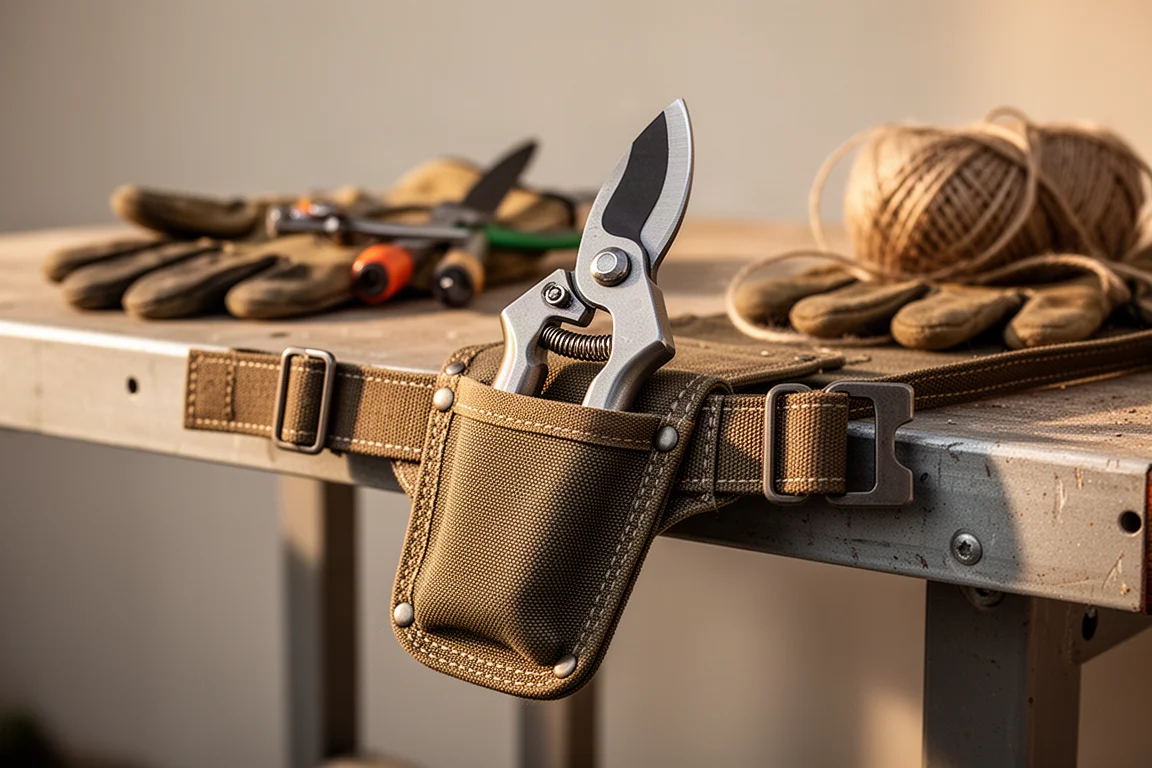
The sheath fits both models equally well since the handles are the same width. If you are buying either pruner, budget for the sheath. It is one of the stronger parts of the whole package.
Which Milwaukee Pruner Should You Buy?
For the price, both models sit right in line with comparable offerings from established brands like Steel, Fiskars, and Corona. The 1-inch model makes the stronger case: the two-stop lock works as intended, and the wider blade capacity gives you more headroom for tougher branches.
The 3/4-inch model is the better pick if most of your pruning is lighter, precision-style work, and you can find it slightly cheaper. Just be aware of the lock mechanism quirk, which may settle down with use or may not.
What is genuinely exciting is what these releases signal. Milwaukee entering the hand tool landscaping space suggests more is coming, and there is plenty of room for improvement in a category where few competitors are perfect. A future version with an asymmetrical handle and the leverage that comes with it would be a serious contender.
Conclusion
Milwaukee’s first hand pruners are competent, fairly priced, and backed by an unusually good sheath. The 1-inch model is the safer bet thanks to its more reliable lock and larger capacity, while the 3/4-inch suits lighter precision work. Neither rewrites the category, but they are a promising start from a brand that clearly has more landscaping tools in its sights.
Product link
View more details for Milwaukee 1-Inch Hand Pruner
This product is mentioned in the review. Check the specifications, options, and compatibility before buying.
View more details for Milwaukee 1-Inch Hand PrunerFurther reading
Related Reviews
Landscaping Tools
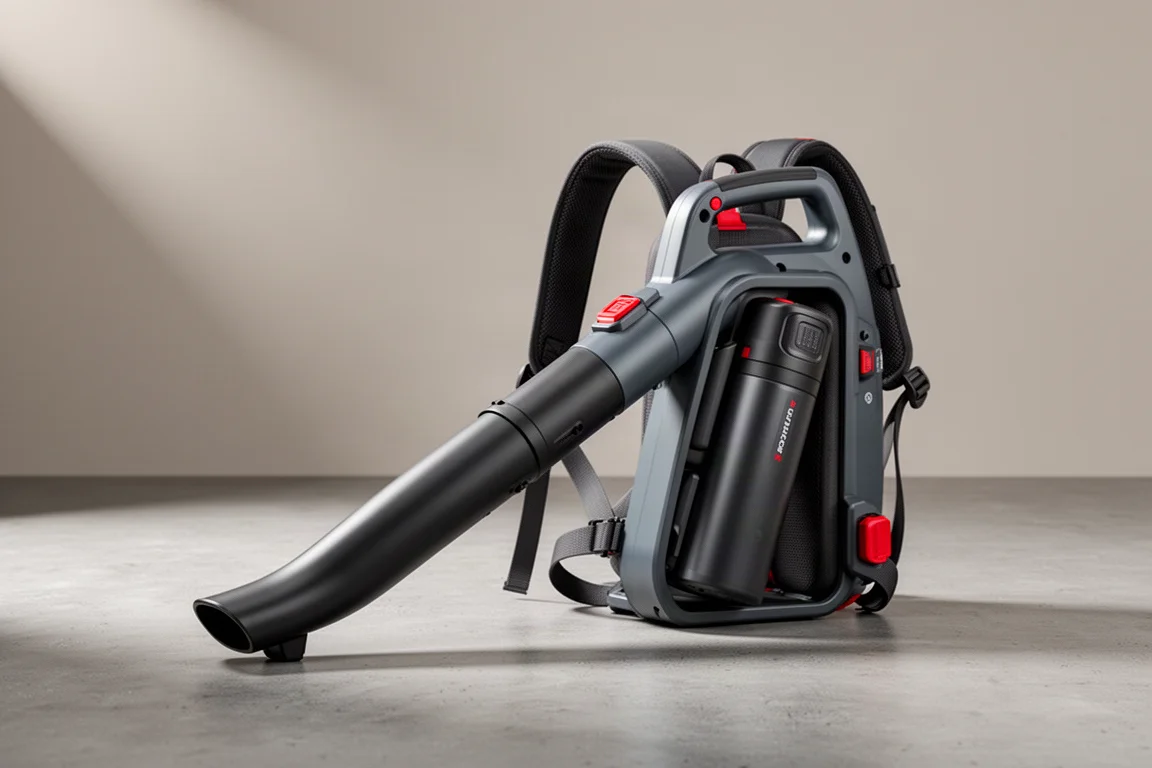
Milwaukee MX Backpack Blower Review: Gas-Like Power Without the Fumes
A 72-volt battery backpack blower with 800 CFM, quiet operation, and comfortable ergonomics, with a few trade-offs worth knowing first.

Backpacking Gear
Building a 10 lb Base Weight: An Ultralight Backpacking Gear List
A practical walkthrough of the ultralight pieces behind a 10 lb base weight, from a 765 g pack and a roomy one-person tent to a full camp chair and a dependable water filter.

Road Bikes
10 New Road Bikes Worth Watching: Aero, Titanium, Steel and Endurance Standouts
A practical roundup of 10 new road bikes, from aero flagships chasing single-watt gains to titanium, steel and endurance platforms built for real roads.