Power Tool Batteries
Milwaukee Forge vs High Output Batteries: Runtime, Charging and Water Testing
A hands-on comparison of the Milwaukee Forge 6.0, 8.0 and 12.0 against the M18 High Output equivalents, covering charge times, runtimes and the vented design.
Introduction
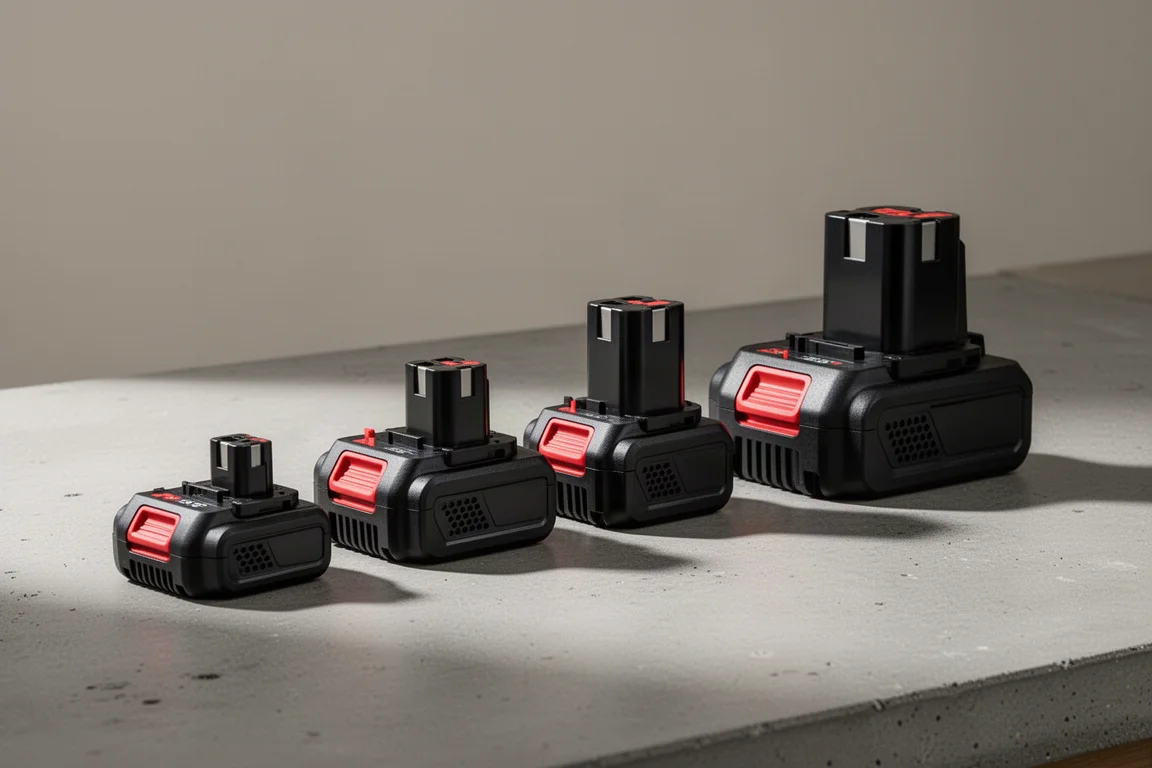
Milwaukee’s Forge battery line has stirred up more debate than a battery probably should. When the Forge 6.0 launched, it used stacked pouch cell technology, and expectations were high. Then Milwaukee announced the Forge 8.0 and 12.0, and they went a different route: tabless cell construction instead of pouch cells, paired with an active cooling cycle system that blows cold air through the battery on the charger.
That cooling system requires vents, and the vents immediately split opinion online. Some worried that water would get in during outdoor use. Others pointed out that competing batteries have had vents for years. So the real question is simple: are the Forge batteries actually better than the M18 High Output packs they sit beside, and is the vent design a genuine risk?
To find out, we ran charge time tests, runtime tests and a deliberately thorough water test across the full Forge and High Output lineups.
The Vent Question: Should You Worry About Water?
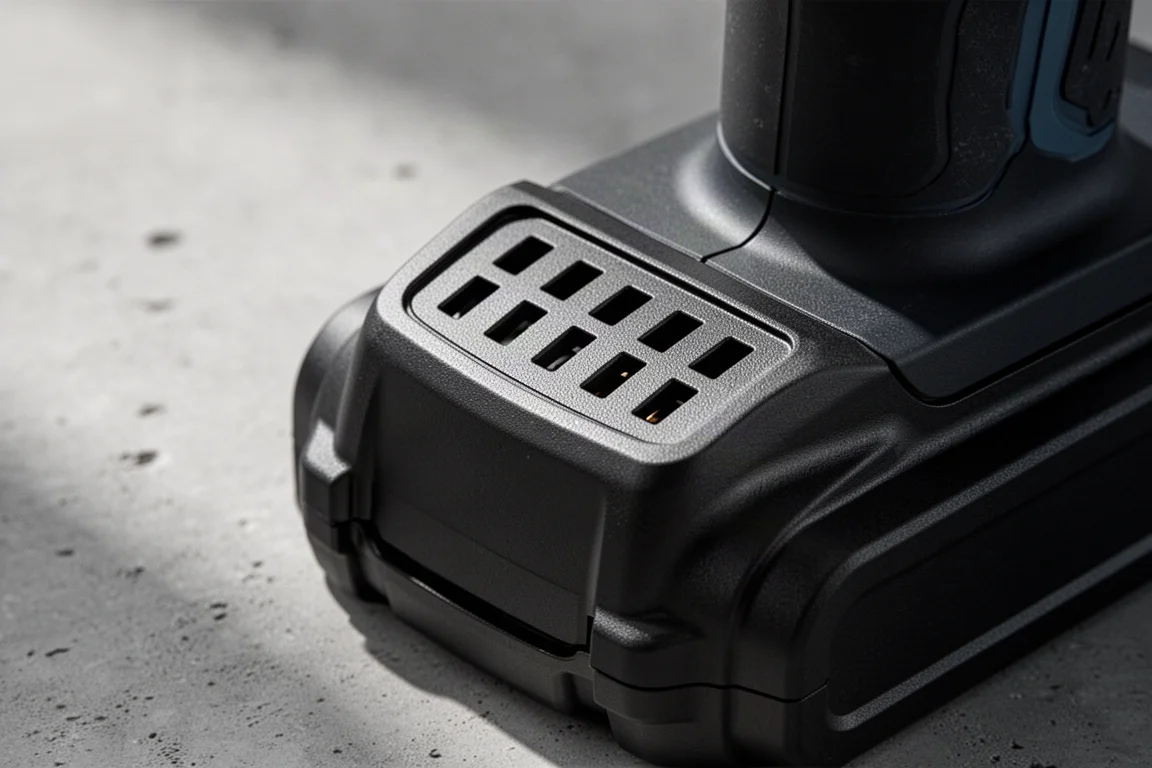
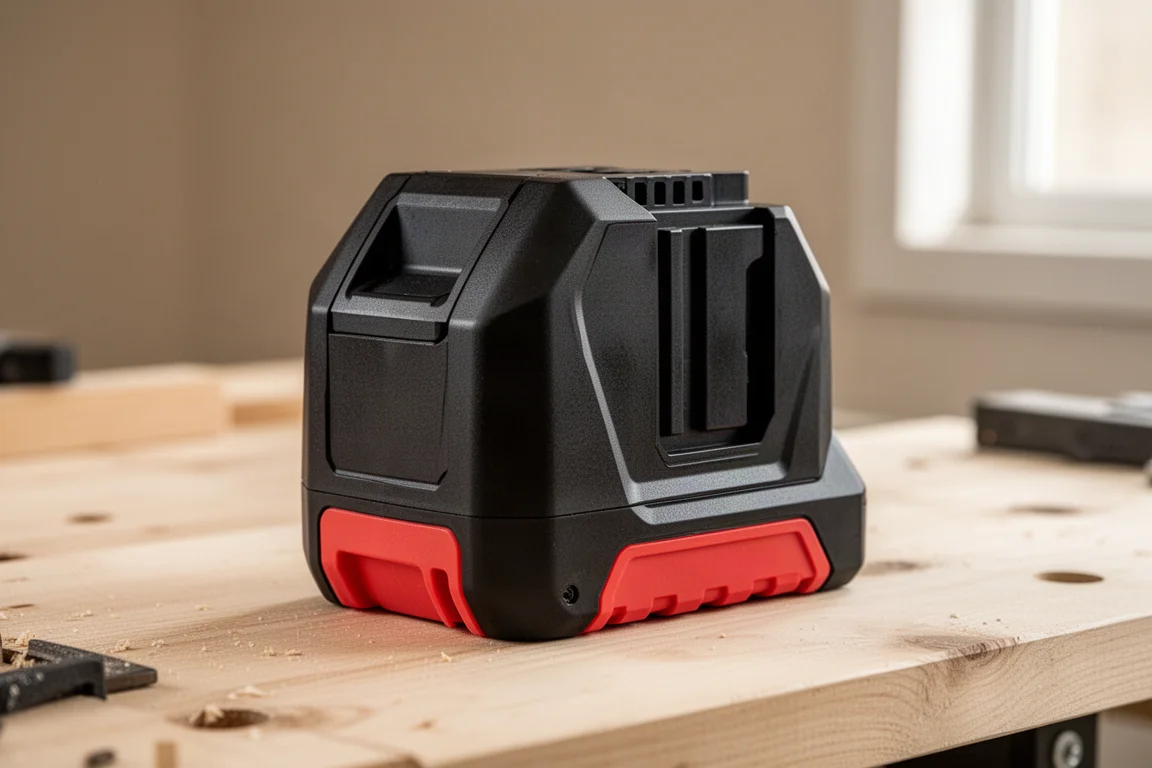
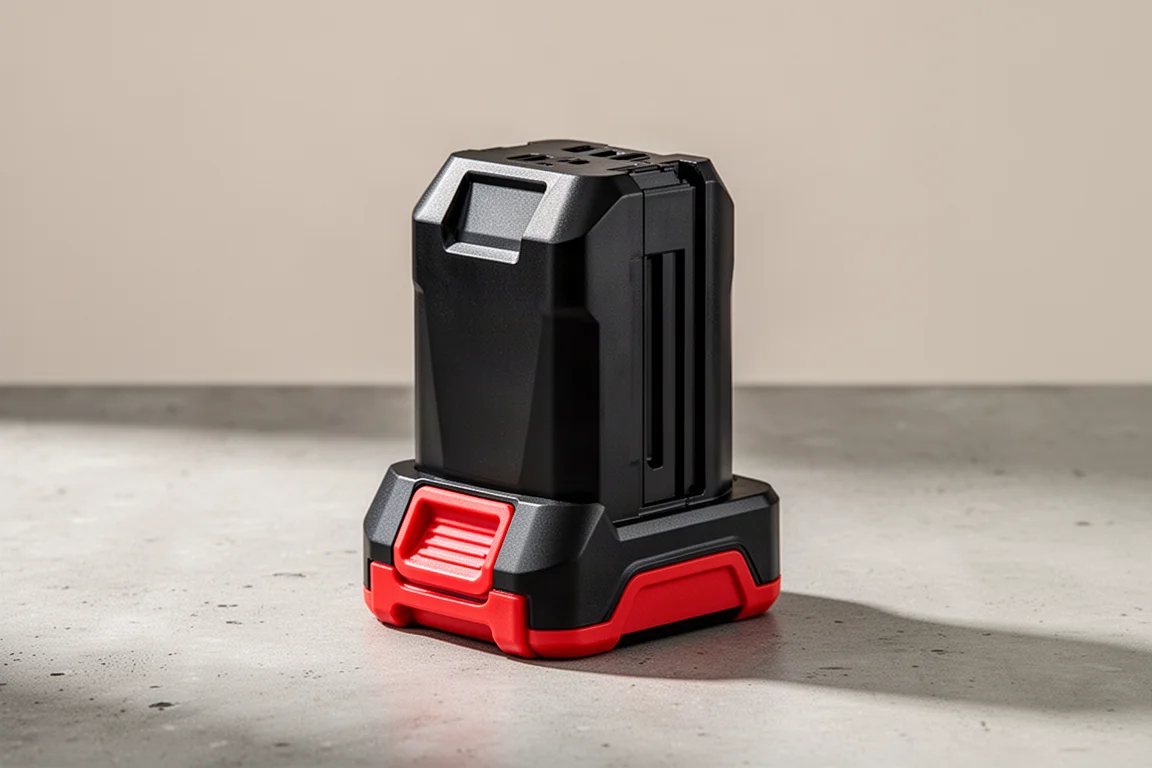
The vents exist for one reason: cooling. When a Forge battery sits on the supercharger, the charger pushes air through the slots to cool the pack down during the cool cycle. Those slots line up with the vents on the battery body.
The concern for outdoor power tool users was obvious. What happens if water gets in there? In practice, the top vents are covered once the battery is seated in the tool. With outdoor power equipment, the vents are essentially hidden while you work. A side-lying battery hit by a direct stream of water could theoretically let some in, but in normal use the exposure is minimal.
It is also worth remembering that the older High Output packs already have openings at the base and sides where water or dust could enter, and those have been in service for years without widespread issues. Circular saw users working in pouring rain get only partial coverage, but the same applies to the packs that came before.
Charging Times: Forge vs High Output
For the charge tests, all batteries were fully drained and charged on superchargers, one battery per charger, both connected to the same power source to keep things fair.
The results were mixed in an unexpected way.
| Battery | Full Charge Time |
|---|---|
| Forge 12.0 | 44 minutes 52 seconds |
| High Output 12.0 | 37 minutes 10 seconds |
| Forge 6.0 | 23 minutes 35 seconds |
| High Output 6.0 | 35 minutes 29 seconds |
| Forge 8.0 | 44 minutes 23 seconds |
| High Output 8.0 | 44 minutes 13 seconds |
The Forge 6.0, the stacked pouch cell pack, is the charging star of the family. It reached roughly 80 percent within the claimed 15 minute window, showed three bars at around 11 minutes, and finished in 23 minutes 35 seconds, nearly 12 minutes faster than the High Output 6.0.
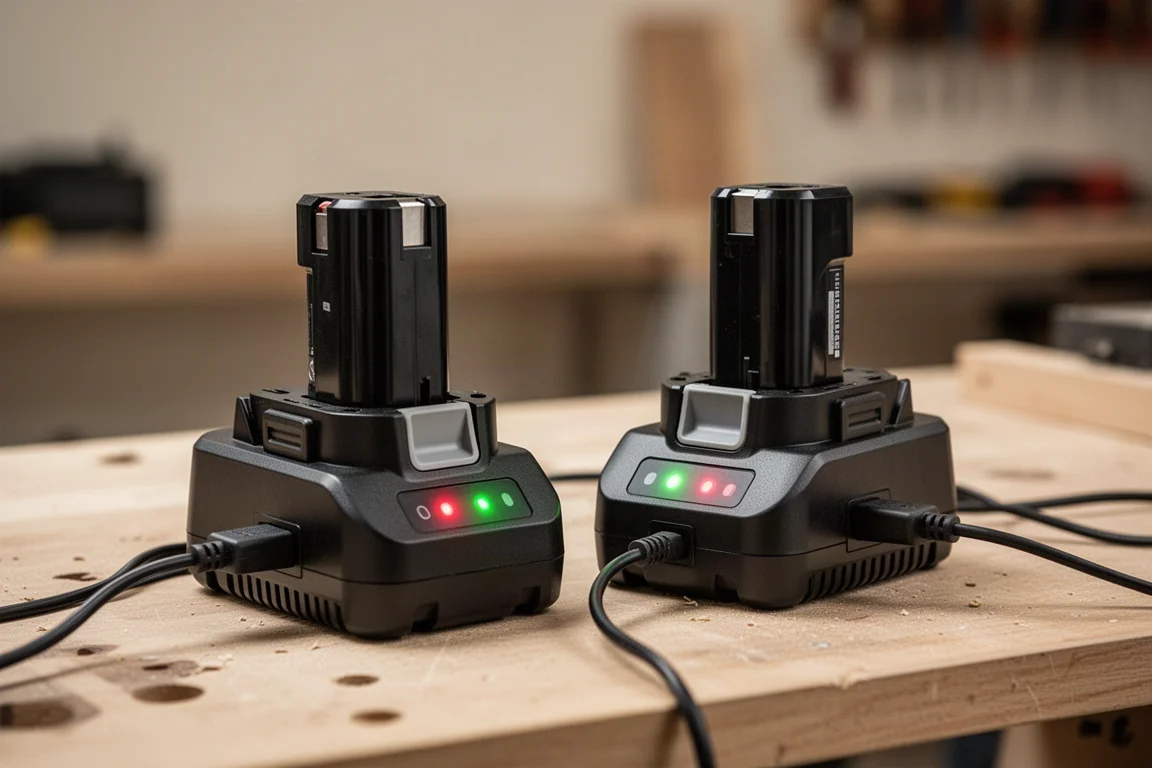
The Forge 12.0 tells the opposite story. The High Output 12.0 finished at 37 minutes 10 seconds, a full seven minutes ahead of the Forge 12.0 at 44 minutes 52 seconds. The Forge 8.0 and High Output 8.0 were effectively tied at around 44 minutes each.
The cooling works as advertised, though. Touch the Forge packs mid-charge and they stay essentially cool to the touch while the High Output runs noticeably warm. The active cool cycle is doing its job. It just does not automatically translate into faster charge times across the range.
Runtime Testing: The Big Surprise
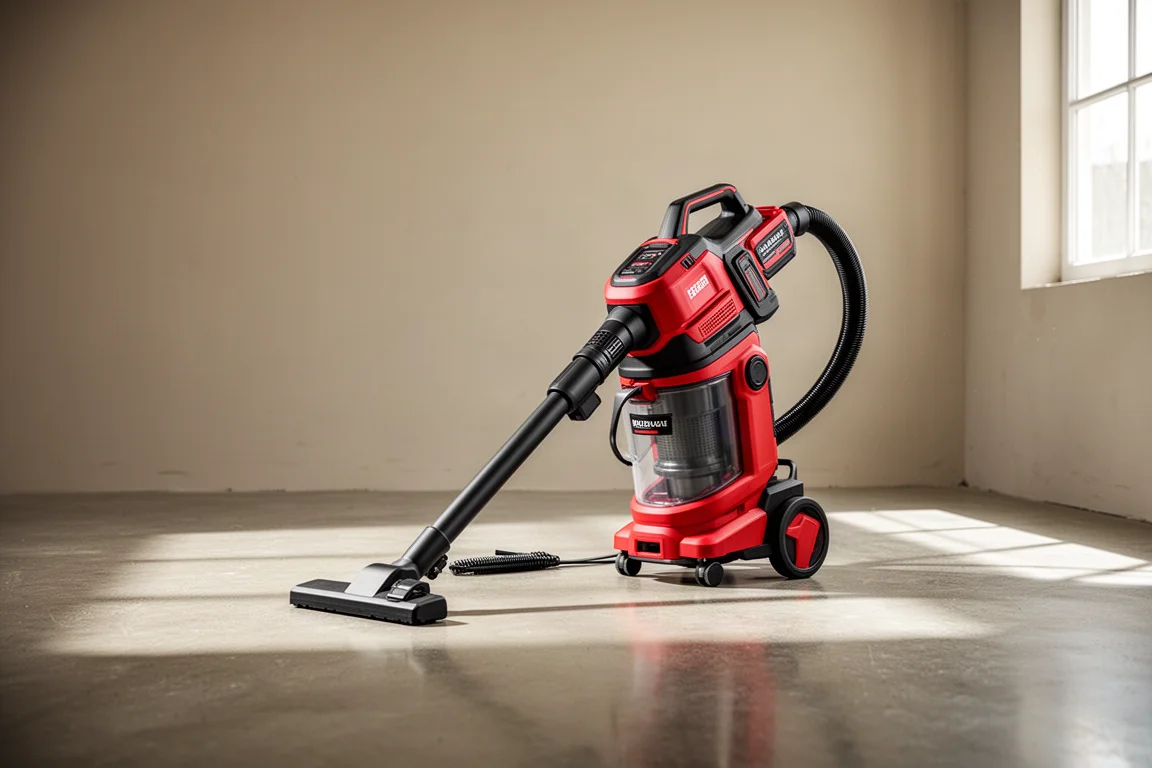
Charging is only half the story. The Forge packs are aimed at tools with sustained draw, so a cordless M18 vacuum with continuous suction made a good runtime benchmark against the High Output 12.0.
The High Output 12.0 delivered just under 24 minutes of continuous runtime, at 23 minutes 53 seconds. The Forge 12.0 then ran for over 40 minutes, at roughly 40 minutes 07 seconds. That is close to twice the runtime, which was genuinely unexpected given how the charge tests went.
Expect the same pattern across the range: the Forge 8.0 and 6.0 also deliver longer runtimes than their High Output equivalents. For saws, miter saws, table saws and lawnmowers, the Forge packs are clearly the endurance choice. If you care about runtime more than charge speed, the 12.0 Forge is the standout.
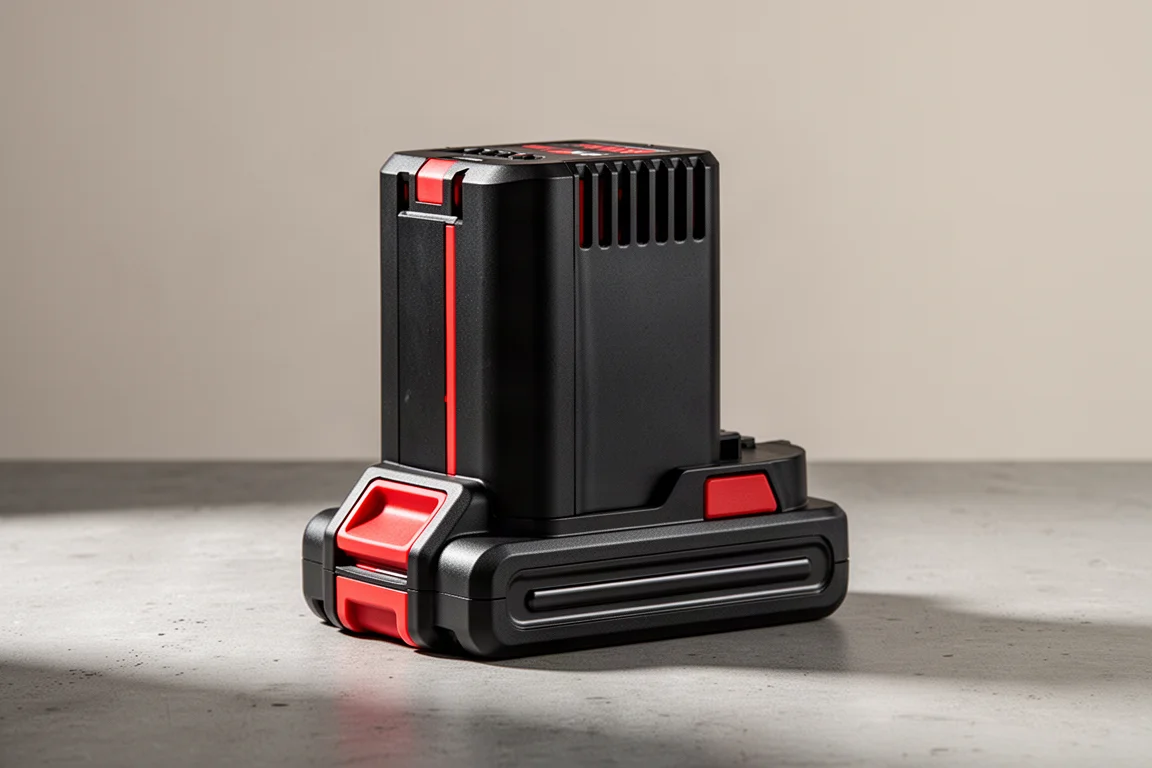
Forge 6.0: The Charging Champion
The Forge 6.0 is the smallest pack in the lineup and noticeably more compact than the High Output 6.0. It is also the only current Forge pack built on the stacked pouch cell design, and it shows in the charging numbers: a full charge in 23 minutes 35 seconds versus 35 minutes 29 seconds for the High Output 6.0.
If you want the fastest turnaround between work sessions and a smaller, lighter pack, this is the one to look at.
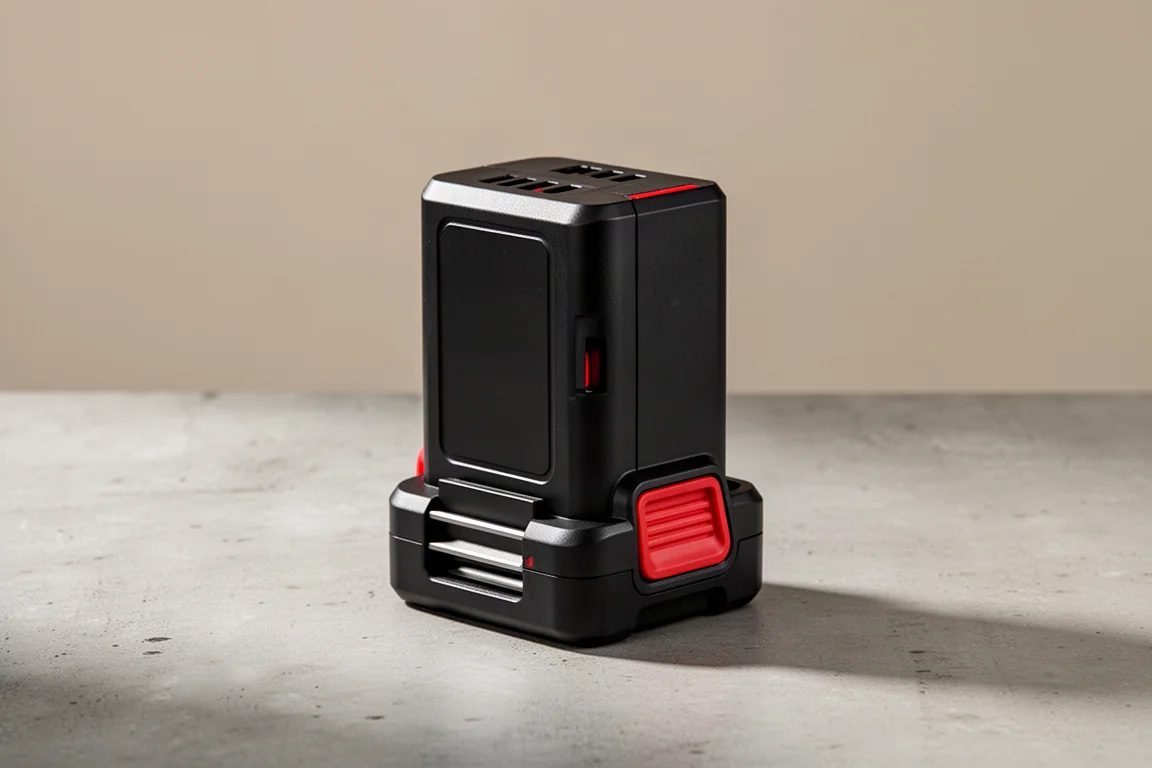
Forge 8.0: The Balanced Middle Ground
The Forge 8.0 sits in the middle on nearly everything. Its charge time essentially matched the High Output 8.0, at 44 minutes 23 seconds versus 44 minutes 13 seconds, so there is no charging advantage here. Runtime is where it earns its keep, running longer than the High Output equivalent under sustained load.
Choose it if 12.0 feels like more weight than your tools need, but you still want the runtime benefit of the Forge platform.
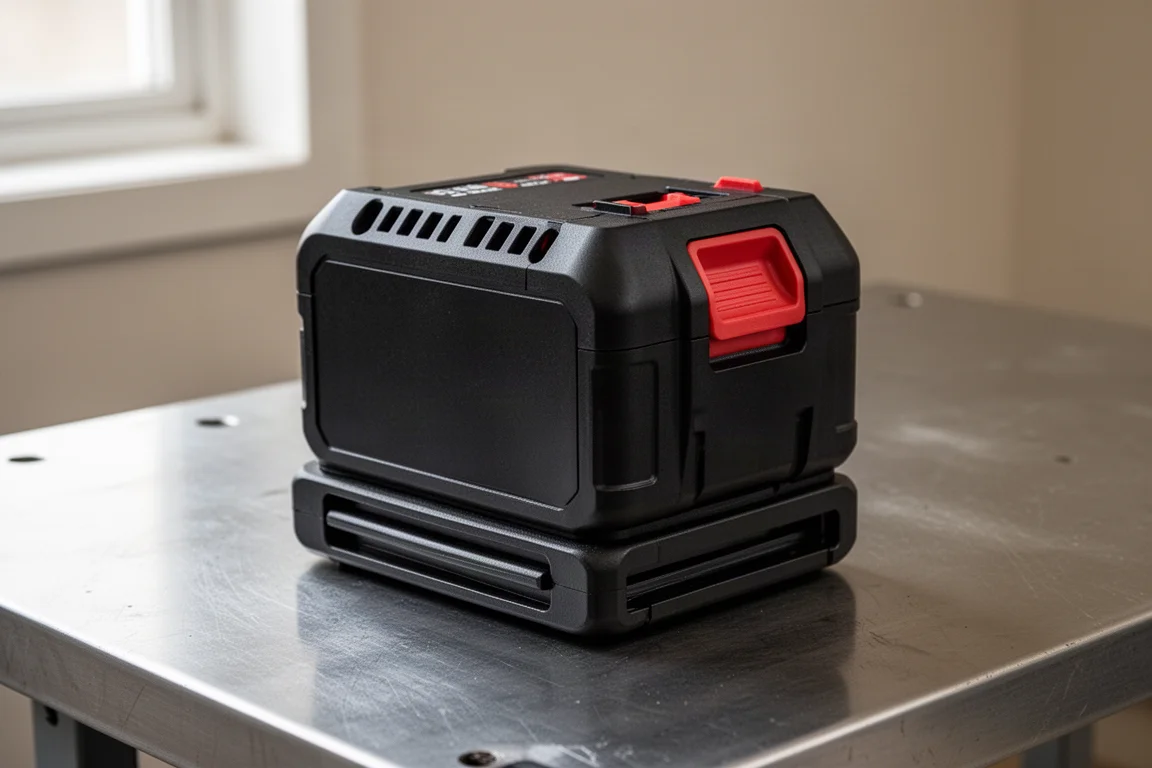
The High Output Line: Still Worth Buying
The High Output packs remain a solid pick, particularly at the 12.0 size, where the High Output 12.0 charged roughly seven minutes faster than the Forge 12.0. If your workflow involves frequent battery swaps and short top-ups rather than long runtime sessions, the faster charge time at the 12.0 size can matter more than endurance.
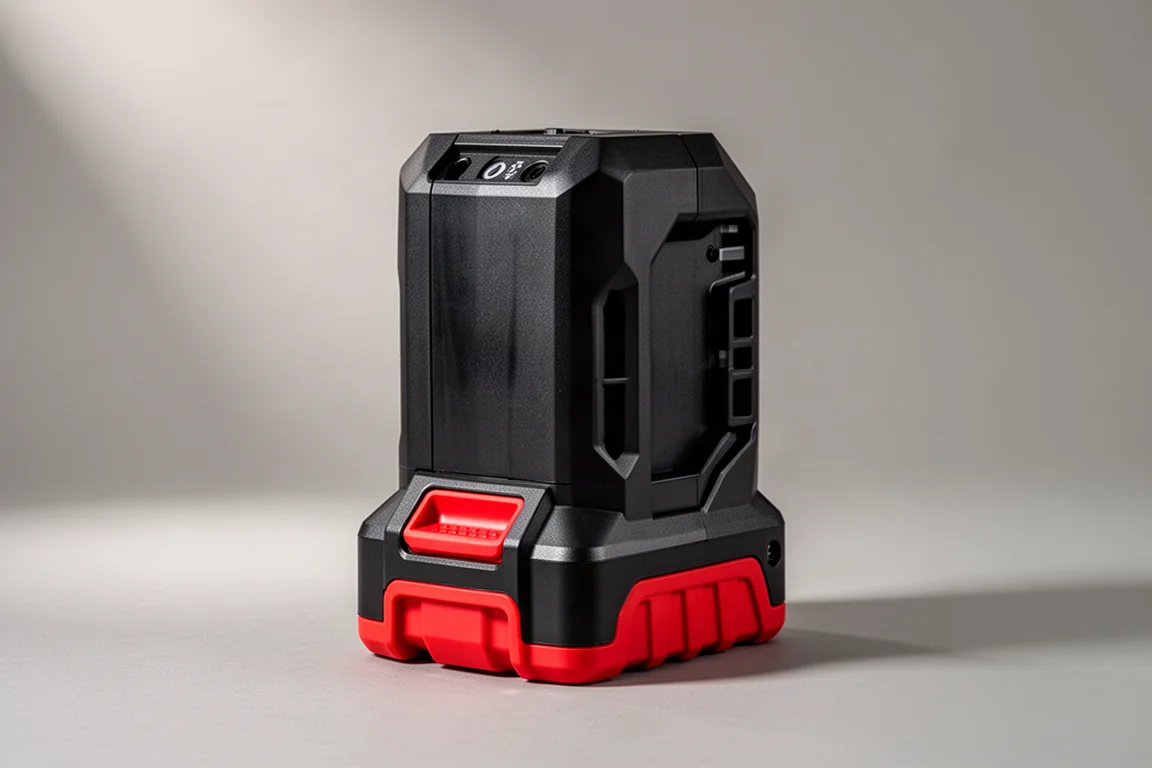
The High Output 8.0 and 6.0 cover the same story at smaller sizes: dependable, quicker to top up in the 6.0 size, and already proven across years of use. For users who swap batteries often and prefer packs that stay cooler on chargers less aggressively than the Forge’s high-current cycles, they remain easy to recommend.
Water Testing: The Result Everyone Waited For
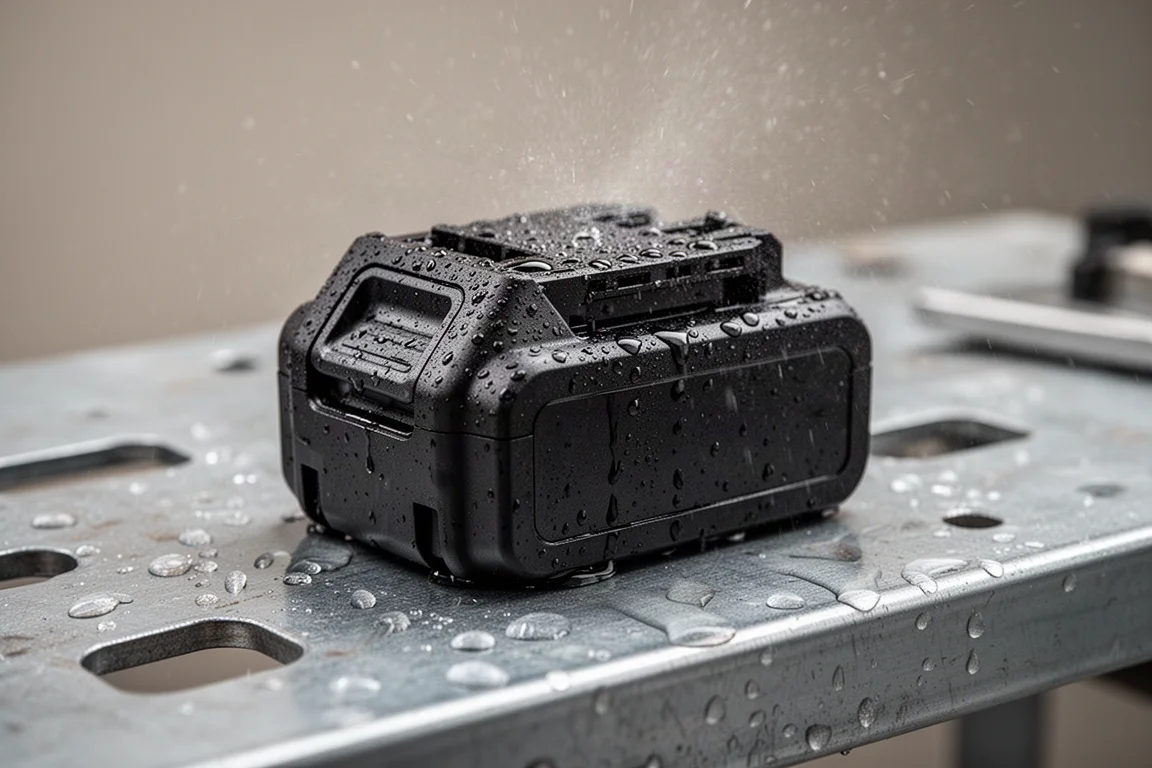
To settle the vent debate, the Forge batteries were soaked thoroughly with a garden hose, tops and bottoms, for about five minutes, far beyond a rain shower. Water visibly spewed out of the base afterward.
Safety first: the battery was not placed on the charger while dripping wet. It was drained, and the contacts were blown out briefly with compressed air. Once seated on the charger, the fan kicked back on and the pack charged to full without issue, then powered tools normally afterward.
Word from inside sources suggests the cells carry a protective coating, possibly an epoxy-related trade patent, so incidental water or dust ingress should not damage the cells. After this test, that claim held up in practice. As for dust and drywall mud, a screen over the vents might help, but the older High Output packs had similar openings and have not shown systemic problems.
Buying Advice
The choice comes down to what you value. If runtime under heavy, sustained load is your priority, the Forge 12.0 delivers roughly double the runtime of the High Output 12.0 and shrugs off water. If you want the fastest possible charging, the Forge 6.0 is in a class of its own. The Forge 8.0 is a runtime play with no charging advantage, and the High Output line remains the sensible pick for users who swap packs frequently and want proven hardware, especially at the 12.0 size where it charges faster.
Conclusion
The Forge line’s vented, actively cooled design turned out to be less controversial than the internet suggested. The vents are covered in the tool, the cooling works, and a five-minute hose soak did nothing to hurt the packs. Runtime is where Forge clearly wins, charging speed is where the High Output holds its ground at the larger sizes, and the Forge 6.0 offers the best of both worlds in a compact package. Match the pack to your workflow and you will not be disappointed either way.
Further reading
Related Reviews
Power Tool Batteries
9Ah M12 Batteries Tested: Which Aftermarket Pack Is Actually Worth Buying?
We measured real capacity, voltage sag, and tool performance from four aftermarket 9Ah M12 batteries against Milwaukee's XC 5.0 High Output pack. One budget option stands out.
Power Tool Batteries
DeWalt DCBP520 5Ah PowerStack Battery Review: Big Power in a Pouch-Cell Pack
The largest PowerStack battery yet promises pouch-cell output with 5Ah of capacity. We break down its size, weight, voltage sag, and real tool performance.
Power Tool Batteries
DeWalt PowerStack 5Ah vs XR 5Ah: What a Heat Gun Runtime Test Revealed
Two DeWalt 5Ah batteries ran a DeWalt heat gun back to back. Same capacity, very different power delivery, heat, and voltage behavior.