Chainsaws
Milwaukee 2827 Dual Battery Chainsaw: 3 Months of Real-World Cutting
Serious torque, serious weight. Our long-term look at the Milwaukee 2827 dual battery chainsaw covers battery expectations, the chain upgrade that changes everything, and who should skip it.
Introduction
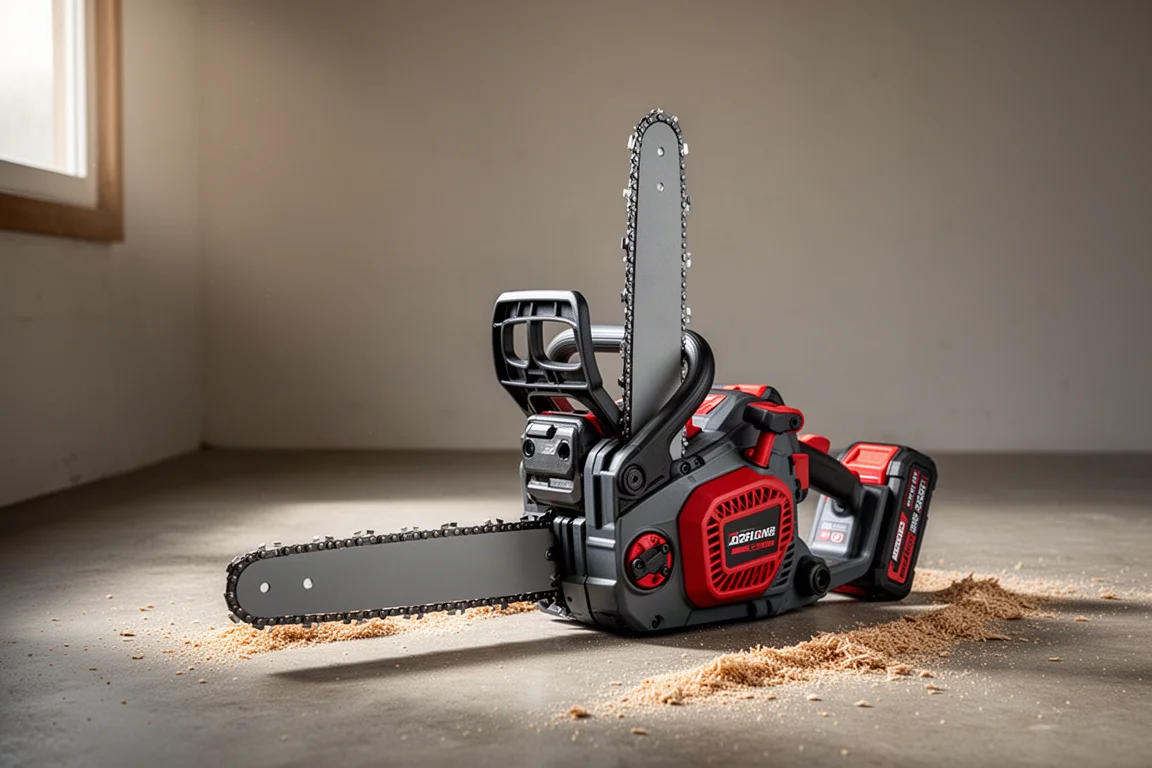
The Milwaukee 2827 is a 36V dual battery chainsaw that Milwaukee claims is comparable to a 70cc gas saw. After three months of real use, that claim deserves some nuance. It is not comparable to a Stihl 362, and testing it against a Stihl battery saw made that clear. What it does deliver is absolutely amazing torque, and it never cuts out hard. When the bar binds, the motor winds down like a normal gas saw before shutting off, which is a genuinely slick behavior.
Who This Product Is For
This saw fits property owners who want gas-like torque for occasional cutting without the hassle of fuel. It is a great grab-and-go option for a couple of quick cuts in winter, even for someone who normally prefers gas saws. But it is not right for everyone. At around 20 pounds with batteries, it is heavier than most saws in its class, and that weight is mostly down to the two onboard batteries. It is not a saw you would hand to someone newer to chainsaws, and it is not suited to all-day work in the woods.
Battery Life: The Honest Numbers
The kit runs $899 and includes two Forge 8Ah batteries. Our advice: do not run this saw without Forge batteries. The runtime looks fine at first, but under real cutting load the batteries drain fast. Cutting dead poplar into 8-foot chunks, we exhausted the two 8Ah packs after felling and bucking just four trees with zero limbing. Moving up to the 12Ah Forge batteries helped, felling three trees on a pair, but the torque this saw generates eats charge quickly no matter which pack you use.
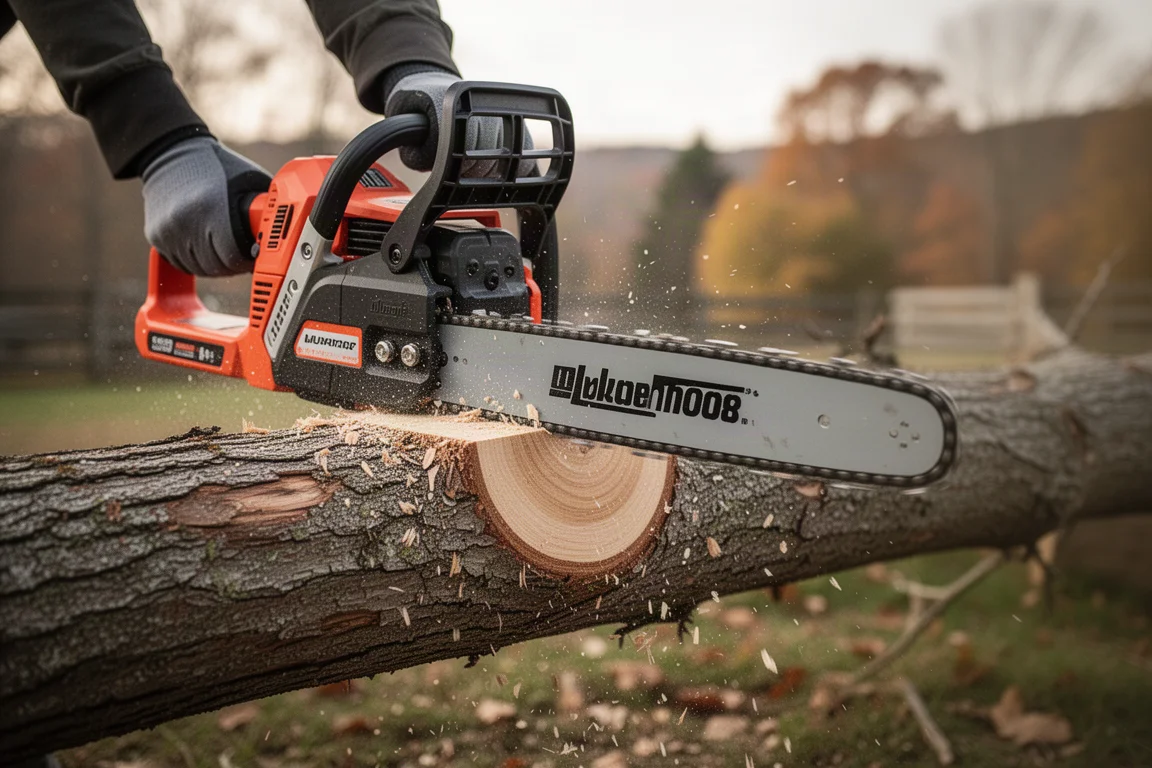
If you already own other Milwaukee tools, the battery investment matters less. But if you plan to cut all day, expect a lot of charging, and know that even the 12Ah packs only add roughly 20% more runtime before that advantage disappears.
The Chain Upgrade That Changes Everything
Out of the box, the saw felt lazy. It did not want to dive into the wood, and you had to push it, which is never ideal even if it never felt outright unsafe. Swapping to a full chisel chain transformed the cutting character. The saw now wants to dig in and pull through the wood on its own.
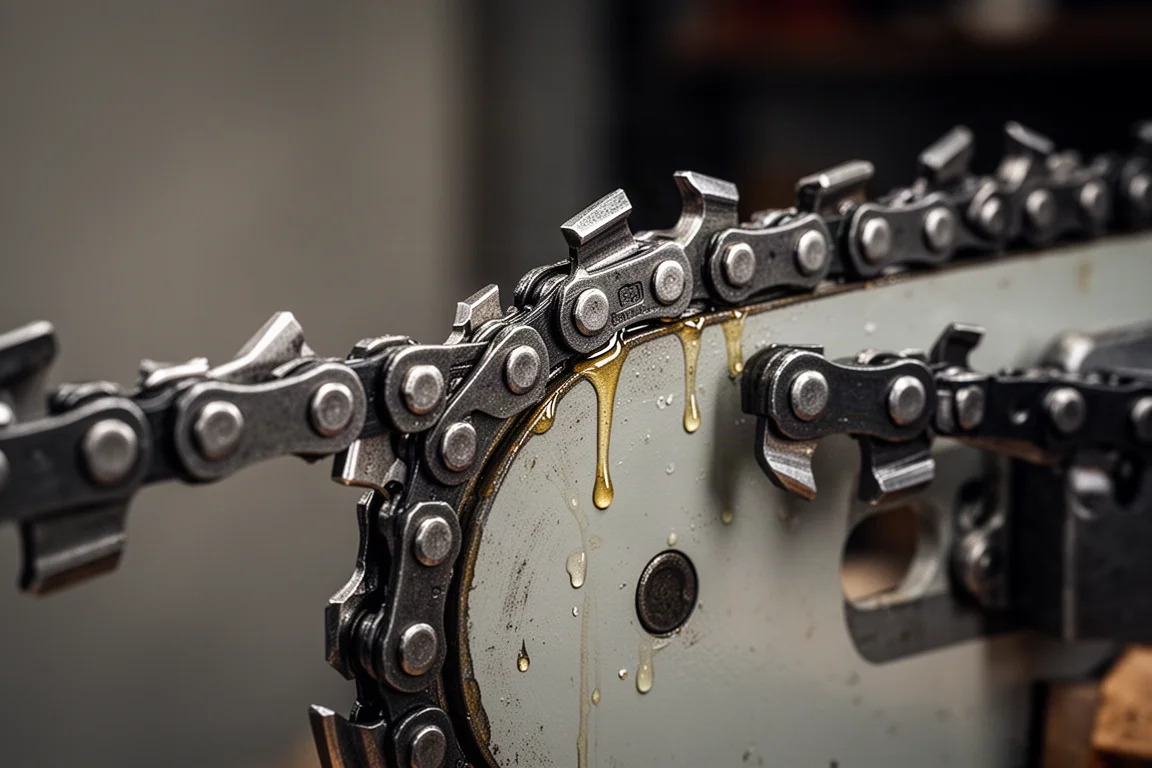
The trade-off: the full chisel chain makes limbing a bit of a pain, since it bites hard and can jump slightly in bushy areas with lots of small limbs. A semi-chisel chain is easier for that kind of work. On the positive side, the chain has never come off, even when working through multiple small limbs.
Maintenance Watch: Dust, Water and Clean-Out
One quirk worth knowing: this saw collects a surprising amount of sawdust in the guard area near the sprocket, and it does not clean itself out. Wood even works into the holes behind the sprocket. We hit it with compressed air and got a ton of dust back out, so regular compressed-air clean-outs are highly recommended before it packs into places you do not want.
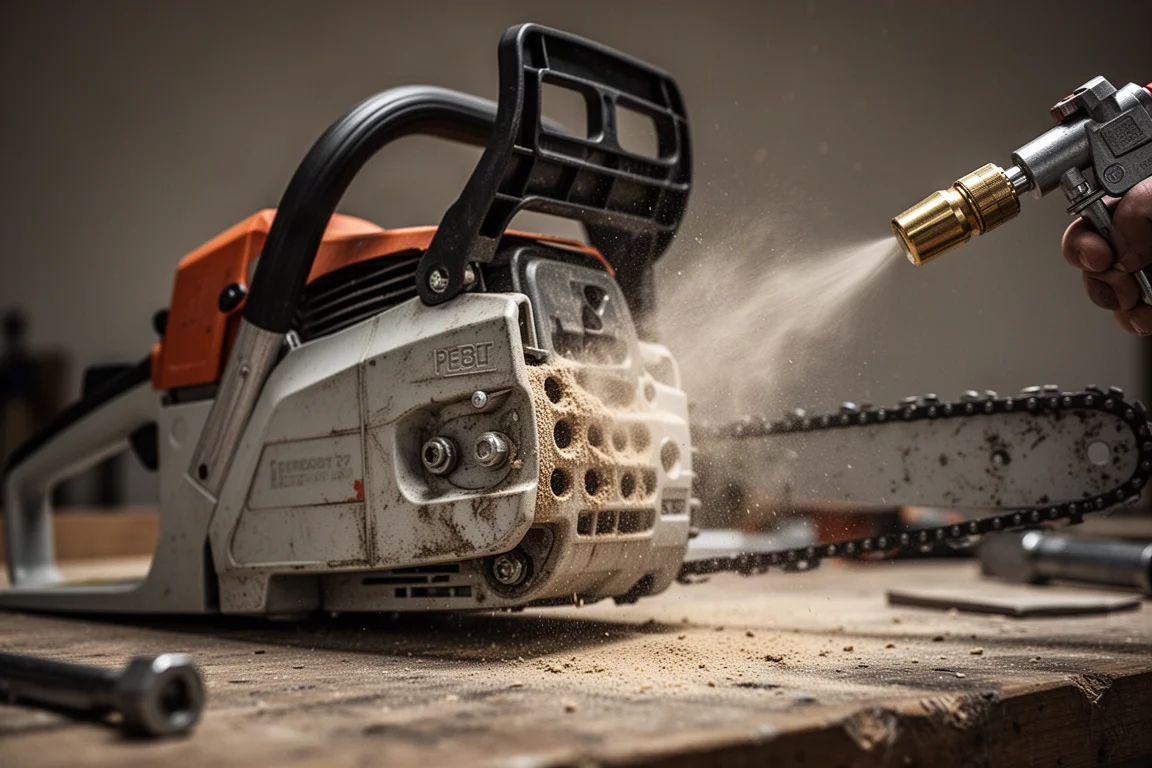
There was also some water inside the case after use in the snow, likely from being out in the weather, though nothing major. The bar itself showed no oiling issues, and the oiler was doing its job despite the packed gunk.
Who Should Actually Buy It
At $899 the kit sounds expensive, but consider that two Forge batteries alone cost around $400ish, which effectively puts the saw body at about $400. And a $400 saw does not buy you much power in today’s market, while this delivers roughly 60cc-class gas performance. If you already own the batteries and need them for other tools, this saw has been genuinely great.
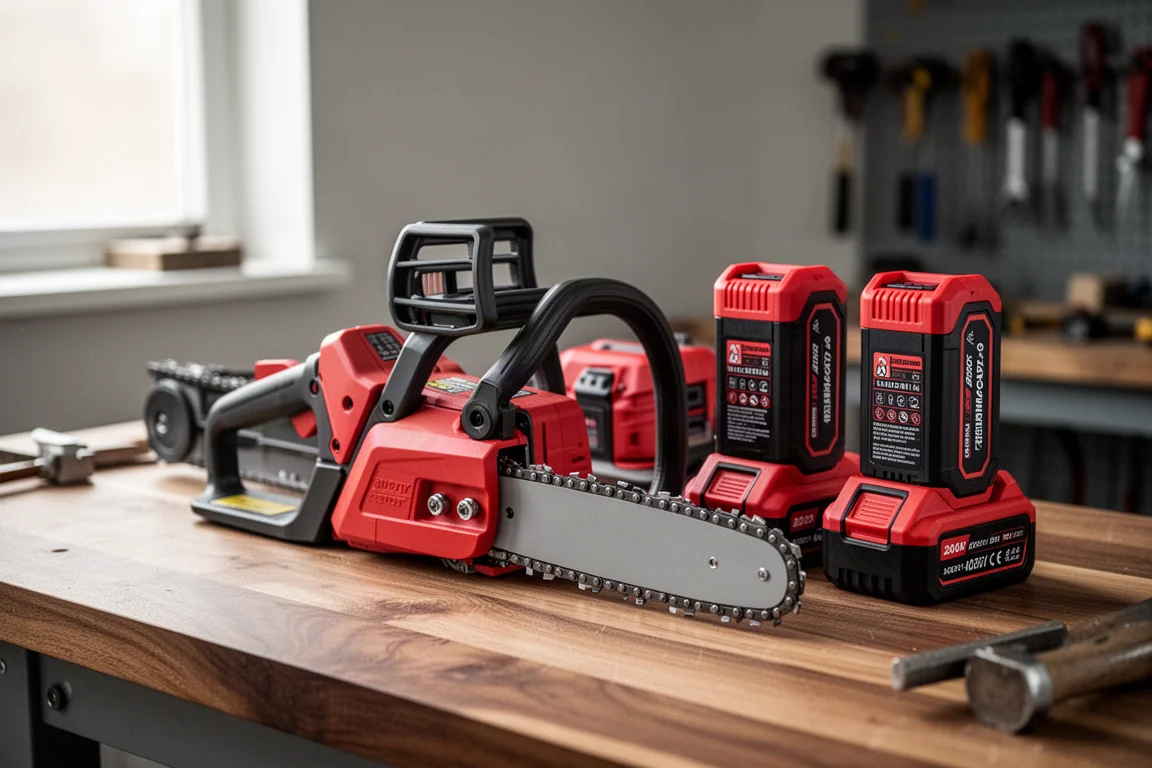
Skip it if you want all-day woods work or if a 20-plus-pound saw does not suit you. Runtime remains the unsolved problem for battery saws generally, and this one is no exception. But for the occasional-use buyer who has the tools, the batteries, and the need for real torque, it is easy to recommend.
Conclusion
The Milwaukee 2827 delivers impressive torque and confident, gas-like cutting behavior in a heavy package. Buy it for occasional serious cutting and existing battery investment; pass on it for all-day felling and bucking.
Product link
View more details for Milwaukee 2827 Dual Battery Chainsaw
This product is mentioned in the review. Check the specifications, options, and compatibility before buying.
View more details for Milwaukee 2827 Dual Battery ChainsawFurther reading
Related Reviews

Chainsaws
Best Gas Chainsaws 2026: Eight Saws Put to the Test
We tested eight 18-inch gas chainsaws from budget picks to premium models to find the best value, the fastest cutter, and the most refined option.
Chainsaws
Best Gas Chainsaws Tested: 8 Saws From Budget to Professional Grade
Eight 18-inch chainsaws tested on starting, cutting speed, torque, vibration, and noise, from a $96 budget saw to a $430 Stihl MS250.
Chainsaws
$100 Chainsaw vs $550 Stihl: Can Budget Saws Really Compete?
Two budget chainsaws face off against the Stihl MS 291 in torque, cutting speed, fuel efficiency, and cold-start tests to see where the money actually goes.