Tube Amplifiers
Miller Audio Dynaco ST-70 Review: A Rebuilt Tube Classic With Tighter Bass
A rebuilt Dynaco ST-70 with auto bias, a larger transformer, and modern parts, keeping the classic tube midrange while finally tightening the bass.
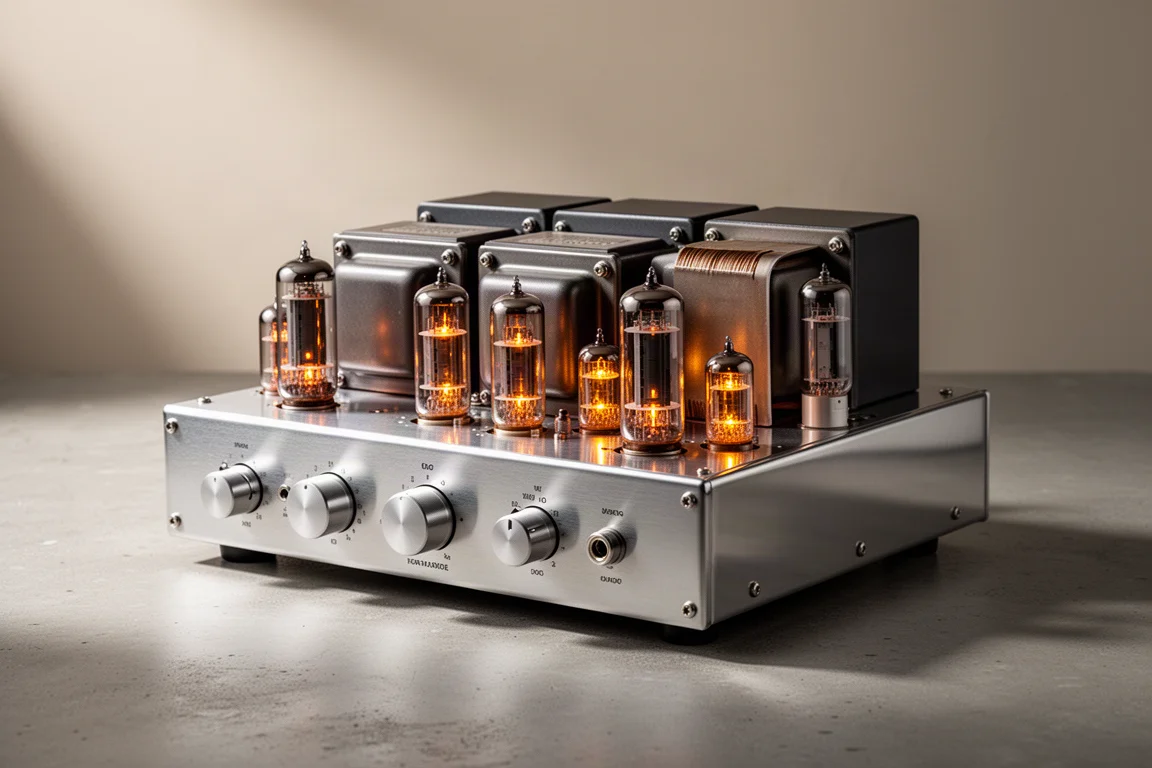
Introduction
The Dynaco ST-70 is one of the most popular tube amplifiers ever made. Thousands of units sold from launch, it was offered both factory-built and as a kit, and it remains one of the most common entry points into tube sound. A working example usually changes hands on the used market for around $1,000.
The catch is age. A decades-old amplifier typically needs a recap and a return to spec, which adds real cost and effort on top of the purchase. The Miller Audio ST-70 addresses that problem directly: it takes the ST-70 platform and rebuilds it with modern parts and modern conveniences while preserving the midrange character that made the original so well liked.
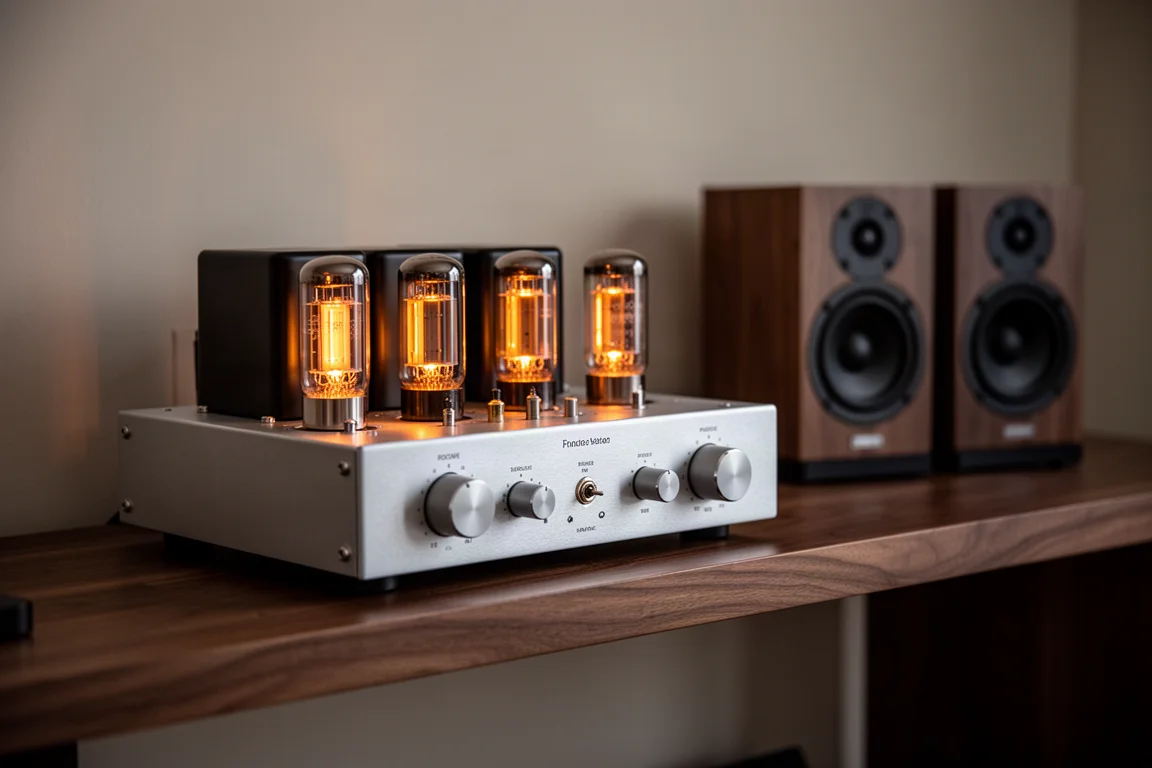
That combination is the heart of the appeal. This is not a different amplifier wearing a familiar badge. It keeps the same 35-watt tube design and the same musical midrange, and updates the areas where age had become a liability.
Who This Product Is For
This amplifier makes sense for three groups of listeners.
The first is owners of an original ST-70 who love its midrange but want tighter bass and better control. The second is anyone who wants tube sound with the convenience of auto bias, so there is no manual bias adjustment to remember when trying different tubes or after months of listening. The third is builders who are comfortable with a soldering iron and would rather assemble the upgrade themselves.
It also suits listeners who have been curious about tube amplification but do not want to buy a vintage unit and then fund a restoration. The turnkey version arrives assembled and fitted with new old stock tubes.
Main Strengths
Tighter, More Controlled Bass
The original ST-70 has a bass presentation that is usually described as bloom rather than grip. It is warm and generous, but it is not especially tight, punchy, or extended.
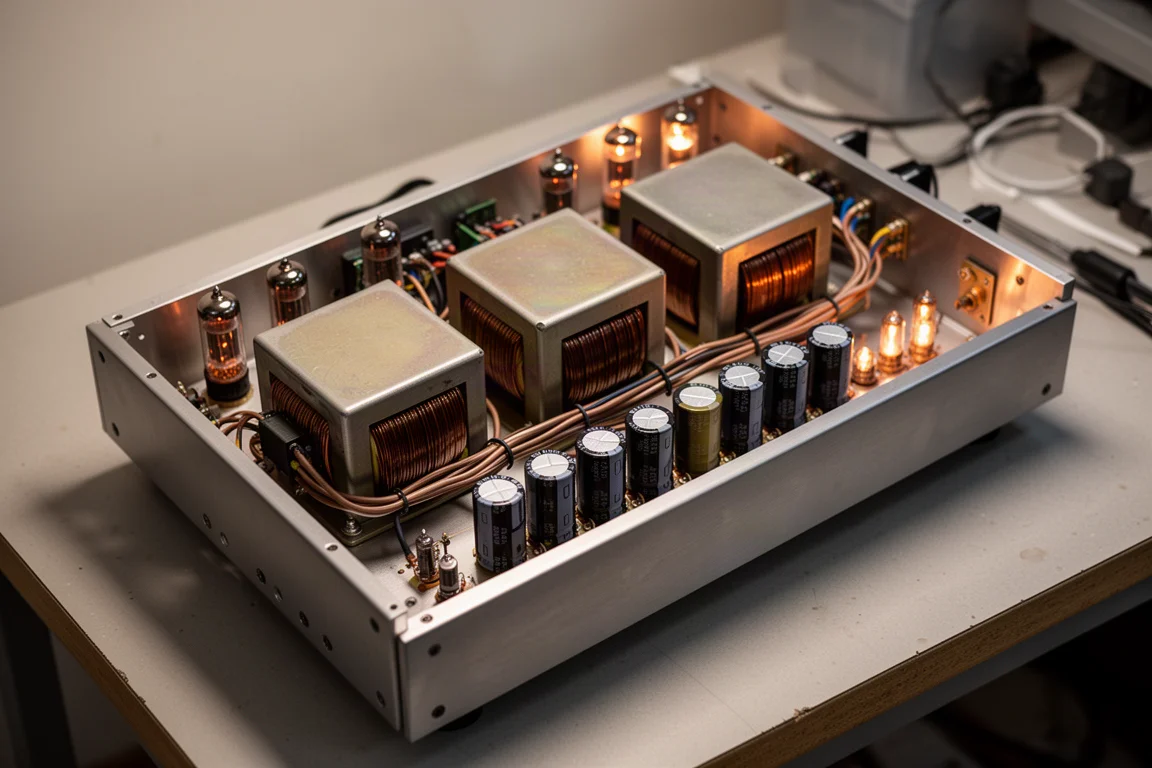
The upgraded version changes that. A solid state rectifier, a larger transformer, and additional filtration in the power supply stages improve current delivery, which shows up as more control, more speed, and stronger dynamics in the low end. Against amplifiers known for quick, punchy bass, this rebuilt ST-70 stayed much closer than the original ever managed.
The Midrange Magic Remains
Many upgrades strip out the quality that made a classic worth owning in the first place, either removing the magic in the midrange or making it less holographic. That is not what happens here. The midrange keeps the musical, holographic quality that defines the ST-70, and the amplifier still sounds unmistakably like an ST-70 through the middle of the range.
The high frequencies stay sweet and sparkly, but arrive with more refinement. Instrument separation improves, imaging is noticeably better, and the wide, deep soundstage gains a cleaner, less cluttered quality, so individual instruments are easier to place within it.
Modern Conveniences and Better Parts
Auto bias is the headline change. There is no need to adjust bias manually when trying different tubes, and no risk of the channels drifting out of balance as the tubes wear. Plug it in and listen.
The upgrade also uses high quality components that were not available when the original was designed, including Mundorf capacitors. The beefed-up power supply allows 6SN7 tubes in the input stage in place of the original input tubes, and the larger transformer gives the amplifier more authority when driving a wide range of speakers. Modern binding posts replace the old screw-type terminals, which makes heavy speaker cables far easier to live with.
Things to Consider Before Buying
Solid State Rectification Replaces the Rectifier Tube
The original ST-70 uses a 5AR4 (GZ34) rectifier tube. The Miller Audio version uses solid state rectification instead, so there is no rectifier tube to swap. Tube enthusiasts who enjoy rolling rectifiers will notice the difference immediately.
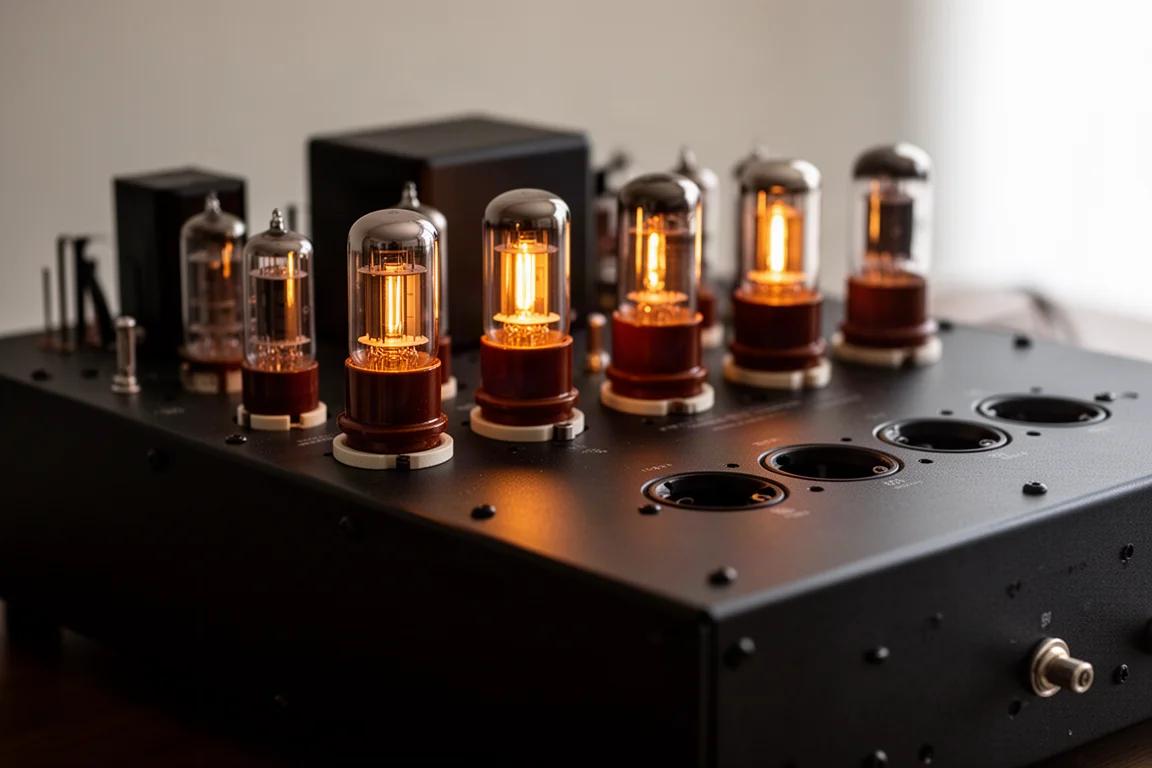
This is a deliberate design decision rather than a shortcut. Solid state rectification is now common in tube amplifier design, and it contributes directly to the improved bass control and current delivery. If you want to sample the effect before committing to a full upgrade, a plug-in solid state rectifier can be fitted in place of the tube at a modest cost. Expect the complete upgrade to deliver more, because the transformer and filtration changes are part of the same package.
Cost, Power, and System Matching
Output stays at 35 watts per channel, the same rating as the original. That is plenty with high-sensitivity speakers, but it is not a lot of power for demanding, low-efficiency designs, so sensitive speakers get the most from this amplifier.
The kit is the least expensive route at around $460, and a manual bias option lowers the kit price further for anyone confident working inside a tube amplifier who prefers to set bias personally. A finished amplifier costs considerably more, with the manual bias version sitting below the auto bias version.
Buying Advice
Choose the route that matches your time and your skill level. If you already own an ST-70 and enjoy building, the kit is the obvious path. If you want the result without the work, buy the finished amplifier and let auto bias handle routine maintenance.
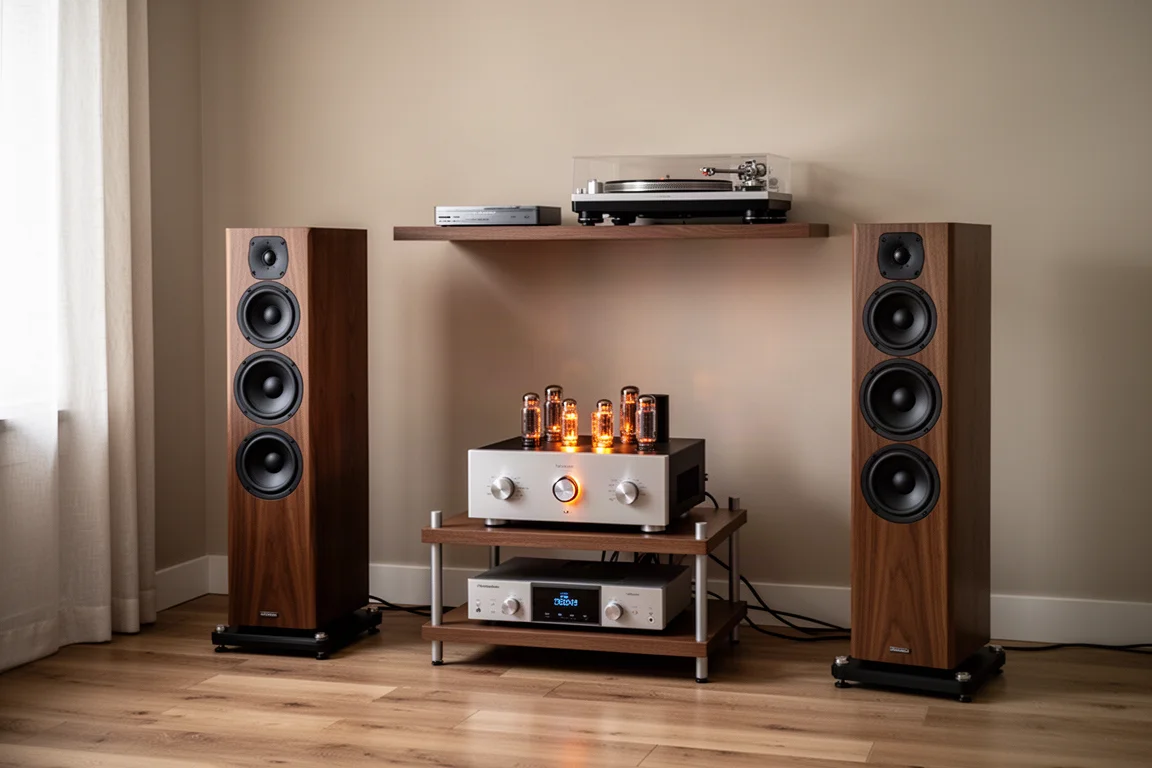
Pairing is more flexible than with the original. This amplifier works with a warm tube preamplifier when you want a rich, spacious presentation, and it also works with a more neutral solid state preamplifier when you want greater nuance and strong bass dynamics. The original benefited most from a modern, slightly analytical preamplifier to tidy up the bloom. This version does not depend on that trick, which makes it a better match for a wider variety of gear.
Budget for speakers as well. High-sensitivity designs are the natural match and let the amplifier show what it can do at realistic listening levels. It is also worth knowing that the maker is based in Texas and exhibits at the Southwest Audio Fest, so the amplifier can be heard in person at that show.
Conclusion
The Miller Audio ST-70 keeps what matters and fixes what does not. The 35-watt rating is unchanged, the midrange is still the warm, holographic sound that made the ST-70 a classic, and the bass finally has the control, speed, and dynamics the original lacked. Auto bias, modern capacitors, a larger transformer, additional filtration, and modern binding posts turn a beloved vintage design into an amplifier that stands alongside modern tube amplifiers, with a retro look many listeners will prefer.
If you have been waiting for an ST-70 without a restoration project attached to it, this is the version to consider.
Product link
View more details for Miller Audio ST-70
This product is mentioned in the review. Check the specifications, options, and compatibility before buying.
View more details for Miller Audio ST-70Further reading
Related Reviews
Tube Amplifiers
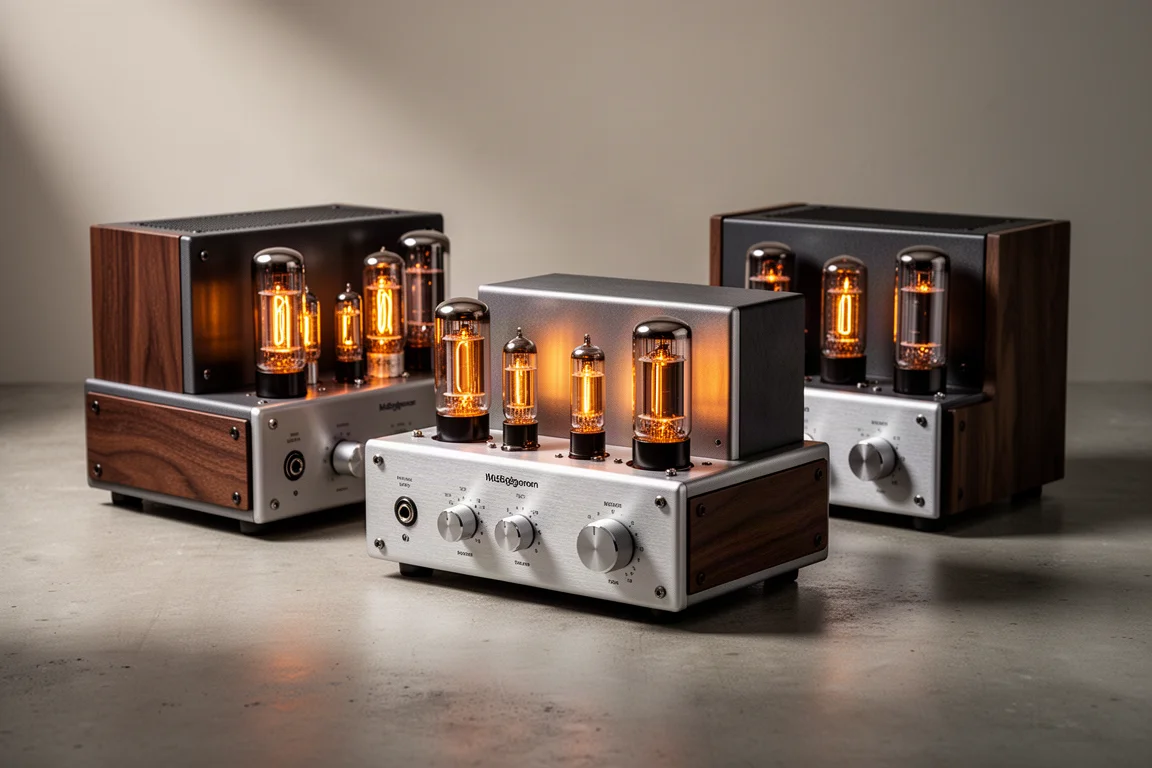
Three Standout Tube Amplifiers: Marantz 8B, Decware ZMA, and Convergent Audio JL2
A close look at three tube amplifiers with distinct strengths, from vintage sweetness to modern mid-range refinement and heavyweight bass authority.
Tube Amplifiers
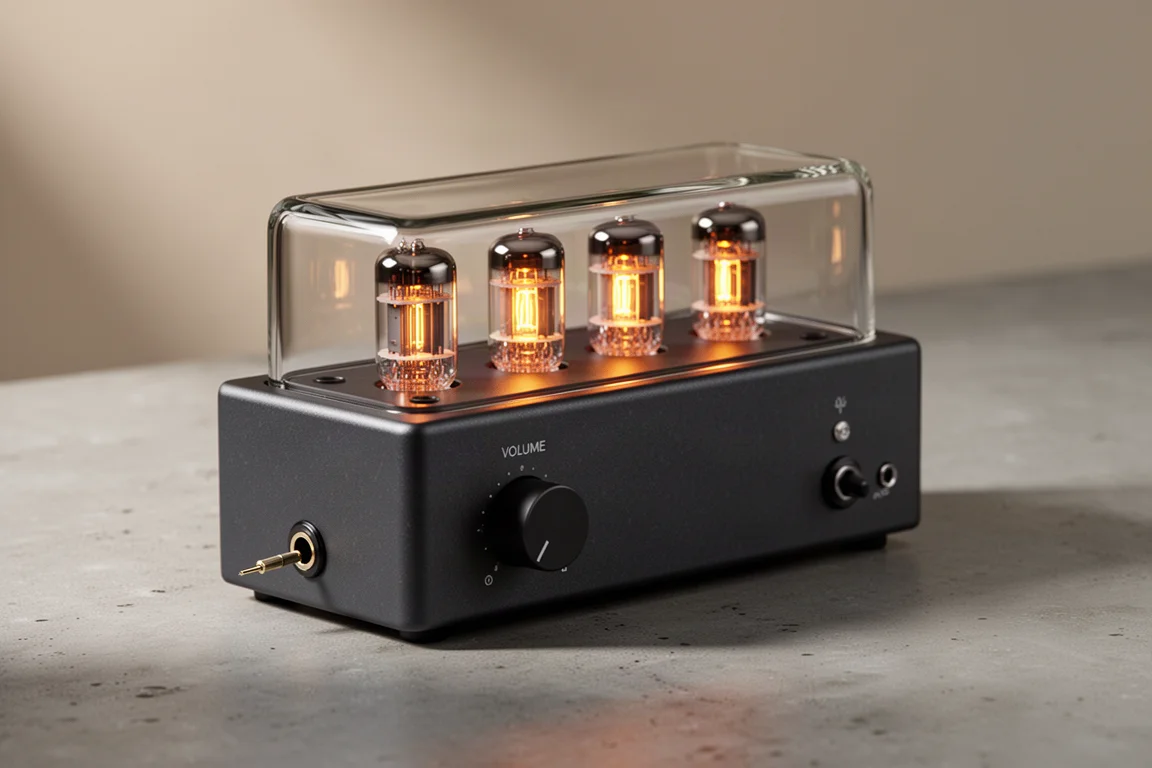
Black Ice Audio FX10 Review: A Real Tube Amplifier at a Realistic Price
The Black Ice Audio FX10 pairs EL84 tubes with a glass enclosure and a $625 price tag. Here is what it does well, what to check first, and who should consider it.
Tube Amplifiers
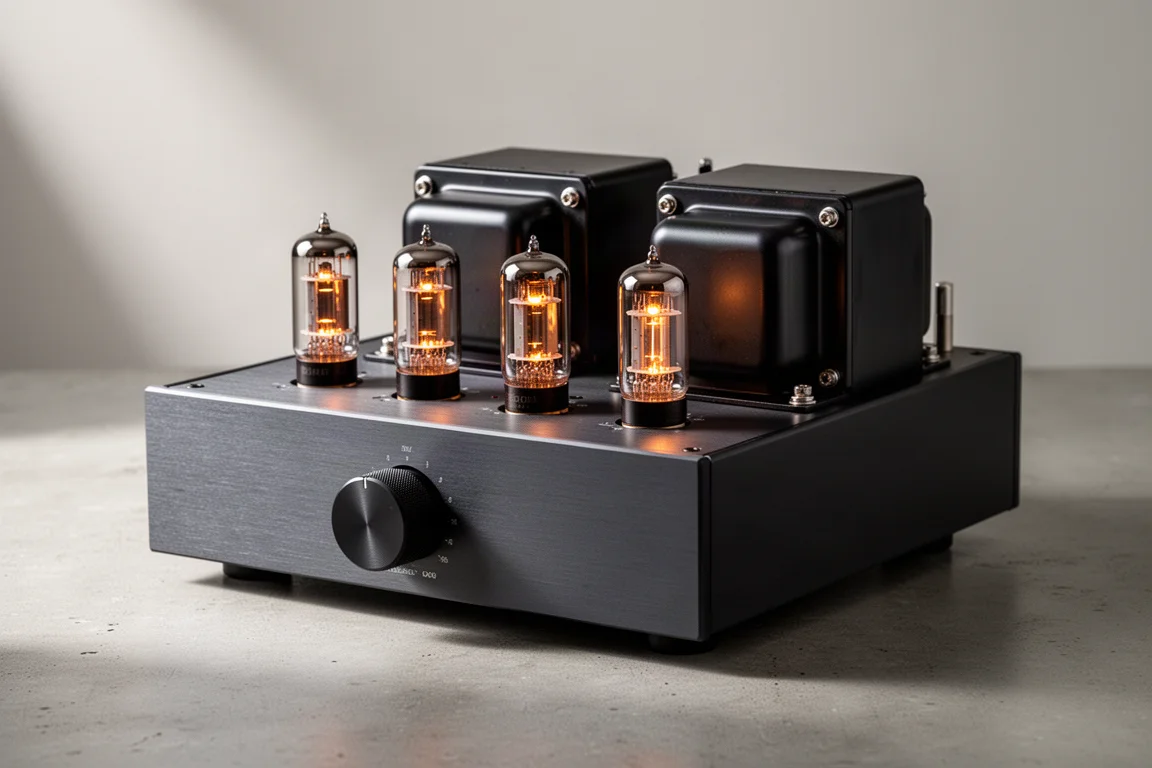
Brunoco Terra Integrated Amplifier Review: 20 Watts of Vintage RCA Character
A purist 20W tube integrated amplifier built in Korea around vintage RCA circuit ideas, with a musical, expansive sound and a few practical trade-offs.