Stationery
Midyear Planner and Journal Update: What Has Worked So Far This Year
Seven stationery staples, from the Sterling Ink Common Planner to the Midori 10-Year Diary, reviewed after six months of daily use.
Introduction
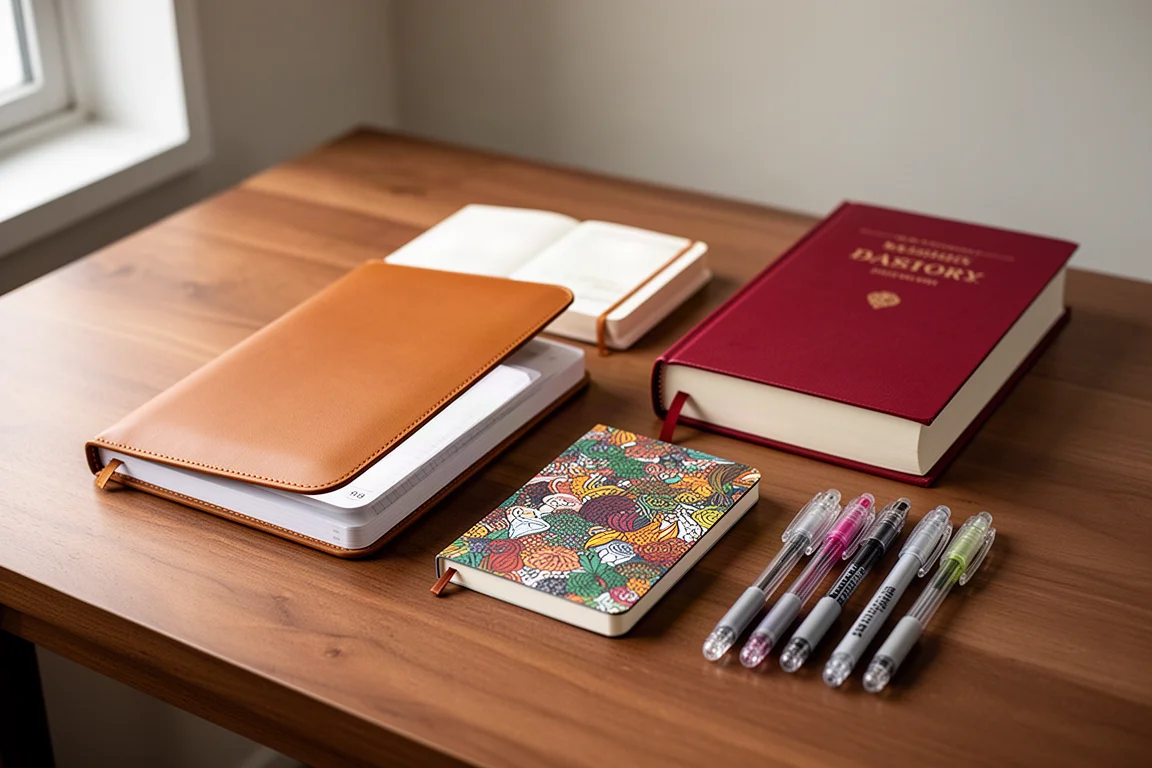
Halfway through the year is the perfect moment to take stock of what has actually earned its place in the daily rotation. This update covers three planners and journals in active use, plus the pens and fine liners that have made every page a pleasure to fill. The short version: nothing here caused any real complaints, and one planner in particular has been close to perfect.
Sterling Ink Common Planner
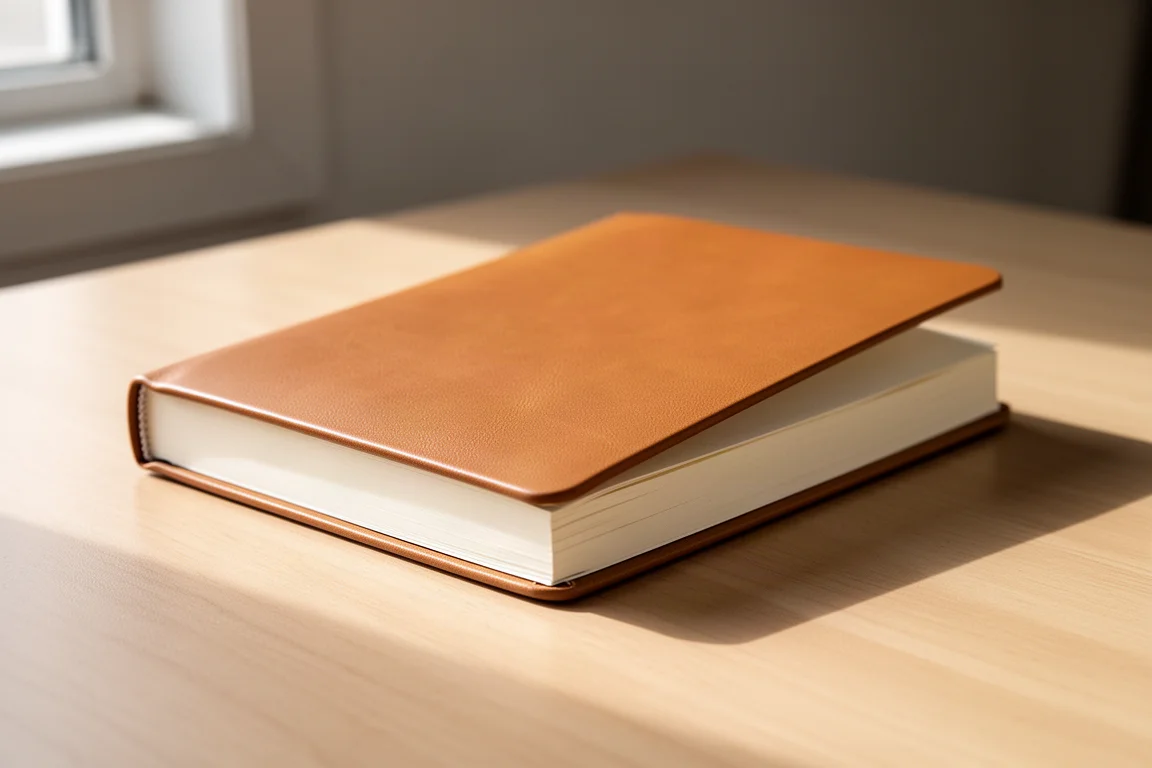
This B6-size softcover planner in caramel with white edges has been the most-used item of the year, handling all planning and productivity work. After six months, the cover shows no visible wear, and the binding lays perfectly flat despite a slight natural curvature to the spine. It has survived backpack commutes to the office and short trips without issue.
The B6 size is a first for this setup, and it has turned out to be a sweet spot: small and light enough to carry anywhere, yet roomy enough to fit everything needed. The Tomoe River paper at 52gsm ghosts as expected with most pens, but bleed-through has been rare. Gel pens never bled at all, and only very wet fountain pen inks caused problems when applied heavily. Sticker-heavy use adds a bit of bulk, so paste-in habits will affect each person’s experience differently.
The blank graph pages in the front became a master bills list, a future plans list, and a “when did I last” tracker, though the goal breakdown page went largely unused and would be repurposed next time. The yearly tracker, used for period tracking, workouts, and daily weight, has been a standout: just a few seconds a day for everything at a glance. Quarterly pages shifted from priorities to a media tracker, which made the page far more engaging. Monthly calendar spreads handle events, birthdays, and bills with a sidebar for expense tracking.
The vertical weekly spreads required the biggest adjustment, since horizontal layouts were preferred in the past. Events go at the top, work hours get blocked off, fasting hours are marked with colored strips, and tasks are logged chronologically. An early experiment making custom stickers for everything proved unsustainable and was scaled back after burnout set in, settling on a cleaner, more functional approach with occasional stickers and decorations.
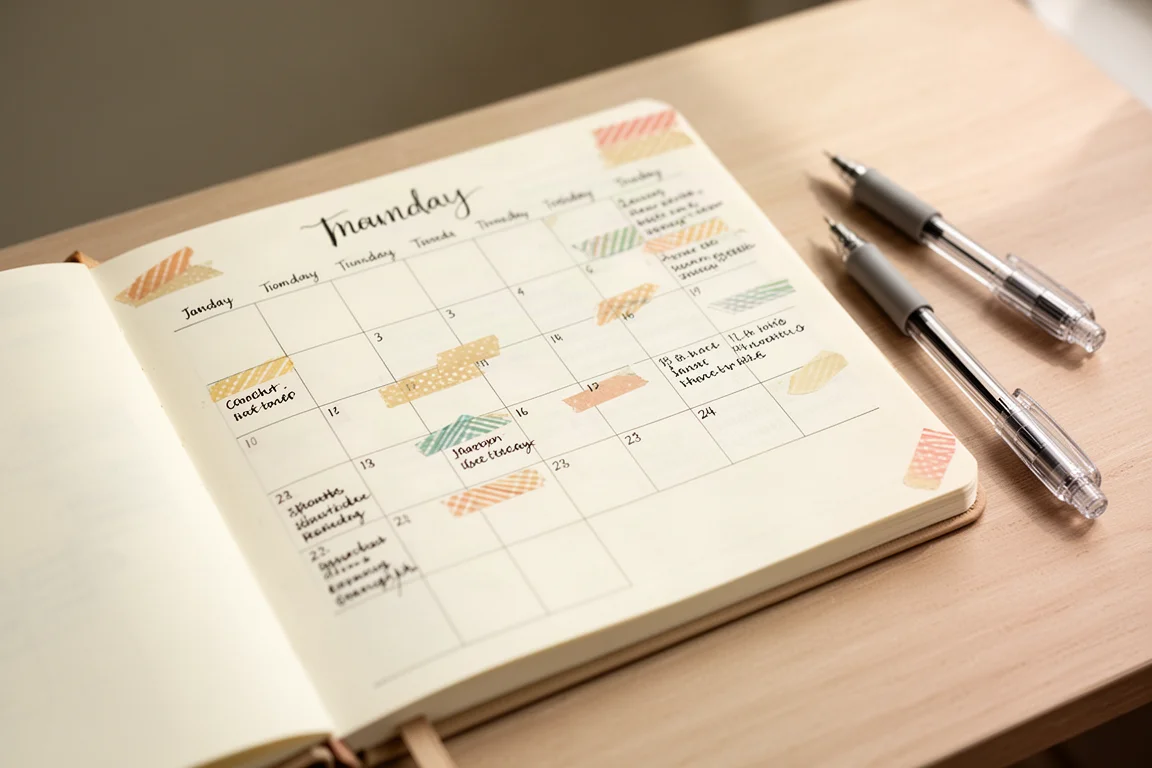
The back section offers 367 blank graph pages, used mostly for long-form journaling, first with gel pens and later with fountain pens. Ghosting is easy to live with and bleed-through stayed minimal. With only about 90 pages left by midyear, long-form journaling has moved to a separate notebook so the remaining pages can be reserved for brainstorming and layout drafts. Overall, this has been a dream to use and a serious contender for next year.
Hobonichi A6 Hon
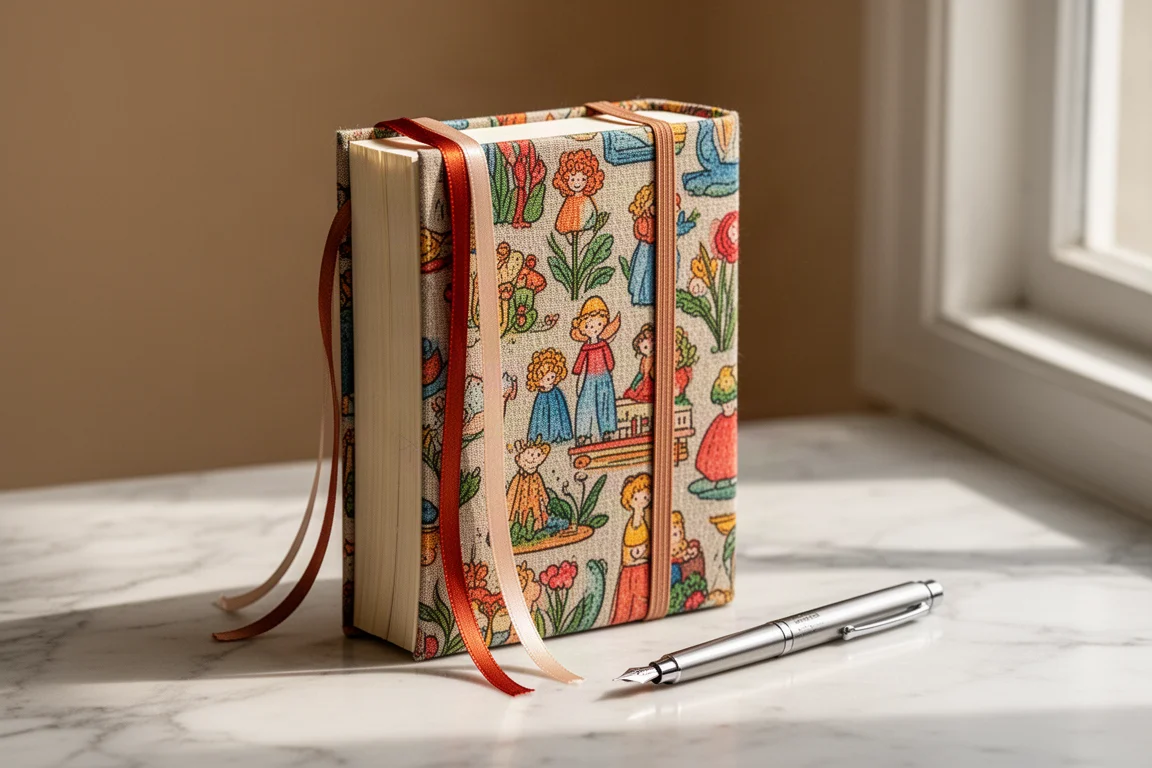
The A6 Hon, the hardcover version of the Hobonichi original with a printed cover design, serves as the memory-keeping companion to the Common Planner. It also uses Tomoe River paper, and it has performed just as well: barely any bleed-through, even when a heavy fountain pen application only soaked slightly without reaching the next page.
The two ribbon bookmarks have proven genuinely useful for marking pages, and the binding lays flat with no issues. One regret is skipping a clear protective cover, as some scratches and indentations appeared on the back of the cover. If buying another, the cover would go on immediately.
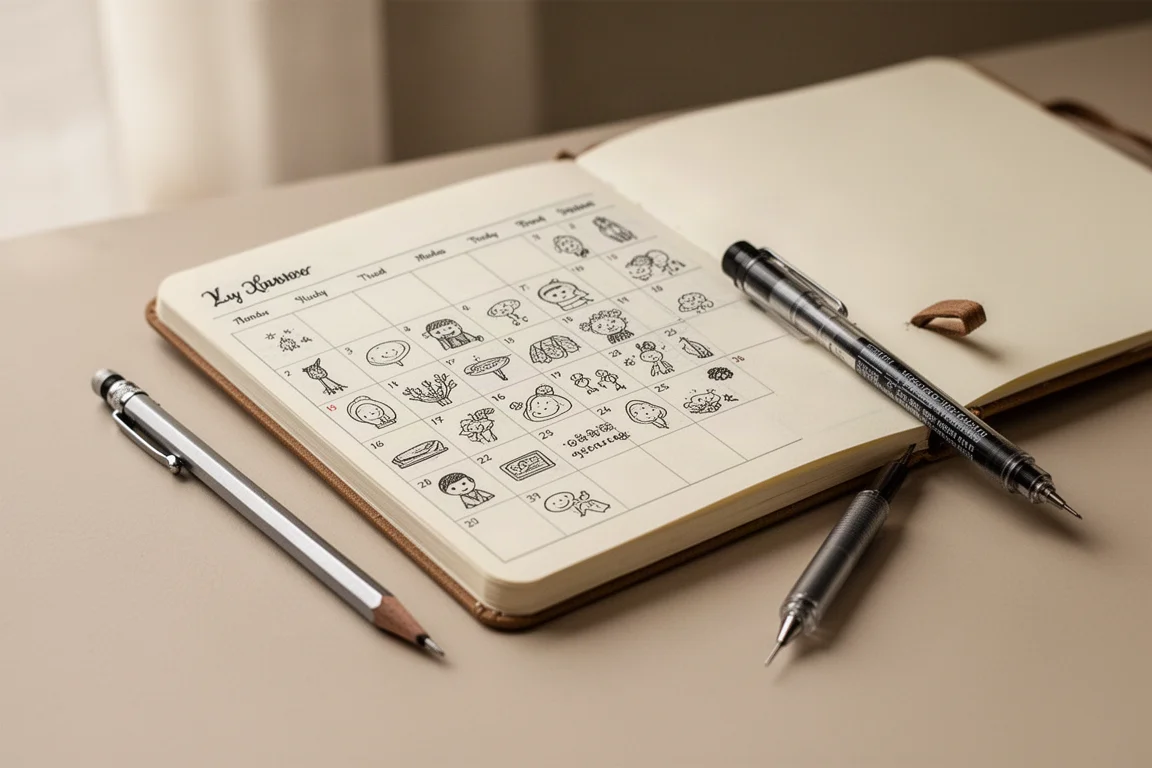
The vertical monthly spreads work perfectly as a one-line-a-day journal, taking only seconds each day. The monthly calendars host a long-running daily doodle habit, sketching a small moment from each day, which remains the favorite spread to look back on. Daily pages hold a short journal entry each day, roughly ten minutes of writing, often matched to a pen ink color close to the page color for that month. A few blank pages at the back serve as a monthly recap with printed photos. This little book has been a joy, and the A6 size is tempting as a full planner for next year.
Midori 10-Year Diary
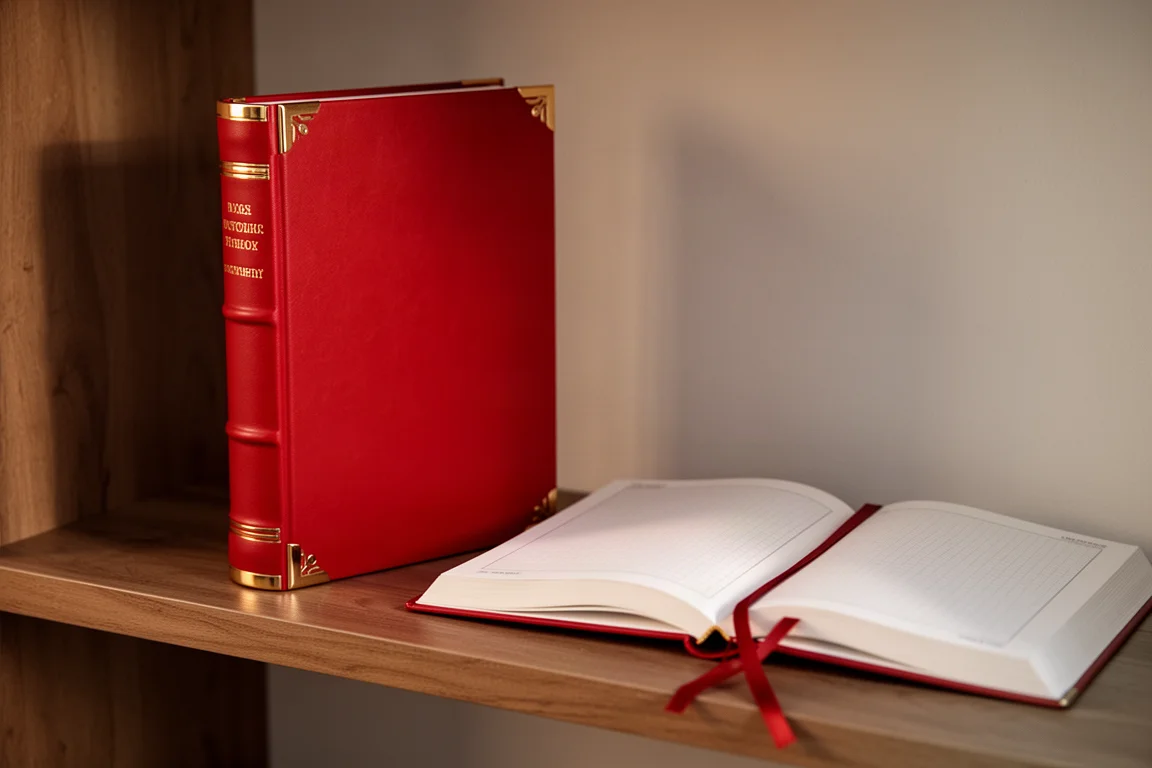
The Midori 10-Year Diary in red looks like a dictionary, and it is a big boy. It also comes in blue, but red won out. The gold metallic details show no peeling so far, though the ribbon bookmark is already fraying somewhat, likely from being pulled taut against the paper when opening. Worth watching over the coming years.
The binding needed breaking in: for the first months, the book insisted on closing itself shut while writing. Eventually the spine was split open with a loud rip, which was nerve-wracking, but no damage followed and the book now lays open far more comfortably. Paper quality has been smooth and trouble-free.
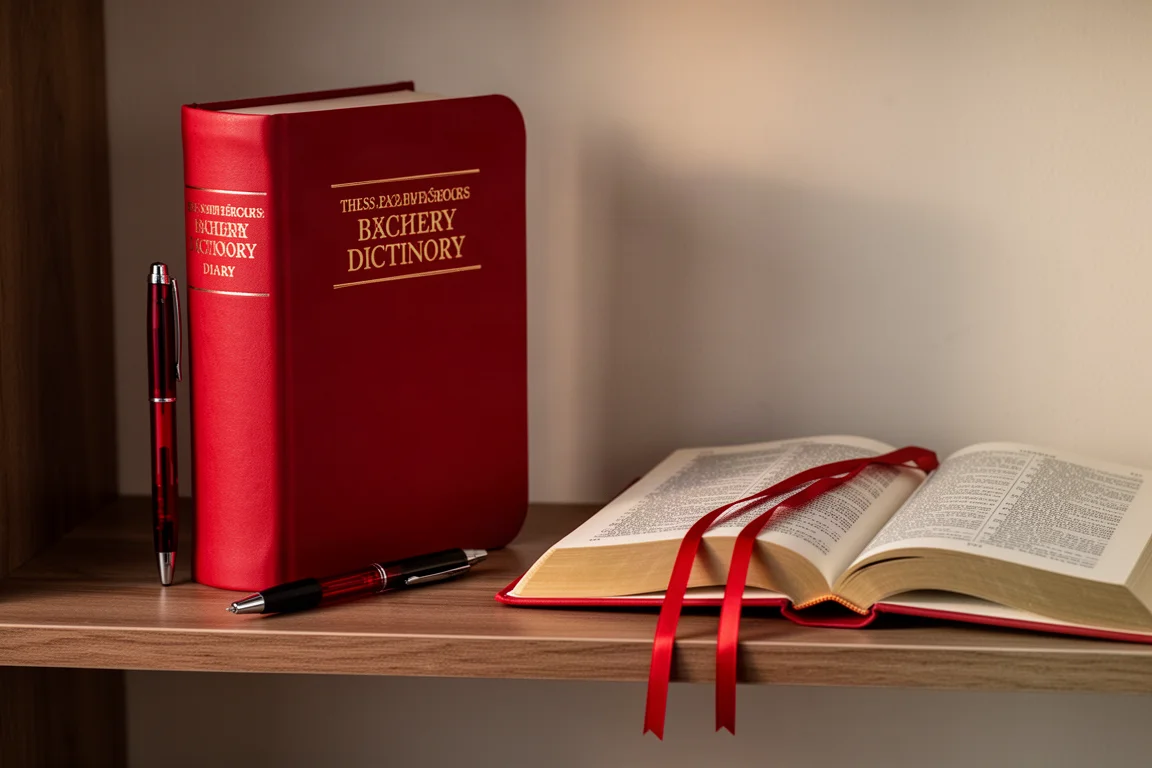
The concept is simple: one line or a few lines at the top of each dated entry, every day. It takes only a minute or two before bed, a pleasant moment of reflection rather than a chore. With ten Zebra Sarasa Vintage colors available and ten years to fill, the plan is to use a different color each year, starting with red-black.
Uniball Signo DX
The Uniball Signo DX in 0.28mm has been the workhorse gel pen for years, and this half-year was no exception. It is extremely reliable, never caused issues, and its very thin point suits tight planner layouts beautifully. It remained the primary pen for the first part of the year and is still the choice when precision matters most.
Uniball One P
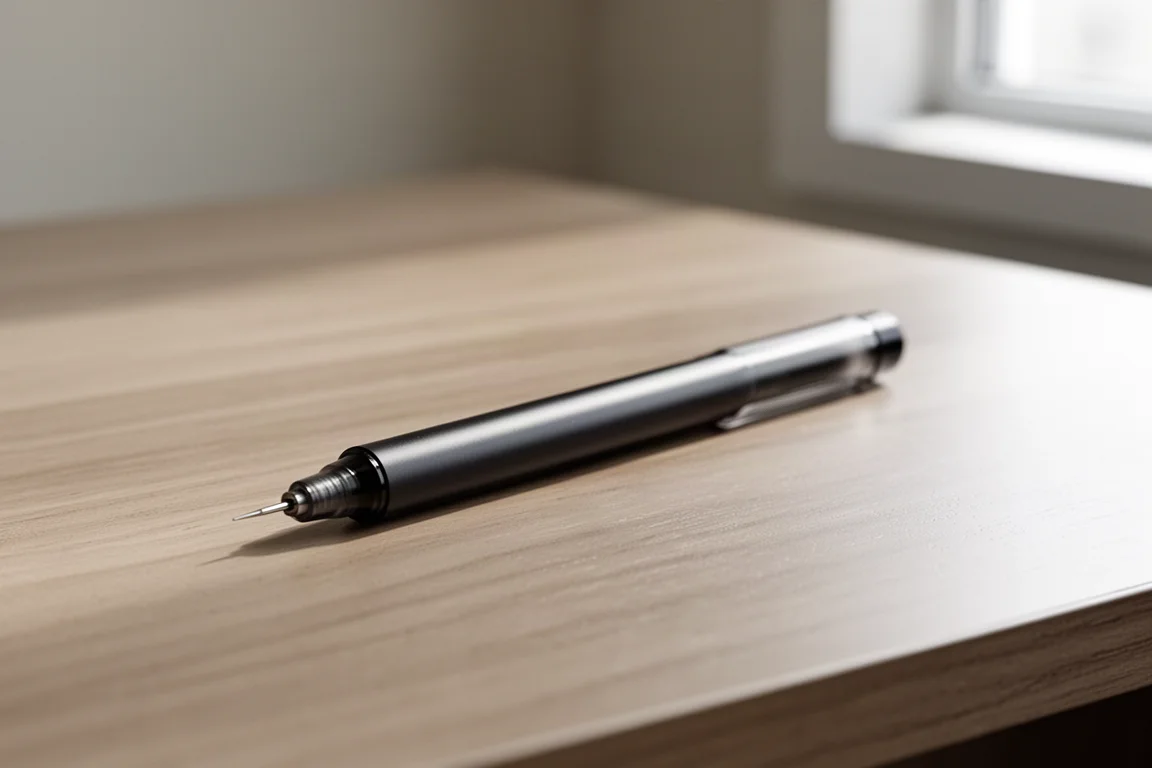
More recently, the Uniball One P in 0.38mm took over daily task and event writing, and the difference is easy to see on the page. The ink is very dark and pronounced, standing out noticeably better than the Signo DX or the Uni Jetstream ballpoint it also replaced elsewhere. The slightly bolder line took no getting used to; the pigmented, vivid look is simply preferred. It has since spread to the Hobonichi as well, purely for consistency and convenience.
Sakura Pigma Micron
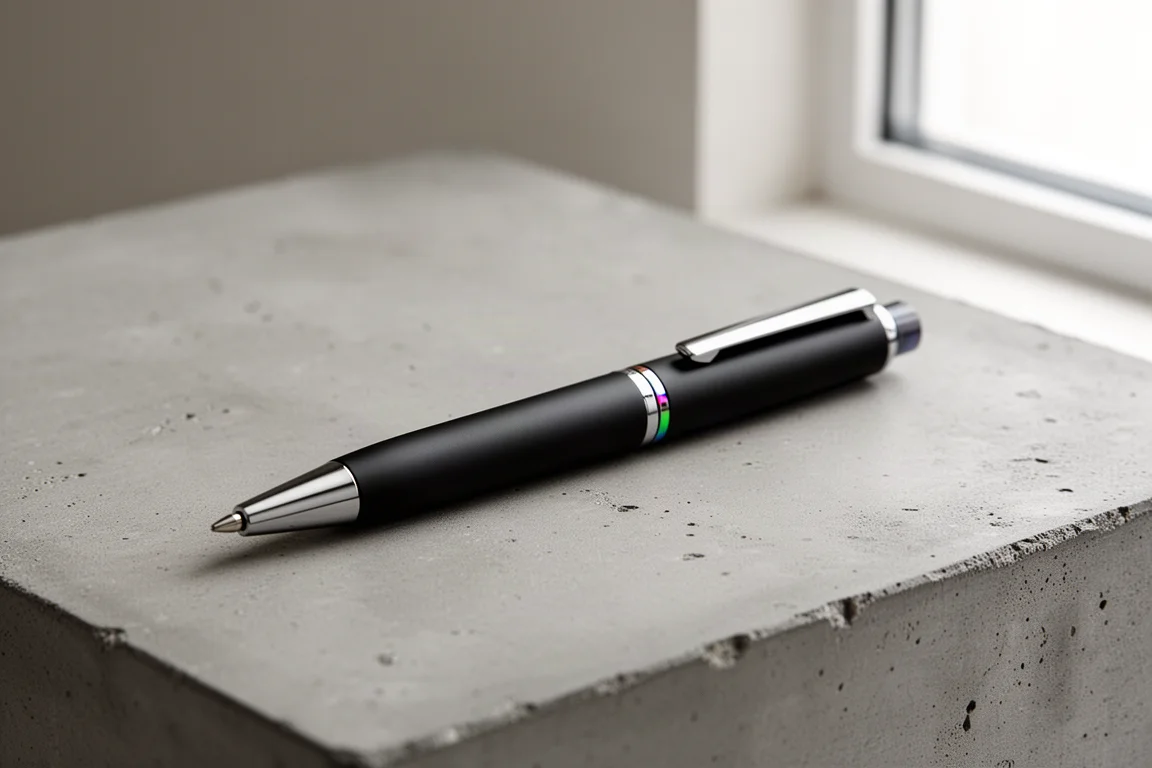
The Sakura Pigma Micron fine liner appears in two sizes across this setup. The 01 size draws the work schedule brackets and social obligation blocks in the weekly spreads, while the very thin 005 size handles the fine details and lines of the daily doodles in the Hobonichi monthly calendars. Both have been dependable for precise, consistent line work.
Zebra Sarasa Vintage
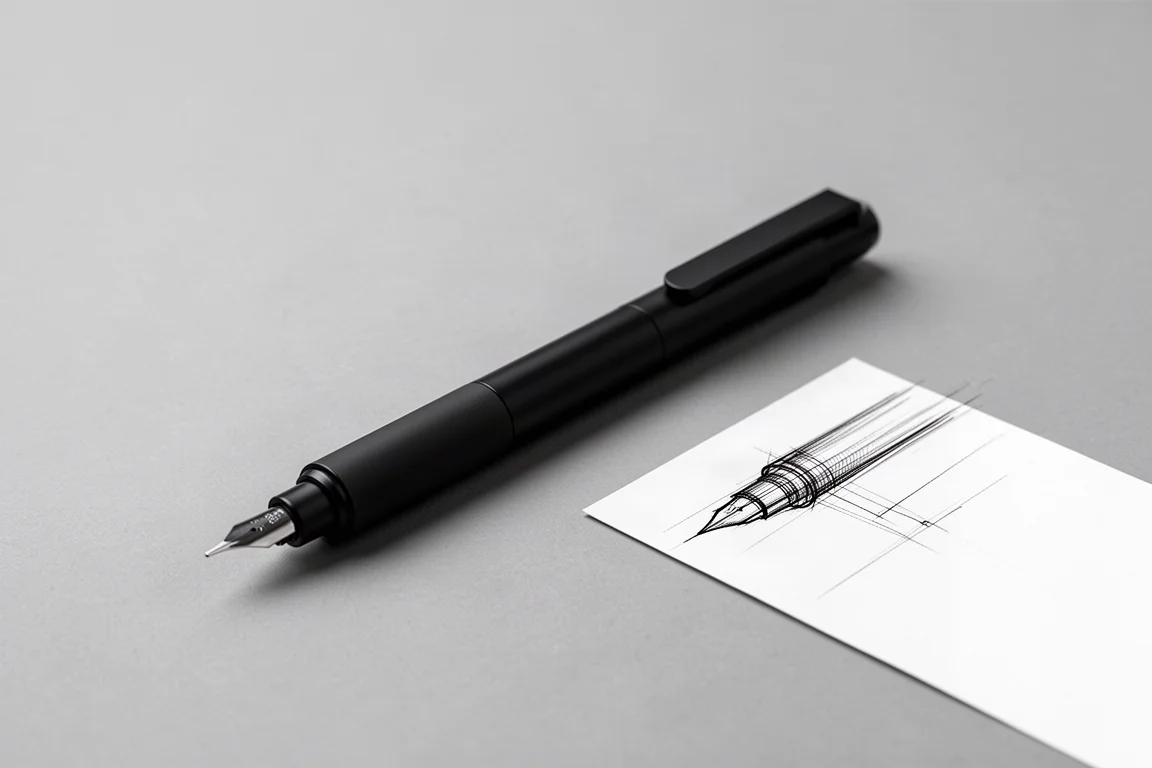
The Zebra Sarasa Vintage gel pens earned a permanent role through the 10-Year Diary project. The red-black shade opened year one, and with ten colors in the lineup matching the diary’s ten-year span, the idea of one color per year makes the long-term commitment feel fun rather than daunting. Writing performance has been smooth with no complaints.
Overall Buying Advice
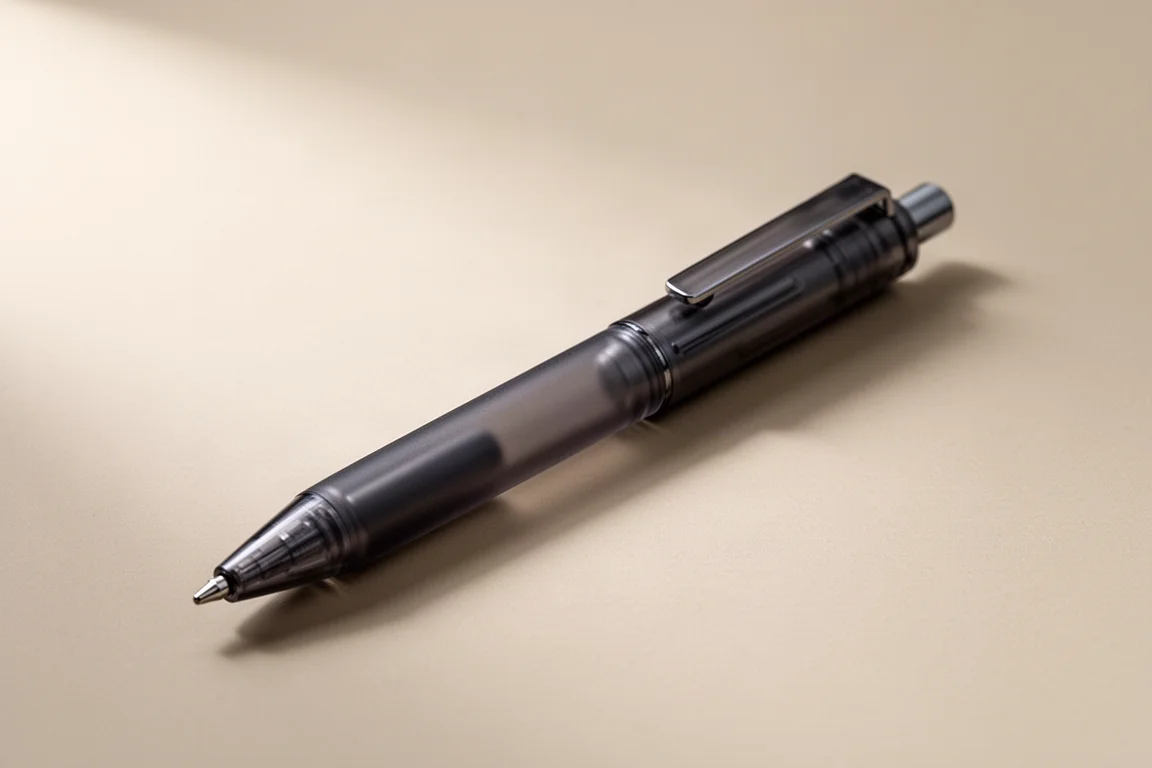
If planning is your priority, the Sterling Ink Common Planner in B6 is hard to beat for its size, build quality, and flexible blank pages. Pair it with an A6 Hobonichi Hon for memory keeping, and the Midori 10-Year Diary for a low-effort daily reflection that compounds over a decade. For pens, the Uniball One P delivers the boldest everyday ink, the Signo DX covers ultra-fine work, the Pigma Micron handles precise line drawing, and the Sarasa Vintage adds color variety. Almost nothing here went wrong in six months, which is the best recommendation stationery can give.
Conclusion
Six months in, every item in this lineup has held up and stayed enjoyable to use. The Common Planner has been near flawless and is firmly in the running for next year, the Hobonichi Hon has made daily reflection genuinely fun, and the Midori 10-Year Diary keeps the long game interesting. With the right pens alongside them, the whole system has been a pleasure rather than a chore.
Further reading
Related Reviews
Stationery
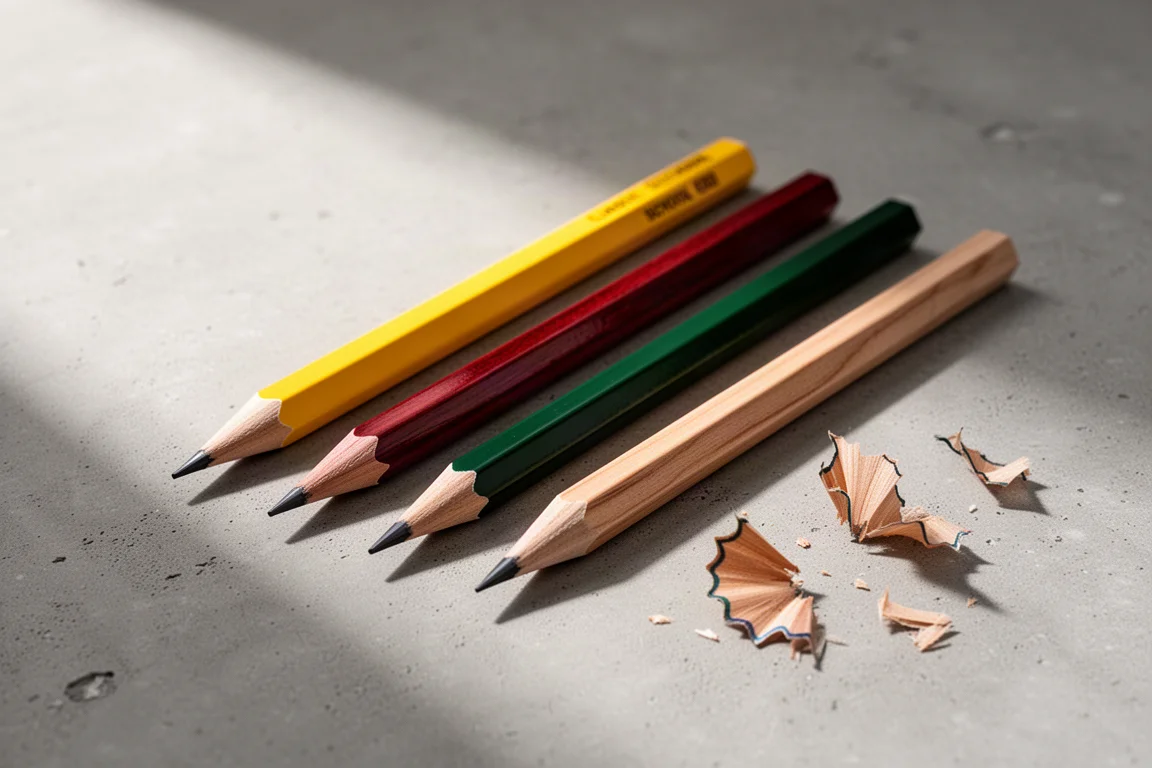
Musgrave Pencils Review: Four Classic Pencils from Tennessee's Last Pencil Factory
We put four Musgrave pencils to paper, from the classic Harvest to the Unigraph 1200 drawing pencil, to see what a century-old Tennessee workshop can still do.
Stationery
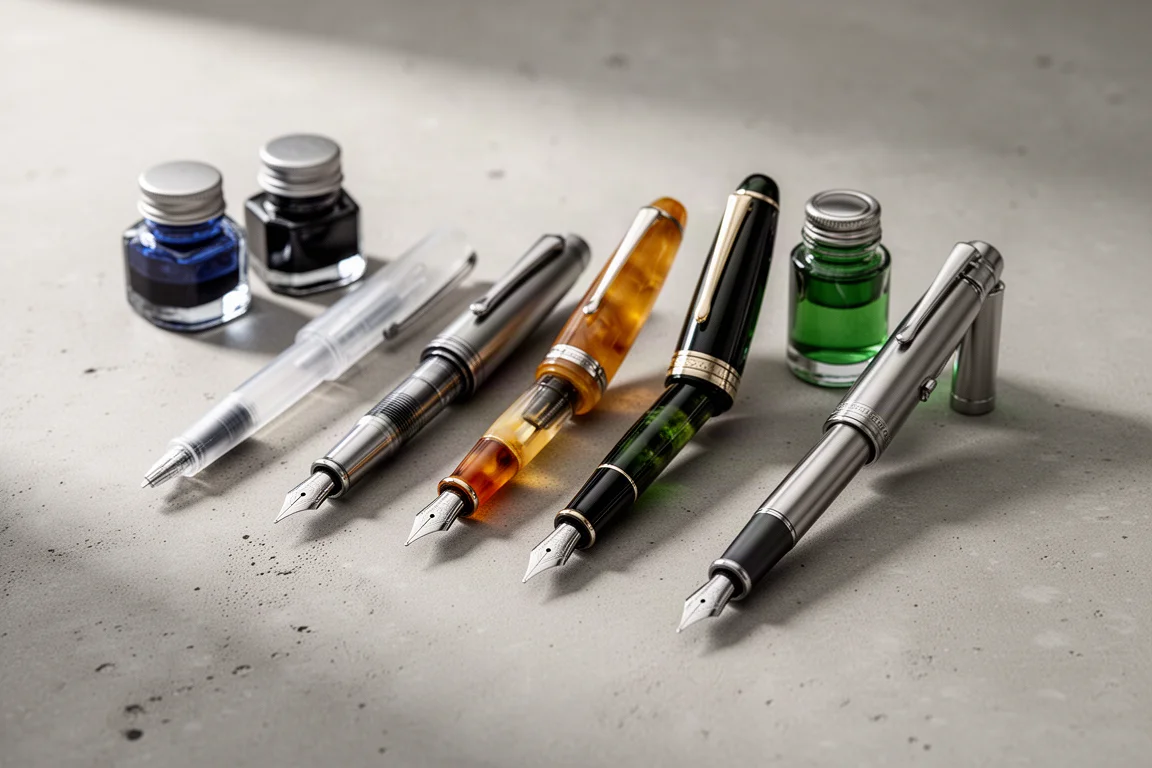
Fountain Pen Tiers Explained: From Starter Pens to Luxury Grails
A practical overview of the different levels of fountain pens and inks, from a sub-$20 starter setup to Italian piston fillers and retractable gold-nib everyday carries.
Stationery
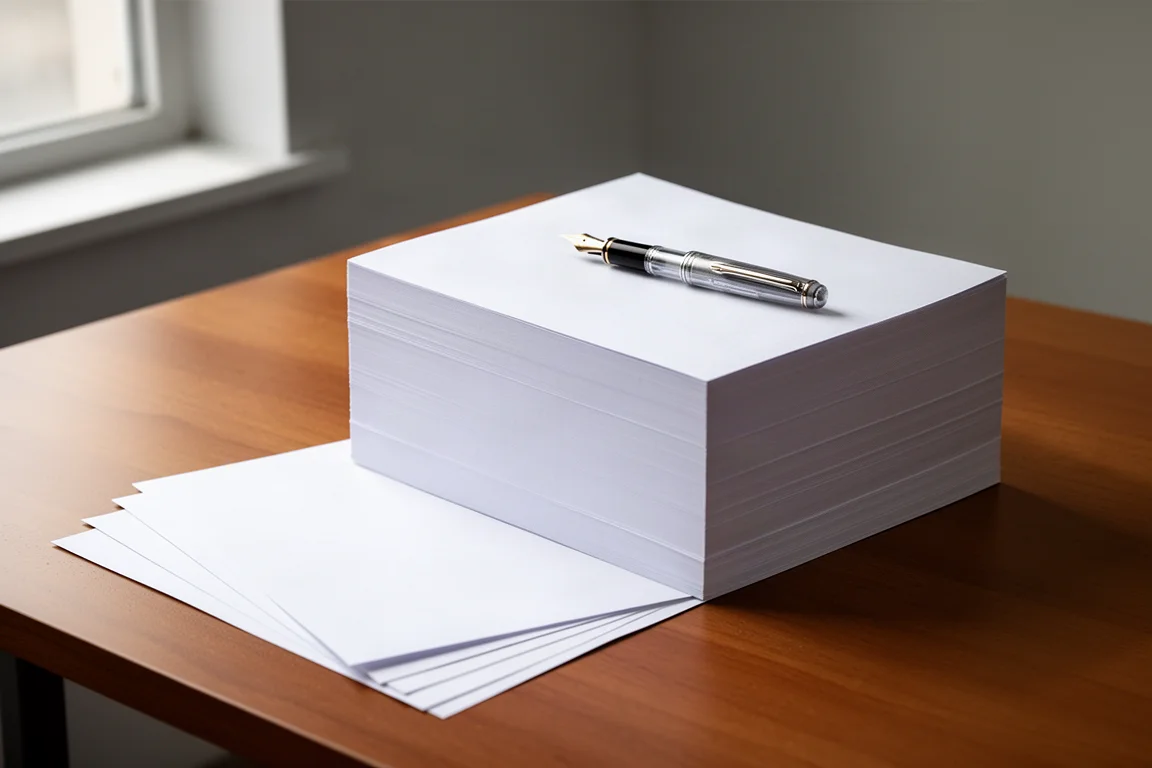
HP Premium 32 lb Copy Paper Review: A Fountain Pen Friendly Everyday Printer Paper
A heavy, smooth 120 GSM copy paper that handles fountain pens far better than standard printer stock, with only minor trade-offs in shading and sheen.