Bike Groupsets
Microshift Sword Review: A Mechanical 1x10 Gravel Groupset That Feels Genuinely Solid
A close look at Microshift Sword, a fully mechanical 1x10 gravel groupset with an 11-48T cassette, a clutch-equipped derailleur and lever reach adjustment.
Introduction
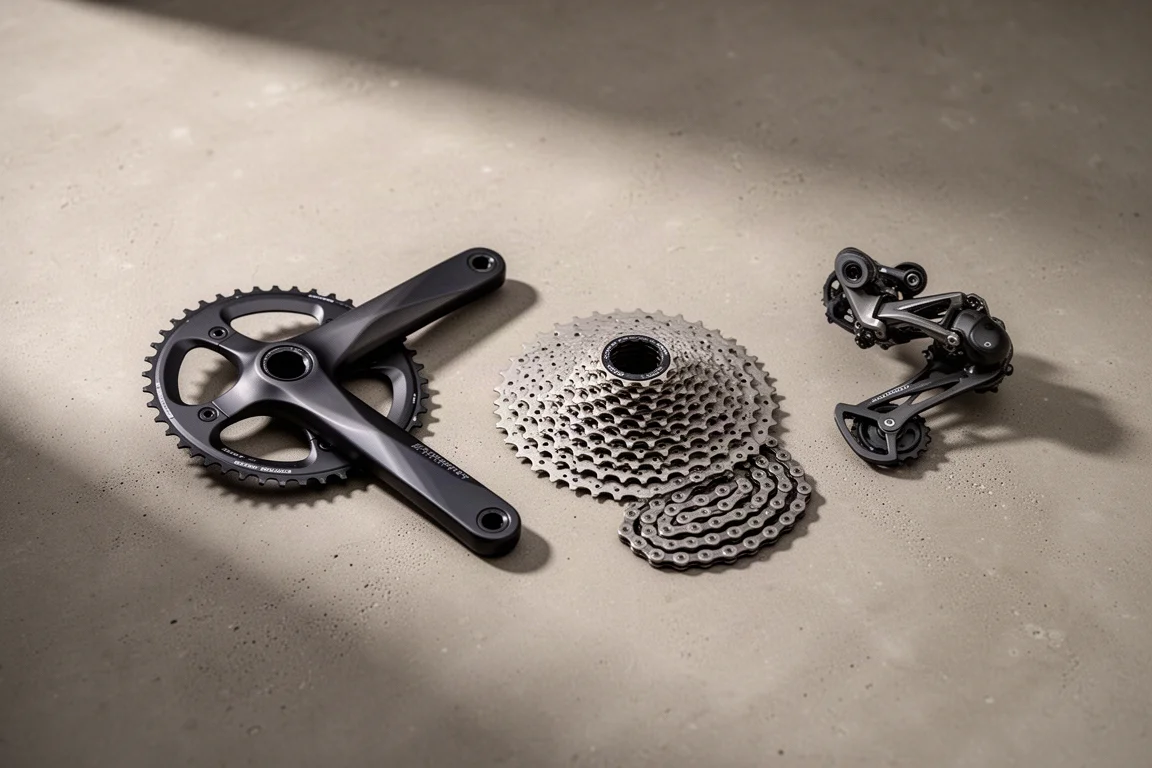
Microshift Sword is a fully mechanical gravel groupset that sits outside the big three of Shimano, SRAM and Campagnolo. This configuration is 1x10, built around an 11-48 tooth cassette, a 42 tooth chainset and a long-cage rear derailleur with a clutch to keep the chain settled over rough ground. The cage is specific to the 1x setup, and it can be swapped for a medium cage if you would rather run 2x.
The levers place both braking and shifting within reach from the drops, and lever reach adjustment means riders with smaller or larger hands can set the position to suit. The left lever is available in two forms: a plain brake lever, or a version with a dropper post button. Everything is cable operated, so there are no hydraulic lines to bleed and servicing stays straightforward.

The gearing deliberately borrows from mountain bike practice: a wide-range cassette paired with a chainring that sits between typical road and mountain bike sizes. The result is a drivetrain intended to cope with mixed surfaces rather than excel on just one.
Who This Product Is For
Sword suits riders who want a wide spread of gears without the cost and upkeep of a 12-speed drivetrain. Ten-speed chains and cassettes are cheaper to replace, which matters for anyone covering high mileage through the year.
It also appeals to riders who prefer fully mechanical components they can adjust and service themselves, and to gravel or all-road riders who want mountain bike range paired with drop-bar controls. Riders with smaller hands should read the ergonomics section below before committing.
Main Strengths
The standout qualities of Sword are range, mechanical simplicity and a level of finish that feels sturdier than the price suggests.
Gearing Range and the Clutch Derailleur
The 11-48 tooth cassette combined with a 42 tooth chainring covers a very broad spread, and the clutch in the rear derailleur helps stop the chain bouncing loose on rough ground. Despite only ten sprockets, the gaps between gears do not feel disruptive on climbs or on the flat, and shifts land where expected.

That combination is what makes the group set feel like a do-it-all setup. There is no sense of running out of range, and no sense of carrying gears that never get used.
Shifting Feel and Lever Ergonomics
Shifts are clean and precise, and the setup lands reliably on the intended sprocket. A genuinely useful touch is the ability to move up several gears with one sweep of the lever: pushing it far enough around shifts three gears at a time. Downshifts are then handled with individual presses.
The lever body is on the large side, and the upshift reach is long. Riders with smaller hands may find even a single shift a stretch, and the three-gear sweep needs a deliberate push. Lever reach adjustment gives some room to dial this in, but it is worth trying before buying if you can.
Build Quality and Finish
The group set feels sturdy and strong, without the flex or fragile feel that often gives away a low-cost drivetrain. The cranks and rear derailleur look more expensive than the price point suggests; the shifter is the component that makes the cost most obvious.
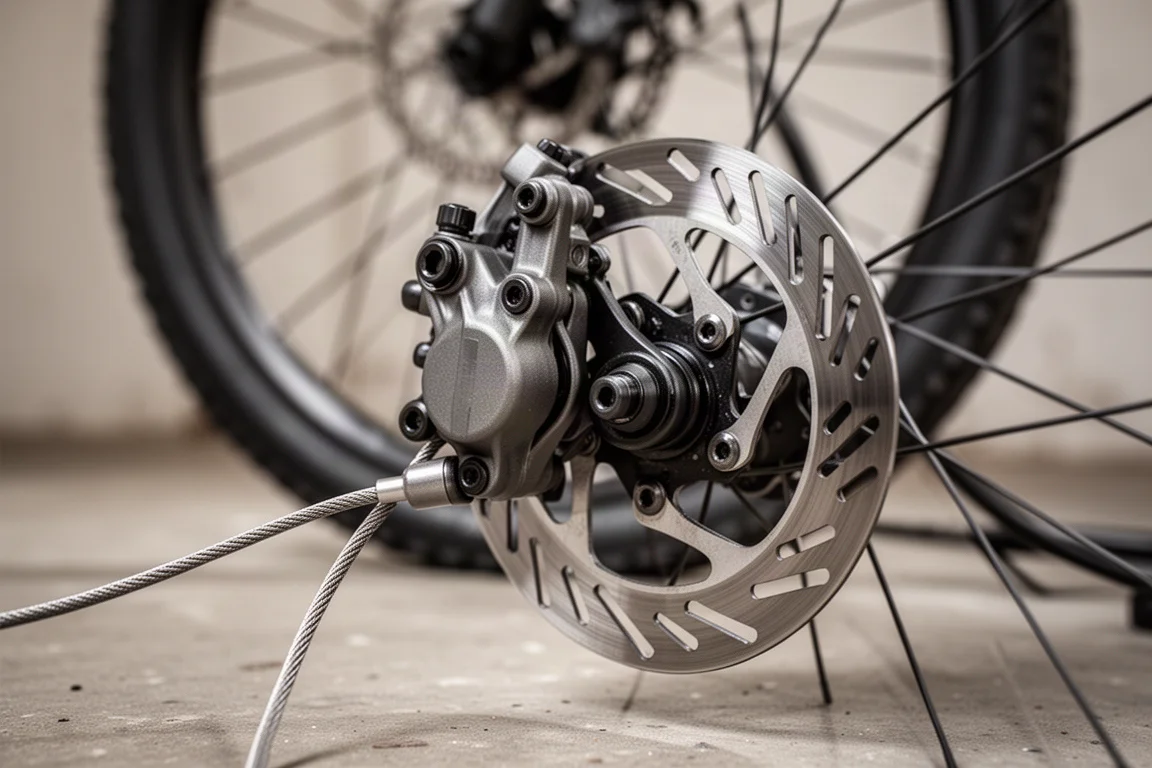
For a mechanical group set at this level, the finish holds up well. Everything operates with a reassuring solidity, and there is little here to suggest it will not survive a full season of mixed-surface riding.
Things to Consider Before Buying
The main caveat is hand size. The shifter body is large and the upshift lever travel is long, so riders with small hands should test one in person if possible. Lever reach adjustment helps with hand position, but it does not shorten the lever throw itself.
The online price of around £285 covers the shifters, rear derailleur and cassette only. You will still need to add a chain, rotors, a bottom bracket and brake calipers to complete a build, so budget for those parts as well.
Two alternatives are worth weighing up alongside Sword. SRAM Apex mechanical is a 1x group set that is affordable and easy to service, though current online stock levels suggest it may be on the way out. Sensah SRX Pro shifts cleanly and precisely, but it is typically an online marketplace order, and warranty and customer service are less clearly defined, so buying it carries more risk.
Buying Advice
Component weights are consistent across the range: the cranks come in at 792g, the rear derailleur at 308g, both shifters at 438g and the cassette with its lock ring at 414g, for a total of 1,952g for this configuration. That is a sensible figure for a mechanical, wide-range drivetrain.
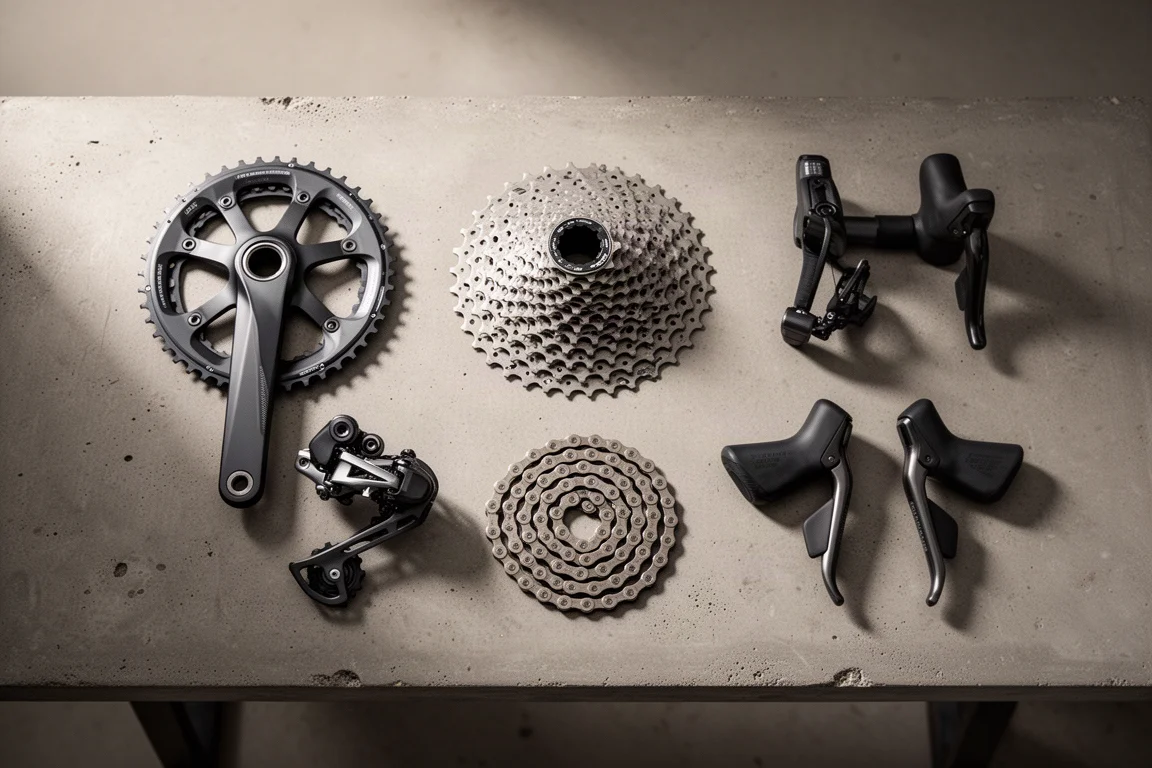
Listed component prices start at £24.99 for the front derailleur and reach £99.99 for the chainset. The rear derailleur is listed at $74.99, the right shifter at $89.99, the left brake lever at £64.99, and the cassette from $41.99 to $64.99 depending on the material. The 2x left shifter is listed at $89.99, and the left lever with the dropper remote at £84.99.
If you want a mechanical drivetrain with genuine range that you can maintain yourself, Sword makes a strong case. If you need hydraulic braking, or you have small hands and want a shorter lever throw, look carefully at the alternatives before deciding.
Conclusion
Microshift Sword is one of the few group sets from outside the big three that feels properly finished. It is sturdy, it shifts cleanly, it offers real range, and it lands at a price that is easy to accept. The compromises are the long lever throw, the plain-looking shifter and the fact that the headline price covers only part of a complete build. For riders who value mechanical simplicity and low running costs over hydraulic braking, it is an easy recommendation.
Product link
View more details for Microshift Sword
This product is mentioned in the review. Check the specifications, options, and compatibility before buying.
View more details for Microshift SwordFurther reading
Related Reviews
Bike Groupsets
Best Value Road Bike Groupsets 2026: Shimano 105, SRAM Apex and Rival Compared
Affordable groupsets now deliver most of the performance of flagship tiers. Here is how Shimano 105, SRAM Apex and Rival AXS compare for real riders.
Bike Groupsets
Gravel Bike Groupsets Compared: Shimano GRX 400, SRAM Red Eagle XX1 Mullet, and SRAM Rival GX
A roughly £600 mechanical groupset, a roughly £3,500 electronic mullet build, and the roughly £1,500 middle ground, compared on two identical gravel bikes.
Bike Groupsets
LTWOO RX Groupset Review: A Complete 12-Speed Package With Two Real Compromises
A complete 12-speed groupset package with premium-feeling shifters and smooth road shifting, plus two limitations worth checking against your own frame.