Bike Groupsets
Microshift Sword Review: Mechanical Simplicity for Gravel and Touring Bikes
A mechanical gravel groupset with very low gears, dependable shifting, and an accessible price, plus the trade-offs to weigh before you build.
Introduction
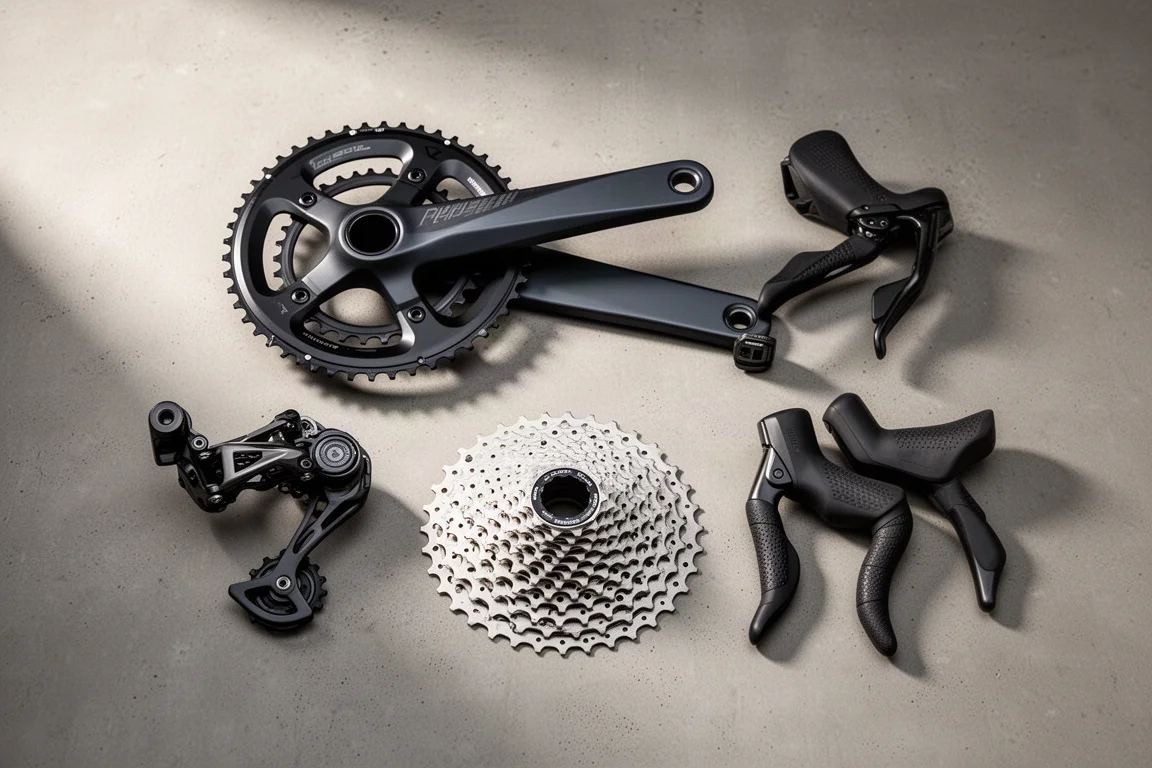
Microshift Sword is a gravel groupset built around mechanical simplicity. There are no motors, no batteries, and no hydraulic fluid anywhere in the system, and it is offered in both 2x and 1x configurations. The 2x version is the one that matters most for touring and bikepacking builds, and it has covered roughly 1,000 km over six weeks of mixed road and off-road riding, including a three-day bikepacking trip across Wales.
The pitch is easy to understand. While the largest component brands concentrate on the high end and ever smaller performance gains, Microshift is aiming at the entry level with an affordable groupset designed to make cycling more accessible. It retails for around £400 or $400, which is an appealing figure for the performance on offer, though that price does not include the chain and, more significantly, the brake calipers.
Who This Groupset Is For
Sword is aimed at riders who want low gears without paying for complexity. That covers gravel riders, but it stretches further: touring bikes, bikepacking rigs, and mixed-surface all-rounders ridden for pleasure rather than average speed or watts per kilo. Low gearing matters most on big climbs, particularly when a loaded bike weighs more than 18 kg.
It also suits riders who handle their own maintenance. A cable-actuated system with no bleeding procedure and no batteries to charge is simple to set up and simple to keep running.
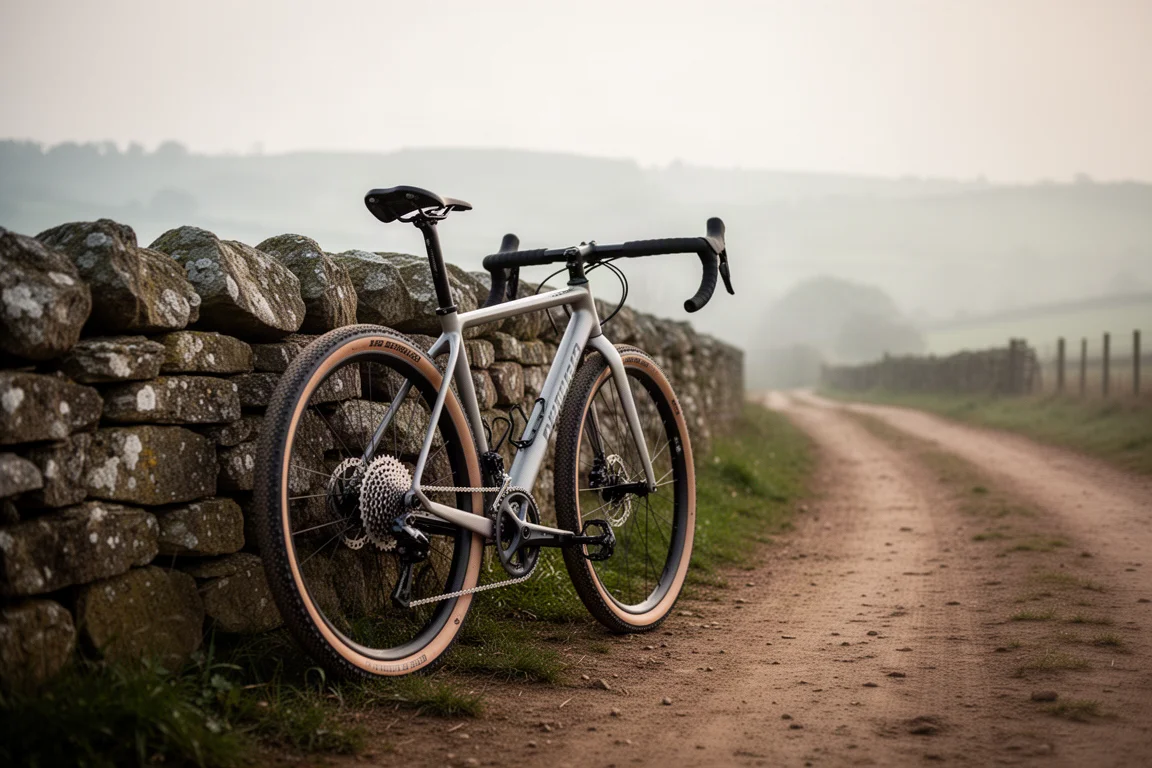
The groupset makes most sense on a modest aluminium frame build, where money saved on the drivetrain can go towards wheels or luggage. Riders chasing the lightest possible race setup are looking at a different category of product entirely.
Shifting Performance and Reliability
Shifting is handled by two small buttons on the lever body. The larger paddle moves the chain up the cassette into an easier gear, while the small top button drops it onto a smaller sprocket for a harder, faster gear. The throw on the paddle is long, and the throw on the top button is very short, so shifting into a harder gear feels noticeably quicker than shifting up the cassette. The system can move two or three sprockets at a time, a genuinely useful feature on rolling terrain.
Tactile feedback is good. Each shift produces a clear click and an audible confirmation of the gear change. Across roughly 1,000 km of mixed riding, there were no missed shifts and no dropped chains.
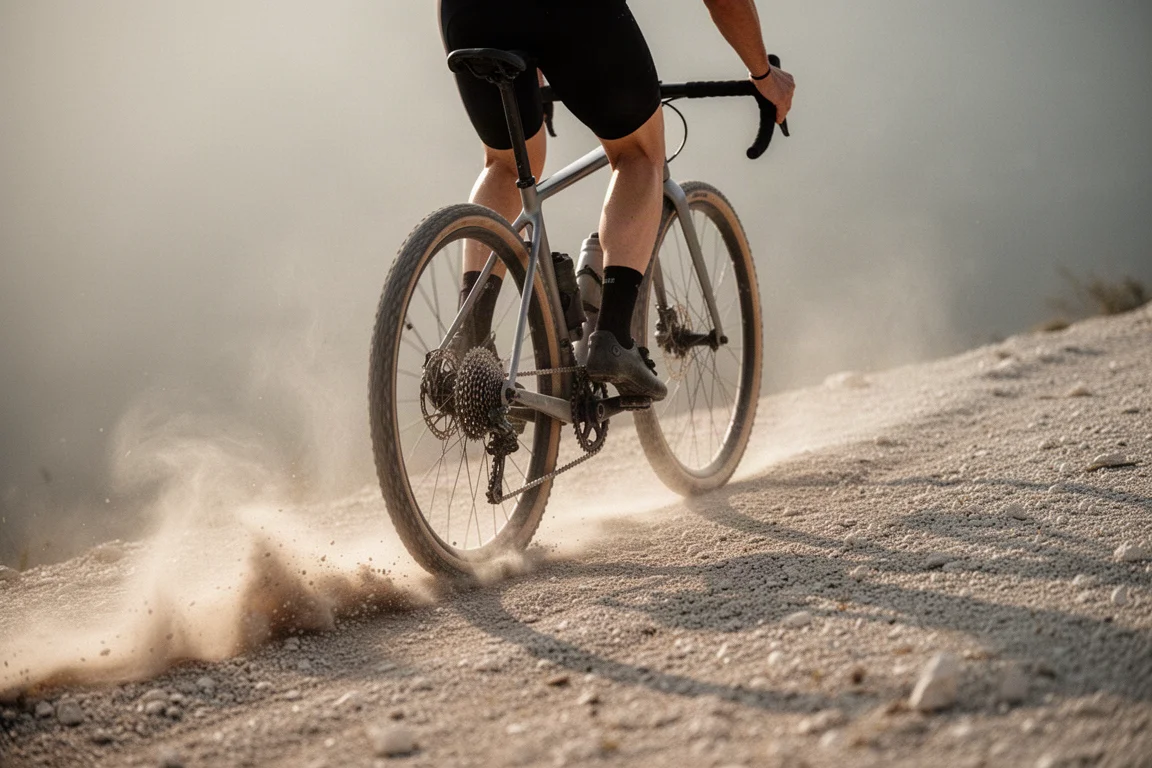
That reliability is the headline. The layout takes a short time to learn because it differs from more familiar lever arrangements, but once the habit forms the system simply works without drama, fuss, or quirks.
Gear Range, Ergonomics, and Braking
The gearing is the strongest argument for this groupset. The 2x setup pairs an 11-38 cassette with a 46/29 chainset, the widest-range 2x option in the lineup, and a 1x version is also available. For riders who struggle on long climbs rather than on flat or descending roads, that low end is far more valuable than race-inspired ratios.
The hoods are well shaped, with a compact knob, ribs along the top and inside for grip in hot conditions, and high-quality rubber that stays in place. The brake lever is fixed rather than floating, and it works well both from the drops on a flared handlebar and from the tops.
Braking is where expectations need adjusting. The TRP Spyre mechanical disc brakes are good for a cable-operated design and slow a loaded bike reasonably well, but they lack the initial bite and one-finger power reserve of hydraulics. Slowing a bike weighing over 18 kg, particularly at junctions, traffic lights, and the bottom of steep descents, takes more planning and sometimes two or three fingers on the lever. In exchange, setup and maintenance are straightforward: no bleeding, just pad wear and cable tension to keep an eye on.
Things to Consider Before Buying
The first consideration is total cost. The £400 or $400 retail figure excludes the chain and brake calipers, and once those are added the price moves closer to a Shimano GRX 400 groupset. SRAM Apex mechanical is a more expensive comparison at around $1,000 retail, while Shimano GRX 400 is a comparable 2x10 system that frequently sells at a discount, so the gap narrows in practice.
The second is compatibility. Sword uses its own cable pull, which is not compatible with Shimano or SRAM components. That removes the option to mix and match with parts already sitting in a spares box, a real limitation for anyone building a bike from leftover components.
Third, front derailleur setup can occasionally be fiddly and sensitive to indexing and cable tension.
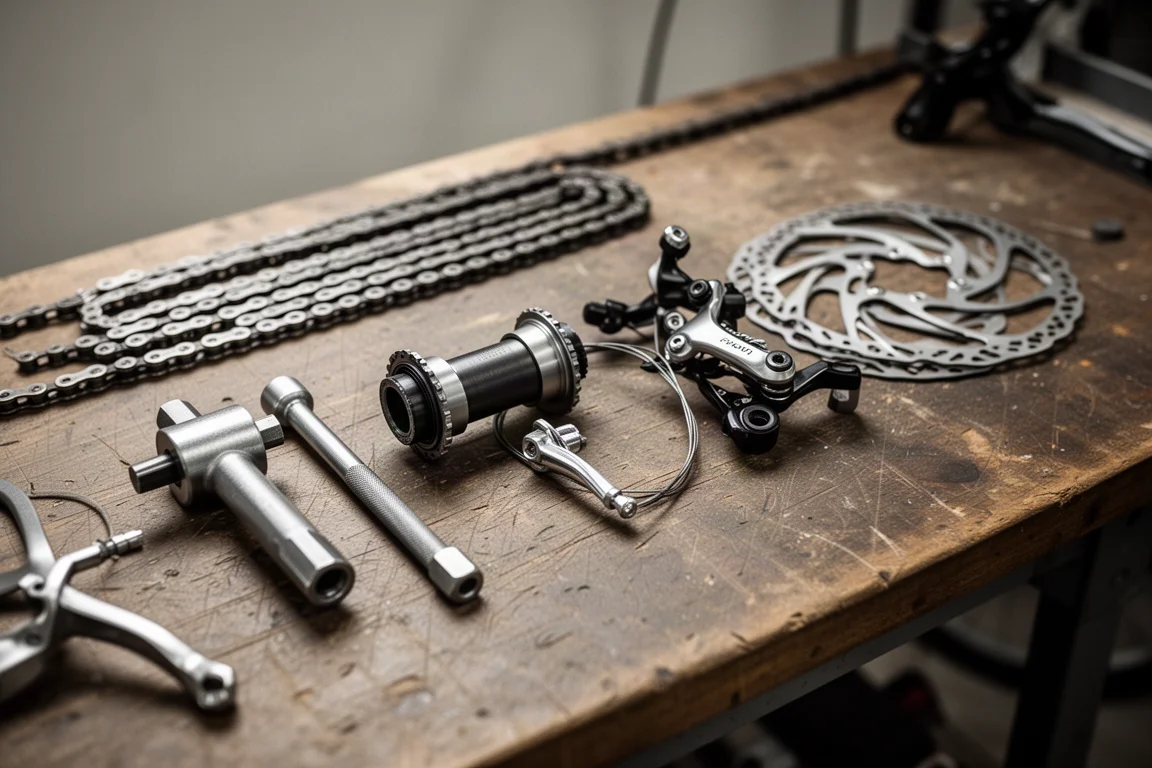
Finally, availability is worth checking. Complete bikes specced with this groupset have been difficult to find on sale, which likely reflects how recently it was launched, so buyers may need to plan a build rather than expect an off-the-shelf option. Wider 10-speed chains are also generally cheaper to replace and expected to hold up well compared with narrower 11-, 12-, and 13-speed chains, which keeps long-term running costs low.
Buying Advice
Sword is the right purchase if simplicity is the priority. Riders who want to avoid hydraulic bleeding, batteries, and charging routines, and who value low running costs and easy roadside repairs, will find a lot to like here. The gearing and the reliability stand out most, and the mechanical disc brakes are entirely workable once braking habits adapt.
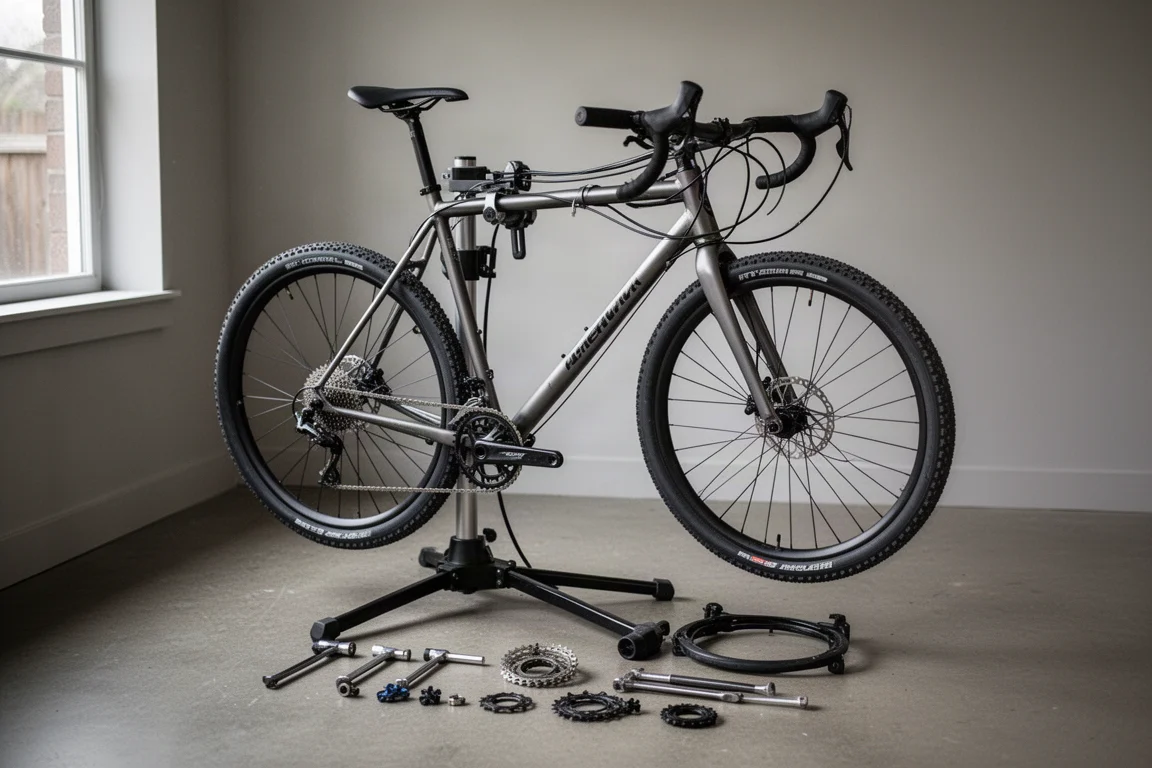
The calculation changes for riders who want hydraulic disc brakes. Adding calipers and a chain to the groupset price brings the total close to a discounted Shimano GRX 400 setup, which includes a chain and hydraulic brakes. Riders who want maximum stopping power with minimal effort may prefer that route, while riders who prize mechanical simplicity and low maintenance should keep Sword on the shortlist. Either way, it pays to budget for the full system rather than the groupset alone.
Conclusion
Microshift Sword delivers strong shifting, excellent low gears, and dependable reliability at an entry-level price, and it does so with a mechanical design that is easy to live with. The trade-offs are clear: brake power and a proprietary cable pull. For a touring, bikepacking, or mixed-surface build, those trade-offs are reasonable, and the result is a groupset that makes capable bikes more affordable.
Product link
View more details for Microshift Sword
This product is mentioned in the review. Check the specifications, options, and compatibility before buying.
View more details for Microshift SwordFurther reading
Related Reviews
Bike Groupsets
Best Value Road Bike Groupsets 2026: Shimano 105, SRAM Apex and Rival Compared
Affordable groupsets now deliver most of the performance of flagship tiers. Here is how Shimano 105, SRAM Apex and Rival AXS compare for real riders.
Bike Groupsets
Gravel Bike Groupsets Compared: Shimano GRX 400, SRAM Red Eagle XX1 Mullet, and SRAM Rival GX
A roughly £600 mechanical groupset, a roughly £3,500 electronic mullet build, and the roughly £1,500 middle ground, compared on two identical gravel bikes.
Bike Groupsets
LTWOO RX Groupset Review: A Complete 12-Speed Package With Two Real Compromises
A complete 12-speed groupset package with premium-feeling shifters and smooth road shifting, plus two limitations worth checking against your own frame.