Cookbooks
Mi Cocina by Rick Martinez Review: Big Flavor, Big Time Commitment
We cooked five dishes from Rick Martinez's Mi Cocina, from tacos arabes to cochinita pibil. Here is what worked, what did not, and who this cookbook is really for.
Introduction
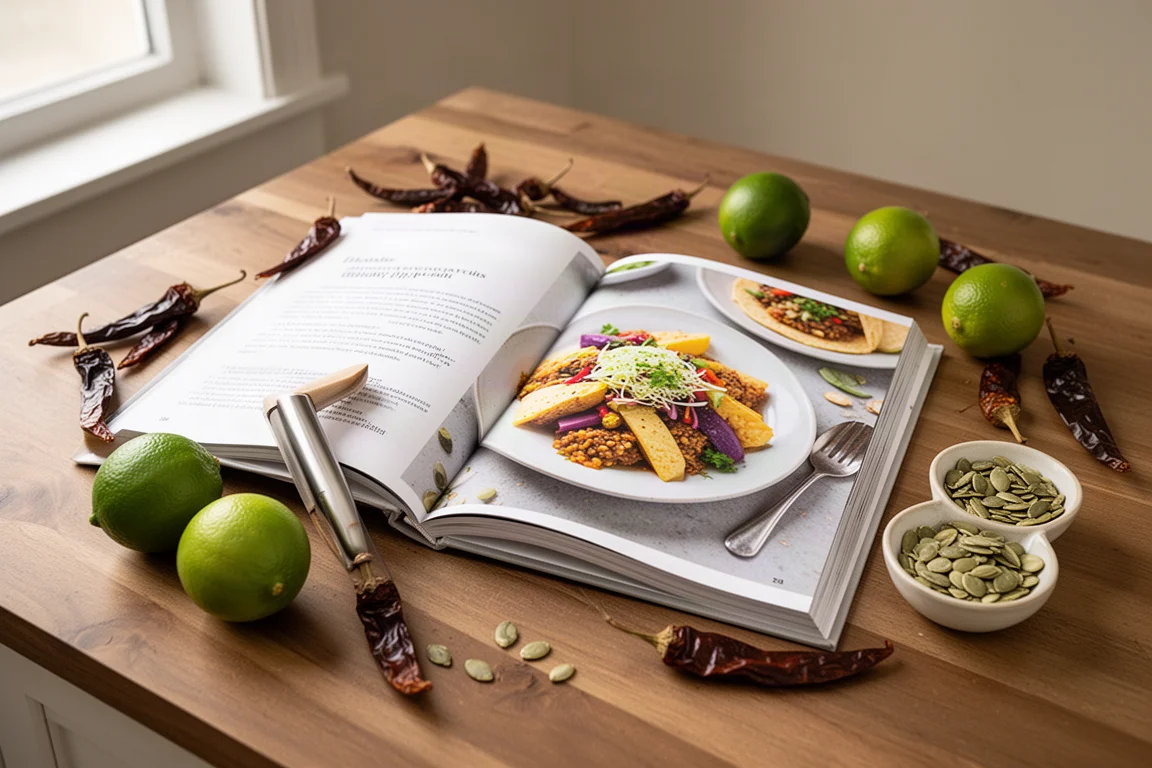
Mi Cocina by Rick Martinez is a cookbook built on ambition. Rick, a familiar face to many from his time at Bon Appetit and his more recent work with the Babish Culinary Universe, spent his early years in the kitchen with his mother in Austin, Texas, and cites Diana Kennedy as his greatest influence. In October 2019 he flew to Mexico City and set off to visit all 32 states of Mexico, seeking a deeper understanding of his heritage through its flavors.
We cooked 15 of the book’s 104 recipes, focusing on five mains and ten dependencies. The average time per finished dish came out to about four and a half hours, recipes typically served six, and the average cost per serving was $8.16. That time investment is the story of this book, so let’s get into whether it pays off.
Who This Book Is For
Rick openly dislikes the words authentic, easy, and simple when talking about food, and these recipes are none of those things. He warns early on that these dishes will not take 30 minutes and are far from the simple modern Mexican food found on many blogs today. There are a lot of components, and he describes the complexity as death by a thousand cuts.
This book is for cooks who want to spend real time in the kitchen. Rick’s stated intention is to get you to slow down and make great food, and shortcuts like buying tortillas and salsas exist if you want them. If you love bold flavors, want a resource full of colorful inspiration, or want to learn to make genuinely stellar tortillas, this belongs on your shelf.
Main Strengths
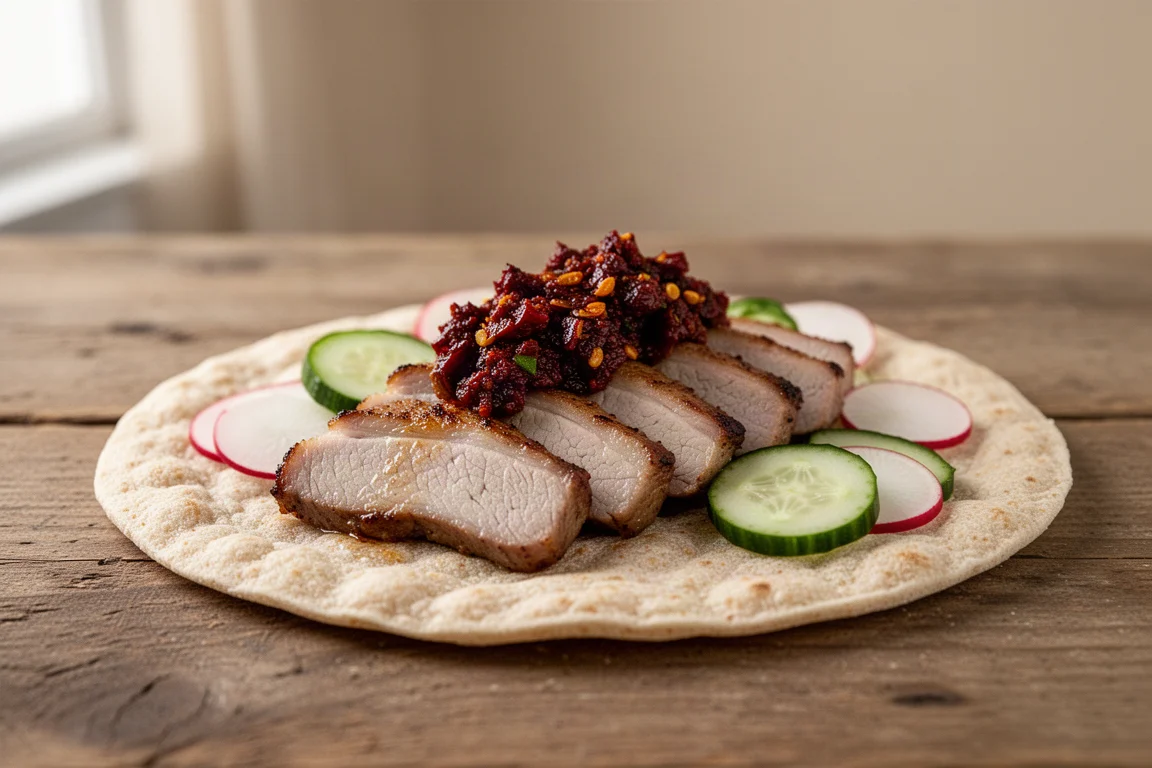
The tortillas are a clear highlight. Even when the process got frustrating, the results were some of the best we have made. The yeasted wheat flatbread from the tacos arabes recipe was tender, fluffy, and yeasty, and the corn tortillas from the cochinita pibil recipe were excellent despite some recipe issues.
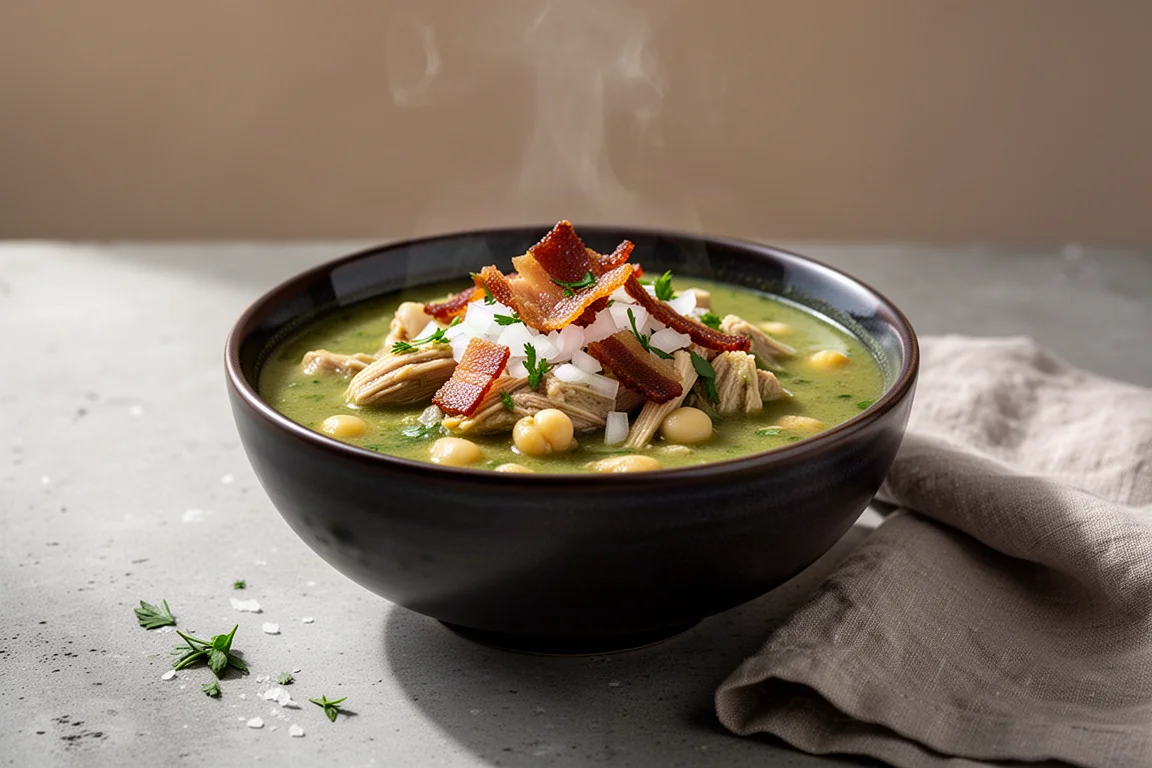
The pozole verde estilo Guerrero was the week’s undeniable smash. Rick describes it as having a richer, creamier broth thanks to blended pepitas, and it delivers: hearty hominy and chicken stew with poblano, tomatillo, and pumpkin seeds, creamy, spicy, and herby, with the chile arbol bringing welcome heat. Like many hearty soups, it reheats beautifully and arguably tastes better the next day.
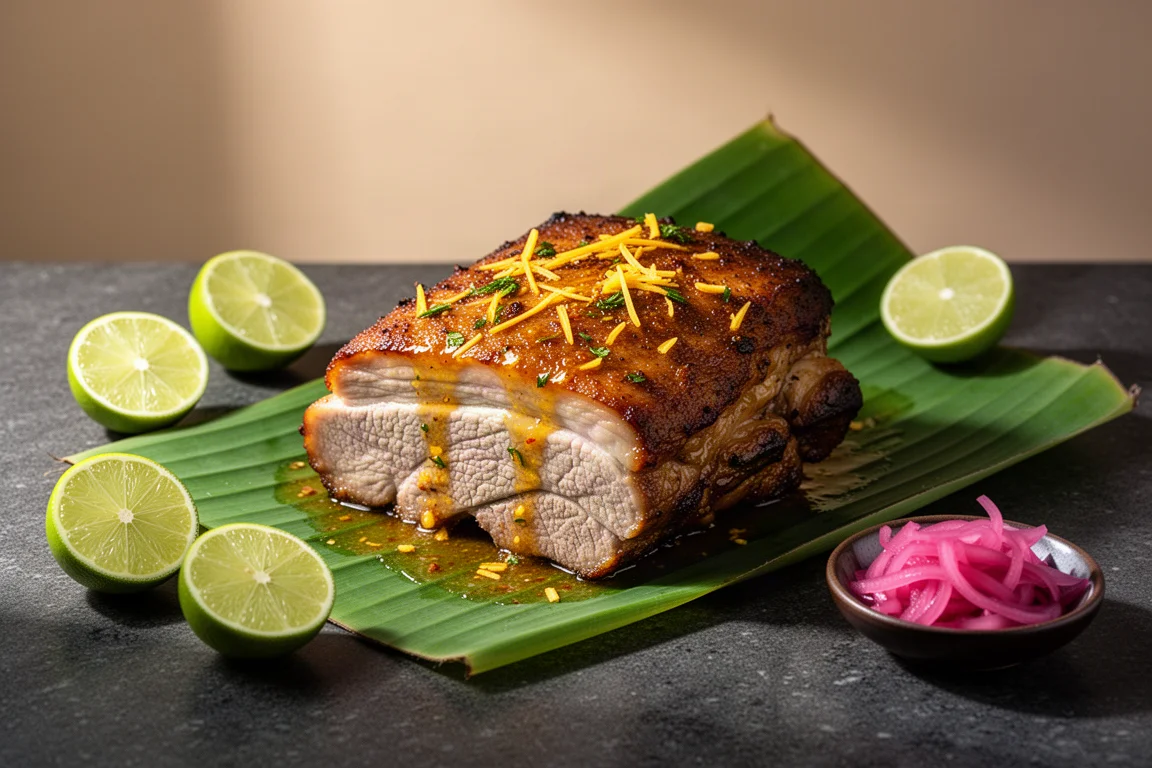
The cochinita pibil also impressed. The grapefruit in the citrus marinade turned out to be a genuinely positive addition, balancing the fatty pork, and the banana leaf adds an extra layer of flavor. Rick offers alternatives for some uncommon spice blends and cheeses, which we appreciate. The photography is vivid and vibrant, and the deeply personal preface gives real insight into who Rick is and the road to self-acceptance behind the book.
Things to Consider Before Buying
Time is the biggest cost. Most recipes took around three times the average we see in typical cookbook testing, with some at four and a half to five hours. The birria estilo Aguascalientes, for example, needs four and a half to five hours of roasting. If the outcome does not justify it, that time can feel wasted.
Flavor balance is the other concern. The cooking leans heavily into fatty, bitter, and acidic notes on nearly every dish. The tacos arabes salsa dominated everything, with punchy hits of bitter, acid, and smoke fighting each other rather than blending. The birria broth was greasy enough that skimming the fat before blending would have helped, and the arrachera tacos nortenos, with fish sauce and soy sauce in the marinade, was the week’s clear miss: the soy sauce clashed with everything else.
Recipe writing quirks are worth knowing about. The book uses the dreaded one cup plus one tablespoon style of measurement, some gram conversions are slightly off, and occasionally instructions are vague, such as the corn masa recipe that called for far too little water and claimed to yield 12 tortillas but produced at least 24. Photos do not always match the written description either.
Buying Advice
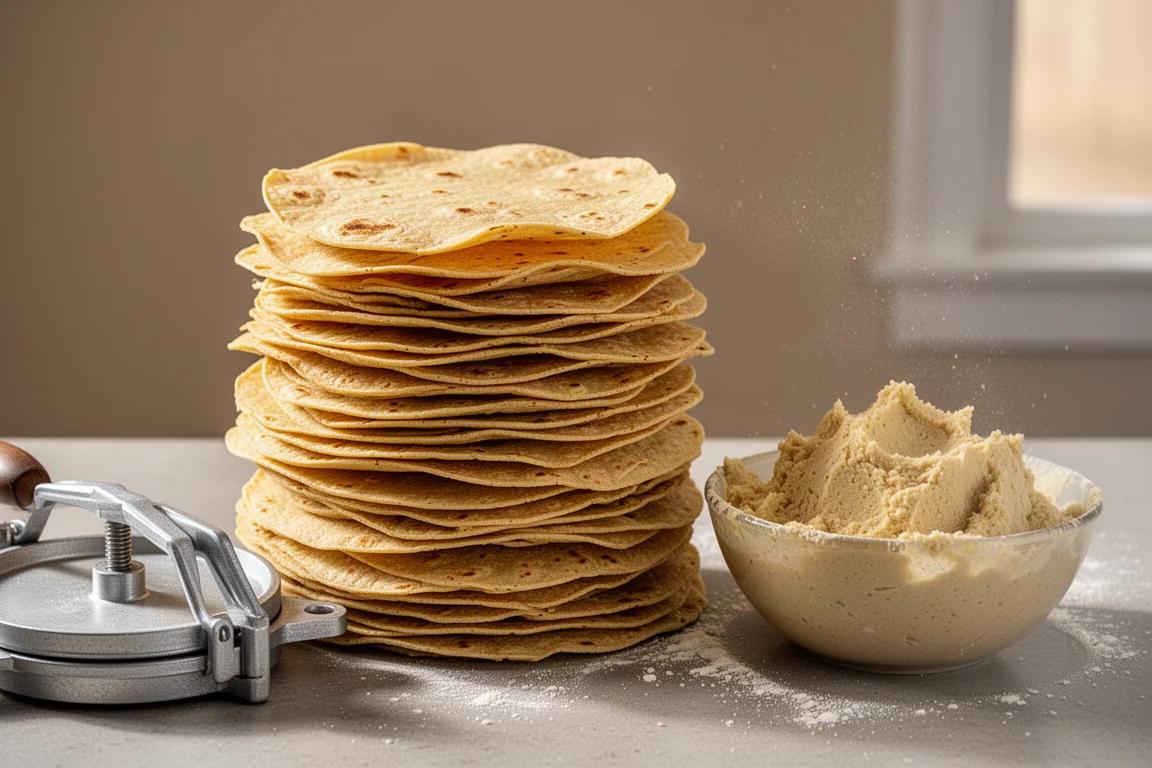
If you pick this up, go in with eyes open about the time commitment and read recipes fully before starting. Texture cues matter more than exact quantities here; the tortilla dough, for instance, should be soft and pliable and not stick to your hands, and following that cue served us far better than the listed water amount.
Ingredient sourcing is easier than you might expect. Good in-season ingredients matter, but the only uncommon items were banana leaves and queso asadero, and Rick offers substitutes for some uncommon spice blends and cheeses. Everything else should be findable at a regular grocery store.
Conclusion
Mi Cocina is a book of big, unapologetic flavor that sometimes tips into overload, with every note amped up and fighting for attention instead of finding harmony. It is not a beginner’s weeknight cookbook, and not every dish rewarded the hours it asked for. But the creamy pozole is a new favorite, the tortillas are worth the effort on their own, and the photography and personal storytelling make it a beautiful resource. If you support Rick’s work or want a cookbook that pushes you into the kitchen for the long haul, it earns its place on the shelf.
Product link
View more details for Mi Cocina by Rick Martinez
This product is mentioned in the review. Check the specifications, options, and compatibility before buying.
View more details for Mi Cocina by Rick MartinezFurther reading
Related Reviews
Cookbooks
Africana Cookbook Review: A Pan-African Journey Worth Cooking Through
We cooked 13 dishes from Africana by Llorado Umashayor over one week. Here is what worked, what stumbled, and who this beautiful cookbook is really for.
Cookbooks
By Heart by Haley Catalano: First Look at a Calm, Practical Cookbook
We cooked two recipes from By Heart by Haley Catalano, including a tomato-based sandwich and chicken fat mashed potatoes, to see if the book's calm, detail-first approach holds up in a real kitchen.
Cookbooks
Charred by Genevieve Taylor Review: Vegetable Grilling Beyond Corn and Halloumi
We cooked 11 recipes from Charred over four days. Here is what works, what falls flat, and whether the book earns a spot on your shelf.