Headphones
Meze Elite Review: Inside a $4,000 Open-Back Planar Headphone
A close look at the Meze Elite, a $4,000 open-back planar headphone with carbon fibre and leather construction, easy drivability, and a warm, richly layered sound.
Introduction
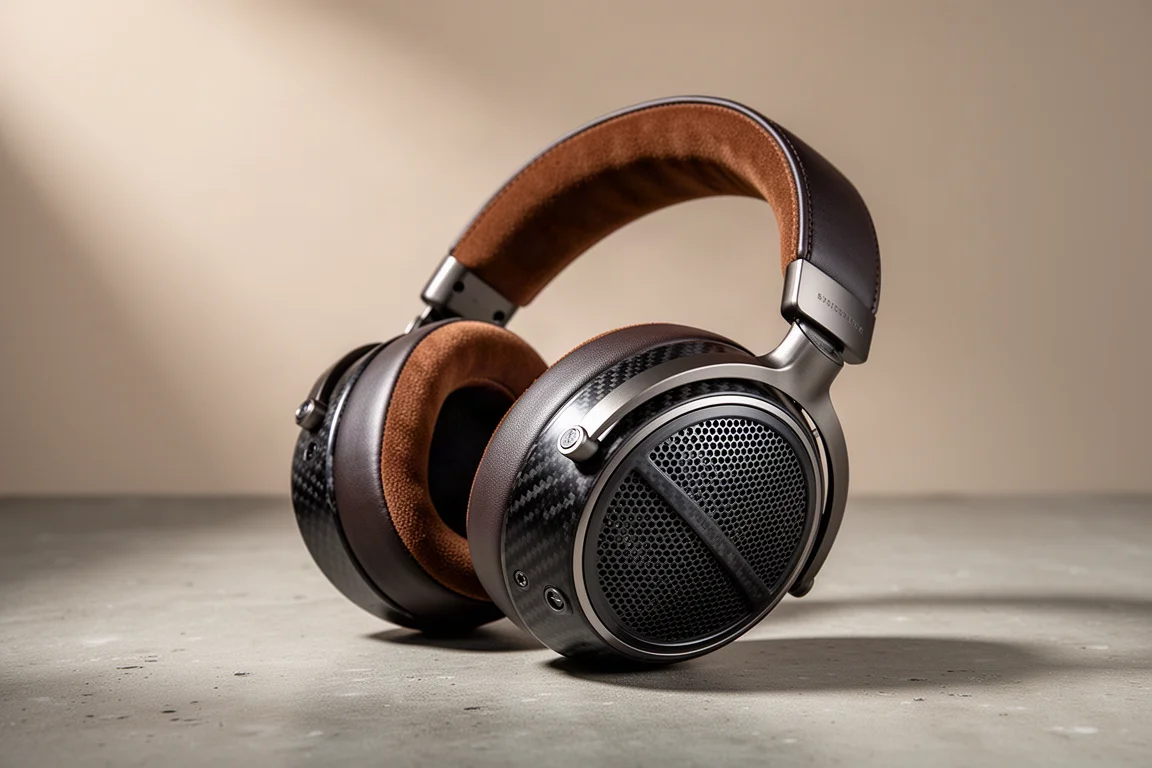
The Meze Elite is a $4,000 open-back planar magnetic headphone, and that number is the first thing anyone notices. The second thing, once you have spent real time with it, is how little of that money goes into spectacle. There is no app, no wireless module, no clever trick. It is a wired headphone built from carbon fibre, metal, and leather, and it is aimed at listeners who want a flagship reference rather than a value pick.

What makes the Elite unusually easy to live with is how undemanding it is electrically. It is rated at 32 ohms and 101 dB sensitivity, which means it plays loudly and cleanly from almost anything with a headphone output, including a very inexpensive USB dongle. It does scale with better electronics, and a dedicated desktop DAC and amplifier chain will tighten the presentation further, but the improvement is refinement rather than a transformation. You do not have to buy a second system in order to enjoy the first one.
Who the Meze Elite Is For
This is a headphone for someone who already knows the kind of sound they enjoy and wants a more complete version of it. The Elite is not an aggressive, spotlight-on-detail design. It is warm, full-bodied, and relaxed, and it rewards long listening sessions rather than short critical ones. If your habit is to put headphones on and leave them on for three hours while you work, read, or work through an album, that character is a genuine advantage.
It is also worth being honest about the entry point. At $4,000, this is not a sensible first step into high-end audio. The same budget comfortably funds a two-channel speaker system, or a headphone amplifier, a DAC, and two or three pairs of headphones. The Elite makes sense for a narrower group: listeners who have already tried a handful of headphones, know what they like, and want one pair to cover the majority of their listening.
Build Quality, Materials, and Comfort
The construction is the most convincing part of the package. Carbon fibre rails run across the top of the headband, and the head strap is full-grain leather with a suede underside where it meets your head. The leather has a firm, dense hand feel rather than a soft, pillowy one, and it is clearly a higher grade of material than the padded vinyl found on most headphones. The exterior of each ear cup is all metal, with more carbon fibre worked into the open grille.
The ear pads attach magnetically, which sounds like a small detail until you live with it. They lift off and seat back into place instantly, with no stretching, no clips, and no risk of tearing a mounting ring. The cables connect through mini-XLR pins, and each one seats snugly with no play at the socket, which is exactly what you want from a connector you will plug and unplug repeatedly. Two cables and two sets of ear pads are included.
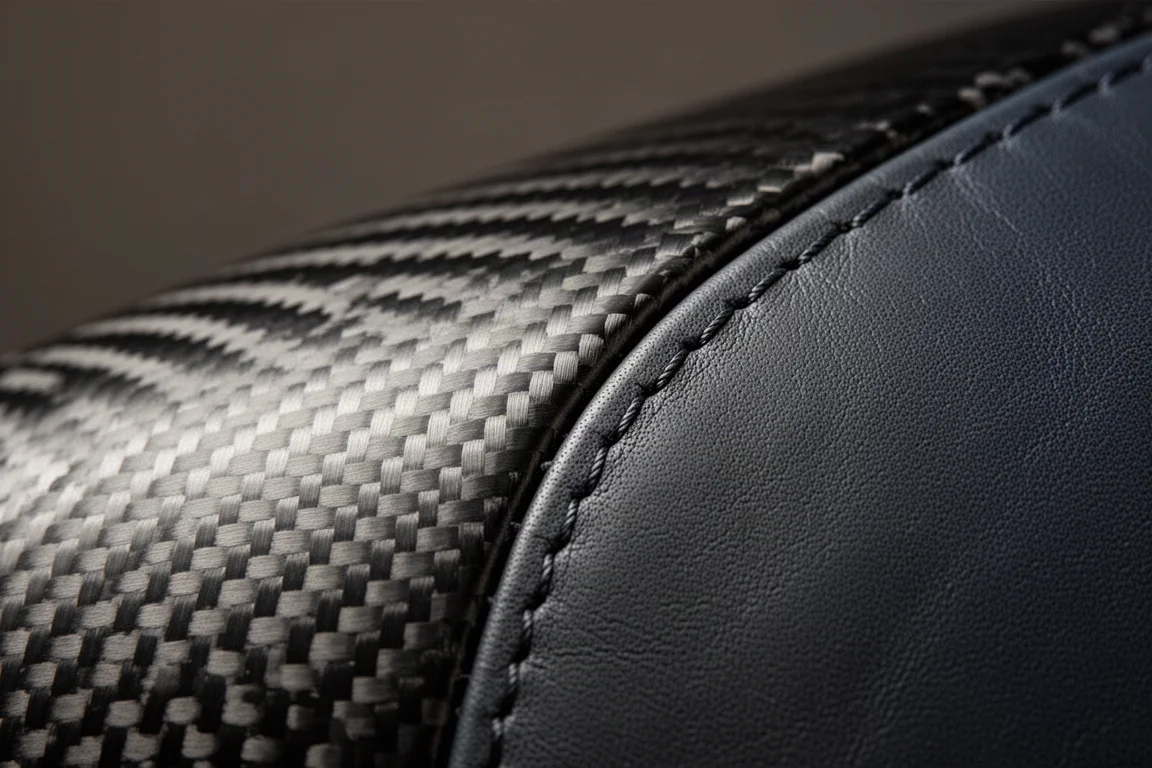
In use, the clamp force is light and the weight is distributed evenly across the headband rather than concentrated in one spot. The result is a headphone that stays comfortable through long marathon sessions, which matters far more at this price than a striking first impression.
One detail is worth flagging. The included case holds the headphones, both cables, and both sets of pads in cut foam, and it protects everything well. The handle, however, is plastic with a visible mould seam running across it. It is not going to break, but on a $4,000 product it is the one place where the materials do not match the rest of the package.
How the Meze Elite Sounds
The first impression is warmth. The Elite leans warm and full, with a smooth upper register that never turns sharp or brittle. Detail is present in abundance, but it is not placed on display. Nothing is pushed forward to prove a point, and as you settle into the sound, more of that detail moves toward the front of your attention on its own.
The strongest argument for the Elite is its layering. Instruments occupy distinct positions with clear air between them, and nothing smears together even in dense passages. It does this without announcing itself, which is a harder trick than it sounds. Some headphones separate a mix in a way that feels like a party trick. The Elite simply keeps everything in its own space and lets the music carry on.
Vocals sit naturally in the mix. Breath sounds, small inhales, and fine texture are all present, but they are integrated rather than highlighted. The overall impression is a natural one, and it is a large part of why the Elite is easy to listen to for hours without fatigue.
Bass has real body. Lower electric guitar riffs carry weight and warmth while keeping their definition, which makes the Elite unusually engaging with heavier material. It handles classic rock and metal particularly well, and the warmth does not come at the cost of clarity. If anything, the fullness gives guitars and drums a physical presence that leaner headphones miss.
Ear Pad Choice and How It Changes the Sound
Two sets of ear pads are included, one leather and one fabric, and they change the tuning more than most people would expect. With the leather pads the warmth is at its most pronounced and the leading edge of detail recedes. The result is very smooth and entirely free of fatigue, but on a headphone at this level it can feel as though some of the resolution is being held back.
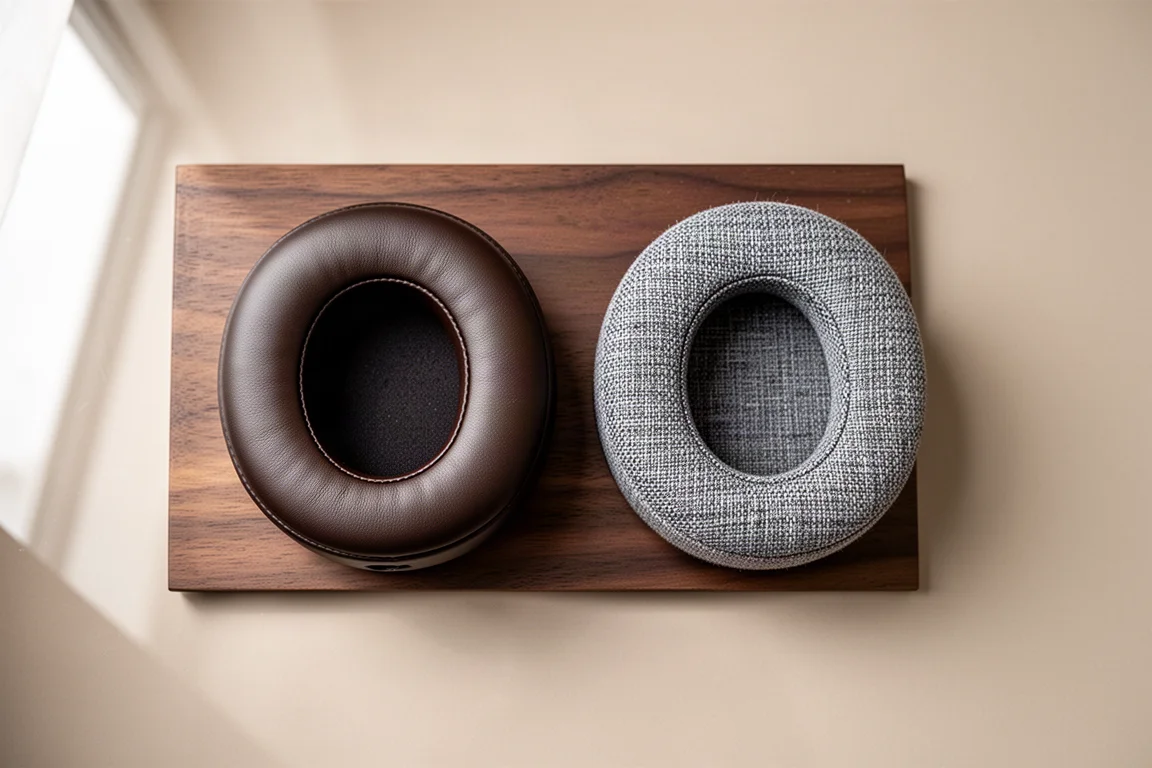
With the fabric pads, the warmth stays but much more of the detail comes forward. Separation and layering become more obvious, and the headphone sounds closer to what its driver and construction suggest it is capable of. Both sets are comfortable, and neither introduces listening fatigue. The decision comes down to how much of the detail you want sitting at the surface of the mix.
Things to Consider Before Buying
The tuning is warm by design, and that is the single most important thing to understand before buying. Listeners who prefer a bright, sharply detailed presentation will find the Elite relaxed rather than revealing. The detail is genuinely there, but you have to listen for it, and that is a deliberate choice rather than a flaw.
The included case is the other practical compromise. It protects the headphones properly, but the plastic handle and mould seam do not sit comfortably alongside carbon fibre and full-grain leather. It is a small thing, and it does not affect the sound, but it is the kind of detail people notice on a product at this price.
Power is not a concern. The Elite runs well from modest sources, and better electronics improve it without being mandatory. If you already own a decent DAC and amplifier, you are set.
Buying Advice
The Elite makes the most sense for a listener who wants one pair of headphones to cover most of their listening and who values a warm, fatigue-free presentation with excellent layering over a bright, forward one. It is comfortable enough for all-day use, easy to drive from almost anything, and built from materials that justify a long ownership period rather than a short one.
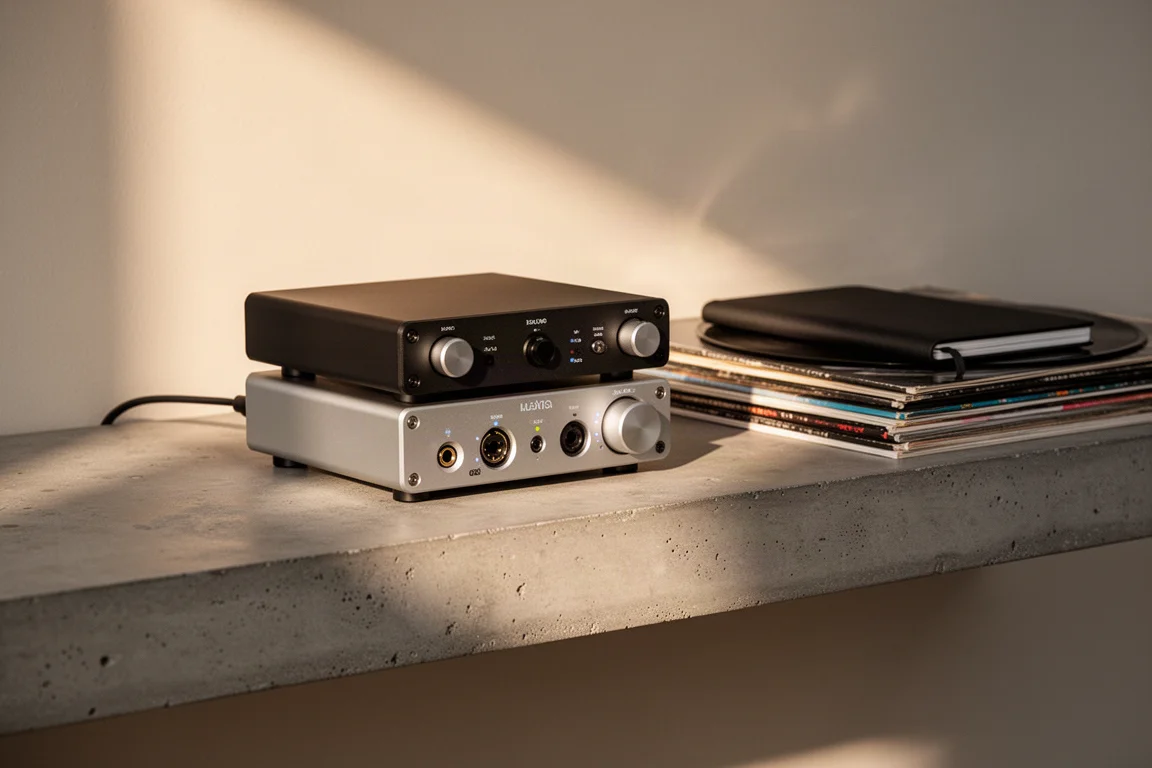
It is worth weighing the alternatives honestly. Four thousand dollars can fund a complete two-channel speaker setup, or a headphone amplifier, a DAC, and several pairs of headphones. None of those routes will sound quite like the Elite, but they will cover more ground. The Elite is a purchase you make when you have already decided that one exceptional headphone is worth more to you than several good ones.
Conclusion
The Meze Elite is a warm, richly layered open-back planar headphone with exceptional build quality, generous comfort, and a tuning that makes long listening sessions effortless. Its weaknesses are narrow and specific: a case that undersells the price, and a presentation that keeps its detail just beneath the surface rather than in front of you. For the right listener, those trade-offs are easy to accept. If you want a headphone that invites you to keep listening rather than to keep analysing, this is a convincing answer to what $4,000 can buy.
Product link
View more details for Meze Elite
This product is mentioned in the review. Check the specifications, options, and compatibility before buying.
View more details for Meze EliteFurther reading
Related Reviews
Headphones
Apos Audio Caspian Review: Warm Bass, Solid Build, and a Detail Trade-Off
The Apos Audio Caspian is an easy-to-drive open-back headphone with standout bass and a warm, relaxed tuning, though mid-range and treble detail trail the competition.
Headphones
Audeze LCD-X vs LCD-XC vs LCD-3: Which High-End Headphone Fits Your Setup
A practical comparison of three Audeze planar magnetic headphones under $2,000, covering the open-back LCD-X, the closed-back LCD-XC, and the wood-ringed LCD-3.
Headphones
Audeze LCD-X vs HiFiMan Edition XS: Two Open-Back Headphones Compared
A practical comparison of the Audeze LCD-X and the HiFiMan Edition XS, covering build quality, comfort, sound signature, and which listener each one suits.