Work Lights
Metabo HPT 250 Lumen Flashlight and 750 Lumen Lantern: Two Job-Site Lights Worth a Look
A compact two-mode work flashlight and a glare-free 750 lumen lantern from Metabo HPT, aimed at tradespeople who need light they can actually work around.
Introduction
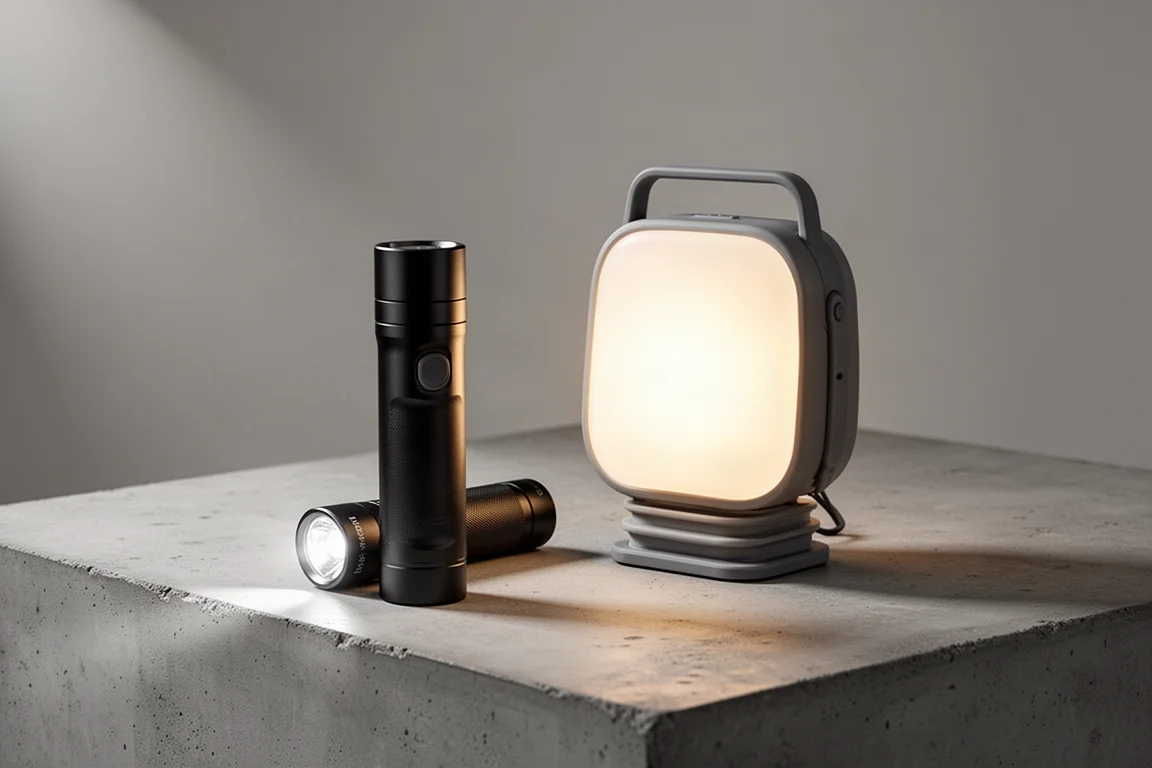
Metabo HPT has been expanding its lighting lineup, and two recent additions stand out for practical reasons: a 250 lumen flashlight with two output modes, and a 750 lumen lantern built for situations where you need to work around your own light source. Neither is trying to flood a warehouse with brightness. Instead, both are designed as personal lights for tradespeople and anyone who needs usable illumination in tight or awkward spaces.
This piece breaks down what each one does well, where they fall short, and which kind of buyer should consider them.
The Flashlight: Simple and Effective
The Metabo HPT 250 lumen flashlight is exactly what it sounds like: a straightforward work light that can double as a spotlight. It offers two modes, 120 and 250 lumens, so you can set it somewhere and work in that area without fuss.
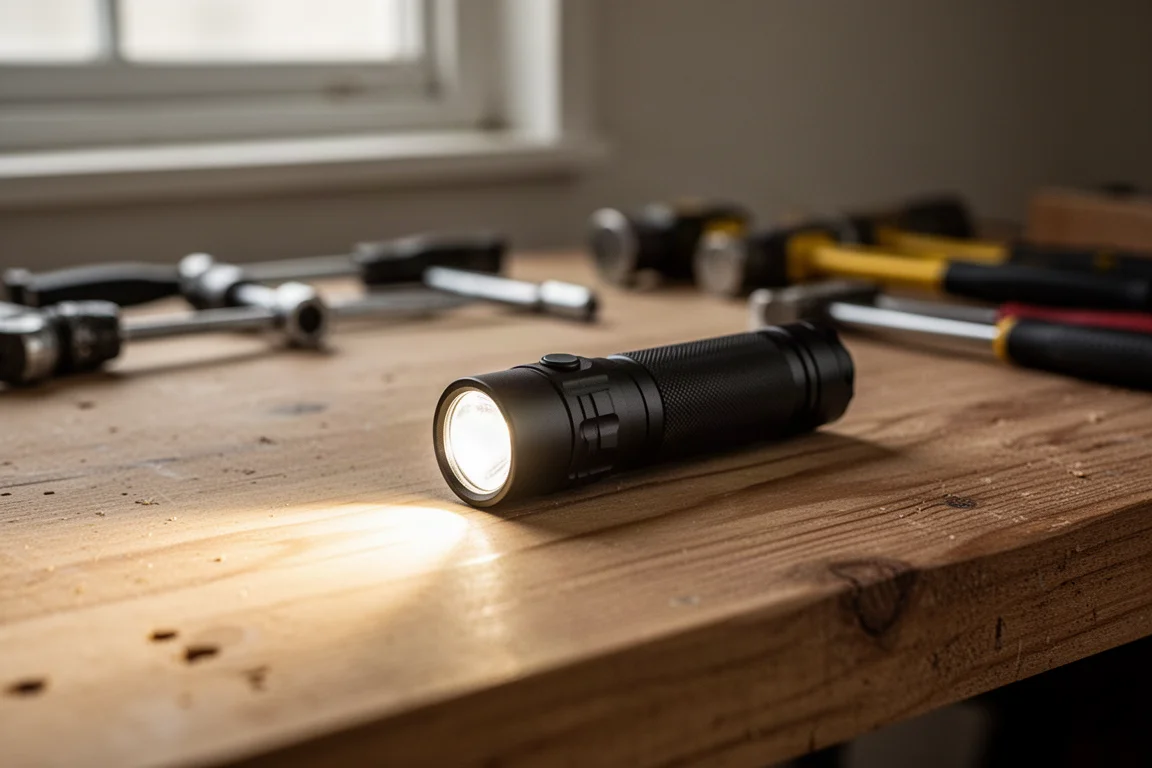
It performs its job well, but it is worth being honest about the category. If you just want a general-purpose everyday flashlight, smaller options on the market are considerably more powerful and come with more features. This one is best understood as a work light that needs to act like a spotlight, not a flashlight enthusiast’s pick. It is not something that demands immediate attention, but it does its intended job without complaint.
The Lantern: 750 Lumens You Can Work Around
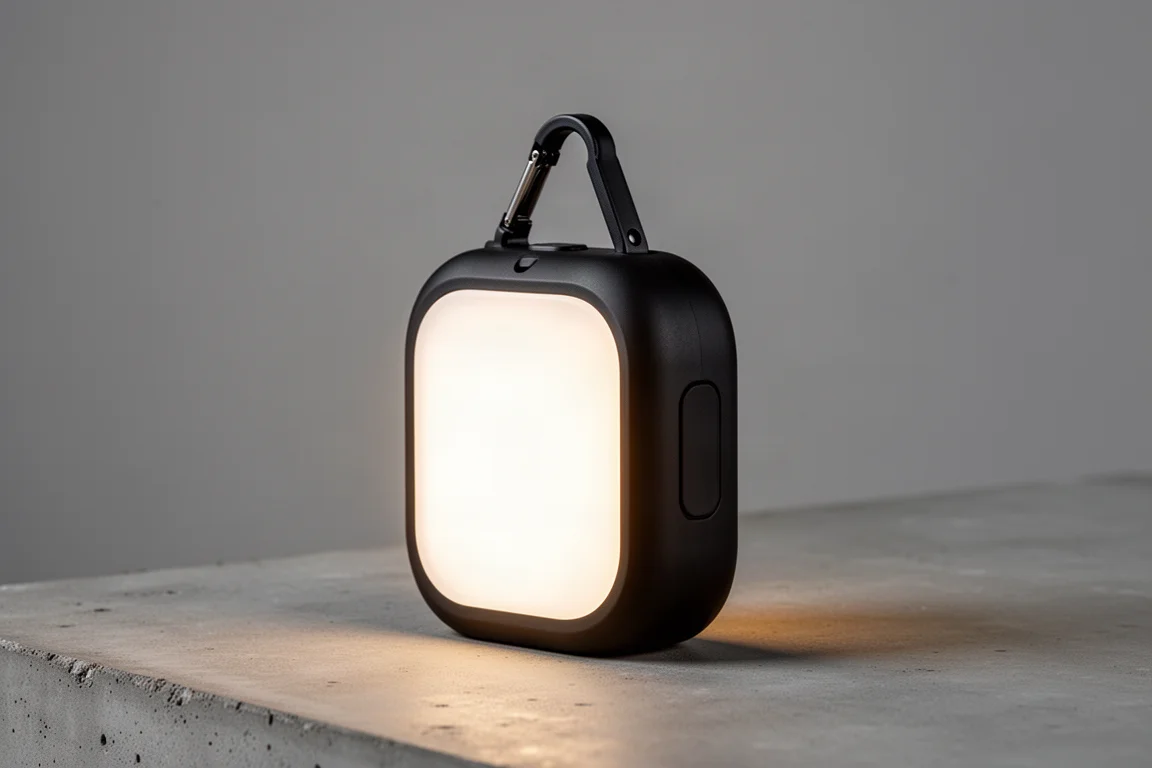
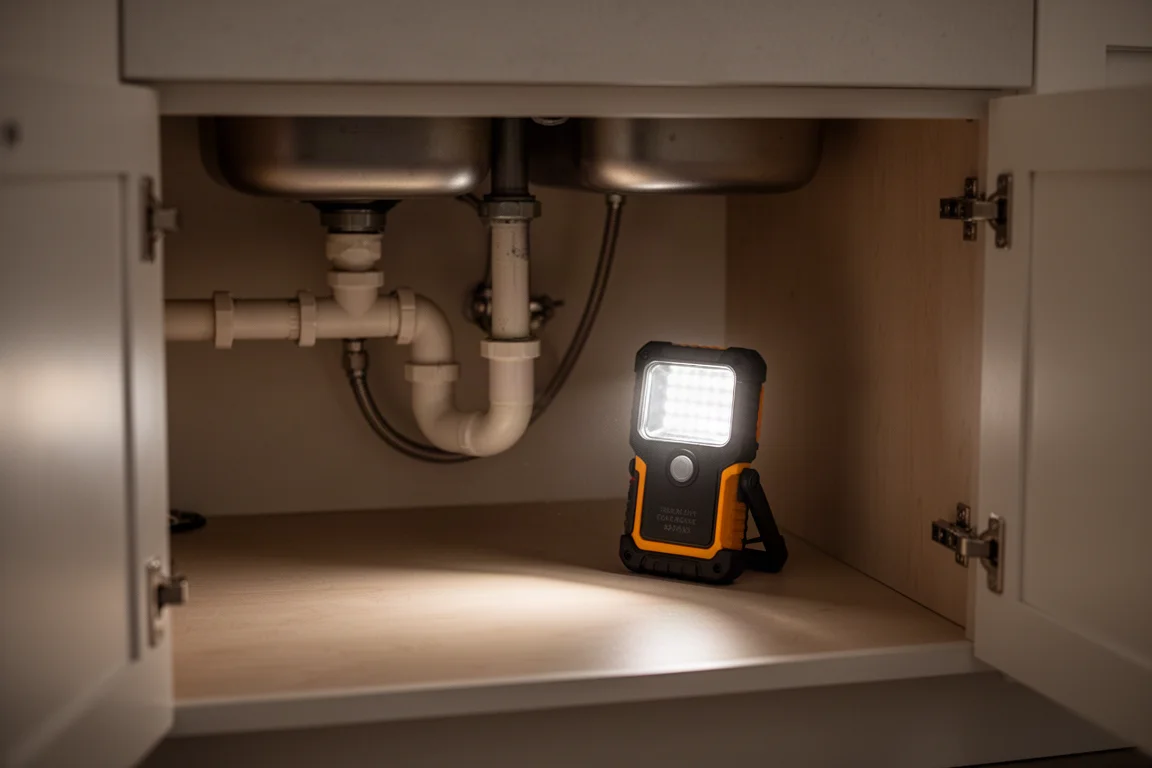
The lantern is the more interesting of the two. At full power it puts out 750 lumens, but the key detail is the quality of that light: it is diffuse enough that you can look at it and still work around it. If you are a tradesperson working underneath a cabinet, up in an attic, or in any cramped space, that makes a real difference. Many bright lights are so glaring that you cannot comfortably look anywhere near them, even on low.
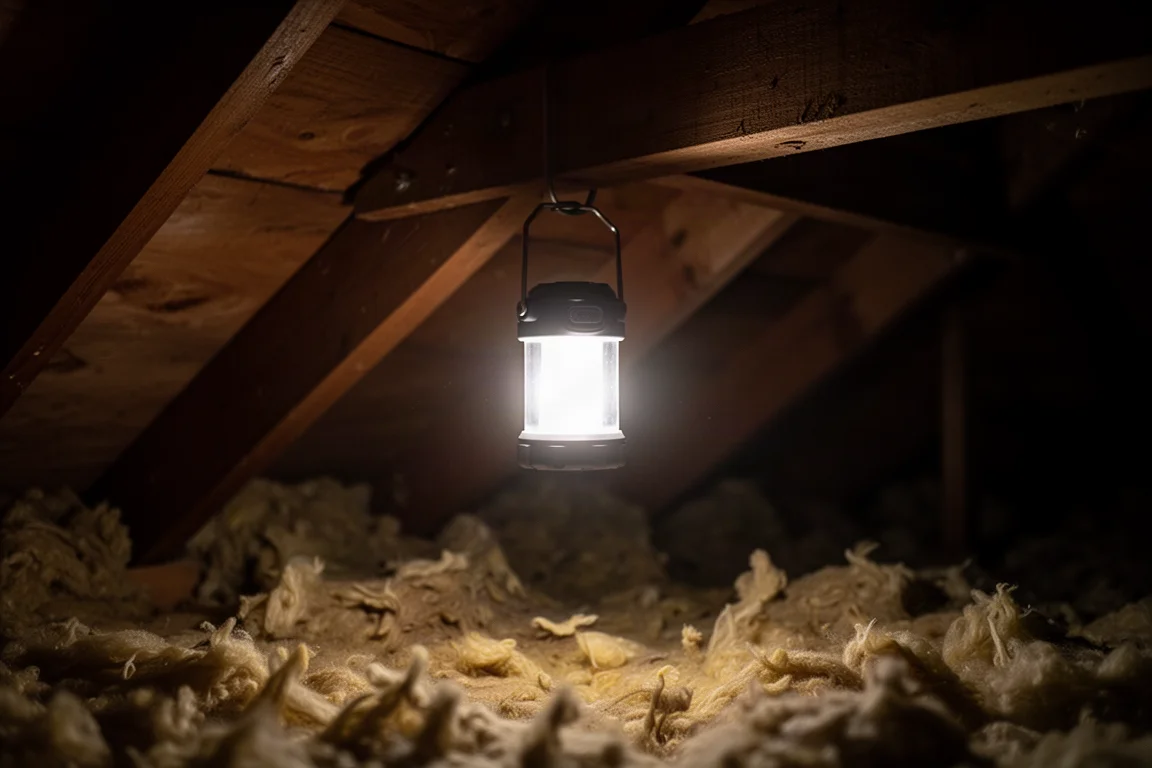
Drop it to medium and it outputs 320 lumens, which makes it even easier on the eyes. It also manages heat well, staying comfortable to the touch rather than getting overly hot during use. You can hang it from above for broader coverage, though a hanging position at a distance gives plenty of light without quite enough intensity for detailed work. Set down close to your work area, it delivers tons of usable light.
Where Each Light Makes Sense
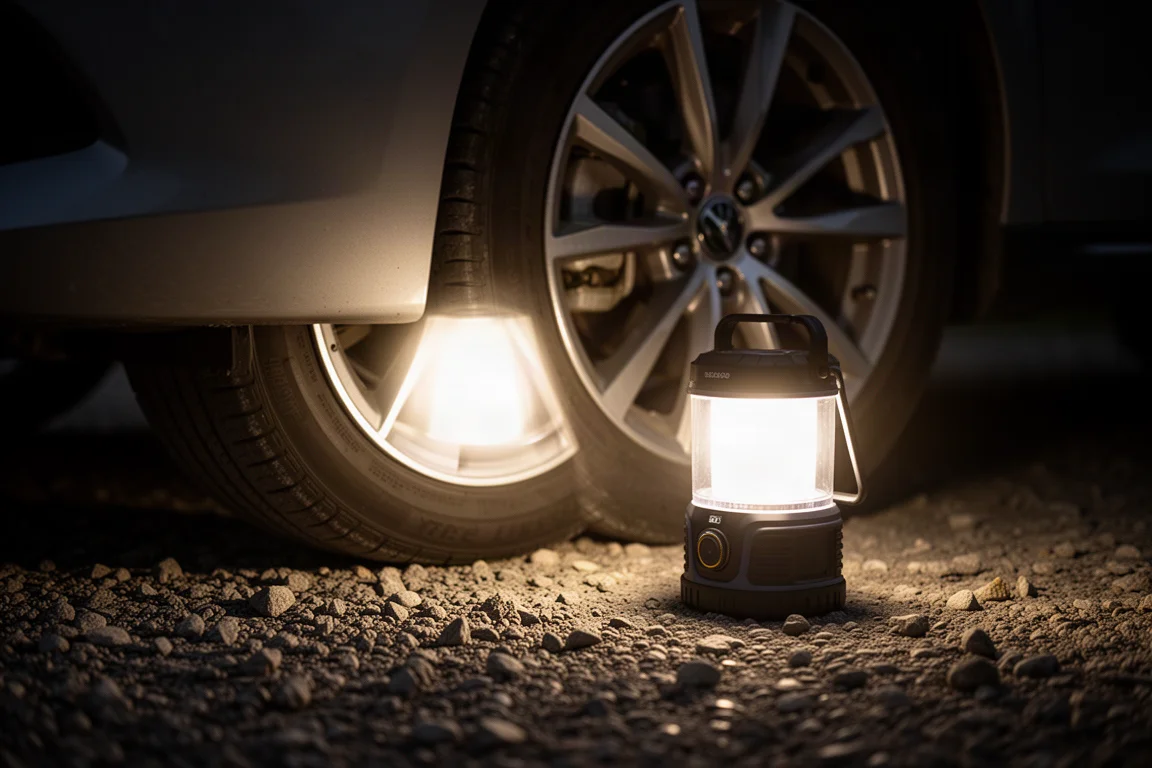
The lantern is the clear winner for construction work: electrical jobs in awkward locations, working on a wheel or rim in the middle of the night, changing a flat tire in the dark, or any task where you need a comfortable personal light zone. It would not hurt for camping either, and it has the charm of being bright enough to startle a dog before it settles in as a camp companion.
The flashlight, meanwhile, suits anyone who wants a set-it-and-forget-it work light for a small area. Together, the pair covers a personal-lighting setup that works best in tighter spaces. If you need to light a large room, Metabo HPT also sells larger lights designed for that, so look there instead if big-area coverage is your priority. Neither of these is designed for large spaces, but both do a genuinely decent job within their intended range.
Buying Advice
If you are in the construction trades and regularly work in attics, under cabinets, or in other confined spots, the lantern is the standout. It gives you a personal light you can look at without wincing, which is rarer than it should be. The flashlight is a reasonable companion for spot work, but general users with no job-site needs will find more capable everyday flashlights elsewhere.
For anyone doing hands-on work in the dark, this combination is well worth looking at, with the lantern being the one that earns a permanent spot in the tool bag.
Conclusion
Metabo HPT’s 250 lumen flashlight is a competent, no-frills work light, while the 750 lumen lantern is the more compelling buy thanks to its glare-free output, useful 320 lumen medium mode, and cool-running design. For construction, electrical work, and close-quarters tasks, the lantern in particular is a light you can genuinely work around, and that alone makes it worth a closer look.
Further reading
Related Reviews

Work Lights
Milwaukee M12 Rover Review: A Compact Work Light That Goes Where You Do
The Milwaukee M12 Rover is a compact, versatile work light with three brightness levels, multiple mounting options, and USB-C charging for your devices.
Work Lights
Best Folding Work Lights Compared: Budget Picks to Tool Truck Tough
Seven folding work lights tested for real lumen output, runtime, charging, and drop durability, from a $20 Amazon seller to Snap-on.
Work Lights
Best Hinged Work Lights: 7 Options for Aiming Light Exactly Where You Need It
From classic Maglite designs to modern dual-hinged stick lights, seven work lights that make it easy to aim a beam into tight spaces.