Cycling Helmets
Met Manta vs Met Drone Wide Body: Which Triathlon Helmet Is Right for You?
A practical comparison of the Met Manta aero road helmet and the Met Drone Wide Body full aero helmet, covering weight, heat, comfort, and the real time savings during the triathlon bike leg.
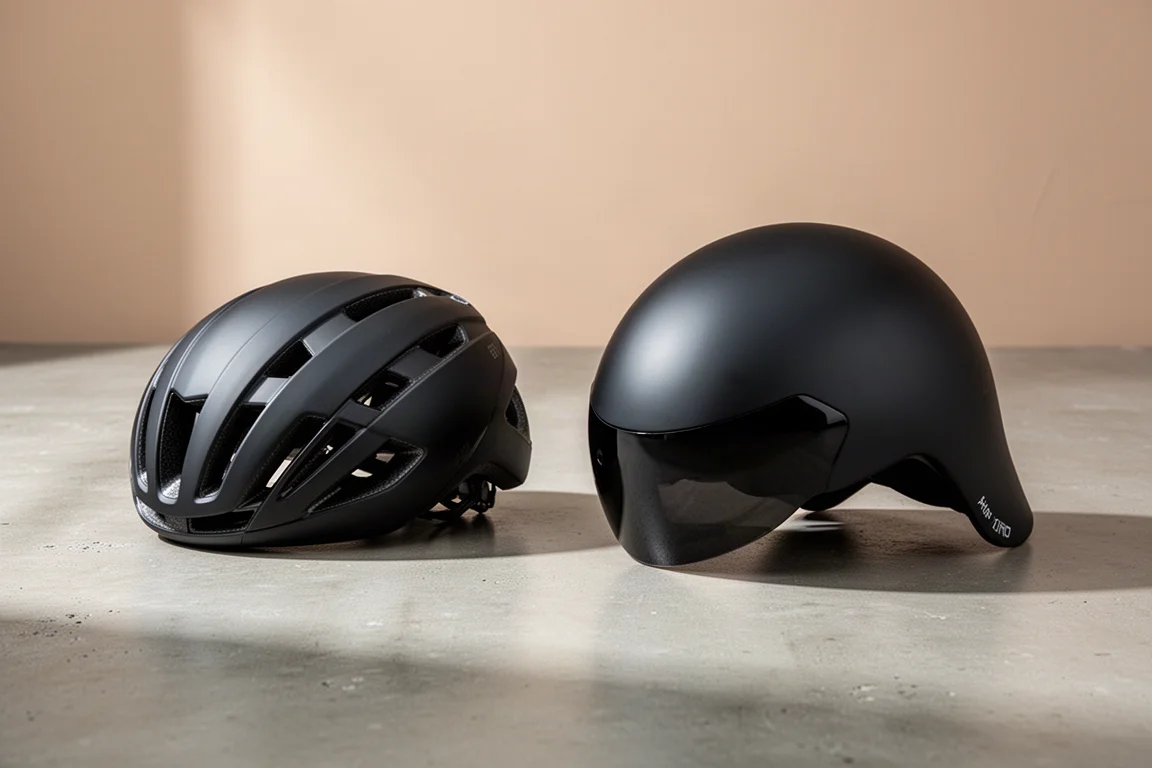
Every triathlon bike leg starts with one mandatory piece of equipment: a helmet. Since modern helmets all meet minimum safety requirements, the real decision comes down to comfort, weight, and speed. This guide focuses on the choice that matters most for time-conscious athletes: an aero road helmet versus a full aero time trial helmet. Two very different models illustrate the trade-offs: the Met Manta, Met’s top-of-the-range aero road helmet, and the Met Drone Wide Body, a full aero design.
The Three Helmet Choices for Triathlon
Helmet choice in triathlon generally comes down to three categories, and the lines between them can blur. A standard road helmet is the lightest, most ventilated option and the one you will barely notice on your head. It is also the least expensive. If your goal is simply to enjoy the race and speed is not a priority, a good road helmet still keeps you safe and comfortable.
An aero road helmet is essentially a road helmet that has been reshaped to improve airflow and save watts in the wind. The gains require a small sacrifice: slightly more weight and less breathability. A full aero helmet pushes the idea further with a smooth shell that has almost no vents. It is the fastest option for the bike leg, but it is heavier still and noticeably warmer.
For anyone chasing maximum speed, the choice starts with dropping the standard road helmet. Even on the hottest day, on the slowest course, or on the most mountainous route, the aerodynamic benefit of an aero road helmet outweighs the extra cost in weight and ventilation. The real decision, then, comes down to an aero road helmet versus a full aero helmet.
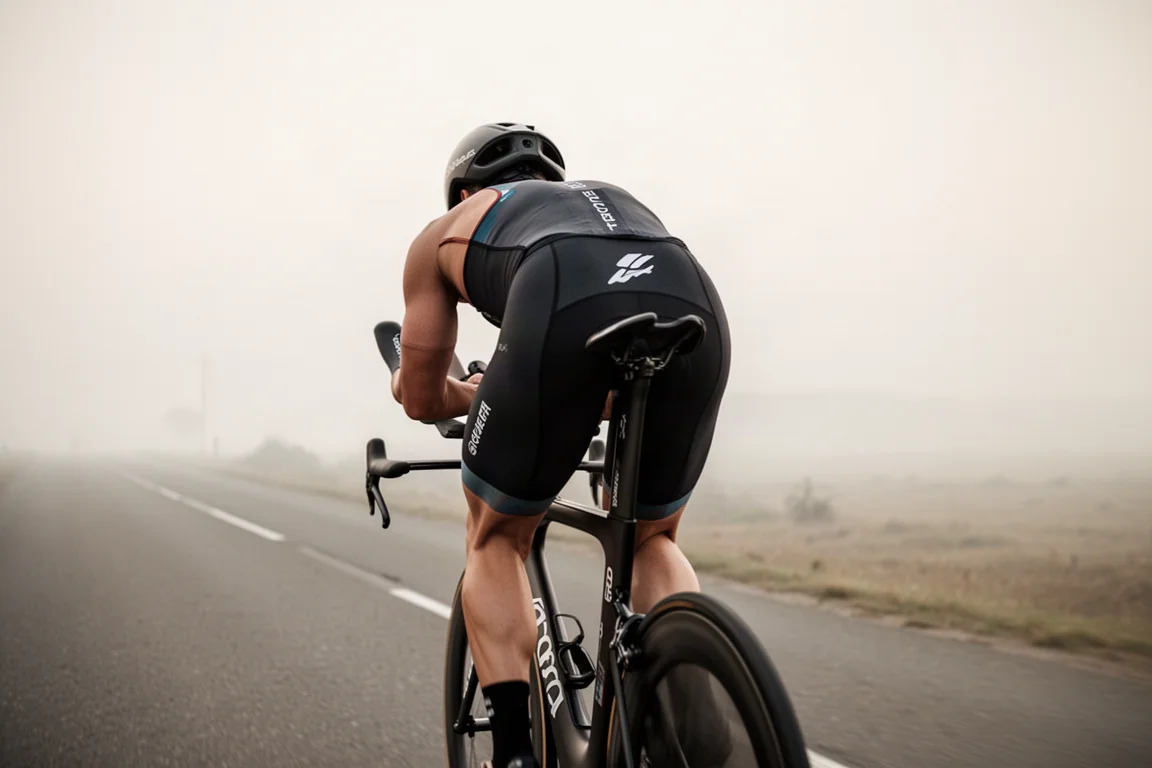
To measure how those differences show up in practice, both helmets were compared over ten laps of a velodrome at a steady 300 watts. A small temperature sensor was placed under each helmet at the side of the head, after a ten-minute warm-up, to capture heat build-up during the effort. The results cover weight, temperature, comfort, and time.
Weight: The 120g Difference
The Met Manta weighs 250 grams. The Met Drone Wide Body weighs 370 grams. That 120-gram difference is small in absolute terms, and riders spend significant money to save far less weight across their entire bike setup. On a super hilly route, however, the location of that weight matters.
Adding 120 grams to your head means your neck holds it for five, six, or seven hours. During a short test the difference is hard to notice, but in long races the heavier helmet tends to produce a sore neck. A heavier helmet also limits flexibility: you cannot move your head as freely when it sits behind you, locking you into the aero position. It is not the largest factor in the decision, but it is worth thinking about before a long day out.
Heat and Ventilation
Temperature is where the two designs diverge most clearly. During the velodrome test, a small core temperature device sat inside each helmet at the side of the head. Both riders wore their helmets for about ten minutes before the effort to create a fair starting point. On average, the full aero helmet measured warmer than the aero road helmet.
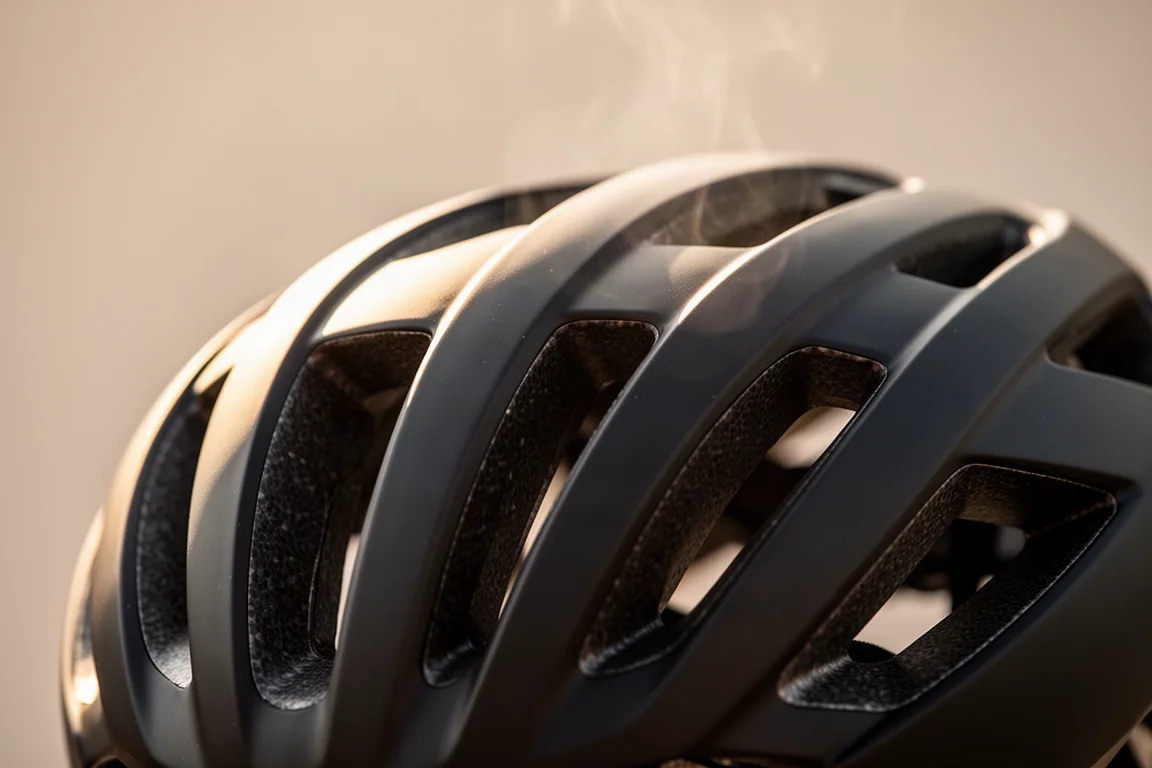
A gap of even a degree or two can still matter, because the difference compounds over five or six hours of racing. It also grows the slower you ride: on a long climb, with airflow over the helmet at its lowest, the head can feel like it is cooking. Heat is subjective too. When you feel hot, you are less comfortable and less settled in your helmet, and that feeling carries into the run.
Comfort follows the same pattern. Inside the full aero helmet you are held in the aero position, with the shell wrapping low over the face and behind the head. You cannot move your head as freely as you can in an aero road helmet, and even over the short test that restriction was noticeable. The lighter, more open design, by contrast, gets close to disappearing once you are riding.
The Time Saving Potential
The main reason to choose a full aero helmet is speed, and the test showed where that speed comes from. Over ten laps, one rider produced exactly the same lap time while saving 4 watts in the full aero helmet. The other rider went faster at the same wattage, saving about 3 seconds over the 2.5-kilometer distance. Extrapolated across a full Ironman bike leg, that is roughly 3 minutes 26 seconds, which is far from insignificant.
If maximum speed is the goal, the full aero helmet is the faster option. The test conditions were ideal, though: a short 2.5-kilometer effort, a steady 300-watt pace, and no reason to raise the head or look around. Those are exactly the conditions in which a full aero helmet produces its biggest gains.
Real-World Aerodynamics
In a real race the aero position is never perfect. You watch other competitors, cruise through aid stations, climb out of the saddle, and glance around to check your surroundings. Every one of those movements trims the advantage a full aero helmet showed in the velodrome test.
Head movement deserves special attention. If you turn your head often, the larger shell of a full aero helmet can catch the wind at the wrong angle and become less aerodynamic than a smaller aero road helmet when riding with the head turned. This is also why the categories keep blurring: some shorter-tail aero options sit between the two designs, built for athletes who want to move their head around more or prefer a different riding style.
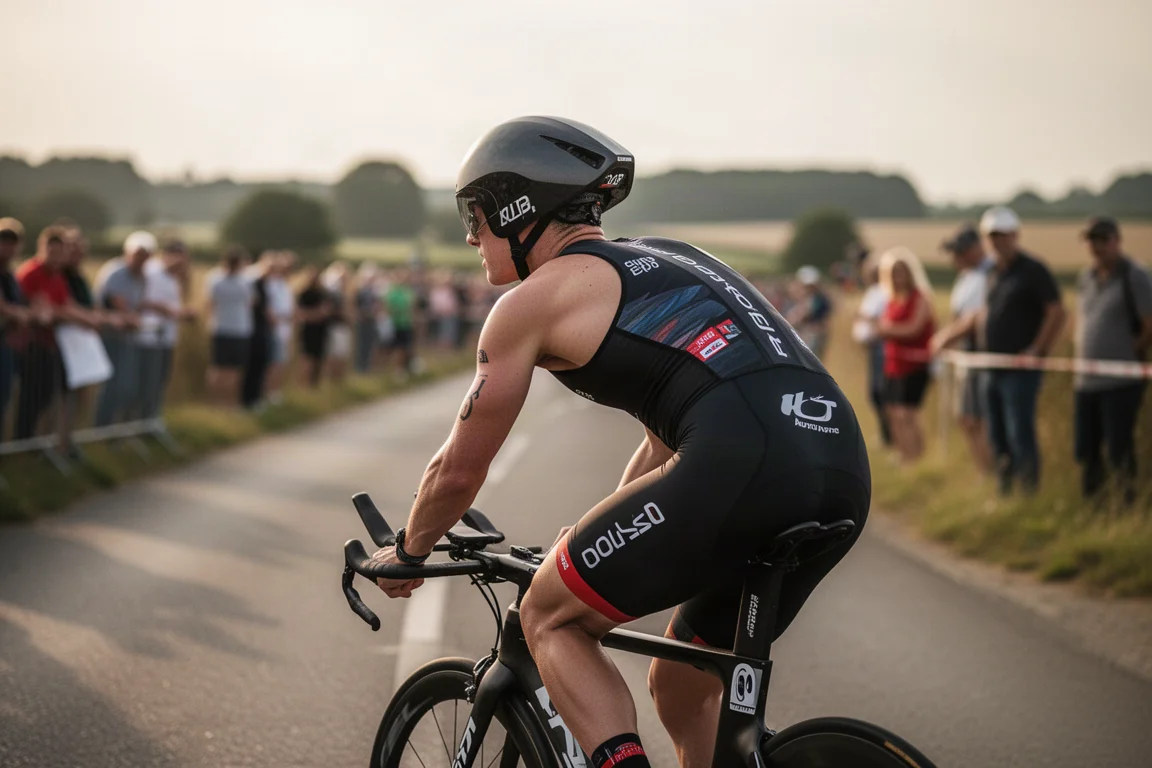
The right helmet therefore depends on your riding style as much as your goal. A course with frequent turns, steep climbs, and busy aid stations rewards a helmet you can move around in. A flat, straight time trial rewards the most aerodynamic shell you can tolerate. The fastest helmet in a wind tunnel is not always the fastest helmet in the race you actually ride.
Best Aero Road Helmet: Met Manta
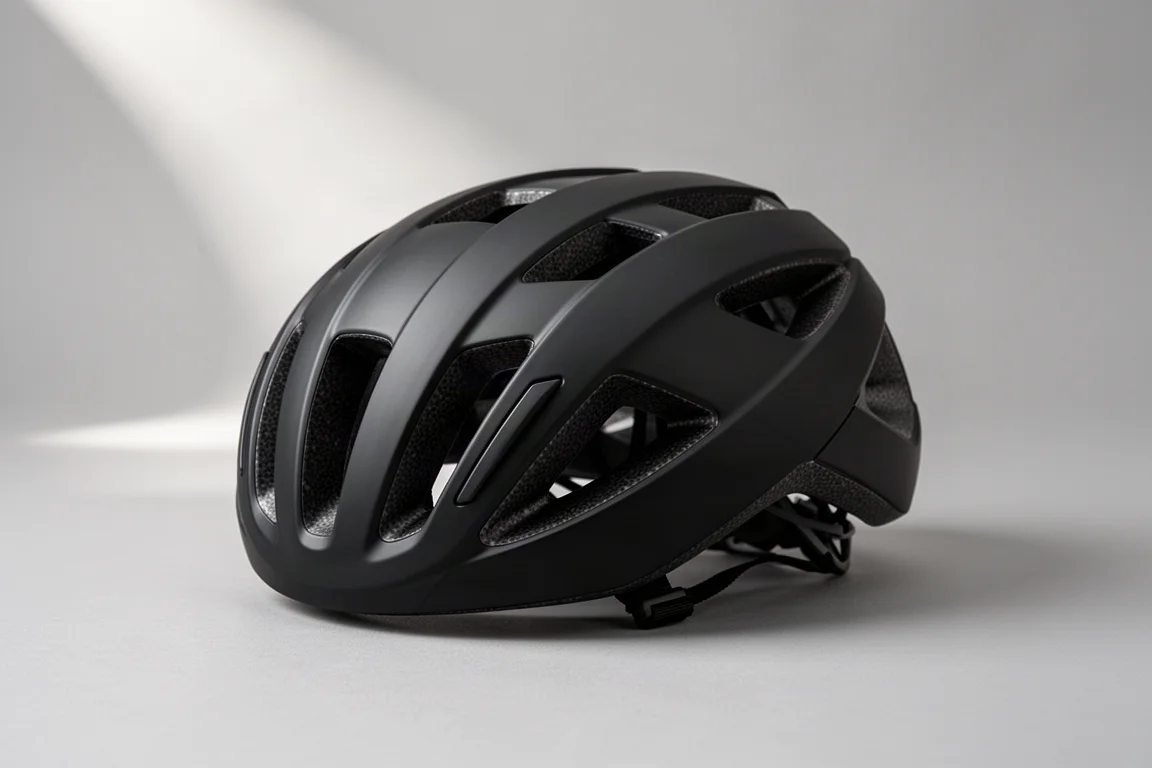
The Met Manta is Met’s top-of-the-range aero road helmet and a strong example of the middle path. At 250 grams it sits close to standard road helmet weight while bringing most of the aerodynamic benefit of a shaped shell. It keeps proper ventilation channels, so it runs cooler on hot days and long climbs, and its compact shape leaves your head free to move around.
That combination makes the Manta a sensible choice for triathletes who want speed without the long-ride penalties of a full aero shell. It suits riders who turn their head often, race on hilly or technical courses, or simply want a helmet they can forget they are wearing during a five-hour effort.
Best Full Aero Helmet: Met Drone Wide Body
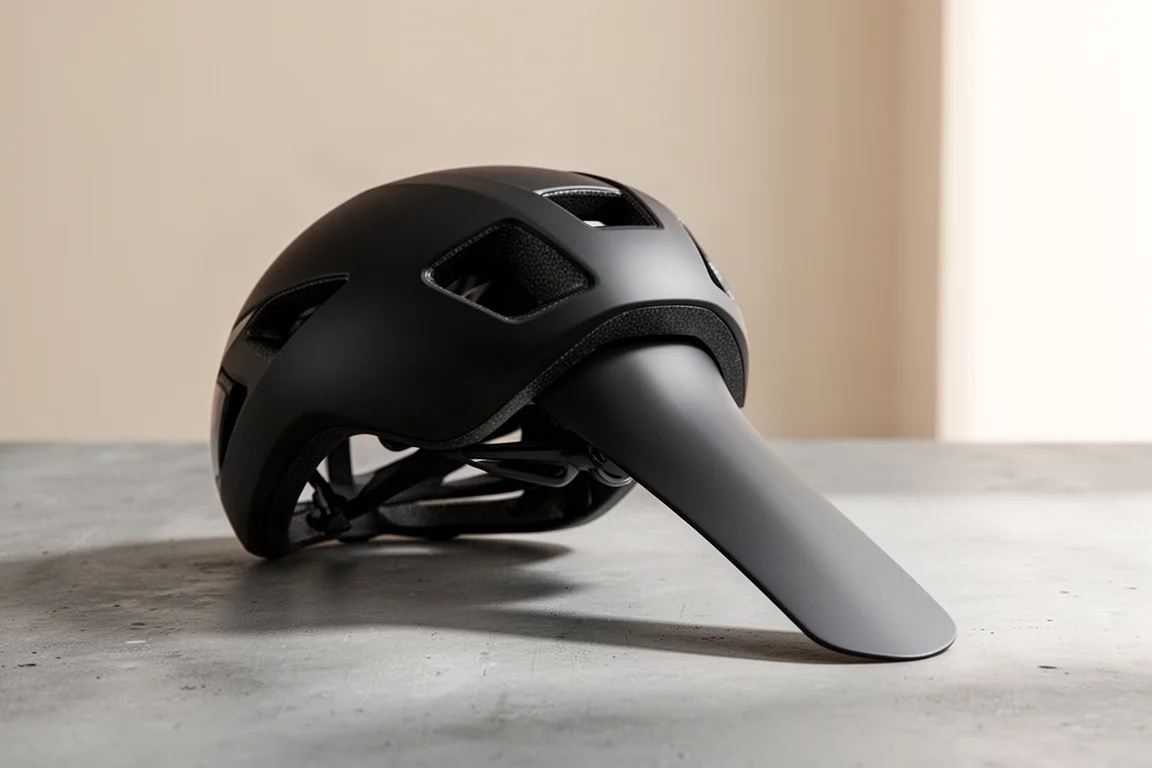
The Met Drone Wide Body is a full aero helmet with one priority: maximum speed in the aero position. Its smooth, elongated shell has almost no vents, and it is designed for a head that stays still and low. In the controlled test, that design delivered gains worth roughly 3 minutes 26 seconds over an Ironman distance.
Those gains come with real compromises. At 370 grams it is 120 grams heavier than the Manta, it runs warmer, and the shell wraps around the face and the back of the head, reducing the ability to move and look around. It is the right tool when you are committed to holding the aero tuck for the entire bike leg and every second counts.
Overall Buying Advice
If your priority is an enjoyable, comfortable race, a standard road helmet remains a perfectly good choice. The moment speed becomes a goal, an aero road helmet should be the starting point, even on hot, slow, or mountainous courses, because its gains outweigh the cost in weight and ventilation.
The decision between the two aero options comes down to how you ride. Choose the Met Manta if you want aerodynamic benefits with better ventilation, less neck strain, and the freedom to move your head. Choose the Met Drone Wide Body if you plan to stay low and still for hours and want the maximum time saving the bike leg can offer.
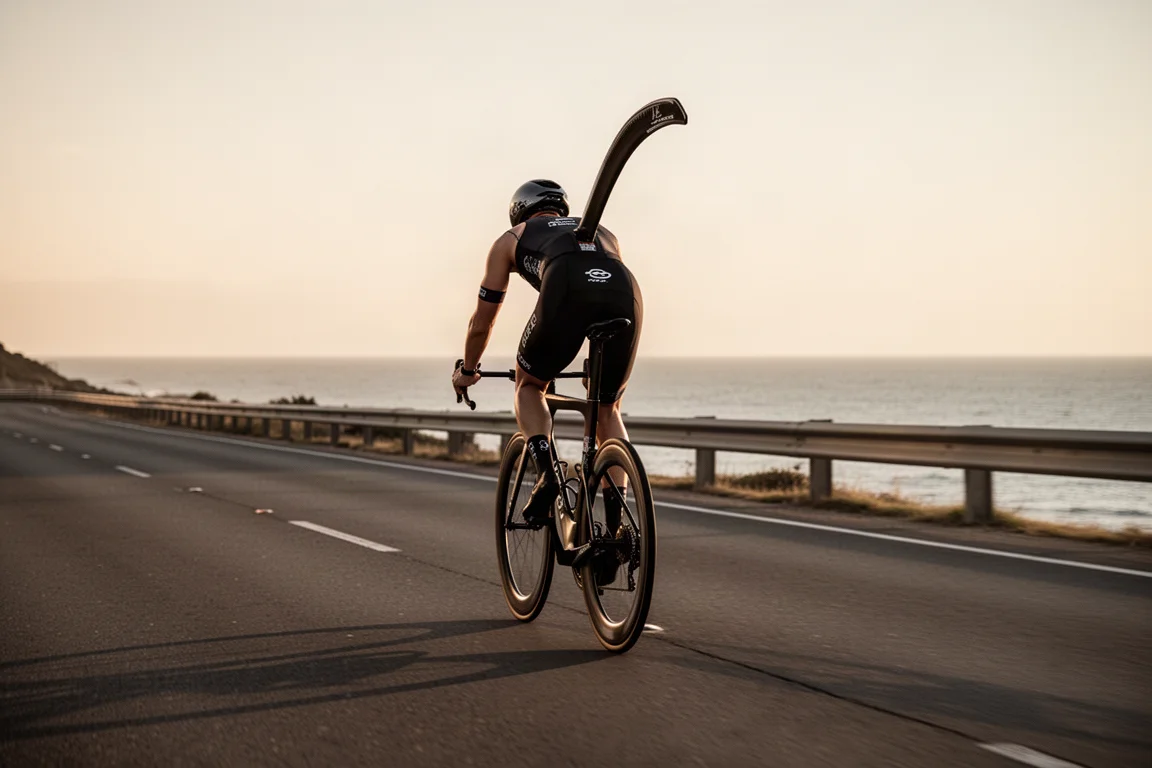
One caution applies to both: do not turn the bike leg into an unpleasant experience for the sake of a few marginal gains. A hot, heavy helmet can make five hours of riding miserable and leave you tired before the run starts. Unless you are genuinely competing for a result, the fastest helmet is only worth it if you can stay comfortable in it. If you do hope to win, the full aero helmet is the one to beat.
Conclusion
The right triathlon helmet depends on the race, your riding style, and your goals. The Met Manta shows how much aerodynamic performance an aero road helmet can deliver without sacrificing ventilation, weight, or head movement. The Met Drone Wide Body shows what a full aero shell can save when you commit to the position.
For most triathletes looking for a meaningful speed upgrade with long-ride comfort, the Met Manta is the balanced pick. For athletes chasing every second in a fixed aero tuck, the Met Drone Wide Body is the fastest way to get them.
Further reading
Related Reviews
Cycling Helmets
ABUS AirBreaker 2 Review: A Climbing Helmet Rebuilt Around Airflow
The ABUS AirBreaker 2 keeps its aero profile and reworks ventilation with wider vents, added side intakes, an internal chimney, ActiCage and MIPS Air Node Pro.
Cycling Helmets
Best HJC Cycling Helmets 2026: Five Options from Entry-Level to Carbon Flagship
A practical guide to five HJC cycling helmets, how to dial in the right fit, and what SLID rotational protection adds at each price point.
Cycling Helmets
Best Road Cycling Helmets 2026: Four Premium Options Compared
A detailed comparison of four high-end road cycling helmets, from the aerodynamic Kask Protone Icon to the innovative Bolle Furo, with real strengths and trade-offs.