Cycling Helmets
Best HJC Cycling Helmets 2026: Five Options from Entry-Level to Carbon Flagship
A practical guide to five HJC cycling helmets, how to dial in the right fit, and what SLID rotational protection adds at each price point.
Introduction
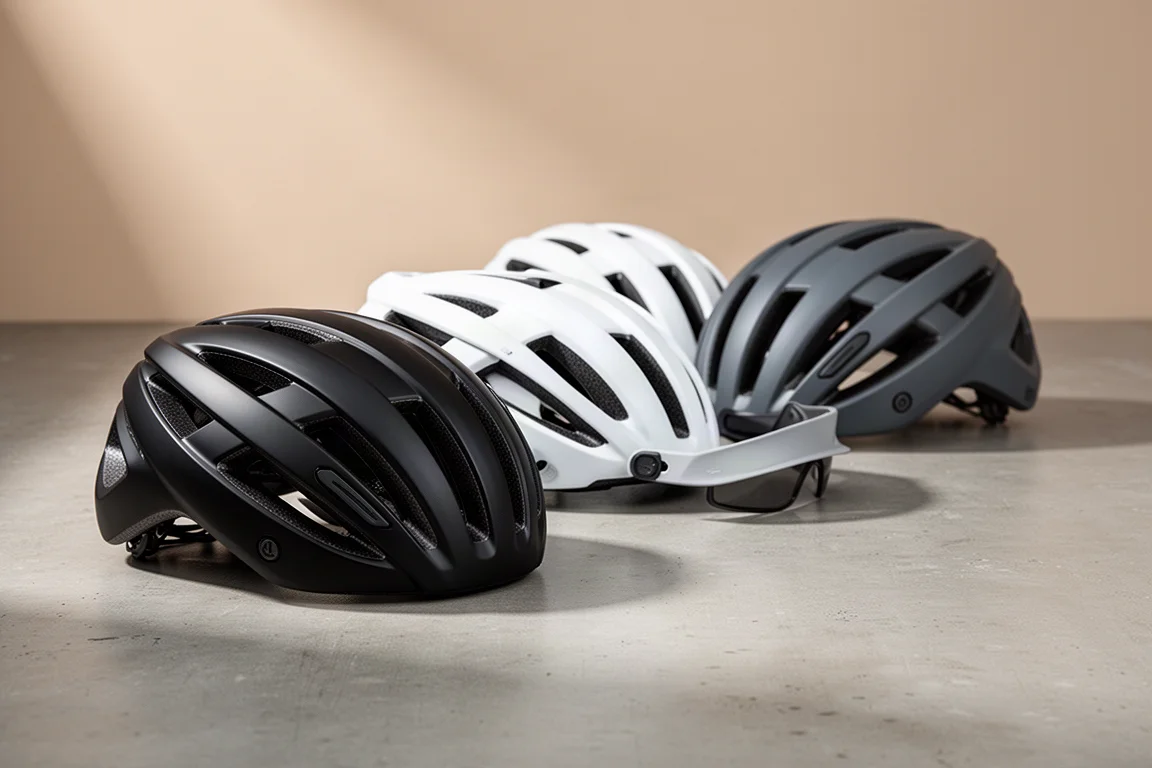
HJC has spent more than 50 years building helmets for motorcyclists, and it now brings that experience to cycling helmets. This guide covers what genuinely matters when you choose a lid: getting the size right, understanding how the retention system works, and knowing which features separate an entry-level helmet from the one a professional team rides.
Two themes run through the range. Fit is adjustable, and the better it is set up, the more comfortable and effective the helmet becomes. And you do not have to spend a fortune to get something good looking and well ventilated.
How to Find the Right Helmet Fit
Most riders have never measured their head. The simple method is a soft tape measure wrapped around the head just above the eyebrows and across the temples. That measurement gives you your helmet size. Trying helmets on and checking the label inside works just as well, because helmets list the size and the size range they cover inside the shell. Helmets are built to fit a range of head sizes rather than one exact measurement.
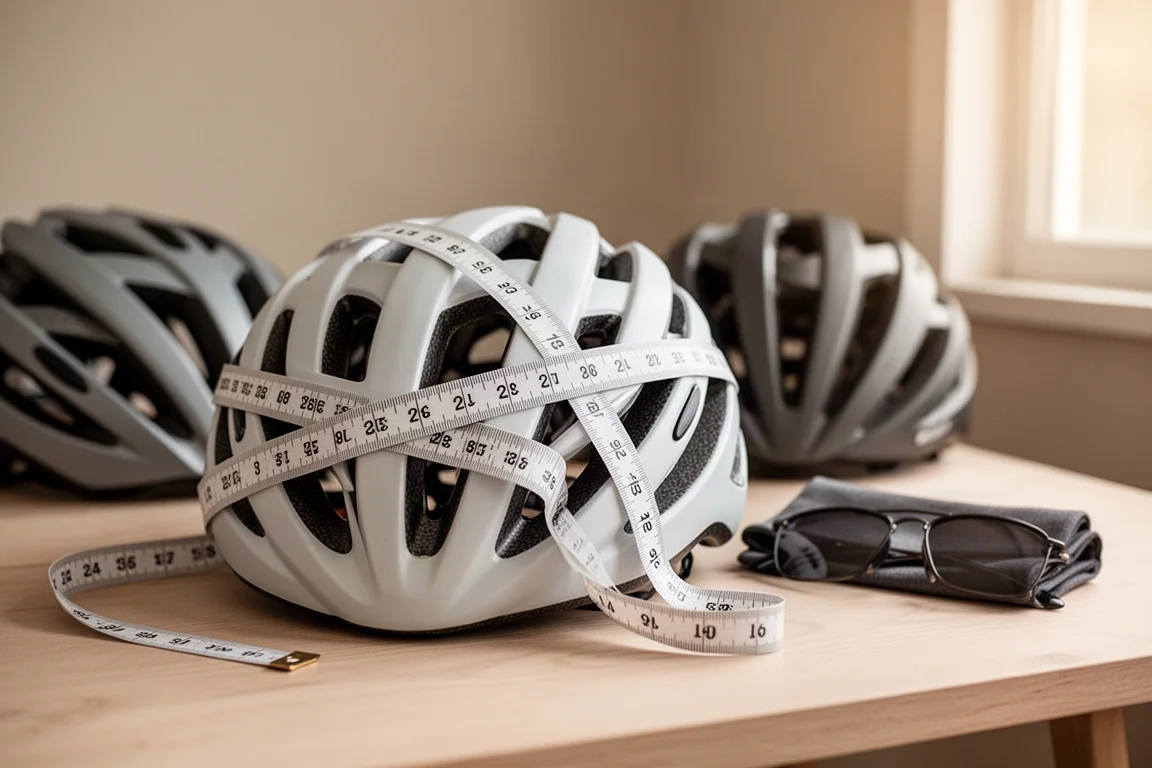
Two things make the fit correct. The first is the padding inside, which can be changed. The second, and more important, is the retention system at the back, which you adjust to hold the helmet securely.
Placement matters as much as adjustment. The retention device belongs at the back of the head, and the helmet should sit level: not so high that half your forehead is exposed, and not so low that it blocks your vision or interferes with sunglasses. The side straps should sit just below the ears, and the chin strap should be snug with roughly two fingers of space between chin and strap. A quick check is to open your mouth wide: the helmet should tug slightly. If it moves around freely, it is too loose.
Rotational Impact Protection: What SLID Adds
Helmets sold in the UK and EU have to meet CE or UKCA standards, and the US and Australia run their own certification systems. Those marks are a baseline. Beyond them, many brands add technology aimed at real-world crashes, and rotational impact protection has been the major development of recent years.
HJC’s approach is called SLID, short for sliding layer impact distribution. It is a thin gel layer inside the padding that lets the head move slightly during a crash, allowing a small amount of rotation to reduce the force transferred to the brain. SLID also works on blunt force impacts by deforming before the EPS shell takes over, which decelerates the head and brain. MIPS is a widely known example of the same broad idea, and the shared goal across these systems is reducing rotational injury in a crash.
Price tiers matter here too. More expensive helmets generally bring better ventilation, more aerodynamic optimisation, quieter airflow and lower weight. Whether that is worth the extra spend depends on how and where you ride.
HJC Crosser: The Entry-Level All-Rounder
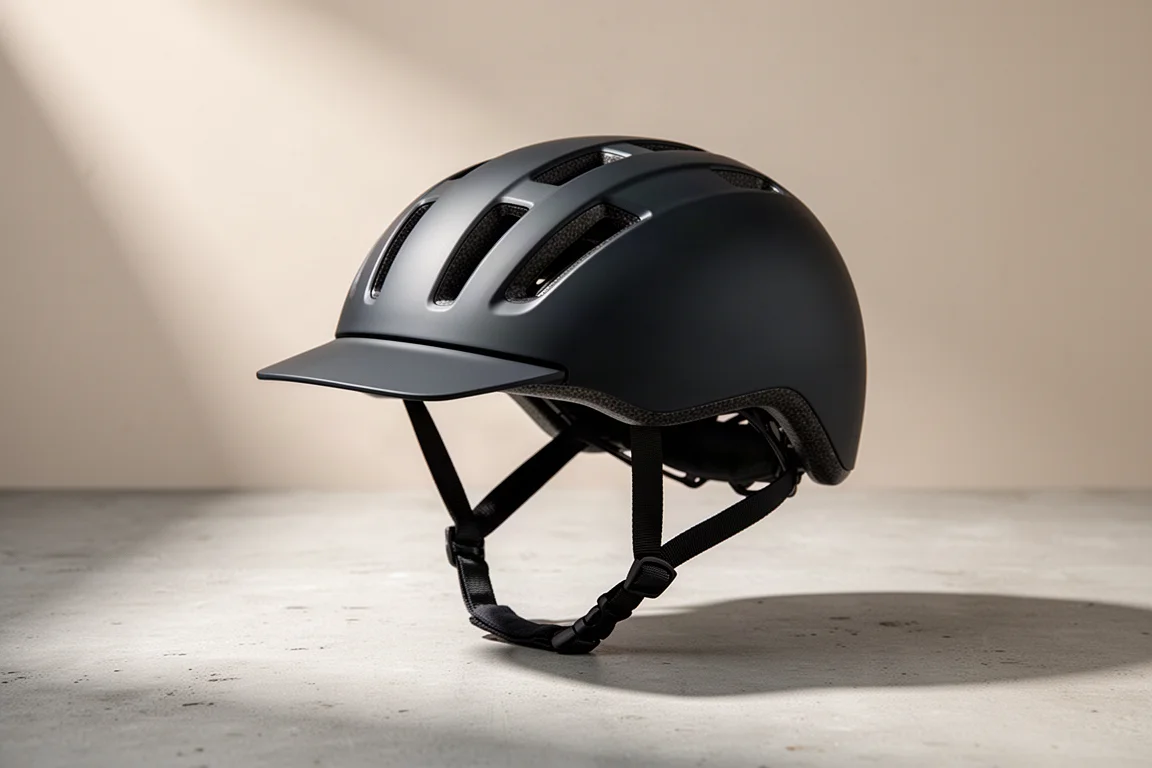
The range starts at around £80 in the UK with the Crosser. It is lightweight, breathable and good looking, and it uses a classic rear dial retention system that is easy to set up and adjust. A removable peak lets it move between gravel, city and road riding.
For riders who want a single helmet that covers a bit of everything without a large outlay, it is a very solid option for the money.
HJC Valeco 2: Self Fit and Cool Path
Around £140 buys a clear step up in performance: a road-focused design with the Self Fit system and extra cooling channels running over the top of the head, which HJC calls Cool Path.
Self Fit is an automatic self-adjusting retention system that HJC describes as unique in the cycling market. The practical benefit is that the fit is correct every time you put the helmet on. Most retention systems need to be set each ride, and plenty of riders never bother, so this is a genuine difference the first time you try it.
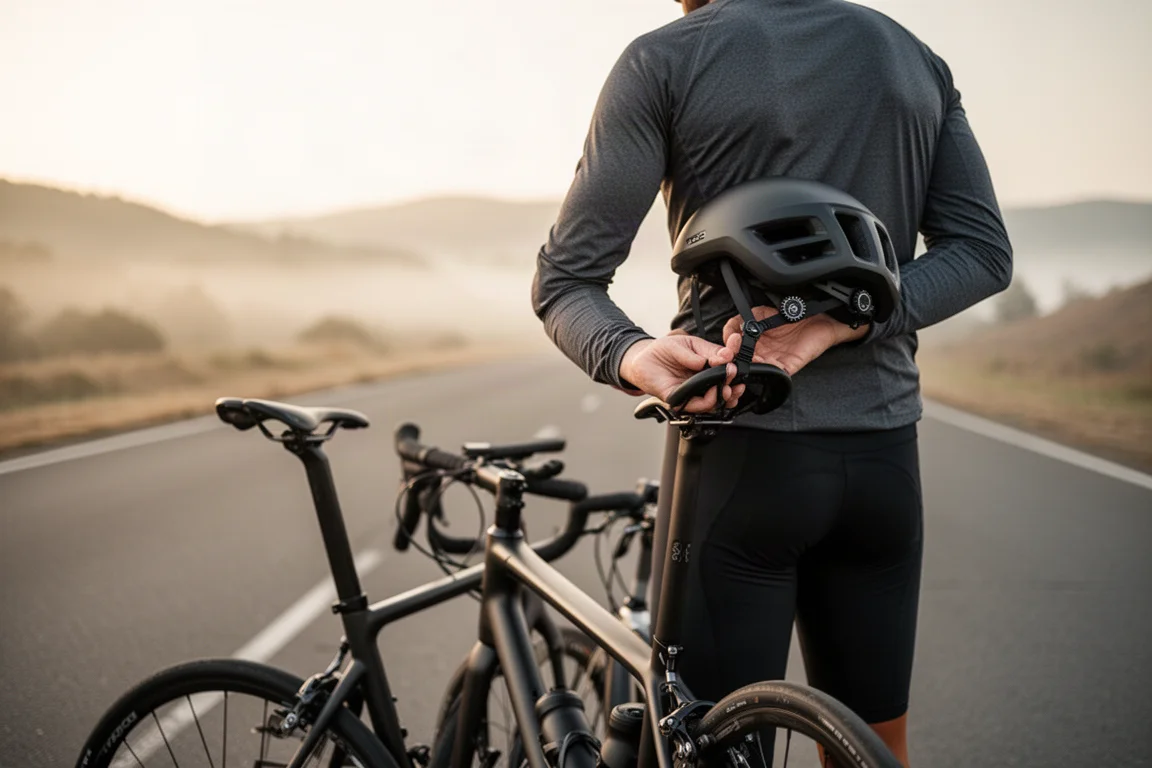
It remains strong value for money and looks the part as well, which makes it an easy recommendation for road riders moving up from an entry-level lid.
HJC Bellus: More Coverage for Gravel and Bikepacking
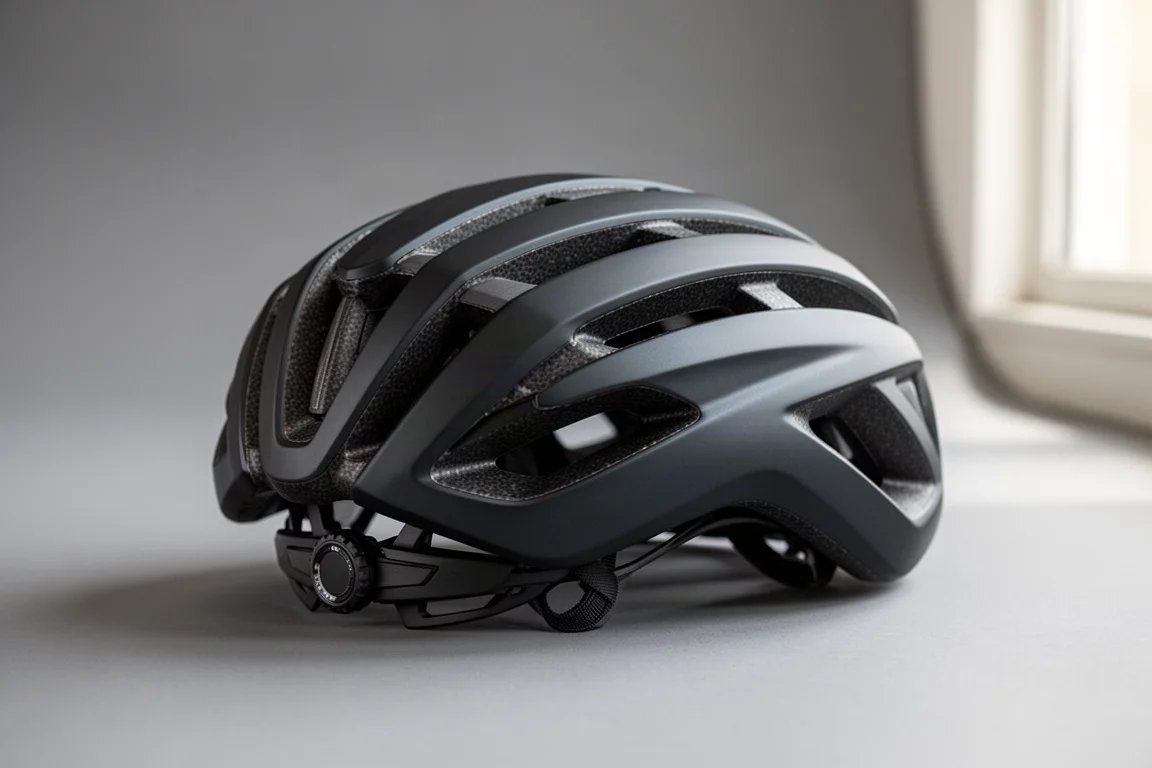
The Bellus offers bigger coverage, with a low cut at the sides and back, and it suits gravel and bikepacking particularly well. It also adds a SLID layer inside for rotational impact protection, which is a notable inclusion at its position in the range.
It has been a regular off-road choice over the past two years and delivers a good balance of technology and price.
HJC Furion 3: Aero Focused and Quiet in the Wind
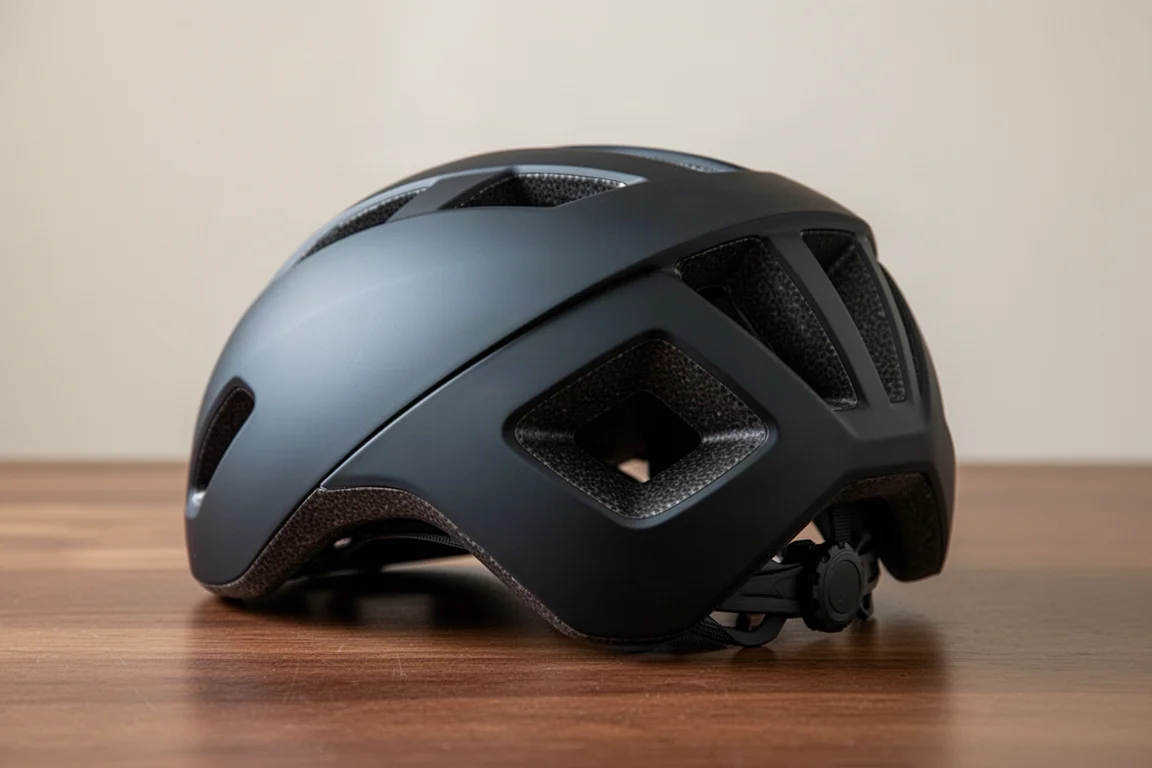
The Furion 3 is the helmet used by a professional cycling team, and it is built for long, fast road rides: aero optimised, light, and notably quiet in the wind.
It adds Self Fit Pro, which brings a small dial on the retention device for finer adjustment, along with room for a ponytail. That is a small touch, but riders with longer hair will appreciate it. Premium details include antibacterial pads.

For riders chasing speed on tarmac who want a precise, quiet fit, this is the model in the range that lines up with that goal.
HJC Ibex 3: The Carbon Flagship
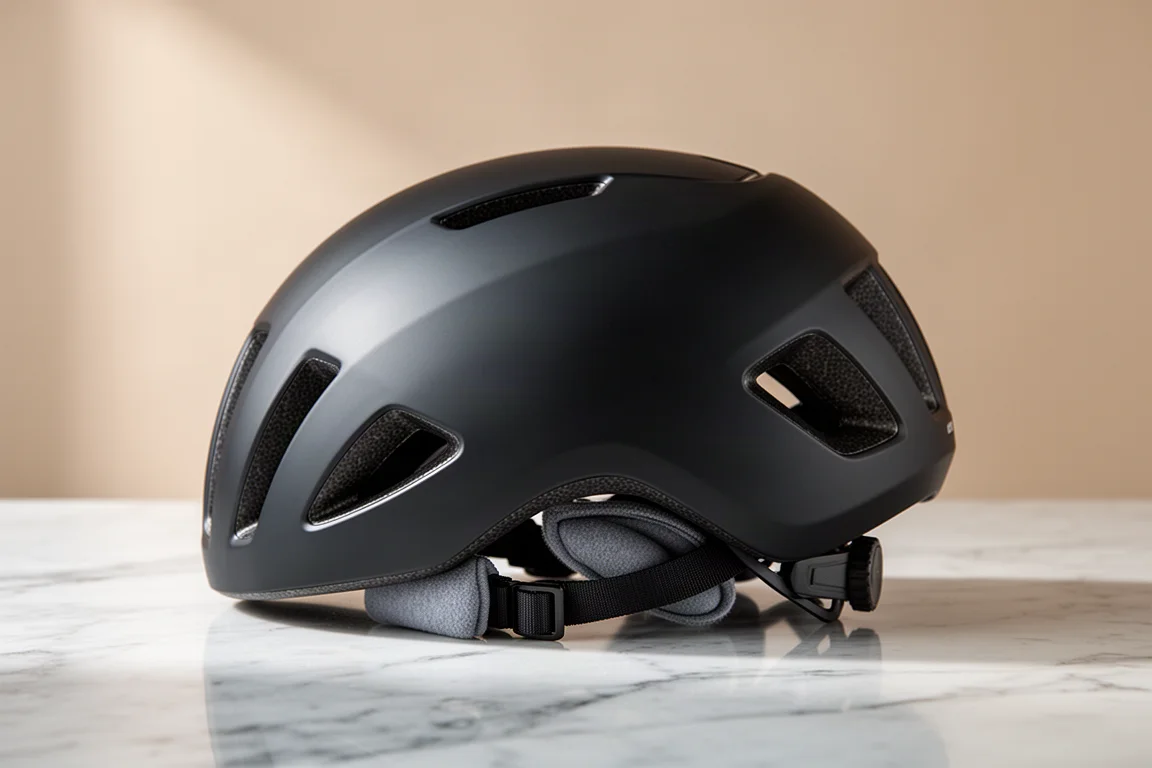
At the top of the range sits the Ibex 3, with a fully reinforced carbon fiber shell and an incredibly light build. It is positioned as the refined, purpose-built option at the head of the lineup: not just fast, but the most premium helmet HJC offers.
Buying Advice: How Much Do You Need to Spend?
The honest answer is that the entry point is lower than many riders expect. The Crosser at around £80 covers the essentials: light weight, good ventilation, a removable peak and a dial retention system that is simple to set up.
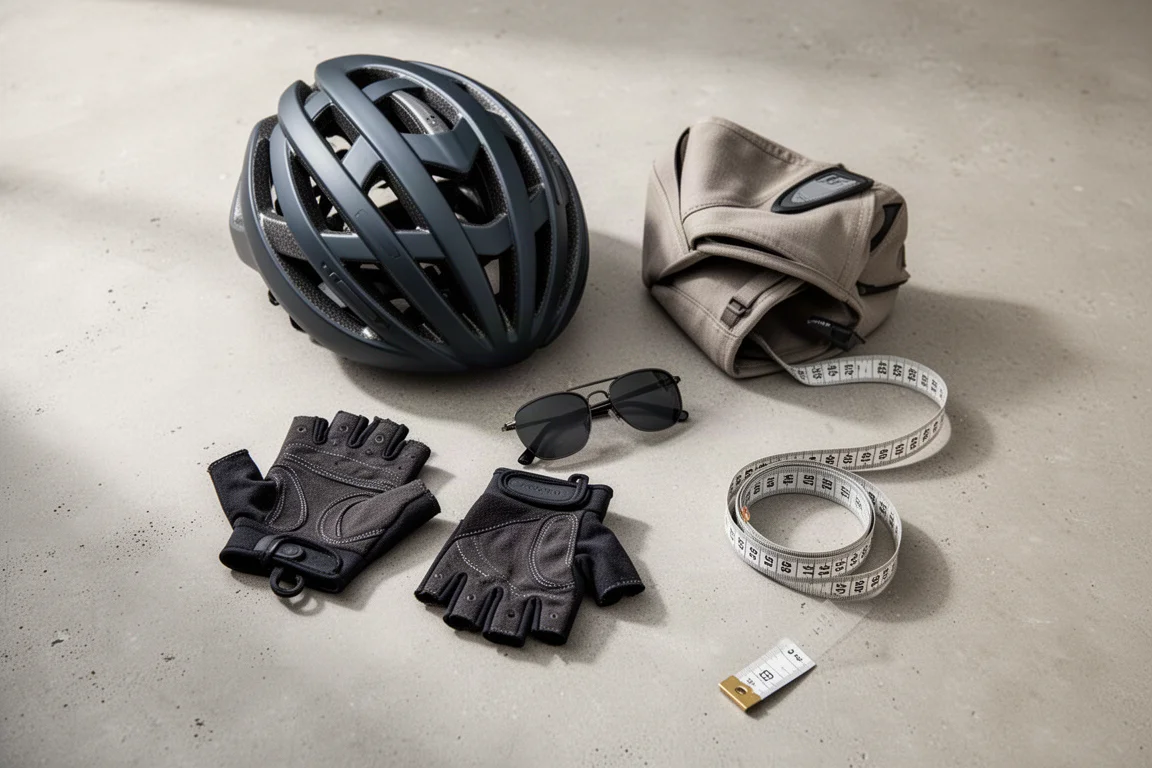
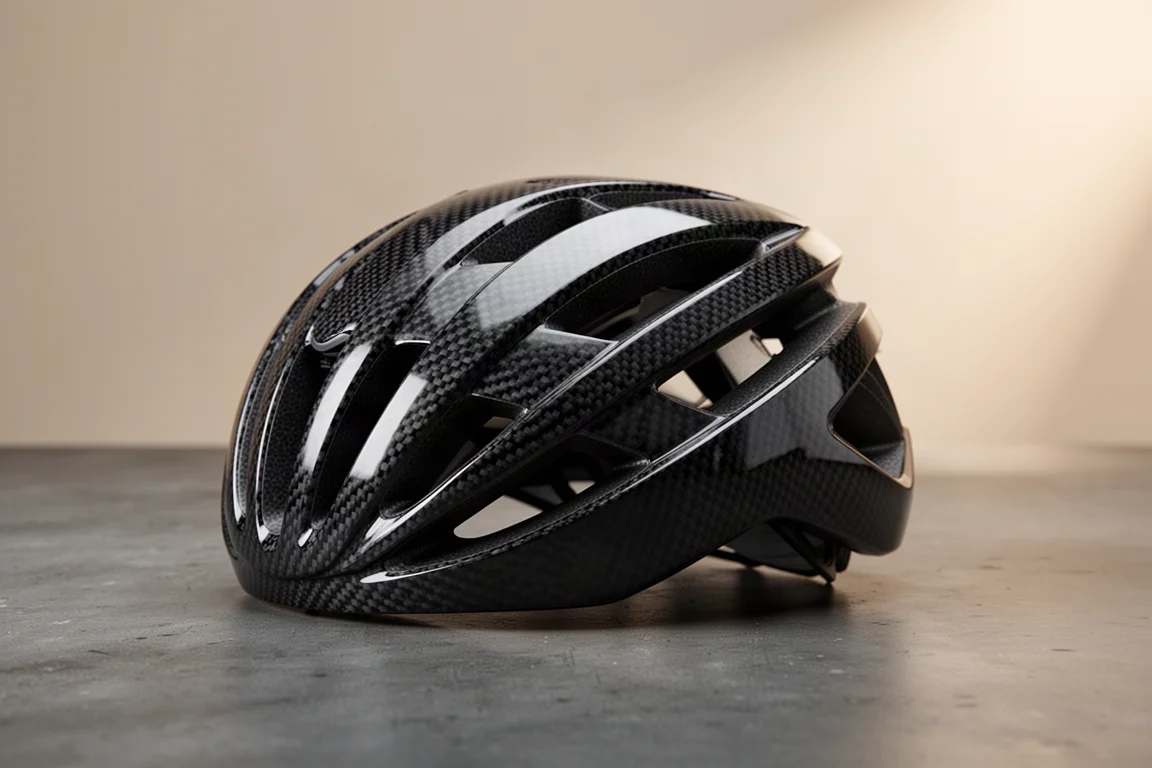
From there, spending more buys specific things rather than vague improvements. The Valeco 2 at around £140 adds Self Fit and Cool Path cooling, which are day-to-day usability and comfort gains. The Bellus adds coverage and a SLID layer for off-road riding. The Furion 3 targets aero efficiency, quiet airflow and finer fit adjustment. The Ibex 3 goes furthest on weight and materials with its carbon shell.
Whichever model you choose, set the retention system, check the strap position and confirm the helmet sits level. A helmet that does not fit will not help much in a crash, so fit is the one thing worth getting right regardless of price.
Conclusion
HJC’s range covers a wide span, from an £80 all-rounder to a carbon flagship, and the differences between tiers are practical rather than cosmetic: fit systems, cooling, coverage, aerodynamics and weight. Measure your head, try the sizes that bracket your measurement, and pick the tier that matches how you actually ride. Self Fit and SLID stand out as the two features most worth understanding across the lineup, and both appear well below the top of the range.
Further reading
Related Reviews
Cycling Helmets
ABUS AirBreaker 2 Review: A Climbing Helmet Rebuilt Around Airflow
The ABUS AirBreaker 2 keeps its aero profile and reworks ventilation with wider vents, added side intakes, an internal chimney, ActiCage and MIPS Air Node Pro.
Cycling Helmets
Best Road Cycling Helmets 2026: Four Premium Options Compared
A detailed comparison of four high-end road cycling helmets, from the aerodynamic Kask Protone Icon to the innovative Bolle Furo, with real strengths and trade-offs.
Cycling Helmets
Budget Cycling Helmets Compared: Van Rysel RCR vs Met Trenta vs Kask Protone
Three affordable cycling helmets tested side by side. The Van Rysel RCR offers exceptional value, while the Met Trenta and Kask Protone provide proven alternatives at different price points.