Cycling Helmets
ABUS AirBreaker 2 Review: A Climbing Helmet Rebuilt Around Airflow
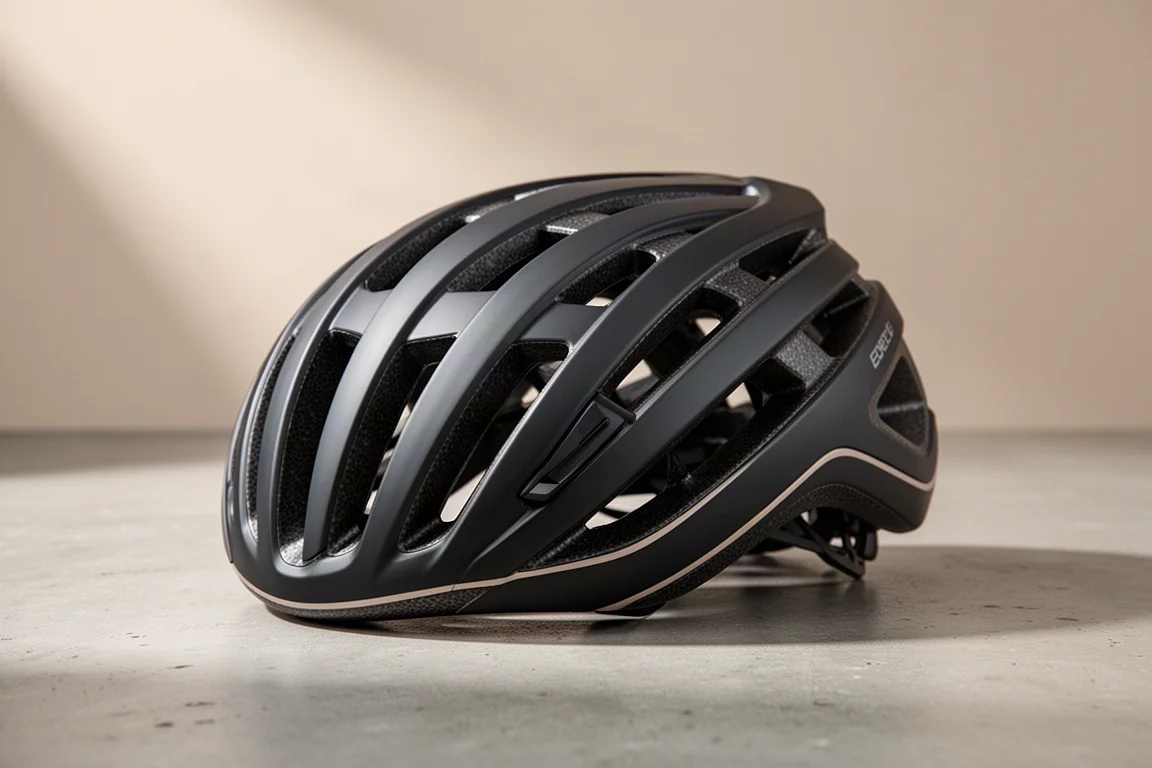
The ABUS AirBreaker 2 keeps its aero profile and reworks ventilation with wider vents, added side intakes, an internal chimney, ActiCage and MIPS Air Node Pro.
Introduction
The ABUS AirBreaker 2 is the second generation of a helmet built around a single, clearly stated brief: moving more air through the shell during long, exhausting climbs. Rather than chasing a new silhouette, ABUS kept the aerodynamic profile of the original AirBreaker and reworked the ventilation system underneath it, widening and lengthening the vent openings and adding two additional vents on the sides. The helmet is described as both faster and better ventilated than the model it replaces.
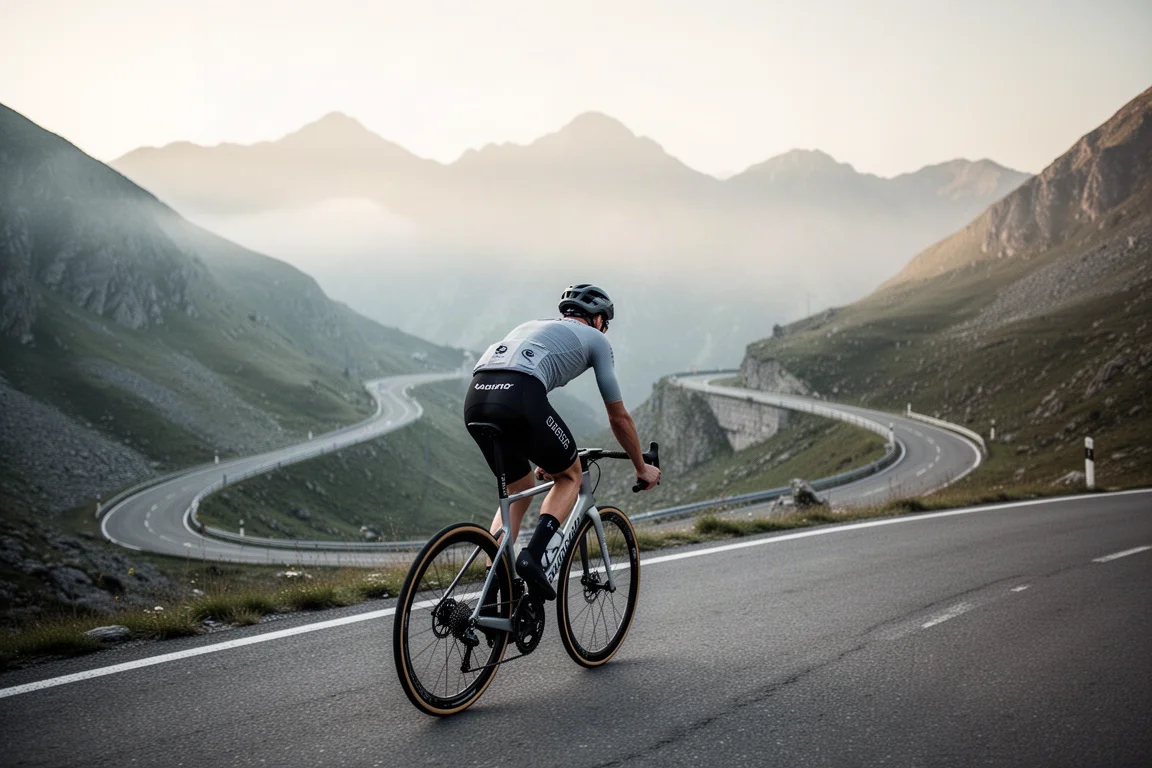
That combination is the interesting part. Ventilation and aerodynamics usually pull against each other, and the AirBreaker 2 is designed to reduce that tension instead of picking a side. The same revision carries into safety, where the helmet pairs MIPS Air Node Pro with the brand’s internal ActiCage reinforcement.
Who This Helmet Is For
The AirBreaker 2 is aimed at riders who spend their hardest days going uphill. The design work started from the demands of professional riders, who push ventilation and aerodynamics harder than most and notice when a helmet traps heat on a long ascent.
If your riding is mostly short commutes or relaxed weekend loops, the specific gains here will matter less. The helmet makes the most sense for sustained climbing efforts, long mountain days and races where heat build-up and airflow are genuine performance variables rather than background detail.
It is also relevant for riders who wear large sunglasses. The ventilation layout is deliberately arranged so that airflow continues through the helmet even when big eyewear covers more of the face.
Ventilation and Aerodynamic Design
The most visible change is the vent geometry. The openings are wider and longer than before, and two extra vents have been added on the sides. Those side intakes were placed to target areas that showed up as hot spots during ABUS temperature testing, so the airflow is directed rather than simply increased.
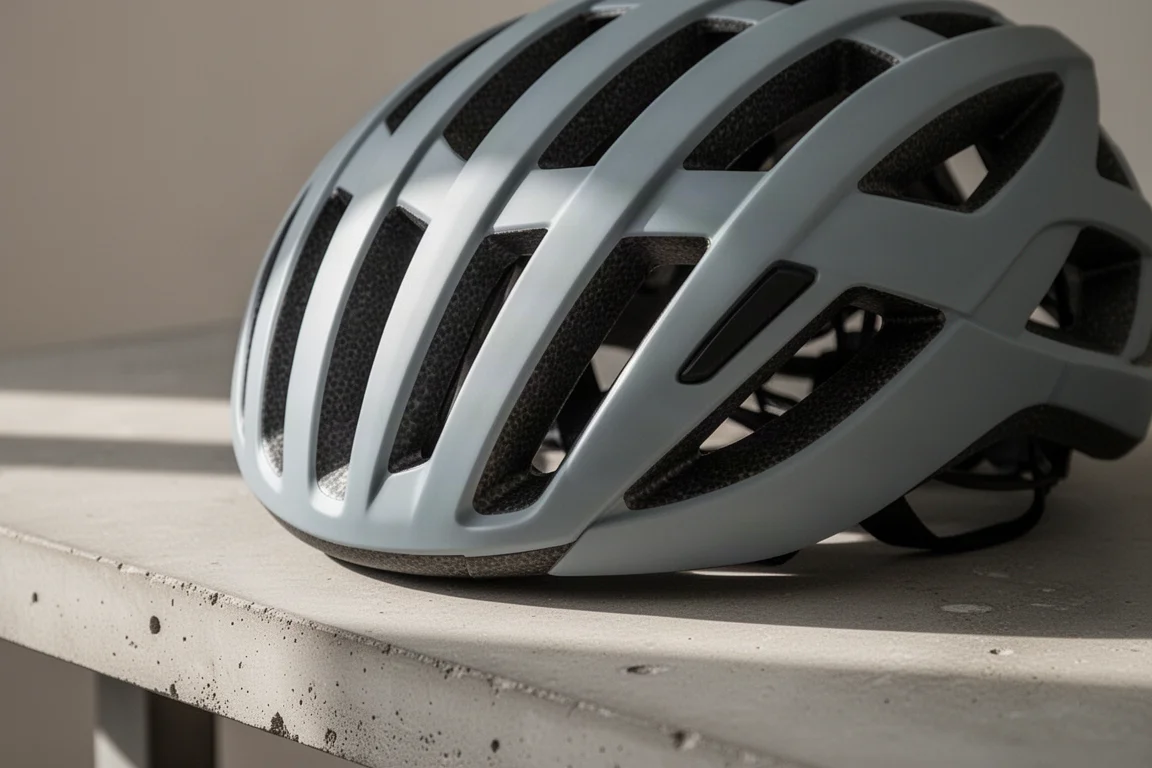
A second element sits in the middle of the helmet: an internal chimney designed to let air pass through the shell even when the rider is wearing very large sunglasses. The overall approach is to keep the vents straight and long enough that air can enter at the front and travel cleanly through the helmet and out the back. ABUS points out that plenty of helmets offer large front vents with very little exhaust at the rear, and that ventilation and aerodynamics do not automatically cooperate when the vent layout is not designed as a single system.
On the aerodynamic side, the centre section borrows from what ABUS developed for the GameChanger 2, which uses a similar vent grid in that area. Dead ends that trapped air in the first AirBreaker have been removed, so airflow can pass through the shell more easily without creating drag.
ActiCage and MIPS Air Node Pro
Ventilation gets most of the attention in helmet marketing, but ABUS frames safety as the foundation. Every AirBreaker 2 is built around ActiCage, an internal structural reinforcement that makes the helmet notably rigid. The carbon component visible in the construction is part of that whole cage rather than a decorative trim piece.
The comparison ABUS uses is reinforced concrete: the cage plays the role of the steel and the EPS foam plays the role of the concrete, with the two materials working together rather than separately. It is a useful way to understand why the internal structure matters as much as the outer shell.
On top of that, the helmet is equipped with MIPS Air Node Pro, described as the newest MIPS system from the Swedish developers behind the technology. It puts a low-friction layer inside the helmet to manage rotational forces in an impact, and the low-profile construction keeps it from interfering with the ventilation design.
Development With Professional Riders
The AirBreaker 2 was developed alongside professional riders, whose technical departments expect the best equipment rather than simply agreeing to wear whatever is supplied. That input shaped which changes were worth making and how the helmet would actually be worn in race conditions.
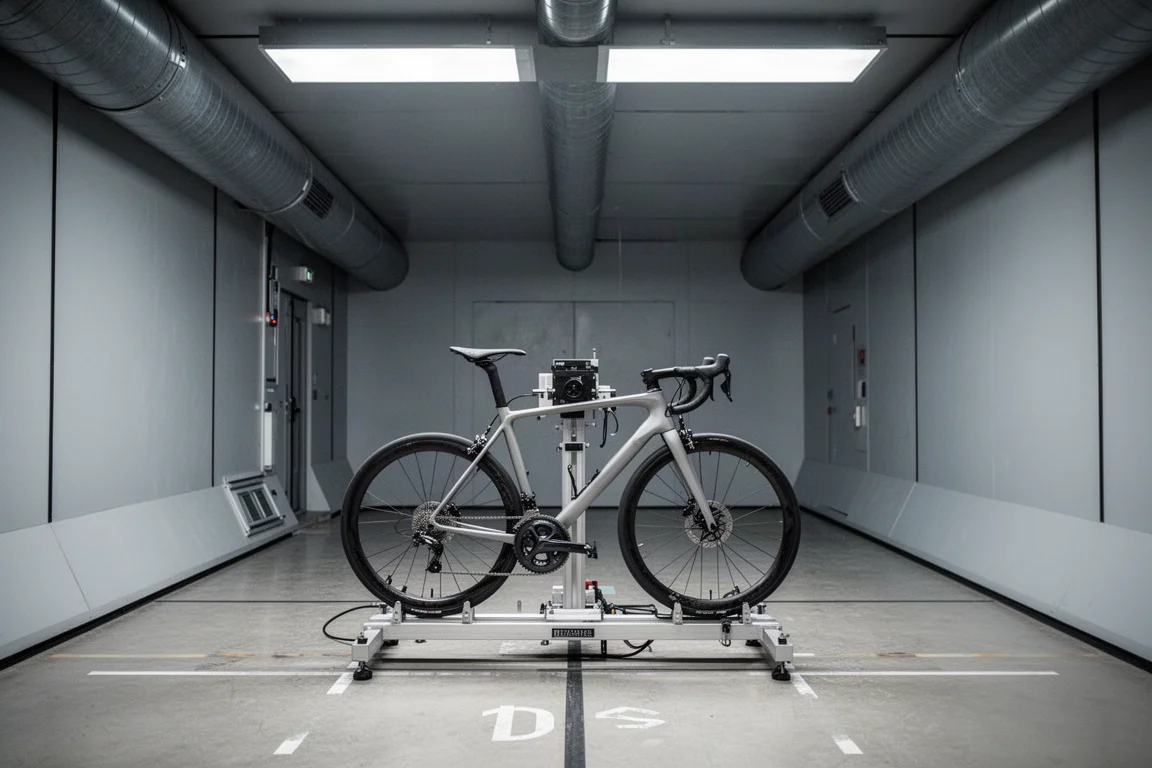
Testing took place in wind tunnels at Silverstone and in Switzerland, along with time spent in bike wind tunnels. ABUS describes these sessions as central to understanding what to improve and how to improve it, because the feedback loop runs both ways: riders identify the problem on the road, and the tunnel work quantifies whether the fix performs. For a helmet that lives or dies on airflow, that combination of rider feedback and controlled measurement is the most credible development story a brand can tell.
Things to Consider Before Buying
The AirBreaker 2 is a performance-focused helmet, and it is positioned that way. Riders shopping primarily on price should compare it against the rest of the ABUS range before committing, since the engineering here is concentrated on climbing performance, airflow and structural reinforcement rather than on value.
Because the vent layout is tuned around sustained efforts and heat management, riders who want maximum coverage or a closed-feeling shell may prefer a different style of helmet. The AirBreaker 2 is deliberately open, with long vents intended to be seen through.
Fit remains the deciding factor for any helmet. No amount of ventilation or aero work compensates for a shell that does not sit correctly on your head, so try it with the eyewear you actually ride in, especially if you use oversized sunglasses.
Buying Advice
If your priorities are staying cool on long climbs, keeping aero drag low and wearing large sunglasses without blocking airflow, the AirBreaker 2 addresses all three in a single design. The widened vents, added side intakes and central internal chimney are the tangible outcomes of that thinking, and the ActiCage structure plus MIPS Air Node Pro round out the safety side of the package.
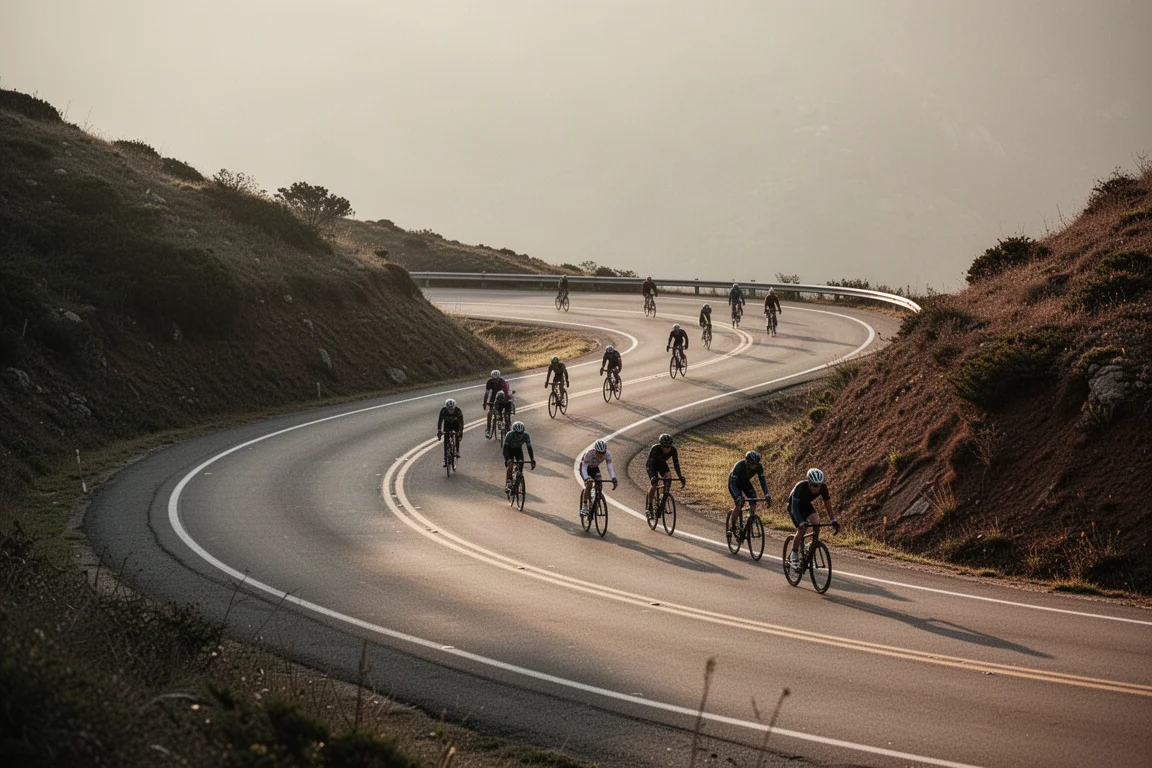
If you want a helmet for general riding, mixed terrain or casual use, the case is weaker, and the money may be better spent elsewhere. But for riders who measure a helmet by how it behaves on a twenty-minute climb in the heat, the AirBreaker 2 is a considered upgrade over the original rather than a cosmetic refresh.
Conclusion
The ABUS AirBreaker 2 does not reinvent its shape. It widens and extends the vents, adds targeted side airflow, introduces an internal chimney for riders in large sunglasses, clears the dead ends that restricted airflow before, and backs it all up with ActiCage rigidity and MIPS Air Node Pro. For climbers who care about ventilation and aero performance at the same time, that is a coherent and well-argued set of improvements.
Product link
View more details for ABUS AirBreaker 2
This product is mentioned in the review. Check the specifications, options, and compatibility before buying.
View more details for ABUS AirBreaker 2Further reading
Related Reviews
Cycling Helmets
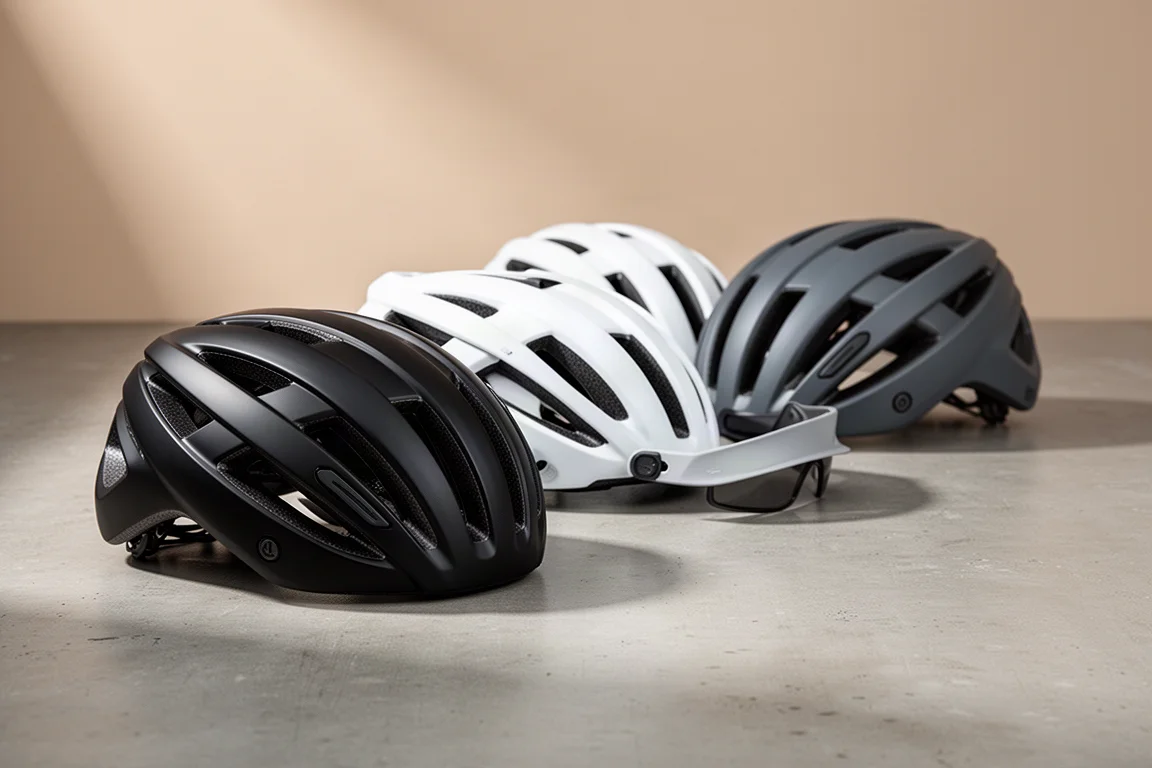
Best HJC Cycling Helmets 2026: Five Options from Entry-Level to Carbon Flagship
A practical guide to five HJC cycling helmets, how to dial in the right fit, and what SLID rotational protection adds at each price point.
Cycling Helmets
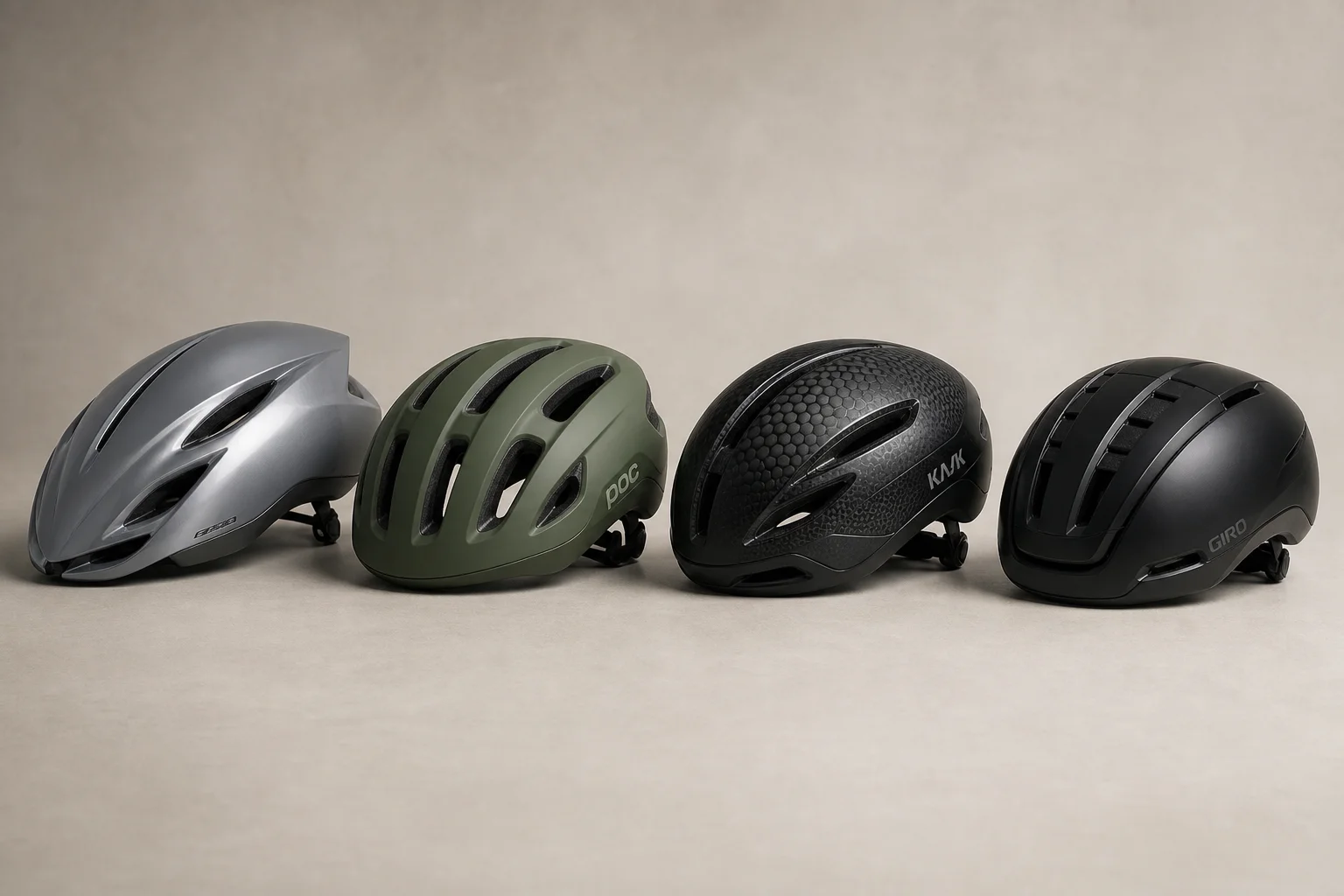
Best Road Cycling Helmets 2026: Four Premium Options Compared
A detailed comparison of four high-end road cycling helmets, from the aerodynamic Kask Protone Icon to the innovative Bolle Furo, with real strengths and trade-offs.
Cycling Helmets
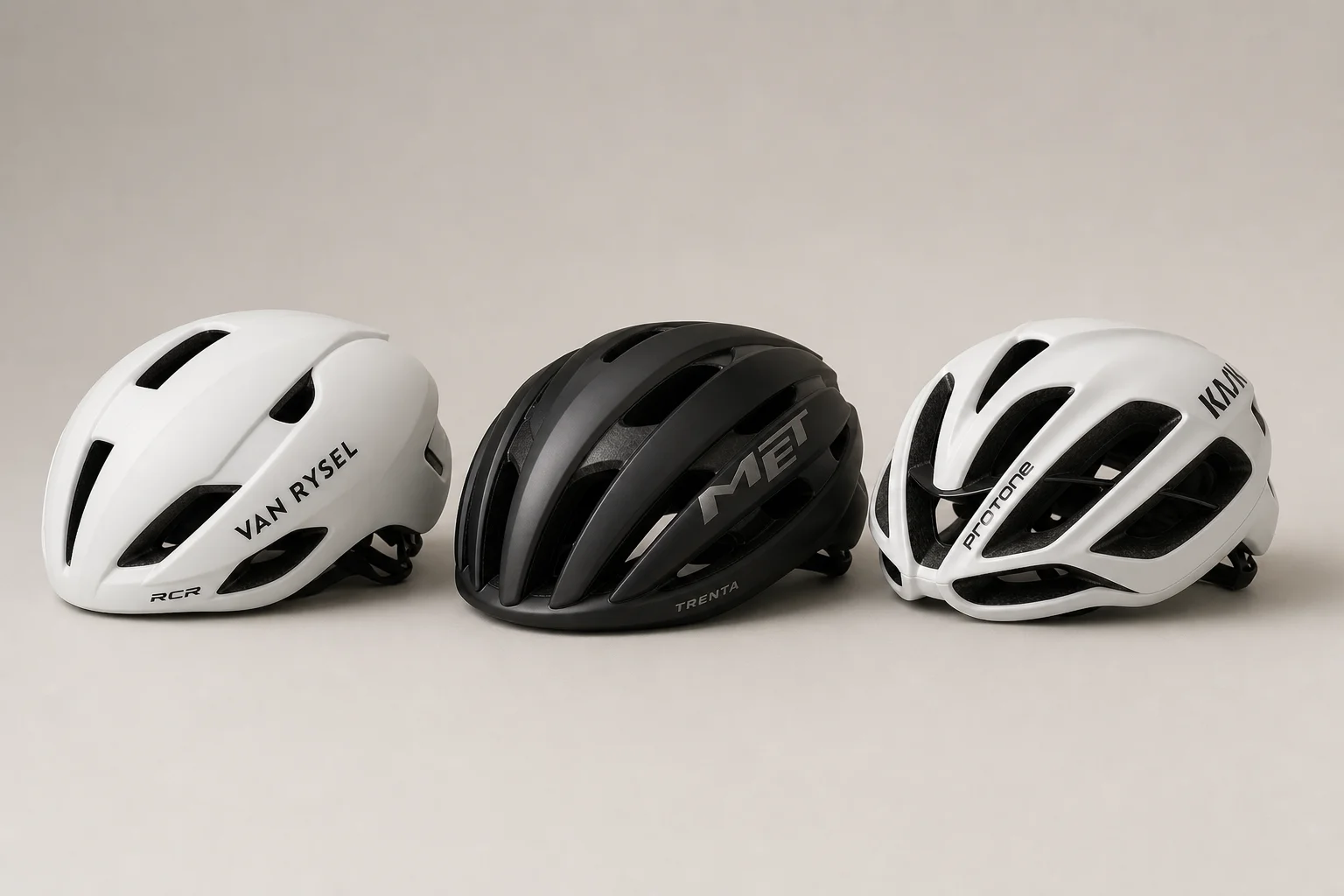
Budget Cycling Helmets Compared: Van Rysel RCR vs Met Trenta vs Kask Protone
Three affordable cycling helmets tested side by side. The Van Rysel RCR offers exceptional value, while the Met Trenta and Kask Protone provide proven alternatives at different price points.