Road Bikes
Merida Reacto 9000 Review: Aero Race Speed Without the Usual Price Tag
The fifth generation Merida Reacto 9000 pairs a light CF5 carbon frame with Shimano Ultegra Di2, deep-section Reynolds wheels and a left-sided power meter. Here is where it shines and what to weigh up first.
Introduction
The fifth generation Merida Reacto lands six years after the model it replaces, and that gap matters. Aero development and the racing rulebook have both moved on considerably in that time, and the new bike reflects those changes rather than simply repainting the old platform.
At a glance the new Reacto shares a family resemblance with its predecessor, but the front end, the rear triangle and the seat post are all substantially reworked. Merida has been clear about the goal: build one of the fastest aero race bikes available, and do it without the price tag that normally comes with that kind of performance.
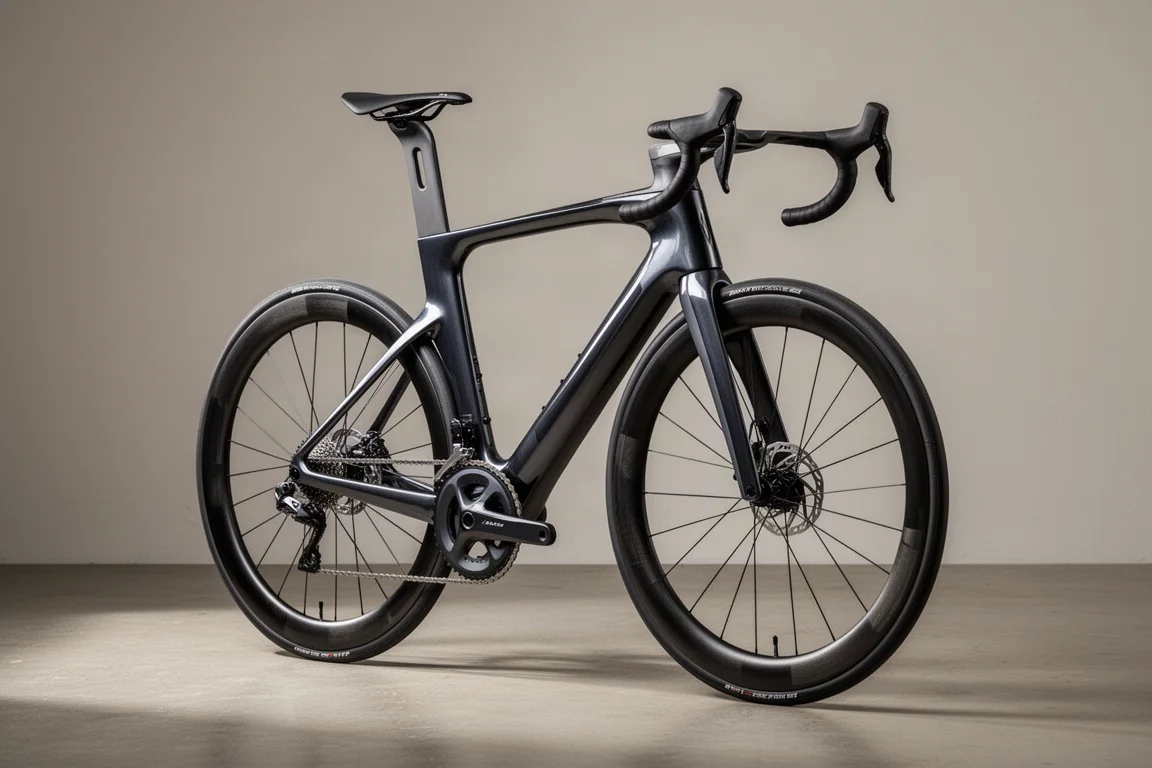
The Reacto 9000 sits near the top of the range without reaching the very top. It pairs the lightest carbon frame grade in the line-up with Shimano Ultegra Di2, deep-section Reynolds wheels and a left-sided power meter. On paper that is a race-ready specification. On the road, it largely delivers.
Who the Merida Reacto 9000 Is For
This is a bike with a clear personality, and it suits a specific kind of rider. If your week includes a fast chain gang, a longer quicker club ride or a road race where you want every aerodynamic advantage you can get, the Reacto 9000 is built squarely for that.
It is also a genuinely good value proposition within the aero race category. Deep-section carbon wheels, an Ultegra Di2 groupset and a power meter are the specification you would hope for at this level, and Merida delivers them for less than several better-known rivals charge for comparable builds.

Where it fits less naturally is as an everyday bike. The low front end and the swept-forward handlebar place you in an aggressive position, and riders who mostly cruise at an easy pace on rough roads will find the geometry demanding rather than relaxing.
There is also a practical availability caveat for international buyers. Shoppers in the United States cannot buy the Reacto, which is a real loss given how much performance and value the bike offers. Buyers in markets where Merida is distributed get the full benefit.
Frame and Aero Design
The new fork has a wider stance with slimmer blades, and the head tube is noticeably deeper and narrower than before, sculpted around the junction with the down tube. Together they give the front end a sharp, fast profile. The down tube is broad and feeds into a shelf-style bottom bracket shell with a press-fit bottom bracket, while the top tube is almost horizontal, slender, and tapers as it approaches the seat tube.
The rear of the bike has changed just as much. Where the previous generation seat tube hugged the rear wheel, the lower section below the dropped rear stays is now much slimmer to save weight, with no claimed penalty to aerodynamic performance. The distinctive dropped stays emerge from the seat tube with a stepped shelf before running straight down, and there is a new aero seat post with a cut-out section designed to allow more flex and improve compliance. Two bolts clamp the seat post in place, and the slimmer post means a Di2 battery no longer fits inside it, moving into the down tube instead and saving roughly 100 grams.
Tyre clearance has grown to 32 mm, although the bike is supplied with 28s. Two frame grades are offered with identical aero features: CF5, the lightest, with a claimed weight of 950 g in size medium, and CF3, which adds around 230 grams. The Reacto 9000 uses the CF5 frame.
Aero Performance and Speed
Merida’s own aerodynamic figures are striking, though as with any manufacturer claim they deserve a degree of caution. Under the Tour magazine test protocol at 45 km/h, the new Reacto records 196 watts in a heavily optimised build using deep-section DT Swiss wheels, a 1x Classified gearing setup and the V-shaped handlebar. Switch to a more conventional build with shallower wheels and a 2x SRAM or Dura-Ace configuration and the figure rises to 202 watts.
That second number is arguably the more relevant one, because it reflects a standard off-the-shelf aero bike rather than a special build. It is still a very strong result.
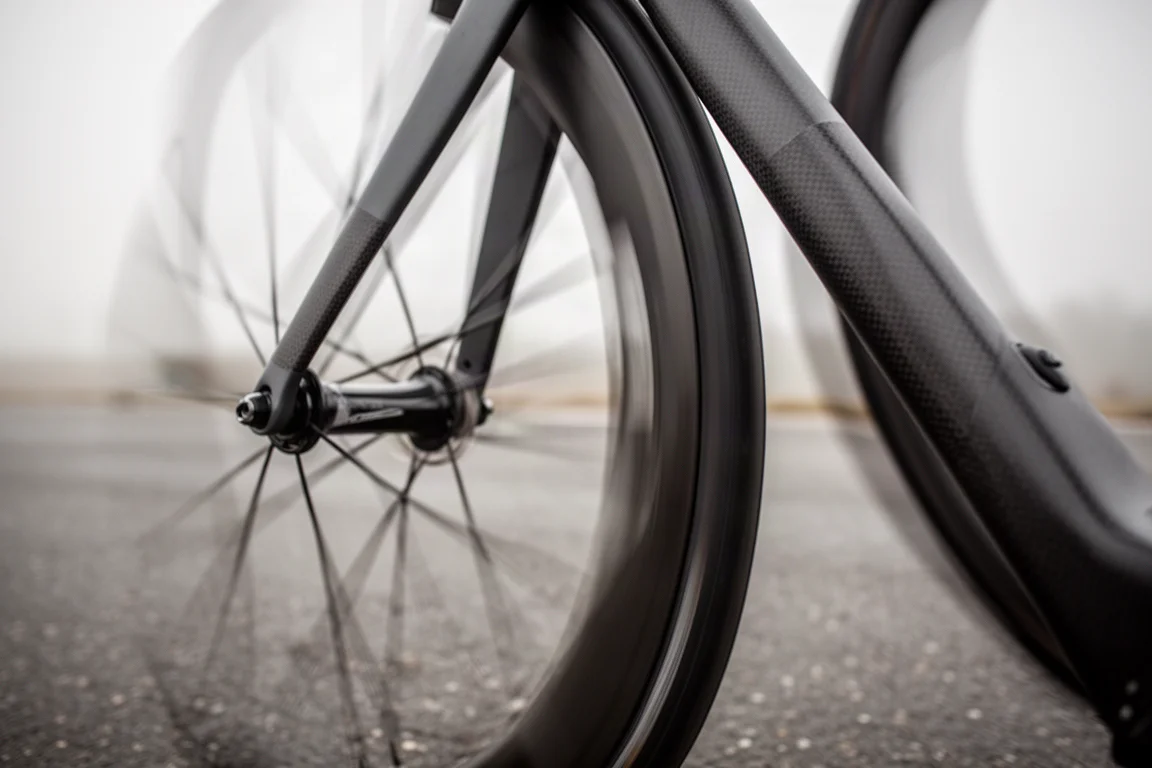
Out on the road, the numbers translate into the feeling you would hope for. This is one of the fastest aero road bikes available in this class, and it carries itself with the same character as the leading carbon aero racers: speed, sharp acceleration, stiffness and a sense of aggression that builds the harder you push.
It is worth being measured about that, though. Claimed wattage savings and real-world road feel do not always match up neatly, and riders who want a complete picture should look for independent aerodynamic testing as it becomes available. What is not in doubt is that the Reacto is quick in a straight line and holds speed extremely well.
Ride Quality and Comfort
Aero race bikes have a long reputation for being harsh, and the price of speed used to be a punishing ride. The current generation has largely moved past that, and the Reacto sits firmly in the smoother camp. Over the weeks spent riding it, the bike has been notably more comfortable than its category usually suggests.
It is not, however, the most plush bike in the class. There is a fair amount of feedback coming up through the handlebar in particular, and through the Prologo saddle, and it is not as subtly smooth as some of the softer aero and all-round race bikes. Some of that comes down to the 28 mm tyres fitted as standard, which are narrow by modern standards. Moving to 30 mm or 32 mm rubber is an easy way to add comfort for riders who want to use the bike over longer distances rather than purely for racing.
The cut-out in the seat post is designed to help here, and it is a genuinely interesting piece of design. It encourages the post to flex, and the assembly does move slightly in use. Whether the comfort gain justifies the extra complexity is a fair question, and it is one of the small points worth thinking through before buying.
Handling and Race Positioning
The geometry is broadly typical of a modern race bike. The stack and reach ratio compares well with other racing frames, and neither the head tube angle nor the seat tube angle is unusual. What does change the picture is the inline zero-offset seat post, which pushes the rider further forward than a more traditional race setup, combined with the low front end and the swept-forward handlebar shape.
The result is a very aggressive position, and it is the reason the bike feels so at home at speed. On flat rolling roads and in a fast group it is brilliant: stable, stiff, confidence-inspiring and eager to hold a hard tempo with your head down in the drops. The chunky down tube and bottom bracket junction give it the stiffness to convert effort into forward motion, and the low position makes it easy to tuck in and stay there.
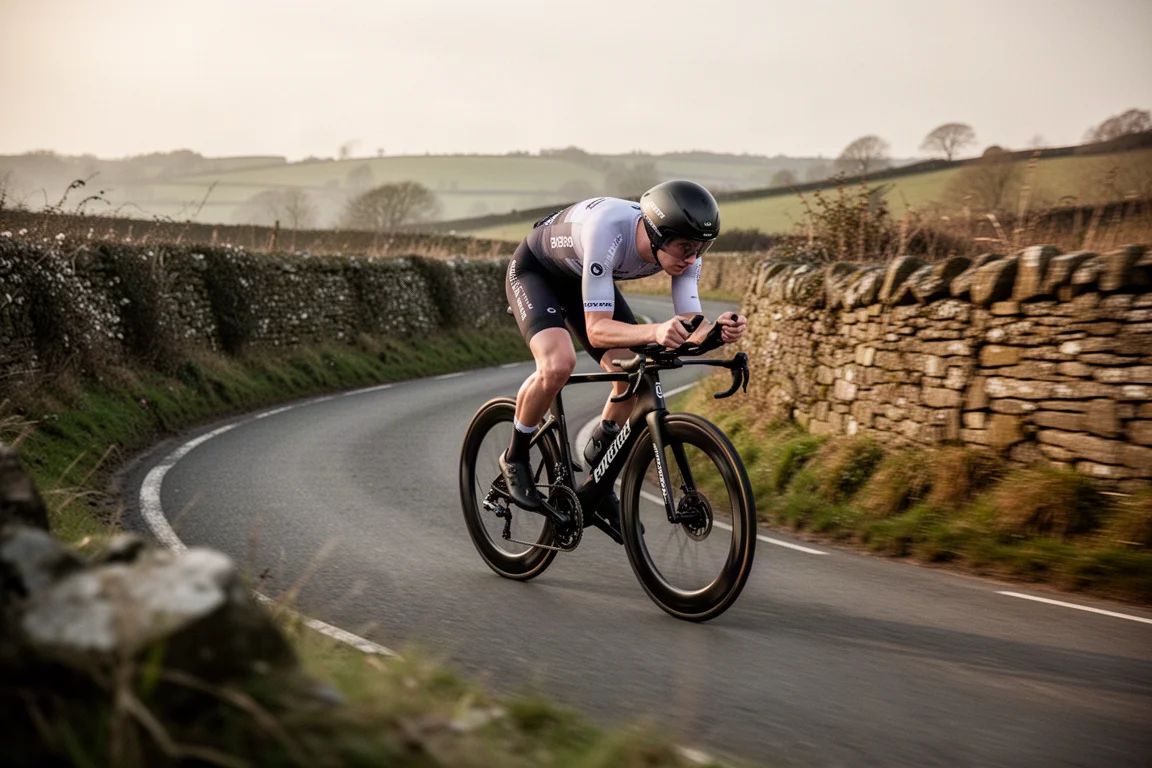
Climbing is a slightly different story. The bike is light enough to go uphill well and behaves much like other aero race machines on gentler gradients, but it does not feel as agile or as pleasant on steep, technical climbs as lighter all-round race bikes. That is a deliberate trade-off rather than a flaw, and it aligns with the bike’s overall priority of pure speed on flatter terrain.
The same aggression that makes it fast also makes it less appealing as a daily ride. On a slow, easy spin over rough roads, the position can feel like hard work, and the bike is clearly happiest when it is being ridden with purpose.
Things to Consider Before Buying
A few details are worth knowing before committing to the Reacto 9000.
The frame is not UDH compatible. Merida’s reasoning is reasonable: no current Shimano, SRAM or Campagnolo road groupset uses that interface. The practical drawback is that a bent or broken derailleur hanger is harder to replace than a universal standard would be, which matters if you race or travel with the bike. It raises a future-proofing question mark, though Merida is likely to have good visibility of what the major groupset makers are developing. For now, it is not a reason to avoid the bike.
The cooling fins on the front and rear disc brakes have been a signature Merida road bike feature for several years, and they look the part. In sustained braking, though, they did not deliver any discernible performance benefit, and the weight saving would be the more valuable trade.
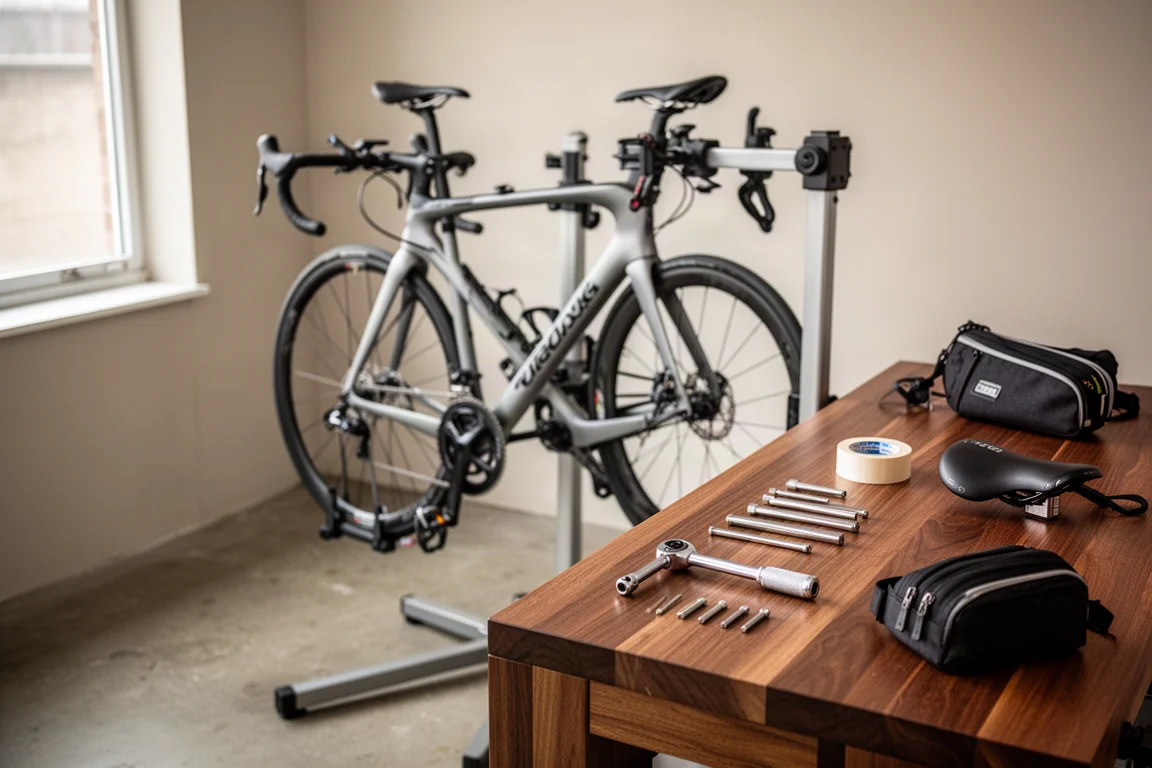
The seat clamp bolts sit on the back of the seat tube, directly in the path of spray thrown up by the rear wheel. They are good-sized 4 mm Allen bolts rather than tiny ones, so you can get proper purchase on them with an Allen key or torque wrench, but in wet winter conditions they will collect grit. A strip of electrical tape is an easy fix, though it is a slightly inelegant one on a bike at this price. A rubber cover of the kind used at the top of the seat post would have been a neater solution.
Finally, weight. A size medium test bike came in at 7.7 kg, which is on the heavier side for an aero race bike in this era. It does not blunt the speed, but it is a number worth knowing if low weight is high on your list.
Buying Advice
Pricing is one of the Reacto’s strongest arguments. The range starts at around £2,400 and climbs to roughly £9,500 for a build with a SRAM Red eTap groupset. That top-end figure is a couple of thousand pounds below the flagship aero bikes from some of the most desirable brands running the same groupset, and comfortably under the £10,000 mark that top-tier race bikes often cross.
The Reacto 9000 tested here, with the CF5 frame, Shimano Ultegra Di2 and deep-section Reynolds wheels, costs around £6,000. That is a serious outlay, but it buys a very complete race package with a power meter included.
The interesting alternative is the model directly below it. The Reacto 8000 runs the same Ultegra Di2 groupset, comparable though not identical Reynolds wheels and the same handlebar, but switches to the slightly heavier CF3 carbon frame. The saving is close to £1,200 for a weight penalty of roughly 200 grams. For most riders, that money is better spent elsewhere, and the performance on the road stays essentially the same. If weight genuinely matters to you, the 9000 justifies the extra spend.
One caveat on specification: the distinctive V-shaped handlebar appears only on the top-level models. The Vision Metron handlebar fitted lower down the range is still a very good piece of equipment, and it can be upgraded to later, but it is worth knowing that the bike’s most recognisable front-end feature does not filter down.
It is also worth being honest about brand appeal. Merida makes excellent value bikes, but it has not yet become a brand people lust after in the way that some rivals have managed. That is a marketing reality rather than a performance one. Looked at logically, without the emotional pull of a more fashionable badge, the Reacto is one of the smartest aero race bike purchases available this year.
Conclusion
The fifth generation Merida Reacto 9000 is easy to recommend. It is fast, stiff, responsive and surprisingly comfortable for an aero race bike, and it comes with the kind of specification that would cost meaningfully more elsewhere.
The trade-offs are clear rather than hidden. The position is aggressive and not suited to relaxed riding, the frame is not UDH compatible, the brake cooling fins do not earn their place, and the seat clamp bolts need a little protection in wet weather. None of these are deal-breakers.
If you are shopping for an aero race bike and you want maximum speed per pound, this is one of the strongest options on the market. Riders who care about weight should go for the 9000. Everyone else can take the model below, pocket the saving and still enjoy almost exactly the same ride.
Product link
View more details for Merida Reacto 9000
This product is mentioned in the review. Check the specifications, options, and compatibility before buying.
View more details for Merida Reacto 9000Further reading
Related Reviews

Road Bikes
10 New Road Bikes Worth Watching: Aero, Titanium, Steel and Endurance Standouts
A practical roundup of 10 new road bikes, from aero flagships chasing single-watt gains to titanium, steel and endurance platforms built for real roads.
Road Bikes
2026 Tour de France Road Bikes: Six Race Machines Worth a Closer Look
Six race bikes from the 2026 Tour de France grid, reviewed for paint, silhouette, wheels and the specification details that matter to buyers.
Road Bikes
3T Strada Italia Review: A Radical Aero Road Bike That Rides Smooth
A made in Italy carbon aero road bike with a deep head tube, wide tire clearance and a genuinely comfortable ride. Here is what to know before buying.