Road Bikes
Men's World Tour Bikes Ranked: The Standouts, the Solid and the One That Missed
A tier-by-tier look at the men's World Tour race bikes, from the machines worth dreaming about to the ones that need a rethink.
Introduction
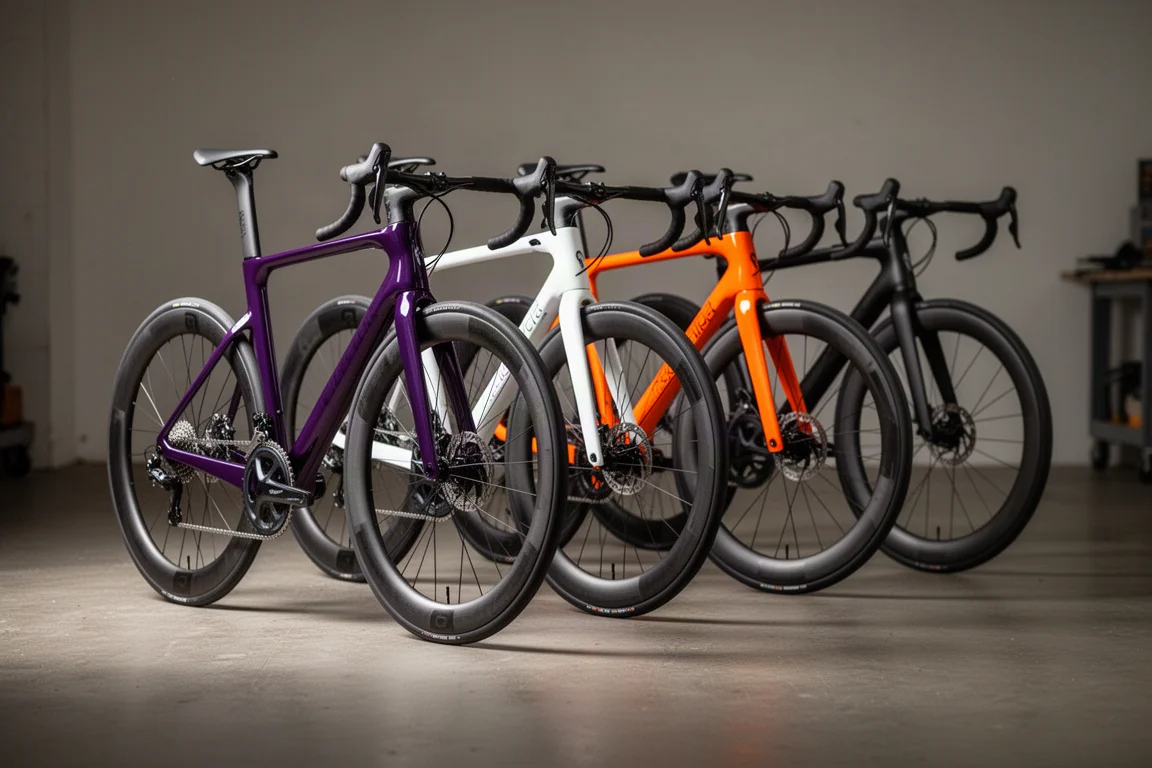
The men’s World Tour grid this season is a strange mix. There are a handful of genuinely special race bikes, a large middle group that is fast and sensible but hard to get excited about, and one machine that simply does not look the part. This ranking groups the bikes by how convincing they are as complete packages rather than by frame weight alone. The build, the finish, the paint and the way the whole thing sits alongside the team kit all count, because a team bike is also a shop bike, and that is the standard being applied here.
How This Tier List Works
Judging a World Tour bike takes more than a geometry chart. Four things matter. First, the build: which groupset, wheels and power meter are paired with the frame, and whether those choices make sense together. Second, the finish: whether the paint looks like something a team earned or something pulled straight from a dealer catalogue. Third, how current the design is, since a frame that has not moved on in several seasons starts to feel tired beside its rivals. Fourth, whether the bike makes sense to a rider who might actually buy one. Value is not everything, but it matters, and so does character.
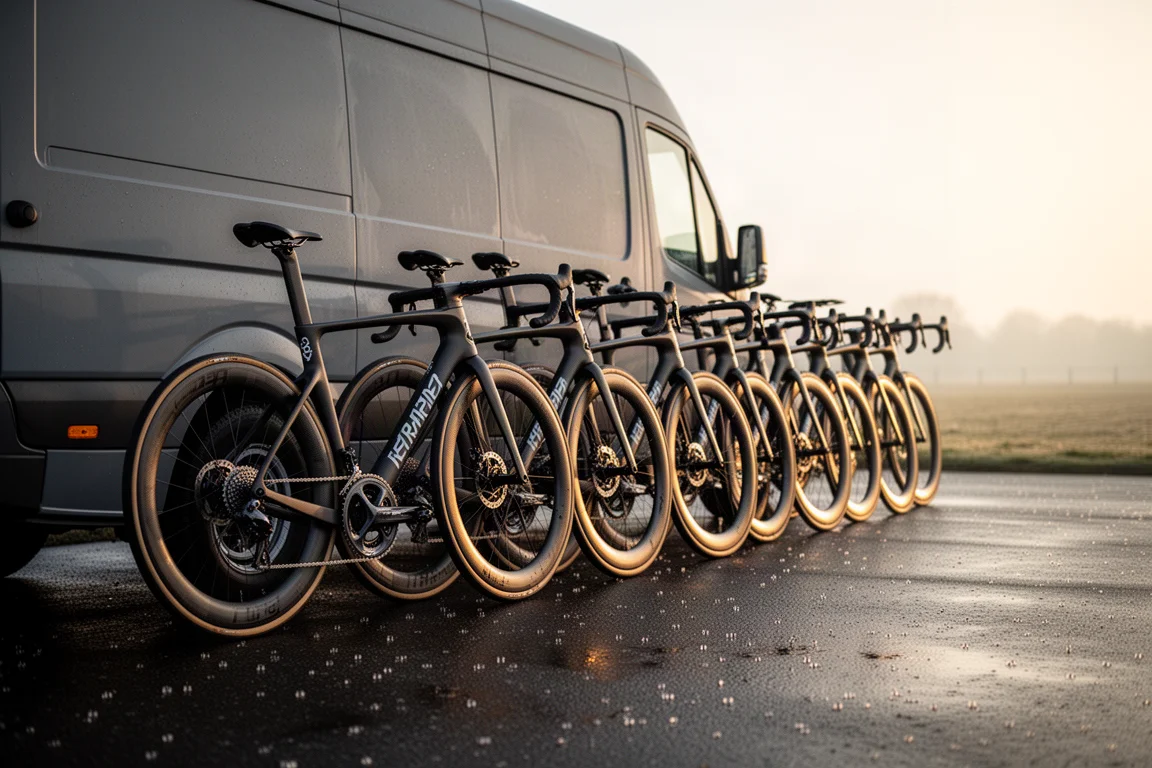
One more consideration runs through the entire list: coordination. A bike that matches its team’s jersey, shorts, helmets and sunglasses reads as a considered package, while a bike that clashes with them looks like an afterthought even when the frame itself is excellent. That single factor separates several entries below.
S Tier: Giant Propel
Everything comes together here. The Propel is paired with Shimano Dura-Ace and CADEX wheels that use carbon spokes and bold pro graphics, and the paint is a distinctive purple that carries through to the kit, including the team’s unusually coloured shorts. It is a rare palette in the peloton and it stands out for all the right reasons. The frame is a strong aero platform, and the coordination between bike and clothing is the best on this grid.
S Tier: Specialized S-Works Tarmac SL8
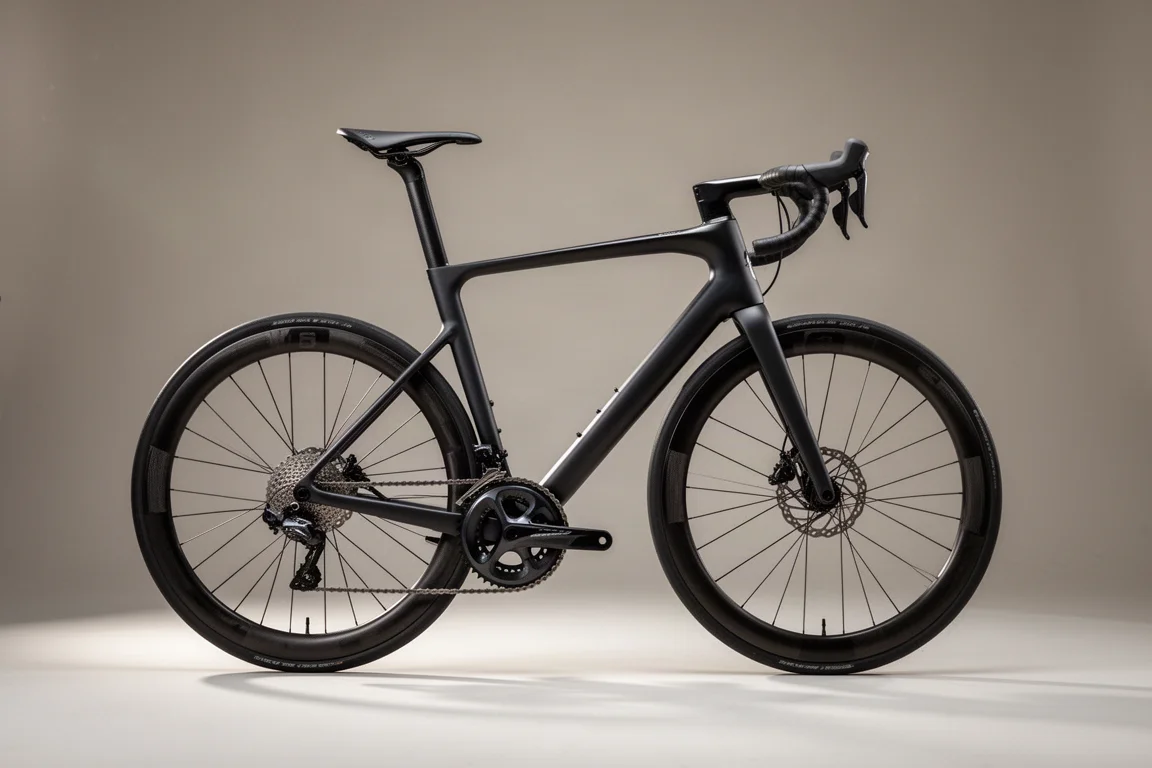
The Tarmac SL8 is the benchmark all-round race platform here, and in the Red Bull-Bora-Hansgrohe finish it is also the most striking. The white frame with the energy drink branding is clean, the aesthetic works, and the team version is sold at a premium over the standard paint. The build is high end, with SRAM Red AXS and Roval wheels, and the deep-section look is flattered by the integrated cockpit. The Quick-Step version of the same frame, running Shimano Dura-Ace with Roval wheels, is also excellent, with paint that always matches the kit and generous custom finishes for national champions. The one reservation is the front end: with a tall stack of spacers it starts to look awkward, and Roval does not offer the most extreme bar and stem sizes.
On the Line: Look 795 Blade RS
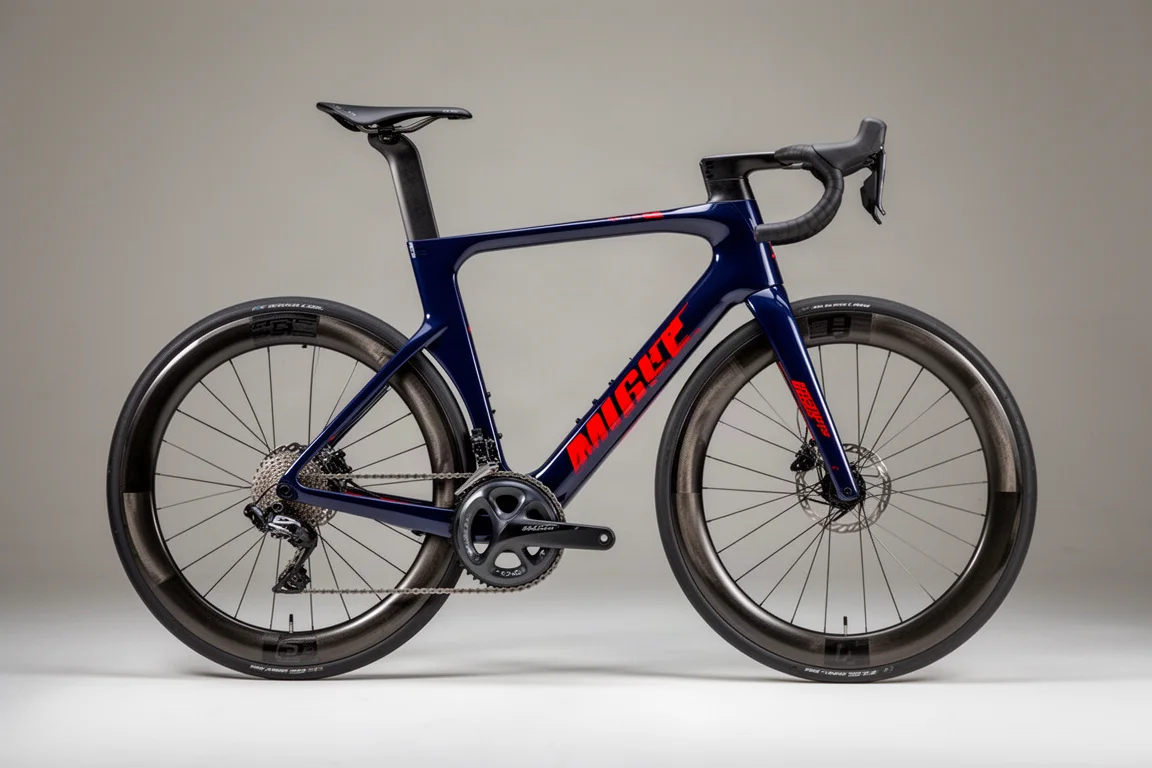
Cofidis races the Look 795 Blade RS, a lightweight aero all-rounder, with Campagnolo Super Record Wireless and Campagnolo Bora Ultra WTO wheels. It is genuinely good to see Campagnolo back in the World Tour, and the wheels are lovely things. The frame is quick, well rounded and close to the top of this list on performance alone. What holds it back is the finish. The mandarin and white scheme does not sit comfortably with the team’s red kit, and white bikes divide opinion. As a race machine it is superb; as a complete package it lands right on the line between the top tier and the tier below.
A Tier: Van Rysel RCR Pro
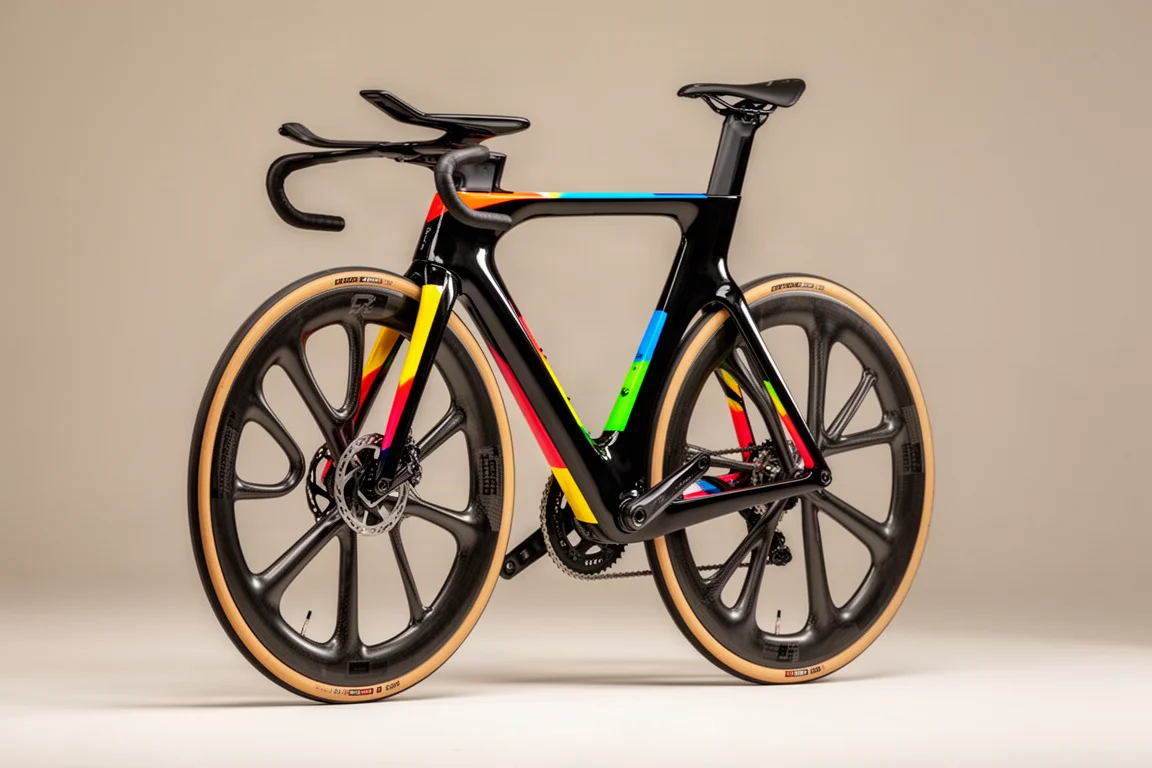
Decathlon AG2R La Mondiale races the RCR Pro, a lightweight all-rounder, alongside the newer RCR-F aero bike. The RCR Pro is one of the best superbikes available to ride: it climbs well, it is fast on the flat, and it holds speed in a way that flatters a strong rider. The build pairs Shimano Dura-Ace with SwissSide wheels, and the team has done an excellent job of matching the bike to the jersey, shorts, helmets and sunglasses so that everything works together. The only thing keeping it out of the very top tier is that the brand is still relatively new at this level and has not yet built a long record of World Tour results.
A Tier: Pinarello Dogma F
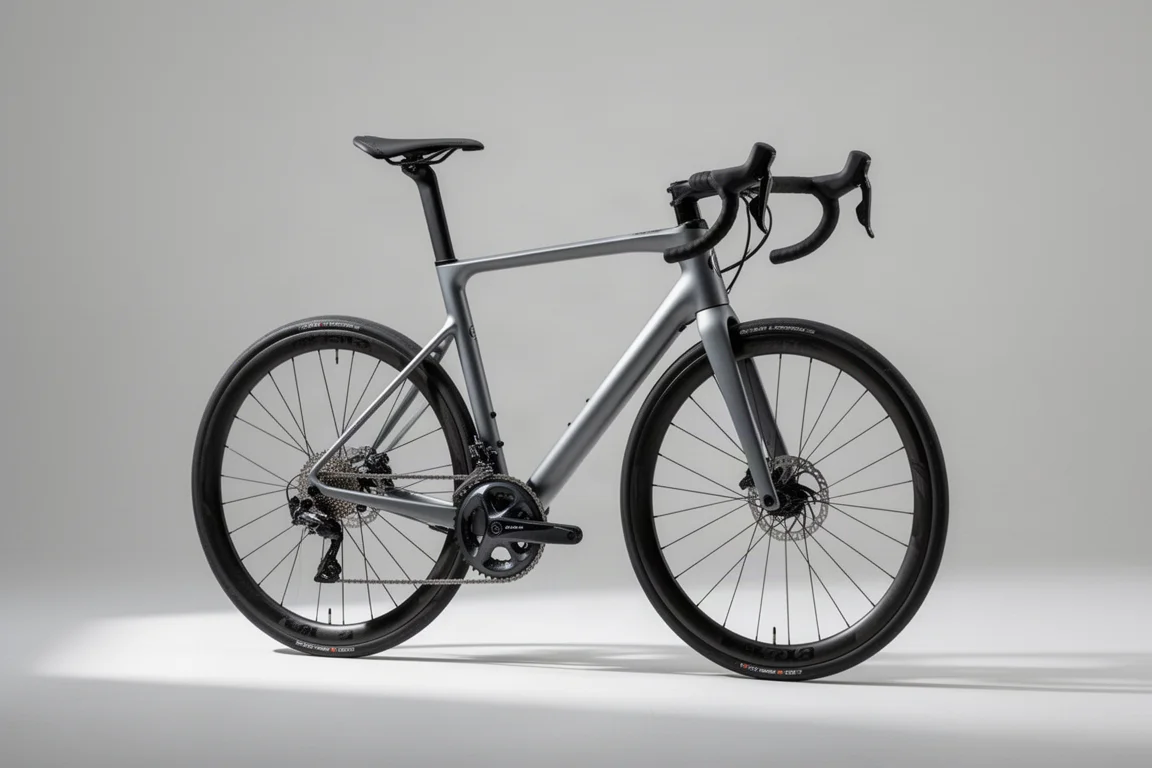
INEOS Grenadiers stays on the Dogma F, unchanged from last season. It is a proper race bike: it climbs extremely well and it is a delight to descend on, and it rewards a closer look. The details are what lift it, including 3D-printed saddle clamps, a 3D-printed chain catcher, Most handlebars and a gloss finish that matches the kit well. The build runs Shimano Dura-Ace with Dura-Ace wheels, which is tidy rather than spectacular. The wavy fork still divides opinion, but in person the whole package reads as a well-resolved race machine rather than a collection of ideas.
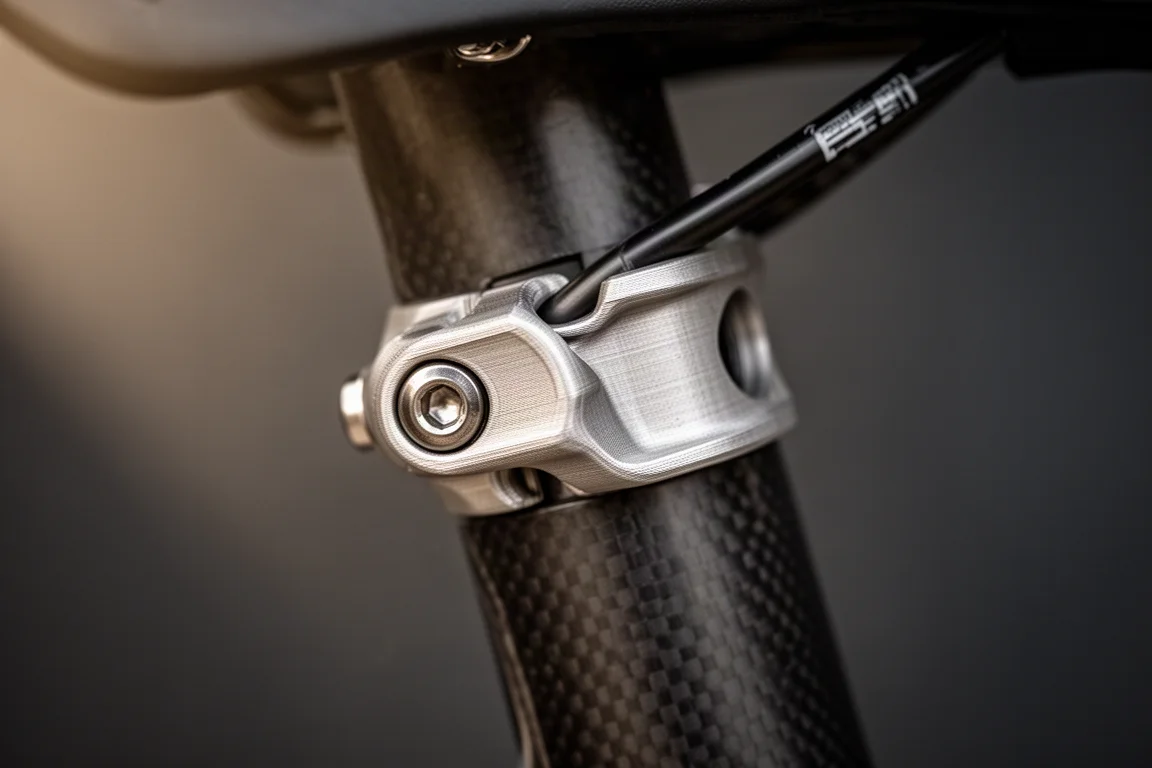
It is also worth noting how the bike has evolved. The current frame keeps the same overall shape as last year, with the refinements concentrated in hardware rather than geometry, which is why it stays comfortably in the tier below the very best rather than moving up.
B Tier: Canyon Aeroad CFR
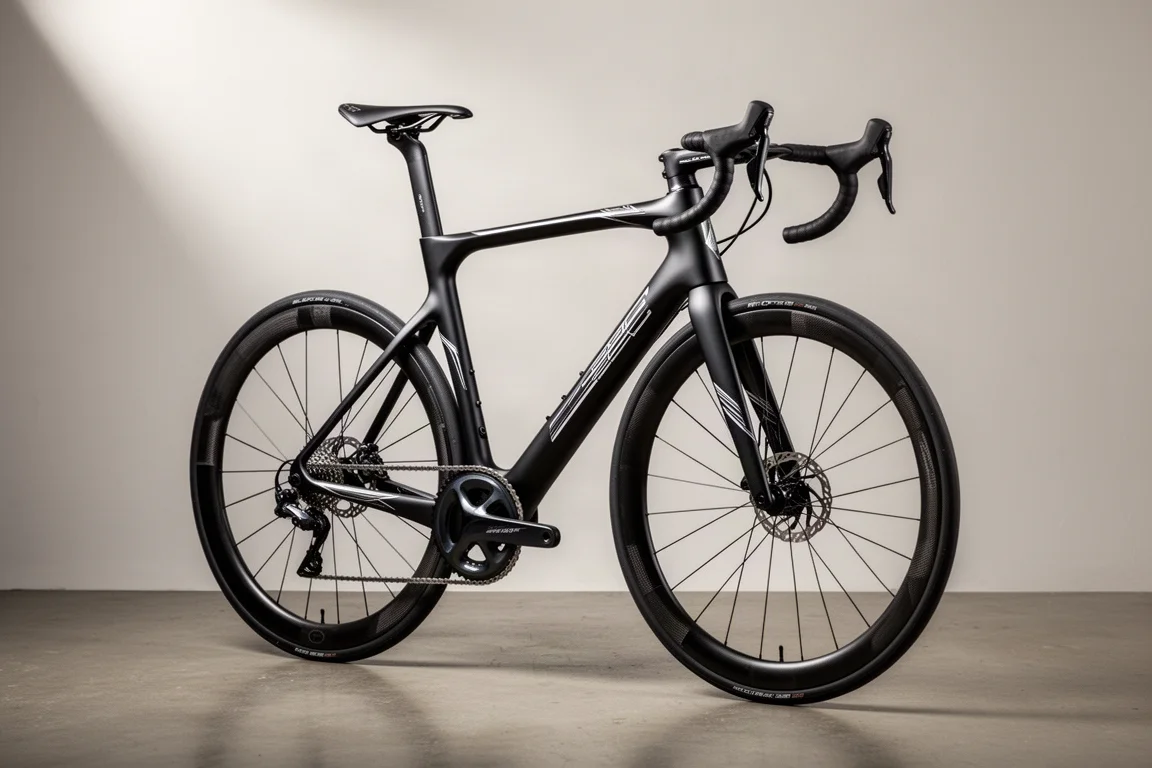
The Canyon-backed team continues with the Aeroad CFR, a light and genuinely quick aero road bike that also happens to be one of the better value options at this level. It is a bike many riders would actually buy, and it rides impressively. The catch is character. The paint looks close to what anyone can order from the website, and for a team at the very top of the sport that feels like a missed opportunity, particularly when the team’s results deserve something more celebratory. As a race bike it is very good; as a pro bike it is a little plain.
B Tier: Trek Madone SLR Gen 8
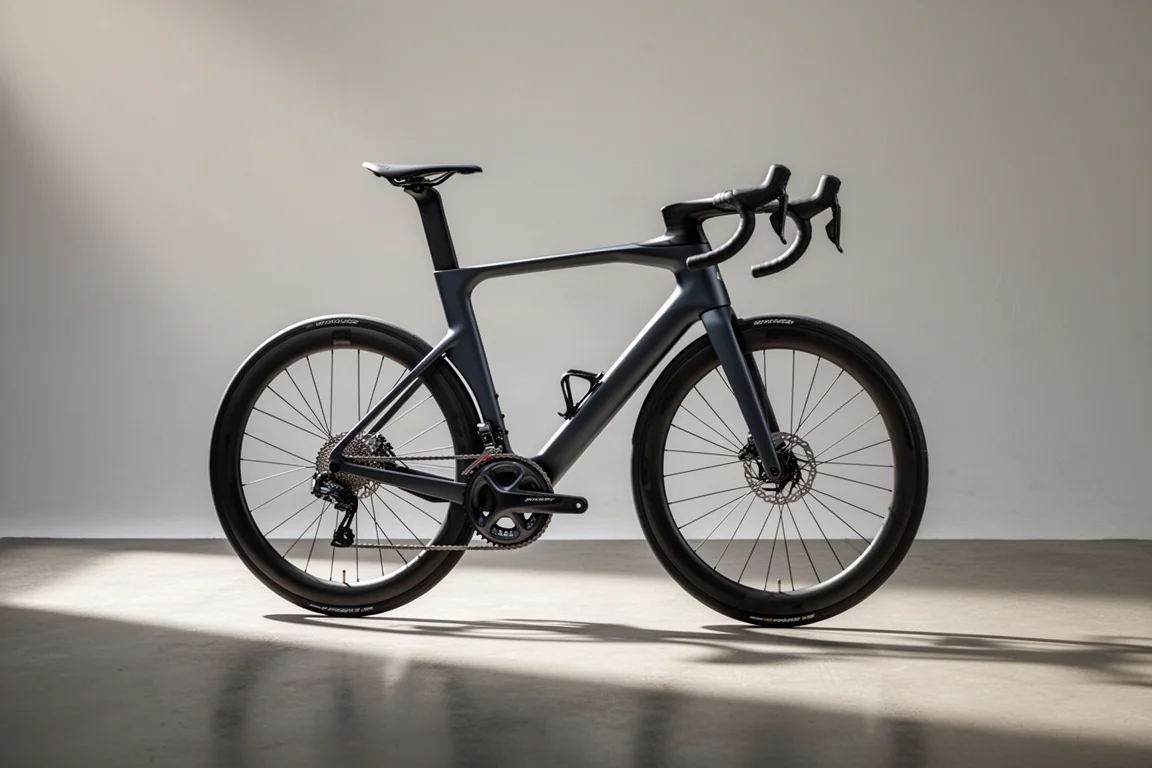
Lidl-Trek races the Madone SLR Gen 8, the bike that merged the Madone and the Émonda into a single do-it-all platform, paired with SRAM Red AXS and Bontrager wheels and tyres. The paint is arguably the best on the grid this year and it matches the kit closely, which is exactly what a title sponsor wants. The reservation is the marketing. The claim that the new bike is lighter and just as fast only holds if you fit the new aero bottle cages, which were not on the older bike when the two were compared. The bike is excellent; the fine print is what keeps it out of the top tier.
B Tier: Cube Litening C:68X Aero
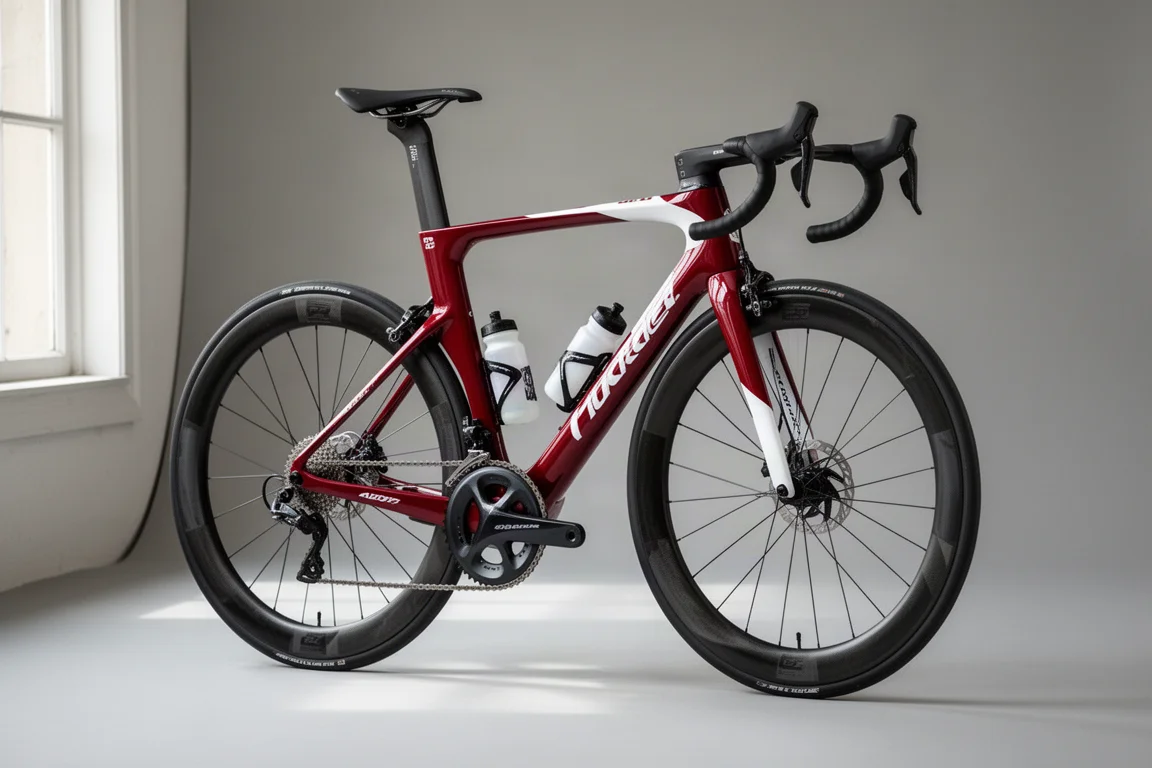
Intermarché-Wanty rides the Litening C:68X Aero, a bike best described as functional. It is not the most beautiful frame on the grid, but the red paint that matches the new kit is a clear upgrade on previous seasons, and the Newmen wheels with chrome graphics and hidden valves are a genuinely nice touch. It is a great bike to ride and fantastic value. It has been around for a while now, though, and it feels due for a refresh.
B Tier: Cannondale SuperSix EVO
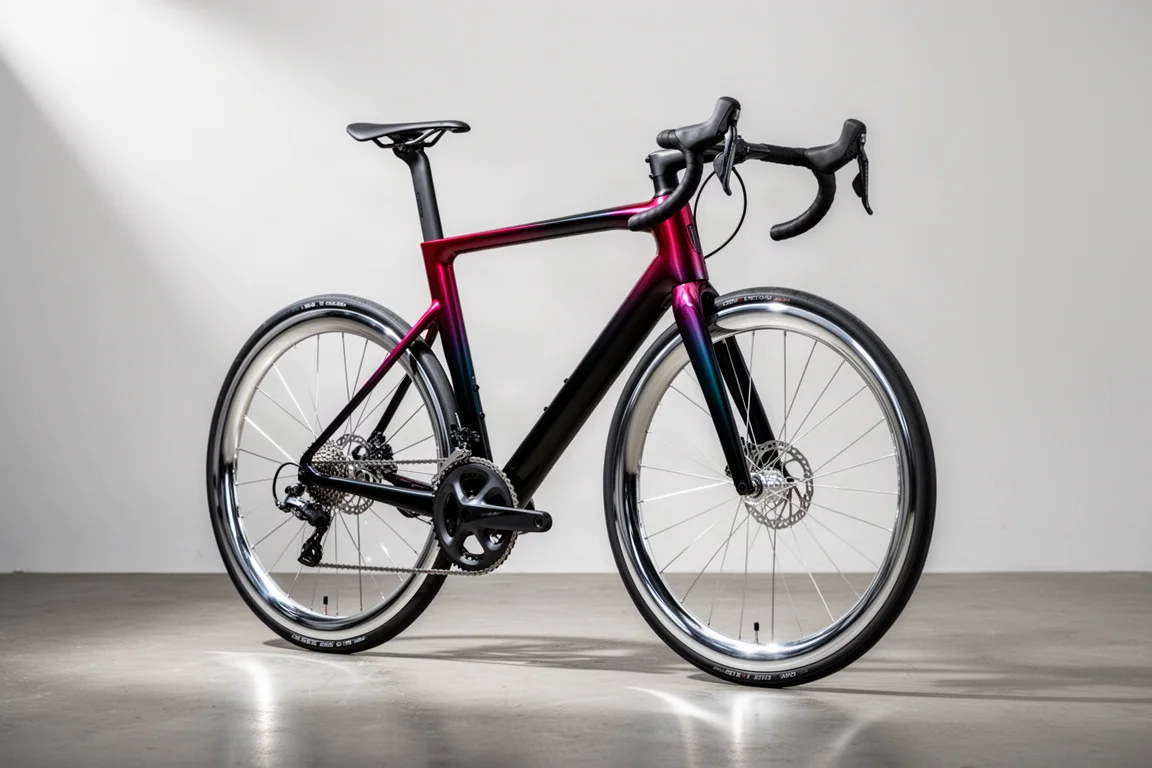
EF Education-EasyPost stays on the SuperSix EVO with Shimano Dura-Ace, Vision wheels and FSA PowerBox Team Edition power meters, which use Power2Max internals and are reliable and accurate. There is a new paint job, but otherwise little has changed, and the aero SystemSix does not appear to be part of the line-up this year. It is a good bike and the kit is well coordinated. It is simply not a revolutionary one, and at this price point that matters to a buyer.
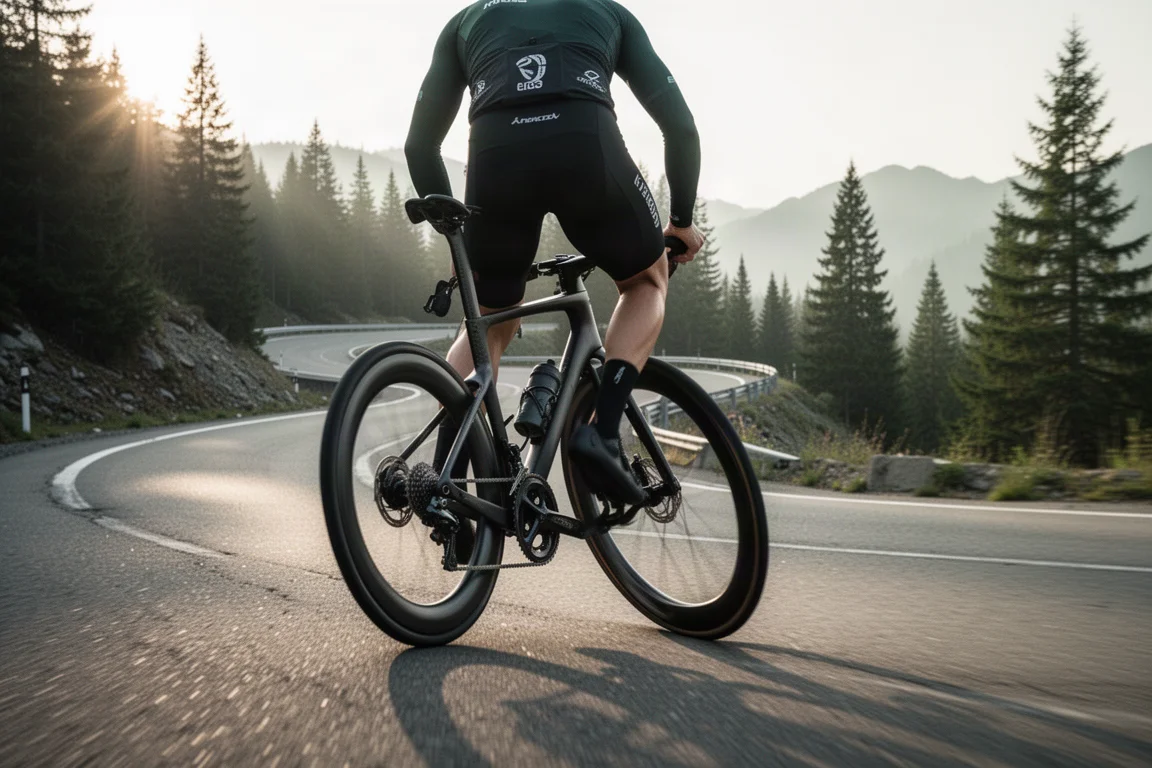
For most riders, that is not a deal breaker. The SuperSix EVO remains an easy bike to live with, and the power meter alone is a genuine plus if you train with data. It just does not give anyone a reason to rush to the dealer.
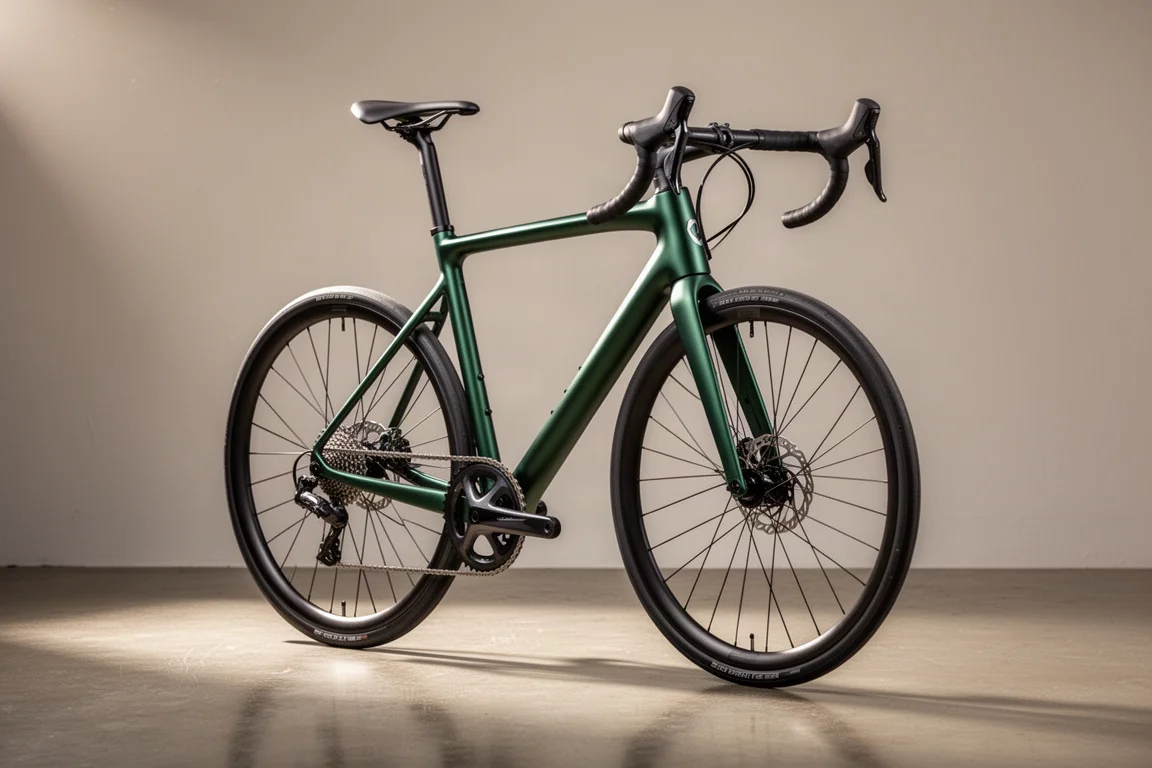
C Tier: Merida Reacto Team
Bahrain Victorious arrives with the same Reacto Team and Scultura Team as last season, built with Shimano Dura-Ace and Vision wheels. Both are fantastic bikes and they are incredibly good value, the kind of purchase that signals sensible spending rather than vanity. The problem is that nothing has changed, and after a while a pro bike needs to feel new. There is talk of a new Reacto on the way, which would help considerably. Until then, this is a solid rather than exciting entry.
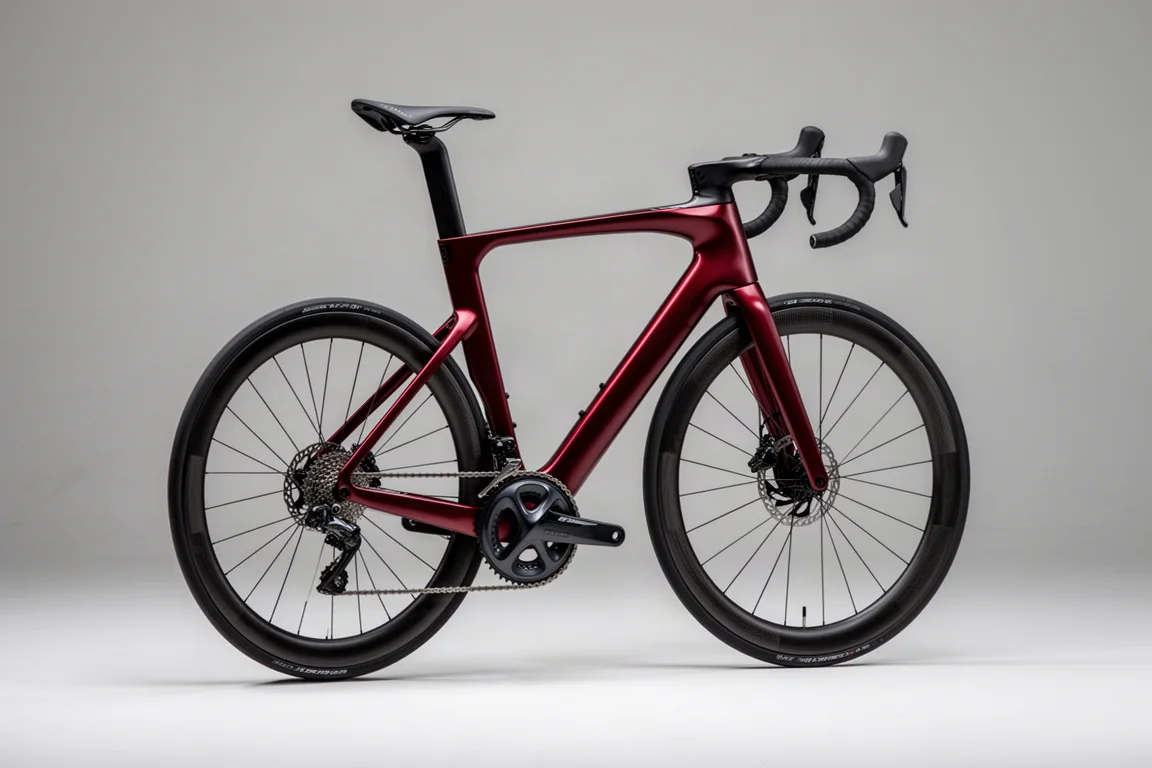
C Tier: X-Lab AD9
Astana races X-Lab, the premium bike brand of carbon manufacturer XDS, with the aero AD9 and the rounder-tubed RT9. The AD9 looks like an aero bike from a few seasons ago, but the paint ties in nicely with the kit and the brand has an appealing outsider quality that could make it a value alternative to the big names. The build runs Shimano Dura-Ace with Vision wheels, and the team has moved from Vittoria to Continental tyres this year. The detail that lets it down is the cockpit: the spacers do not match the profile of the Vision bar, which should never happen on a World Tour bike. Public information about the range is also hard to find, which is a real problem for anyone who spots the bike and wants to buy one.
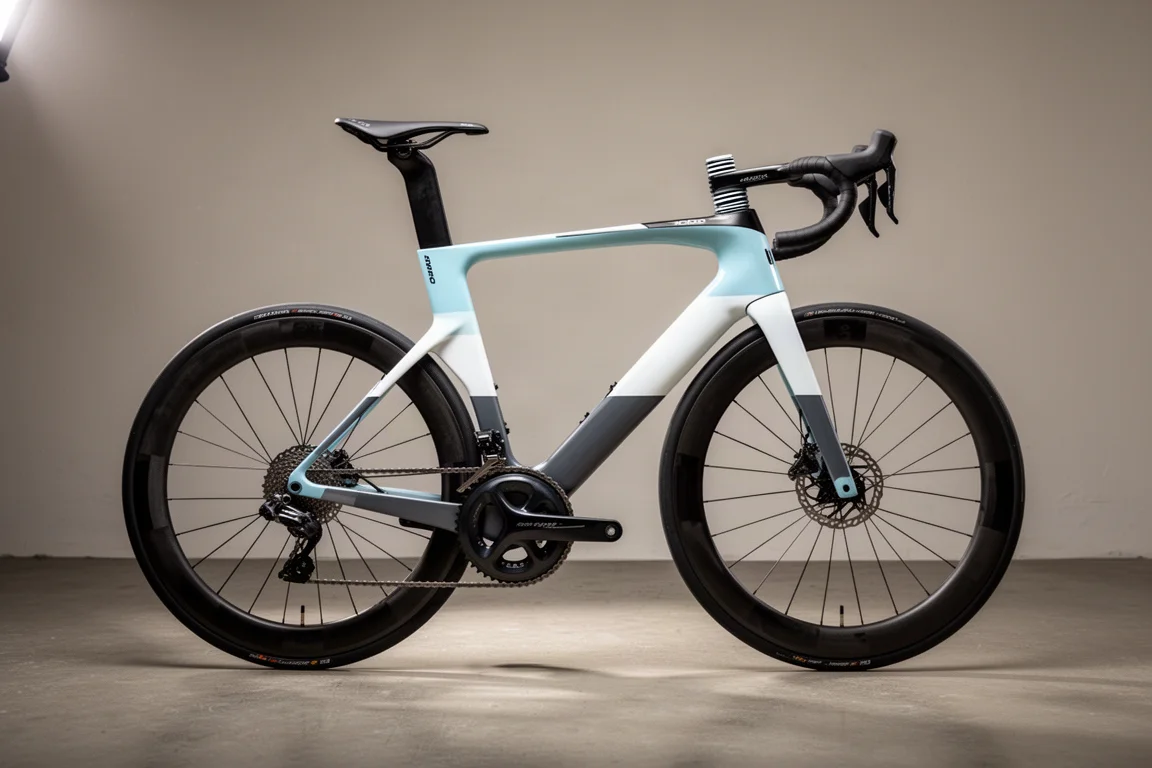
A Step Back: Colnago Y1Rs
UAE Team Emirates races the Colnago Y1Rs, an unapologetically radical aero design with a distinctive seat tube and seat post arrangement and a split-stem handlebar. On the road it is very good, and it is encouraging to see a brand take a genuinely different approach rather than chasing convention. The standard team finish, though, is a letdown: a matte, satin rear end and a hard split at the front make it look drab, and the ENVE wheels with their large logos do not rescue it. The custom championship version shows what the frame can look like when the paint is allowed to be interesting.
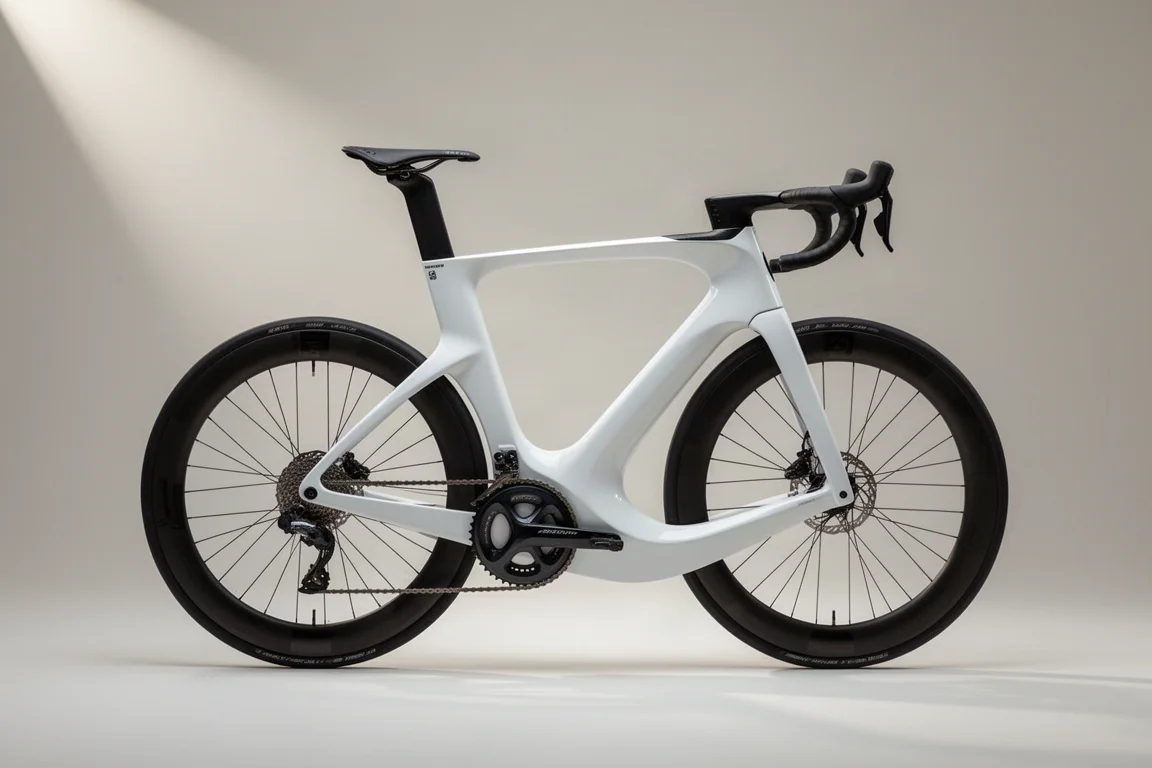
The One That Went in the Bin: Bianchi Oltre RC
Arkéa-B&B Hotels races the Bianchi Oltre RC, with a Shimano Dura-Ace build, Vision wheels and FSA Team Edition power meters using Power2Max internals. Mechanically there is little to criticise, and the power meter in particular is reliable and accurate. The problem is the look. The frame carries lines that do not appear to serve any purpose, the paint is what any customer can order, and there is no team-specific finish at all. Worse, celeste on a red jersey simply does not work. Bianchi’s Specialissima is a fine lightweight all-rounder and the Ultra RC is the aero option, but as a complete pro package this is the weakest entry on the list. A proper team paint job would change the conversation entirely.
Buying Advice Before You Buy
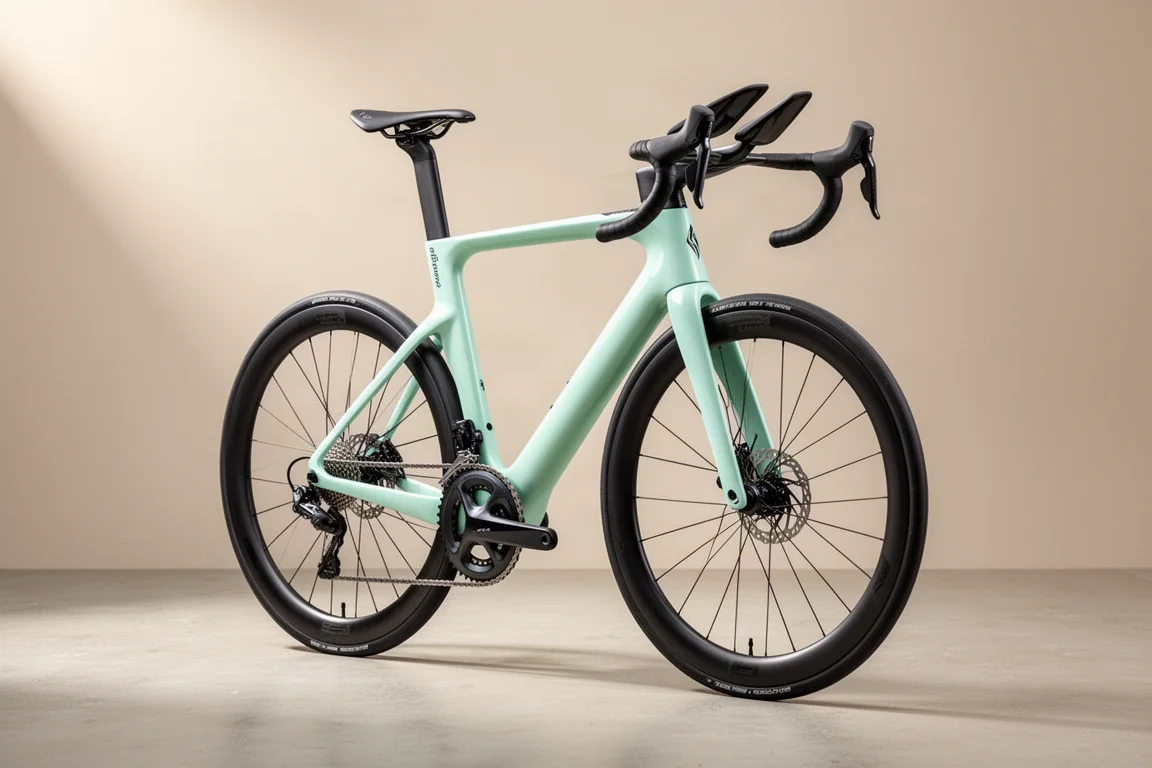
Most of the bikes here are variations on the same theme: a light, aero-leaning race frame, an electronic groupset and deep-section wheels. That means the differences that matter most to a buyer are usually not on the spec sheet. Paint and finish, the availability of sensible bar and stem sizes, and how carefully the complete package has been thought through will shape how you feel about the bike after the first month. If you are shopping at the top of this list, buy the finish you actually like, because the performance gaps between these machines are smaller than the price gaps. If value matters more, the Merida, Cube and Van Rysel entries are the ones worth shortlisting.
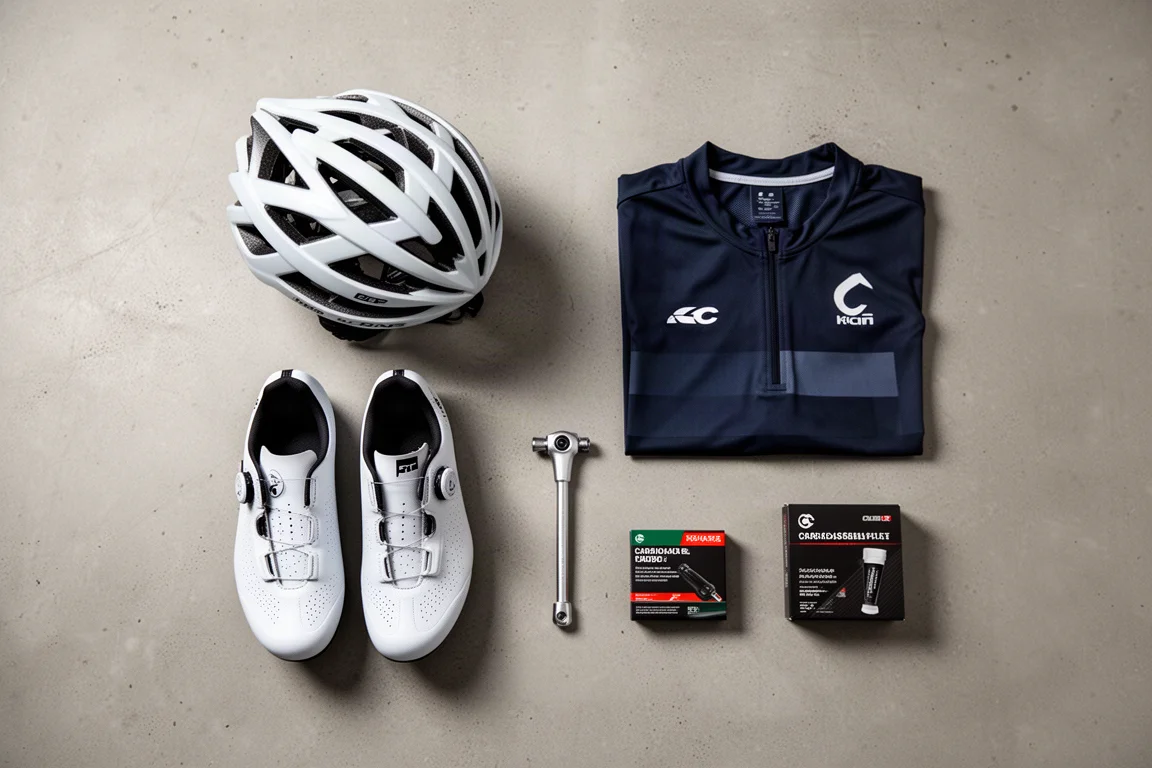
Whichever you choose, spend a little time on setup. Cockpit sizing, saddle position and tyre pressure will do more for how fast and comfortable the bike feels than a marginal frame upgrade, and a bike that fits properly is the one you will actually want to ride. There is no wrong answer among the top entries here, only the one that suits your riding and your budget.
Conclusion
Almost every bike on this grid is somewhere between fine and genuinely excellent, which says a lot about how good modern race bikes have become. The Propel and the Tarmac SL8 sit at the top because they are fast, well built and finished with real intent. The Look 795 Blade RS and the Van Rysel RCR Pro follow closely, held back only by a paint scheme or a short track record. The Merida, Cube and Canyon entries show how much performance sensible money can buy. And then there is the Oltre RC, which is a fine bicycle underneath a finish that does not do it justice. Until Bianchi gives its team a paint job worthy of the sport, that is where it stays.
Further reading
Related Reviews

Road Bikes
10 New Road Bikes Worth Watching: Aero, Titanium, Steel and Endurance Standouts
A practical roundup of 10 new road bikes, from aero flagships chasing single-watt gains to titanium, steel and endurance platforms built for real roads.
Road Bikes
2026 Tour de France Road Bikes: Six Race Machines Worth a Closer Look
Six race bikes from the 2026 Tour de France grid, reviewed for paint, silhouette, wheels and the specification details that matter to buyers.
Road Bikes
3T Strada Italia Review: A Radical Aero Road Bike That Rides Smooth
A made in Italy carbon aero road bike with a deep head tube, wide tire clearance and a genuinely comfortable ride. Here is what to know before buying.