Outdoor Safety
McMurdo Fast Find 220 vs Garmin inReach Mini: Two Emergency Devices Compared
A personal locator beacon and a satellite communicator solve the same problem in different ways. Here is how cost, messaging, and battery life compare.
Introduction
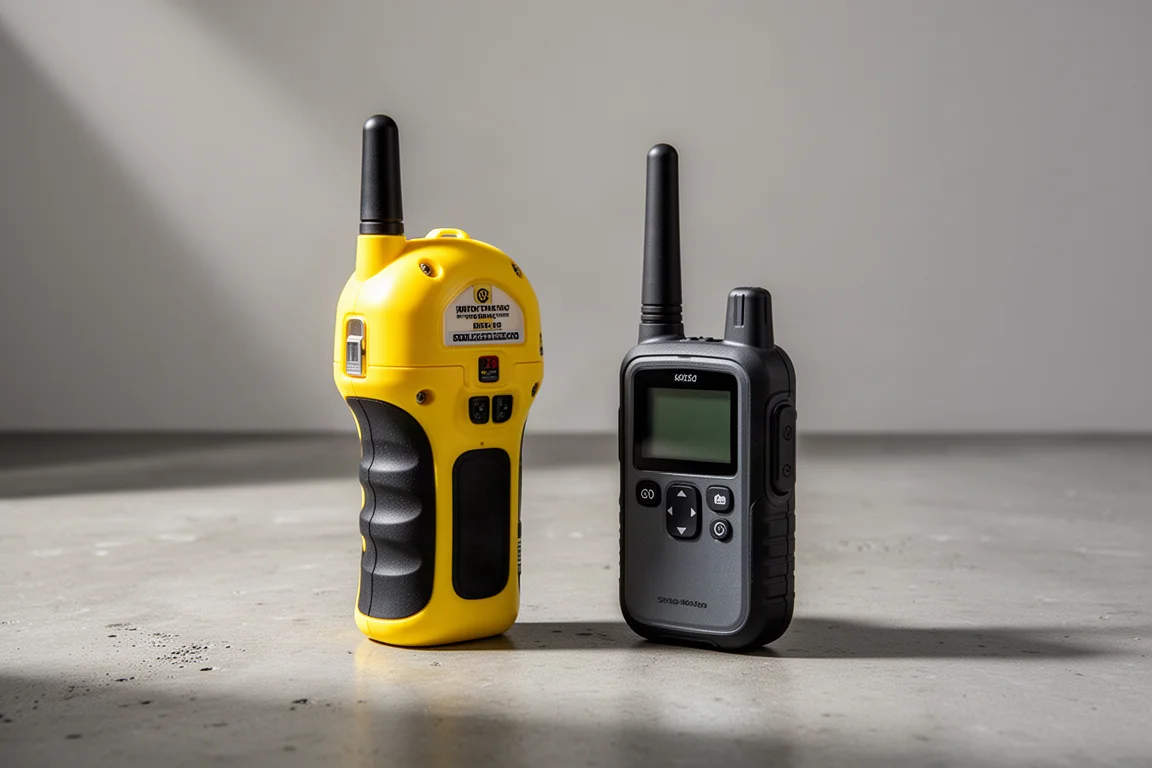
Most of the kit that goes into a hiking pack gets used sooner or later. Emergency equipment is the exception. A personal locator beacon or a satellite communicator can sit at the bottom of a rucksack for years without ever being switched on, and that is exactly the point. These two devices cover the same worst-case scenario in noticeably different ways, and the right choice usually comes down to cost, messaging, and how much you value being able to tell someone you are fine.
This comparison looks at the McMurdo Fast Find 220, a dedicated personal locator beacon, and the Garmin inReach Mini, a satellite communicator with two-way messaging. Both are built for backpacking, hiking and any outdoor situation where emergency services might need to find you.
How Personal Locator Beacons Differ from Satellite Communicators
A personal locator beacon is a single-purpose distress device. Once activated, it sends an emergency signal that is picked up by the latest Galileo satellite systems and it also runs off GPS to establish a position. There is no messaging, no menu, and no app. Registration matters here: beacons are registered to their owner, which helps rescue authorities confirm a genuine emergency rather than a false alarm.
Beacons are also built to a legal standard. They cannot be accidentally activated by water, they have to keep producing an emergency signal for 24 hours once activated, and they have to hold a standby battery life of six years when unused. That combination is why they are widely used in the maritime industry, and it translates well to remote hiking and backpacking on land.

A satellite communicator takes a different route. It offers two-way communication, which means you can send a message to let someone at home know you are safe and sound. The trade-off is a subscription, which is not part of the beacon model at all.
McMurdo Fast Find 220 Personal Locator Beacon
The Fast Find 220 is a compact handheld beacon that is activated by hand. You lift the red tab, pull it, and the antenna releases. Pressing the button then activates the system, and the antenna should be left pointing at the sky.
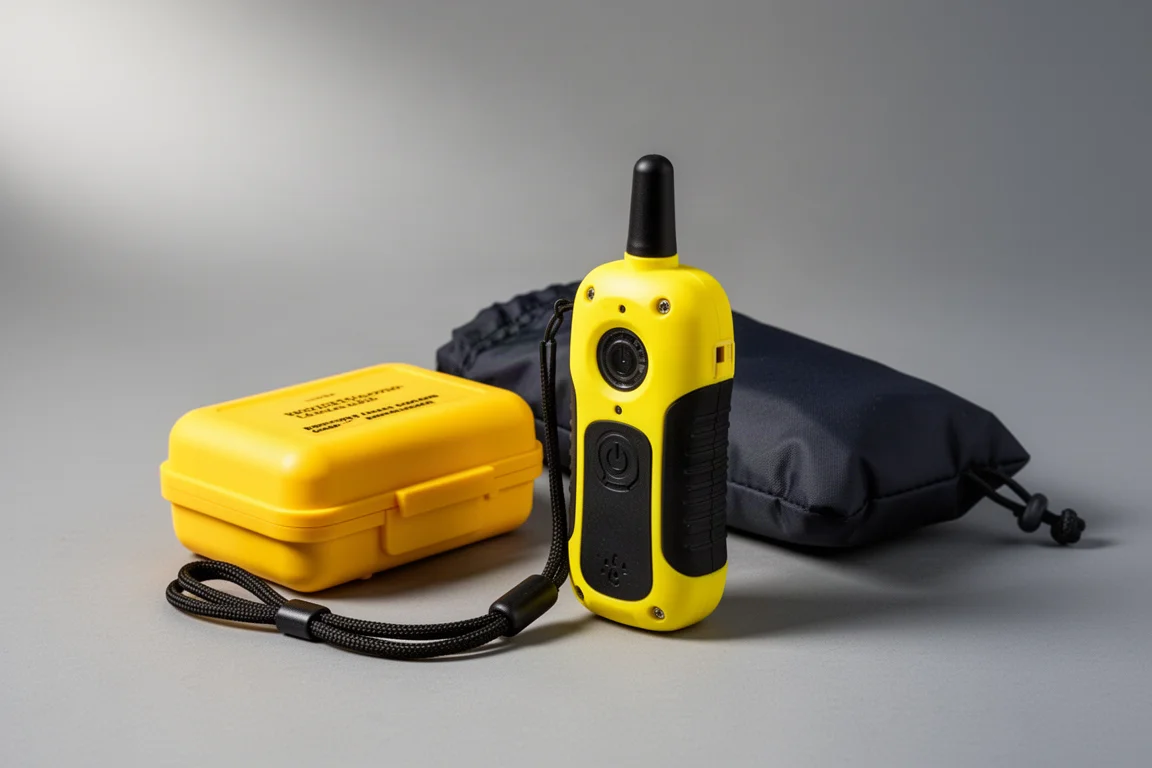
It comes supplied with two pouches. One is a yellow protective case for general carrying, and the other is a floating pouch. If the beacon ends up in water, the floating pouch keeps it on the surface so the signal still reaches the satellites. That detail makes the beacon especially relevant for paddlers, coastal walkers and anyone who spends time around water.
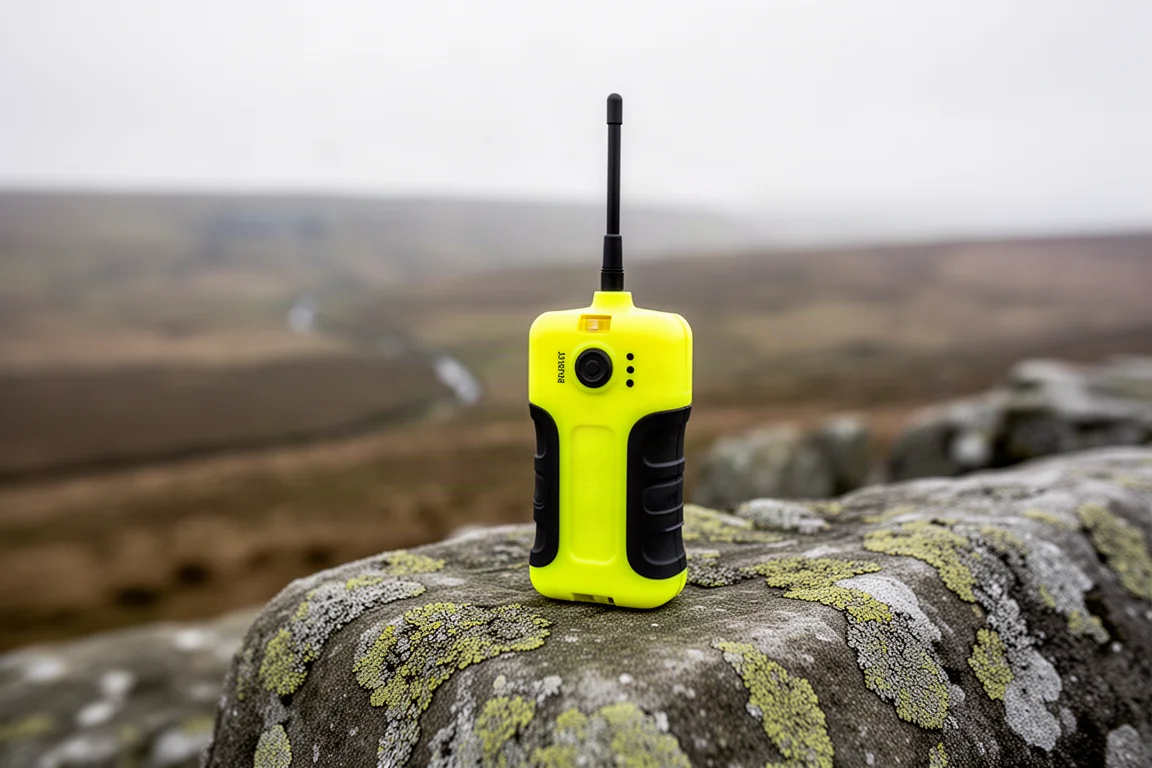
The appeal of this approach is simplicity and cost. There is a one-off purchase price of around £200 with no ongoing fees, and the device itself is essentially a single button that does one job. What it cannot do is send a message. If you want to tell someone you are running late, that simply is not part of what a personal locator beacon is for.
Garmin inReach Mini
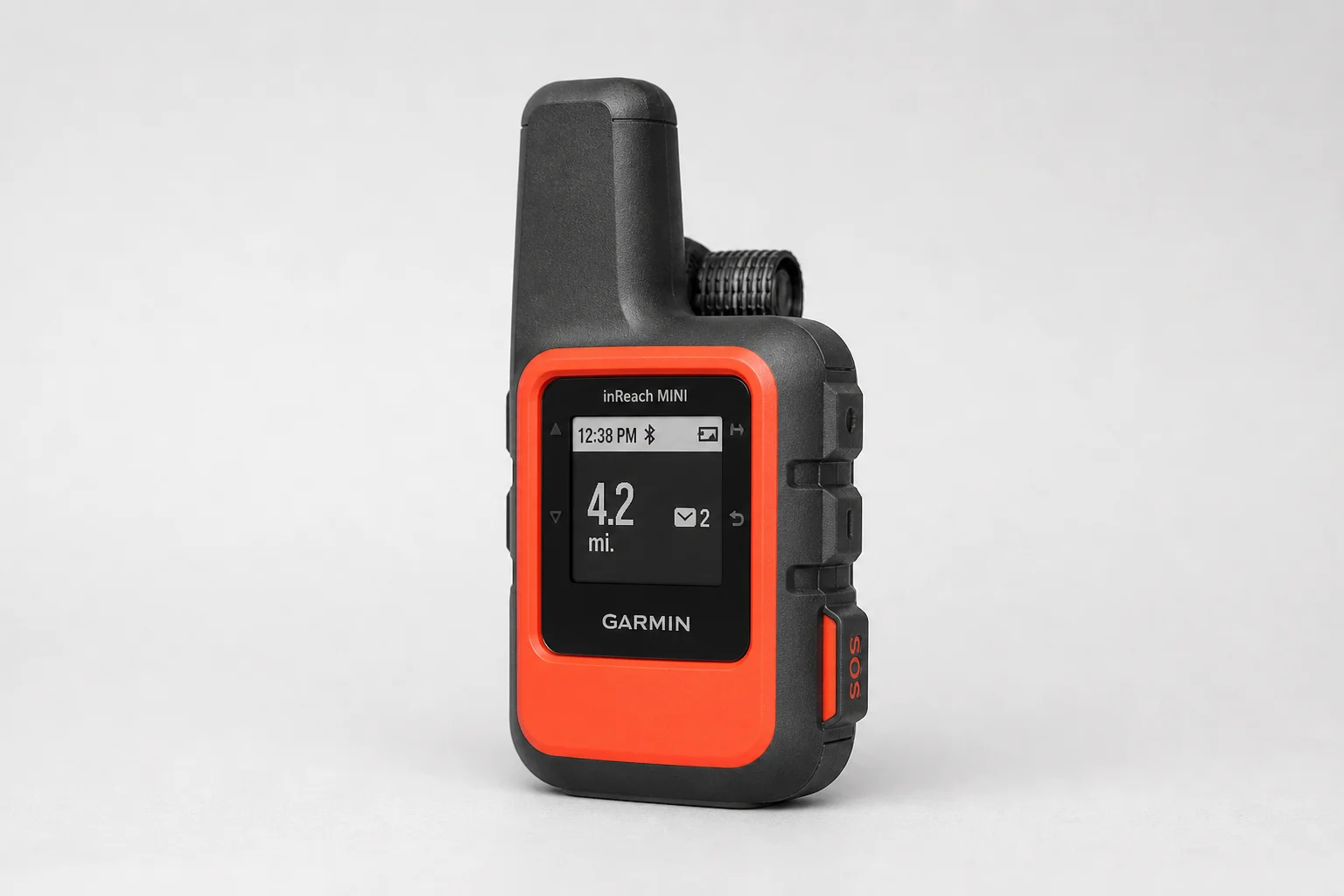
The inReach Mini is the other half of the comparison. It is a satellite communicator rather than a personal locator beacon, and its headline advantage is two-way messaging: you can text someone to confirm you are safe and sound, and receive a reply.
That capability comes with a different cost structure. The device itself is around £250, and a subscription sits on top of that. The minimum subscription is about £15 per month, and it includes 10 text messages a month. Across several seasons, that ongoing cost is the main thing to weigh against the beacon’s one-off price.
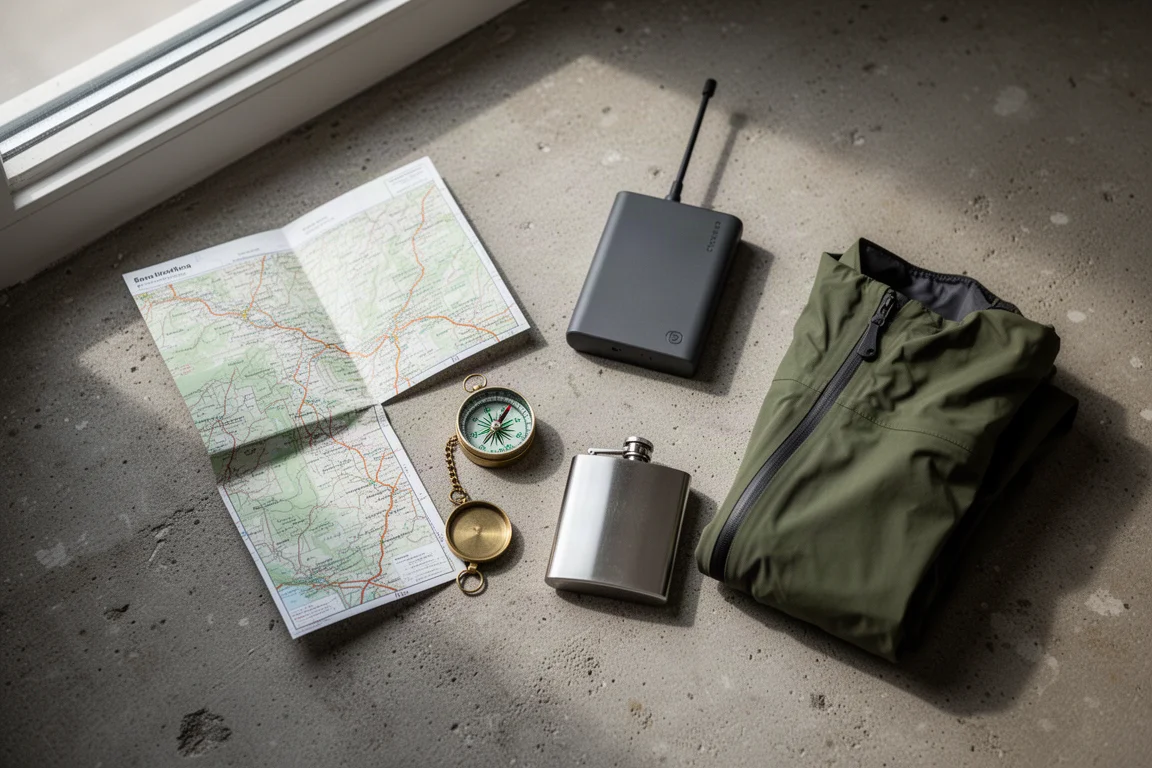
For hikers who want reassurance as much as rescue, the messaging is the whole point. Knowing that you can check in from a remote valley, and that someone can respond, changes how a solo trip feels.
Choosing Between the Two
The decision comes down to what you actually want the device to do. If the goal is a dependable emergency lifeline with a single purchase and no monthly cost, a personal locator beacon covers that with around £200 up front and no subscription. If the goal includes staying in contact and sending short messages, the inReach Mini’s messaging is worth its roughly £250 price plus the subscription that starts at about £15 per month.
Battery and upkeep also differ in character. A beacon is built to sit unused for years and still work when it matters, with a six-year standby battery life and a 24-hour emergency transmission once activated. A communicator is a device you will charge and use regularly, which is a fair trade for the messaging it provides.

Whichever route you take, registration is the step people forget. Registering a beacon helps rescue services confirm a real emergency rather than a false alarm, and it costs nothing beyond the initial setup. Do that on the day the device arrives, not the day you need it.
Conclusion
Both devices answer the same question: if something goes badly wrong far from a road, how do you call for help? The McMurdo Fast Find 220 answers it with a one-off purchase, a six-year standby battery and a floating pouch, but no way to send a message. The Garmin inReach Mini answers it with two-way messaging and a subscription that starts around £15 per month. Choose the beacon for a pure emergency lifeline, and the communicator if staying in touch is part of the point.
Further reading
Related Reviews

Outdoor Safety
Best Bear Spray 2026: Five Options for Wilderness Protection
A practical comparison of five bear spray products, from compact carry options to maximum-range formulas, with clear strengths and trade-offs for different wilderness scenarios.
Outdoor Safety
Backcountry Rescue Insurance: Three Coverage Options Compared
Backcountry rescues are often free, but not always. Three coverage options, from a Garmin inReach policy to a fully funded assistance subscription, take the cost question out of calling for help.
Outdoor Safety
Garmin inReach Mini 2 vs RescueME PLB1: Which Satellite SOS Device Should You Carry?
A practical comparison of the Garmin inReach Mini 2 and the RescueME PLB1, covering seven-year SOS costs, two-way messaging, and the kind of backup each device is built to be.