Speakers
McIntosh XR50 Review: Strong Bass, a Wide Soundstage, and a Bright Top End
A close look at the McIntosh XR50, a $2,000-per-speaker design with standout bass, a very wide radiation pattern, and upper treble that rewards careful placement or a touch of EQ.
Introduction
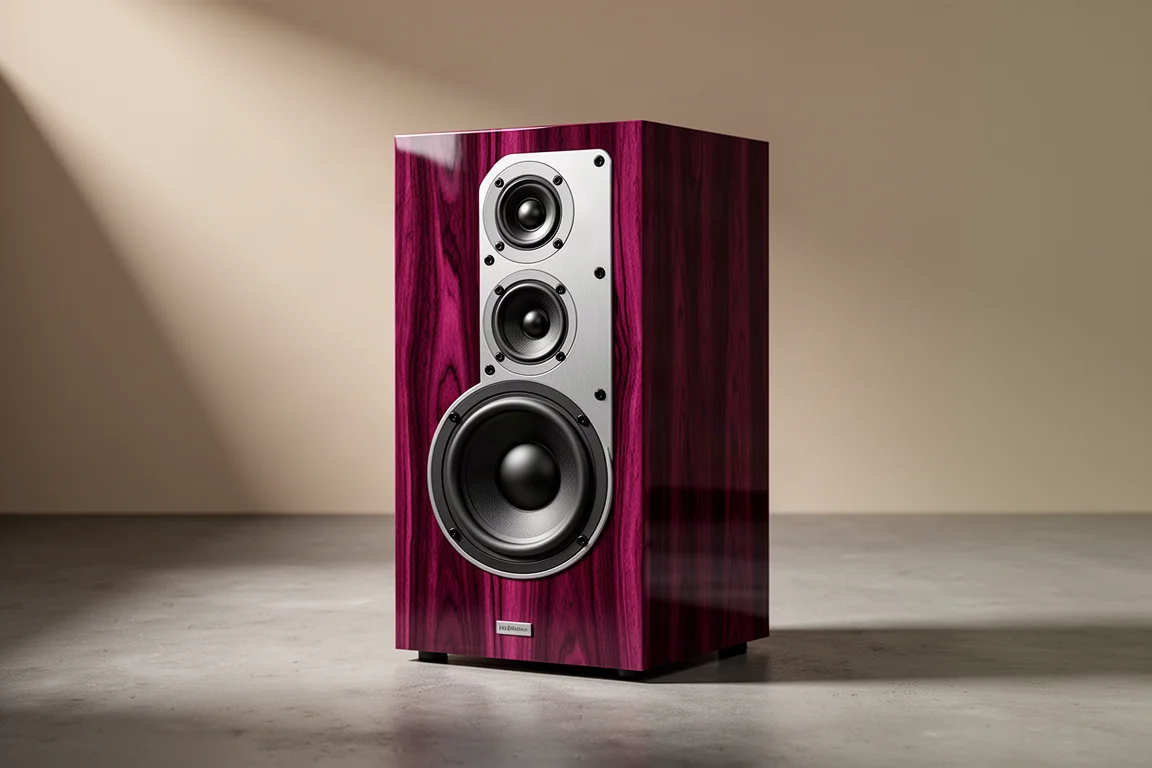
The McIntosh XR50 is a compact McIntosh loudspeaker priced at $2,000 per speaker, which works out to roughly $4,000 for a pair. It combines a dome tweeter and two 2-inch midrange drivers mounted on an aluminum front baffle with a separate midwoofer below, and it ships with a removable grille. A rosewood gloss finish is offered, and the cabinet construction is clearly where a large share of the cost sits.
The XR50 is a speaker of contrasts. Its low-frequency output is genuinely strong for its size, its midrange is neutral through the vocal region, and its soundstage is notably wide. Its upper treble rises, and because the radiation pattern is so broad, that lift follows you around a normal room. The encouraging part is that placement and a modest amount of EQ can address most of it.
Who This Product Is For
The XR50 will appeal most to McIntosh owners and enthusiasts who want a speaker that belongs visually and functionally with their electronics. It also includes an illuminated McIntosh emblem that lights up when the speaker is connected to a compatible McIntosh control connection, a detail that matters to listeners already invested in the ecosystem.
Beyond brand fit, this is a speaker for listeners who prize a wide soundstage and generous bass over strict tonal accuracy. Because the upper treble is elevated, buyers who are comfortable applying a little EQ or adjusting toe-in will get far more from it than those who insist on an untouched signal chain. Listeners who are less sensitive in the 8 to 10 kHz region may find the stock balance entirely agreeable.
If you are shopping for a neutral, studio-flat monitor rather than a speaker with character, the XR50 is probably not the right match. It is best understood as a beautifully finished, bass-forward design with a wide presentation and a treble lift that responds well to a small correction.
Design and Build Quality
Inside, the cabinet shows useful bracing, and the front baffle appears to be around three-quarter inch thick, most likely MDF or HDF. Every driver is sealed against the cabinet with foam gasket material, a detail that is easy to skip on cheaper designs and reassuring to see here.
The driver complement is straightforward: a dome tweeter with a protective grille in the middle, two 2-inch midrange drivers that each sit in their own enclosure, and a midwoofer below. The midrange assemblies are bolted to the aluminum front baffle, and the midwoofer carries a McIntosh label and a patent number on the rear. The cabinet and finish account for a significant portion of the build, and it shows in the overall presentation.
Main Strengths
Bass is the headline. The XR50 produces a large amount of output in the 50 to 60 Hz region, and its F3 sits at 43 Hz, which is a strong result for a speaker of this size. The response also carries a mild bass lift that makes the low end feel full and confident, even if that extra weight is not strictly accurate.
The midrange is the other clear strength. From roughly 200 Hz up to about 4 kHz the speaker stays neutral, with no issues that stand out on vocals or instruments. Soundstage width is genuinely impressive as well: primary output extends to roughly plus or minus 70 degrees, wider than most waveguide designs and comparable to the broadest flat-baffle dome tweeter speakers.
Measured harmonic distortion at 86 dB looks good for a speaker in this size class. Pushed harder, second-order distortion rises mainly in the 50 to 100 Hz band, and compression increases below about 200 Hz, but nothing about the behaviour is alarming within sensible listening levels. Equally welcome, no mechanical resonances, port chuffing or buzzing showed up even when the speaker was driven hard enough to unload the woofer.
Things to Consider Before Buying
The upper treble rises noticeably above the neutral midrange, and the region around 8 kHz is where sibilance becomes most obvious. On a wide-radiation design like this, the direct sound is not the whole story: a lot of high-frequency energy reflects off the side walls and arrives at the listening position, which makes the lift harder to ignore than it would be on a narrower speaker.
Turning the speaker off axis helps. Around 20 degrees reduces the upper-octave energy, and somewhere between 30 and 40 degrees smooths it further, but the trade-off is real. Because so much energy still spreads into the room, imaging and instrument placement lose precision as the speaker is angled away, so you trade soundstage focus for a calmer top end.
Sensitivity is another consideration. It measures closer to 79 dB at 2.83 volts at 1 meter, against a stated 81 dB, so the XR50 asks more of an amplifier than its size suggests. Finally, this is a ported design and the woofer will unload at high volumes, so it is not a speaker to run at full range without limits.
Getting the Best Sound From the XR50
A little correction goes a long way. A shelving filter above roughly 7 kHz, or a targeted cut around 8 kHz, tames the sibilance while preserving the wide soundstage that makes the speaker enjoyable in the first place. In listening tests that single adjustment changed the character of the speaker substantially, and it is the change most likely to move the XR50 up a level.
Placement matters just as much. Start with the speakers aimed on axis or about 10 degrees off axis and work outward only as needed. Vertically, the sweet spot is on axis with the tweeter, and you can move roughly plus or minus 20 degrees in height before the response becomes questionable. First reflection points deserve attention, particularly the floor and ceiling, where a little extra absorption or carpeting can reduce the reflected upper treble that reaches your seat.
Volume discipline is part of the equation too. Keep playback within a level that feels comfortable both to you and to the speaker, and the compression and distortion behaviour stays well controlled. Used this way, the XR50 delivers its bass and soundstage strengths without the treble becoming the dominant impression.
Buying Advice
The XR50 makes the most sense for a buyer who wants a McIntosh speaker for a McIntosh system, values a wide soundstage and strong bass, and is willing to spend a few minutes on placement or EQ. If you fall into that group, the speaker has a lot to offer, and its finish and build quality reinforce the ownership experience.
If you prefer a plug-and-play speaker that sounds neutral without correction, or if you listen at high volumes for long stretches, this is a design to audition carefully before committing. Ask for a demonstration with the speakers angled off axis, and if possible bring material with prominent vocals and cymbals so you can judge the treble for yourself. Pair it with an amplifier that has enough headroom for its low sensitivity.
It is also worth being honest about priorities. The XR50 is not the most accurate speaker at this price, but accuracy is not the only thing that makes a speaker worth owning. Buyers who enjoy a full low end and a spacious presentation, and who are prepared to make one small correction in the treble, will get considerably more satisfaction from it than the raw tonal balance suggests.
Conclusion
The McIntosh XR50 is a striking, well-built speaker with standout bass, a neutral midrange and an unusually wide soundstage. Its rising upper treble and broad radiation pattern are the main caveats, and they are manageable with toe-in or a modest EQ cut rather than deal-breakers.
For McIntosh enthusiasts and listeners who value spaciousness and low-end weight, the XR50 is a compelling option at $2,000 per speaker. For anyone chasing strict neutrality out of the box, audition it off axis first and decide whether the character on offer matches how you actually listen.
Product link
View more details for McIntosh XR50
This product is mentioned in the review. Check the specifications, options, and compatibility before buying.
View more details for McIntosh XR50Further reading
Related Reviews
Speakers
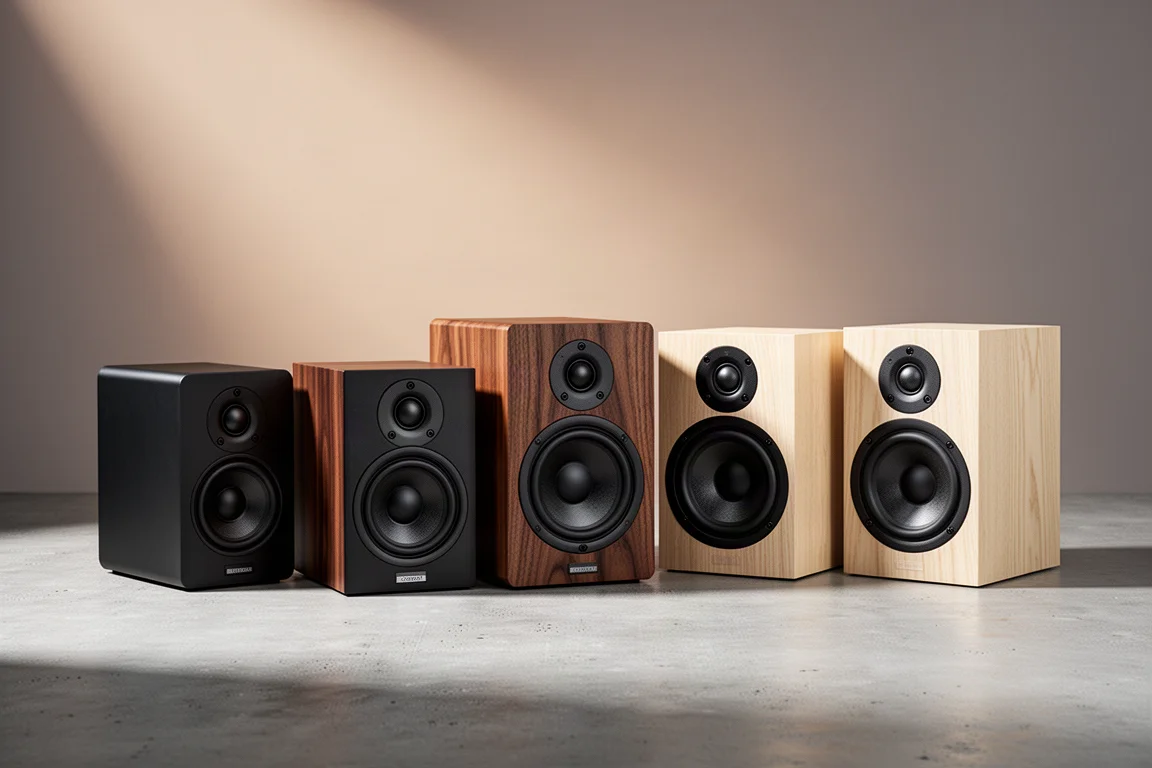
13 Under-the-Radar Speakers Still Worth Buying
Thirteen speakers that quietly stayed in production while newer models took the spotlight, from budget bookshelf pairs to a full-size tower.
Speakers
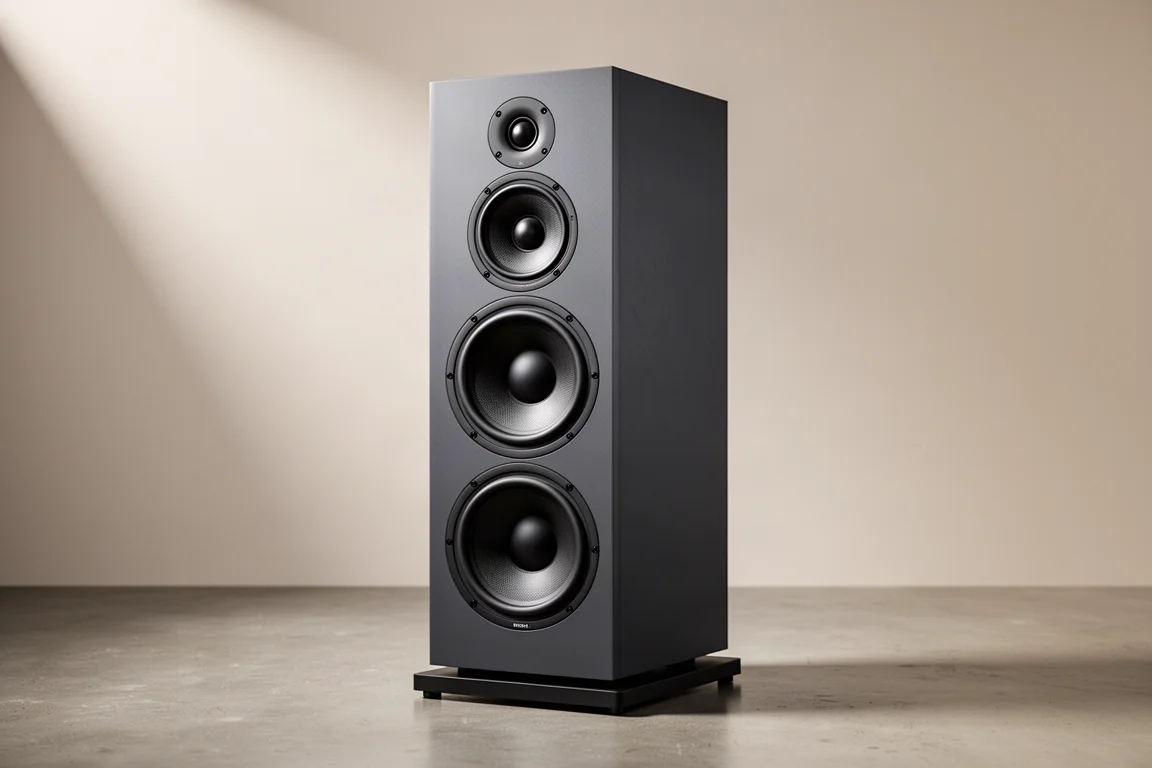
Arendal 1528 Monitor 8 Review: A Three-Way Standmount With Serious Dynamic Headroom
A three-way standmount speaker with extremely low distortion, high output capability, and deep bass for its size, plus the setup details worth knowing before buying.
Speakers
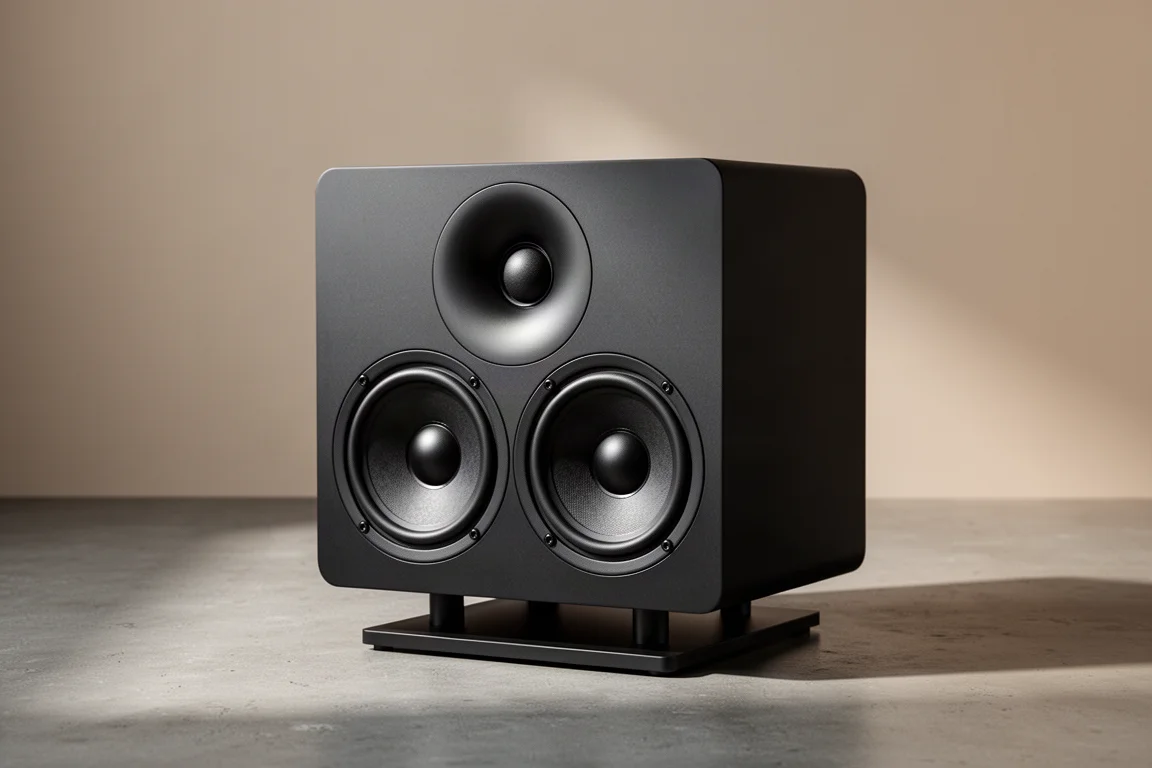
Arendal 1723 Monitor S Review: A Compact Monitor With Serious Ambition
A close look at the Arendal 1723 Monitor S, a compact MTM monitor with a waveguide-loaded tweeter, an HDF cabinet, and flexible ported or sealed operation for music and home theater.