Tube Amplifiers
McIntosh MC275 Mark 6 Review: An Iconic Tube Amplifier Reconsidered
A close look at the sixth-generation McIntosh MC275: superb build quality, three patented transformers, strong resale value, and a more neutral voice than the classic house sound.
Introduction
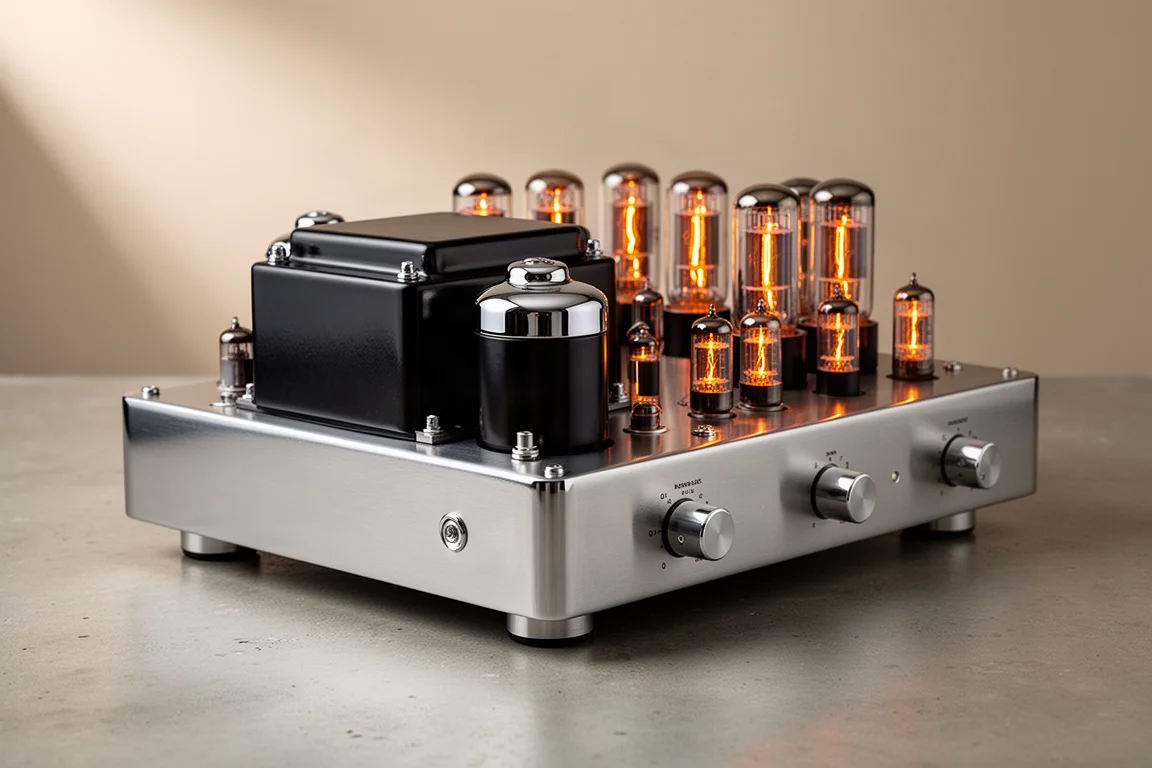
Few amplifiers have stayed in the conversation as long as the McIntosh MC275. Six generations in, it remains one of the most recognisable tube designs on the market, and the Mark 6 carries the same formula forward: 75 watts per channel, a trio of McIntosh patented output transformers, and a stainless steel and glass chassis that looks as much like furniture as it does electronics.
Coming back to the Mark 6 after spending time with newer amplifiers is a useful exercise. The craftsmanship, the resale value, and the sheer presence are all intact. The sound, however, has moved in a different direction. This generation is more neutral, more focused, and more modern than the MC275s that built the amplifier’s reputation, and that shift is worth understanding before spending this kind of money.
This review covers what the MC275 Mark 6 does exceptionally well, where it asks for patience, and who will get the most from it.
Who This Amplifier Is For
The MC275 Mark 6 is a natural fit for listeners who want a tube amplifier they can live with for years rather than a specialist component that only flatters one kind of recording. With 75 watts per channel and three output transformers, it drives a wide range of speakers, from horn-loaded designs and large floorstanders to compact towers and standmounts. Two units can be bridged for 150 watts per channel, though that doubles the cost.
It also makes a strong case for anyone building an all-McIntosh system. Paired with a McIntosh preamplifier, ideally a tube model, the amplifier takes on far more of the brand’s classic voicing than it does when mixed with other manufacturers’ gear.
Ownership economics matter here too. McIntosh gear in general holds its value well, and the MC275 is one of the strongest examples: it is an iconic model with a long production history, so resale losses tend to be modest, and earlier generations have developed collectible appeal over time. That is not an investment argument, but it does soften the cost of entry.
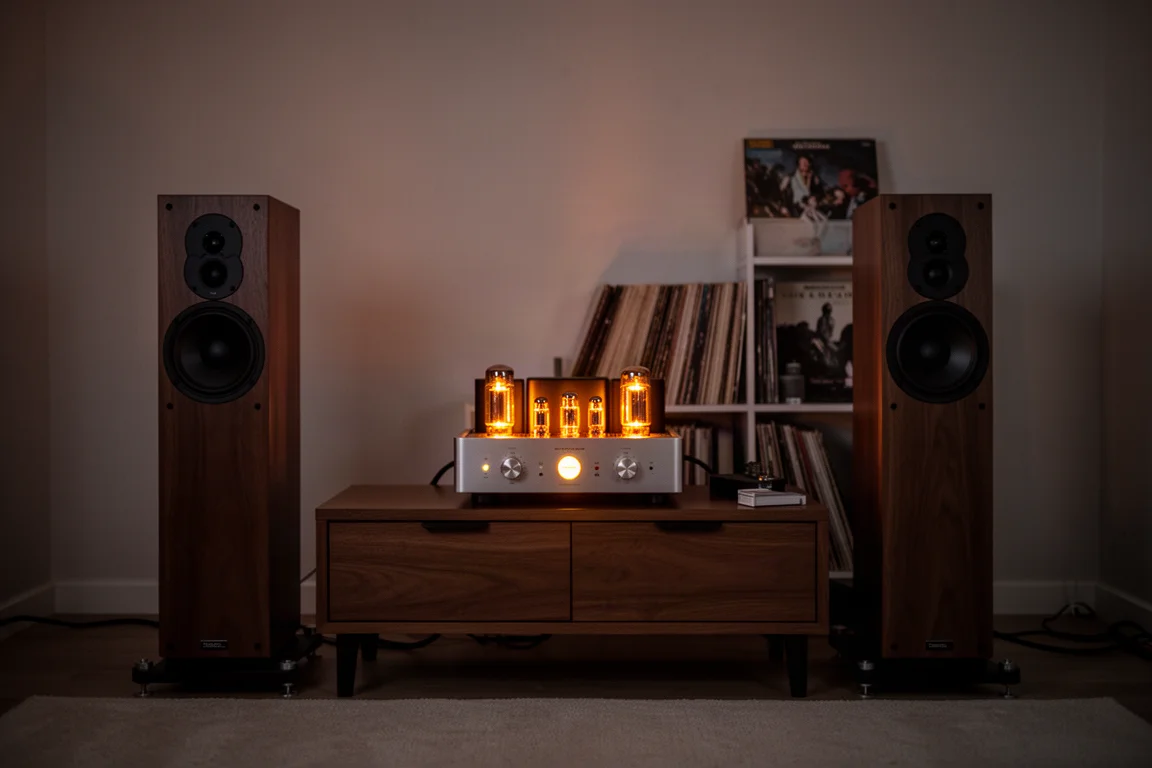
Beyond the specification sheet, the MC275 Mark 6 suits people who enjoy the ritual of tubes: warm-up, glow, and the option to reshape the character of the amplifier with different valves. It is less suited to listeners chasing the lowest possible cost per watt or the last word in resolution for the money.
Build Quality and the McIntosh Signature
Build quality is exceptional. The chassis is elegant, the layout is clean, and the amplifier feels engineered rather than assembled. McIntosh patented transformers are the heart of the design, and the MC275 carries three of them, which is a large part of why this model has such a distinctive and long-lived reputation.
The front-panel indicator is a matter of taste. The Mark 6 uses a green light, and the startup sequence runs from orange to green once the amplifier is ready. Some listeners love it, others find it unnecessary on a tube amplifier. It is one of those details that is easier to accept in person than to judge from a photograph.
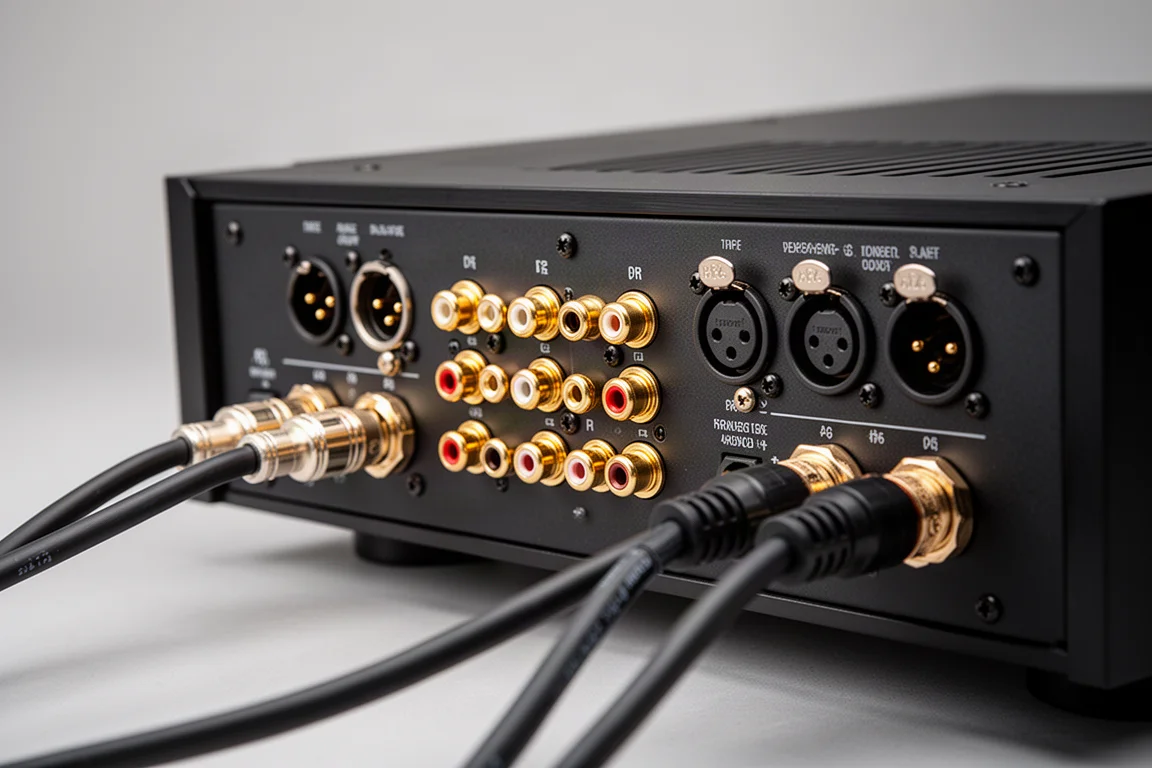
Connectivity is broader than on the vintage MC275s, which had no balanced inputs at all. The Mark 6 offers both XLR and RCA inputs, but the balanced connection is not a true balanced circuit, since the signal is converted internally. Unless long cable runs are required, the RCA input tends to sound the better of the two.
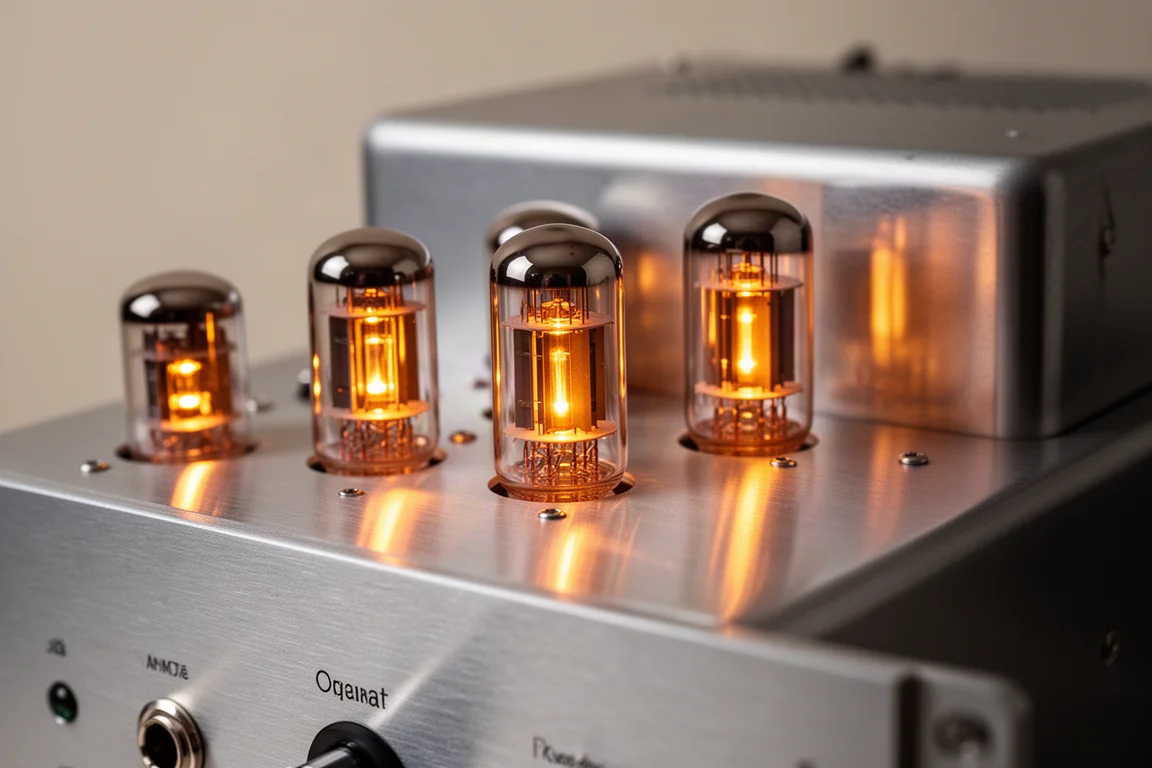
Tube compatibility is one of the strongest practical arguments for this amplifier. It accepts both KT88 and 6550 output tubes and uses widely available input tubes, so replacements are easy to source and the tube-rolling possibilities are extensive.
Main Strengths: Sound, Flexibility, and Ownership
The Mark 6 sounds more modern than its predecessors. It is largely neutral, with a slight emphasis in the mid-bass that leaves it just warm of neutral rather than firmly in that camp. Imaging is tighter than before, the presentation is more focused, and detail retrieval is clearly improved. On certain recordings at high volume, that extra clarity can tip into brightness.
What has receded is the lush, holographic quality that many listeners associate with the brand, the sense of music flowing out into the room. Heard in isolation, and especially alongside components from other brands, the Mark 6 can come across as a well-behaved, mildly warm amplifier rather than a distinctly McIntosh one. In a full McIntosh system, particularly with a tube preamplifier, much more of that house character returns.
Where the Mark 6 continues to shine is flexibility. It responds well to different tubes, it pairs happily with a very wide range of speakers, and it stays forgiving even with warm-sounding loudspeakers that might look like an awkward match on paper. That combination of consistency and adjustability is rare, and it is a large part of why this amplifier remains an easy long-term companion.
Tube Rolling and Speaker Pairing
The Mark 6 responds noticeably to tube changes, and that is one of the most enjoyable aspects of owning it. Swapping the stock valves for New Old Stock examples or an affordable modern tube set shifts the character of the amplifier in useful directions.
The choice of output tube matters most. With 6550 tubes fitted, the presentation moved closer to the classic McIntosh sound: more luscious, more holographic, with a deeper soundstage and a smoother top end. KT88 tubes pushed in the other direction, with more robust bass, greater clarity, and a more transparent character. Both were upgrades over the stock tubes, and the 6550 route was the one that best restored the warmth and depth this amplifier is known for.
Speaker pairing is similarly forgiving. Horn-loaded speakers, large towers, compact floorstanders, standmounts, and dual-concentric designs all worked well. The one clear exception was a compact dual-concentric standmount that wanted more headroom than 75 watts per channel could comfortably provide. For most speakers, in most rooms, power is not the limiting factor.
Things to Consider Before Buying
The first consideration is price. At around $6,500 in the US, the MC275 Mark 6 sits in a crowded part of the market, and several amplifiers at or below that figure deliver more outright fidelity.
The second is character. This generation is neither fully the classic McIntosh sound nor the final word in resolution. It is a balanced, slightly warm, more analytical amplifier than the model’s history suggests, and buyers who come to it specifically for that lush vintage presentation may not find it in the stock configuration. Tube rolling can get you much closer, but that adds cost and effort many buyers would rather not take on.
The third is power. At 75 watts per channel, the Mark 6 handles most speakers comfortably, but demanding or inefficient designs will want more. Bridging two units solves that, at double the price.
Finally, the green indicator and the modernised voicing are both taste-dependent. Neither is a flaw, but both are good reasons to audition the amplifier with your own speakers rather than buying on reputation alone.
How the MC275 Mark 6 Compares at Its Price
At this price point, the alternatives deserve a mention. A solid-state integrated such as the Galion TSA-75, at roughly $1,500, is not a tube amplifier at all, yet in direct comparison it produced a deeper and wider soundstage, more weight and definition in the bass, richer midrange nuance, and a darker background.
A tube design such as the Bruno Gold Terra, at around $3,000, delivered more of the classic tube character that buyers of a tube amplifier are usually seeking.
Vintage McIntosh options are the other path. Older McIntosh tube models, and even some of the brand’s vintage solid-state pieces, sound more like the traditional house sound than the Mark 6 does, and they carry collectible value of their own.
None of this makes the Mark 6 a poor amplifier. It makes it a specific one. You are paying for build quality, three patented transformers, a long production heritage, excellent resale value, and the flexibility to tune the sound with different tubes. For listeners who value those things, the price is easier to justify. For listeners who value raw fidelity per dollar, the arithmetic is less favourable.
Buying Advice
The MC275 Mark 6 makes the most sense in an all-McIntosh system, particularly with a tube preamplifier, where it finally sounds like the amplifier people expect. If that is your plan, it is an easy recommendation: the build is superb, the tube flexibility is genuinely useful, and strong resale values mean the financial risk of ownership is lower than with most high-end brands.
If you are building a mixed system and prioritising sound quality per dollar, compare carefully before committing. The Mark 6 is a good amplifier that has become a more neutral one, and buyers who want the classic McIntosh presentation should budget for tube rolling or consider vintage alternatives.
Anyone considering this amplifier should also plan a proper audition with their own speakers. Its forgiving nature means it rarely sounds bad, but the difference between good and right here depends on the system around it and the tubes inside it.
Conclusion
The McIntosh MC275 Mark 6 remains a beautiful, beautifully built amplifier with a strong ownership story. It is not the automatic sonic benchmark its reputation might suggest, at least not in the sixth generation and not outside an all-McIntosh system.
Approached as a flexible, slightly warm, more modern tube amplifier with excellent resale value and a wide tube-rolling palette, it makes a great deal of sense. Approached as the definitive embodiment of the classic McIntosh sound, it may leave some listeners wanting more.
Product link
View more details for McIntosh MC275 Mark 6
This product is mentioned in the review. Check the specifications, options, and compatibility before buying.
View more details for McIntosh MC275 Mark 6Further reading
Related Reviews
Tube Amplifiers
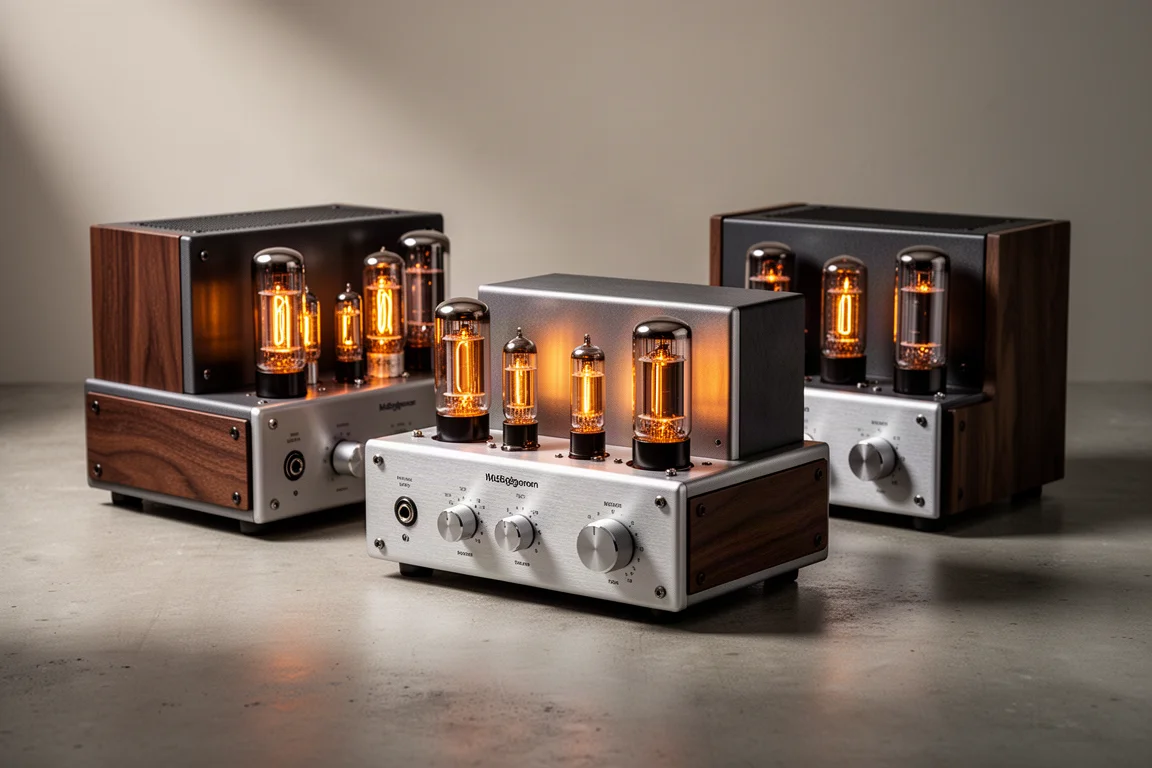
Three Standout Tube Amplifiers: Marantz 8B, Decware ZMA, and Convergent Audio JL2
A close look at three tube amplifiers with distinct strengths, from vintage sweetness to modern mid-range refinement and heavyweight bass authority.
Tube Amplifiers
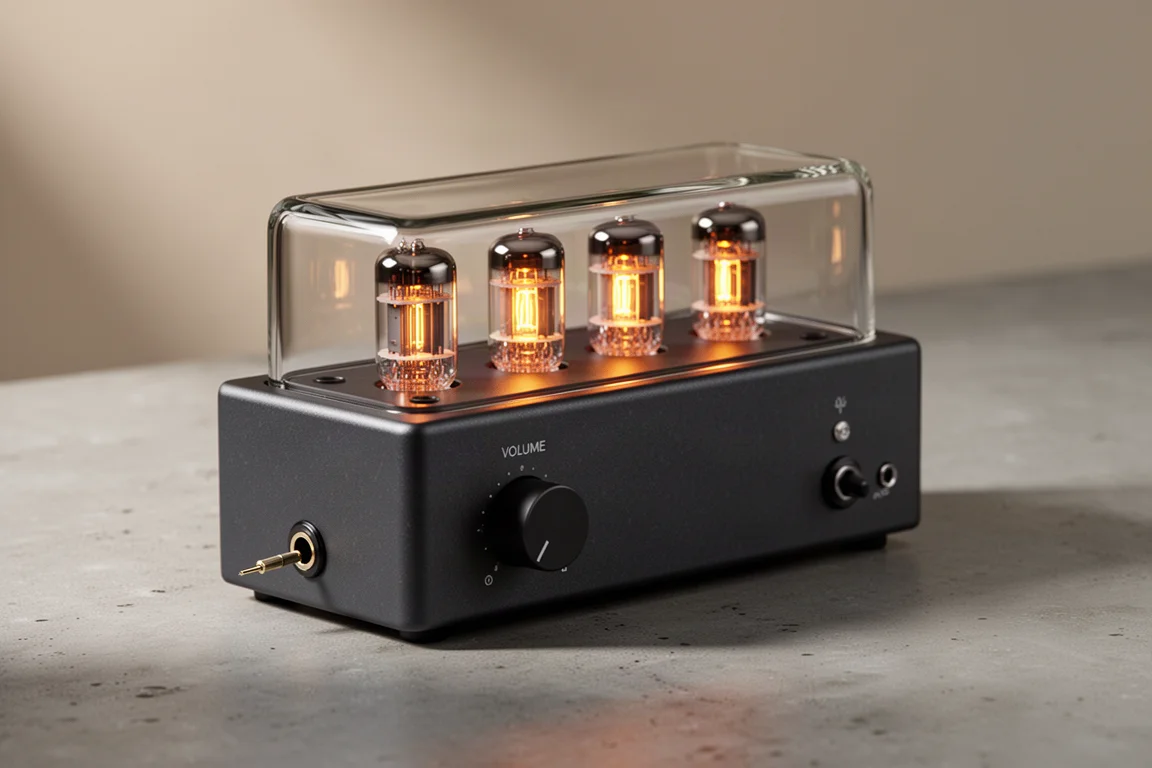
Black Ice Audio FX10 Review: A Real Tube Amplifier at a Realistic Price
The Black Ice Audio FX10 pairs EL84 tubes with a glass enclosure and a $625 price tag. Here is what it does well, what to check first, and who should consider it.
Tube Amplifiers
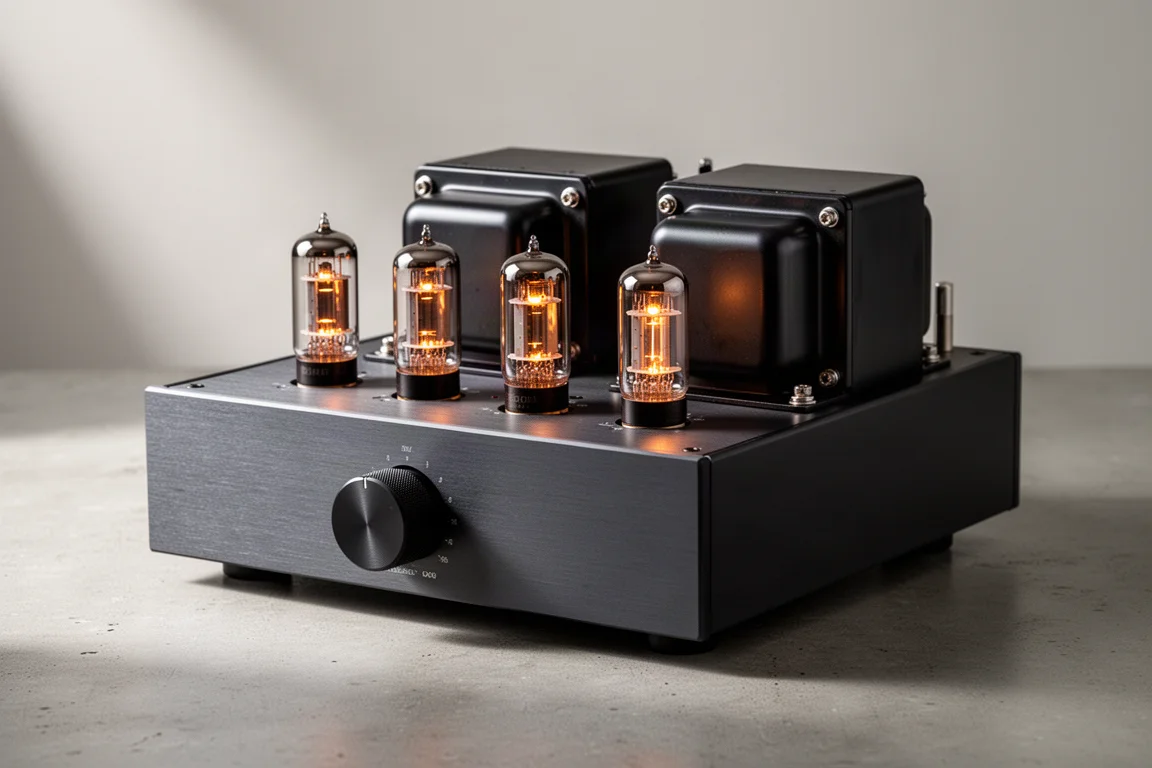
Brunoco Terra Integrated Amplifier Review: 20 Watts of Vintage RCA Character
A purist 20W tube integrated amplifier built in Korea around vintage RCA circuit ideas, with a musical, expansive sound and a few practical trade-offs.