Camping Tents
MC2 Mount Bivy Tent Version 2 Review: A Lightweight Double-Wall Bivy Shelter
A one-person, three-season bivy shelter with a double-wall build, fly-first pitching, and a 3.1 lb packed weight for around $110.
Introduction
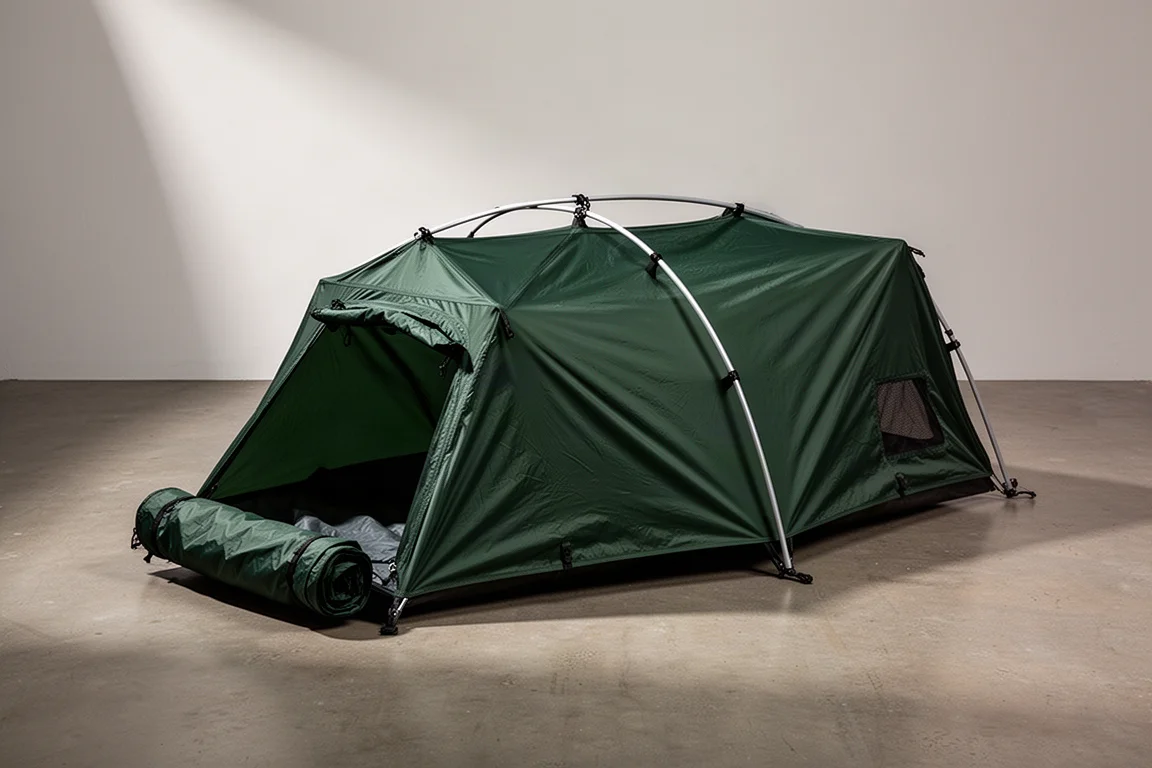
MC2 Mount has introduced two new bivy shelters, a clear change of direction after its earlier bivy design was discontinued. The two new models look related but differ in important ways. One uses a rounded foot box and a single-wall build. The shelter covered here, the MC2 Mount Bivy Tent Version 2, squares off both the head and the foot, uses a double-wall construction, and relies on a single aluminium pole.
At $110 at the time of writing, it sits well below what most double-wall, three-season shelters cost. It weighs 3.1 lb and packs down to 16 in by 5 in, and it is intended for three-season use. This review covers what comes in the bag, how the shelter pitches, how much room it actually offers, and the two open questions that only field time can settle.
Who the MC2 Mount Bivy Tent Version 2 Is For
This is a one-person shelter for the warmer months, which makes it a natural fit for backpackers, bikepackers and motorcycle campers who want a small, light package that disappears into a pack or a pannier. The 85 in floor length is unusually generous for this class, and the interior will take an extra-wide sleeping pad with room left over for some gear. Because of that length, it should suit just about anyone under 7 ft tall.
It is not a roomy two-person tent and it is not a basecamp shelter. In practice it sits closer to a large bivy than to a small tent, which is the trade-off that keeps the packed size and weight down.
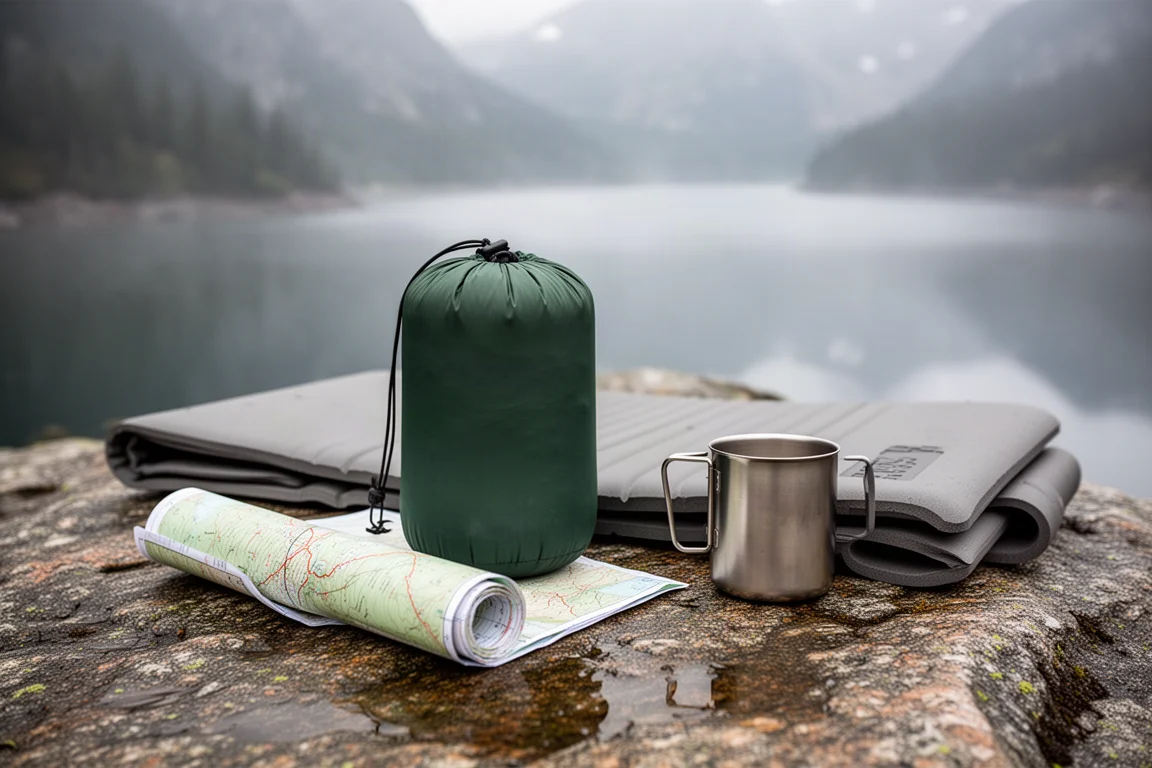
Anyone who wants to sit up, keep a full-size pack inside the sleeping area, or camp through winter conditions should look at a larger or more protective design instead. The Version 2 is at its best when the goal is a minimal, light shelter for fair-weather trips.
Main Strengths
Construction and Materials
The fly is made from 15 denier silicone-treated nylon with a 3,000 mm hydrostatic head rating, which is a high waterproof rating for a shelter at this price. The pole and the tent stakes are aluminium. Construction quality is a genuine strength here: the stitching, seams and finishing all look well executed, and there is nothing about the build that raises a concern.
The storage bag is worth a mention of its own. It is remarkably small and light, and it uses two grab handles, two compression straps and a zipper running across the top.
Interior Space and Dimensions
The interior measures roughly 34 in at peak height, 40.5 in at maximum width, and 85 in in length. The width tapers toward the head and again at the foot, so the widest point is the centre, where the pole stands. That central volume is where the shelter feels most usable.
Inside, there is a mesh pocket on the side wall and a second mesh pocket down by your feet, plus a hook at the top for a headlamp or a small lantern. The door runs on two-way zippers. The entrance itself is fairly small, which is typical of this shape.
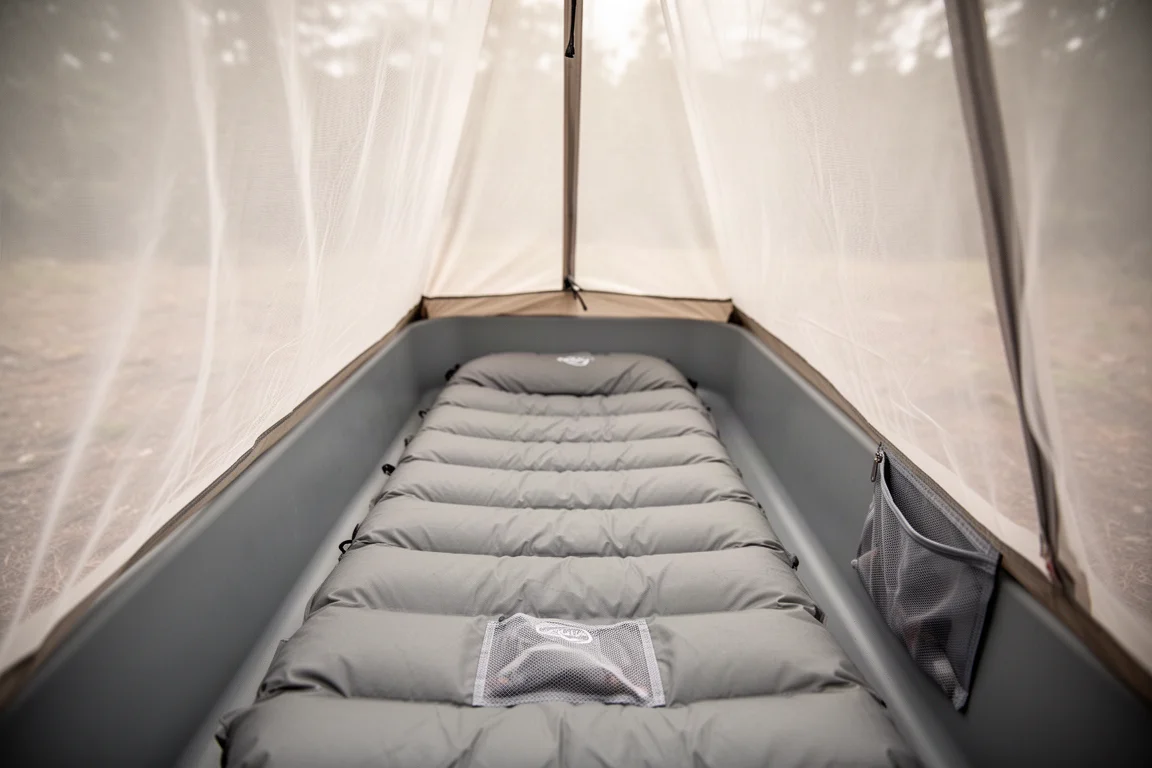
The bathtub floor is a real advantage in a shelter this narrow. It pulls away from the fly cleanly, so the sleeping area stays separate from the outer layer rather than sitting directly against it.
Packed Size and Weight
Packed, the shelter measures 16 in by 5 in and weighs 3.1 lb. That combination makes it easy to carry on a bike or a motorcycle as well as in a backpack, and it takes up very little room in a pack. For a shelter with a double-wall layout and an 85 in floor, those numbers are the headline.
Setup and Pitching
Pitching is simple and there is little to get wrong. The shelter uses one large aluminium pole. It is a fly-first design, which means the outer layer can go up before the inner, so the sleeping area stays dry if you are pitching in rain.
Four short lines need to be attached to the corners of the shelter before the first pitch, and two guy lines are included on top of that. The package also contains 13 tent stakes, a repair kit, and setup instructions printed inside the storage bag.
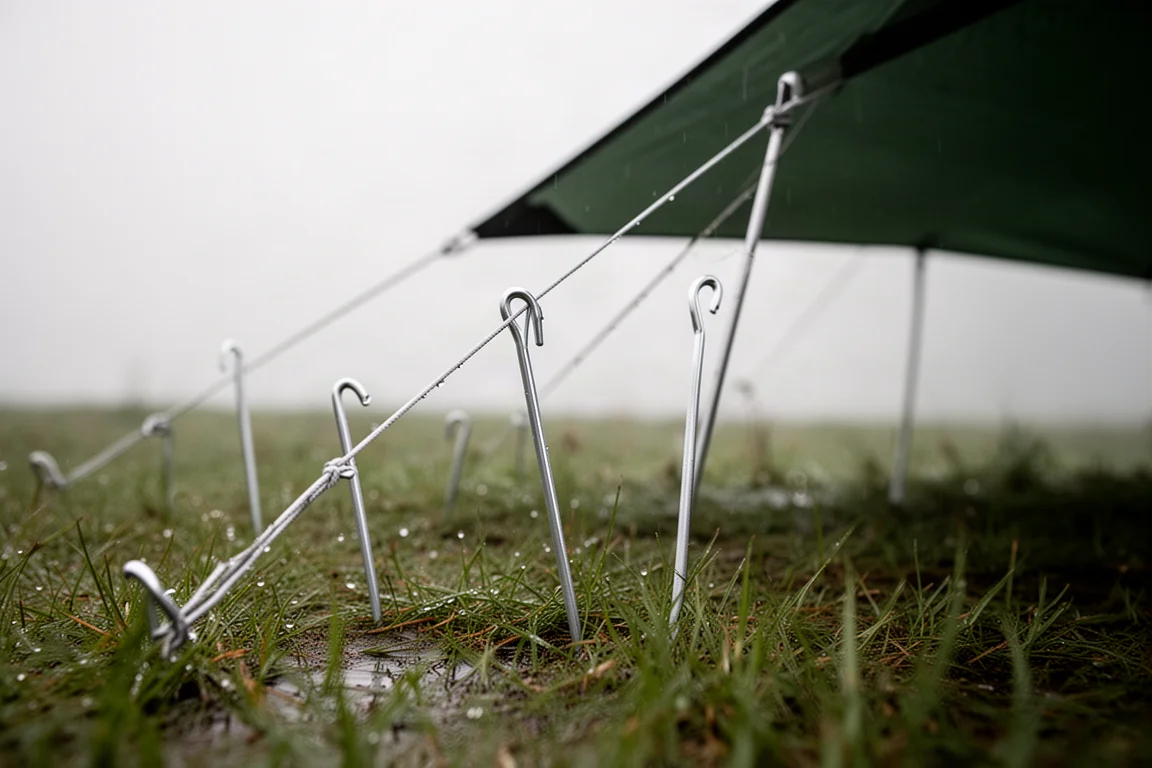
The practical minimum is eight stakes to get the shelter standing, and ten if you also want to run the guy lines. That is a lot of stake points for a shelter this size, so it rewards campsites where the ground accepts stakes cleanly.
Things to Consider Before Buying
Two questions remain open, and both matter more than any spec sheet number. The first is how the shelter performs in sustained rain, which has not yet been confirmed in the field. The second is condensation.
Condensation and Ventilation
There are two vents, one at the rear and one at the front. The inner is largely mesh, so there is plenty of opportunity for airflow when the door is open or the fly is pulled back. The catch is that the fly extends all the way to the ground, so once you seal up in bad weather the only airflow comes through those two vents.
In practice, very little air moves through vents of this size. In still, humid or cold conditions, condensation is likely to form. The saving grace is the double-wall layout: because the fly is held away from the inner, any moisture that builds up should collect on the inside of the fly rather than on the mesh beside your sleeping bag. How much that separation helps in real conditions is the part that needs testing.
Stake Count and Pitching Requirements
Budget for at least eight stakes, and carry ten if you plan to use the guy lines. The 13 supplied stakes cover that comfortably. The flip side is that this is not a shelter that pitches well on rock, sand or hard-packed ground without some improvisation.
Buying Advice
On paper and in hand, the MC2 Mount Bivy Tent Version 2 delivers a lot for the money. A 15 denier silicone-treated nylon fly with a 3,000 mm hydrostatic head rating, aluminium hardware, a double-wall layout, fly-first pitching, an 85 in floor and a 3.1 lb packed weight for around $110 is a strong combination, and the build quality backs it up.
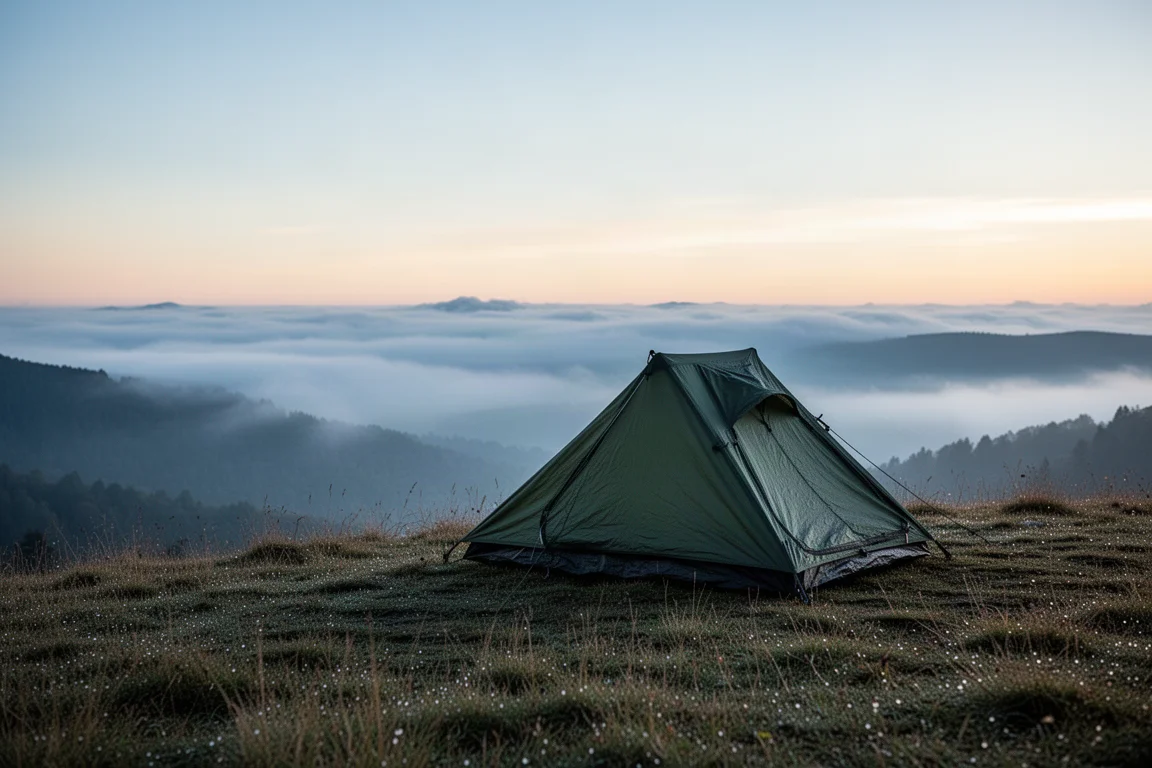
If you are a solo camper who wants a small, light three-season shelter and you mostly camp where stakes go in easily, this is an easy one to recommend on value. If you regularly camp in humid, still conditions or you need to seal the shelter for long stretches, wait for real-world condensation results before committing. Riders and bikepackers who care most about packed volume will find the 16 in by 5 in stuff sack especially appealing.
Conclusion
MC2 Mount has clearly moved on from its earlier bivy design, and the Version 2 is a substantial step forward. The construction is sound, the materials are better than the price suggests, the interior is longer than expected, and the packed size is genuinely small. The remaining questions are condensation management when fully sealed and rain performance in sustained weather, and those will decide whether this becomes a long-term favourite rather than a good-value curiosity. For now, it is one of the more interesting budget shelters in its class.
Product link
View more details for MC2 Mount Bivy Tent Version 2
This product is mentioned in the review. Check the specifications, options, and compatibility before buying.
View more details for MC2 Mount Bivy Tent Version 2Further reading
Related Reviews
Camping Tents
3F UL Gear Taiji Two-Person Tent Review: Field Waterproofing Results and Buying Advice
The Taiji pairs an attached fly with a removable inner, but sustained rain exposed untaped vent seams that need sealing before this shelter can be trusted.
Camping Tents
3FUL Gear Lanshan 2 Pro 4-Season Review: A Sub-$200 Single-Wall Trekking Pole Tent
An early look at the 3FUL Gear Lanshan 2 Pro 4-Season, covering its straightforward pitch, generous interior space, and the condensation and seam-sealing questions that come with any single-wall shelter.
Camping Tents
Alps Mountaineering Lynx 1-Person Tent Review: Big Value in a Small Budget Tent
A close look at the Alps Mountaineering Lynx 1-Person Tent, covering real interior dimensions, materials, setup time, ventilation limits, and who should buy it.