Aquarium Equipment
Maxspect Turbine Duo Review: A Dual-Impeller DC Utility Pump
A close look at the Maxspect Turbine Duo, a dual-impeller DC utility pump with two outlets, several flexible configurations, and a deep accessory kit.
Introduction
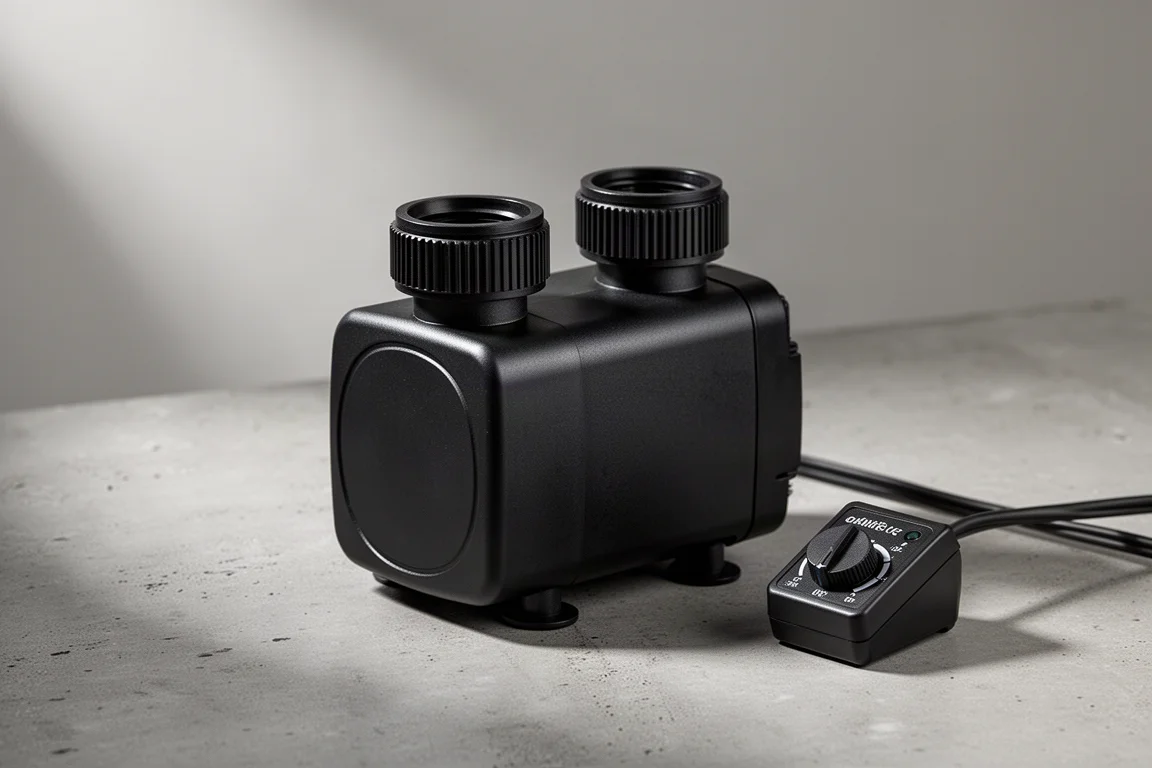
The Maxspect Turbine Duo takes a different route from most utility pumps. A single motor drives two impellers and two volutes, so the pump has two intakes and two outlets rather than one of each. The approach draws on the dual-rotor thinking behind Maxspect’s gyre flow pumps, translated into a return and utility pump for aquariums.
That doubling shapes everything else about the product. The Turbine Duo is DC controllable, it ships with an unusually broad set of fittings, and it can be assembled in several configurations that trade flow against head pressure. Maxspect offers three models, the 6K, 9K, and 12K, rated for maximum flows of 1,700, 2,500, and 3,000 gallons per hour respectively.
Who This Pump Is For
The Turbine Duo fits reef and marine aquarium owners who want more control than a conventional AC return pump provides. Two outlets suit overflow systems with dual return lines, where flow needs to be shared evenly between two returns. Because each side behaves like its own pump, that split holds up even when one run of plumbing is longer or more restrictive than the other.
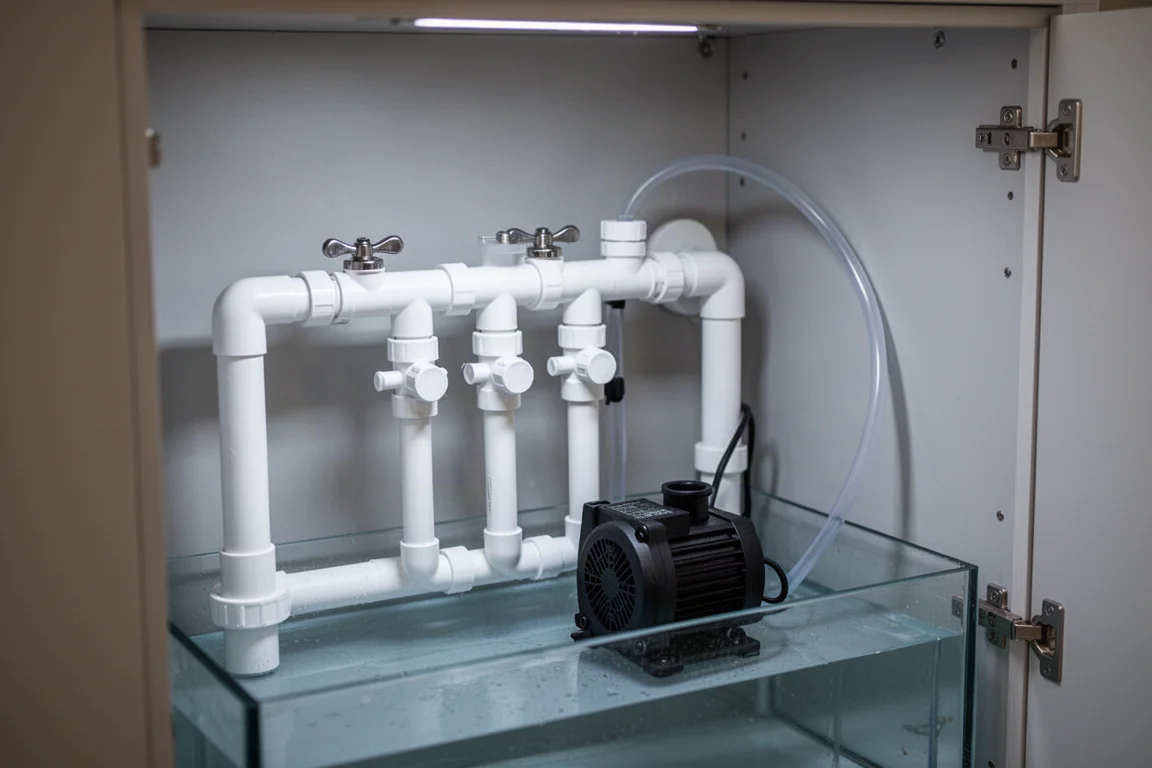
The same logic applies to powering a manifold. A single-outlet return pump that also feeds a reactor or other gear usually forces a compromise between return flow and accessory flow. With two independent outlets, the return line and the manifold can be tuned separately, so turning down flow to a phosphate reactor does not send you back to the drain valve to re-balance a siphon.
What Comes in the Box
Maxspect includes a notably complete accessory set. Inside the package you get the pump, the controller, a battery backup adapter, a power supply and cables, and a user manual.
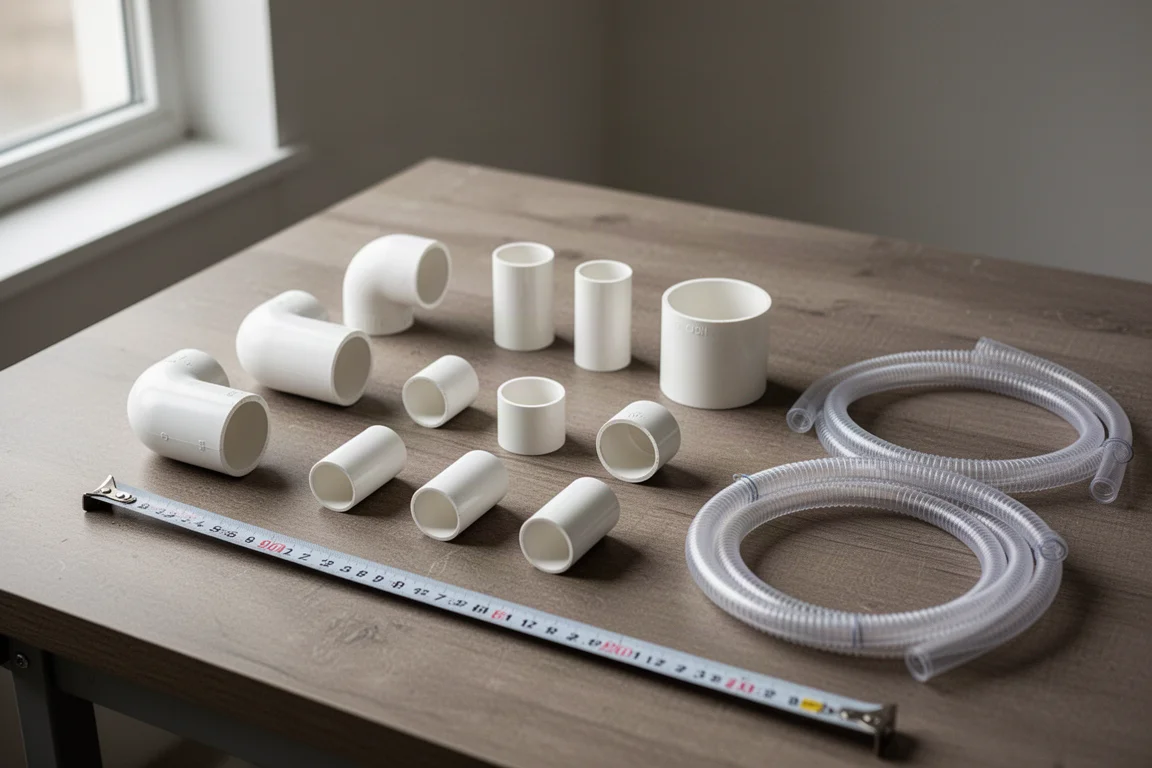
The fittings cover inlet collars with O-rings and barbed fittings, outlet collars with O-rings and barbed fittings, and a Y tube with its own O-ring collars and barbed fittings. Two intake screens are included along with optional surface shields, plus the accessories needed for single-outlet conversion. The accessory count is high for a utility pump, and it is what makes the alternate configurations possible without hunting for extra parts.
Main Strengths
The dual-impeller layout pays off most clearly when the pump is run through the Y outlet for a single return. If one intake or impeller becomes blocked, clogged, or damaged, the other side keeps moving water. Instead of a sudden loss of flow, the aquarium still receives roughly half of its normal turnover, which turns a potential emergency into a maintenance task with some time on your side.
Control is the second strength. The bundled controller handles the essentials with on and off switching, a feed mode that pauses flow temporarily, and flow adjustment from 1 to 100 percent in single percent steps, which is precise enough to match a return pump to a specific system. For dynamic closed loops, pulse, random, and advanced pulse modes can be customized, and automatic mode builds a flow schedule that shifts through the day. An app option exists as well: the pump works with the Synergy app when paired with an ICV6 connect controller.
Installation flexibility is the third. Each volute can be rotated so the outlets point to the 9 o’clock, 12 o’clock, or 3 o’clock position. The change is tool-free: pull off the base, rotate the volute to unlock it, lift it off, and reinstall it in the orientation you want. The same design makes routine maintenance straightforward and keeps tools out of the picture.
Configuration Options Explained
The stock layout uses both outlets at once. That is the natural setup for dual return lines, and it also works well when one outlet feeds the display return while the other drives a manifold or additional gear.
The Y outlet configuration merges both sides into a single outlet to make the most of the pump’s flow, while keeping the redundancy benefit described above.
For tight spaces, one volute and impeller can be removed and replaced with the included cap. This slims the pump considerably for fitting into compact sumps. Flow drops in this configuration, but maximum head pressure rises.
Loop boost is the setup for long, restrictive plumbing. Barbed fittings and soft tubing route the outlet of one side back into the intake on the opposite side, which raises head pressure substantially. On the 12K model, maximum head pressure climbs from 12.5 feet to just shy of 20 feet while the single outlet still delivers the same flow rate. That extra pressure helps hold flow rates up through runs packed with valves, elbows, and turns.
In-line use is also possible, which opens the door to closed loop setups, including running two closed loops from one pump.
Things to Consider Before Buying
Plan for the fittings, not just the pump body. Without any fittings attached, the 9K model measures roughly 5.5 inches long, just shy of 4 inches wide, and 5.5 inches tall, which fits many sumps, but the overall footprint changes with the configuration you choose.
App control is optional rather than included. Using the Synergy app requires adding an ICV6 connect controller, so buyers who want phone-based programming should factor in that extra piece.
It also helps to decide which configuration you actually need before ordering. The single-sided setup prioritizes a smaller footprint and more head pressure, while the Y outlet setup prioritizes maximum flow from one outlet. Pairing that choice with your system’s turnover target and plumbing resistance makes the model decision much easier.
Buying Advice
Model choice starts with flow. The 6K is rated at 1,700 gallons per hour, the 9K at 2,500, and the 12K at 3,000, so matching the rating to your system’s turnover goal is the first decision.
From there, think about the configuration you will run most often. Dual return lines or a return plus manifold point toward the stock two-outlet layout. A single return with heavy plumbing resistance makes loop boost worth considering, especially on the 12K, where the head pressure gain is largest. Tight sump space may favor the single-sided setup. If app control matters to you, include the ICV6 connect controller as part of the purchase.
The DC controller, the fine-grained flow adjustment, and the included fittings all point to a pump that is meant to be tuned to a system rather than installed and forgotten.
Conclusion
The Turbine Duo is an unusual utility pump because its two impellers and two outlets are not a gimmick. They change how a return pump can be plumbed, how flow can be balanced, and what happens when something blocks an intake. Add DC control with single percent flow adjustment, tool-free volute rotation, and a box that covers most configurations out of the gate, and it becomes a compelling option for reef keepers who want their return system to do more than move water in one direction.
Product link
View more details for Maxspect Turbine Duo
This product is mentioned in the review. Check the specifications, options, and compatibility before buying.
View more details for Maxspect Turbine DuoFurther reading
Related Reviews
Aquarium Equipment
Abyzz Professional DC Pumps: A100, A200, and A400 Reviewed
A closer look at three German-made DC return pumps built for large reef systems, with titanium internals, fine flow control, and a 10-year warranty.
Aquarium Equipment
AdaptiveReef Controller Accessories: Three Tactile Upgrades for Your Reef Controller
A practical look at three AdaptiveReef add-ons that put physical switches, at-a-glance status lights, and a loud alarm within arm's reach of your reef tank.
Aquarium Equipment
Adaptive Reef Controller Boards: Basic vs Deluxe for Cleaner Aquarium Gear
A practical look at the Adaptive Reef Basic and Deluxe controller boards, what each one includes, and how to choose the right size for your tank gear.