Aquarium Filtration
Maxspect Nanotech Media: Five Reef Tank Filtration Upgrades Explained
A practical look at five Maxspect Nanotech media, from a tourmaline cube that targets yellow water to porous frag plugs, with the trade-offs worth knowing before buying.

Introduction
Maxspect’s Nanotech range is a set of filtration media built around several different ideas rather than one shared material. Across five products it addresses yellowing water, ammonia and nitrite conversion, nitrate reduction, tight sump space, and coral frag mounting. Some of these pieces stand in for familiar tools such as carbon, bio pellets, and bio balls. Others approach a routine aquarium task in a way that is genuinely uncommon in the hobby.
This guide covers what each product is, what it is designed to do, and the maintenance it asks for, so you can judge which pieces are worth adding to your own system.
What Sets Maxspect Nanotech Media Apart
Two threads run through the range. The first is construction. Maxspect builds its ceramic media from micro beads of ceramic that are shaped, fired, and hardened, rather than the leavened ceramic slurry used for many biomedia products. The second is intent: several pieces here are designed to replace a maintenance-heavy tool with something that can stay in the tank longer, or to finish a job that most media leave half done.
Durability is the practical payoff of the micro-bead approach. Maxspect notes that chemically hardened media can break down over years of service, while leavened ceramic can crumble when handled, which makes routine cleaning awkward. The company states its ceramic bodies have been ICP-MS tested, contain no aluminum, and are reef safe.

Fired hard media also hold their shape, so they can be lifted out, rinsed, and returned rather than replaced wholesale. That matters most for anyone running a sump without sand, where biological surface area has to come from somewhere other than the substrate.
Nanotech Clear Cube: A New Way to Clear Yellow Water
The Clear Cube is the least conventional product in the range. It is designed to reduce the yellowing compounds that accumulate in aquarium water, the tint that shows up with heavy feeding, fish waste, and general organic buildup.
It is not ceramic biomedia, and it is not an adsorbent like carbon or copper. It is made from tourmaline, a crystalline silicate structure. Maxspect states that electrical charges within the tourmaline structure alter organic matter, working in a way that is similar in principle to ozone and other oxidants, though not identical. The company points anyone who wants the underlying science toward its own documentation.
The contrast with carbon is the useful part. Carbon clears water quickly but saturates within days, often a week at most, and then has to be replaced, which turns water clarity into a repeating chore. The Clear Cube works differently, and Maxspect states it can stay in service for six months or even a year. It also avoids the stripping effect carbon can have on amino acids and oils in the water. In its own heavily stocked systems, including tanks dosed with skimmate to deliberately yellow the water, the company reports clarity returning within four to eight hours.

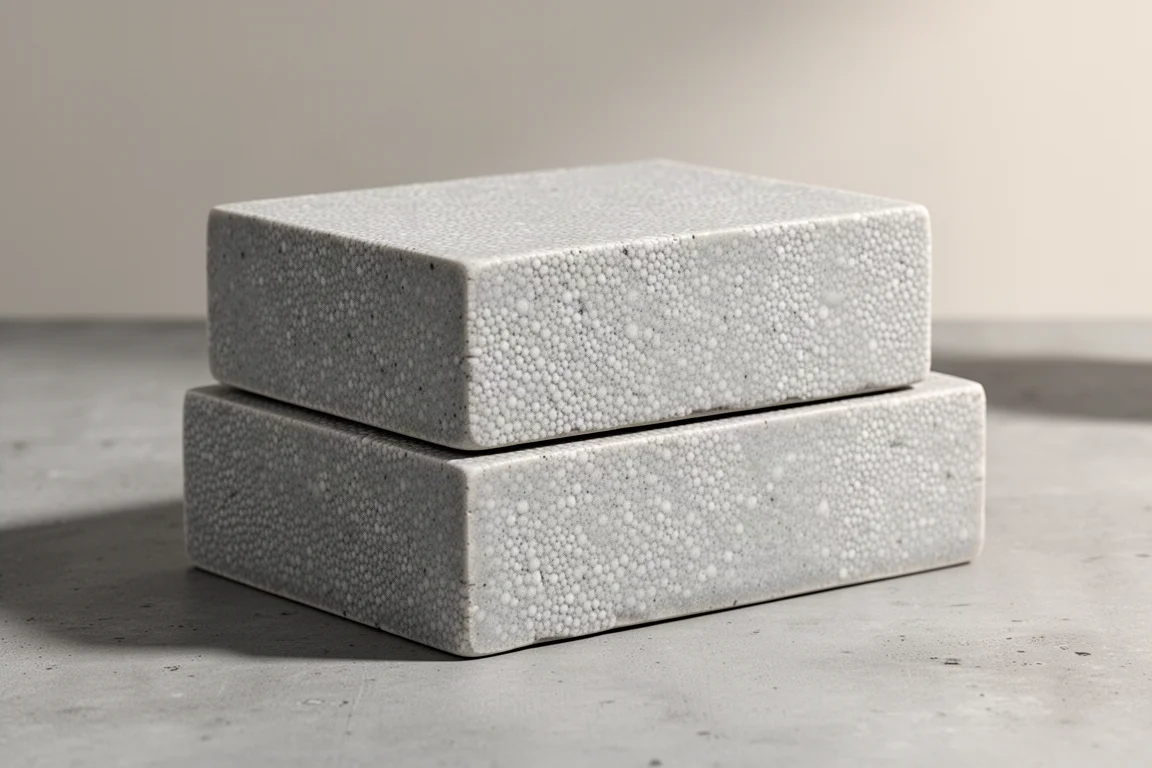
Nanotech Bio Bricks: Hard Ceramic Biomedia Built to Last
Bio Bricks handle the first half of the nitrogen cycle, converting ammonia and nitrite into nitrate. That is the job most biomedia do, but the construction here is noticeably different.
Instead of a leavened ceramic that produces large pores and crumbles under handling, the bricks are made from micro beads of ceramic that are shaped, fired, and hardened. The finished block is heavy and solid, closer in feel to a brick than to the brittle ceramic many aquarists are used to. Maxspect states the structure offers more surface area than other biomedia on the market, which means two blocks can carry a biological load that once required a sump full of bio balls. That frees room for reactors and other equipment.

Because the bricks hold their shape, they can be removed and cleaned rather than left in place to degrade. In a sand-free sump, roughly half the media can be lifted out at a time, rinsed of biofilm, and returned without upsetting the overall bacterial balance.
These are suitable for any tank, but they make the most sense in systems that are light on biological surface: bare-bottom setups, minimalist aquascapes, and tanks holding very little live rock. The blocks are ICP-MS tested, free of aluminum, and described as reef safe.
Nanotech Anaerobic Block: A Dedicated Zone for Denitrification
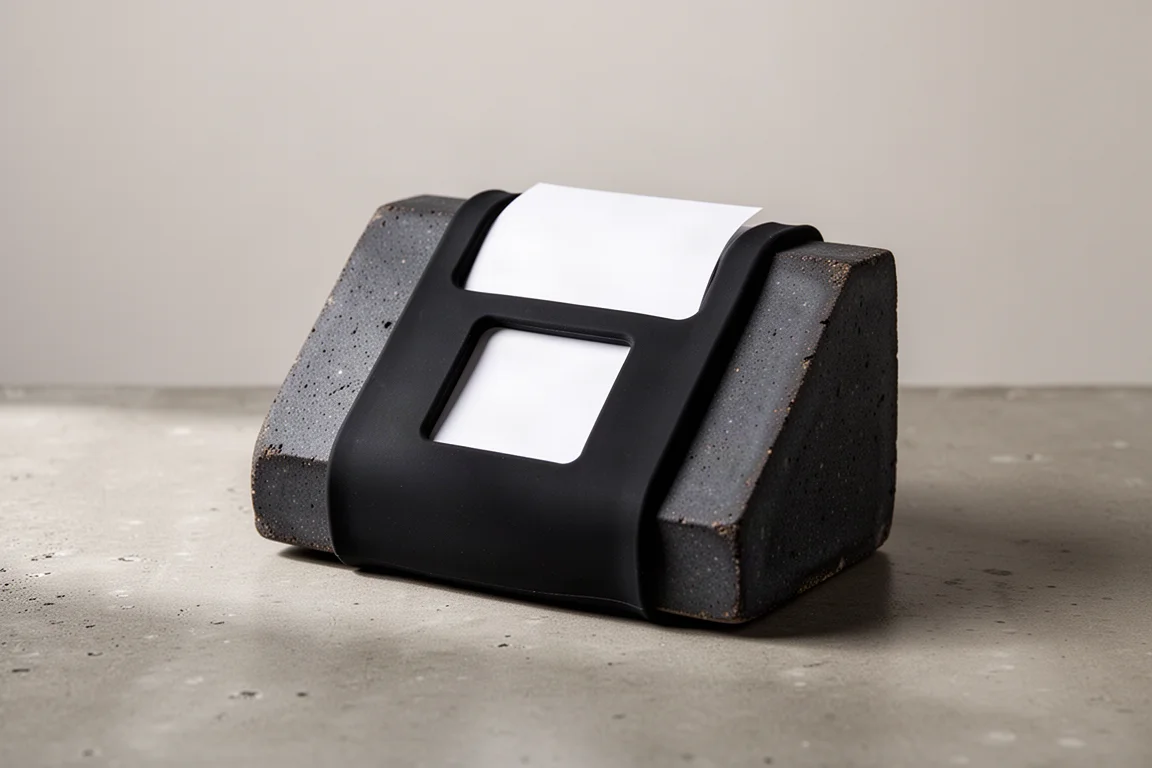
The Anaerobic Block picks up where the Bio Bricks stop. It is designed to complete the nitrogen cycle by converting nitrate into nitrogen gas, which then leaves the tank.
The block uses the same hard ceramic material in black, wrapped in a silicone sleeve with a square cut-out in the middle that holds a PHA cartridge. PHA is the same family of biodegradable plastic used in bio pellets, and it serves as a carbon source that feeds anaerobic bacteria. The silicone sleeve stops water from passing straight through the porous body, so the interior stays anoxic, which is precisely the condition denitrifying bacteria need to work.
The black finish is deliberate. It separates the block from the white biomedia at a glance, and Maxspect states that research suggests anaerobic bacteria establish better in a darker environment. The company reports the black version is around 50 percent more effective at nitrate reduction than the white version.
Since the ceramic carries a very large internal surface area, an anoxic zone can be created in a small volume rather than in the deep sand bed traditionally used for the same purpose. Maxspect recommends replacing the PHA cartridge roughly every three months, and more often in heavily stocked systems where the carbon source is consumed faster. Lifting the block about once a month releases trapped gas through the holes in the cartridge, and the company states that this brief disturbance does not kill off the bacteria colony.
Nanotech Biospheres: The Same Media in a Rounder Shape
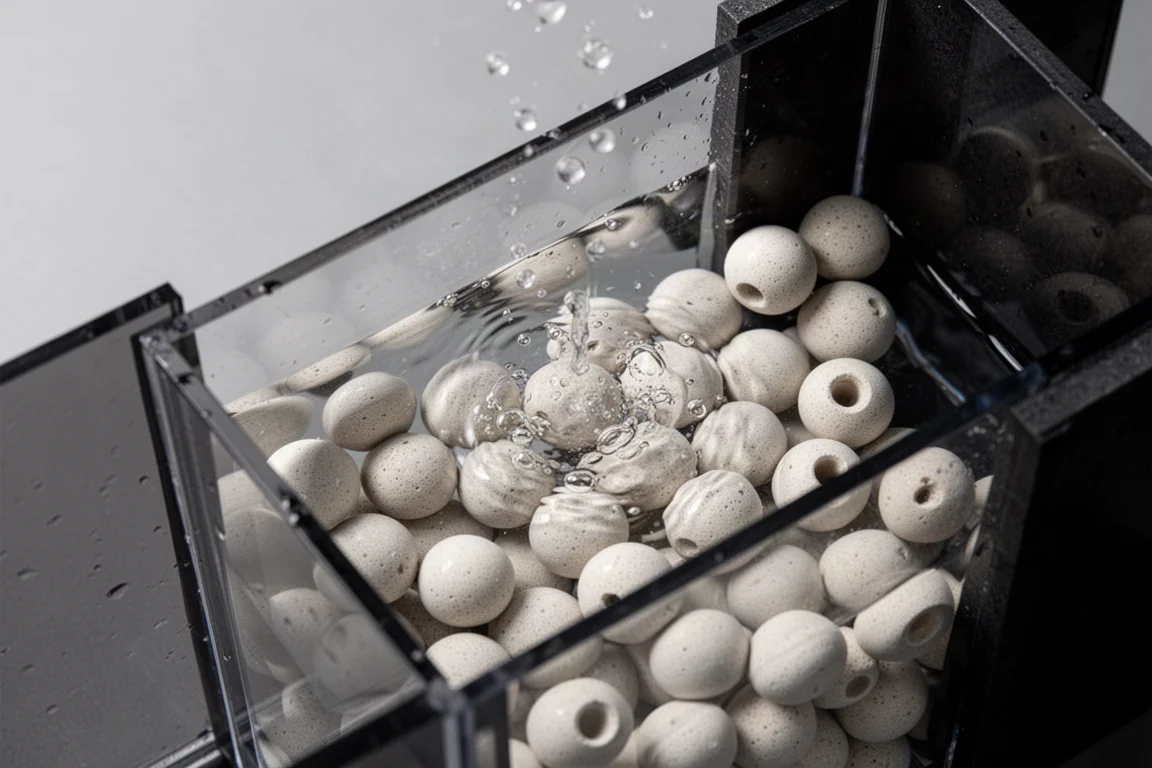
Biospheres take the same fired ceramic material as the bricks and shape it into spheres. The material behaves the same way; only the form factor changes.
They fit the places where bio balls normally go, including sump baffles and trickle filters. Because the ceramic is fired hard rather than leavened, the spheres resist tumbling water flow without eroding or crumbling, and they can be drilled without falling apart. They also retain water far longer than typical plastic bio balls, which matters in trickle systems where media that dries out loses its bacterial population. Maxspect notes that a brick removed from water was still holding moisture hours later.
For nano and pico tanks, the spheres are a straightforward upgrade over the media often supplied with small all-in-one systems. A couple of spheres do more biological work than the standard plastic pieces they replace, and like the bricks they are ICP-MS tested with no aluminum.

Nanotech Bio Plugs: Porous Frag Plugs for Encrusting Corals
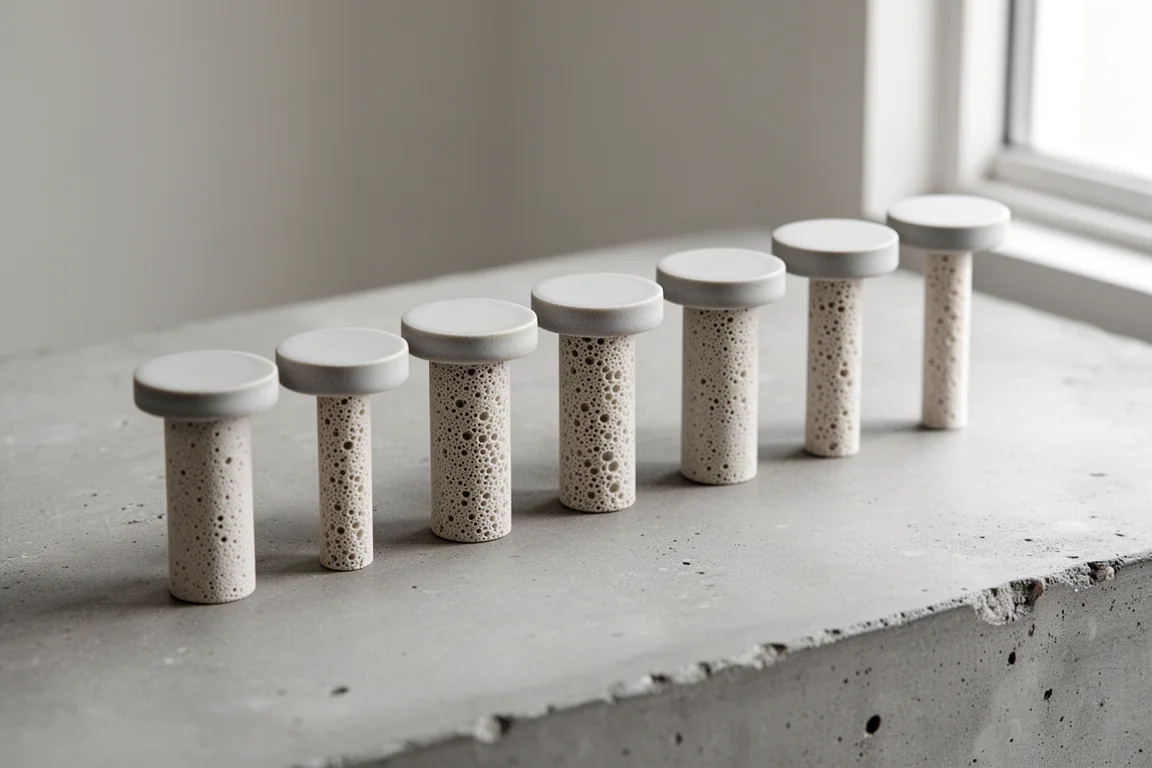
Bio Plugs apply the same porous ceramic idea to coral frag mounting.
A standard frag plug is solid ceramic, so water and bacteria reach an encrusting coral only from the outside. The Bio Plug is porous throughout, which allows water to move through and underneath the frag. Oxygenated water therefore reaches the underside of the encrusting tissue, and bacteria colonise the interior of the plug, where SPS corals can graze on them.
Maxspect states that after roughly a year of testing different frag plugs, it measured a significant improvement in growth rate with the Bio Plug compared with standard plugs. The cost difference is small: around 40 to 50 cents per plug against about 25 cents for a typical ceramic plug. For anyone propagating corals in volume, that premium is easy to justify and just as easy to verify with a batch of frags cut from the same colony.
Buying Advice: Matching Media to Your Tank
The right starting point depends on the problem you actually have. If yellow water is the issue and you are tired of replacing carbon every week, the Clear Cube is the piece to look at first. If your tank is light on rock and sand, the Bio Bricks or Biospheres add biological surface area without taking over the sump. If nitrate keeps climbing despite regular water changes, the Anaerobic Block is designed to finish the nitrogen cycle, with the caveat that the PHA cartridge needs replacing about every three months. If you frag corals, the Bio Plugs cost little enough to test against your current plugs.
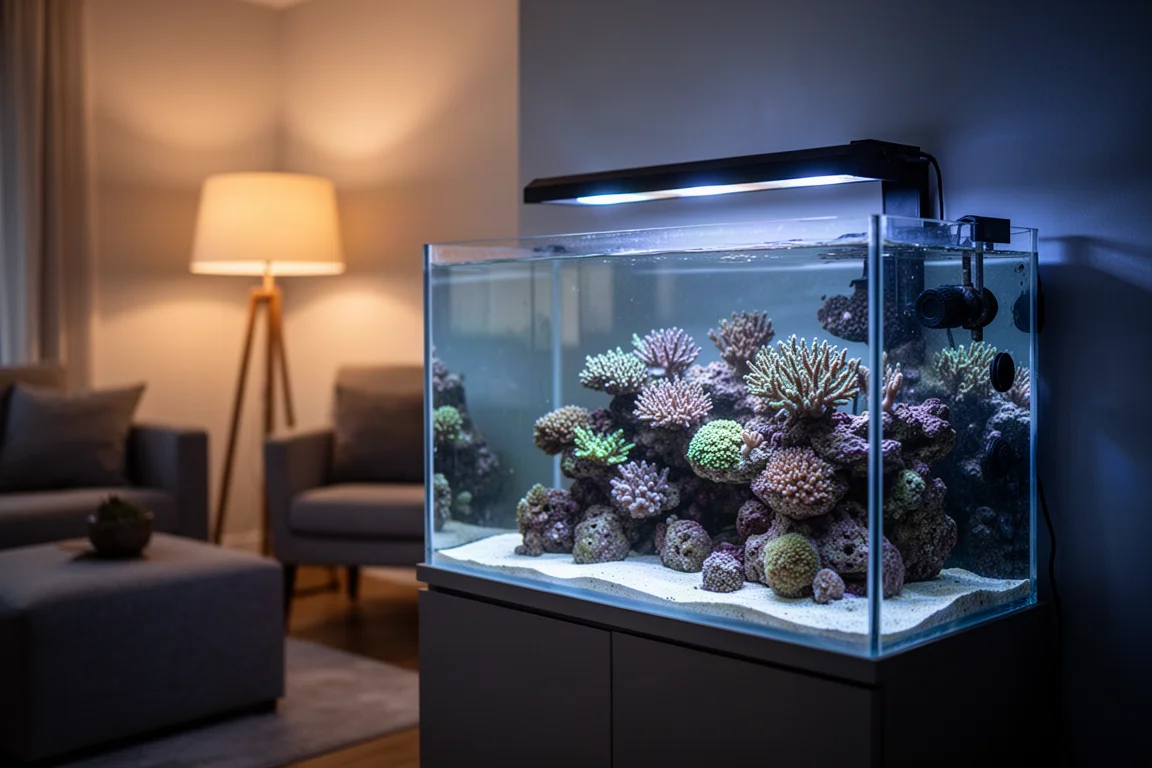
Across the range, the shared advantage is that the media can be removed and cleaned rather than left to break down in place, which suits sump-based systems and anyone who prefers to maintain filtration in stages rather than all at once. The more novel claims, particularly around the Clear Cube, the anaerobic block’s nitrate performance, and frag plug growth rates, are worth confirming in your own tank before you commit a large sum to them. None of these products replace basic husbandry: consistent feeding, sensible stocking, and regular water changes still do most of the work.
Conclusion
Maxspect’s Nanotech range is refreshing because each piece targets a specific, recognisable problem rather than adding another generic media to the shelf. The Clear Cube takes on yellow water with a material most hobbyists have never used. The Bio Bricks and Biospheres provide durable, high-surface-area biological filtration that can be cleaned instead of discarded. The Anaerobic Block opens a compact route to denitrification, and the Bio Plugs turn a disposable accessory into a working piece of media.
Start with the problem that costs you the most time, pick the one product that addresses it, and judge the results in your own system before expanding.
Further reading
Related Reviews
Aquarium Filtration
Adaptive Reef Refugium Reactor Review: A Simple Way to Grow Nuisance Algae Outside Your Display
A vessel designed to grow nuisance algae in a controlled space so it stops taking over the display tank, with an adjustable stand, a removable basket, and a single LED light on top.
Aquarium Filtration
Affordable Aquarium Filter Media: Testing Budget Alternatives to Expensive Biomedia
Can cheap pot scrubbers replace expensive ceramic biomedia in a canister filter? One aquarist tests the theory on a heavily stocked 210-gallon tank.
Aquarium Filtration
AquaMaxx Bullet 2 and Bullet 3 Review: Hang-On Protein Skimmers Compared
A closer look at two larger AquaMaxx hang-on protein skimmers, covering capacity ratings, clearance needs, and the design details that separate the Bullet 3 from the Bullet 2.