Road Bikes
Massi Mega Team Review: A 1992 Steel Road Bike Built for Around £450
A custom 1992 Massi Mega Team in steel, running an 11-speed Shimano Ultegra 6800 groupset and 45 mm carbon wheels for a total of roughly £450. Here is where it shines and where it concedes ground to modern superbikes.
Introduction
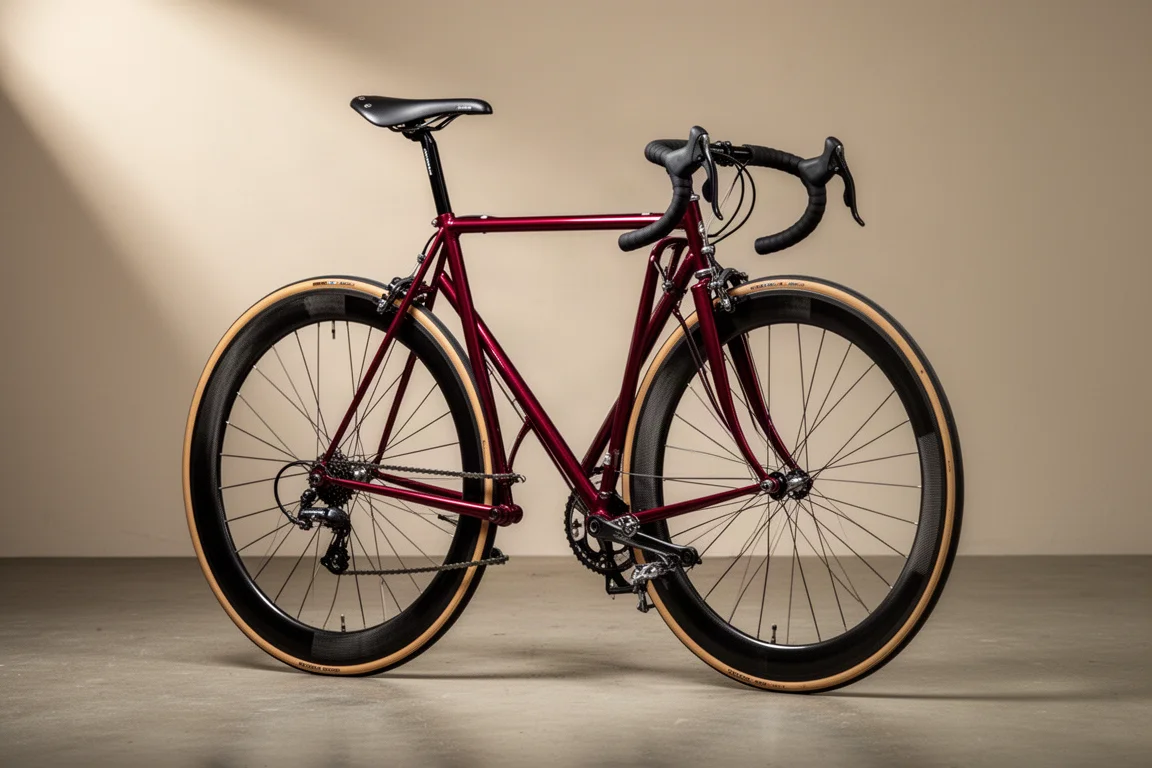
Modern performance road bikes are brilliant, and they are also increasingly specific. Deep-section everything, internal routing, hydraulic disc brakes, and price tags that run into five figures. This build goes the other way. It is a 1992 Massi Mega Team frameset in steel, built up with an 11-speed Shimano Ultegra 6800 groupset and a set of 45 mm carbon wheels, and the whole thing owes its owner roughly £450.
It weighs 9.5 kg, it stops with rim brakes, and it is not fast by modern standards. It is also the bike that actually gets ridden.
Who This Bike Is For
This is a bike for riders whose priorities have shifted. If you no longer race, if you no longer chase every last watt, and if your rides now include a cafe stop more often than a finish line, a steel frame from the early 1990s can make a great deal of sense.
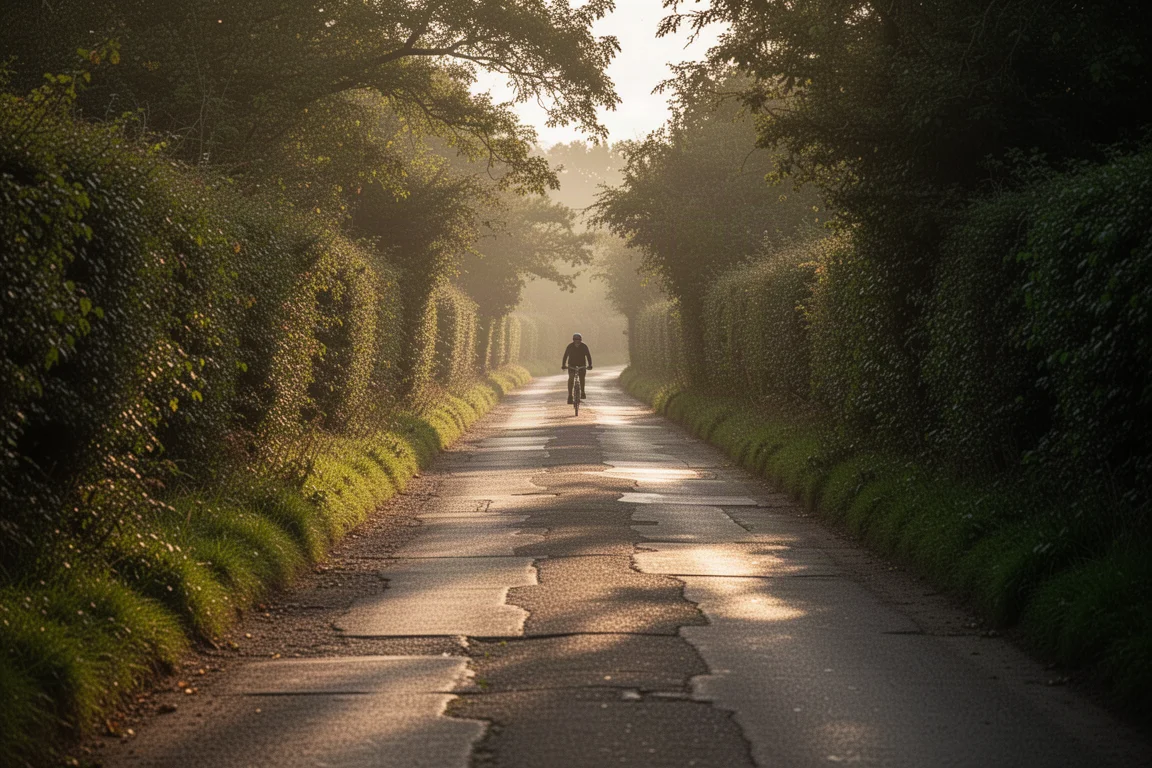
It suits riders who are happy to look after mechanical parts themselves: cables, pads, and limit screws rather than firmware and battery charging. It also suits anyone who simply prefers the look of slim steel tubes to a carbon monocoque, and who wants a bike that reads as a quiet statement rather than an arms race.
Be honest about the trade-offs, though. If your riding is built around timed segments, fast group rides, or long wet descents, a rim-brake steel build will ask more of you than a modern bike does.
Frame, Parts, and Build Cost
The frameset is from the Spanish brand Massi, spelled with two s’s. That detail matters to collectors, because the Italian builder whose name carries a single s is a different operation entirely, and clean examples of those frames still command strong money on the secondhand market.
This frame is built from Columbus butted steel tubing, with triangulated sections at the rear chain stays to add stiffness. It is not a lugged frame. Being slightly newer, it uses standard steel welds instead. The frameset was found online and bought for £208 in a size 53, without any certainty that it would fit.
The groupset is a full Shimano Ultegra 6800 set, acquired secondhand at no cost after a crash-damaged bike was being discarded. Fitting an 11-speed group to an older steel frame went more smoothly than expected: the braze-on front mech and 11-speed rear mech went on without trouble, and careful limit screw adjustment has kept shifting reliable, even with a square taper bottom bracket and chainset.
The wheels are 45 mm carbon rims, believed to date from around 2013, with the exact model unconfirmed. They are shod with Continental GP 5000 tires in a 25 mm width. Finishing kit was kept cheap where possible: handlebars from a scrap 1980s steel road bike, budget bar tape, and a quill stem chosen mainly for how it looks against the retro lines of the frame.
Total outlay: around £450. Total weight: 9.5 kg.
Main Strengths
Steel Comfort and Confident Handling
Steel has a long reputation for damping vibration, and this frame lives up to it. Despite running only 25 mm tires, it stays remarkably compliant on rough surfaces, which matters a great deal on less than perfect roads.
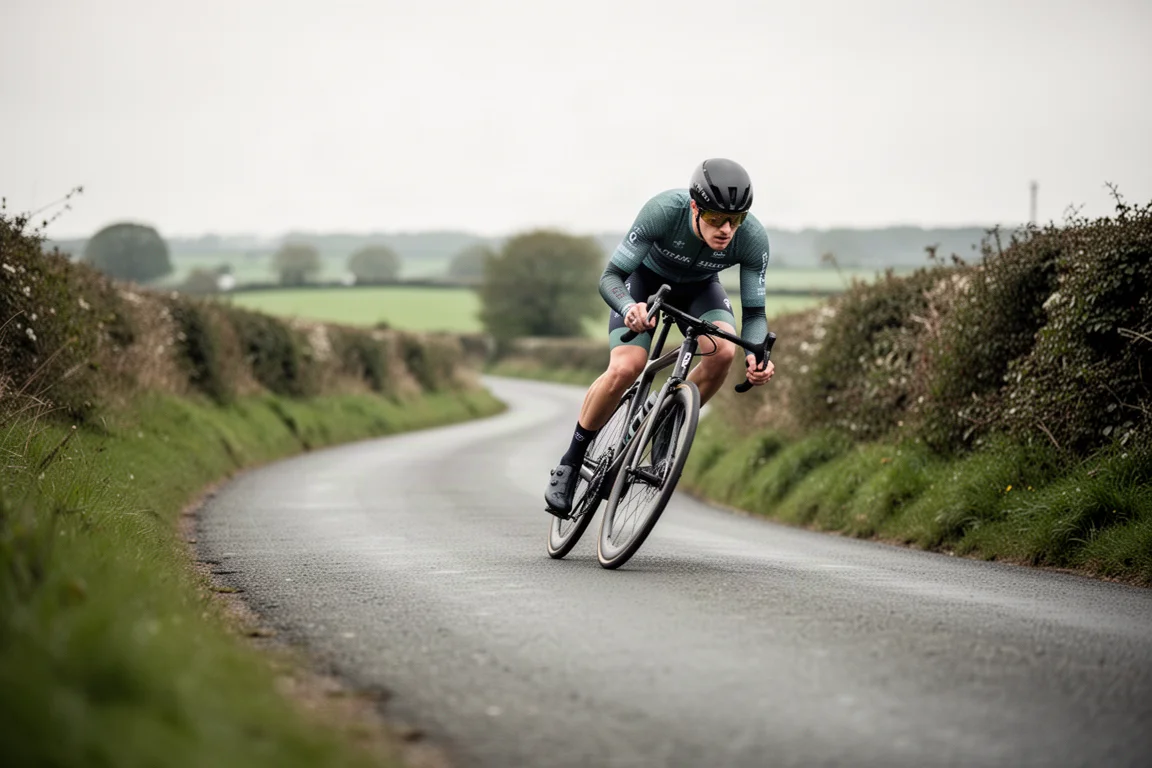
It corners beautifully. The steering is a little slower than a contemporary race bike, and the traditional handlebar drop puts the rider lower than a modern endurance setup, but the resulting feel is one that grows on you.
Retro Looks That Make You Want to Ride
A large part of the appeal is aesthetic. Most rides end at a cafe at some point, and a steel frame with external cables simply looks right leaning against a fence. It is a small, quiet protest against internal routing and five-figure superbikes, and there is something genuinely appealing about that.
Light on the Wallet, Easy to Service
A complete, rideable road bike for around £450 is an impressive figure, made possible by a free groupset and a heavily discounted wheel set. Ownership costs stay low too. Rim brake pads are cheap, and external cables are far quicker to replace than bleeding hydraulic brakes.
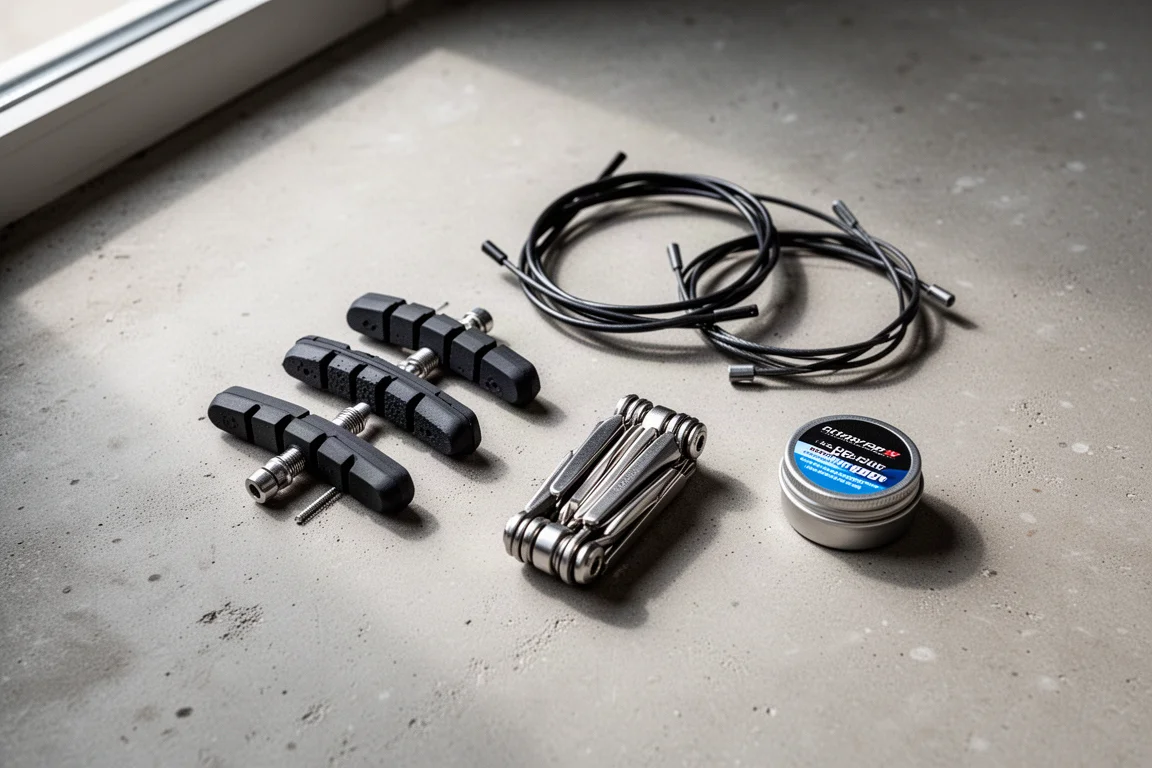
That simplicity extends through the whole build. Nothing here requires a workshop appointment, which keeps the bike on the road rather than in a stand.
Things to Consider Before Buying
Rim Brakes in the Wet
This is the biggest downgrade. On a wet ride, carbon rims with rim brakes take a long time to stop, and the difference becomes obvious the moment conditions turn. Cheap pads and easy cable servicing are a small consolation, not a fix.
Shifters and Vintage Handlebar Diameters
When Shimano designed the Ultegra 6800 group in 2013, it did not account for 26.8 mm vintage handlebars. The shifters do not clamp tightly enough on their own. This build uses improvised shims made from drinks cans wrapped in grip tape, which works but is not a method to copy, and it needs checking regularly.
Weight and Outright Speed
At 9.5 kg, this is not a light bike, and external cable routing and older tube profiles add to the deficit. On a repeated test loop at a 30 km/h riding pace, the gap to a modern superbike works out at roughly 3 km/h, though that comparison was not power meter verified. Expect to give up some outright speed and to accept slower, more deliberate handling.
Buying Advice
Framesets from this era turn up regularly on secondhand marketplaces and enthusiast forums, often for modest money. The catch is that condition and fit are everything. A 53 cm frame bought blind is a gamble, so measure carefully or ride before committing if you can.
Budget for the parts you cannot source for free. A used 11-speed groupset, a set of wheels, and the finishing kit will decide whether the final figure stays close to £450 or climbs well past it.
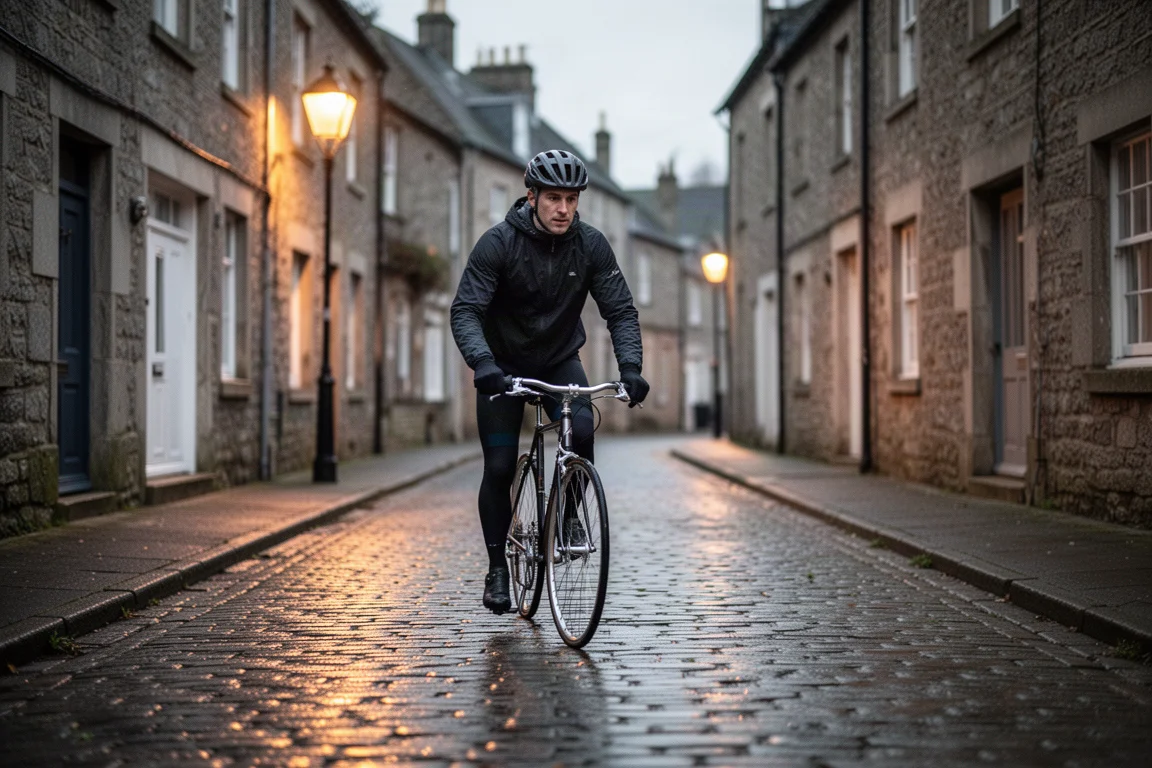
Decide early whether rim brakes suit your riding. If your routes are hilly and frequently wet, that is the one compromise that is hardest to live with. If your rides are social and unhurried, a steel build like this delivers far more character per pound than almost anything new.
Conclusion
The Massi Mega Team is not new, not fast, and in several respects not practical. It gives up speed and wet-weather braking to modern bikes, and it asks a little more attention from its owner.
What it offers instead is comfort, confident handling, easy servicing, and a look that makes you want to ride it. At around £450 all in, that is a persuasive combination for the right rider.
Product link
View more details for Massi Mega Team
This product is mentioned in the review. Check the specifications, options, and compatibility before buying.
View more details for Massi Mega TeamFurther reading
Related Reviews

Road Bikes
10 New Road Bikes Worth Watching: Aero, Titanium, Steel and Endurance Standouts
A practical roundup of 10 new road bikes, from aero flagships chasing single-watt gains to titanium, steel and endurance platforms built for real roads.
Road Bikes
2026 Tour de France Road Bikes: Six Race Machines Worth a Closer Look
Six race bikes from the 2026 Tour de France grid, reviewed for paint, silhouette, wheels and the specification details that matter to buyers.
Road Bikes
3T Strada Italia Review: A Radical Aero Road Bike That Rides Smooth
A made in Italy carbon aero road bike with a deep head tube, wide tire clearance and a genuinely comfortable ride. Here is what to know before buying.