Hiking Backpacks
Martingtop 65L MOLLE Backpack Review: A Budget Tactical Pack With Real Limits
A 65 liter tactical style internal frame backpack at $95, with a fully adjustable torso and extensive MOLLE webbing, tested on steep ground where its frame and strap hardware gave it away.
Introduction
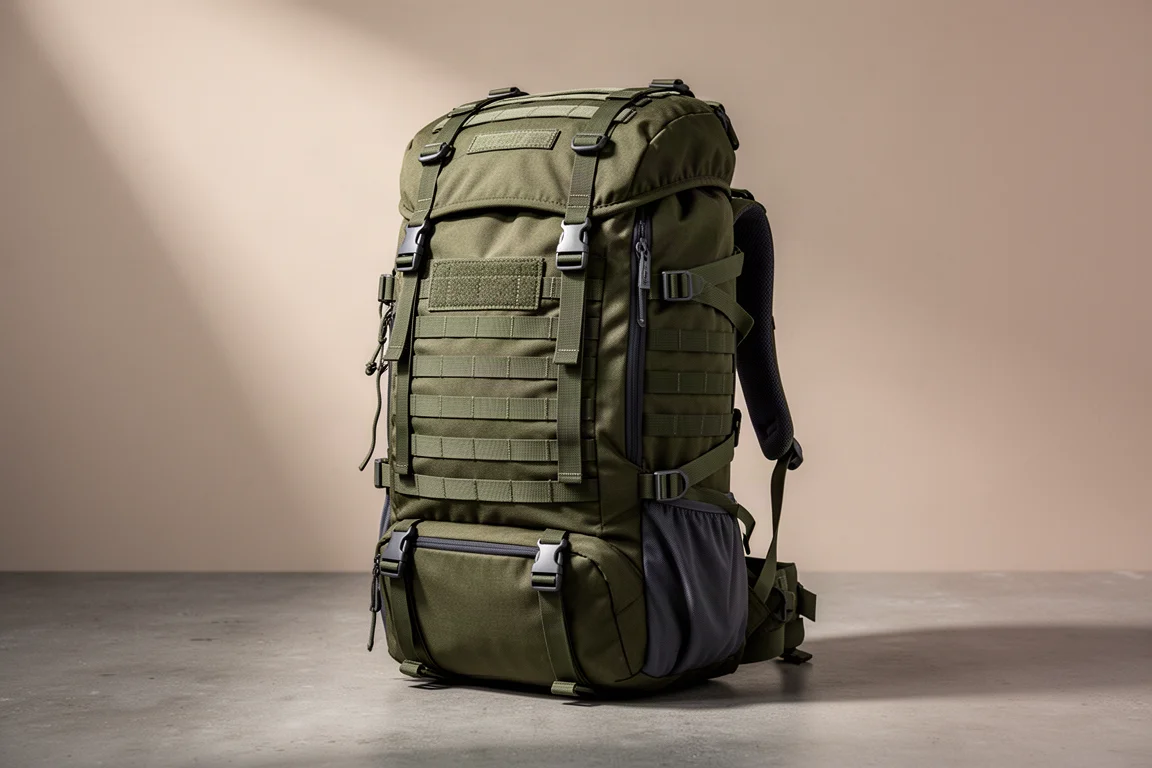
The Martingtop 65L MOLLE hiking internal frame backpack with rain cover sits at the budget end of the large-volume pack market. Martingtop is a company that builds inexpensive tactical style backpacks, and this 65 liter model follows that formula closely: a webbing-covered exterior, a fully adjustable torso, and a price of $95.
That combination looks appealing on paper. The real question is whether the pack holds together once it is loaded and carried over steep ground. This review draws on an overnight trip of roughly 10 miles and a further steep descent and climb on a trail chosen specifically for the way it exposes a pack’s weak points.
Who This Pack Is For
This pack makes the most sense for hikers and campers who want maximum volume and plenty of external attachment points for as little money as possible, and who expect to carry moderate loads. The adjustable torso system lets the harness be raised or lowered to suit different back lengths, and the MOLLE and PALS webbing across the lid, front, sides, and base provides many places to lash on extra gear. Elastic gear loops on each side, with matching loops lower down, add another option for strapping items externally.
It is also a reasonable fit for anyone who wants a separate sleeping bag compartment and does not mind stopping to drink. It is a much weaker fit for anyone planning to carry heavy loads, because the suspension becomes the limiting factor well before the 65 liter capacity does.

Capacity and Storage Layout
Volume is where this pack delivers. The main compartment is topped by a lid with two compression straps, a zippered pocket inside the lid, a velcro panel on the front of the lid for patches, and two buckles. The lid is permanently attached and cannot be removed.
The front of the pack carries two compression straps, PALS webbing, and a pocket that opens straight into the main body, which is genuinely useful for grabbing items without unpacking. The sleeping bag compartment at the base is generously sized, with two compression straps, three rows of PALS webbing, and two zippers, plus an internal divider that separates it from the main body and can be opened if you prefer one continuous space. The underside of the pack has multiple rows of PALS webbing and a zippered pocket that holds the included rain cover. Each side has a hydration sleeve with a compression strap, three rows of PALS webbing, an additional compression strap near the top, and a large sleeve measuring roughly nine by eight inches. Inside, there is a hydration bladder support and a large hydration sleeve.
Frame and Suspension: Where the Pack Falls Short
The internal frame is the weakest part of the design. It is a thin plastic sheet with two aluminum poles, and those poles can be pulled out entirely. The pack body and the frame are only loosely connected, so the load never settles against your back. Push down on the pack and the frame simply bends.
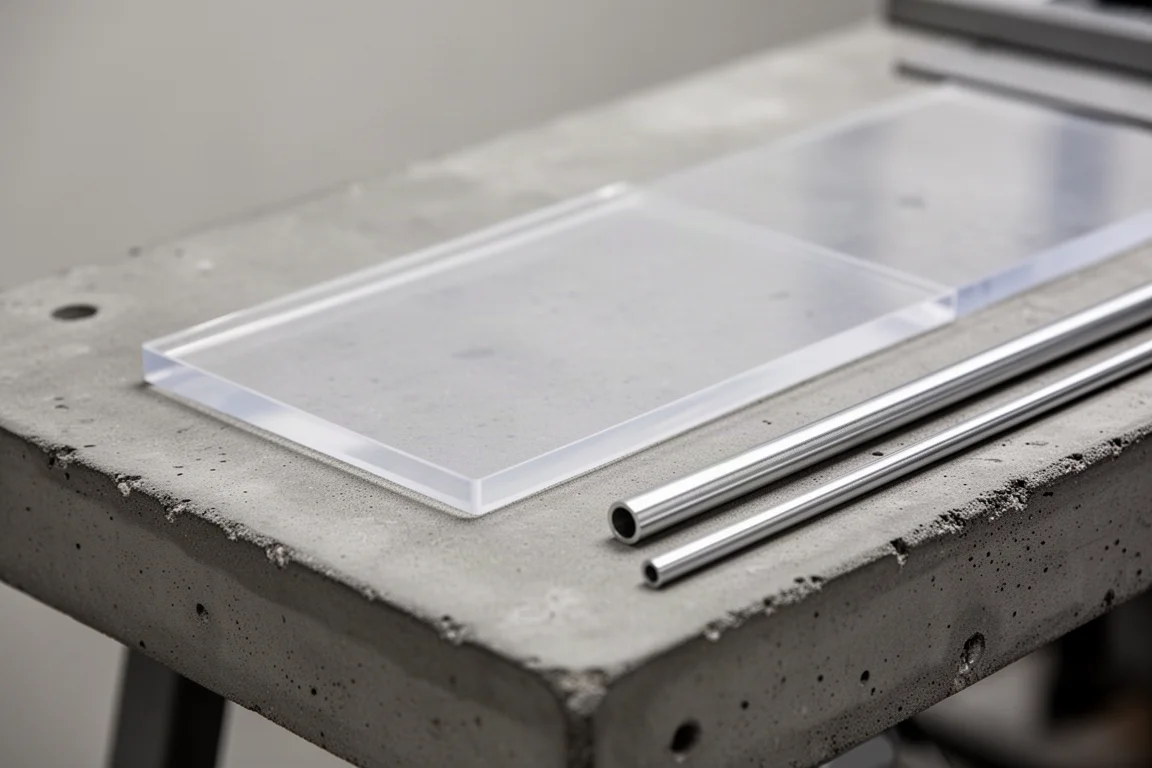
In use, that flex shows up as weight that swings. On a sharp turn around a tree, the pack shifts and the load goes with it, because the bag is not well connected to the frame and the frame itself is not rigid. With a light load, roughly 25 pounds or less, the pack is manageable. Above that, the flex becomes obvious and the carry gets steadily worse. There is also no lumbar padding at all; the back panel is flat, which costs comfort on a loaded descent.
Harness Hardware and Strap Slippage
The straps do not stay where you set them. The hardware is not strong enough to hold tension, so the harness works loose as the pack moves, and the looser it becomes the more the weight pulls on your shoulders rather than sitting on your hips. The load lifters suffer from the same problem. They run through hardware that lets them slip, and they are anchored to material that is not directly attached to the frame, so tightening them pulls on fabric and frame instead of lifting the load toward your shoulders. The practical result is repeated stops to readjust, and the back discomfort that comes with a pack that keeps drifting out of adjustment.
Water Bottle Access, Waist Belt Pockets, and Durability
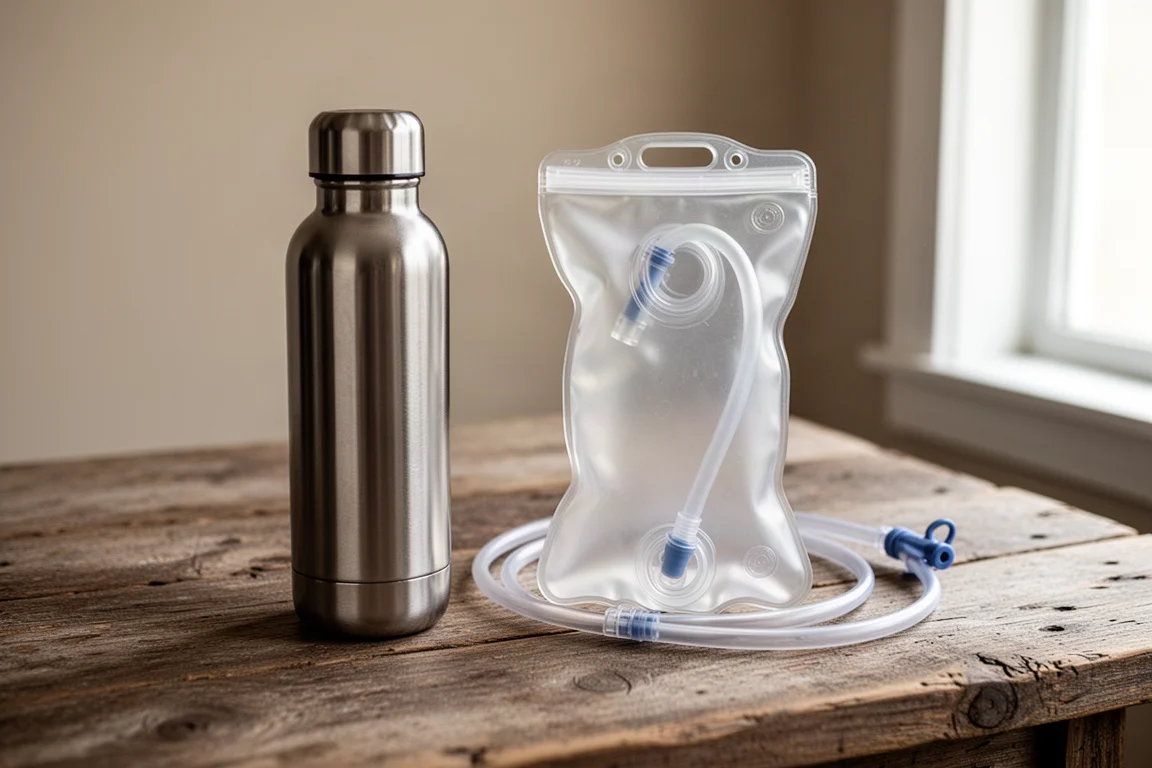
Two smaller details are worth knowing before you buy. The side water bottle pockets cannot be reached while the pack is worn, so hydration has to come from a bladder or from a stop. The waist belt pockets are too small to be useful, and the mesh pocket on one side is smaller still.
Durability is the more serious concern. After two outings, the material on the back side of the pack had already begun to come apart, despite careful handling.
Materials, Weight, and Dimensions
The main body of the pack measures 33.4 inches long, 11.4 inches wide, and 8.3 inches deep. On the scale used during testing, it weighed 5.9 pounds. The company lists 600 denier polyester with YKK zippers and buckles. It is offered in several colors, including army green, black, and khaki brown. Martingtop does not publish a load range for this model.
Buying Advice
At $95, this pack competes on price and capacity rather than on suspension or hardware. Buyers who keep their loads light, roughly 25 pounds or less, and who value MOLLE webbing, a roomy sleeping bag compartment, and an adjustable torso may find it usable for shorter trips and lighter kits.

Buyers who plan to carry more weight, or who want a pack that holds its adjustments through a long day, will likely be better served by spending more elsewhere. The strap hardware and the frame are the two areas where this pack gives up the most ground, and both are central to how a loaded pack actually feels on the trail. Replacing the hardware would help meaningfully, and the frame can be swapped or rebuilt with the right material, but both are projects rather than fixes.
Conclusion
The Martingtop 65L MOLLE backpack gets the visible parts right: lots of capacity, a large sleeping bag compartment, extensive webbing, a rain cover, and a fully adjustable torso at a low price. What it does not get right is the structure underneath, where a flimsy frame and slipping strap hardware undermine the comfort of anything but a light load. If your kit stays under roughly 25 pounds and the price is the deciding factor, it can work. If your loads are heavier or your days are long, this is one to think carefully about.
Product link
View more details for Martingtop 65L MOLLE Hiking Internal Frame Backpack with Rain Cover
This product is mentioned in the review. Check the specifications, options, and compatibility before buying.
View more details for Martingtop 65L MOLLE Hiking Internal Frame Backpack with Rain CoverFurther reading
Related Reviews
Hiking Backpacks
Decathlon MT 900 70+10 Backpack Review: Big Capacity, Heavy Weight, High Price
A feature-dense 80-liter hiking backpack with excellent build quality, ten pockets, and dual loading, held back by a six-pound weight and a $210 price.
Hiking Backpacks
Martingtop 65L MOLLE Hiking Backpack Review: Capacity and Value, Undone by Hardware
A 65-liter tactical-style internal frame pack with MOLLE webbing, an adjustable torso, and a rain cover, held back by slipping hardware and a flexible frame.
Hiking Backpacks
Osprey Rook 65L First Look: Osprey's Most Affordable 65L Backpack
A detailed first look at the Osprey Rook 65L, the least expensive 65-litre pack Osprey makes at $190, covering its suspension, storage layout, weight, materials, and the trade-offs to weigh before buying.