Floorstanding Speakers
Martin Logan Motion Speakers Compared: XT F200, XT F100, F20, F10 and Foundation Series
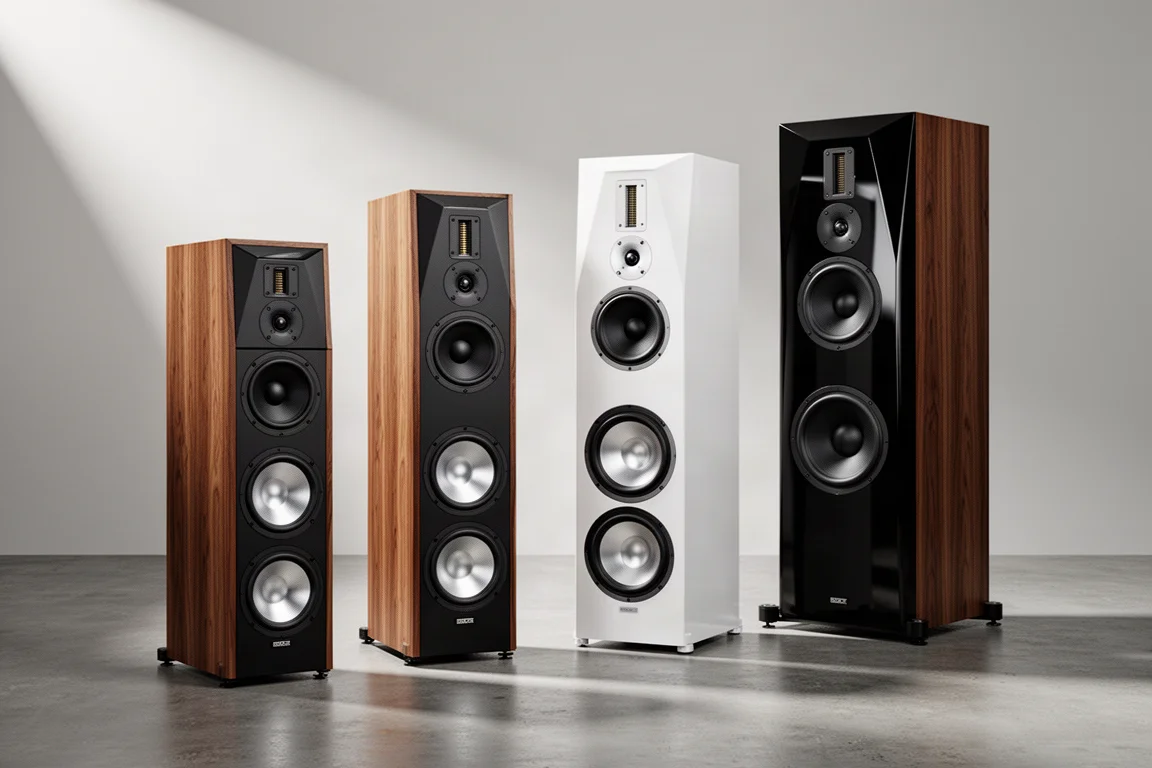
Five floorstanding options in the Martin Logan Motion range compared, from the flagship Motion XT F200 down to the budget-friendly Motion Foundation towers.
Introduction
Choosing between the speakers in Martin Logan’s Motion range comes down to a simple question: how much cabinet volume, woofer surface area and bass extension do you actually want in your room? Every model in the family is built around the same idea, a folded motion tweeter paired with a waveguide and mounted in a floorstanding cabinet, so the differences between tiers are mostly about scale.
Martin Logan has a long history with thin-film driver technology and is best known for its electrostatic panels. In the Motion range, that thinking is expressed through the folded motion tweeter, and it is the thread that runs from the flagship tower all the way down to the most affordable model in the line.
How the Motion Lineup Fits Together
The range is split into tiers. The Motion XT family sits at the top and uses the largest folded motion tweeter. The Motion series steps down to a slightly smaller version of the same tweeter. The Motion Foundation series uses a smaller tweeter again, along with lighter cabinet construction and some internal and driver differences.
The cabinet philosophy stays consistent throughout. Woofers are mounted as close to the floor as possible, and the cabinets are bottom ported. Martin Logan describes this as part of a floor bounce compensation strategy: because bass reflects off the floor in any real room, the speakers are tuned with that reflection in mind rather than designed as if the floor did not exist.
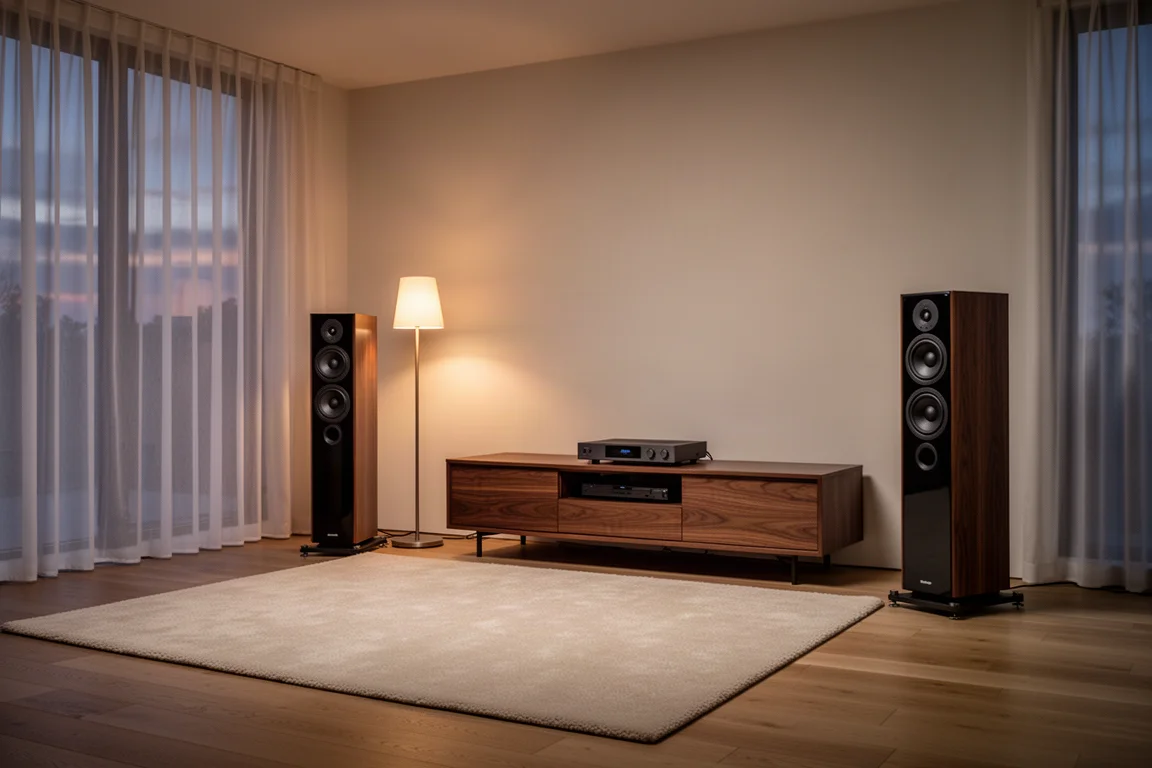
In practice, that approach makes placement more consistent and easier, and it adds a degree of low-frequency reinforcement instead of working against the room. It also means anechoic measurements do not tell the whole story. A bottom-ported tower can look less impressive in a measurement chamber while behaving better in an actual living room, which is why in-room integration matters as much as the specification sheet.
Martin Logan Motion XT F200: The Flagship Tower
The Motion XT F200 is the flagship floorstander in the range. It is sometimes simplified as an F100 with extra bass, but the differences run deeper than that. Cabinet volume is considerably larger, which shifts tonality, and the woofers grow from the F100’s aluminum drivers to substantially larger units with a significant jump in surface area.
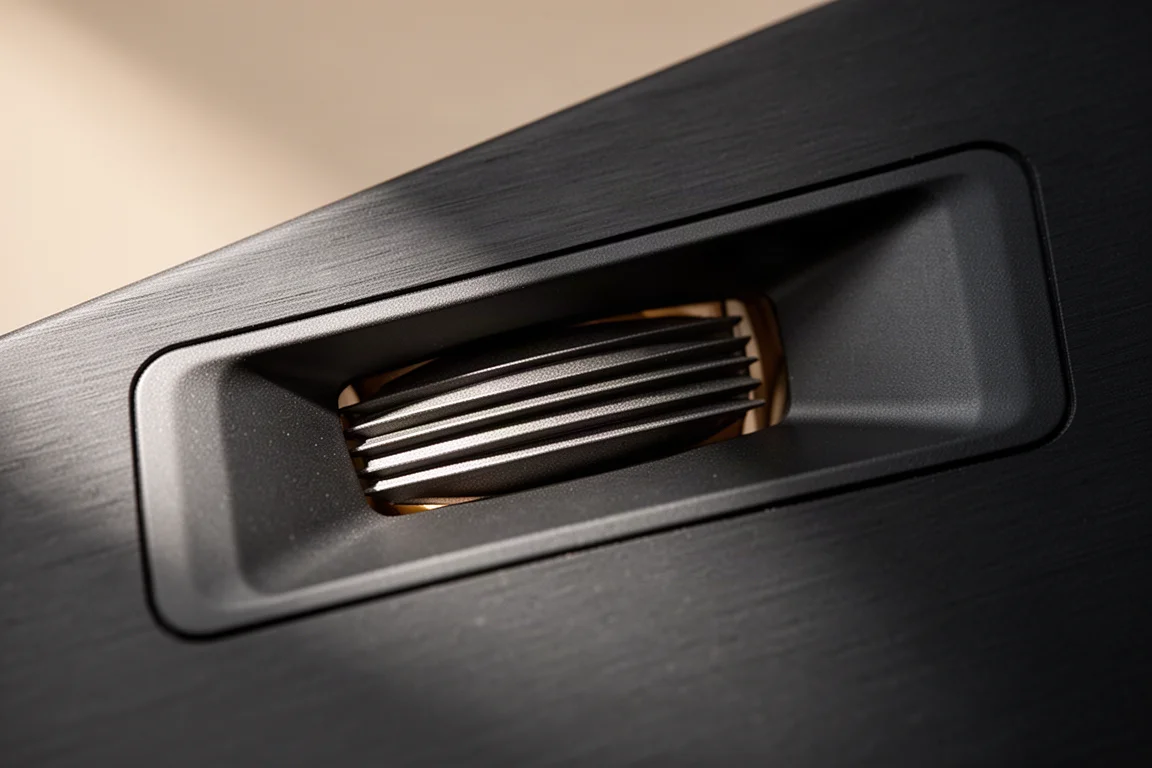
What carries over is the folded motion XT tweeter with its waveguide, plus the 6.5-inch woven Kevlar driver. The F200 keeps the same feet and the same bottom-ported layout as its smaller sibling. Martin Logan rates it down to 27 Hz and intends for it to deliver meaningful output at that point rather than a compressed, one-note effect.
The F200 sells for $5,500 per pair in the US and is available in three finishes: a two-tone walnut cabinet with a matte black front, satin white, and gloss black. The walnut version in particular has a furniture-like quality that makes it much easier to justify in a shared living space.
Martin Logan Motion XT F100: Flagship Sound in a Smaller Cabinet
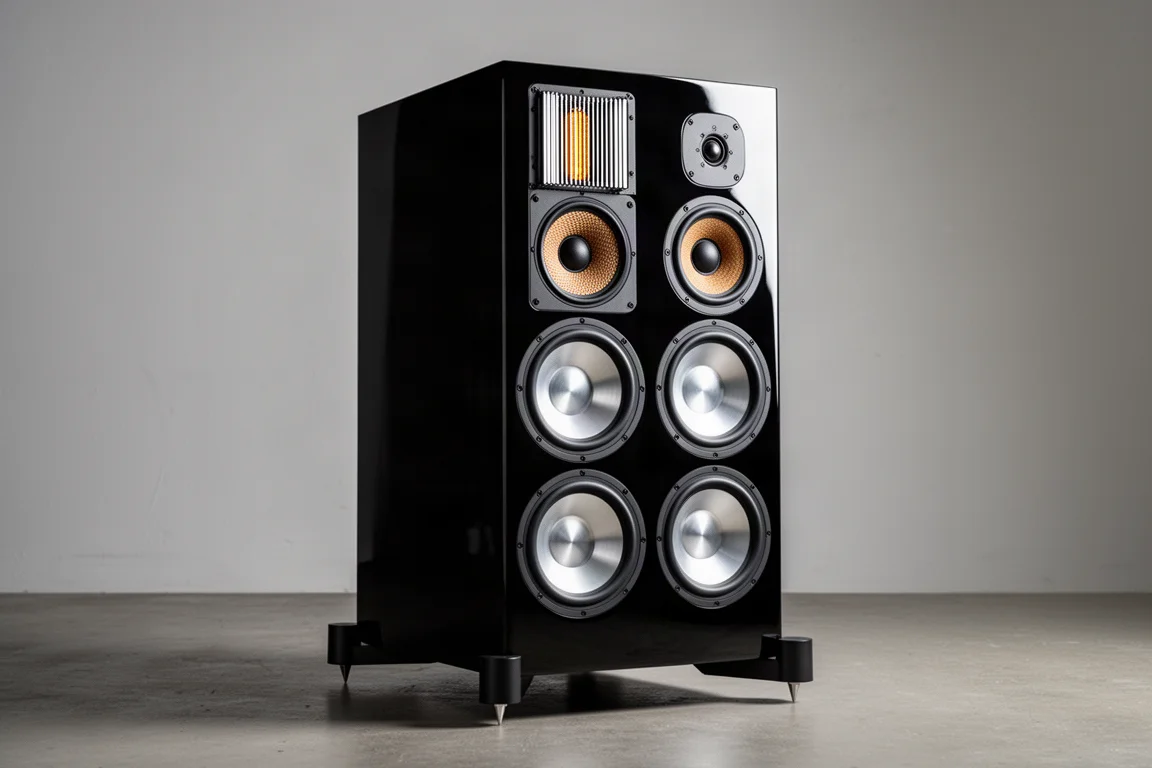
The Motion XT F100 sits one step below the flagship at $4,500 per pair. It uses the same folded motion XT tweeter with waveguide and the same 6.5-inch woven Kevlar driver, so the midrange and treble character of the two models should feel closely related. The difference shows up at the bottom: smaller cabinet volume and smaller aluminum woofers, still bottom ported and still built on the same feet.
The trade-off is straightforward. If deep bass extension is a priority and the room can support a full-size tower, the F200 is the more complete speaker. If your room is smaller, or if you plan to pair the towers with a subwoofer anyway, the F100 keeps more of the budget available for the rest of the system and takes up less floor space.
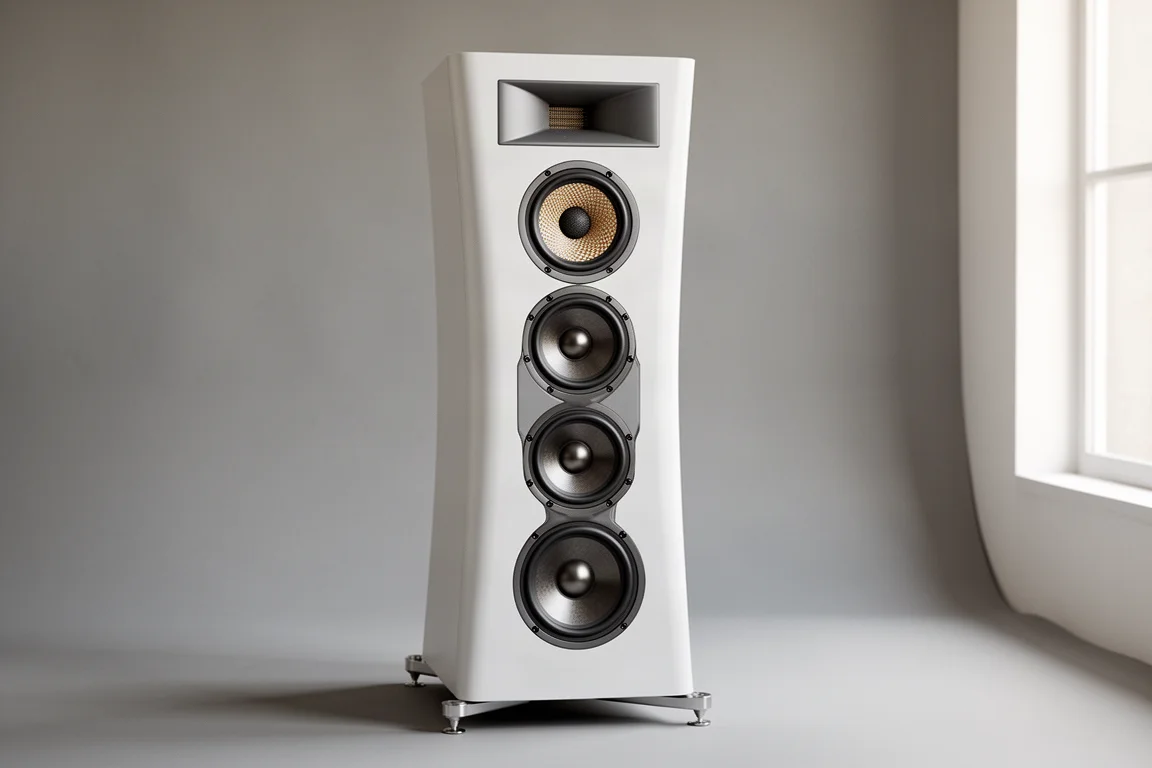
Martin Logan Motion F20: The Mid-Tier Motion Tower
The Motion F20 moves into the standard Motion series at $3,500 per pair. It keeps the folded motion tweeter approach but uses a smaller version than the XT models, along with less extensive cabinet work.
This is where the lineup starts to feel like a value proposition rather than a statement purchase. You give up some of the scale and low-frequency authority of the XT family, and in return you get a tower that is easier to accommodate and leaves more room in the budget for electronics and sources.
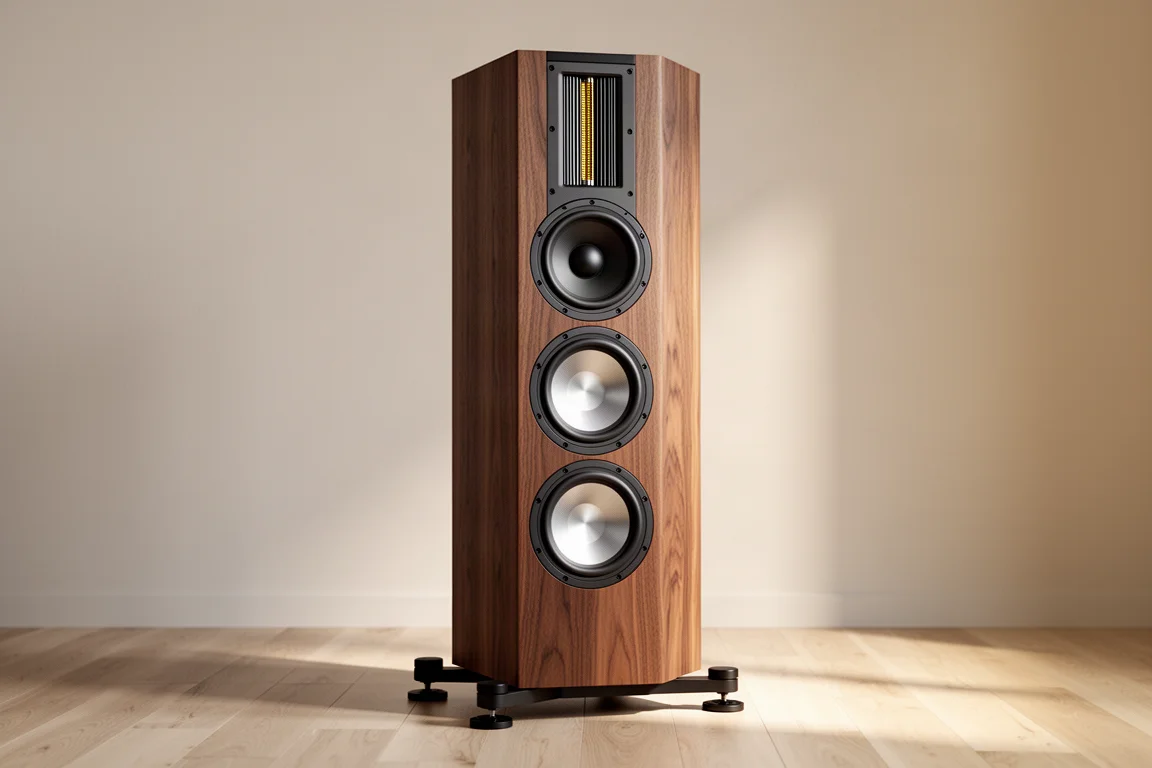
Martin Logan Motion F10: The Entry Point to the Motion Series
At $2,500 per pair, the Motion F10 is the most accessible way into the Motion series proper. It follows the same formula as the F20 with a further reduction in scale, and it is the model that brings the family’s tweeter technology to the lowest price in this tier.
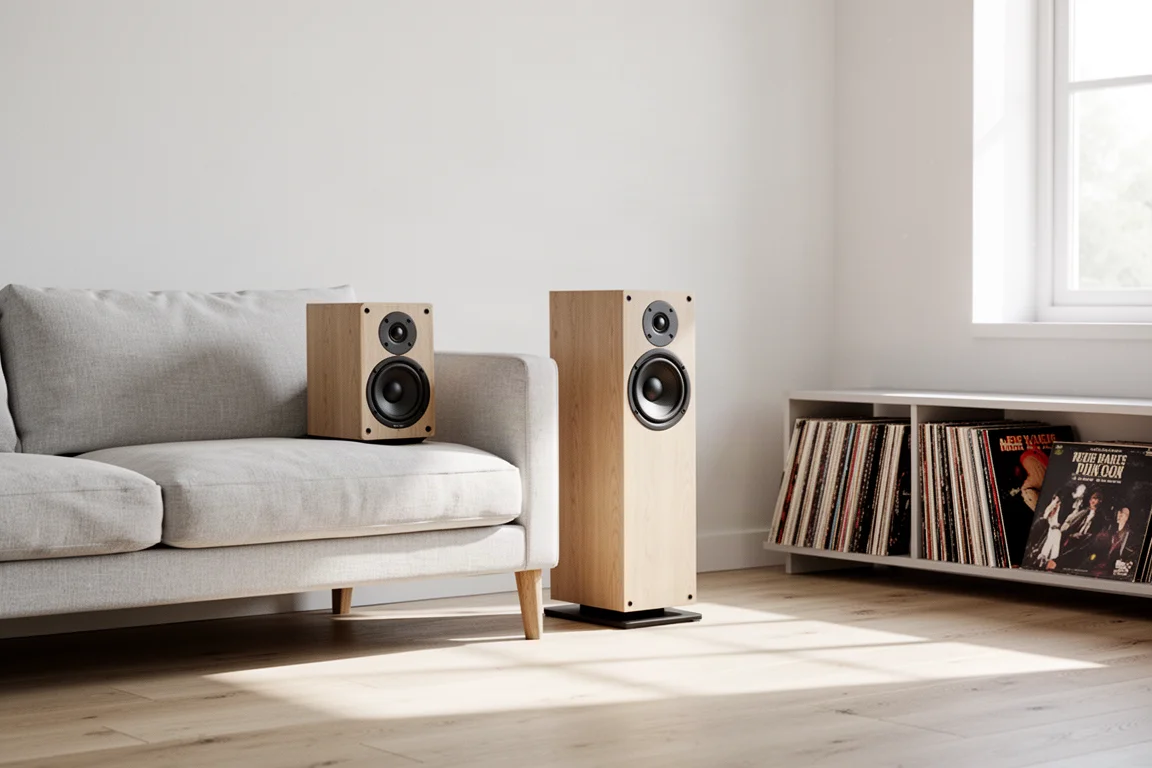
For a first serious tower purchase, or for a room where the system will mostly handle movies and everyday listening, the F10 makes a lot of sense. Keep in mind that a smaller cabinet and smaller drivers mean less bass weight, so a large room or higher listening levels are worth thinking about before choosing this tier over the ones above it.
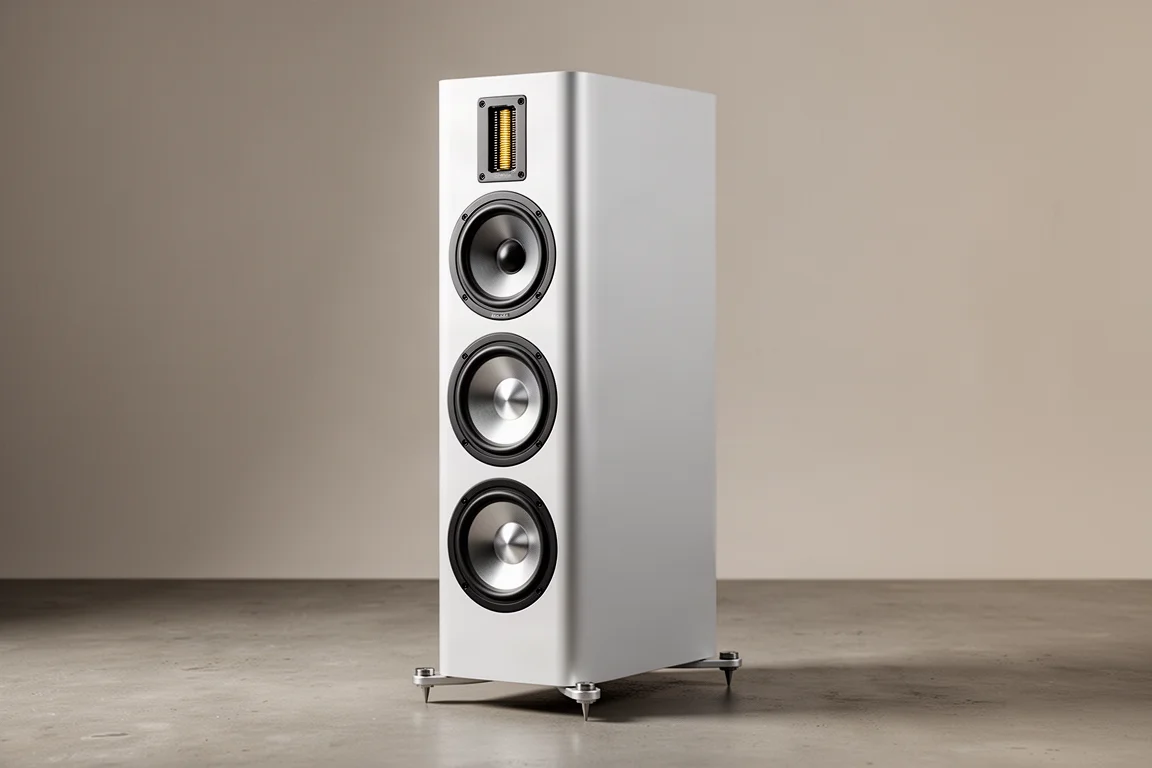
Martin Logan Motion Foundation Series: Trickle-Down Value
The Motion Foundation series is the newest and most affordable tier, positioned as the foundation of the Motion family. The line includes two towers, two bookshelves and one center channel, with the towers starting at $2,000 and $1,500 per pair.
Trickle-down technology is genuinely part of the story here. The Foundation speakers use the same thin-film folded motion tweeter approach in a smaller size, and the company notes lighter cabinet work along with some driver technology and internal differences. For their price points, they are described as extremely well-rounded speakers.
The center channel deserves a note of its own. It is a 2.5-way design that stacks a 6.5-inch midrange under the waveguide. A conventional MTM center placed horizontally creates nulls from roughly 20 degrees off axis, which costs vocal clarity in the outer seats of a room. The 2.5-way layout means only one driver handles the midrange while both contribute to bass, so the speaker keeps the bass sensitivity of an MTM without the lobing. It looks like a traditional center, but there is more going on underneath. Finishes include satin white, black and walnut.
Buying Advice: Matching the Speaker to Your Room
Work backwards from the room. If you have the floor space and want the deepest bass the Motion range offers without adding a subwoofer, the Motion XT F200 is the natural target, with the XT F100 as the more space-efficient alternative that keeps the same tweeter and midrange driver.
If budget is the deciding factor, the Motion F10 and the Motion Foundation towers deliver the same core tweeter technology at much lower prices. The Foundation line in particular makes sense for a first tower system or a multi-channel build where you need several speakers at once.
Finish choice matters more than it first appears. Every tier offers satin white, black and walnut options, though the exact finishes differ between the premium Motion XT models and the Foundation series. The two-tone walnut cabinet with a matte black front on the XT models is the most distinctive of the group. If the speakers will live in a shared room, picking a finish that suits the existing furniture makes the whole purchase much easier to live with.
Conclusion
The Motion range is built around one consistent idea: a folded motion tweeter with a waveguide, backed by cone drivers in a bottom-ported cabinet with the woofers mounted low to work with the floor rather than against it. What changes as you move up the range is scale, bass capability and cabinet work. Match the tier to your room and your budget, and the core character of the sound stays recognisably the same.
Further reading
Related Reviews
Floorstanding Speakers
Acoustic Energy AE109 Mark II Review: A Refined Floorstander at £699
The Acoustic Energy AE109 Mark II is a slim, warm sounding floorstander that delivers clarity, midrange body and strong imaging in small to medium rooms.
Floorstanding Speakers
Acoustic Energy AE509 Review: A Slim Floorstander With Deep, Defined Bass
A practical look at the Acoustic Energy AE509, a slim floorstanding speaker with carbon fibre drivers, deep and well-defined bass, and an easy-going character that rewards careful system matching.
Floorstanding Speakers
Arendal 1528 Tower 8 Review: Reference Neutrality With Real Demands
A close look at the Arendal 1528 Tower 8, a nearly five-foot, 200-pound floorstander that rewards generous space, serious power, and high listening levels with reference-grade neutrality.