Ski Bindings
Marker Griffin 13 X M-Works and Jester 16 X M-Works Review: Lower, Shorter, Purpose-Built
Two new freeride bindings from Marker drop the stand height to 9 mm at the toe and shorten the heel profile, with clear trade-offs worth checking before you buy.
Introduction
Marker’s Royal Family bindings have been a default choice on freeride and park skis for years, and the 2026 line adds two models rather than replacing anything: the Griffin 13 X M-Works and the Jester 16 X M-Works. The standard Griffin 13 and Jester 16 stay in the range, so the X models are an alternative for a specific kind of skier rather than a successor.
The brief behind them is narrow and deliberate. Marker set out to lower the stand height and shorten the binding’s overall footprint, and the result is a platform aimed at riders who have spent their seasons on a Pivot-style binding, along with freeride and park-leaning skiers who want their boot closer to the ski.
That matters because stand height changes how a ski feels underfoot. The lower a boot sits, the less leverage the rider has over the ski, and the more directly the ski’s own flex comes through. Whether that reads as a benefit or a trade-off depends heavily on the ski it is paired with, and both sides of that equation are worth understanding before spending money.
What Changed With the X M-Works Series
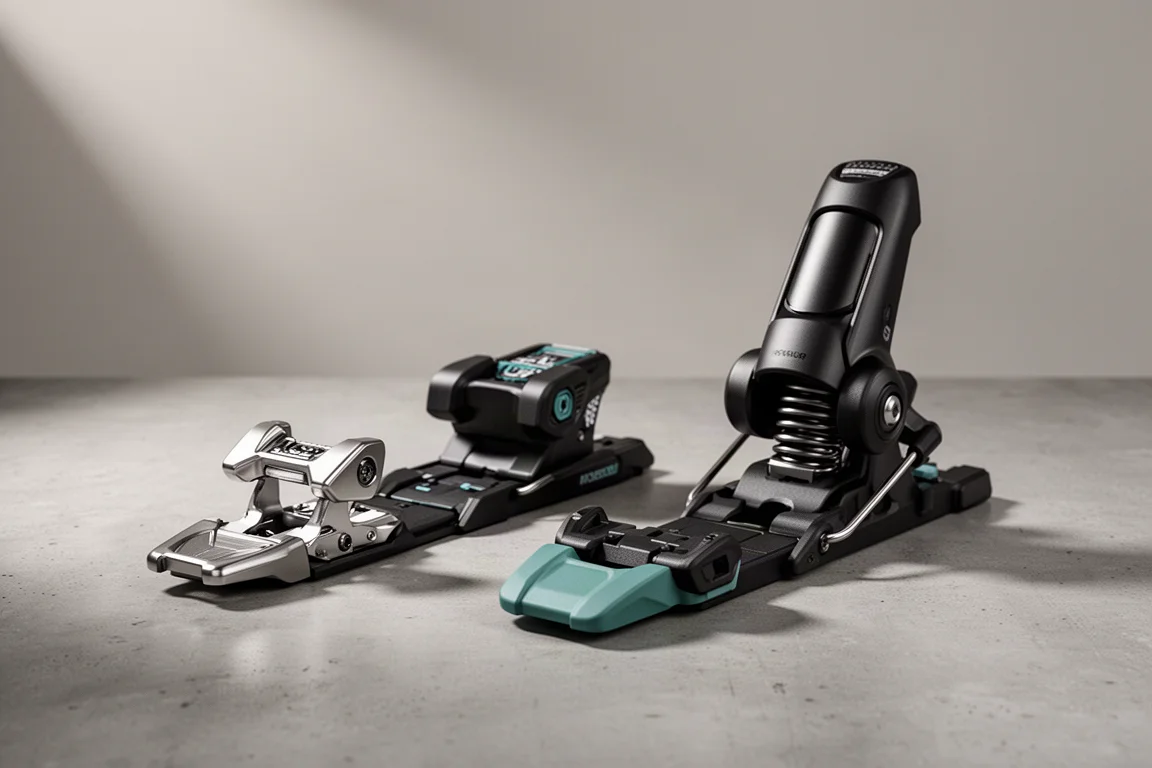
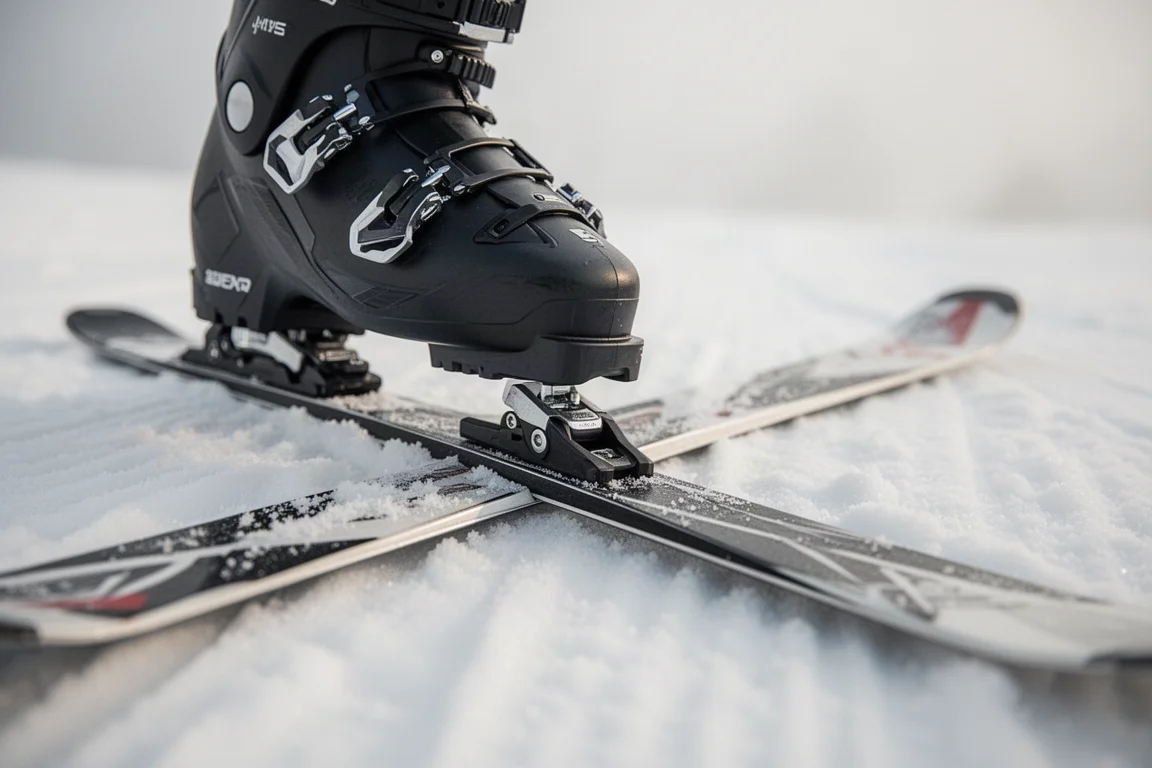
Two changes define the new platform. The first is stand height: 9 mm at the toe and 14 mm at the heel, which places the boot far closer to the ski than most alpine bindings. The second is the length of the binding end to end. The mount pattern itself has not changed, and the same drilling jig used for the rest of the Marker Royal Family still applies. What got shorter is the material behind the rear screws, because the entire heel assembly has been moved forward.
Construction has moved in the opposite direction, toward fewer and stronger parts. The housing, toe wings, towers, and heel are all metal on both X models, and the surface a boot stands on runs continuously through to the top of the binding. The brake is no longer a replaceable component: it is attached to the base plate, which simplifies the assembly but makes a brake swap considerably more involved. Multi-norm boot compatibility has also been dropped to free up the height, so the X models take standard alpine soles only.
Marker Griffin 13 X M-Works
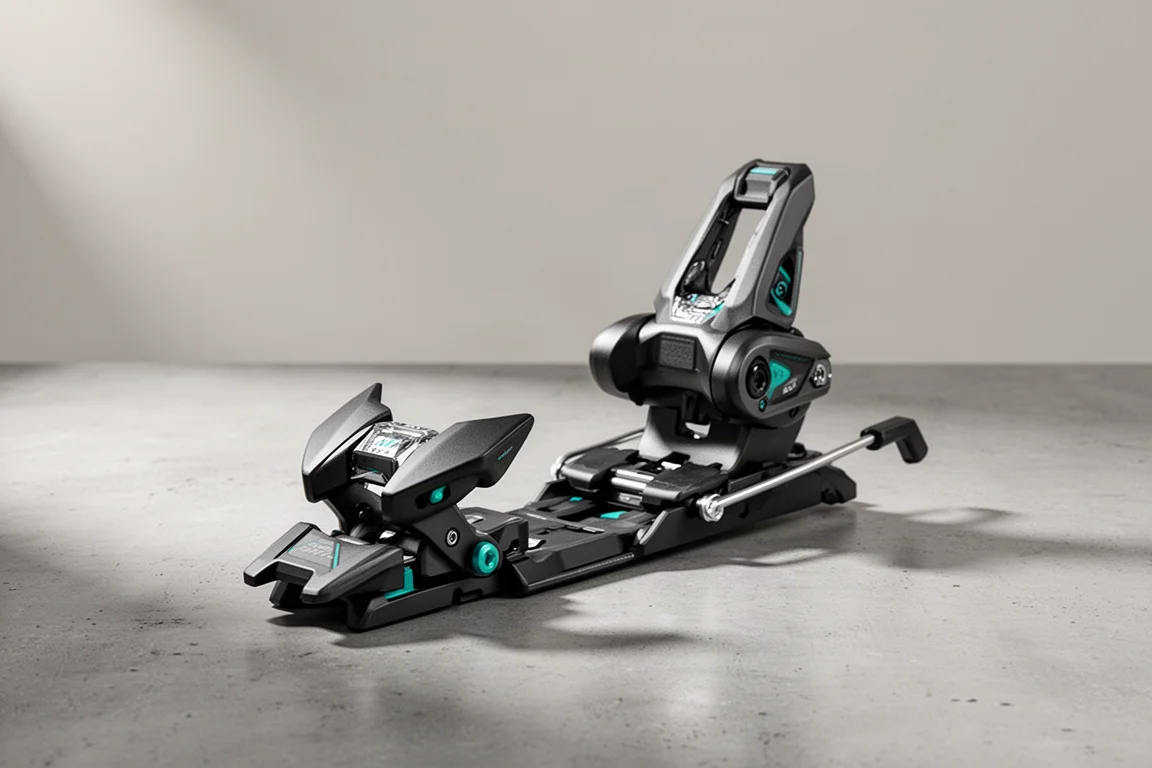
The Griffin 13 X M-Works is the lighter of the two, separated from its Jester sibling by its spring and therefore by its release range. It also differs from the standard Griffin 13 in a way that shows up on the price tag: where the standard Griffin uses plastic in several areas, the Griffin 13 X M-Works uses magnesium, which accounts for much of the gap between the two models.
On snow, the low stack height produces noticeably quicker edge-to-edge transitions. That quality is most useful where agility matters more than leverage: hardpack groomers, tight tree runs, narrow couloirs, and steep faces in firm snow. The trade-off is that the same quickness can feel like too much on a stiff, damp ski, where the binding amplifies responses the ski was already delivering quickly. On a narrower ski, the reduced height also makes booting out easier, so ski width deserves careful thought.
Marker Jester 16 X M-Works
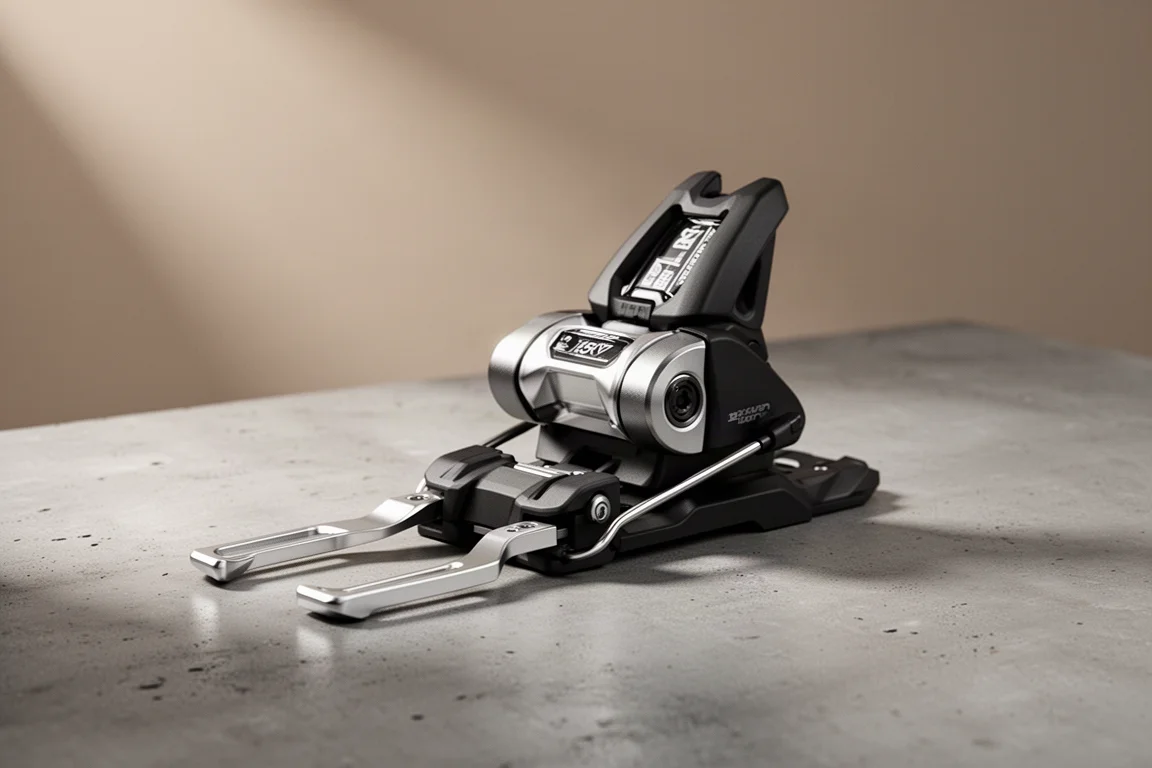
The Jester 16 X M-Works shares the platform entirely. The only real difference between the two X models is the spring, which sets a higher release range for the Jester. That also explains the smaller price step between the standard Jester 16 and the Jester 16 X M-Works compared with the Griffin pair, since the Jester already uses magnesium in the places where the standard Griffin uses plastic.
For heavier or more aggressive skiers, that higher spring rate is the reason to choose the Jester version. Everything else, including the metal build, the 9 mm toe height, the 14 mm heel height, and the shorter heel profile, is identical. Riders stepping up from a 13-range binding should weigh whether they genuinely need the extra release range before paying the difference.
How Stand Height Compares Across Bindings
The numbers make the scale of the change clear. At 9 mm at the toe and 14 mm at the heel, the X M-Works platform sits lower than a standard Jester, which measures roughly 21 mm, and lower than most of the alpine field. For reference, a Pivot measures about 19 mm, a Strive 16 comes in at 19.6 mm, an Attack 14 sits at 17 mm, and the multi-norm version of that same Attack 14 rises to 24 mm.
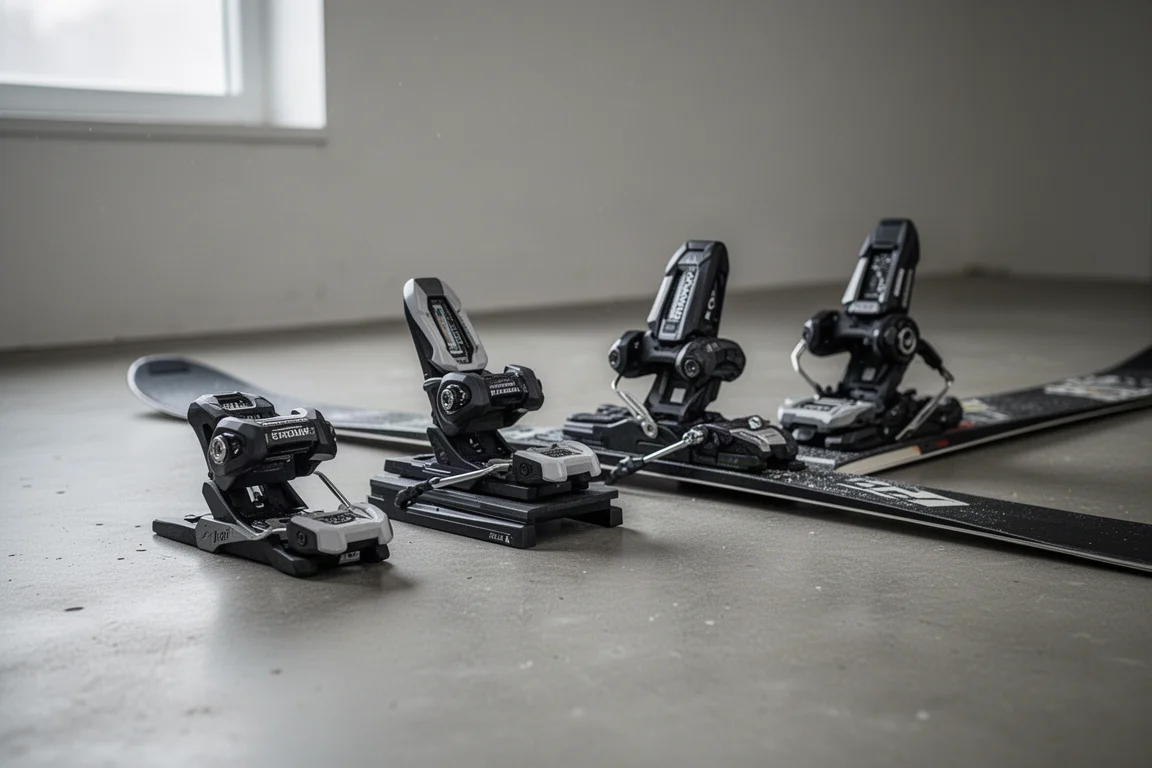
The practical effect is obvious once a boot is clicked in. With a grip walk sole, the tallest part of the sole under the toe sits almost against the ski’s top sheet, a long way from the stack most skiers are used to. Lower is not automatically better for everyone. A taller binding creates more leverage, which is why race setups use thick plates, and that leverage becomes more noticeable at higher edge angles. The X M-Works platform trades some of that leverage for immediacy, and the right answer depends on the skier and the ski.
What Riders Notice on Snow
Early time on the platform points to quicker edge changes as the most obvious characteristic. That shows up most clearly on firmer surfaces and in terrain where the ski needs to move from edge to edge quickly. A more connected feel is the second theme, and it is the one that most closely resembles the Pivot experience: riders report feeling more of the ski’s natural flex and a wider sweet spot, regardless of which ski the binding is mounted on.
There is a learning curve to account for, though. On some skis the binding feels immediately intuitive; on others, particularly stiff and damp models, the response arrives faster than expected. A hard carving turn on a mid-width freestyle ski ended in a boot-out at speed, which illustrates how narrow the margin becomes when the boot sits this close to the ski. Pairing the binding with the right ski matters as much as the binding itself.
Mounting, Brakes, and Boot Compatibility
Mounting is the least disruptive part of the package. The X M-Works models use the same jig and drill pattern as the rest of the Marker Royal Family, so a shop that has mounted a Griffin or a Jester before needs no new tooling. The shorter footprint comes from the heel moving forward and less material behind the rear screws, not from a different hole pattern.
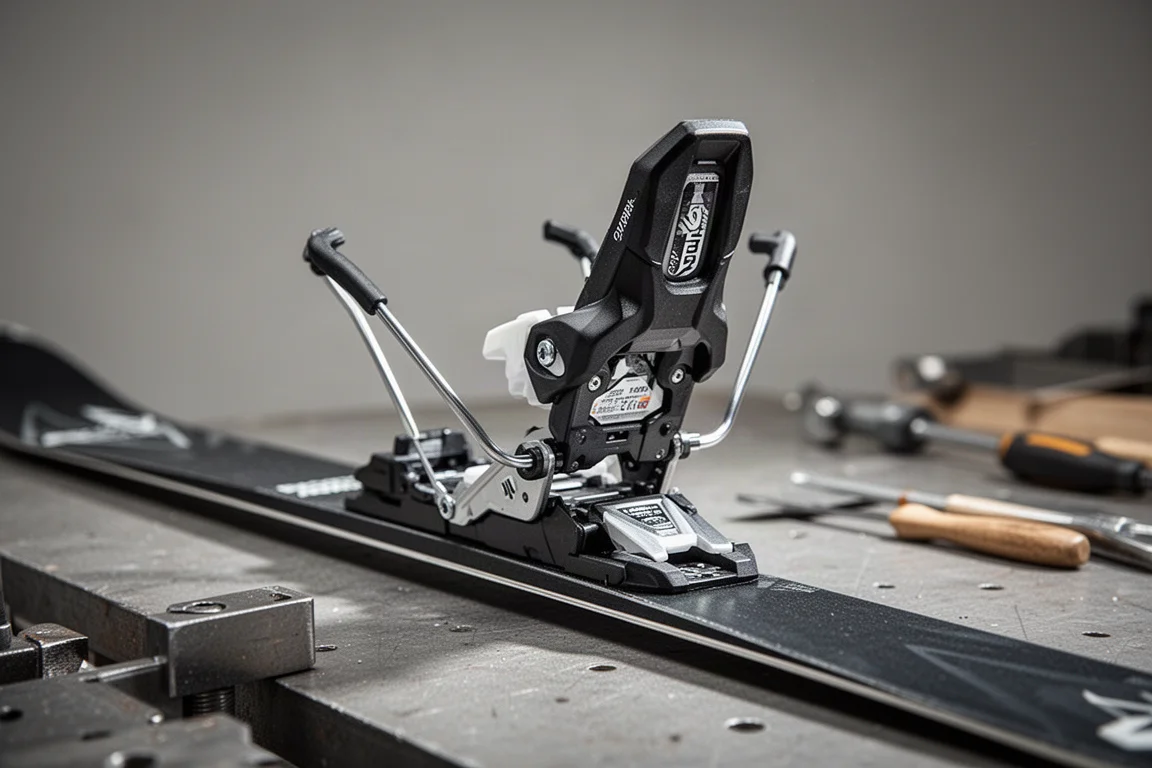
Brakes and boots are where buyers need to pay attention. Because the brake is attached to the base plate rather than being a replaceable part, whatever brake the binding ships with is the brake it keeps, and replacing a damaged brake is a much longer job that involves re-mounting into the same holes. The X models also drop multi-norm compatibility, so they are not the right choice for anyone planning to ski a touring or multi-norm boot. The standard Jester 16 still accepts a multi-norm boot, although adjusting it is a fiddly process.
Who These Bindings Suit
These are advanced and expert bindings. The price, the release ranges, and the feel all point in that direction, and the low stand height rewards a skier who already has a precise sense of edge pressure. Freeride skiers, park-leaning skiers, and anyone who has been happy on a Pivot for years are the natural audience. Younger advanced skiers who want a lower stack height without changing how they ski are another obvious fit.
Skiers on very narrow skis should think twice. Boot-out happens sooner at this height, so the platform works best on mid-width and wider skis. Beginners and intermediates looking for a first binding should look elsewhere, both for value and for forgiveness.
Buying Advice and Price Context
Pricing has moved up across the range this season, and the X models sit at the top of it. The standard Griffin 13 is $299.99 and the Griffin 13 X M-Works is $429.99, a gap that reflects the switch from plastic to magnesium as much as anything else. The standard Jester 16 is $469.99 and the Jester 16 X M-Works is $489.99, a smaller step because the two Jesters differ mainly in the spring.
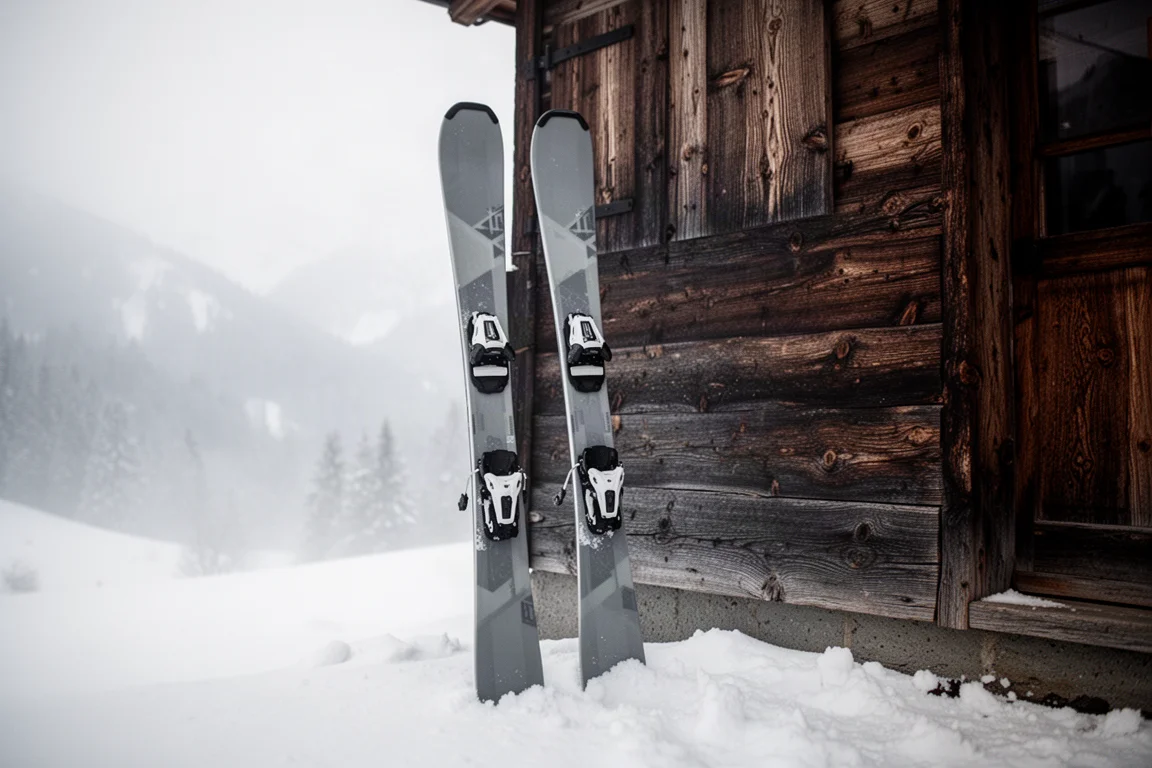
The decision comes down to how much you value the lower stand height and shorter profile. If you are chasing the closest possible connection to the ski and you ride mid-width or wider skis, the X platform is the more interesting option, and the Jester 16 X M-Works is the easier recommendation of the two for heavier or more aggressive skiers. If you want a proven binding at a lower price, or you need multi-norm boot compatibility, the standard Griffin 13 and Jester 16 remain the sensible choice.
Conclusion
The Griffin 13 X M-Works and Jester 16 X M-Works are not replacements for the bindings Marker already sells. They are a specialised alternative for skiers who want their boot closer to the ski, and they deliver that with an all-metal build and a mounting pattern that existing Marker owners already know. The trade-offs, namely a brake that cannot be swapped easily, no multi-norm compatibility, and genuine sensitivity to which ski the binding is mounted on, are clear enough to weigh honestly before buying.
Further reading
Related Reviews
Ski Bindings
Alpine Ski Binding Comparison: Entry-Level to Elite Options
A practical guide to alpine ski bindings, covering D-range, stand height, release systems, and top options from Atomic, Marker, Tyrolia, Look, and Armada.
Ski Bindings
Look Pivot 18 vs Look SPX12: Which Look Binding Makes Sense for You?
The Look Pivot 18 is a premium metal binding built for powder and freestyle skiers, while the SPX12 remains the smarter daily-driver choice for most riders.
Ski Bindings
Look Pivot 2.0 Bindings Compared: 11, 13, 15, and 18
A practical breakdown of the Look Pivot 2.0 lineup, including what the redesigned heel changes and which model suits your weight, terrain, and release setting.