Ski Bindings
Look Pivot 2.0 Bindings Compared: 11, 13, 15, and 18
A practical breakdown of the Look Pivot 2.0 lineup, including what the redesigned heel changes and which model suits your weight, terrain, and release setting.
Introduction
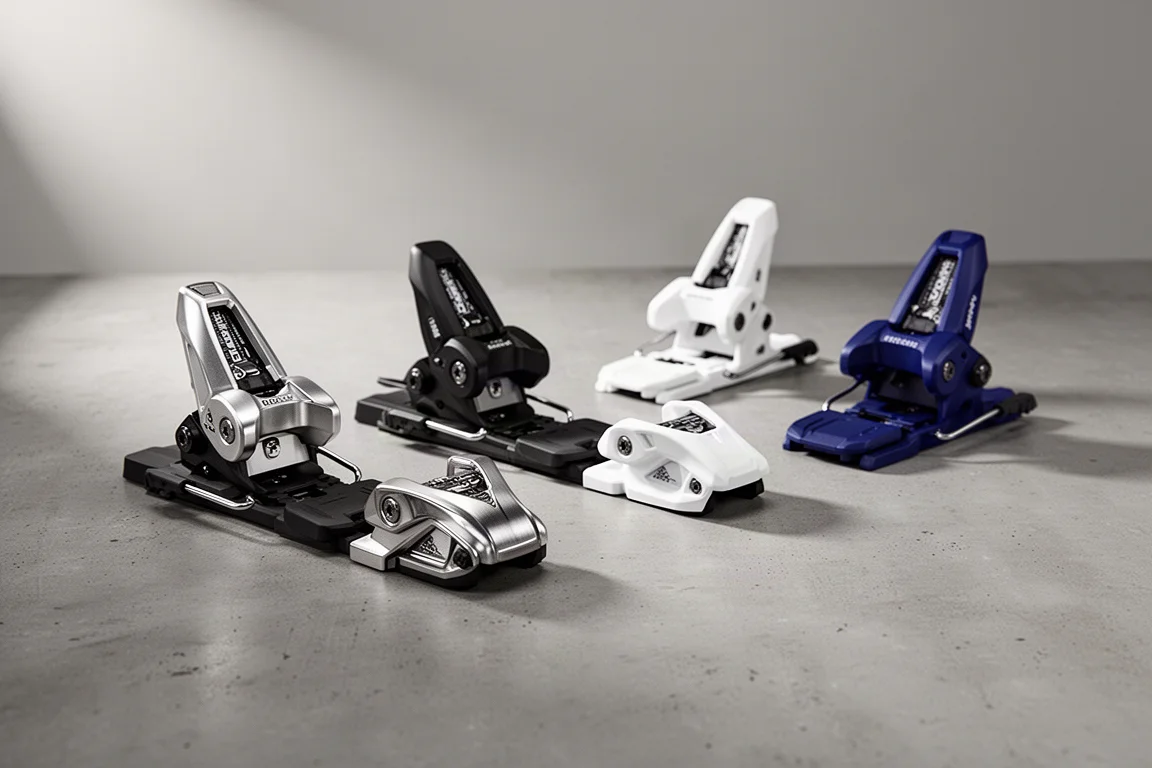
Look Pivot bindings have always been easy to spot in a lift line. The turntable heel, the short mounting footprint, and the wide color options set them apart from almost everything else on the wall, and the platform has built a loyal following among skiers who value a particular feel underfoot. For the 2025 season and into 2026, the range moves to the Pivot 2.0 platform.
The update is narrower than the name suggests. The 2.0 designation refers to the heel piece, which is the single biggest change across the line, alongside new colorways. The lineup still spans four models: the Pivot 2.0 11, 13, 15, and 18. They differ in toe construction, spring rate, weight, and price, and those four differences are what actually decide which one belongs on your ski.
This guide breaks down what each model offers, what the new heel changes in practice, and the trade-offs that come with the design.
What Defines the Pivot 2.0 Platform
Every binding in the range shares the same core architecture, so it makes sense to start with what they have in common before splitting them apart.
Elastic travel is the headline figure. The toe offers 45 mm of travel and the heel offers 28 mm, which is a substantial heel number compared with other alpine bindings. For reference, the Jester and Griffin sit around 30 mm at the toe and 16 mm at the heel, and the Attack is close to that at roughly 30 mm and 16 mm. One competitor reaches 47 mm at the toe but stops at 16 mm at the heel. Elastic travel is not only a retention figure. It also acts as suspension, which gives the binding a smoother and more forgiving feel before it releases.
Stand height is the second shared trait. The Pivot sits at roughly a 1 mm drop from heel to toe, making it one of the flattest bindings available. It is not the lowest, since the Attack sits lower, but the near-level platform feels close to how a skier stands without a binding in the equation. Whether that is an advantage is personal. Skiers who prefer to be pitched forward will notice the difference, and skiers who want a natural, upright stance tend to like it.
The mounting pattern is short and central. The screws sit directly beneath the heel of the boot, with no track or linkage behind it, and the heel does not rotate around a separate pivot. That lets the ski flex more naturally, especially in the tail, and it produces a direct, connected feel that is hard to describe without skiing it.
The full metal toe on the upper models delivers very direct power transfer, and durability across the range is a genuine strength. The 15 and 18 are the benchmark, but the metal construction and the small number of moving parts mean these bindings are built to last with basic care.
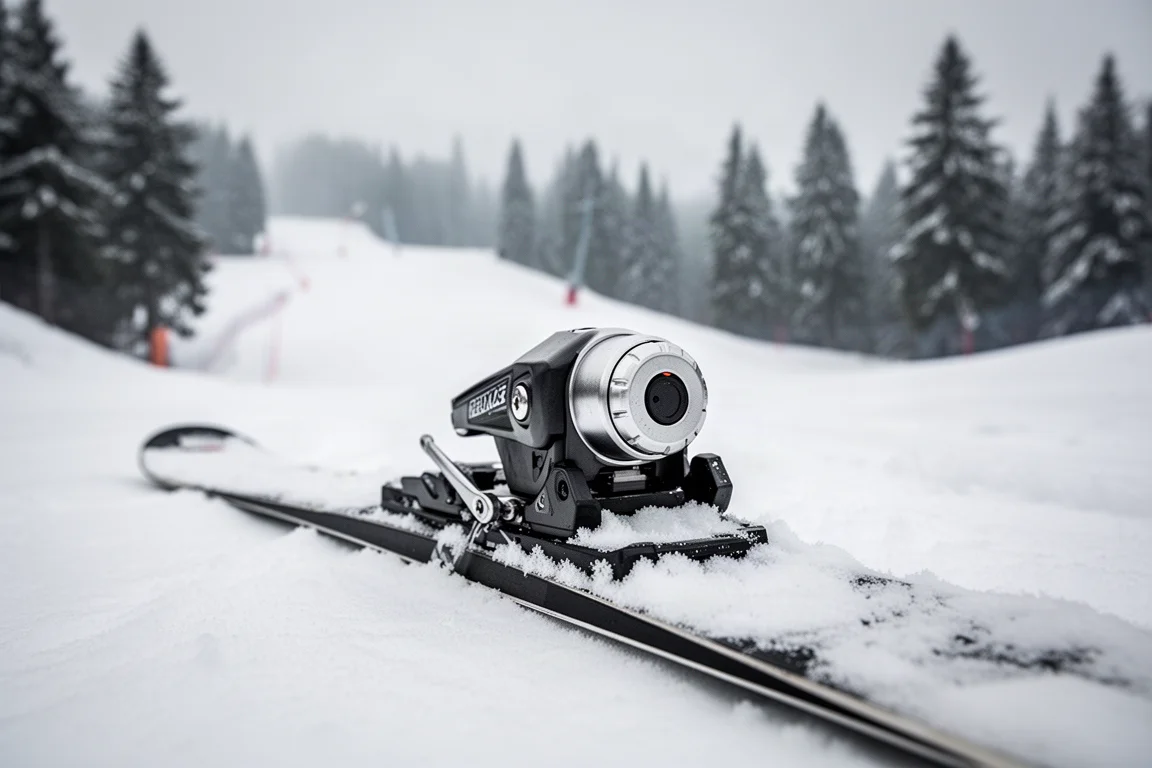
The new 2.0 heel carries several practical changes. Look added material along the sides of the heel tower for reinforcement, and the pole catch area is now metal rather than a piece that could pop out over time. Heel adjustment no longer requires a flathead screwdriver: a pozi drive or an Allen key works, and the forward and back range has grown to 20 mm, enough to move the heel between boot sizes. A 105 mm brake joins the range, which now covers 75, 95, 105, and 115 mm widths. An 85 mm option is still missing, which is a gap for skiers on narrower all-mountain skis.
Look Pivot 2.0 11: The Lightweight Option
The 11 is the entry point to the range and the lightest, most affordable model. It uses a composite FDC toe piece paired with the new 2.0 heel, which keeps weight and cost down. That makes it a sensible match for lighter skiers and for recreational all-mountain use rather than hard-charging terrain.
Unofficial updated pricing for the range puts the 11 at $279.95.
Look Pivot 2.0 13: The Middle of the Range
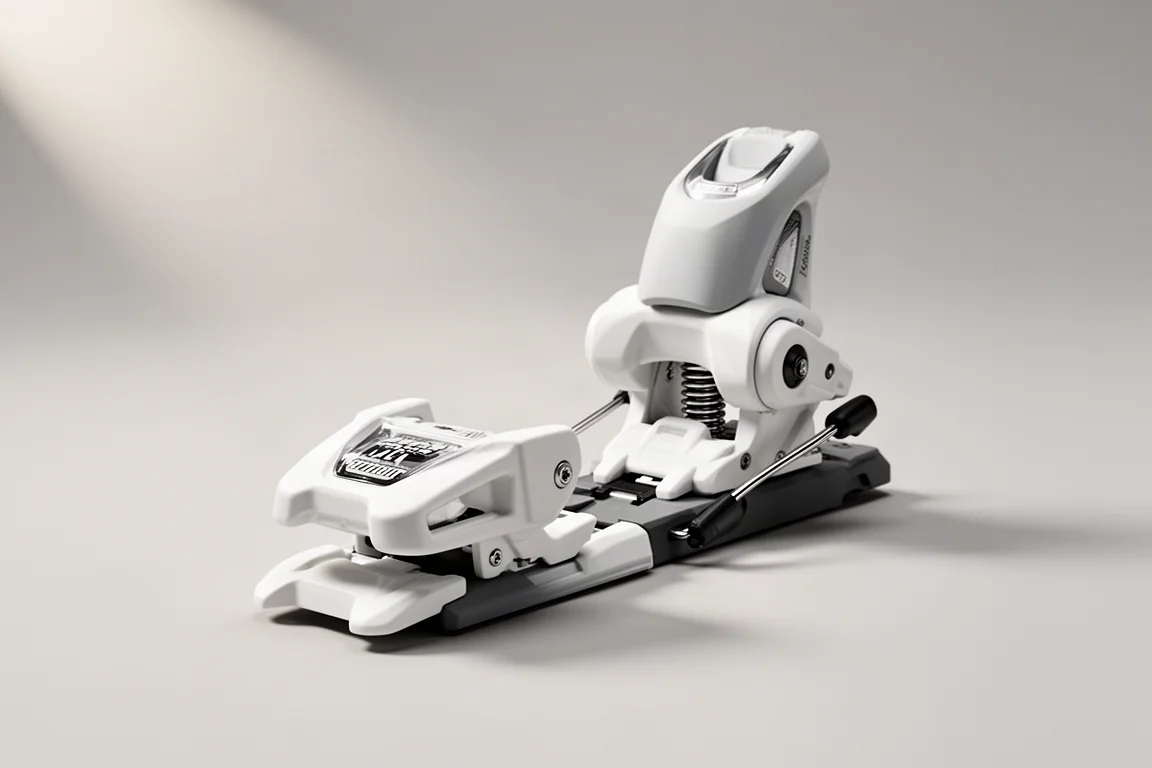
The 13 is effectively the previous 14 with the new 2.0 heel bolted on. It uses a full action toe with moving wings that travel both outward and upward, a different mechanical approach to the same goal the metal toe achieves. It is also meaningfully lighter than the metal-toe models at around 330 grams per piece, which is a real consideration if you are building a lighter setup. Its updated price sits at $379.95.

The 13 is the natural choice for skiers who want the Pivot feel without the weight of the aluminum toe, and who do not need the durability ceiling of the 15 or 18. For most all-mountain skiing, the difference in retention is not the limiting factor.
Look Pivot 2.0 15: Full Metal Construction
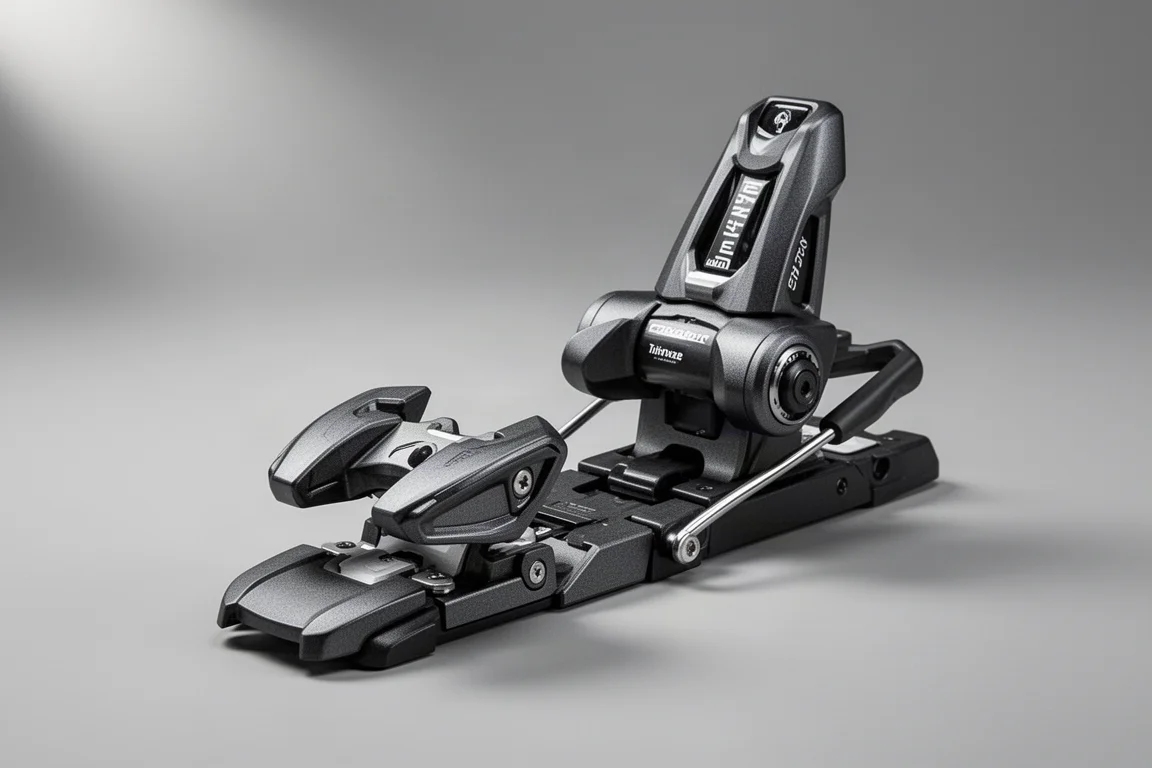
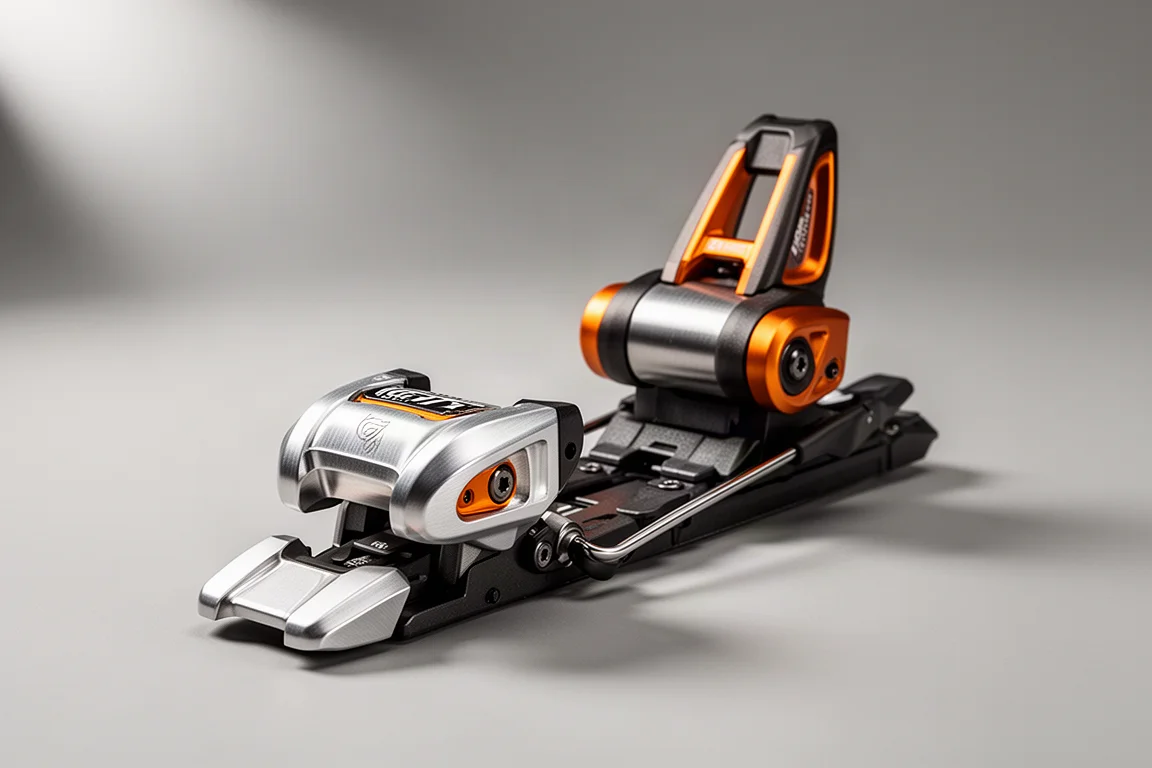
The 15 steps up to a full aluminum toe piece, which is where the direct power transfer and the durability reputation really come from. It weighs around 500 grams per piece, and its spring rate sits below the 18 while everything else about the two bindings is identical. The 15 is also the most colorful model in the range, with four colorways available.
Updated pricing for the 15 is $479.95, the same as the 18.
Look Pivot 2.0 18: The Stiffest Spring
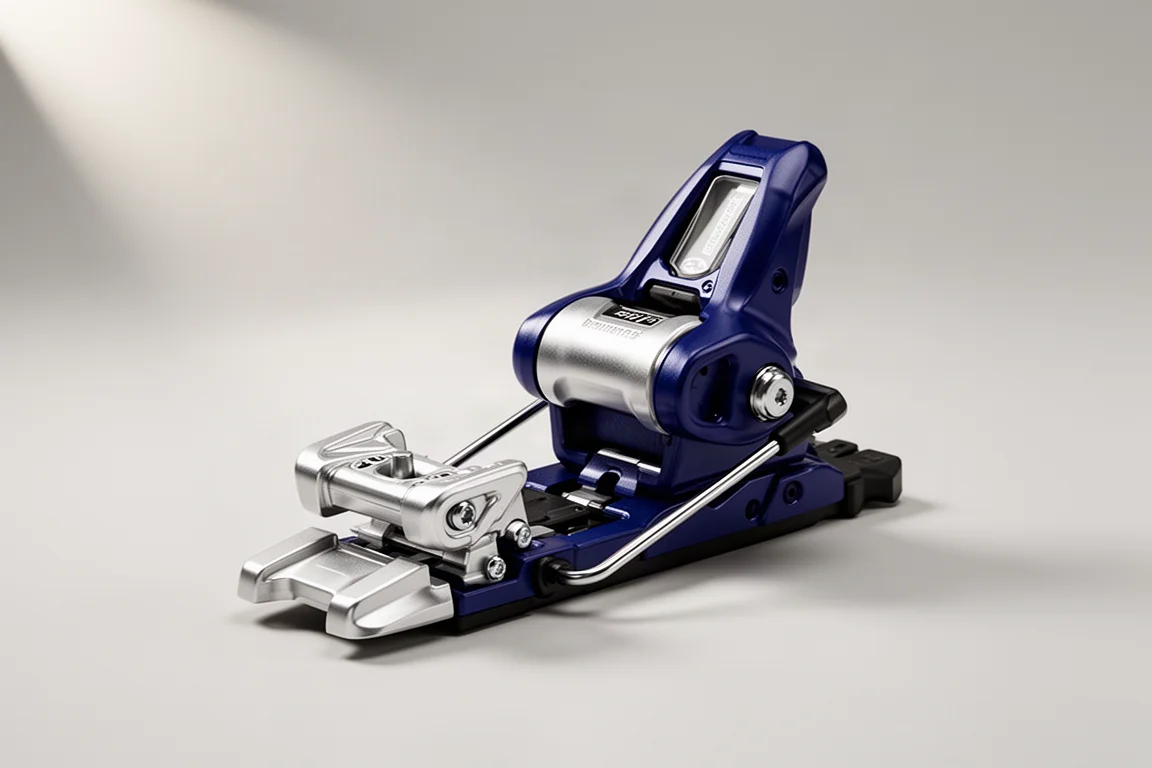
The 18 shares its aluminum toe, heel, and overall construction with the 15. The only difference between the two is the spring, which is stiffer on the 18 to suit higher release settings. It is offered in a blue colorway, and like the 15 it is listed at $479.95 in the updated pricing.

That single spring difference is the whole decision. If your release setting lands in the upper part of the range, the 18 is the correct choice. If it does not, the 15 delivers the same build and the same durability for the same money.
Trade-Offs and Owner Quirks
The Pivot design has a few habits worth knowing about before you commit.
The heel needs a clean interface. A small amount of snow packed into the heel can prevent it from depressing fully, which is unnerving on a cold morning and can require clearing it out before you click in.
The brakes sit differently than on most bindings. They hang lower and closer to the ski, which some skiers notice in bumps and in a narrow stance, and in some cases the brake extensions need to be trimmed so they do not drag. Replacement turntables are also a cost to keep in mind, and swapping them takes some effort.
Setting forward pressure is trickier than average. The indicator now uses arrows instead of a plain line, which helps, but this remains a job for a certified binding technician rather than a home adjustment. Weight is the last honest trade-off. At around 500 grams per piece, the 15 and 18 add noticeable mass, particularly on wider skis.
Buying Advice: Matching the Binding to the Ski
Choosing within the range comes down to three questions: how much you weigh, how hard you ski, and how much weight you are willing to carry.
Lighter skiers and recreational all-mountain skiers will generally be well served by the 11 or the 13. The 13 is the more versatile of the two thanks to its lighter weight and mid-range price, and it makes a strong case for anyone who wants the Pivot feel on a daily driver.
Heavier skiers, aggressive skiers, and anyone who spends time in freeride terrain should look at the 15. It is the value pick of the metal-toe pair, and it offers the widest color selection for matching a ski graphic.
The 18 only makes sense if your release setting requires the stiffer spring. Otherwise, the 15 gives you the same binding for the same price. One further note is worth knowing: the Pivot is the binding the CAST system is designed to work with, which matters if touring adaptability is part of your plan.
Conclusion
The Pivot 2.0 range keeps the characteristics that made the platform distinctive, the turntable heel, the short mount, the flat stance, and the elastic travel, and refines the heel with better reinforcement and easier adjustment. The 11 and 13 cover lighter and mid-weight skiers, while the 15 and 18 deliver the metal-toe durability the line is known for. Match the model to your weight, your terrain, and your release setting, and the quirks are easy to live with.
Further reading
Related Reviews
Ski Bindings
Alpine Ski Binding Comparison: Entry-Level to Elite Options
A practical guide to alpine ski bindings, covering D-range, stand height, release systems, and top options from Atomic, Marker, Tyrolia, Look, and Armada.
Ski Bindings
Look Pivot 18 vs Look SPX12: Which Look Binding Makes Sense for You?
The Look Pivot 18 is a premium metal binding built for powder and freestyle skiers, while the SPX12 remains the smarter daily-driver choice for most riders.
Ski Bindings
Marker Griffin 16 M Works and Jester 16 X M Works: Inside the New Low-Stand-Height X Binding
Marker's new X binding drops toe stand height to 9 mm and rebuilds the toe as a magnesium monoblock. Here is what that changes on snow, and which skis suit it.